Standard Punches
Shoulder & Ejector Types for General Stamping. Browse 159 products from MISUMI and DAYTON with configurable dimensions and same-day shipping on standard catalog items.
Standard Punches (159 Products)
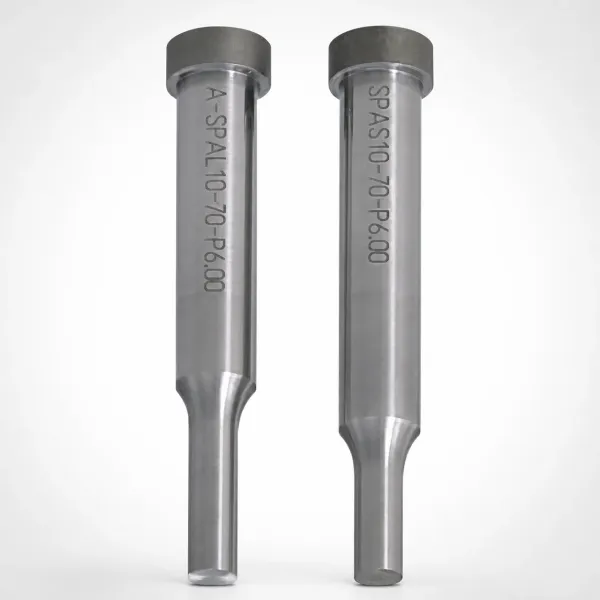
Shoulder Punches Double-Stepped Shank
Shoulder Punches with double-stepped shank for heavy-load applications. Hardened steel options improve durability, wear resistance, and stable punch seating....
View Details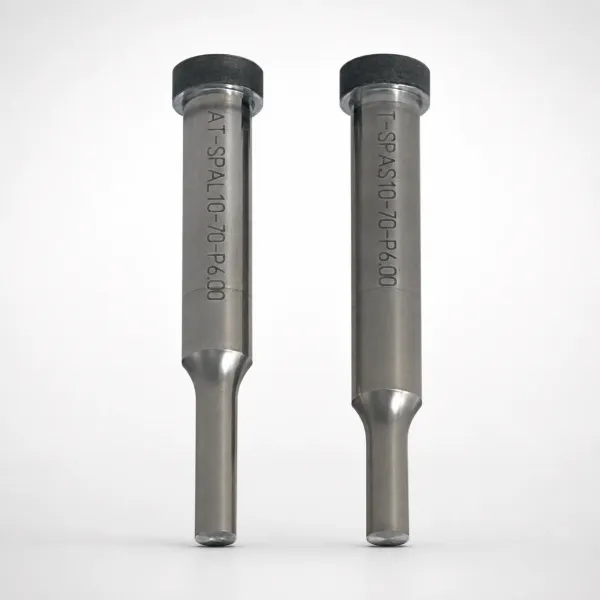
Dicoat Treatment Shoulder Punches
Shoulder Punches with MISUMI Dicoat Treatment for heavy-load punch applications. Single-stepped shank design in D2 or powdered high-speed steel—request a quote.
View Details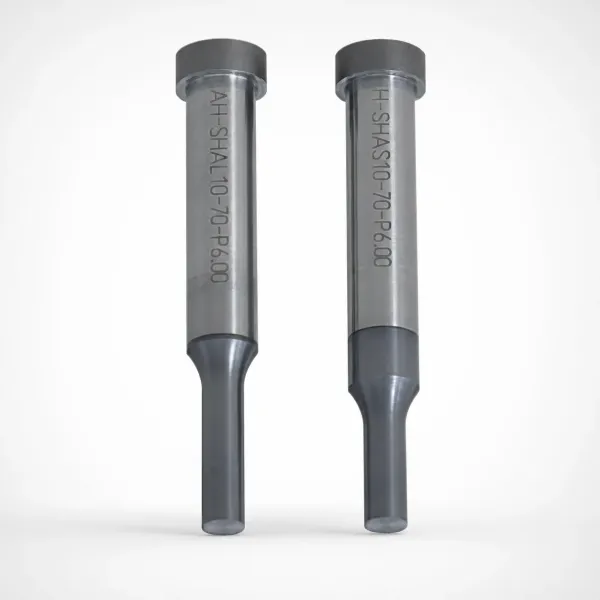
TiCN Coated Shoulder Punches
TiCN Coated Shoulder Punches for heavy-load mold applications. Options include SKH51 equivalent M2 and SKH40 equivalent powdered high-speed steel. Request a ...
View Details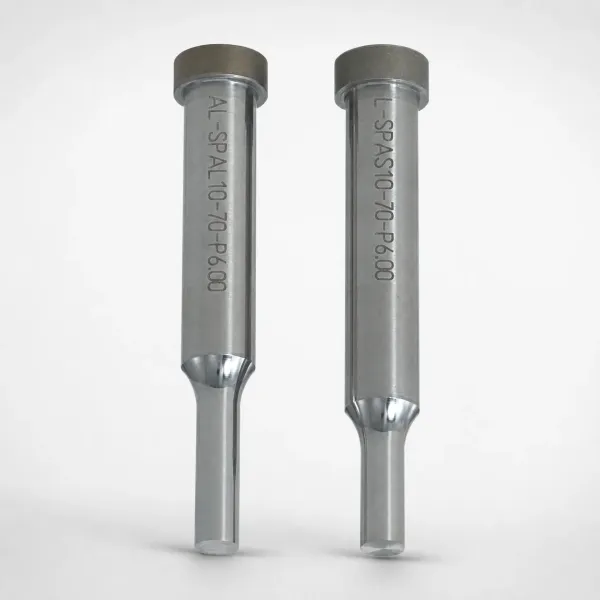
Shoulder Punches - Lapping Single-Stepped Shank
Shoulder Punches - Lapping single-stepped shank for heavy-duty punch applications. Choose from SKD11 (D2), SKH51 (M2) or SKH40 options.
View Details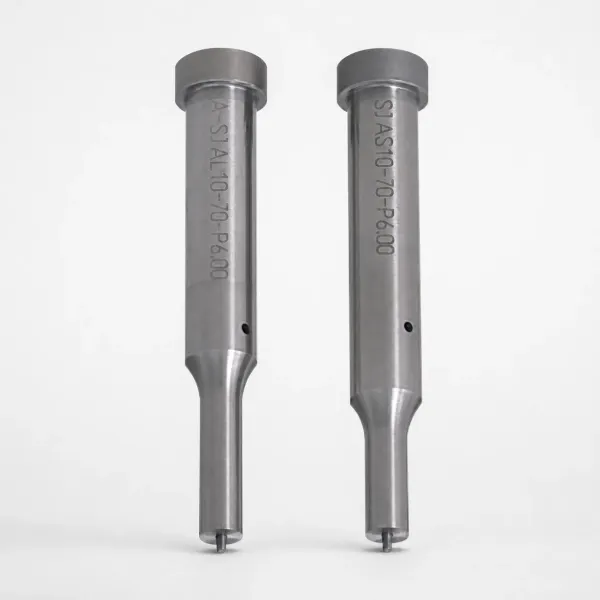
JIS Standard Steel Ejector Punches Single-Stepped Shank
Ejector punches with single-stepped shank and spring-reinforced jector for stable ejection. Hardened steel options for durable, precision punch work—request ...
View Details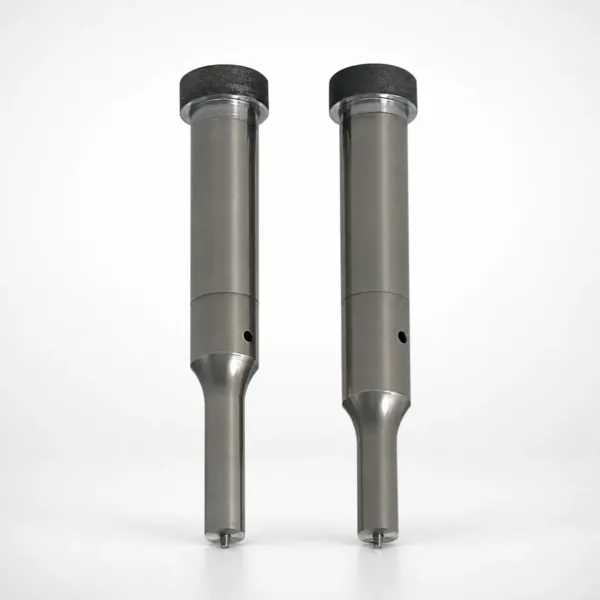
Jector Punches - Dicoat Treatment
Jector Punches - Dicoat Treatment with spring reinforced jector option for dependable heavy-load ejection. Durable SKD11/D2 and SKH40 steel. Request a quote.
View Details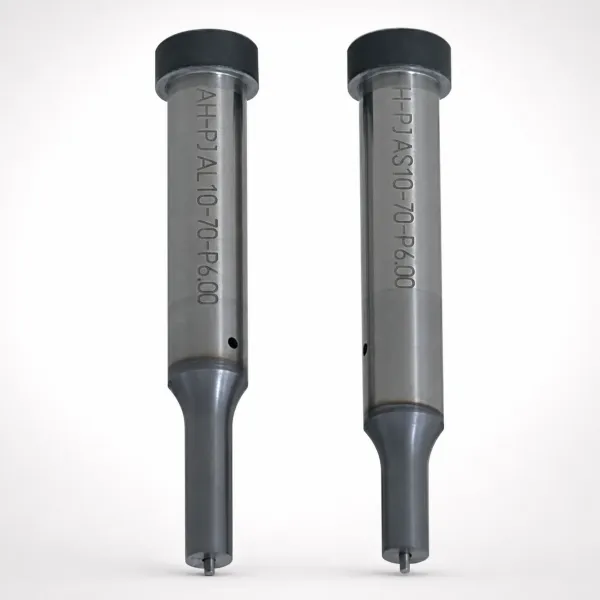
TiCN Coated Jector Punches
TiCN coated jector punches with heavy-load option and spring reinforced design for reliable ejection. Durable wear-resistant punch performance. Request a quote.
View Details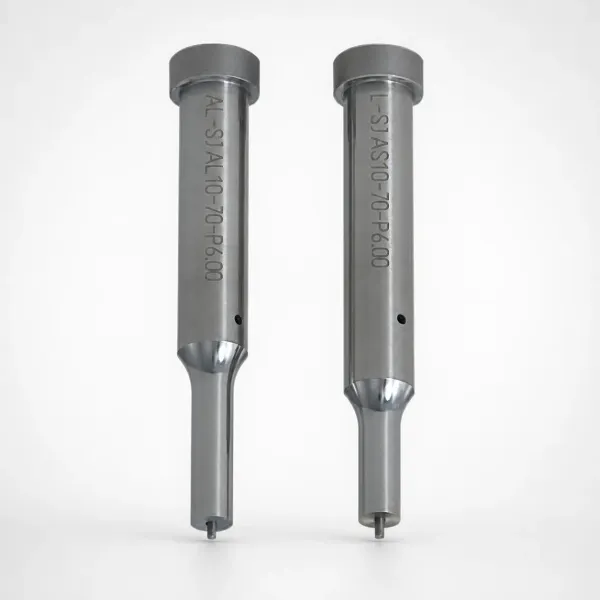
Ejector Punches Lapping Spring Reinforced
Ejector Punches Lapping Spring Reinforced for precise die work. Made from hardened tool steel options for wear resistance, ensuring consistent forming and co...
View Details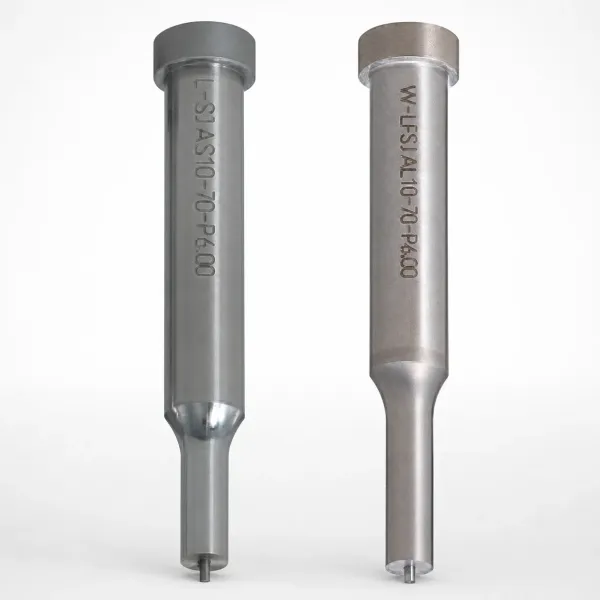
JIS Standard Steel Ejector Punches Step Spring Reinforced
Ejector Punches Step Spring Reinforced for heavy-load mold applications. Steel construction with spring reinforcement supports reliable ejection—request a qu...
View Details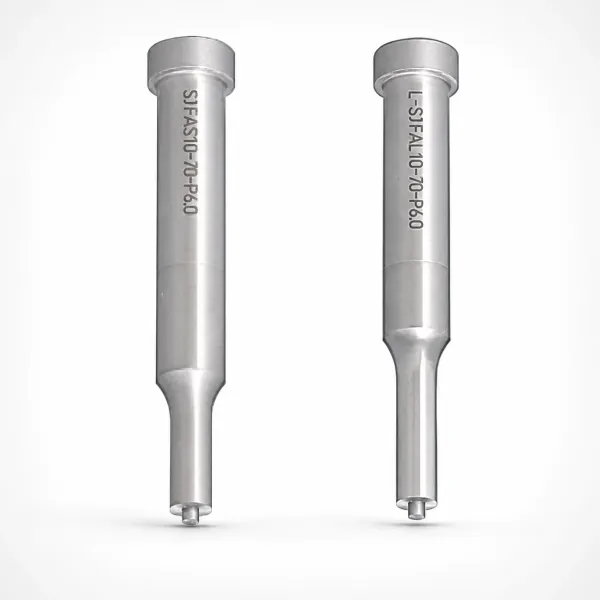
Jector Punches - Large Diameter Ejector Pins (Lapping) SKD11 (D2)
Jector Punches - Large Diameter Ejector Pins (Lapping) use SKD11 (D2) steel for stable, heavy-duty ejection. Request a quote.
View Details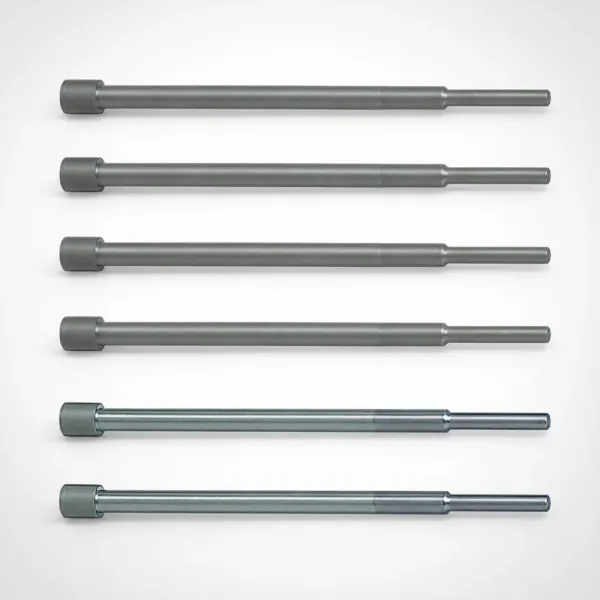
Quill Shoulder Punches Single-Stepped
Quill Shoulder Punches Single-Stepped (SKH51 equivalent steel) for precision punching. Single-stepped quill design supports stable, high-durability machining...
View Details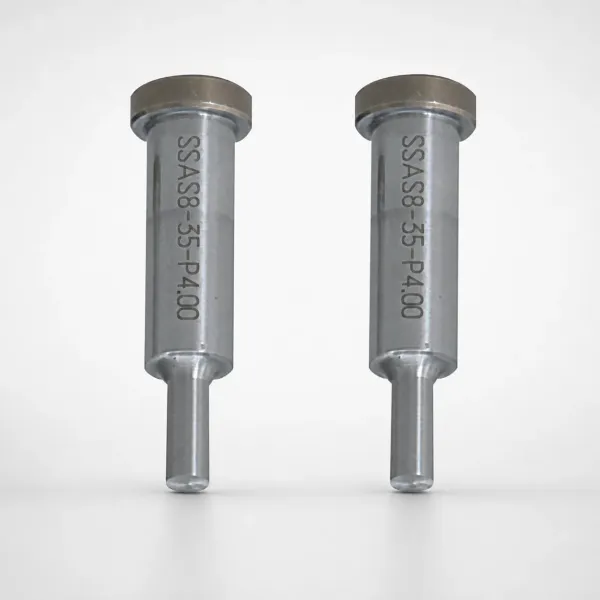
TiCN Coated Short Shoulder Punches
Short Shoulder Punches with TiCN (XCN) coating for heavy-load tooling. Built from hardened steel options like SKD11(D2) or SKH51(M2) to improve wear. Request...
View Details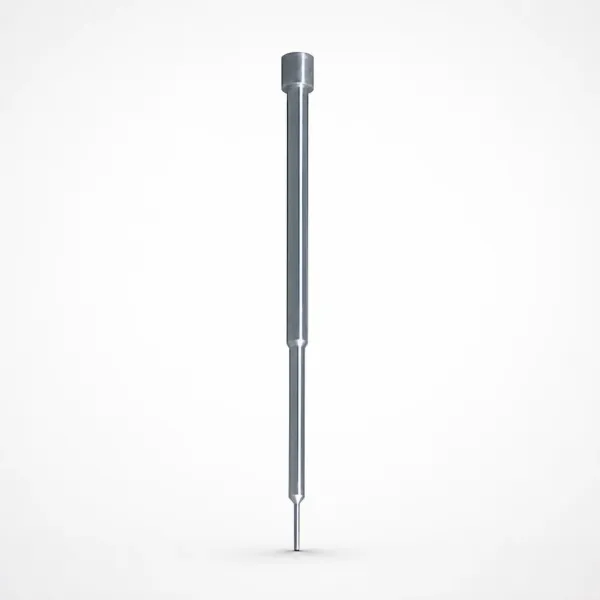
Double Stepped Quill Shoulder Punches
Double Stepped Quill Shoulder Punches for heavy-duty punch work with durable SKH51/M2 hardened steel options. Engineered for stable double-stepped guidance—r...
View Details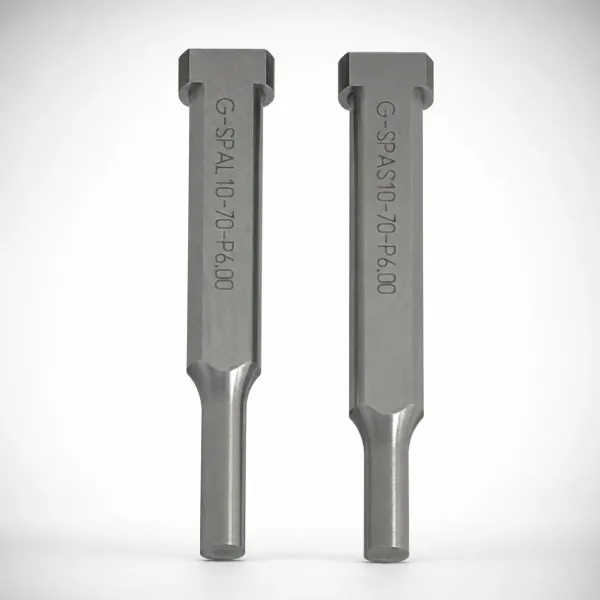
TiCN Coated Key Flat Shank Shoulder Punches
Key Flat Shank Shoulder Punches with TiCN coating Option for heavy-load punch work. Durable SKD11/M2/HSS steel selection for long tool life. Request a quote.
View Details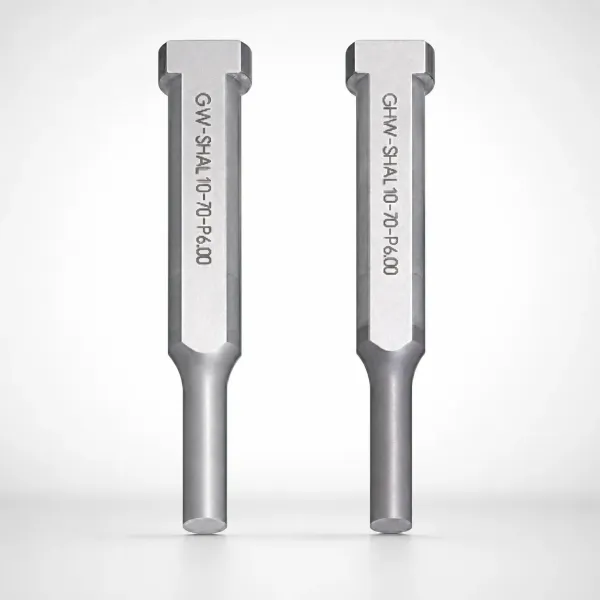
Key Flat Shank Shoulder Punches (HW Coating, WPC Treatment)
Key Flat Shank Shoulder Punches (HW Coating, WPC Treatment) for heavy-load forming. Hardwearing coating options improve wear resistance and punch stability—r...
View Details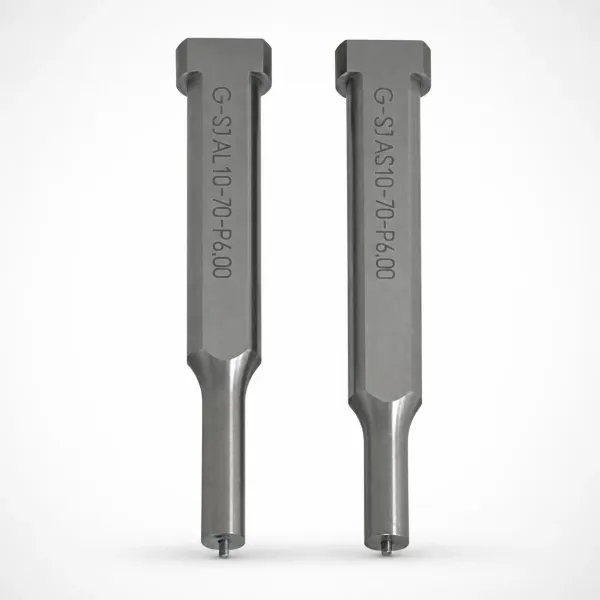
JIS Standard Hardened Steel Key Flat Shank Ejector Punches (TiCN Coating)
Key Flat Shank Ejector Punches (TiCN Coating) deliver stable, spring-reinforced pin action for efficient ejection. Request a quote for your toolroom.
View Details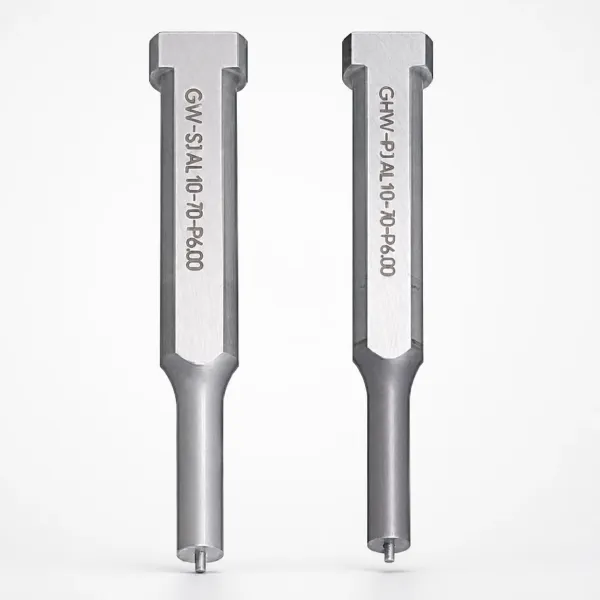
Key Flat Shank Ejector Punches WPC Treatment
Key Flat Shank Ejector Punches (WPC Treatment) for heavy-load punching. Spring-reinforced jector pins support stable ejection accuracy. Request a quote.
View Details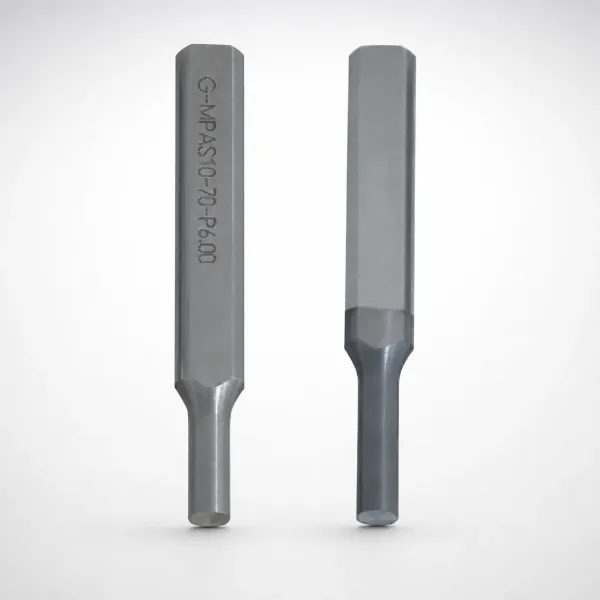
Key Flat Shank Tapped Punches TiCN Coated
Key Flat Shank Tapped Punches with TiCN (XCN) coating for heavy-load forming. Designed for durable tapping and stable alignment in tooling. Request a quote.
View Details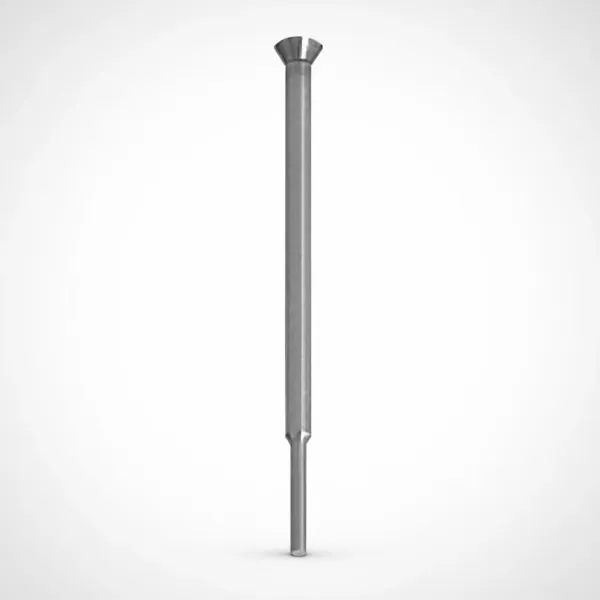
SHCL Type Mini Quill Punches
Mini Quill Punches SHCL type with a round tip and single-stepped shank, made from SKH51 equivalent hardened steel for stable punching. Request a quote.
View Details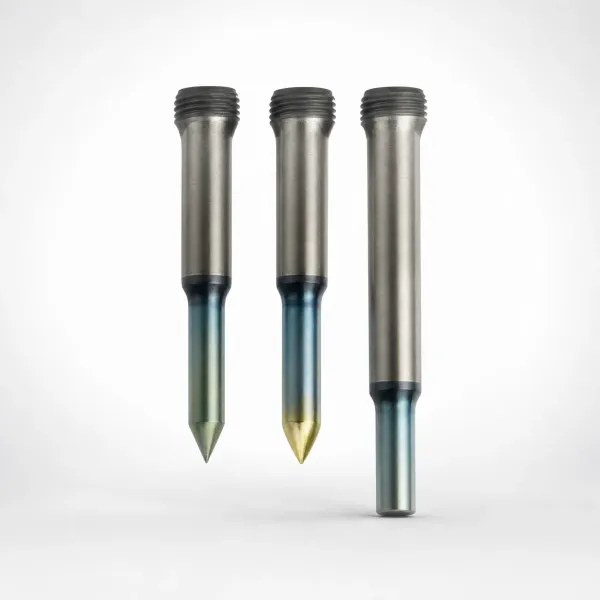
Quill Shoulder Punches - DLC Coating
Quill Shoulder Punches - DLC Coating for precise punch and ejector tooling. Single-stepped shank design with DLC/XCD coating options for wear resistance. MIS...
View Details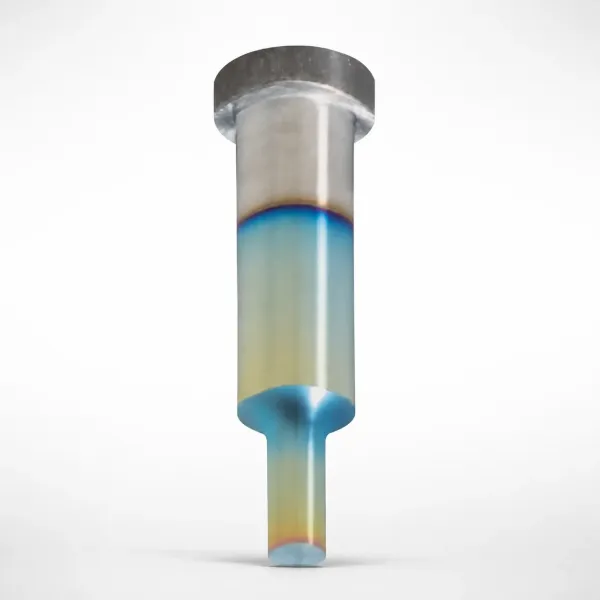
SKH51 Steel DLC Coated Short Shoulder Punches
SKH51 Steel DLC coated short shoulder punches with single-stepped shank for accurate die setup. Designed for repeatable press work—request a quote.
View Details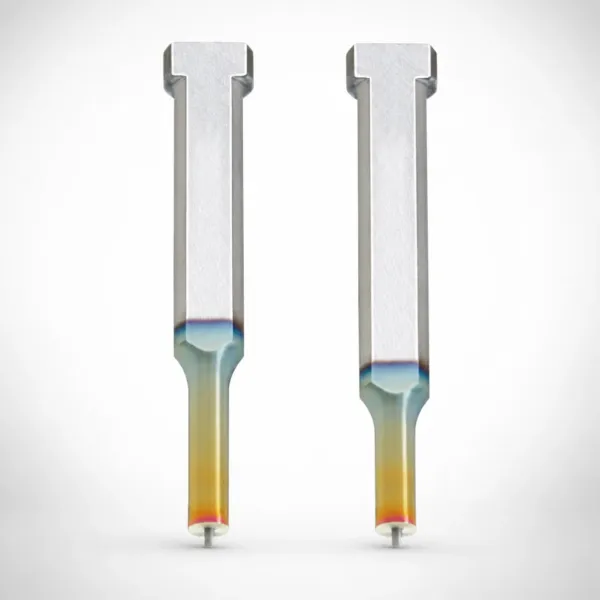
Key Flat Shank Ejector Punches DLC Coating
Key Flat Shank Ejector Punches with DLC coating for wear resistance. Spring reinforced for heavy loads and stable stepped guidance. Request a quote.
View Details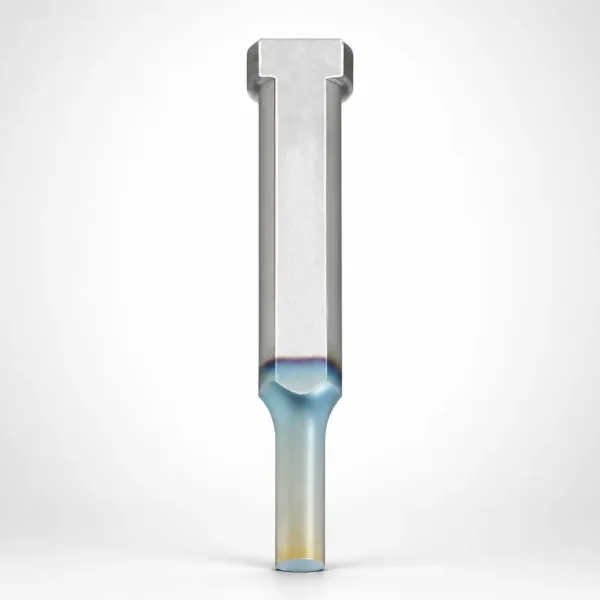
Key Flat Shank Shoulder Punches (DLC Coating)
Key Flat Shank Shoulder Punches with DLC coating for wear-resistant punch tooling. Single-stepped key-flat shank supports stable seating and repeatable formi...
View Details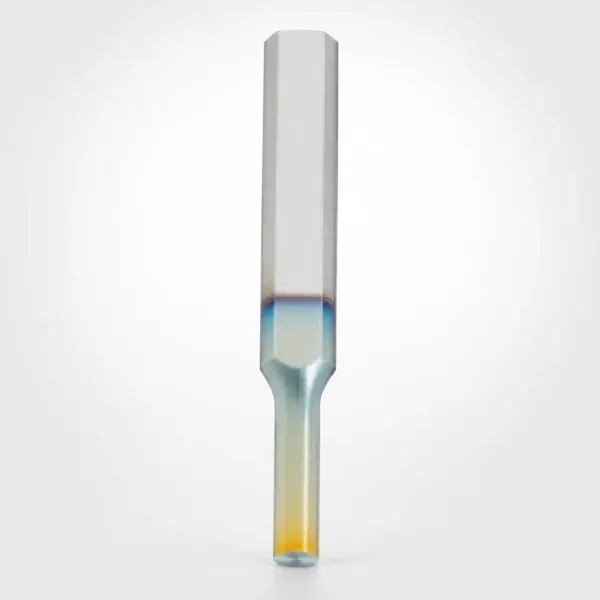
Key Flat Shank Tapped Punches - DLC Coating
Key Flat Shank Tapped Punches - DLC Coating for precise punch positioning in close-tolerance tooling. DLC coated SKH40-equivalent steel for wear resistance. ...
View Details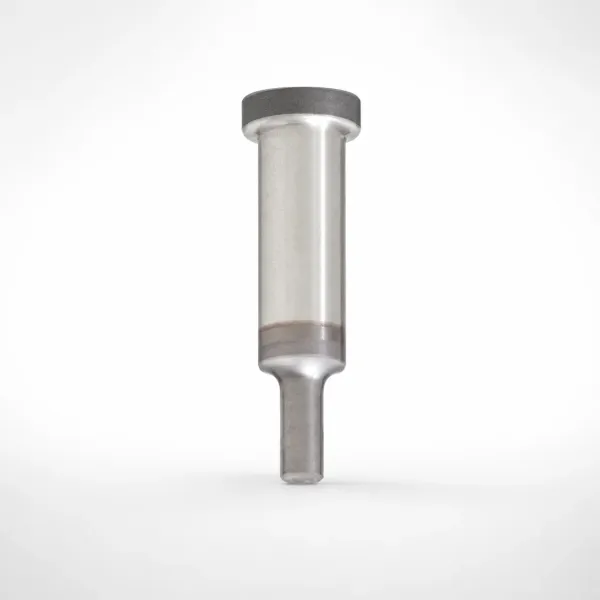
Short Shoulder Punches (HW Coating)
Short Shoulder Punches (HW Coating) for heavy-load molding work. Durable single-stepped design with SKH40/SKH51 equivalent hardened steel options. Request a ...
View Details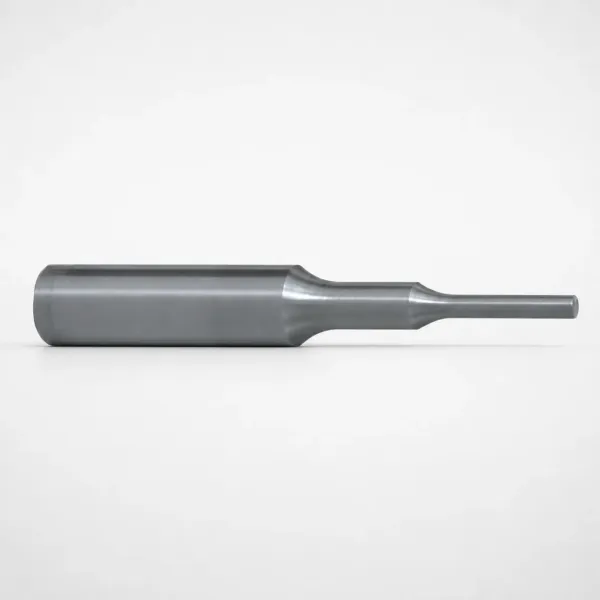
Double-Stepped Tapped Punches (TiCN Coating)
Double-Stepped Tapped Punches (TiCN Coating) are fixed with a bolt for easy punch replacement and height adjustment. Ideal for narrow pitch layouts.
View Details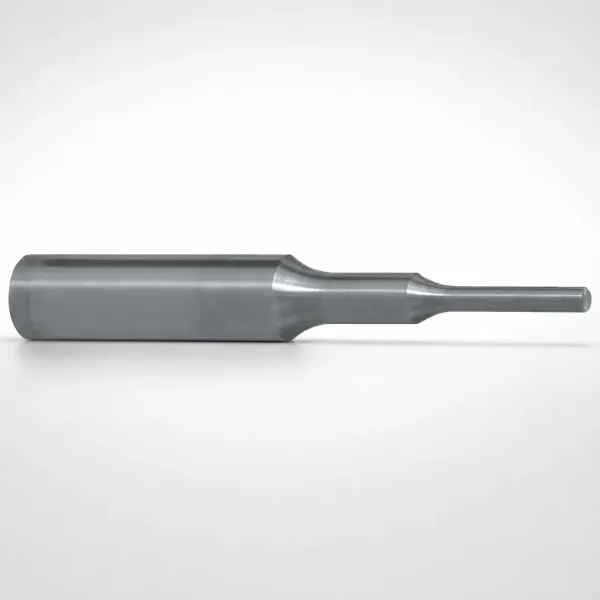
HW Coated Double-Stepped Tapped Punches
HW coated Double-Stepped Tapped Punches for bolt-fixed tooling. Easy punch replacement and height adjustment after edge regrinding. Request a quote.
View Details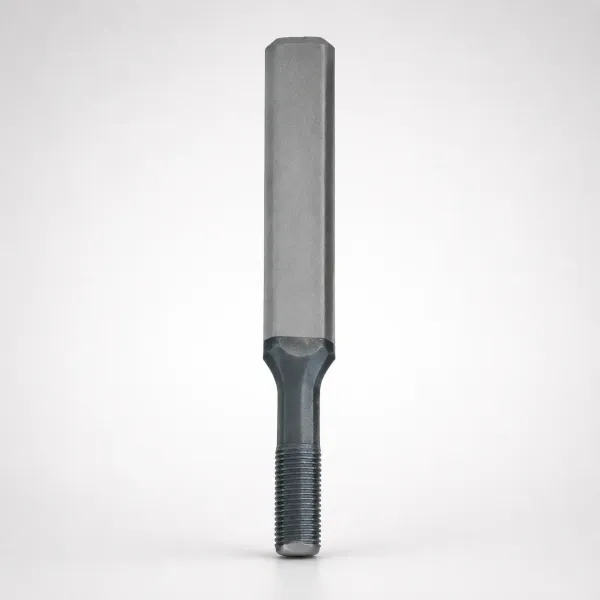
Key Flat Shank Tapped Punches - HW Coating
Key Flat Shank Tapped Punches - HW Coating for heavy-load die applications. Built from hardened high-speed steel with reliable single-stepped shank strength....
View Details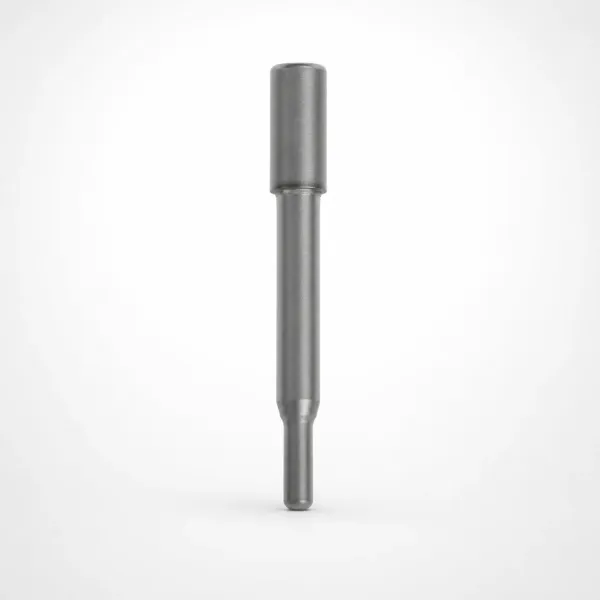
HW-PHTAL Round Stopper Punches
HW-PHTAL Round Stopper Punches deliver heavy-load, single-stepped punch performance with round tip geometry. Built from durable SKH40 steel for stable result...
View Details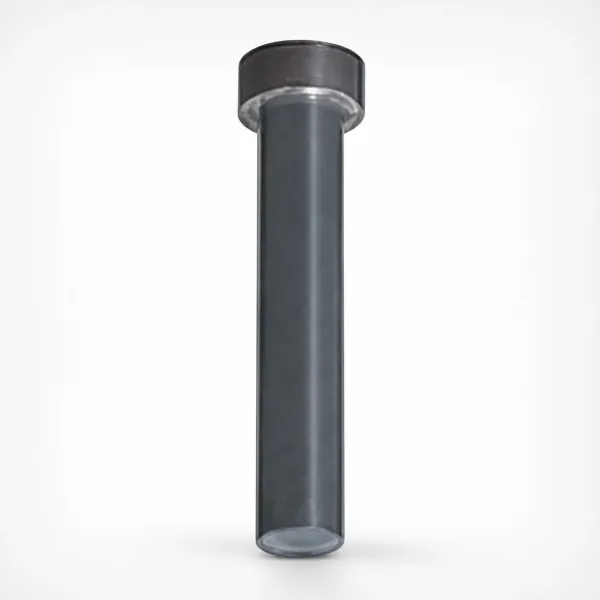
TiCN Coated Heavy Load Straight Shank Punches (M2 Equivalent Steel)
TiCN coated heavy load straight shank punches for demanding die work. Straight shank design for reliable precision; durable wear protection. Request a quote.
View Details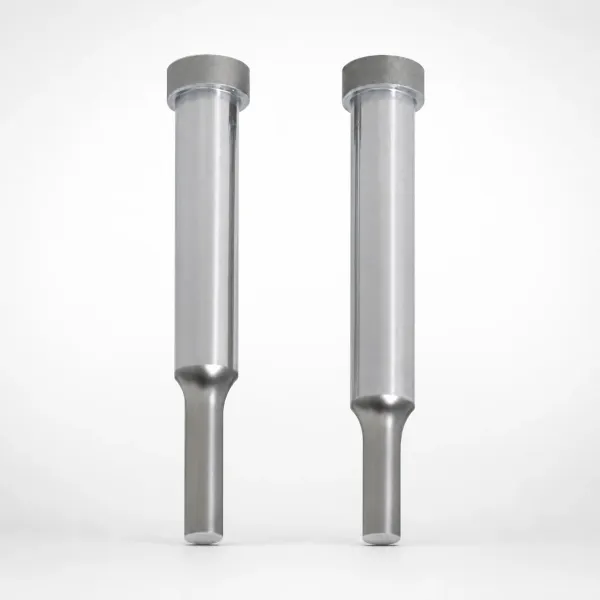
Single-Stepped Shoulder Punches - RW Coating
Single-stepped shoulder punches - RW coating for heavy-load die applications. Built from durable SKH51 or SKH40 steel with reliable stepped shanks.
View Details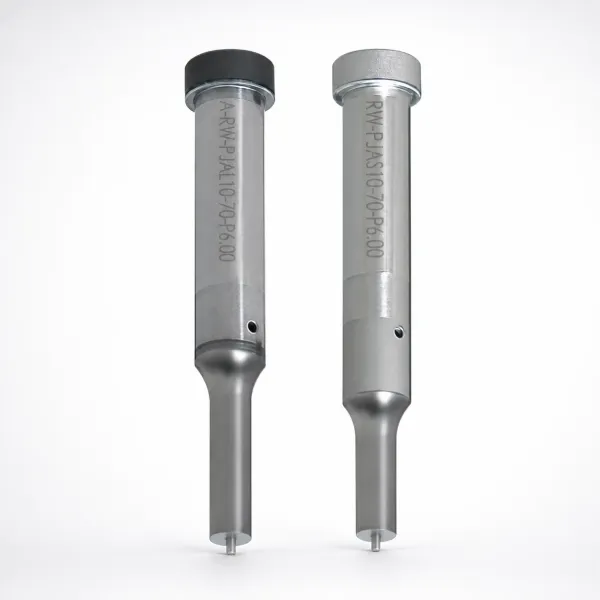
Ejector Punches - RW Coating SKH40 Steel
Ejector Punches - RW Coating SKH40 Steel for heavy-load punch applications. Spring reinforced design improves pin stability and wear resistance. Request a qu...
View Details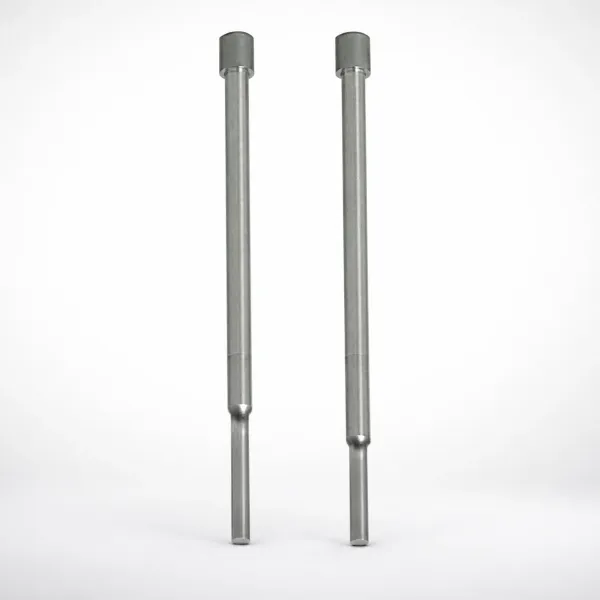
Quill Shoulder Punches - RW Coating
Quill Shoulder Punches - RW Coating for accurate punching and repeated production. Single-stepped shank, durable tool steel options, and multiple tip geometr...
View Details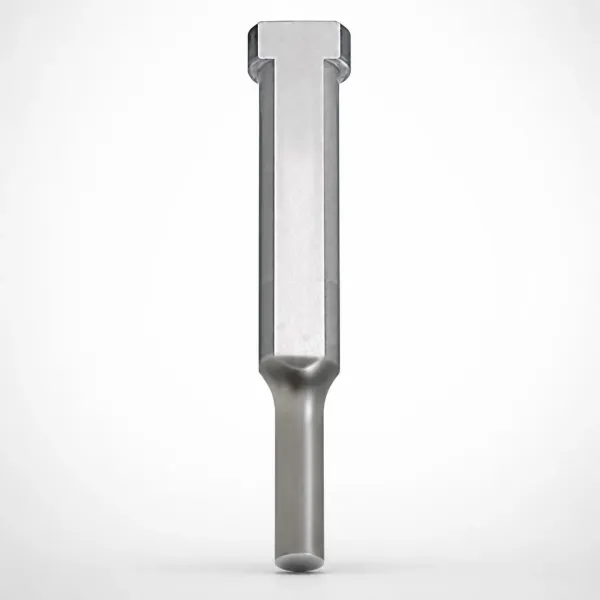
Hardened Steel Key Flat Shank Shoulder Punches - RW Coating
Key flat shank shoulder punches with RW coating for heavy-load forming and close-tolerance work. Hardened steel for long wear life. Get a quote.
View Details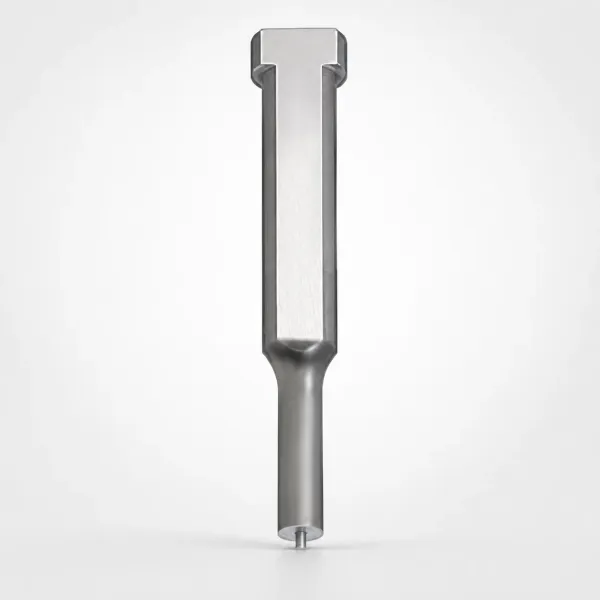
Key Flat Shank Ejector Punches - RW Coating
Key Flat Shank Ejector Punches - RW Coating for heavy-load molding use. Features a single-stepped shank and spring-reinforced mechanism. Request a quote.
View Details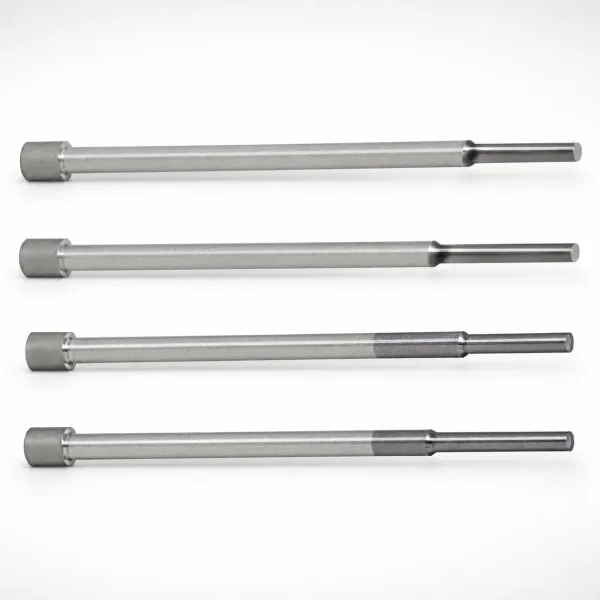
Quill Shoulder Punches - RX or HX Coating
Quill shoulder punches with RX or HX coating for precise punching. Choose SKH40 or SKH51 equivalent steel for durability and clean holes—request a quote.
View Details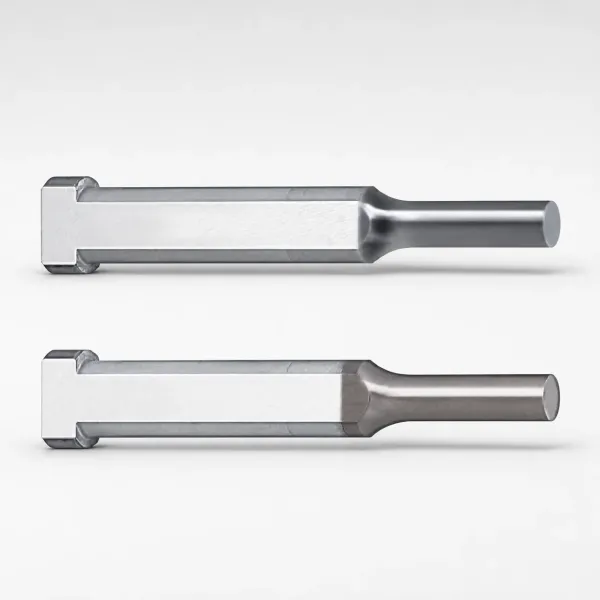
Key Flat Shank Shoulder Punches RX/HX Coated
Key Flat Shank Shoulder Punches with RX/HX coating for stable, clean punching results. SKH51 equivalent tool steel for long wear life. Request a quote.
View Details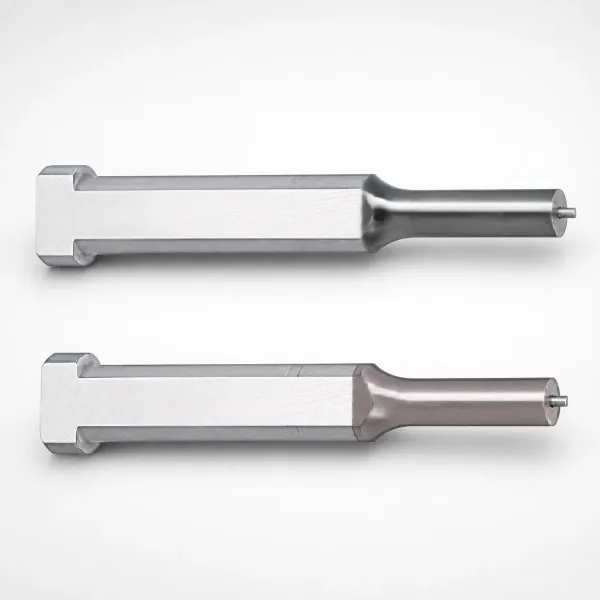
Key Flat Shank Ejector Punches
Key Flat Shank Ejector Punches with RX or HX coating deliver reliable wear resistance and stable ejection for precision machining. MISUMI durability—request ...
View Details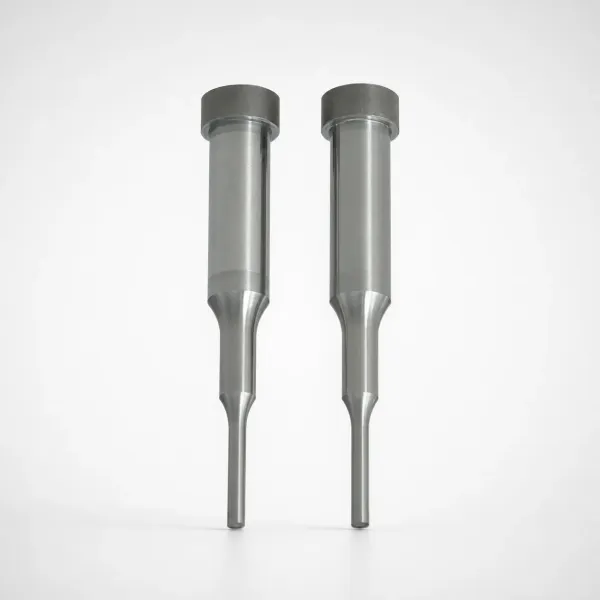
SKD11 Equivalent Double Stepped Shoulder Punches
Double Stepped Shoulder Punches (SKD11 Equivalent) for precise blanking alignment. Heat-treated for wear resistance and stable punching performance. Request ...
View Details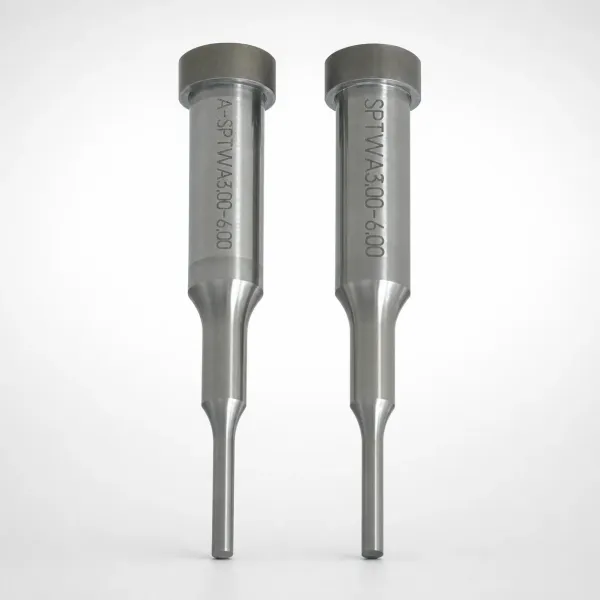
SKH51 Steel Double Stepped Shoulder Punches TiCN Coating
SKH51 steel Double Stepped Shoulder Punches with TiCN coating. Double-stepped shank design for stable alignment in die stamping—request a quote.
View Details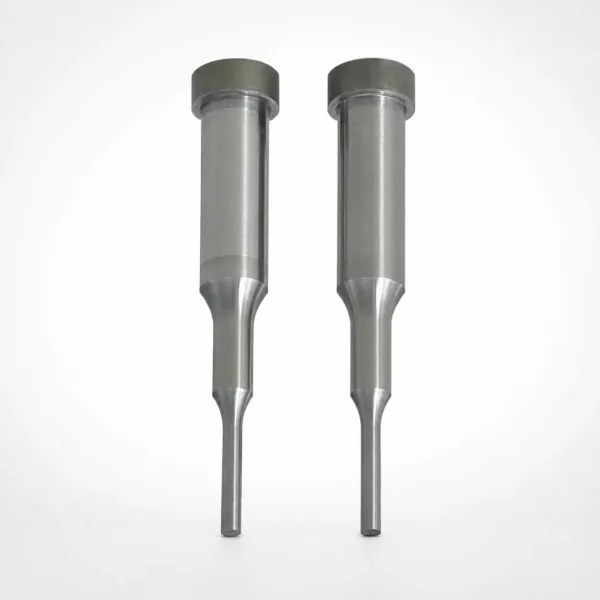
SKH51 Equivalent HW Coating Double Stepped Shoulder Punches
Double stepped shoulder punches with HW coating for stable strip release and punch positioning. Built from SKH51 equivalent steel options for wear resistance...
View Details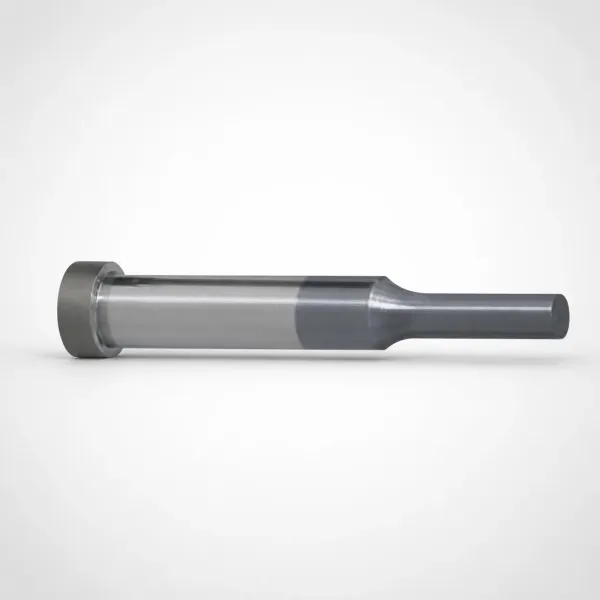
HW Coating Single-Stepped Shoulder Punches
HW coating single-stepped shoulder punches for die work provide consistent seating and improved wear resistance. Suitable for punches and press tooling—reque...
View Details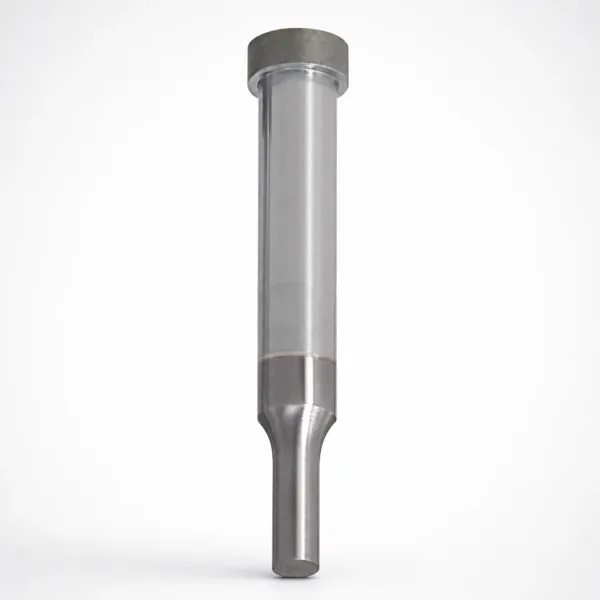
HX Coating Shoulder Punches
HX Coating Shoulder Punches for precision tooling. Choose from multiple tip shapes and hardened steel options for durable performance. Request a quote.
View Details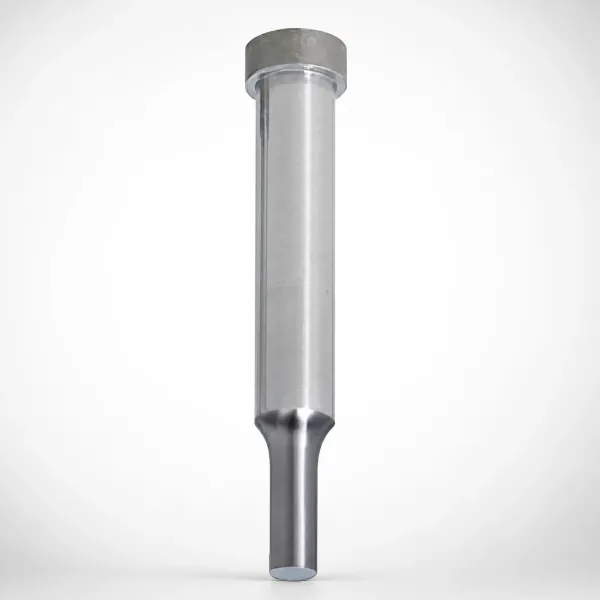
RX Coated Shoulder Punches
RX Coated Shoulder Punches for clean hole formation in toolmaking and assembly. Durable coating resists wear for stable punching accuracy. MISUMI performance.
View Details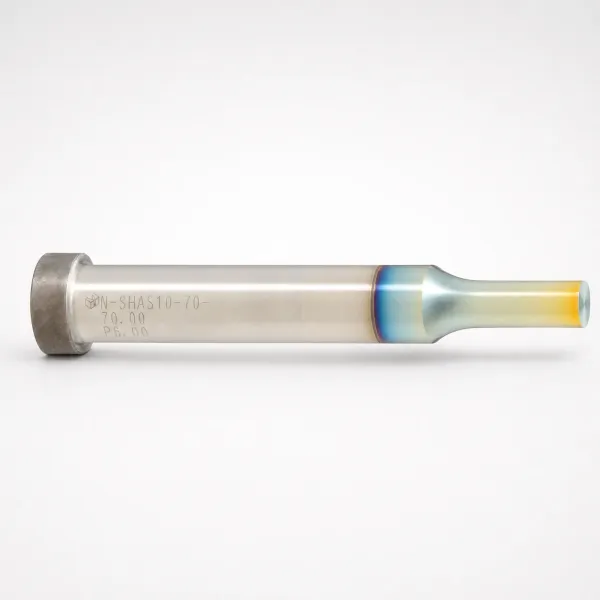
Single-Stepped Shoulder Punches - DLC Coating
Single-Stepped Shoulder Punches DLC coating for clean, controlled punch action in close-tolerance tooling. Wear-resistant finish for repeated production use....
View Details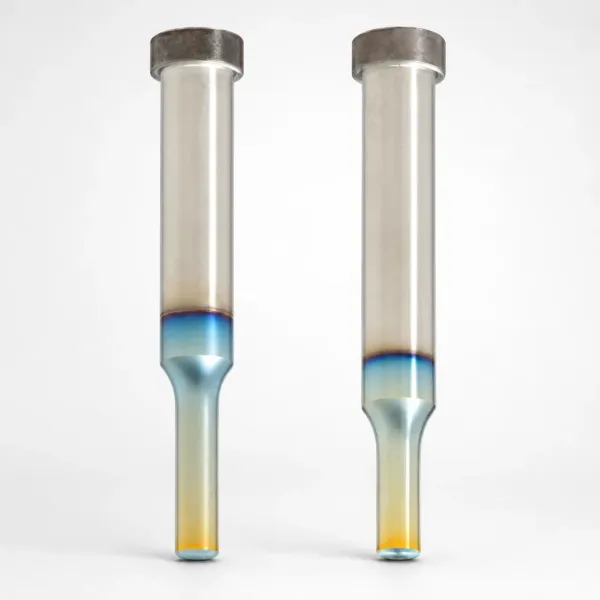
Single-Stepped Shoulder Punches (DLC + WPC Coating)
Single-stepped shoulder punches with DLC + WPC surface treatment. Single-stepped shank for stable punch alignment in forming dies. Durable tool steel wear li...
View Details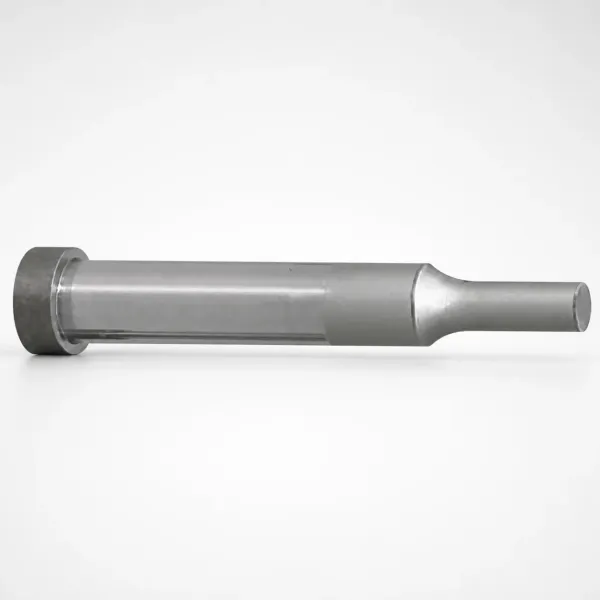
WPC-Treated Shoulder Punches - Single-Stepped
WPC treated shoulder punches with single-stepped shank design for precise load transfer. Choose SKD11, M2 or M4 equivalents in hardened steel options. Reques...
View Details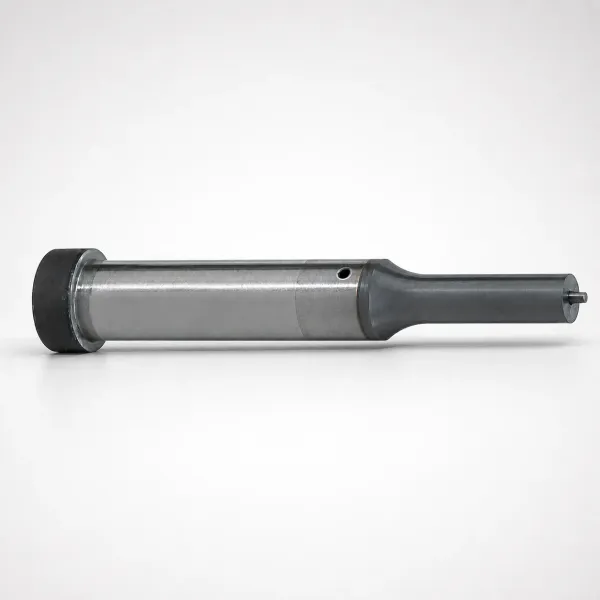
JIS Standard Steel Jector Punches Single-Stepped HW Coating
JIS Standard Steel Jector Punches Single-Stepped with HW coating for punch tooling applications. Built for stable insertion and improved wear. Request a quote.
View Details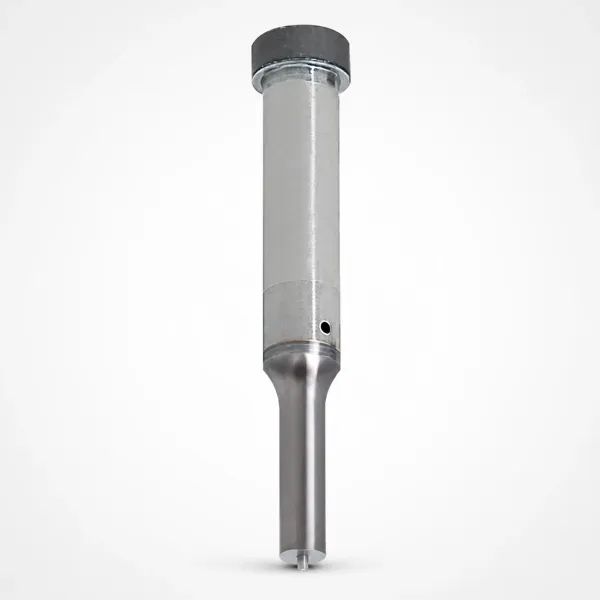
HX Coating Jector Punches
HX Coating Jector Punches deliver reliable precision cutting with durable surface protection to resist wear. Suitable for die work. Request a quote.
View Details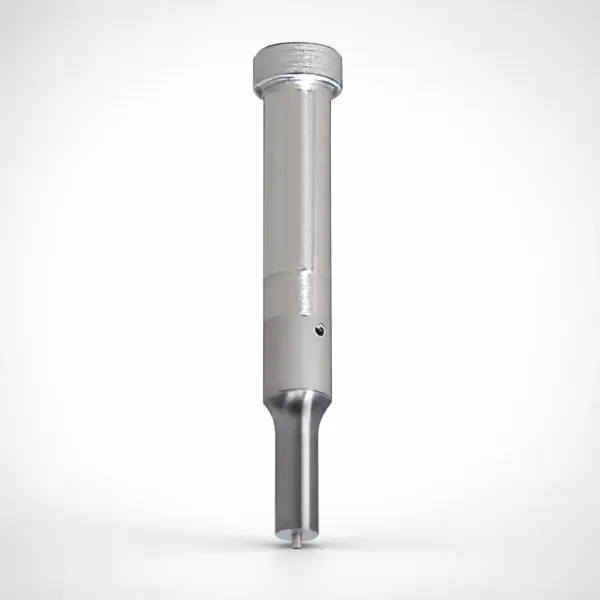
RX Coating Ejector Punches
RX Coating Ejector Punches with high hardness durable steel for reliable precision punching. Supports standard or spring reinforced jector types—request a qu...
View Details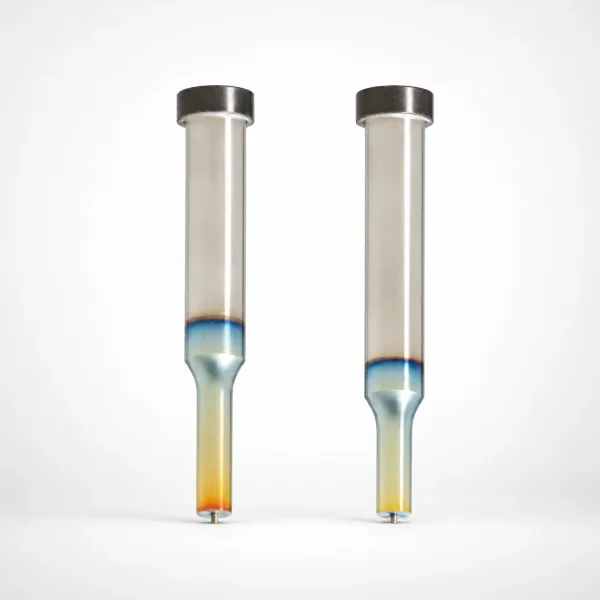
DLC Coated Jector Punches Single-Stepped
DLC coated jector punches single-stepped for die applications using SKH40 equivalent powdered high-speed steel, improving wear resistance and punch life. Req...
View Details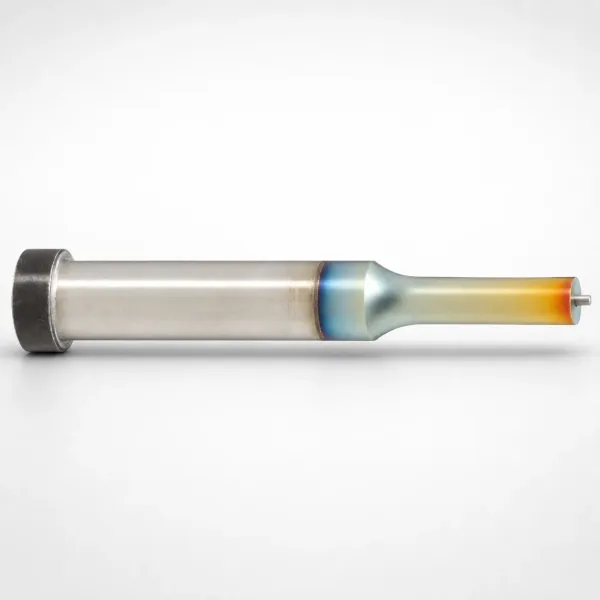
Jector Punches DLC + WPC Single-Stepped
Jector Punches DLC + WPC Single-Stepped for precision die work. SKH40 steel wear resistance, controlled head thickness, reliable seating—request a quote.
View Details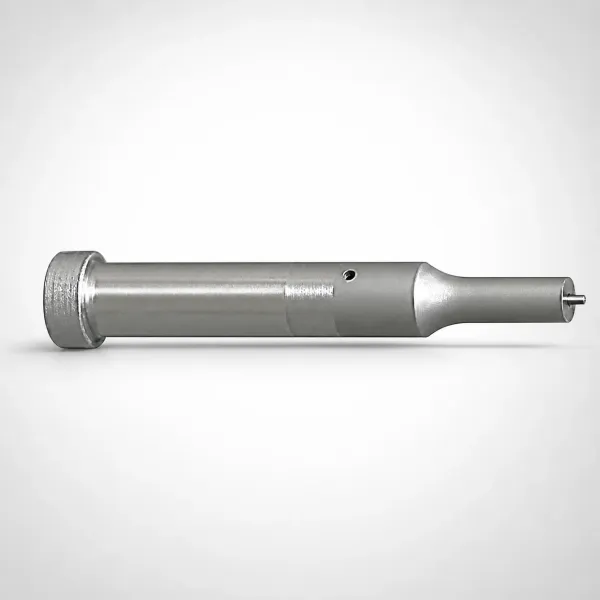
Ejector Punches WPC Treatment Single-Stepped Tip
Ejector Punches WPC Treatment with single-stepped shank provide stable guidance and reduced wear. Choose Standard or Spring Reinforced. Request a quote.
View Details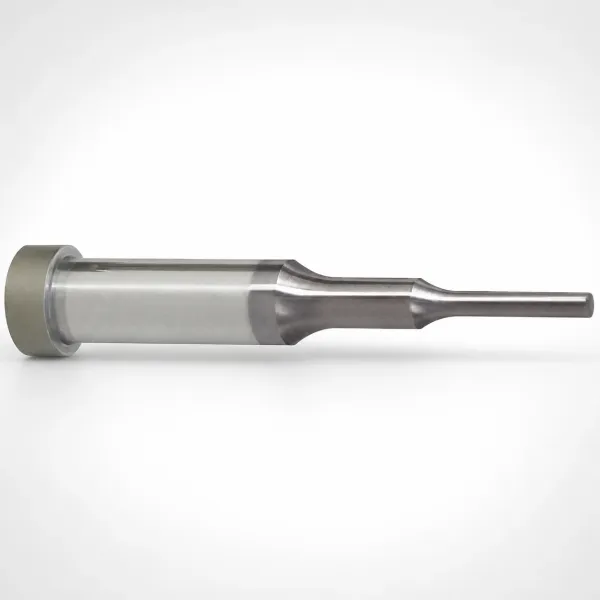
Double Stepped Shoulder Punches HX Coating
Double Stepped Shoulder Punches HX Coating for precise, consistent punching in metalworking. Wear-resistant tool design reduces downtime and extends service ...
View Details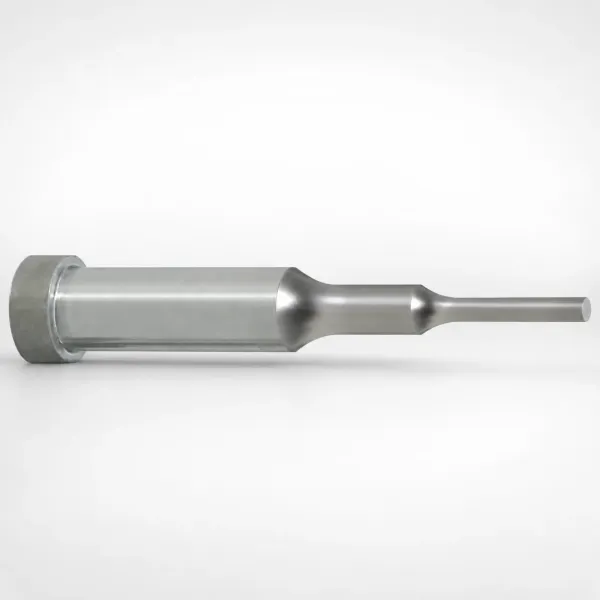
SKH51 Equivalent Double-Stepped Shoulder Punches - RW Coating
Double-Stepped Shoulder Punches with RW coating for precise close-space punch tooling. SKH51 Equivalent hardened steel options for repeatable forming results...
View Details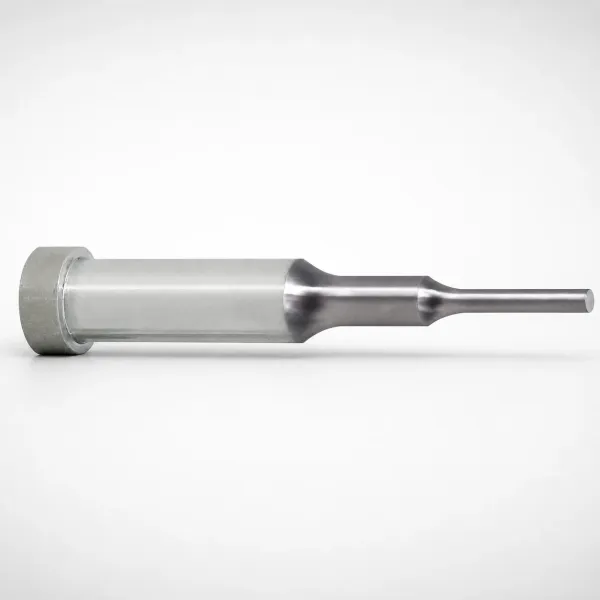
RX Coating Double Stepped Shoulder Punches
RX Coating Double Stepped Shoulder Punches for clean, accurate hole formation. Built with SKH40/SKH51 equivalent hardened steel options for long tool life. R...
View Details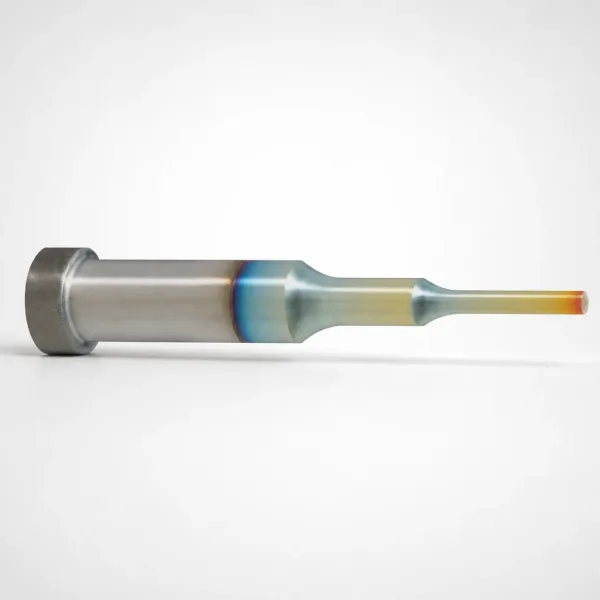
DLC Coated Double Stepped Shoulder Punches
Double stepped shoulder punches with DLC (XCD) coating for improved wear resistance in punch tooling. Durable for close-space forming operations. Request a q...
View Details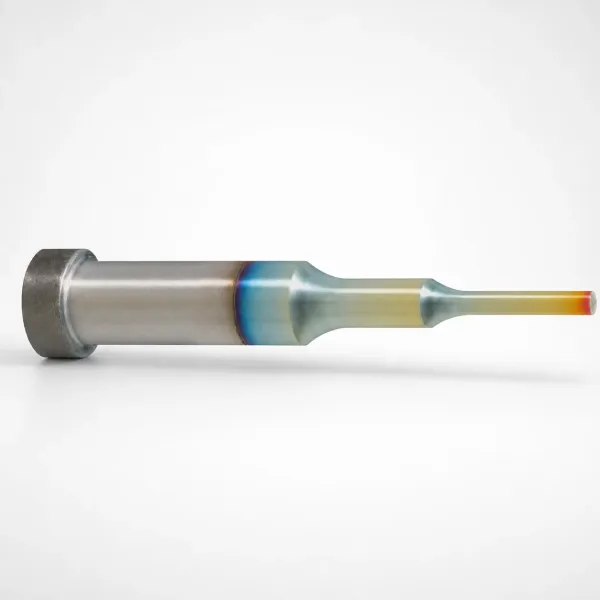
Double-Stepped Shoulder Punches (DLC + WPC)
Double-stepped shoulder punches with DLC + WPC surface treatment for improved wear resistance. Standard shank mounting for reliable press alignment. Request ...
View Details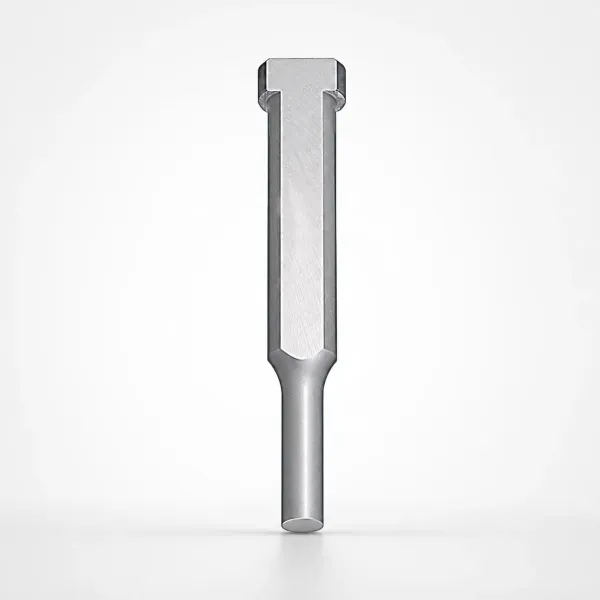
Alpha Treatment Key Flat Shank Shoulder Punches
Alpha Treatment Key Flat Shank Shoulder Punches from MISUMI use nanocrystallization to raise hardness while preserving toughness and geometry. Request a quote.
View Details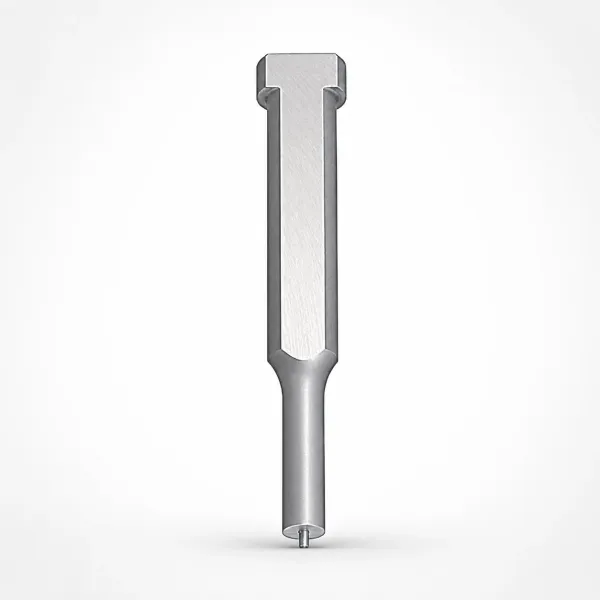
Alpha Treatment Key Flat Shank Jector Punches
Alpha Treatment Key Flat Shank Jector Punches enhance hardness via nanocrystallization and microtexture friction control. Standard or spring reinforced options.
View Details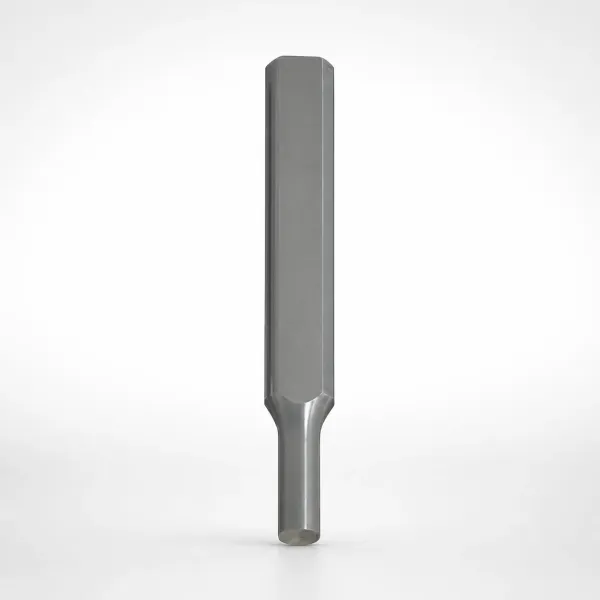
MISUMI Alpha Treatment Key Flat Shank Tapped Punches
MISUMI Alpha Treatment Key Flat Shank Tapped Punches for strengthening without losing toughness. Nanocrystallized surface hardening and microtexture reduce f...
View Details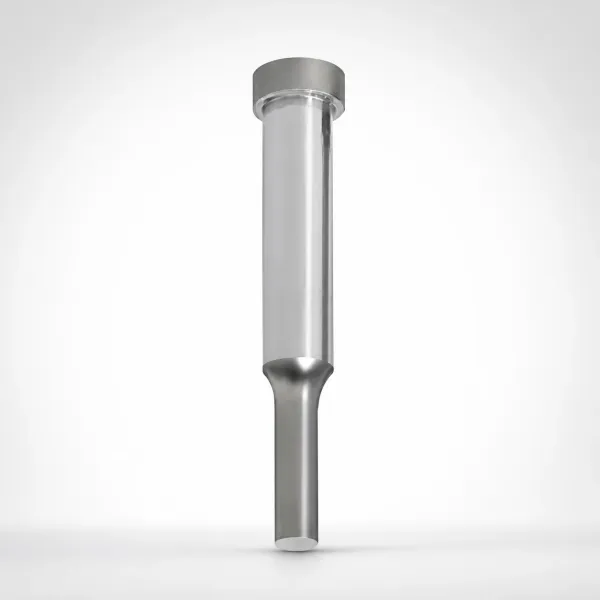
RP Coated Shoulder Punches (Al-Cr Based + Alpha Treatment)
RP Coated Shoulder Punches (Al-Cr based + alpha treatment) improve punch life in difficult punching by boosting coating hardness and adhesion. Request a quote.
View Details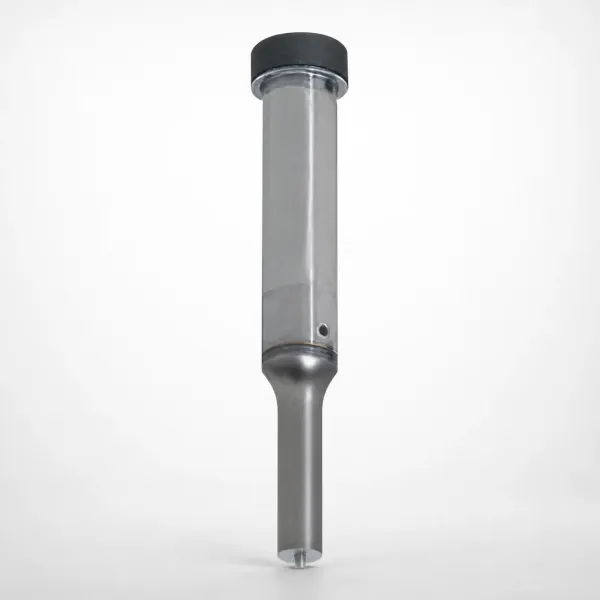
Jector Punches RP Coating (Al-Cr Based + Alpha Treatment)
Jector Punches RP Coating (Al-Cr Based Coating + Alpha Treatment) improve adhesion and wear resistance for longer punch life. Request a quote.
View Details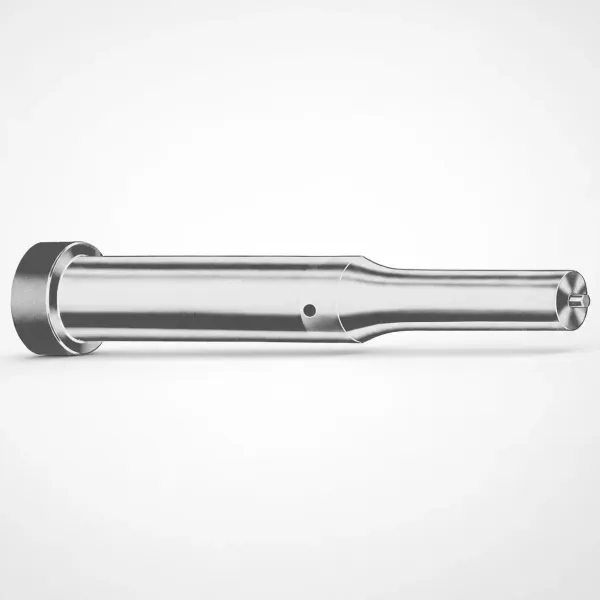
Metric Ejector Punches with X Tip
Metric Ejector Punches with X Tip (Dayton). Use in precision die work for clean punch guidance, reliable positioning, and repeatable performance in productio...
View Details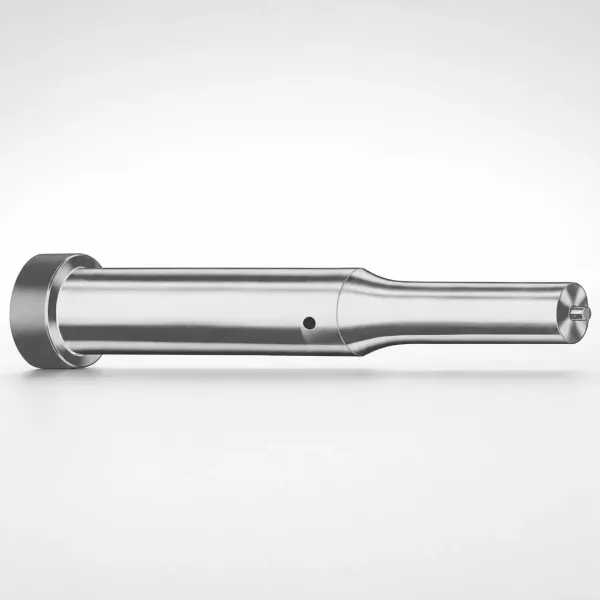
Metric Ejector Punches XNT DayTiN® Coating
Metric Ejector Punches XNT DayTiN® Coating for precise part ejection in stamping tools. DAYTON wear-resistant coating improves tool life and performance. Req...
View Details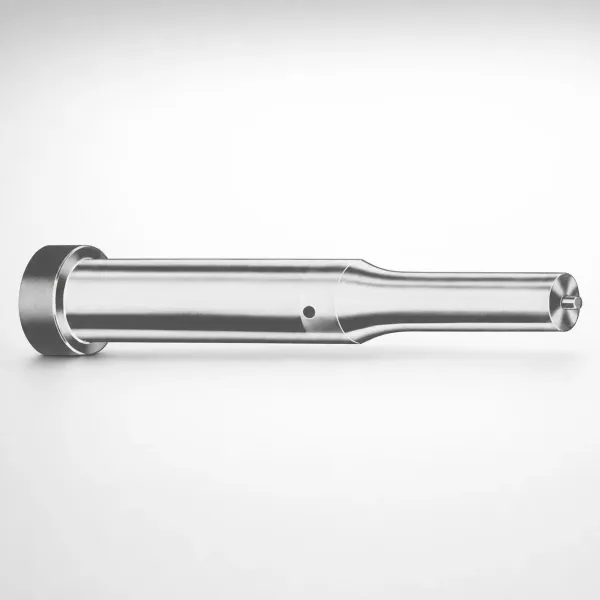
Metric Ejector Punches X Tip
Metric Ejector Punches with X tip shape for precision blanking and part ejection. PS or M2 steel options and DAYTON LAMINA standard part numbering—order now.
View Details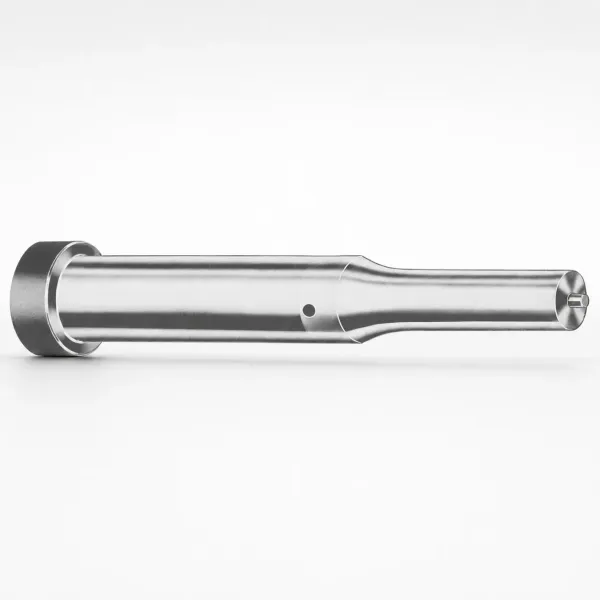
Metric Ejector Punches XNA Coating
Metric Ejector Punches with XNA coating for punch and die sets. Reduce wear and improve surface durability for reliable forming results. Request a quote.
View Details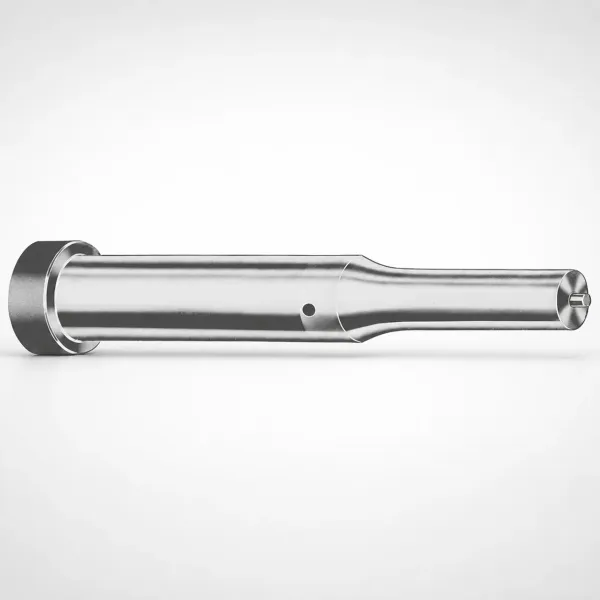
Metric Ejector Punches XNAP Coating
Metric Ejector Punches XNAP Coating for reliable part ejection in precision molds. Choose from X tip shapes and PS or M2 steel options. Request a quote.
View Details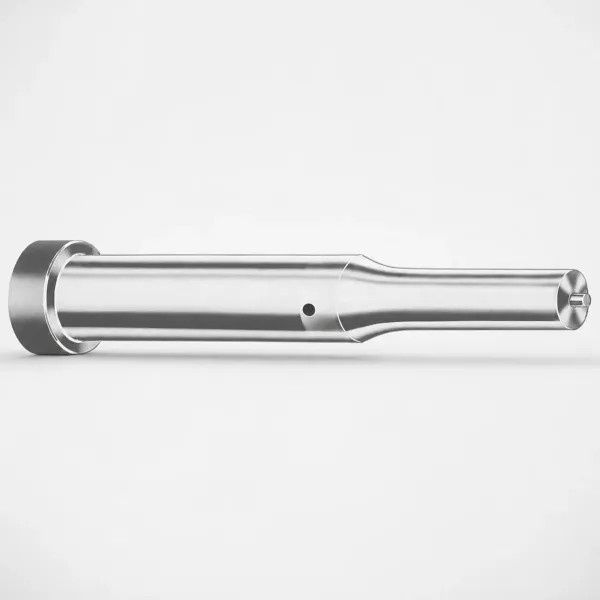
Metric Ejector Punches - XCD Coating
Metric Ejector Punches with XCD Coating for die casting and molding. Robust punch geometry with tight fit for stable ejection and longer tool life. Get a quote.
View Details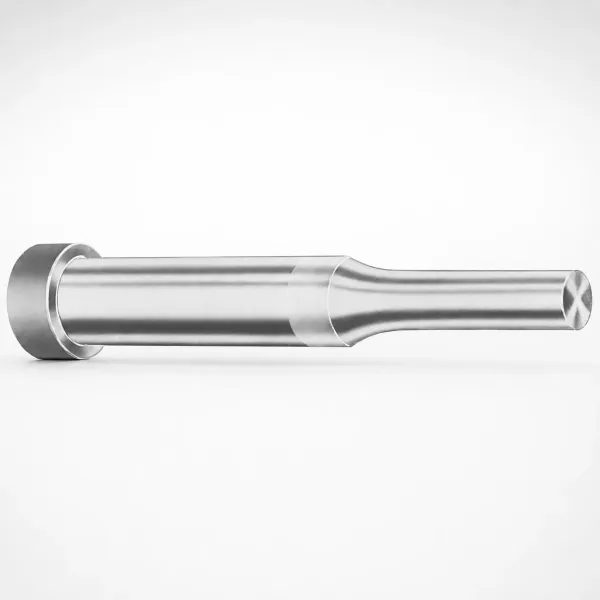
Regular Punches Metric X-Tip
Regular Punches Metric with X-tip geometry for reliable positioning in die and mold operations. Dayton-made punch components for dependable production. Reque...
View Details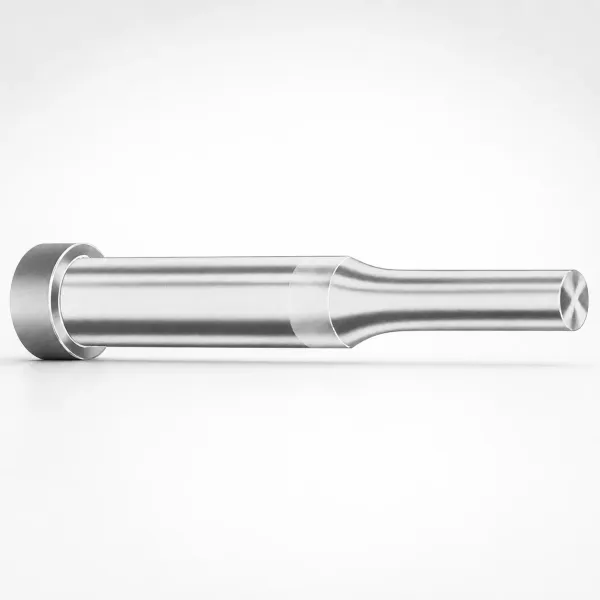
DAYTON XNT DayTiN Coating Regular Punches - Metric X-Tip
Regular Punches - Metric with DAYTON XNT DayTiN coating and X-tip form for accurate blanking. Hardened punch body supports durable die performance. Request a...
View Details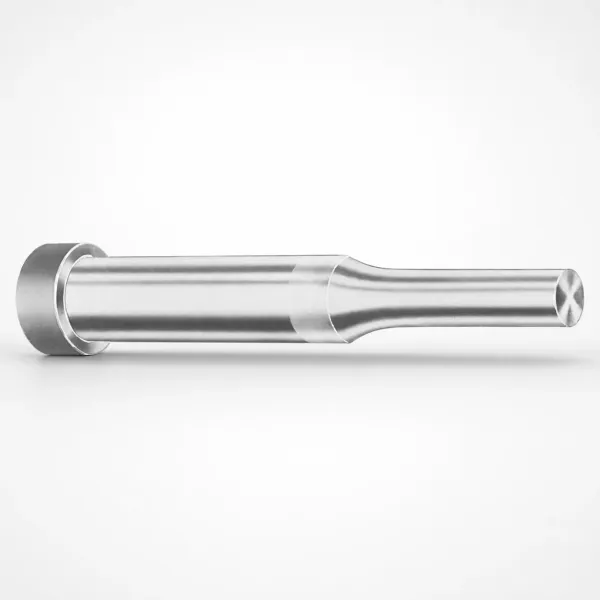
Regular Punches Metric XCN Coating
Regular Punches - Metric with XCN coating for wear resistance in die and punch applications. Metric sizing options from DAYTON for stable forming. Request a ...
View Details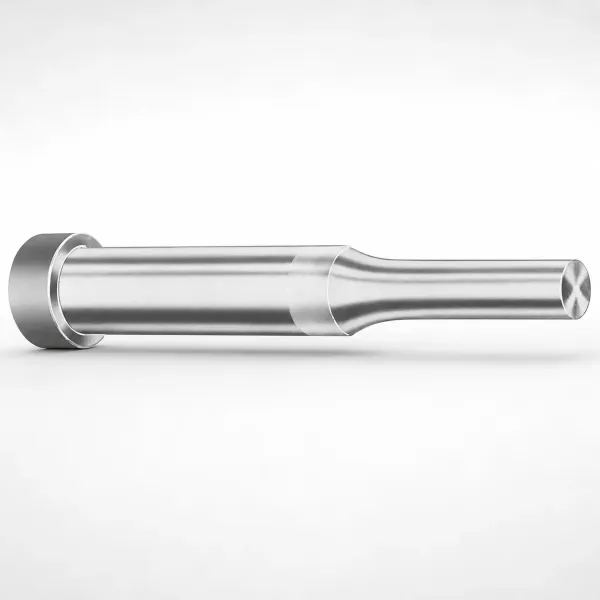
Metric Regular Punches XNA Coating
Metric Regular Punches with XNA coating for dependable wear resistance in punch press operations. Dayton punches for stable forming—order today.
View Details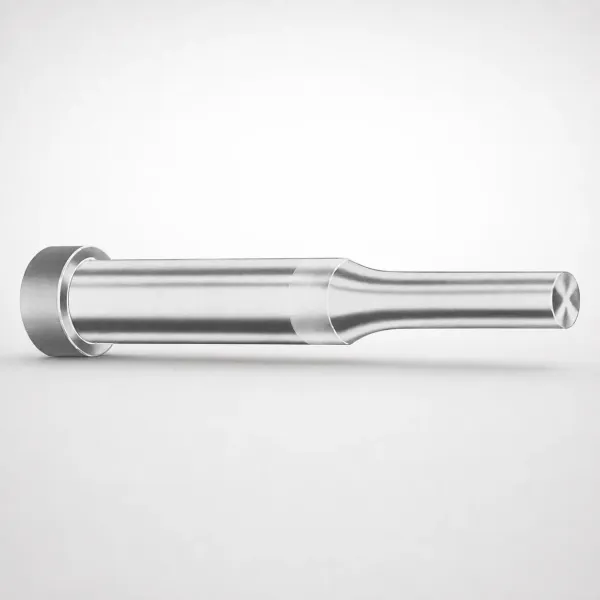
DAYTON Regular Punches - Metric, X Tip
Regular Punches - Metric by DAYTON with X tip options for controlled penetration in close-space tooling. Tool steel punch design for consistent forming.
View Details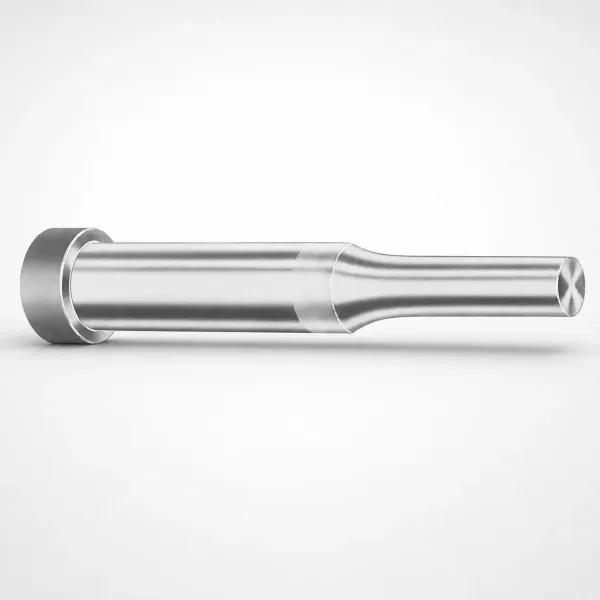
Metric Regular Punches XCD Coating
Metric Regular Punches with XCD coating for close-space punch applications. (PS or M2) hardened steel punch bodies for stable wear resistance.
View Details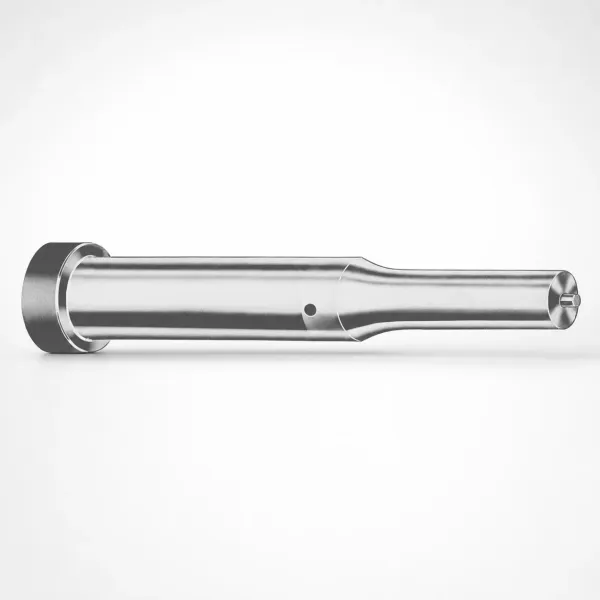
Inch Ejector Punches
Inch Ejector Punches for die casting and press tools, manufactured by DAYTON. Built for reliable punching performance—request a quote.
View Details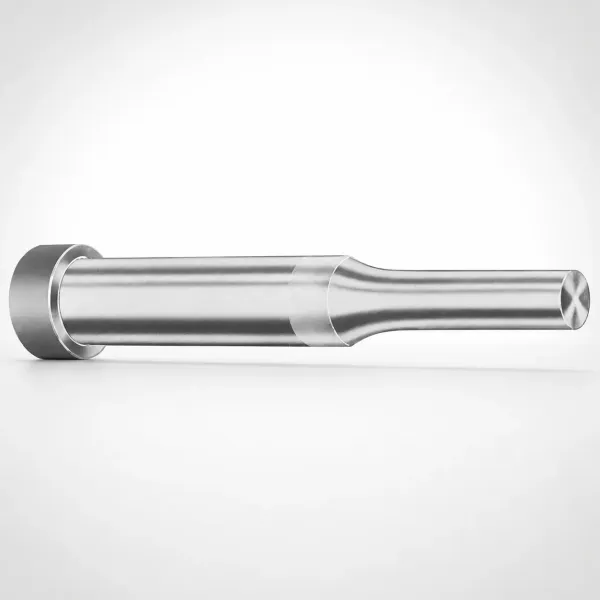
XVP Coated Regular Punches - Inch
XVP Coated Regular Punches - Inch for die and punch tooling. DAYTON coating options improve wear resistance and dimensional stability—request a quote.
View Details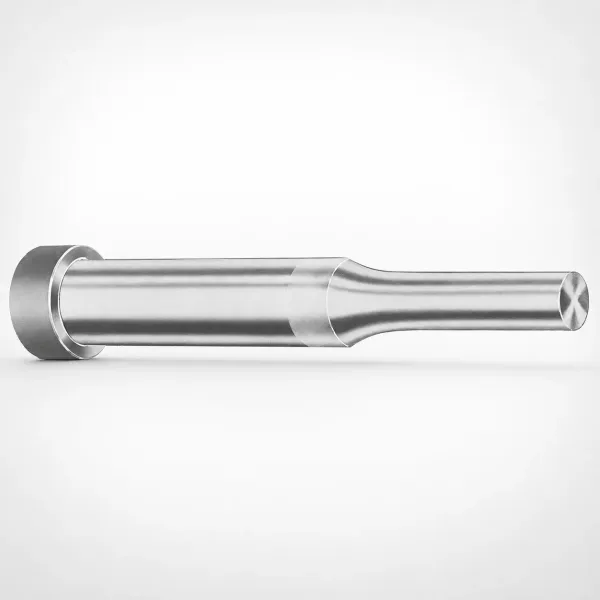
Inch Standard Regular Punches XNT DayTiN® Coating
Regular punches XNT DayTiN® coating for inch tooling. Supports high wear resistance in forming and punch processes while improving tool life. Request a quote.
View Details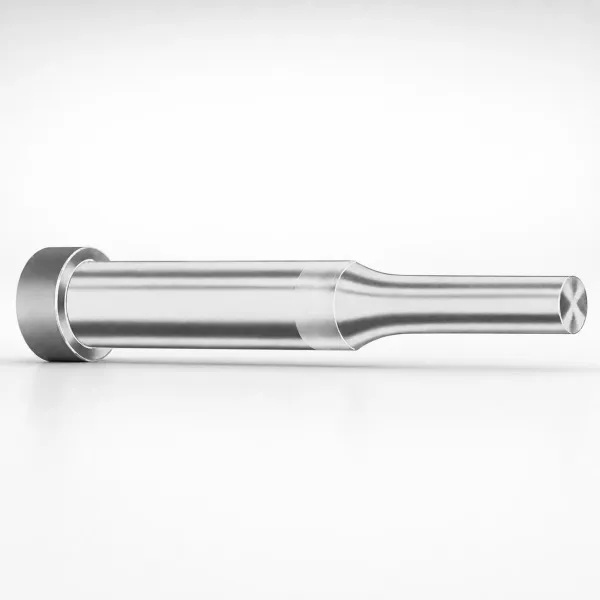
Inch Standard XNP Coated Regular Punches
Regular Punches in inch sizes with XNP coating for improved wear resistance and tool life. DAYTON Lamina part numbering system for easy ordering—Request a qu...
View Details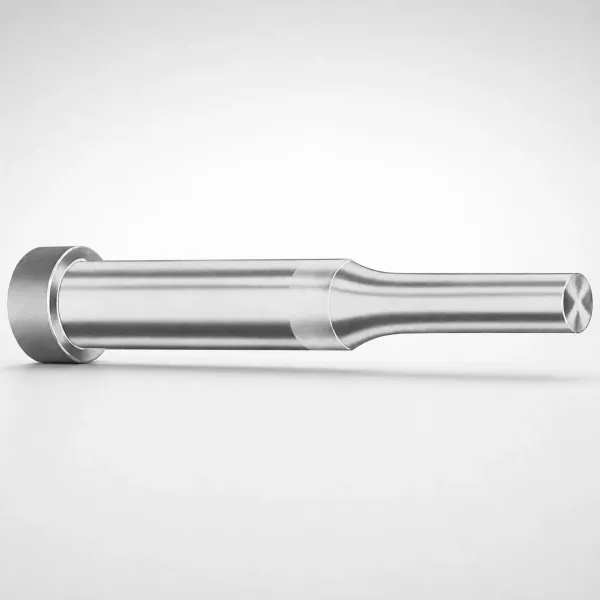
Inch Regular Punches XNM Coating
Inch Regular Punches XNM Coating for die and punch applications. Designed for durable performance with an XNM coating system. Request a quote.
View Details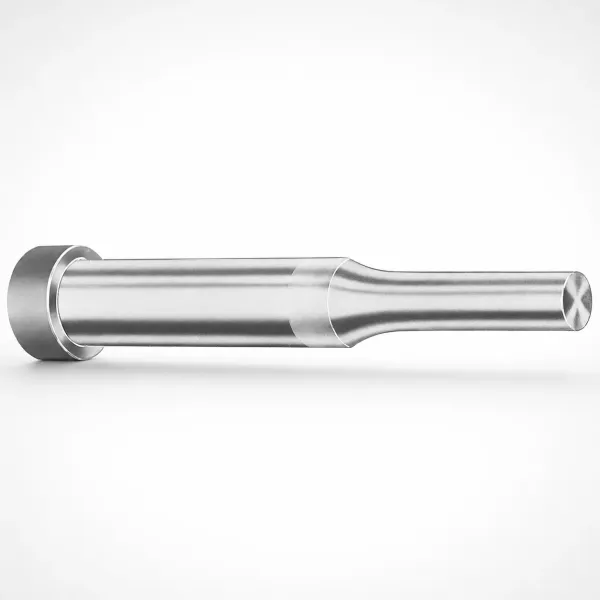
Inch Regular Punches XNAP Coating
Inch Regular Punches with XNAP coating by DAYTON support consistent forming punch performance. DAYTON Lamina standardized part numbering for easy selection. ...
View Details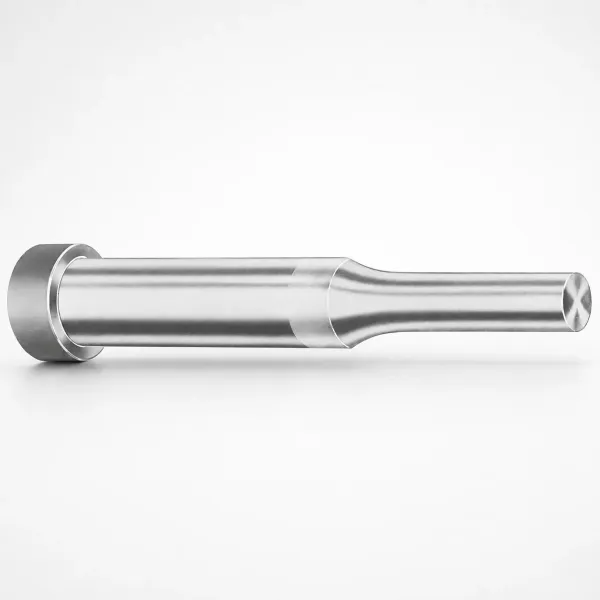
Inch Regular Punches (XNAD Coating) by DAYTON
Regular Punches (Inch) with DAYTON XNAD coating for improved wear resistance in die work. Suited for production punching operations—request a quote.
View Details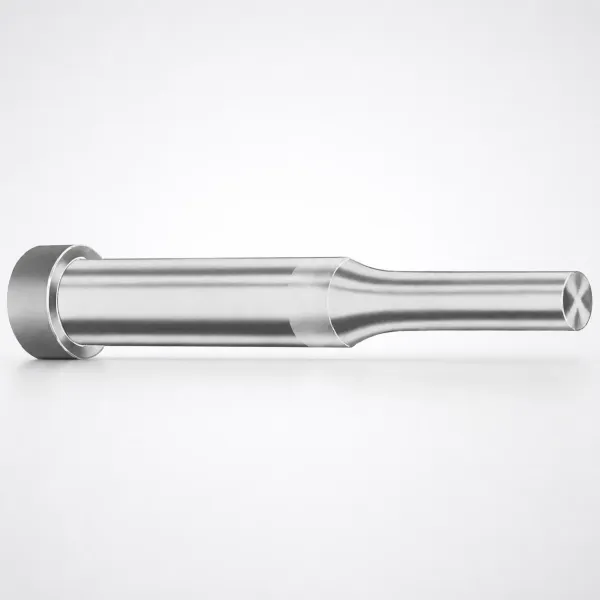
Inch Standard Regular Punches XNA Coating
Inch Standard Regular Punches XNA Coating for press tooling applications. Designed for consistent blanking and accurate forming in demanding production cycle...
View Details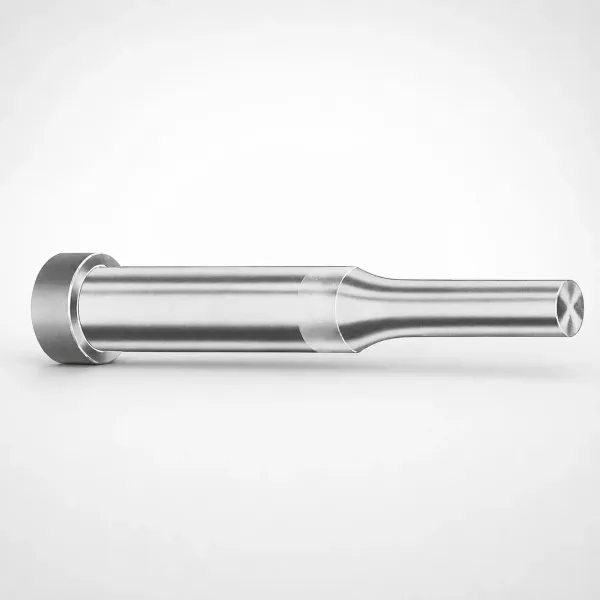
Inch Regular Punches (XN DayTride Coating) by DAYTON
Regular Punches (Inch) with XN DayTride coating from DAYTON support durable forming and reduced wear in press tooling. Request a quote.
View Details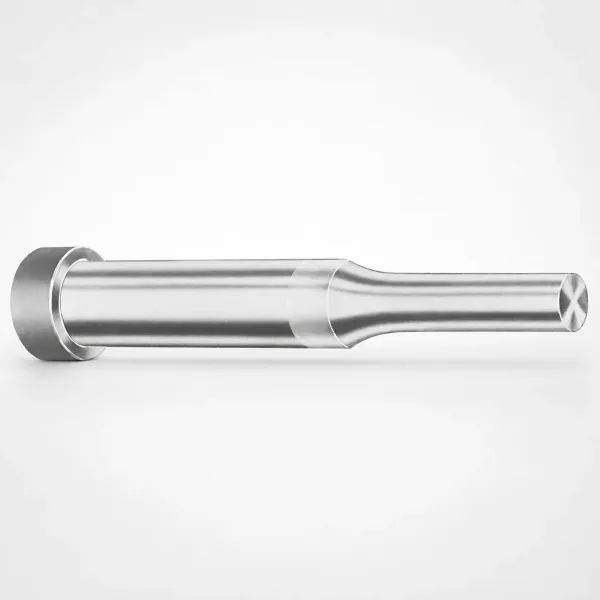
Inch XCN Coating Regular Punches
Inch XCN coating regular punches by DAYTON for close-space die work. Optimized tip geometry options and durable coated surfaces for reliable forming—Request ...
View Details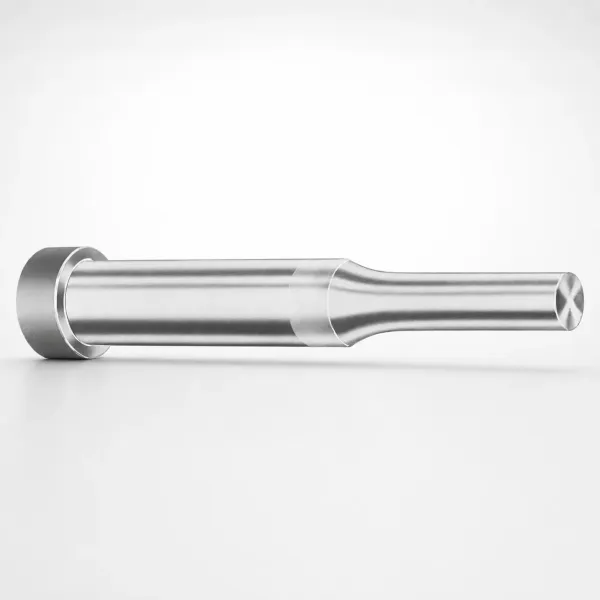
Inch Regular Punches XCDP Coating
Inch Regular Punches with XCDP coating from Dayton LAMINA. Standardized part numbering helps fast ordering and consistent tool performance for press applicat...
View Details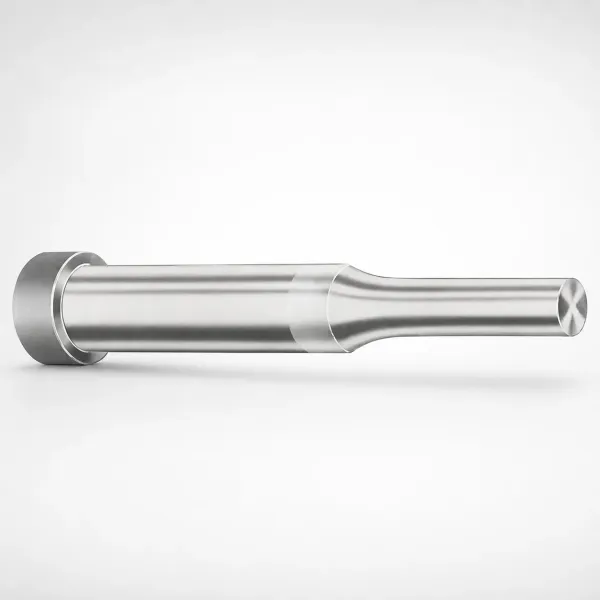
Regular Punches Inch XCD Coating
Regular Punches Inch XCD Coating from Dayton Lamina follow a standardized part number format for faster internal matching, durable punch performance, request...
View Details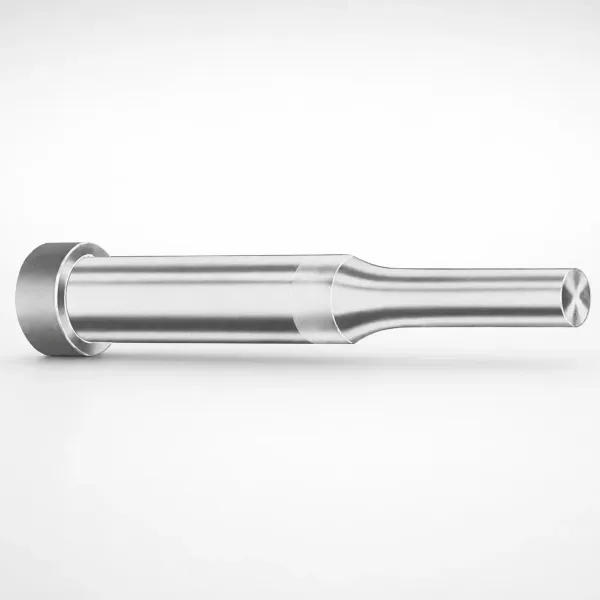
XAN DayTAN™ Coated Regular Punches - Inch
Regular Punches - Inch with DAYTON XAN DayTAN™ coating help reduce wear and improve punching stability. DAYTON LAMINA standardized part formatting for easy o...
View Details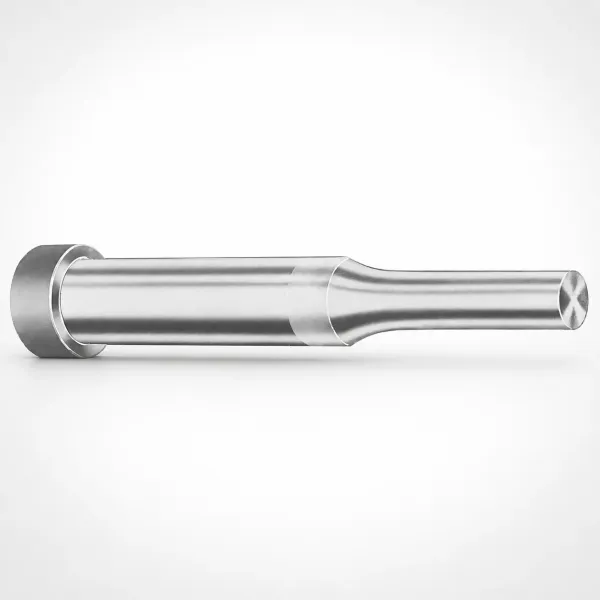
Regular Punches - Inch CRN Coating
Regular Punches - Inch CRN Coating by DAYTON for forming and trimming operations, offering controlled wear and stable punch performance. Request a quote.
View Details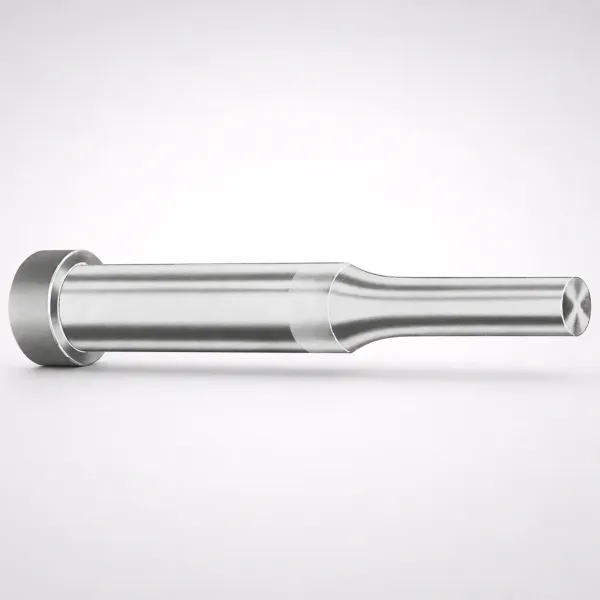
Regular Punches - Inch Round Stopper Punches
Regular Punches - Inch Round Stopper Punches for die applications needing controlled positioning. Dayton Lamina part format standard. Request a quote.
View Details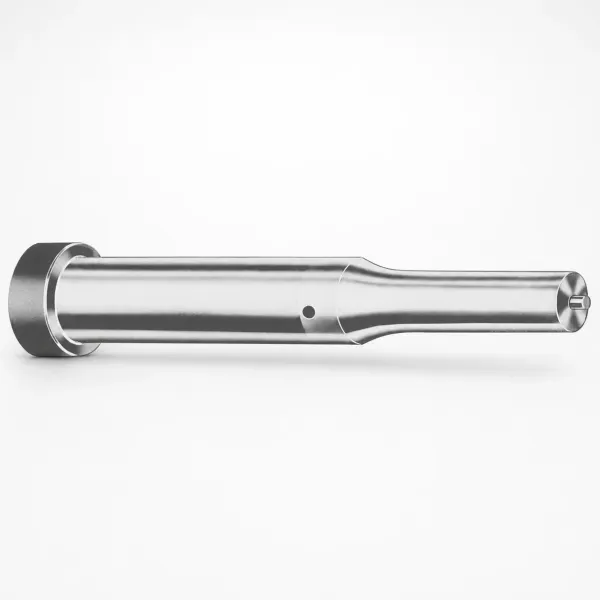
Inch Ejector Punches (XVP Coating)
Inch ejector punches with XVP coating for efficient wear performance in close-tolerance tooling. Fits Dayton Lamina standardized part formats. Request a quote.
View Details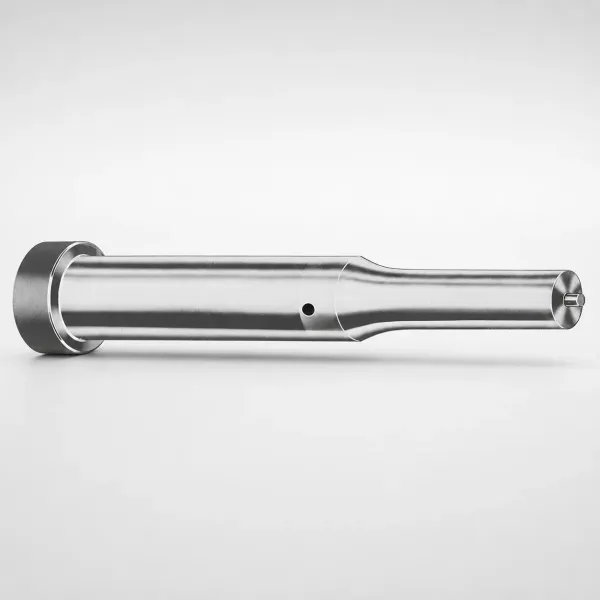
Inch Ejector Punches - XNT DayTiN® Coating
Inch ejector punches (DAYTON XNT DayTiN® coating) for robust ejection in tooling. Built for wear resistance and consistent punch performance. Request a quote.
View Details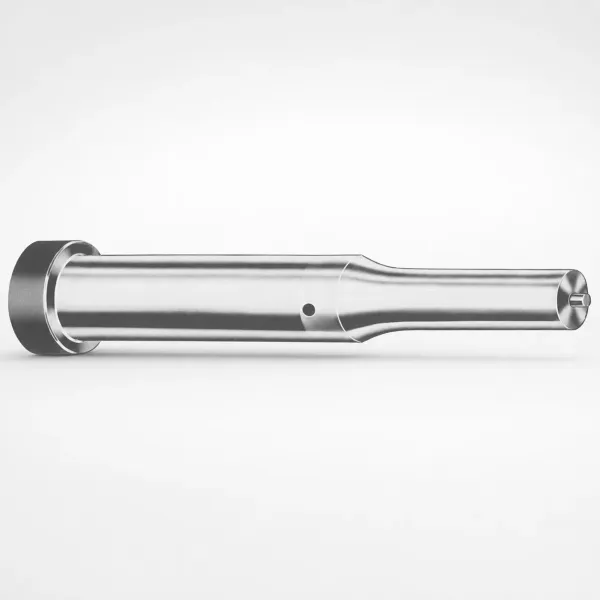
Inch XNP Coated Ejector Punches
Inch XNP coated ejector punches by DAYTON are built for punching applications where tool life matters. Reliable XNP coating helps protect cutting surfaces. R...
View Details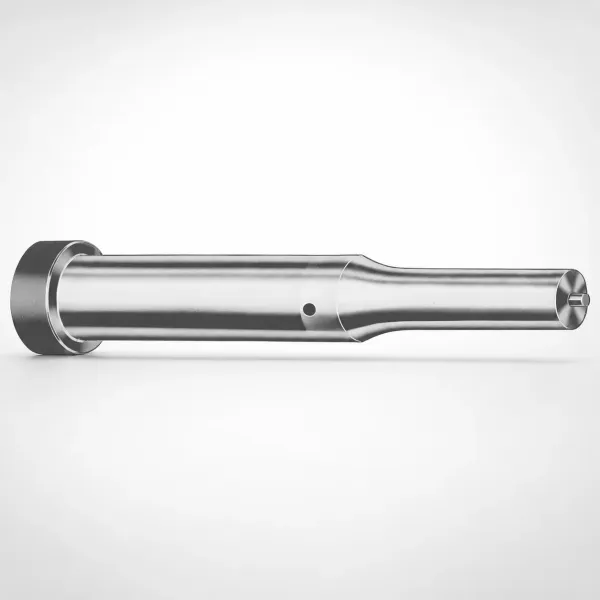
Inch Ejector Punches with XNM Coating
Inch ejector punches with XNM coating for durable punch performance in tooling. Engineered for reliable fit in press dies and precision part alignment. Reque...
View Details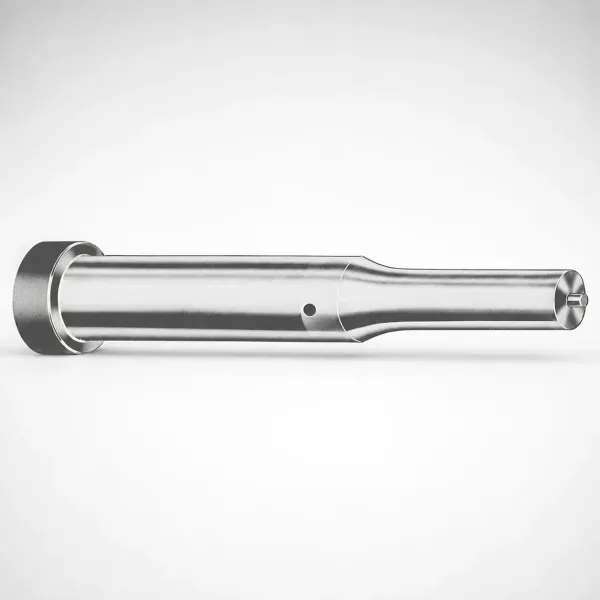
Inch Ejector Punches XNAP Coating
Inch Ejector Punches XNAP Coating from DAYTON for robust die life. Optimized tip geometries and coatings support stable blanking and long-term tooling perfor...
View Details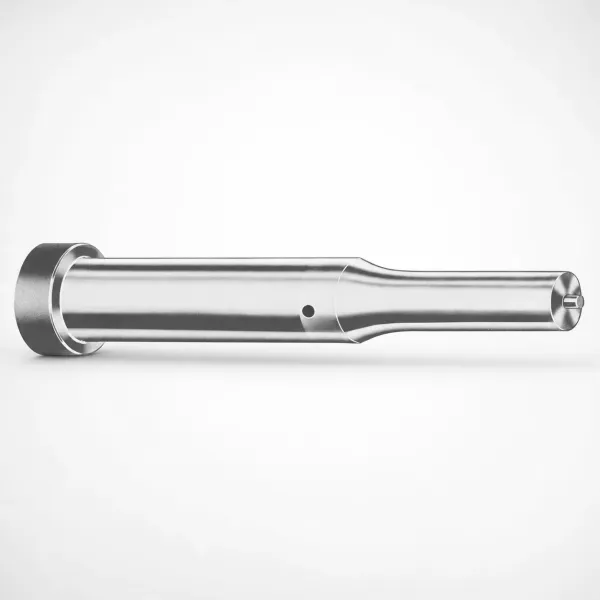
Ejector Punches - Inch, XNAD Coating
Ejector Punches - Inch, XNAD Coating for precise die casting and stamping applications. Hard-wearing surface helps reduce wear and improve punch life. Reques...
View Details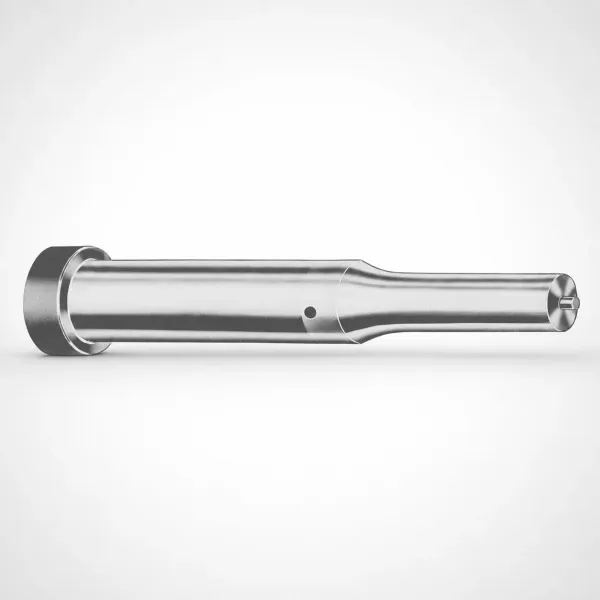
Inch Ejector Punches XNA Coating
Inch Ejector Punches XNA Coating for precise die work. Coated punch tips support stable wear performance and long service life. Request a quote.
View Details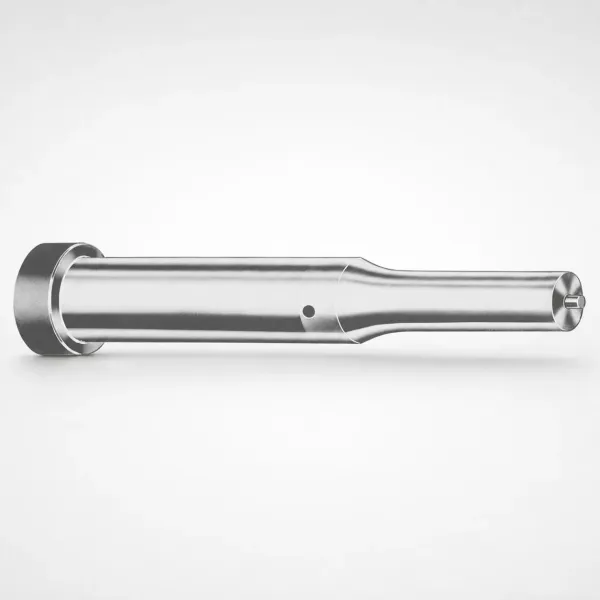
Inch XN DayTride® Coated Ejector Punches
Inch XN DayTride® coated ejector punches for die casting and stamping tools. Engineered for wear resistance, smooth ejection, and consistent punch performanc...
View Details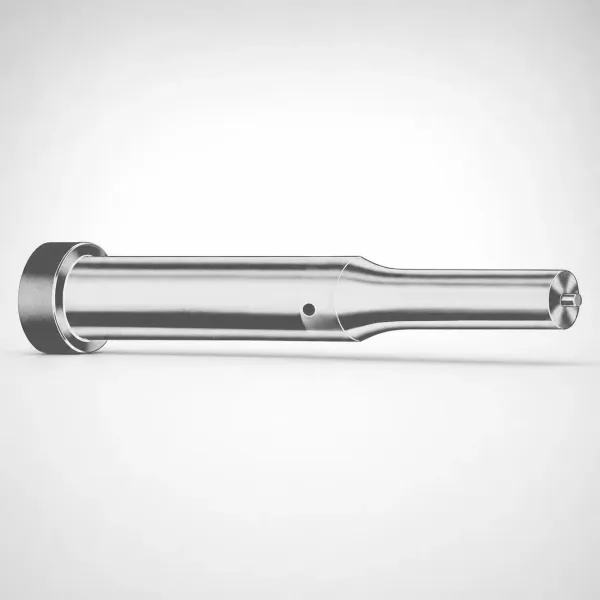
Inch Standard Steel Ejector Punches (XCN Coating)
Inch Standard Steel XCN coating ejector punches for precise close-space die protection. Built for consistent punching performance—Dayton Lamina part numberin...
View Details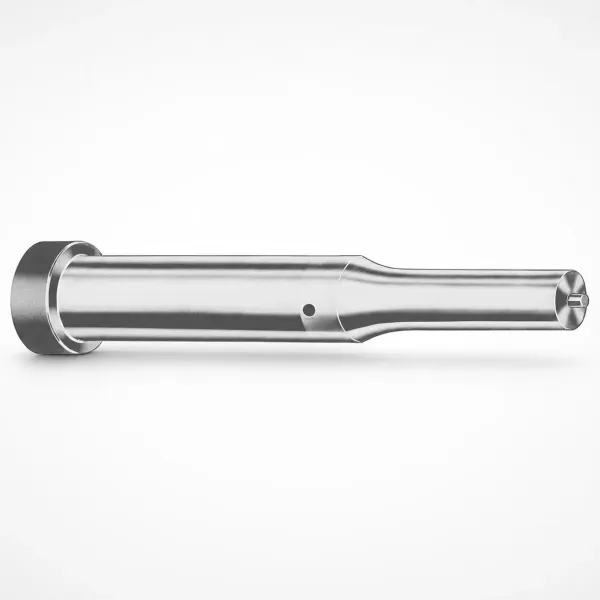
Inch Ejector Punches XCDP Coating
Inch Ejector Punches XCDP Coating for durable wear performance. DAYTON LAMINA part standard improves part identification and ordering—request a quote.
View Details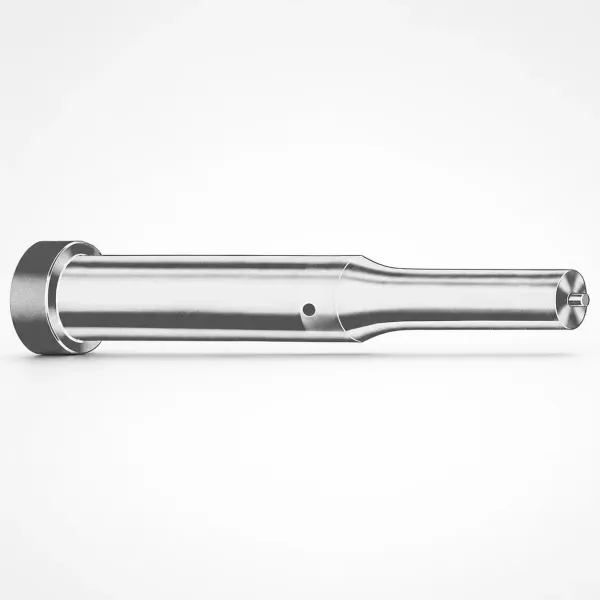
Ejector Punches Inch XCD Coating
Ejector Punches Inch XCD Coating for precision die casting and punch applications. Dayton Lamina part numbering support helps speed ordering—Request a quote.
View Details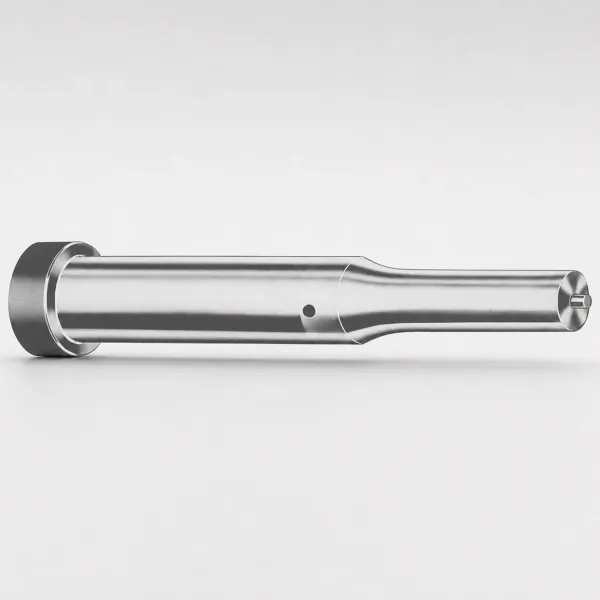
Inch Standard Steel Ejector Punches - XAN DayTAN™ Coating
Inch Standard steel ejector punches with XAN DayTAN™ coating for reliable part ejection. Built for efficient punch wear control in precision tooling.
View Details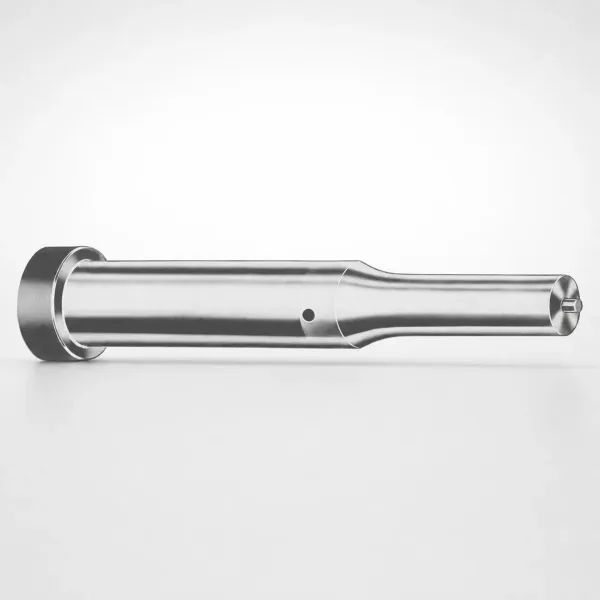
Inch Ejector Punches - CRN Coating
Inch Ejector Punches - CRN Coating for durable forming and die service. CRN coated punch bodies support wear resistance. Request a quote.
View Details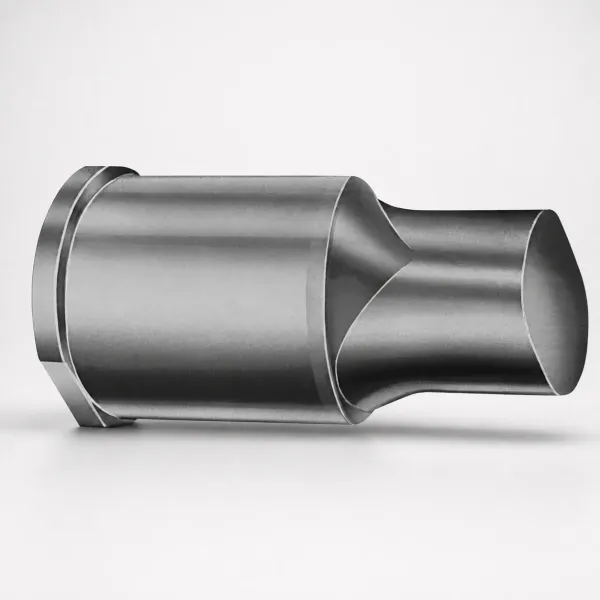
Extended Range Punches Metric X Tip
Extended Range Punches Metric X Tip by DAYTON for die and punch tooling. Durable construction for reliable forming and punch life—order today.
View Details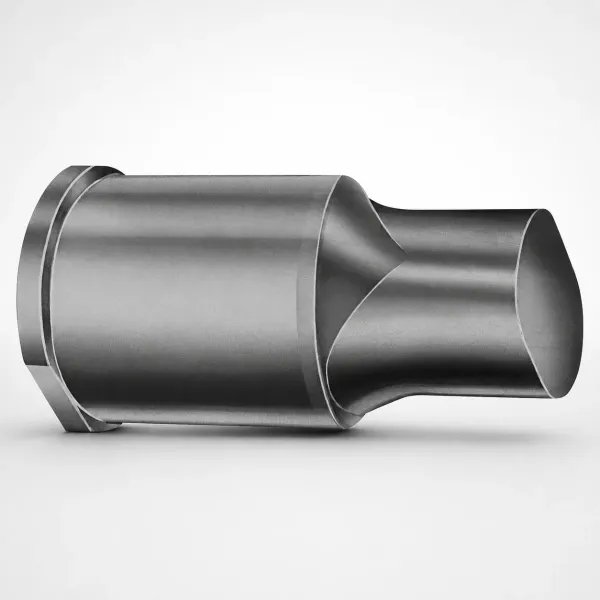
Extended Range Punches Metric X-Tip
Extended Range Punches Metric X-Tip for die tooling applications requiring reliable alignment and wear resistance. DAYTON engineering for dependable punch pe...
View Details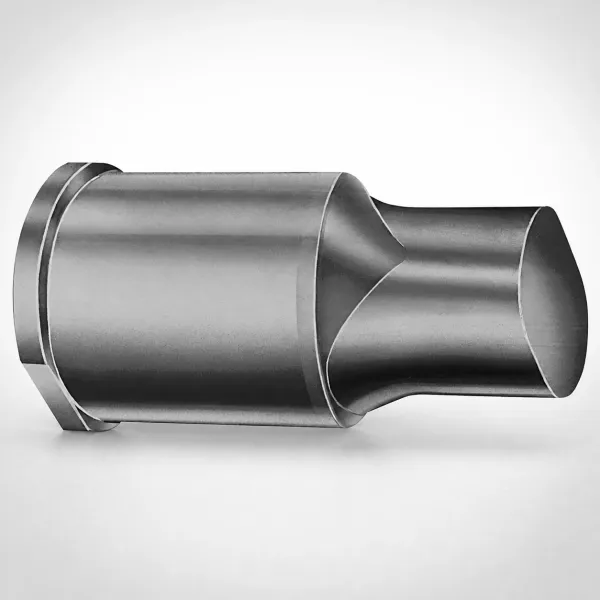
Extended Range Punches - Metric, XNP Coating
Extended Range Metric Punches X-Tip designed for deep, stable piercing. XNP coating supports wear resistance in punch and die assemblies. Request a quote.
View Details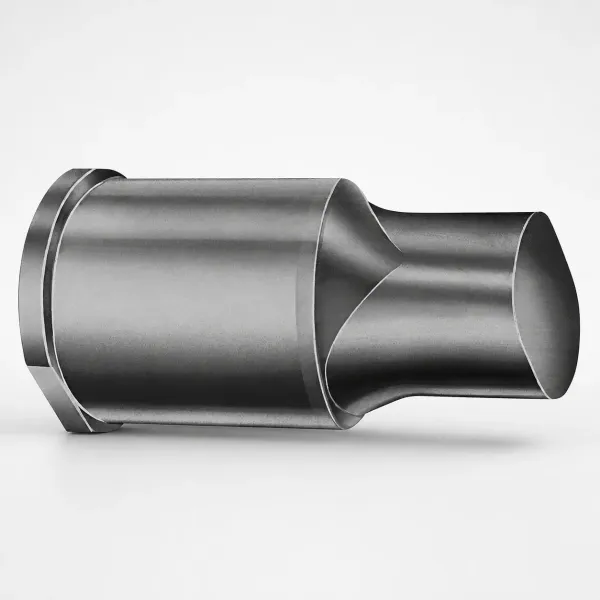
Metric Extended Range Punches XNAP Coating
Metric extended range punches with XNAP coating for long die life. DAYTON punch design supports accurate forming, punch guidance, and smoother operation. Req...
View Details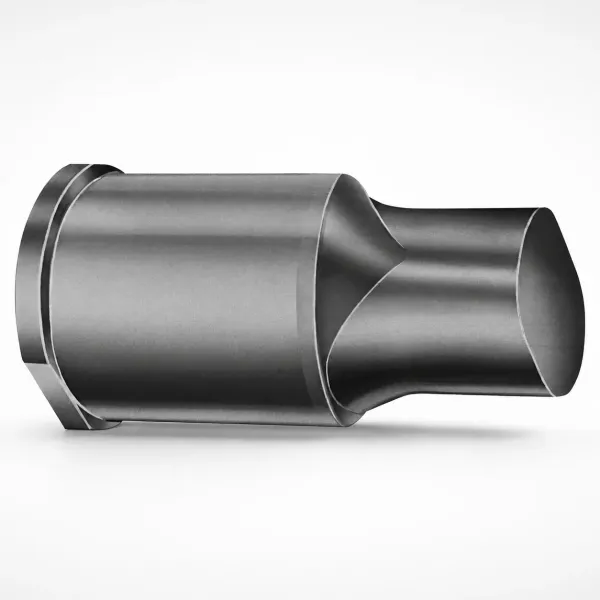
Extended Range Punches Metric XNAD Coating
Extended Range Punches Metric XNAD Coating for punch tooling applications. DAYTON engineered coatings help reduce wear and support consistent forming—request...
View Details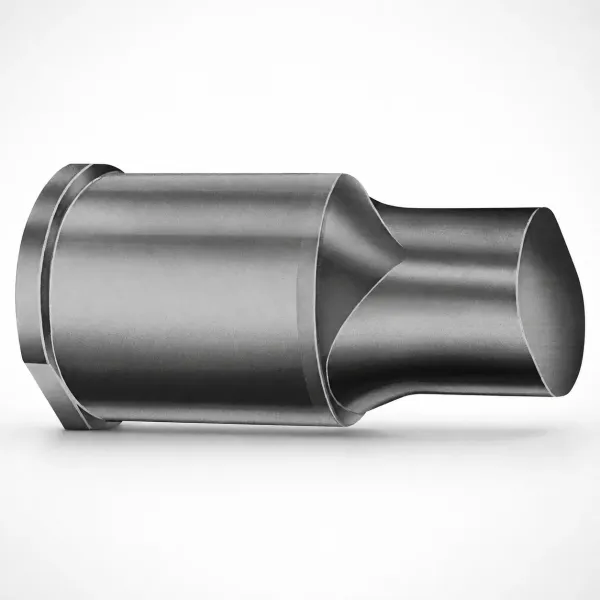
Extended Range Punches - Metric XNA Coating
Extended Range Punches - Metric with XNA coating for reliable wear resistance in forming and punching. DAYTON precision punch tools—request a quote.
View Details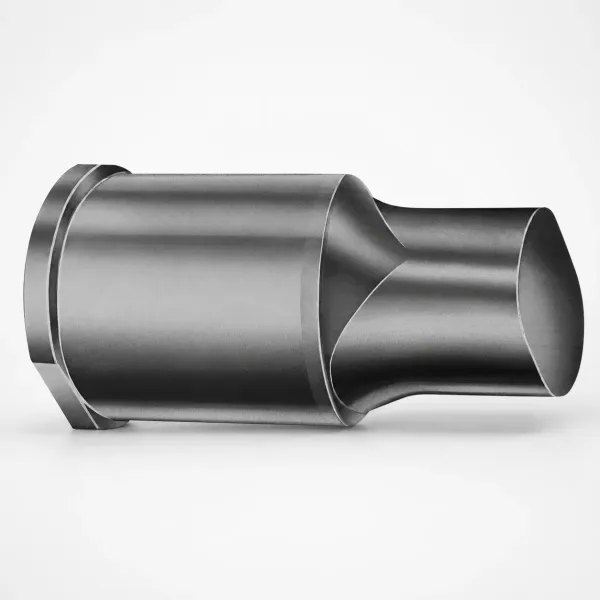
JIS Standard Steel Extended Range Punches X-Tip
Extended Range Punches X-Tip for metric die work. Steel construction with X-shaped tip options for stable punching performance. Request a quote.
View Details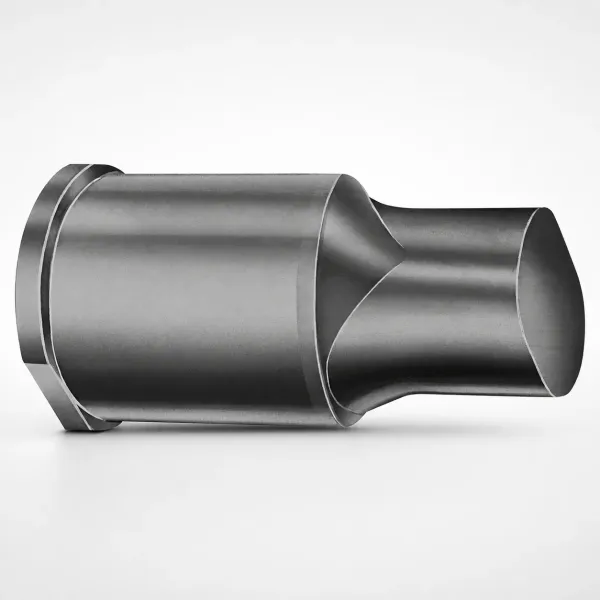
Extended Range Punches Metric X-Tip
Extended Range Punches Metric X-Tip by DAYTON Lamina standardize part numbering for faster selection. XCN coating supports tool life. Request a quote.
View Details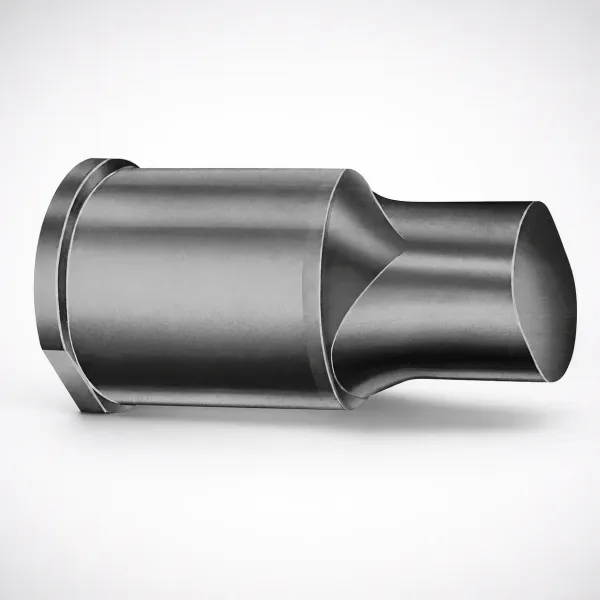
Extended Range Punches Metric XCDP Coating
Extended Range Punches Metric XCDP Coating for punch and eject applications in precision dies. Durable XCDP surface improves wear resistance and lifespan—req...
View Details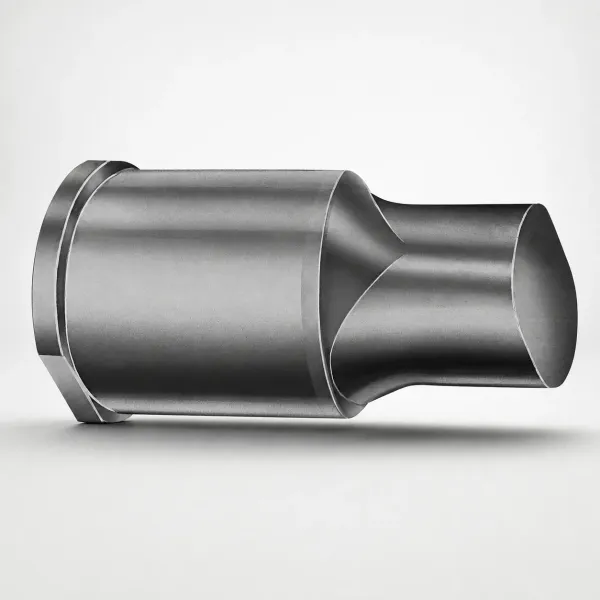
Metric Extended Range Punches with XCD Coating
Metric Extended Range Punches with XCD Coating for accurate punch work in progressive dies and fixtures. Durable coating for reliable wear resistance. Reques...
View Details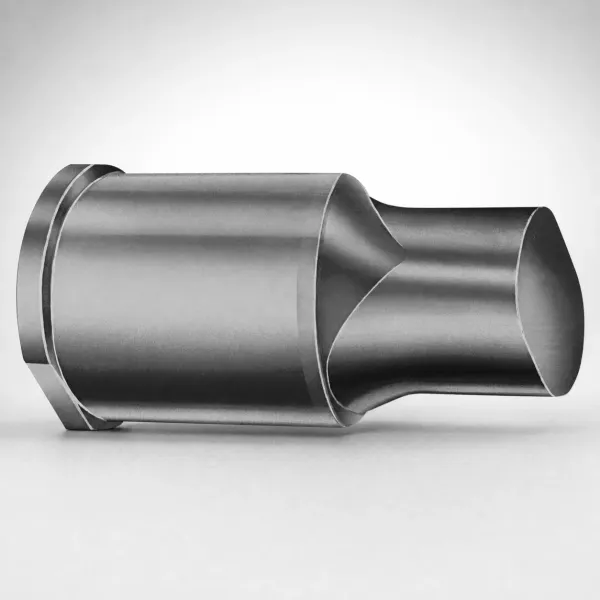
Extended Range Punches - Metric XAN DayTAN™ Coating
Extended Range Punches - Metric with XAN DayTAN™ coating from Dayton for close-space forming. Metric punch tips support consistent wear life and forming stab...
View Details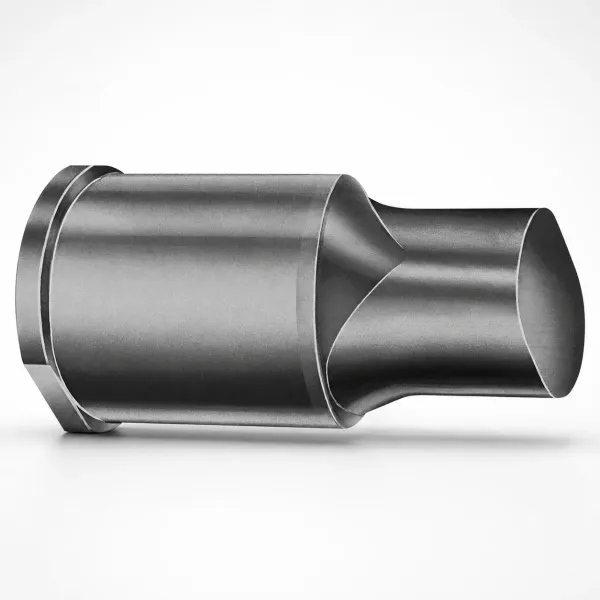
CRN Coated Extended Range Ejector Punches - Metric
CRN coated Extended Range Ejector Punches - Metric for stable part ejection in progressive and transfer dies. Dayton design for repeatable results. Request a...
View Details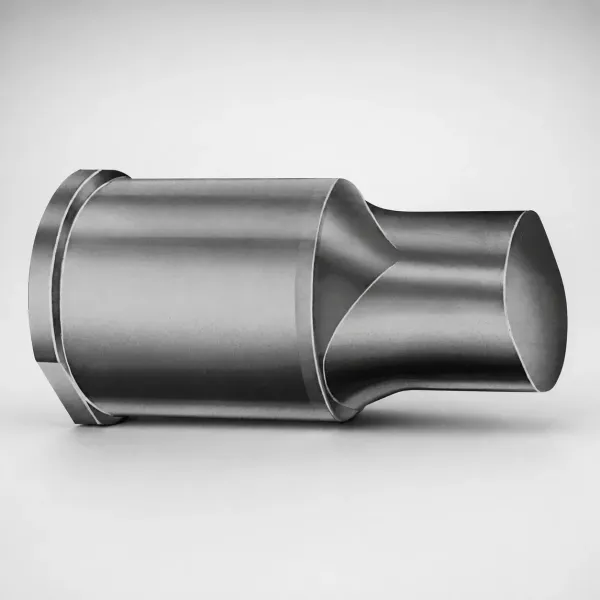
M2 Steel Extended Range Punches - Metric X Tip
Extended range punches for metric applications with an X tip profile. Built from <b>M2 steel</b> for reliable punch wear resistance in production. Request a ...
View Details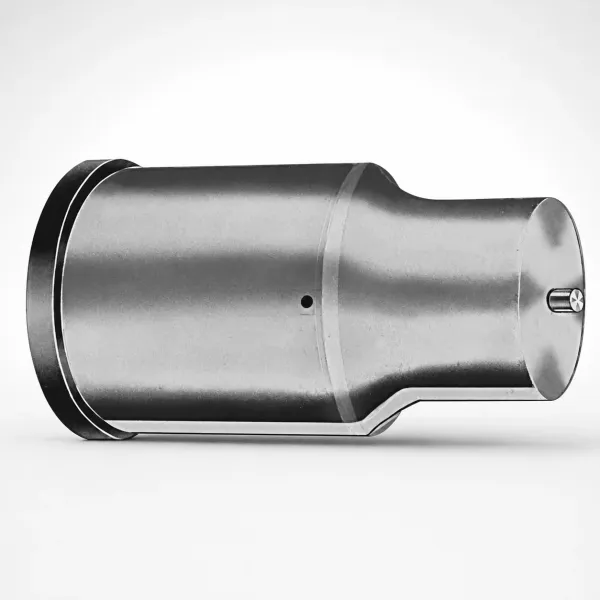
Extended Range Ejector Punches Metric XVP Coating
Extended Range Ejector Punches Metric with XVP coating for improved wear resistance in die casting and punching. Dayton manufacturing for dependable cycles.
View Details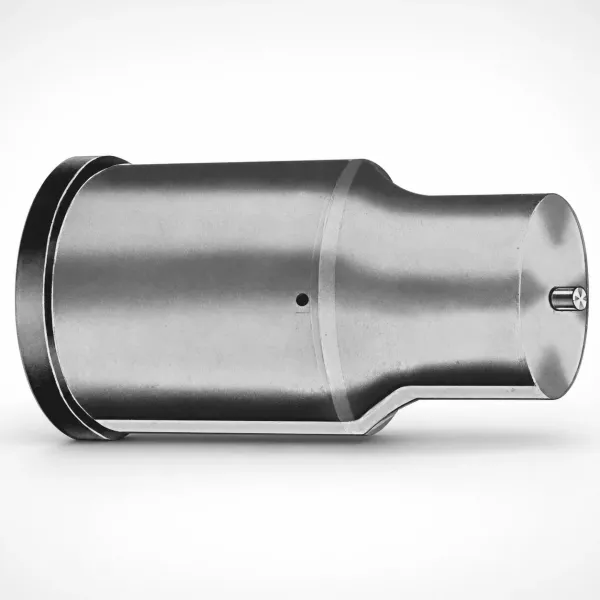
Extended Range Jector Punches Metric XNT DayTiN® Coating
Extended Range Jector Punches Metric with XNT DayTiN® coating for consistent knock-out performance. Suits precision dies and punch systems—request a quote.
View Details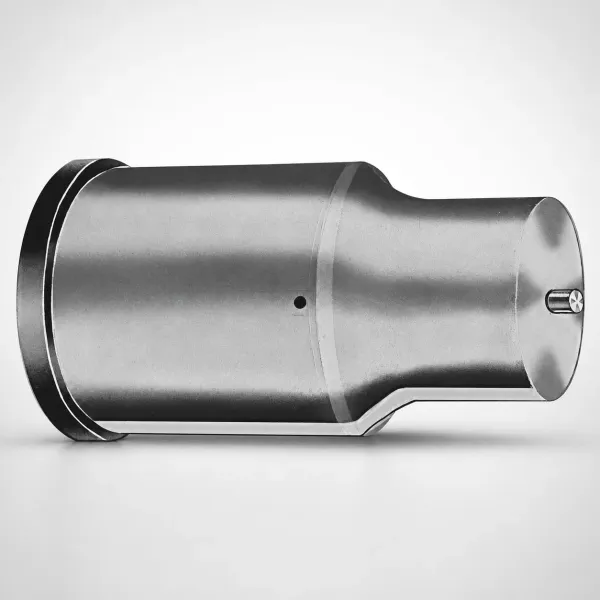
Extended Range Ejector Punches Metric XNP Coating
Extended Range Ejector Punches Metric XNP Coating for tooling and die applications. Metric construction with XNP coating for wear resistance. Request a quote.
View Details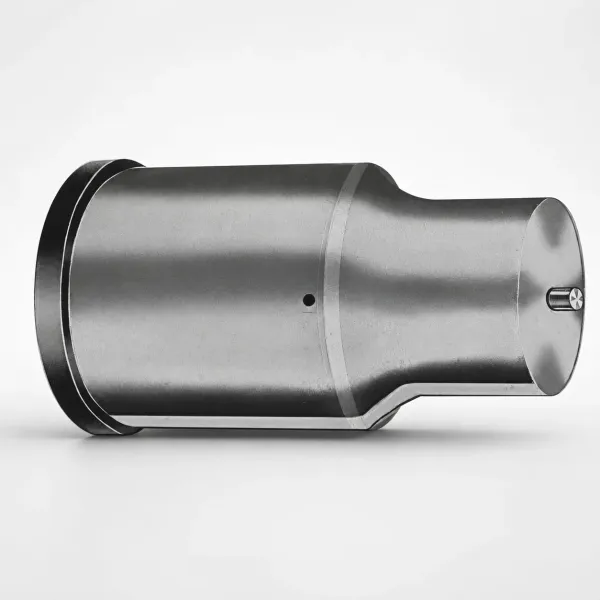
Extended Range Jector Punches Metric XNAP Coating
Extended Range Jector Punches Metric with XNAP coating for improved wear resistance. Metric punch geometry supports accurate press work—order today.
View Details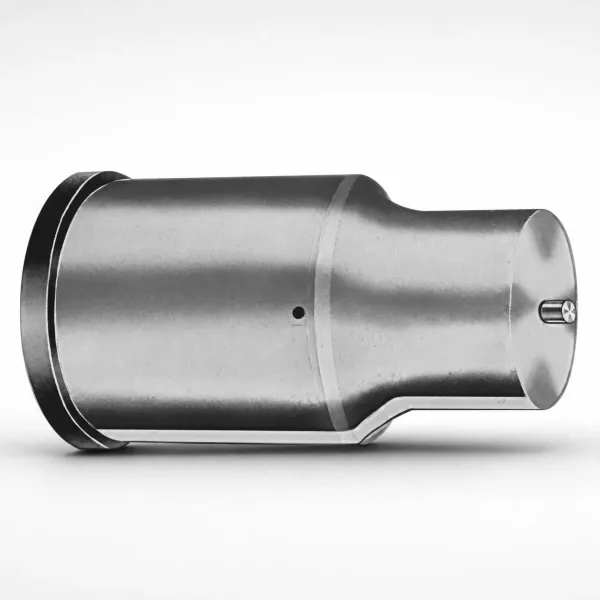
Metric Extended Range Ejector Punches XNAD Coating
Metric Extended Range Ejector Punches (XNAD Coating) with close space tip geometry for reliable ejection. Dayton-grade manufacturing—request a quote.
View Details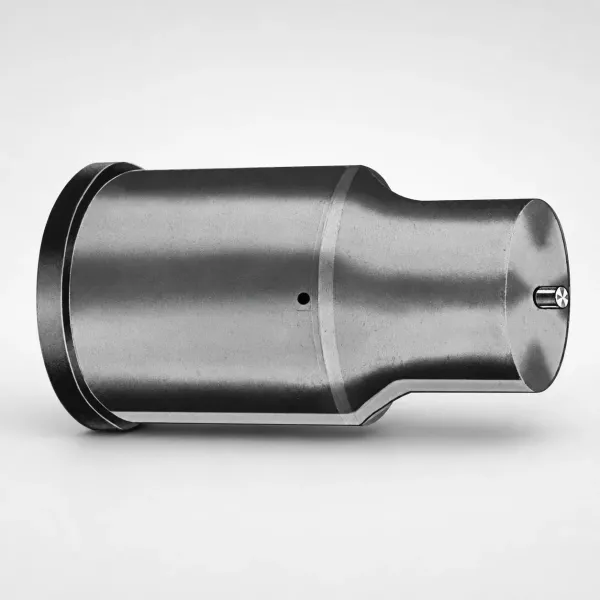
Extended Range Ejector Punches (Metric, XNA Coating)
Extended Range Ejector Punches (Metric, XNA Coating) for reliable part removal in injection tooling. Durable coating resists wear and friction—request a quote.
View Details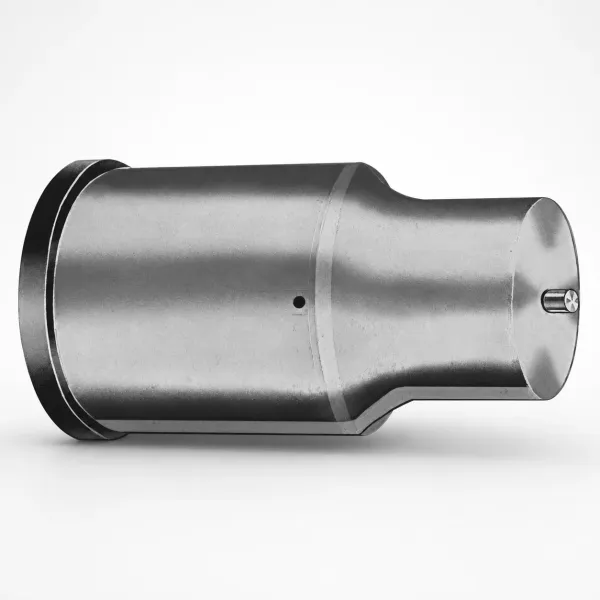
Extended Range Jector Punches - Metric, XN DayTride® Coating
Extended Range Jector Punches - Metric, XN DayTride® Coating for precise ejector applications. Extended range design helps reliable feed and tool life. Reque...
View Details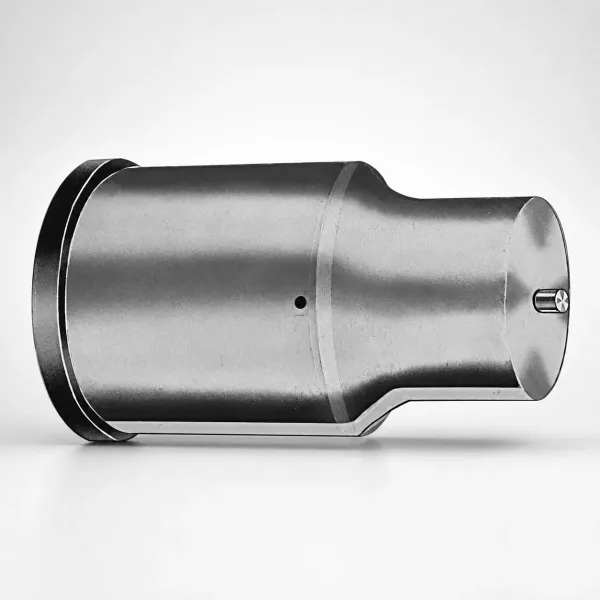
Extended Range Ejector Punches - Metric XCN Coating
Extended Range Ejector Punches - Metric XCN Coating for high-efficiency blanking and forming. Built for long tool life and stable punching results. Request a...
View Details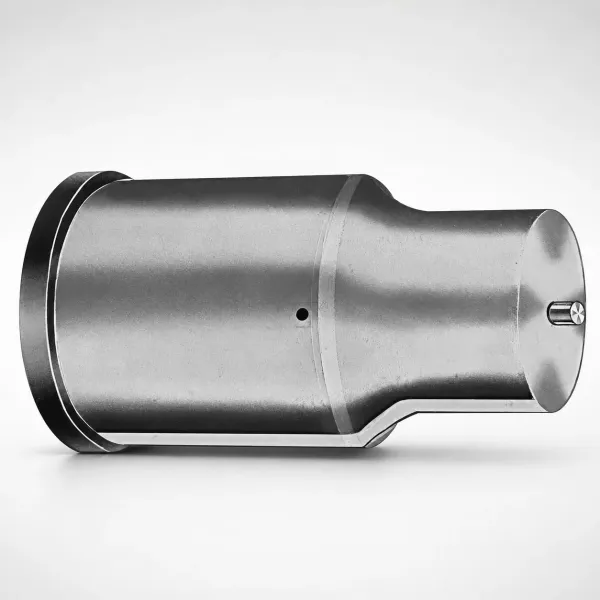
Extended Range Metric Ejector Punches XCDP Coating
Extended Range Metric Ejector Punches XCDP Coating for longer stroke applications. Designed for punch precision with durable surface protection. Request a qu...
View Details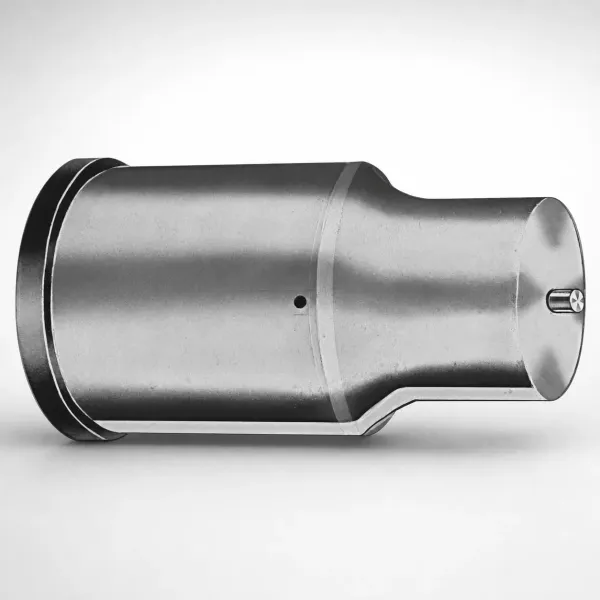
Extended Range Ejector Punches (Metric) - XCD Coating
Extended Range Ejector Punches (Metric) with XCD Coating for improved wear resistance. Suitable for close-space forming and precise ejection.
View Details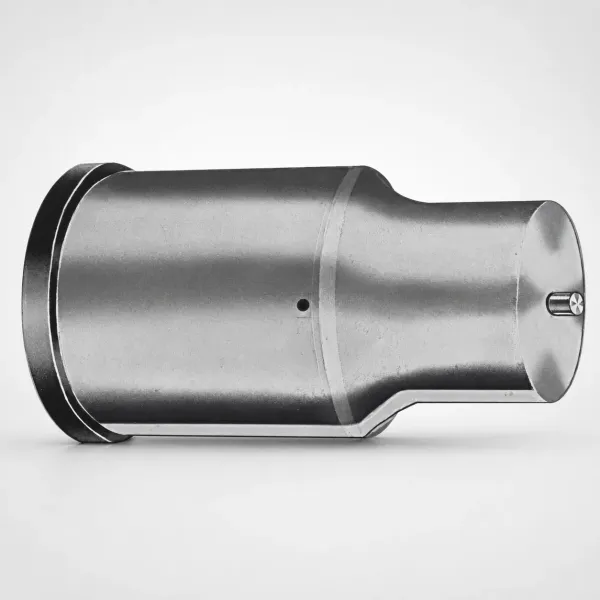
Extended Range Ejector Punches Metric XAN DayTAN™ Coating
Extended Range Ejector Punches Metric with XAN DayTAN™ coating from DAYTON. Designed for reliable ejection in close-clearance tooling. Contact us for details.
View Details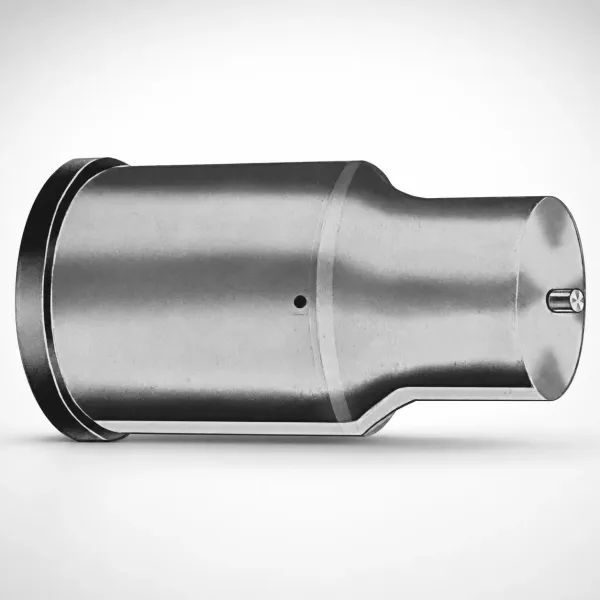
CRN Coated Extended Range Ejector Punches - Metric
CRN Coated Extended Range Ejector Punches - Metric for die casting and stamping. Toughened tool steel, stable ejection, and reduced wear. Request a quote.
View Details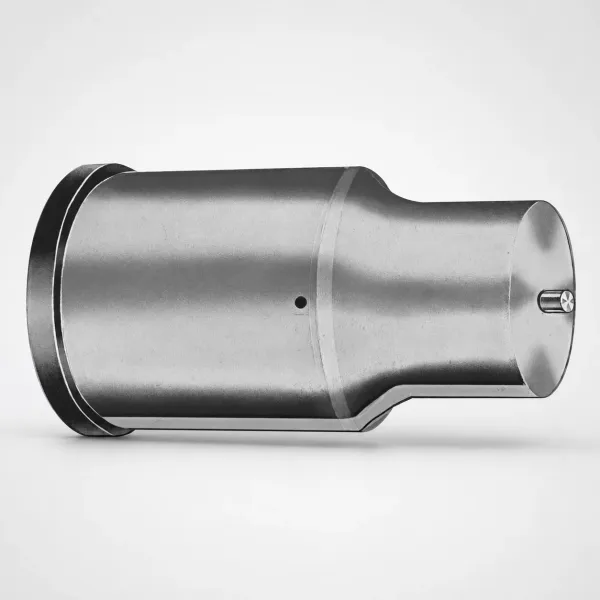
Extended Range Ejector Punches Metric (M2 Steel) X-Tip
Extended Range Ejector Punches Metric (M2 Steel) with X-tip geometry for reliable part ejection. Engineered for tooling shops—request a quote.
View Details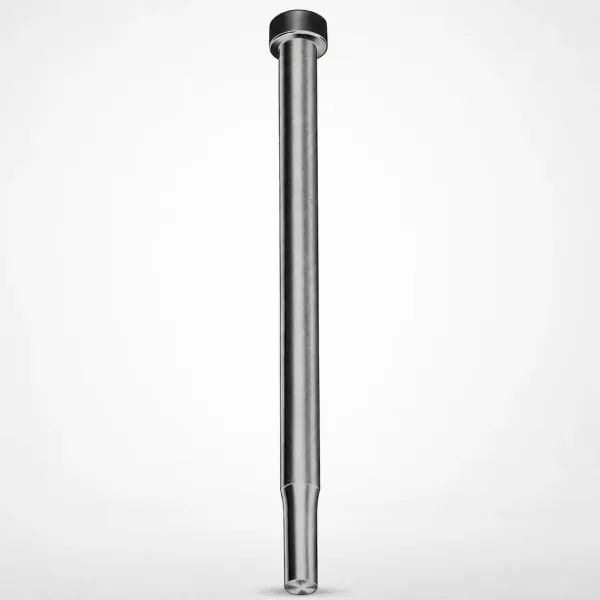
Close Space Punches - Metric P Dimension 0.8
Close Space Punches - Metric with fixed P dimension 0.8 for precise forming work. M2 or A2 steel options and metric shank sizes. Request a quote.
View Details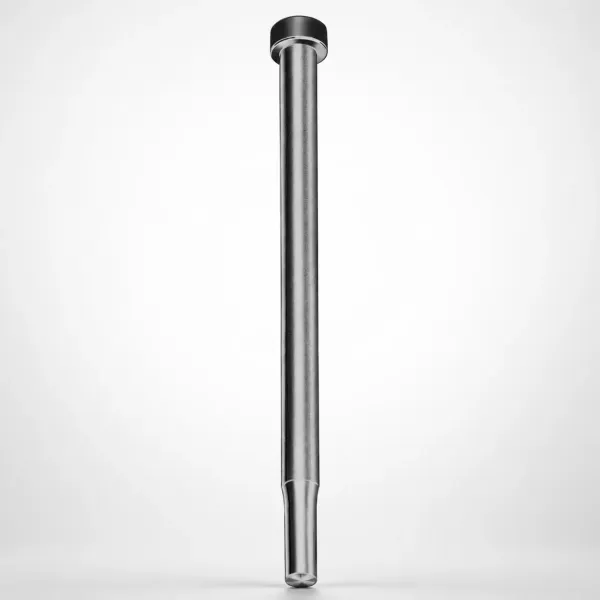
Close Space Punches - Metric CRN Coating
Close Space Punches - Metric with <b>CRN coating</b> for efficient close-clearance punching. DAYTON tooling for longer wear and stable performance. Request a...
View Details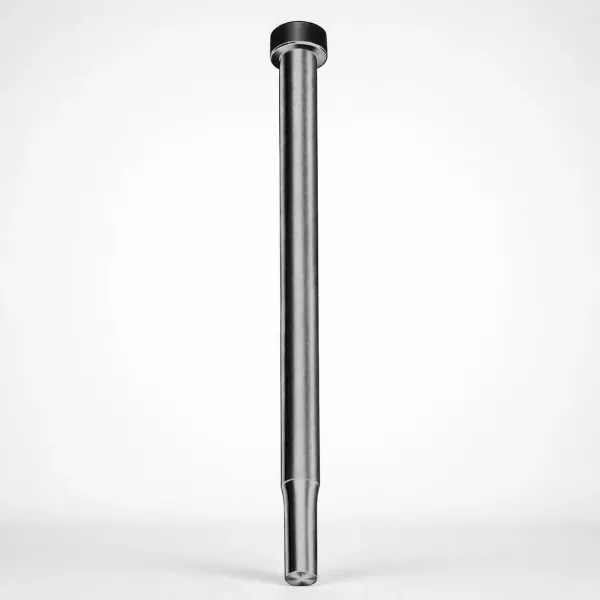
Metric Close Space Punches P=0.8
Metric Close Space Punches with fixed P 0.8 dimension for precise workpiece positioning. DAYTON XAN DayTAN™ coating option—request a quote.
View Details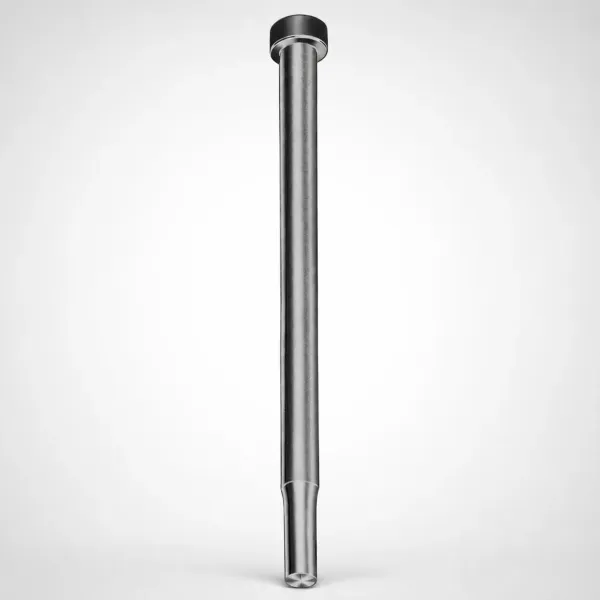
Close Space Punches Metric XCD Coating
Close Space Punches Metric XCD Coating for precision press tooling. DAYTON standardized builds with controlled finish for reliable cutting and forming. Order...
View Details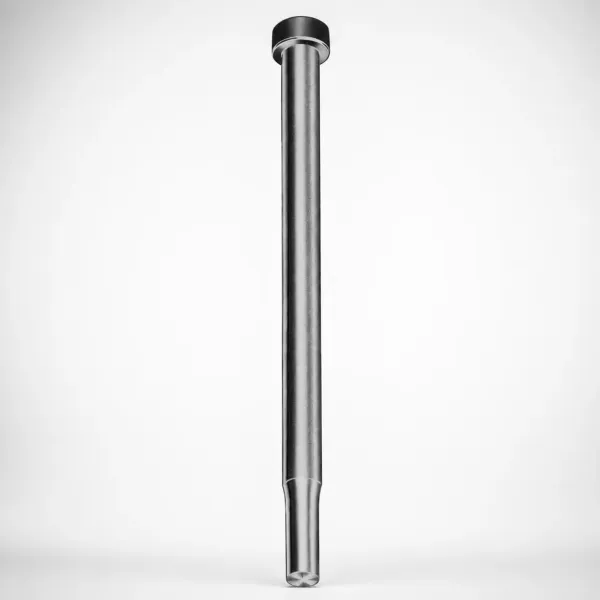
Metric Close Space Punches XCDP Coating
Metric Close Space Punches with XCDP coating for reliable cutting performance in close-clearance toolsets. DAYTON tooling for stable results—request a quote.
View Details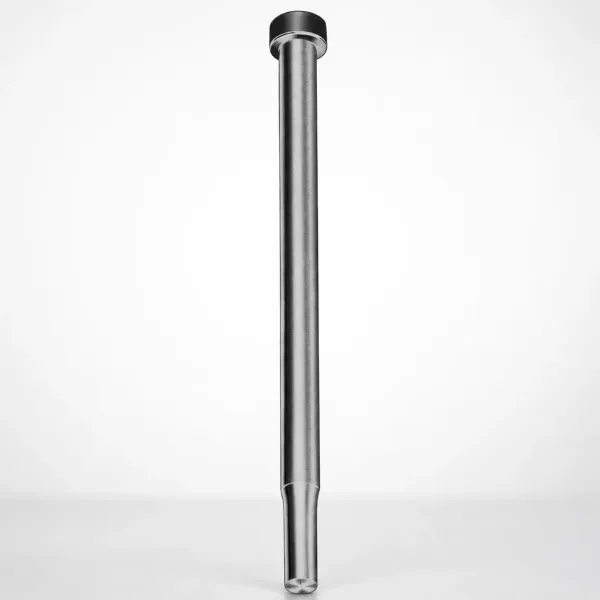
Close Space Punches - Metric XCN Coating
Close Space Punches - Metric XCN Coating by DAYTON for precise punching in tight die space. Durable XCN coating helps extend tool life. Request a quote.
View Details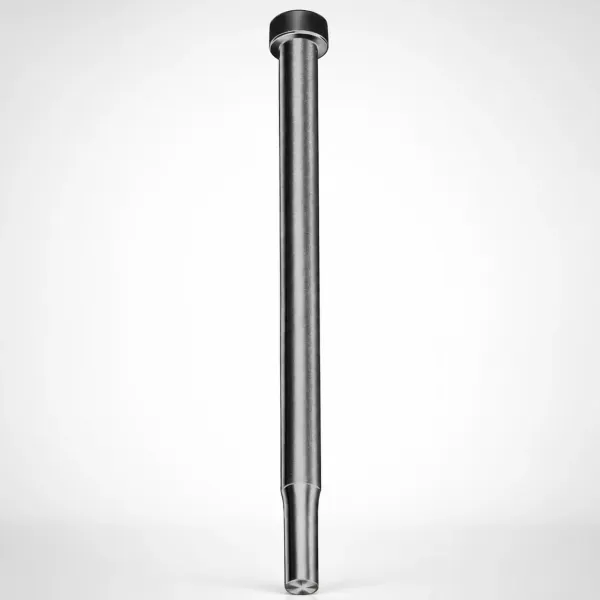
Close Space Punches Metric
Close Space Punches Metric by DAYTON with fixed <b>P dimension 0.8 mm</b> for tight tool spacing. Choose XN DayTride® coating options and request a quote.
View Details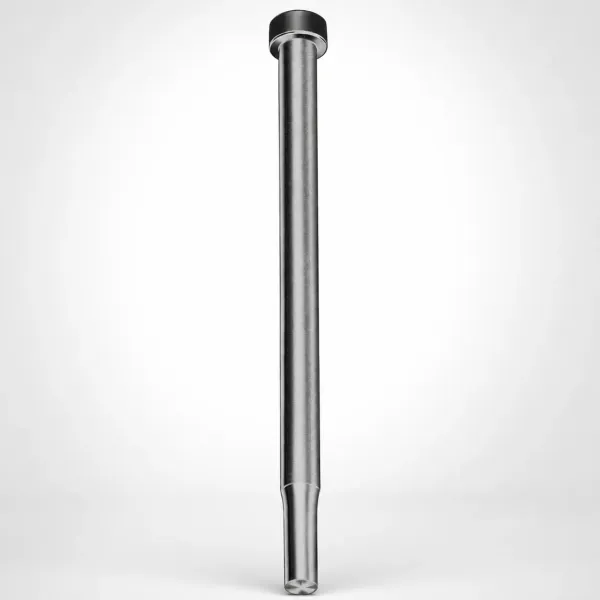
Close Space Punches Metric XNA Coating
Close Space Punches Metric XNA Coating for accurate die cavity alignment. Built for durable wear and stable punching in production. Request a quote.
View Details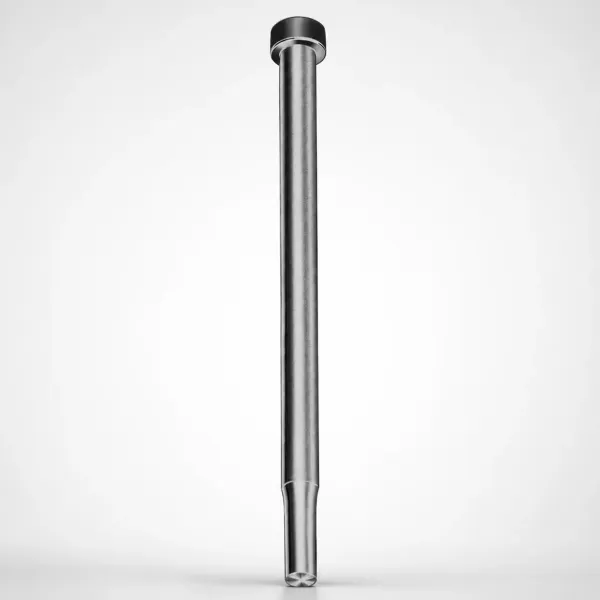
Close Space Punches Metric P=0.8
Close Space Punches Metric with fixed P dimension 0.8 for consistent press fit. DAYTON LAMINA standardized part number format. Request a quote.
View Details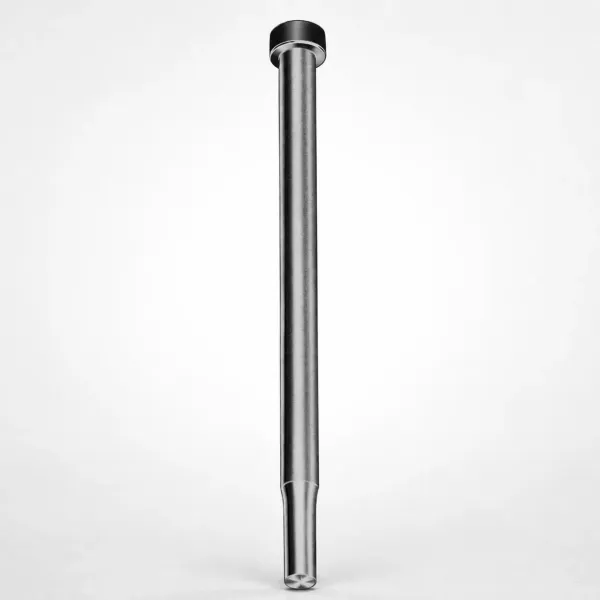
Close Space Punches Metric XNP Coating
Close Space Punches Metric XNP Coating for tight shut-off die work. XNP surface support improves wear resistance and smooth punching. Dayton LAMINA standard.
View Details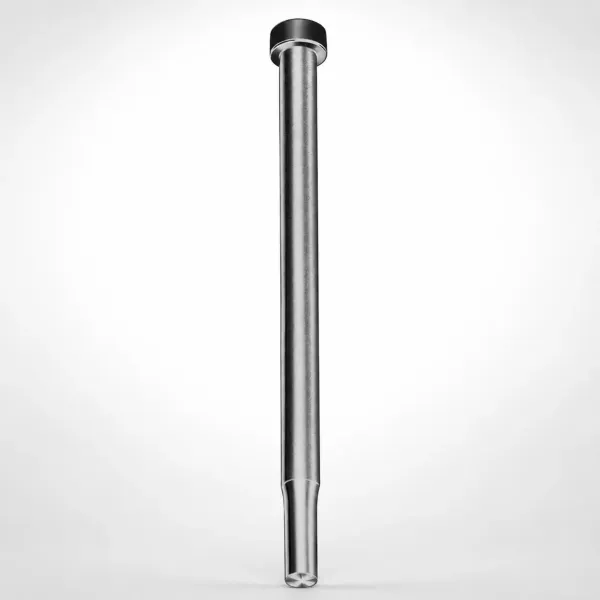
Close Space Punches - Metric (XNM Coating)
Close Space Punches - Metric for die work, supplied by DAYTON with XNM coating. Designed for stable punch guidance in close-tolerance assemblies. Request a q...
View Details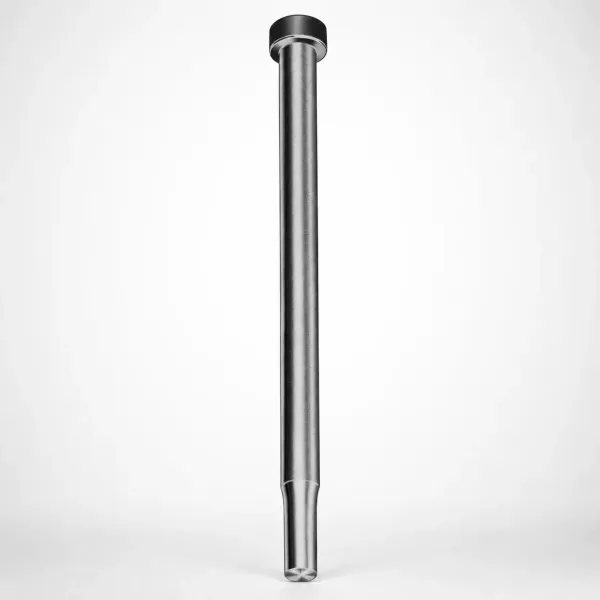
Metric Close Space Punches XNP Coating
Metric Close Space Punches with XNP coating for controlled material flow in tight-clearance dies. Built for stable punch wear and long production runs.
View Details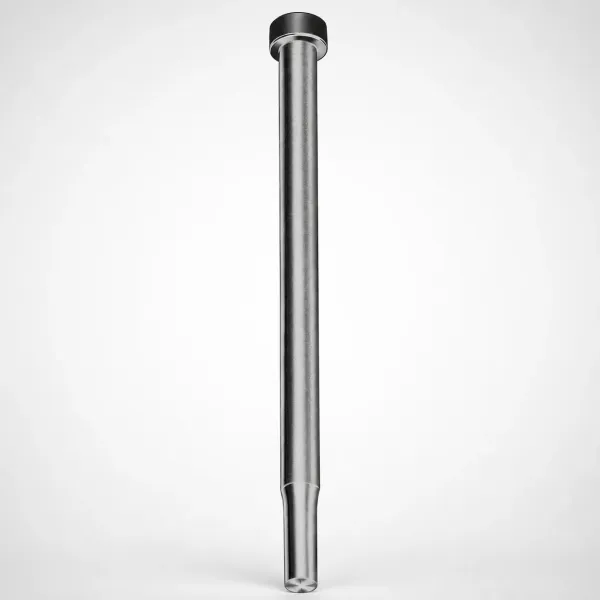
Close Space Punches Metric XNT DayTiN® Coating
Close Space Punches Metric with XNT DayTiN® coating from DAYTON for precision tool builds. Standardized part formats, reduced wear, smooth pressing—Request a...
View Details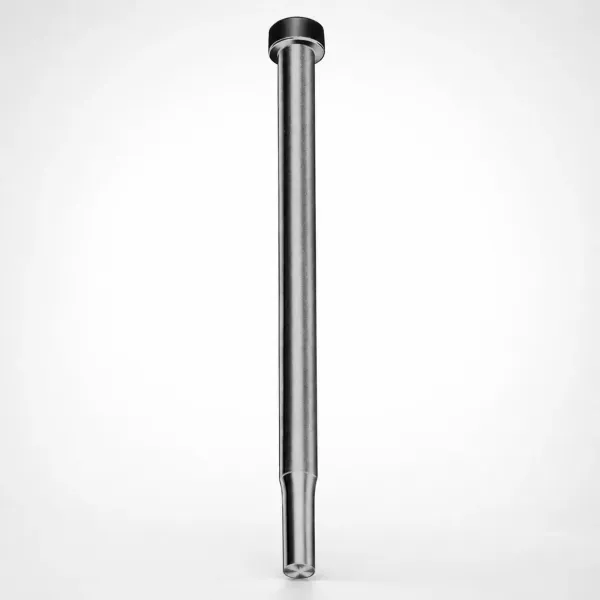
Close Space Punches - Metric XVP Coating
Close Space Punches - Metric with XVP coating by DAYTON for clean, efficient hole and form punching in tight die spaces. Request a quote.
View Details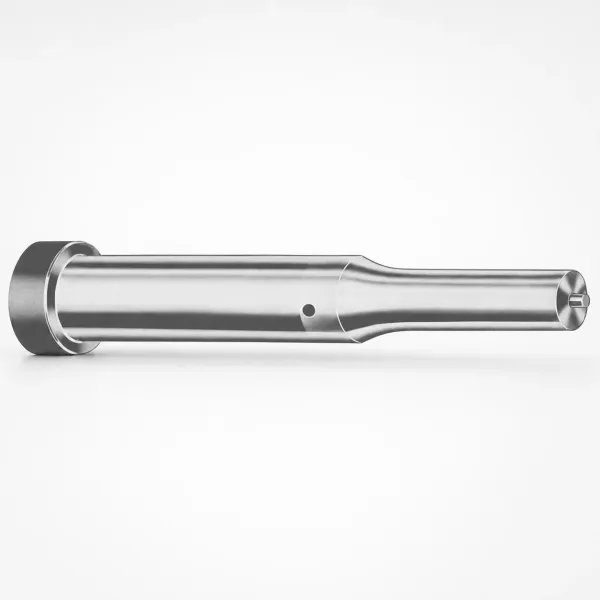
CRN Coated Metric Ejector Punches with X Tip
Metric ejector punches with CRN coating and X tip for consistent ejection in close-clearance dies. Dayton Lamina standardized part system—order-ready.
View Details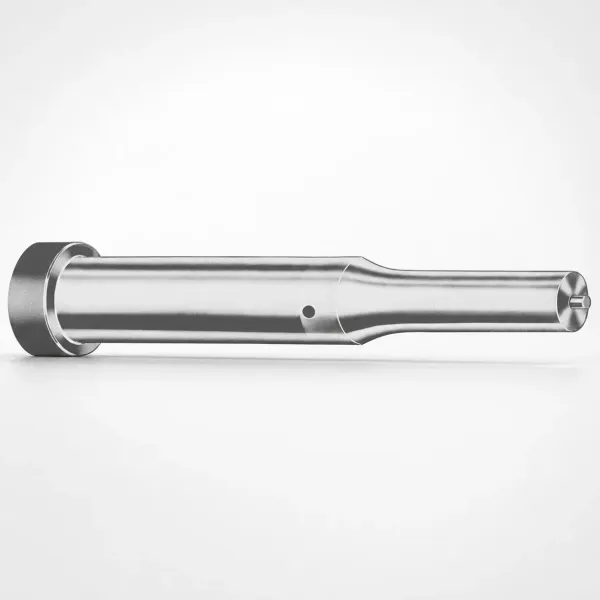
Metric Close Space Ejector Punches XAN DayTAN™ Coating
Metric Close Space Ejector Punches with XAN DayTAN™ coating for improved wear and release performance in compact tooling. Contact us for supply.
View Details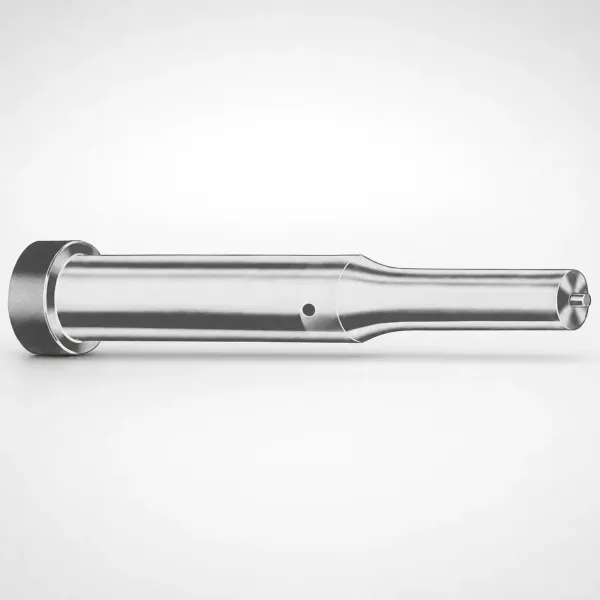
Ejector Punches Metric XCDP Coating
Ejector Punches Metric XCDP Coating for precise ejection in tooling. Durable wear-resistant surface supports stable punch alignment and performance. Request ...
View Details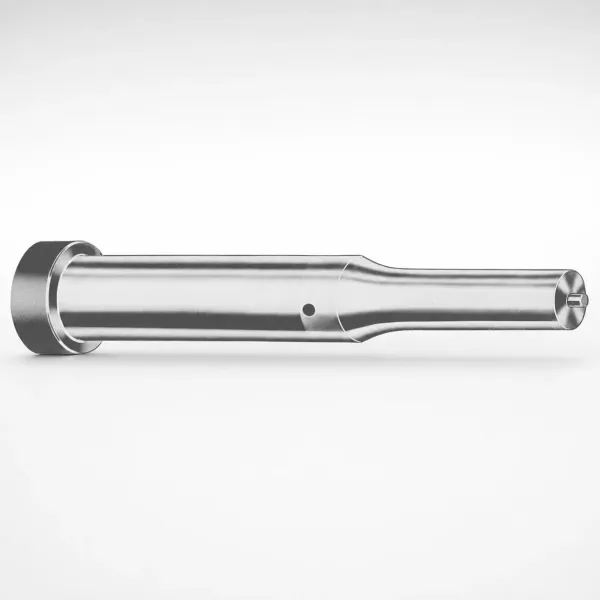
Ejector Punches - Metric, XN DayTride® Coating
Ejector Punches - Metric with XN DayTride® coating for durable wear resistance in tooling. Metric pin tips for punch and eject applications. Request a quote.
View Details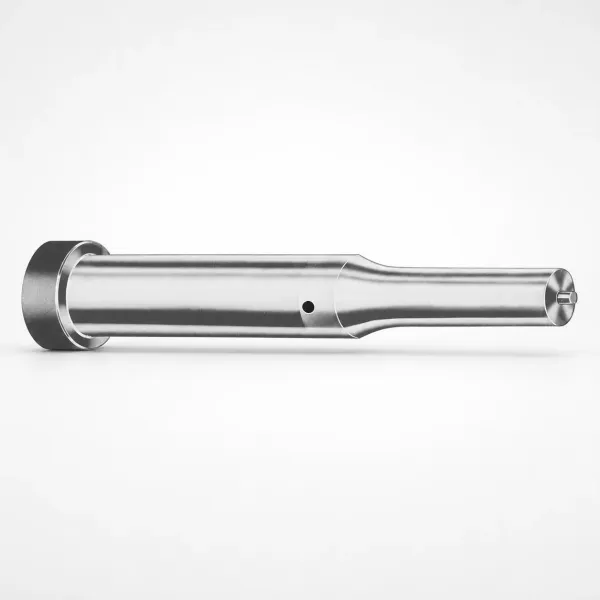
Metric Ejector Punches XNAD Coating X Tip
Metric Ejector Punches with XNAD coating and X tip geometry for reliable ejection. Engineered for close-space tooling and consistent punch performance.
View Details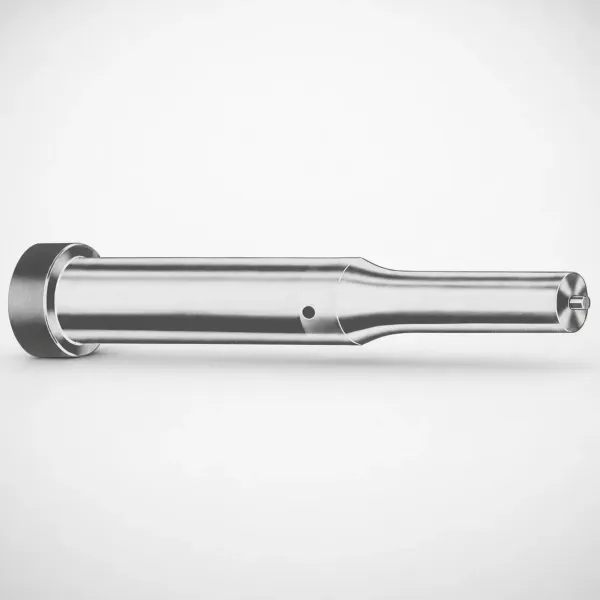
Metric XNM Coated Ejector Punches
Metric XNM coated ejector punches for die and mold applications. Engineered tip options and robust construction for smooth ejection and longer tool life.
View Details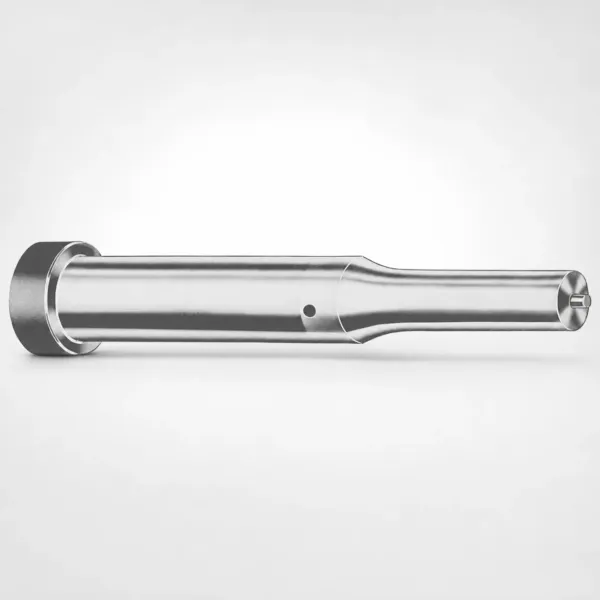
Metric Ejector Punches with XNP Coating
Metric ejector punches with XNP coating for precision die components. Built for stable ejection and wear resistance in tooling applications. Order today.
View Details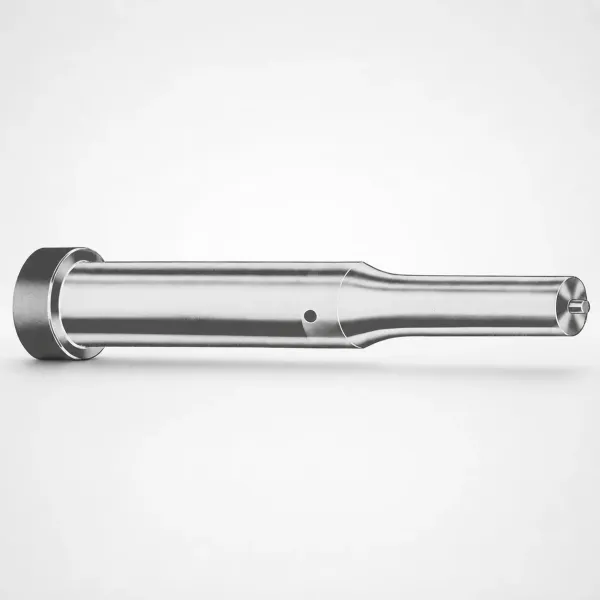
Metric Ejector Punches with XVP Coating
Metric ejector punches with XVP coating for tool and die applications. Stabilize ejection performance with hardened punch steel options. Request a quote.
View Details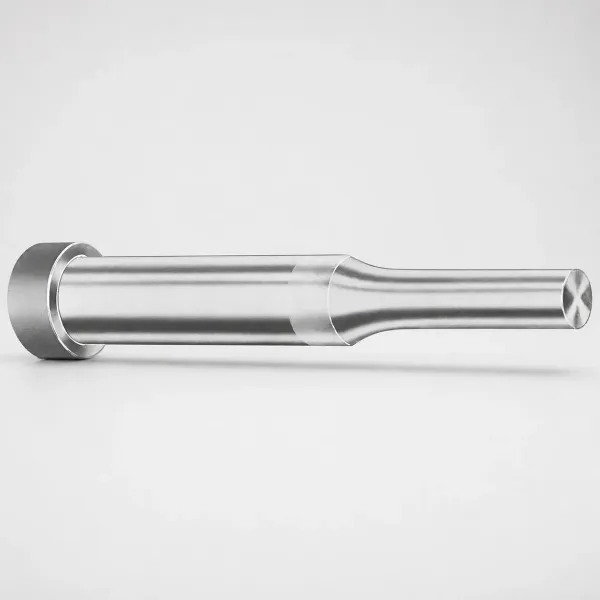
Regular Punches X Tip CRN Coating (M2 Steel)
Regular Punches with X tip (M2 steel) and CRN coating for wear resistance in metal forming dies. Precision punching for consistent part production. Request a...
View Details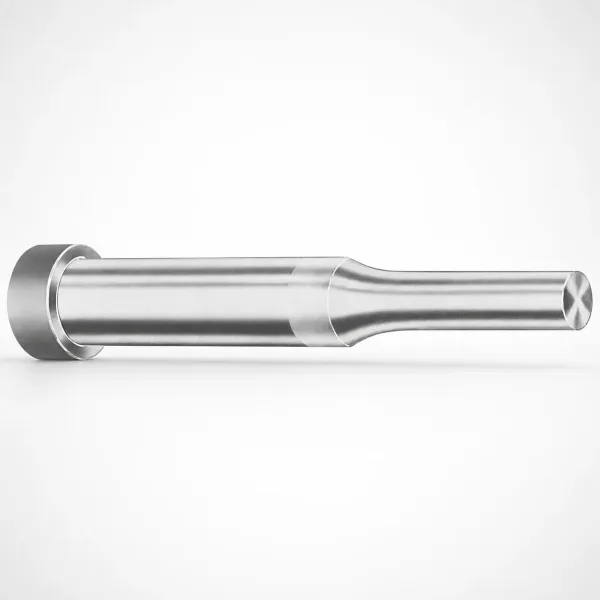
Regular Punches - Metric, XAN DayTAN™ Coating
Regular Punches - Metric, XAN DayTAN™ Coating for accurate stamping die work. Choose PS or M2 steel options for wear resistance. Request a quote.
View Details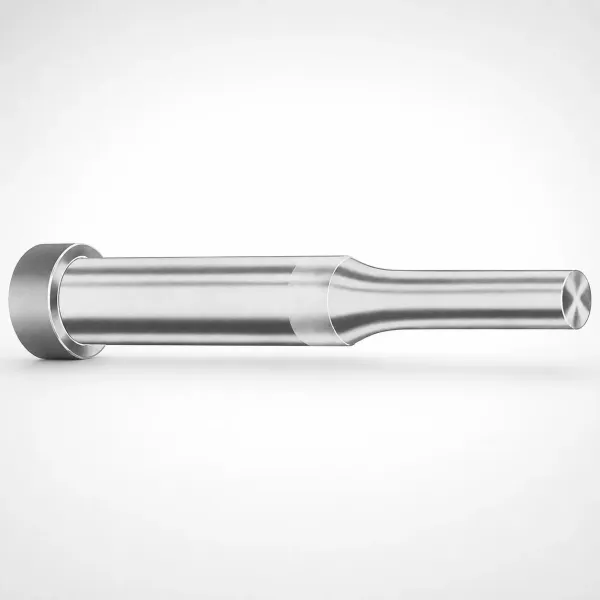
Regular Punches Metric XCDP Coating
Regular Punches Metric with XCDP coating by DAYTON. Designed for stable alignment, improved wear resistance, and reliable punching in production. Request a q...
View Details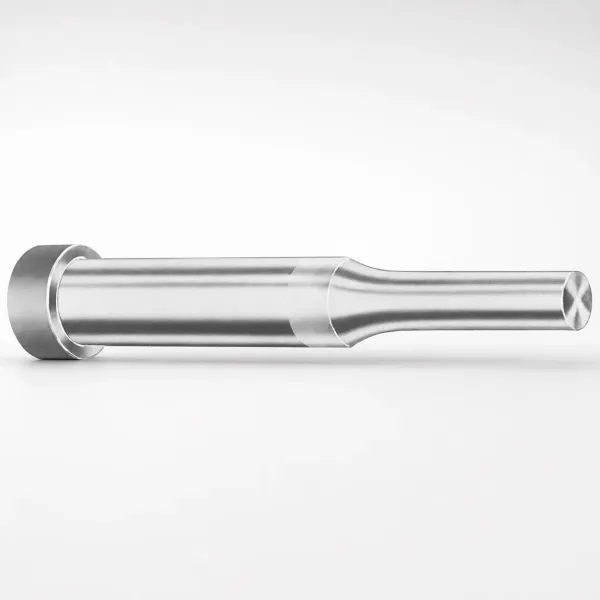
Metric XN DayTride Regular Punches
Metric Regular Punches with XN DayTride coating for reliable forming and close-space work. Standardized part format for easy selection and fit.
View Details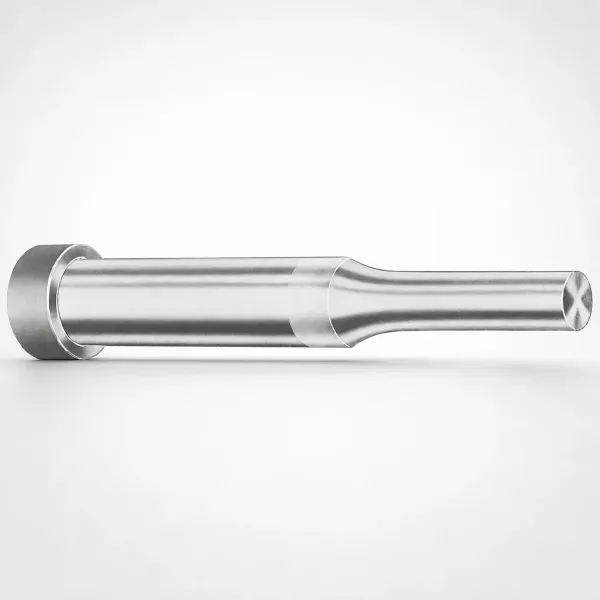
Regular Punches - Metric, XNAD Coating
Regular Punches Metric from DAYTON with XNAD coating for wear resistance and stable forming. Choose tip shape and material options—request a quote.
View Details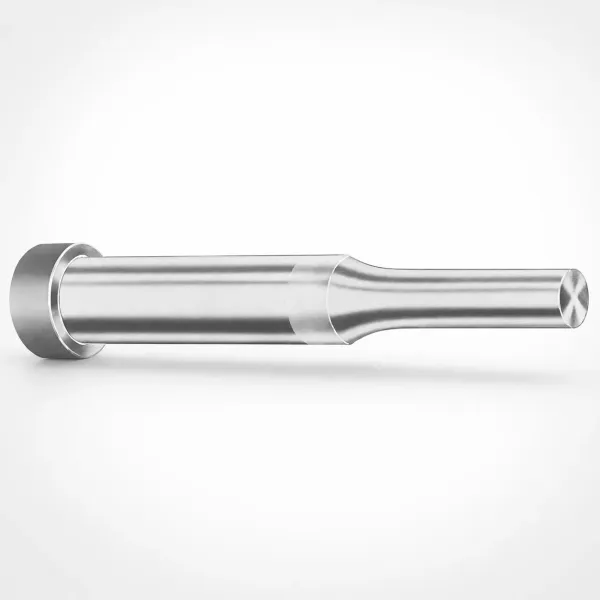
Regular Punches - Metric, XNM Coating
Regular Punches - Metric XNM Coating by Dayton for reliable blanking and forming. Manufactured under Dayton LAMINA part numbering standard for faster orderin...
View Details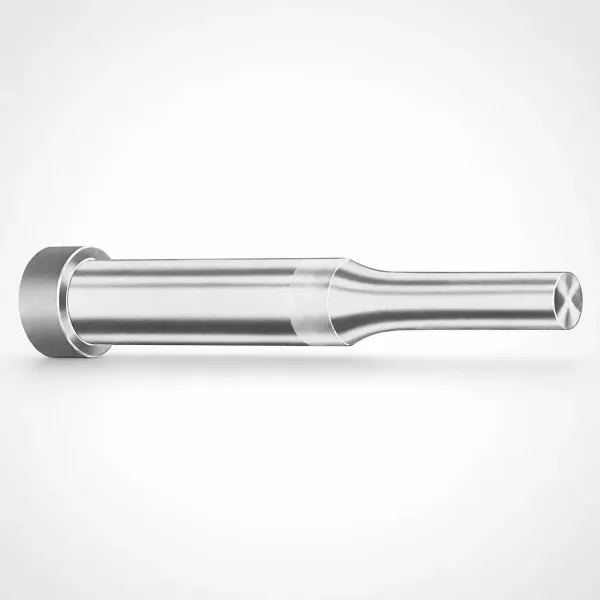
Metric M2 Steel Regular Punches XNP Coating
Metric Regular Punches XNP Coating primary for punch wear control. Built from M2 steel for stable forming performance. Dayton/Lamina part format included.
View Details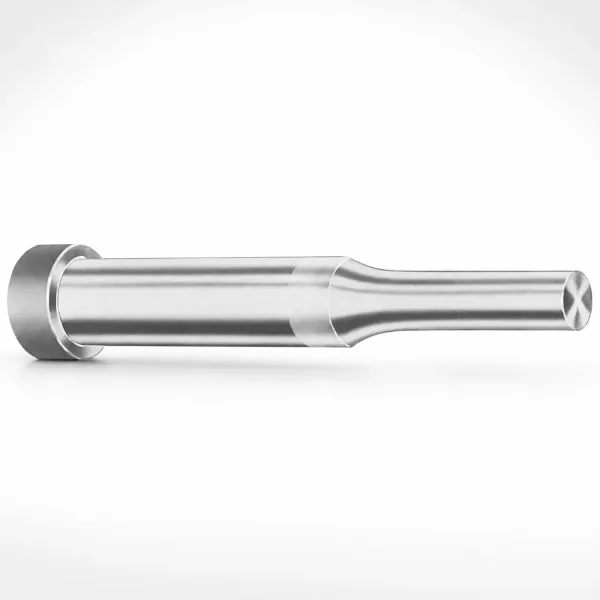
Metric XVP Coated Regular Punches
Metric Regular Punches with XVP coating support dependable piercing in tooling. Built to Dayton/Lamina part standards for stable fit and process repeatability.
View DetailsShoulder Punch vs Ejector Punch Selection
Standard punches come in two fundamental configurations: shoulder (stepped shank) and ejector (spring-loaded jector). The choice depends on whether you need passive retention or active part ejection from the punch face.
| Dimension | Shoulder Punch | Ejector Punch |
|---|---|---|
| Shank Design | Double-stepped: head + body + tip | Single-stepped with internal spring-loaded jector pin |
| Retention Method | Mechanical head seated against backing plate | Same head retention + spring-assisted part stripping |
| Part Ejection | Relies on stripper plate only | Internal jector pin pushes slugs off punch face |
| Best For | Standard piercing & blanking with effective stripping | Slug sticking problems, thin materials, oil-starved conditions |
| Material Options | SKD11 (HRC 58-62), SKH51 (HRC 63-65), SKH40 (HRC 67-70) | SKD11/D2, SKH40 powder metallurgy |
| Coating Options | TiCN, DLC, Dicoat | TiCN, Dicoat surface treatment |
| Cost Index | 1.0x (baseline) | 1.5-2.0x (internal mechanism adds cost) |
| Maintenance | Simple regrinding | Jector spring requires periodic replacement (every 500K-1M cycles) |
Tool Steel Grade Selection
Punch steel grade determines the balance between hardness (wear resistance) and toughness (breakage resistance). The correct choice depends on your stamping material, production volume, and acceptable punch life before regrinding.
SKD11 / D2 (HRC 58-62) — General Purpose
Cold work tool steel with 12% chromium, high carbon (1.4-1.6%). Provides excellent wear resistance for mild steel and aluminum stamping up to 500K hits between regrinds. Weakness: brittleness in small cross-sections (<3mm tip diameter). Heat treatment: vacuum hardening + double tempering at 180-200 deg C. This is the standard grade for 80% of punch applications.
SKH51 / M2 (HRC 63-65) — High Speed Steel
Molybdenum-tungsten high speed steel with fine carbide distribution. Superior red hardness (maintains hardness above 600 deg C). Best for: high-speed progressive dies (>200 SPM), AHSS stamping (590-980 MPa tensile), and stainless steel piercing. Typical punch life: 800K-1.2M hits. Cost premium: approximately 40% over SKD11.
SKH40 / Powder Metallurgy HSS (HRC 67-70)
Gas-atomized powder metallurgy steel with ultra-fine, uniformly distributed carbides (5-8 micrometer). The finest grain structure eliminates the carbide banding that causes premature chipping in conventional HSS. Best for: micro-piercing (<1mm holes), abrasive materials (silicon steel, ceramic-filled plastics), and applications requiring >2M hits per regrind. Cost premium: 2-3x over SKD11.
About Standard Punches
Standard punches are the foundation of every stamping die's cutting tool complement. This category includes 159 products spanning shoulder punches (double-stepped shank, seated against backing plate) and ejector punches (spring-loaded internal jector for positive slug ejection). Available in three tool steel grades: SKD11/D2 for general purpose (HRC 58-62), SKH51/M2 for high-speed and AHSS applications (HRC 63-65), and SKH40 powder metallurgy for extreme wear resistance (HRC 67-70). Surface treatments include TiCN coating (golden, HV 3000), DLC (diamond-like carbon, HV 5000), and Dicoat treatment for enhanced lubricity.
Application Scenarios
Connector Terminal Stamping
High-speed progressive dies for electronic connectors require micro-punches (<1mm) running at 300-600 SPM with zero burr tolerance.
Why standard punches fit: SKH40 powder metallurgy grade provides the fine-grain toughness needed for sub-millimeter tip diameters, while TiCN coating reduces galling on copper alloy strip.
Automotive Body Panel Piercing
Medium-volume stamping of AHSS (Advanced High-Strength Steel, 590-980 MPa) body panels requires punches that resist edge chipping under high shear stress.
Why standard punches fit: SKH51/M2 high speed steel maintains cutting edge integrity on AHSS. Double-stepped shoulder design provides secure retention under the high stripping forces typical of AHSS piercing.
General Sheet Metal Piercing
Standard piercing operations on mild steel, aluminum, and brass in production runs of 100K-500K pieces per lot.
Why standard punches fit: SKD11/D2 provides the optimal cost-to-life ratio for general materials. Ejector type prevents slug pulling on oily stock without additional tooling modifications.
Frequently Asked Questions
When should I use an ejector punch instead of a standard shoulder punch?+
What is the difference between SKD11, SKH51, and SKH40 tool steels for punches?+
Are standard JIS shapes available for immediate shipping?+
Can I request custom lengths for standard die punches?+
Engineering Resources
Need a Custom Quote?
Send your specifications and receive a quote. MOQ: 1 piece. Custom dimensions available.