Rapid Tooling & Prototype Injection Molding
Accelerate your product development cycle with our rapid tooling solutions. We engineer precision aluminum and pre-hardened P20 soft tools to deliver true injection molded prototypes in as little as 10 days, bridging the gap between 3D printing and mass production.
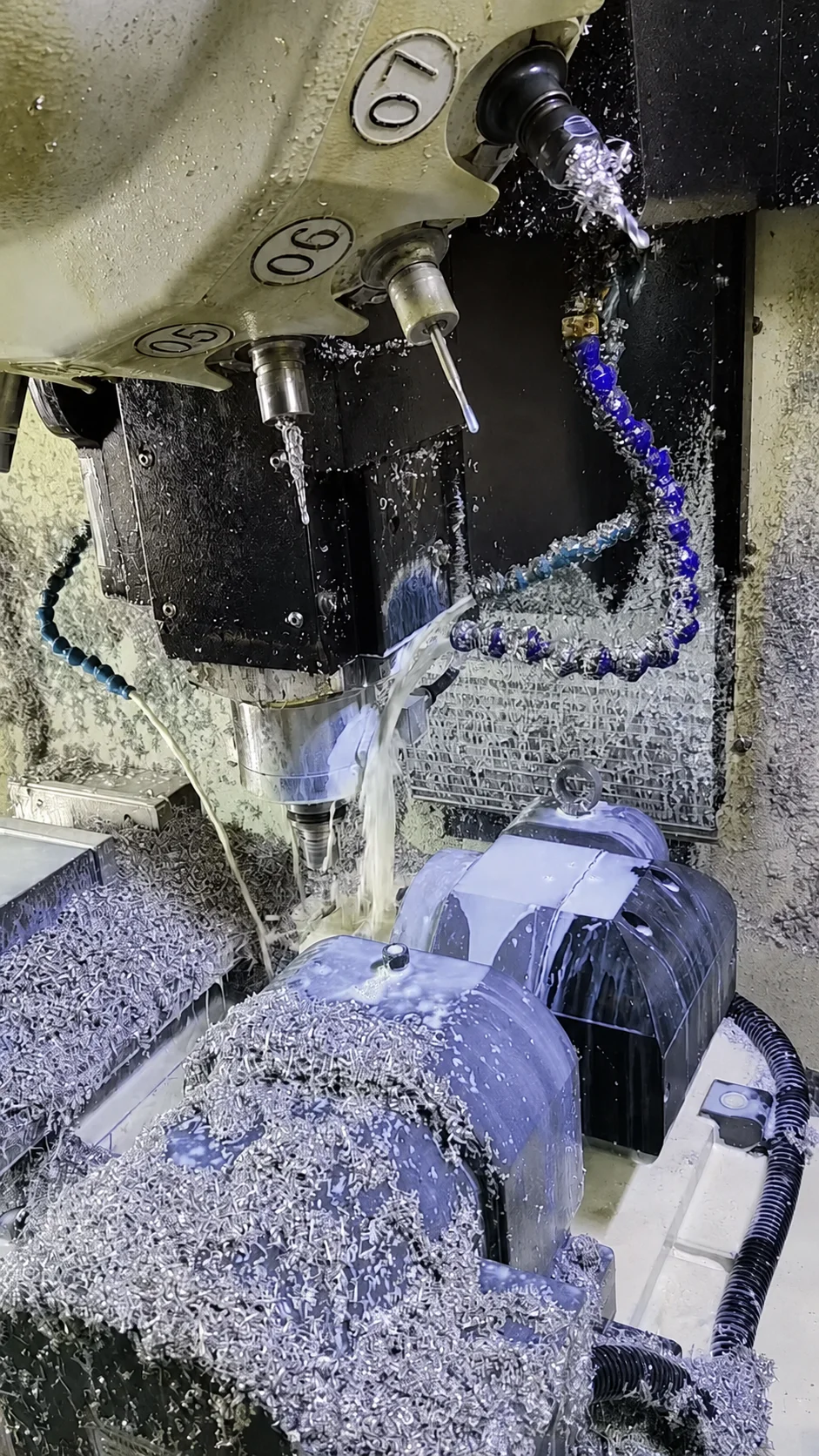
Rapid Tooling vs. Production Molds
Understanding the trade-offs between rapid prototype tooling and high-volume production molds is critical for aligning your project budget and timeline with market demands. Tooling longevity is governed by the SPI mold classification system:
| Specification | Rapid Tooling (Aluminum / P20) | Production Tooling (H13 / S136) |
|---|---|---|
| SPI Classification | Class 105 / Class 104 | Class 103 / 102 / 101 |
| Expected Tool Life | 500 to 10,000+ Shots | 50,000 to 1,000,000+ Shots |
| Standard Lead Time | 10 – 15 Days | 25 – 45+ Days |
| Estimated Cost Range | $1,500 – $5,000 | $8,000 – $45,000+ |
| Core/Cavity Material | Aluminum 7075-T6 or P20 (Pre-hardened) | H13, S136, 1.2343 (Hardened 48-52 HRC) |
| Part Material Compatibility | Unfilled Resins (ABS, PC, PP) | All Resins (including High GF% & High-Temp) |
| Undercut Handling | Hand-Loaded Inserts (Manual) | Hydraulic/Mechanical Sliders (Automatic) |
Three Strategic Use Cases for Rapid Tooling
Rapid injection molding is deployed at specific lifecycle stages to minimize risk and accelerate product launch:
1. Design Validation Prototyping
Produce 5 to 50 real injection-molded parts to test mechanical fit, form, and function—see our comparison guide on prototype molds vs production molds vs 3D printing to evaluate material properties and shrink rates.
2. Bridge Tooling for Early Revenue
Manufacture 500 to 10,000 parts using a robust P20 soft tool (SPI 104) to immediately serve initial market demand. This "bridge" strategy generates revenue while the multi-cavity, hardened steel production mold is being engineered and machined.
3. Market Testing & Beta Samples
Run a small batch of 100 to 500 cosmetic parts for trade shows, kickstarter fulfillment, beta testers, and customer sampling. Rapid tooling allows you to present a polished, end-use product without the upfront capital expenditure of full tooling.
Choosing Your Rapid Tooling Material
The choice between Aluminum and P20 steel for your prototype mold depends entirely on your required shot volume, part material, and geometric complexity.
| Project Requirement | Aluminum 7075-T6 (Fastest) | P20 Pre-Hardened Steel (Durable) |
|---|---|---|
| Target Volume | < 500 Shots (Class 105) | 500 - 10,000 Shots (Class 104) |
| Resin Abrasiveness | Unfilled only (ABS, PC, PP, POM) | Light Glass-Filled acceptable (<15% GF) |
| Thermal Conductivity | Excellent (Faster cooling, shorter cycle) | Moderate (Standard cooling rates) |
| Machining Speed | Extremely Fast (Reduces CNC time) | Standard Speed |
| Surface Finish Capability | Good (Standard polish or light texture) | Excellent (Supports SPI A2/A3 polish) |
| Undercut Complexity | Best for simple profiles & hand-loads | Better for integrated lifters/sliders |
💡 Steel Selection Framework: For detailed metallurgical properties and hardness comparisons across aluminum, P20, NAK80, and S136, consult our injection mold steel guide.
Related Engineering Guides & Technical Resources
Prototype Mold vs Production Mold vs 3D Printing: Decision Guide
Total cost of ownership (TCO) volume curves, engineering resin validation, and rapid bridge tooling.
What SPI Mold Class (101–105) Do You Need? A Buyer's Guide
Class 101 to 105 specifications, steel hardness (S136/H13), guided ejection, and lifetime warranty terms.
How DFM Analysis Reduces Mold Modification Costs by 40%
The 1-10-100 economic rule, draft angle optimization, parting line simplification, and gate optimization.
Frequently Asked Questions
Is rapid tooling suitable for complex parts with undercuts?+
What is the fastest lead time for a rapid prototype mold?+
How much cheaper is rapid tooling compared to production-grade molds?+
Need Injection Molded Prototypes Fast?
Upload your 3D CAD to get a rapid tooling DFM and quote within 24 hours. Launch your product in weeks, not months.