PBT Injection Mold Tooling for Connector Housings
Precision Polybutylene Terephthalate (PBT) injection mold manufacturing for electrical and automotive components. We specialize in GF15/GF30 glass-filled tooling, delivering UL94 V-0 compliant connector housings, relays, and insulating enclosures with ±0.002mm accuracy.
PBT GF15 vs. GF30 Tooling Comparison Matrix
Glass fiber (GF) reinforcement drastically alters PBT's mechanical properties and molding behavior. Selecting the correct percentage is critical for tooling longevity and part performance:
| Property / Parameter | PBT GF15 (15% Glass Fiber) | PBT GF30 (30% Glass Fiber) |
|---|---|---|
| Melt Flow & Wall Thickness | Excellent flow; suitable for complex geometries and thin walls (down to 0.8mm) | Lower flow; prone to fiber orientation issues; minimum wall thickness 1.2mm |
| Tool Wear & Steel Hardness | Moderate abrasion; standard pre-hardened steel (e.g., P20, NAK80) is sufficient | High abrasion; requires fully hardened steel (S136, SKD61 at 48-52 HRC; compare alloys in our injection mold steel selection guide) and carbide gate inserts |
| Dimensional Stability & Warpage | Lower stiffness; less anisotropic shrinkage, reducing warpage risks | High stiffness; high anisotropic shrinkage requires precise cooling and gate optimization to prevent warpage |
| Heat Deflection Temp (HDT @ 1.8 MPa) | ~190°C – 200°C | ~205°C – 215°C (Superior high-heat environments) |
| Tensile Strength | ~90 – 100 MPa | ~130 – 140 MPa |
Design for Electrical Insulation & Connector Housings
PBT's defining advantage is its exceptional dielectric strength. Our tooling engineers optimize mold designs specifically for electrical performance and UL94 compliance:
Anti-Tracking Distance Design
We design internal ribbing and barrier geometries to maximize creepage and clearance distances, ensuring Comparative Tracking Index (CTI) ratings up to 600V.
UL94 V-0 Flame Retardancy
Venting and gate sizing are engineered to prevent sheer-induced material degradation, maintaining the critical flame-retardant properties of halogen-free PBT grades.
Terminal Retention Force
Precision ±0.002mm core pins ensure tight tolerances in terminal cavities, guaranteeing consistent pin insertion and pull-out retention forces for PCB headers.
📐 Connector DFM: Discover advanced strategies for synchronizing stamped terminal tolerances with plastic shrinkage in our guide on cross-tooling DFM for connector molds.
Ensure automotive qualification by consulting our guide to automotive connector mold requirements.
Common Applications for PBT Molds
We deliver high-precision PBT injection molds tailored for stringent electrical and industrial applications, strictly adhering to UL and IEC standards:
Automotive Relay Housings
Miniature multi-cavity molds with high-wear resistant SKD61 inserts. Designed for extreme under-hood temperatures and GF30 structural integrity.
PCB-Mount Connector Headers
Micro-precision molding using Makino V33i EDM for intricate pin channels. Guaranteeing dimensional stability during SMT reflow soldering processes.
Circuit Breaker Components
Thick-walled PBT enclosures optimized with conformal cooling to prevent internal voids and sink marks, ensuring reliable high-voltage arc quenching capabilities.
Lighting Fixture Sockets
Multi-slide molds for complex internal threads and snap-fits. Engineered for continuous thermal stress and electrical isolation in compact LED lighting fixtures.
PBT Mold Lead Time & Export Journey
Our streamlined 5-step process ensures your PBT connector molds are delivered globally with rapid 25-35 day T1 sampling timelines:
PBT Material & DFM Analysis
We analyze your CAD model based on your specific PBT grade (GF15 vs GF30) to optimize gate sizes, minimize fiber orientation warpage, and ensure terminal pin clearances.
Global Standard Mold Design
Fully compatible 3D mold designs utilizing genuine DME or HASCO standard components, allowing for seamless maintenance in your local injection molding facilities.
Precision CNC & EDM Machining
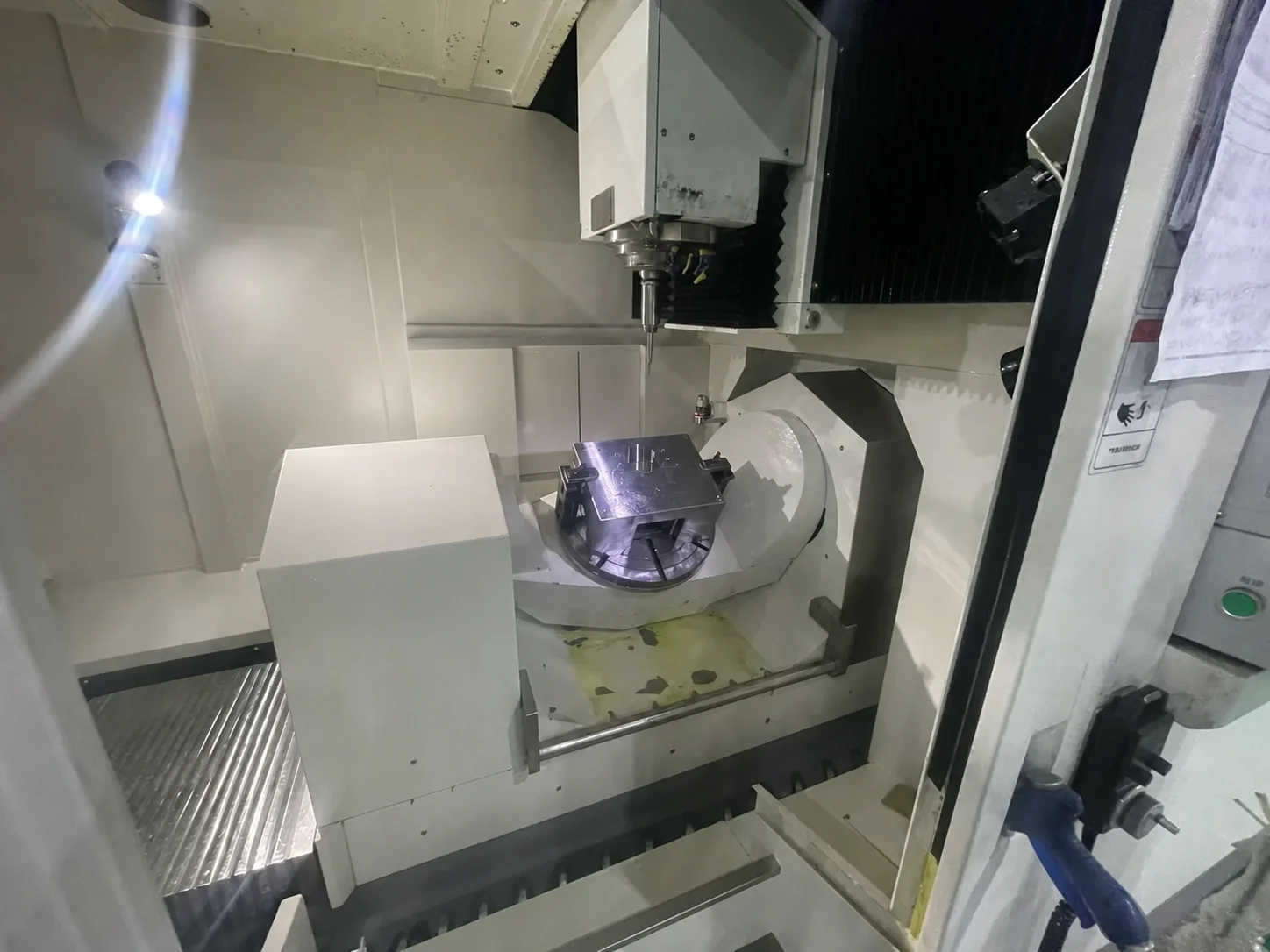
High-speed Makino CNC and Sodick EDM centers hold ±0.002mm tolerances on hardened S136 or SKD61 steel inserts, critical for flash-free connector pin cavities.
T1 Sampling (25-35 Days)
Rapid 25-35 day turnaround for the first tooling trial (T1). We provide comprehensive FAI reports and molding parameter sheets using scientific molding principles.
Export Packaging & Logistics
Molds are sprayed with anti-rust protection, vacuum sealed, and secured in fumigation-free export wooden crates for safe sea or air freight delivery to your door.
Related Engineering Guides & Technical Resources
How to Injection Mold Glass-Filled PBT for Electrical Connector Housings
CTI 600V tracking index, desiccant drying, Bohler M390 cavity steel, and WF30 carbide pin wear resistance.
How to Mold Glass-Filled PBT Connector Housings: Warpage & Processing Guide
Anisotropic shrinkage mitigation, electrode pre-cambering, and 3D conformal cooling inserts.
How to Prevent Terminal-Housing Assembly Failures in Connector Molds
Countermeasures for pin tilt, skiving, loose contact retention, and housing wall cracking in micro-pitch tooling.
Frequently Asked Questions
How does glass fiber content (GF15 vs GF30) affect PBT mold design?+
Is PBT suitable for electrical connector housings (UL94 V-0)?+
How fast can you deliver a PBT connector mold?+
Start Your PBT Connector Tooling Project
Upload your 3D CAD files for a free DFM review. Get expert advice on GF15/GF30 material selection, gate optimization, and a precise tooling quote within 24 hours.