Undercuts & Plates
High-precision slide mechanisms, angled pins, and guide elements for complex injection molds.
Undercut Components
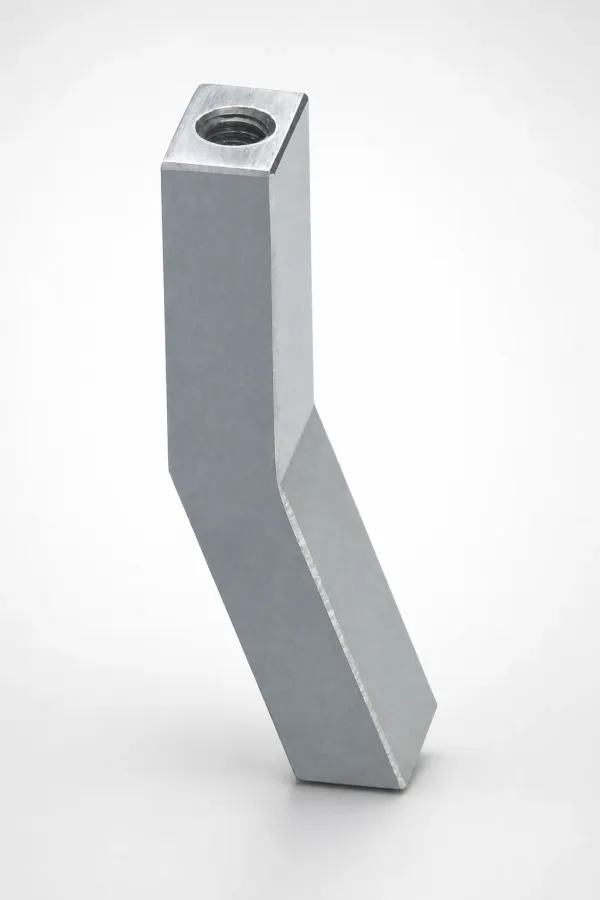
Angled Undercut Pins
Precision angled pins for actuating slide cores during mold opening.
View Products (10 Categories)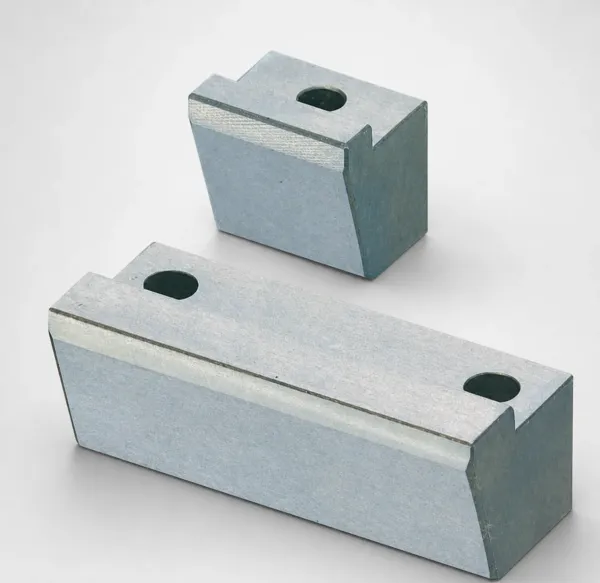
Locking Blocks
Robust wedge blocks to withstand high injection pressures and secure slides.
View Products (11 Categories)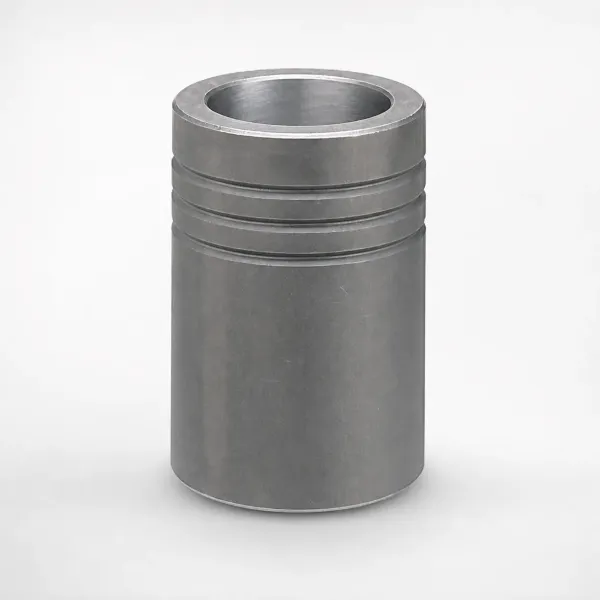
Guide Rails & Slide Plates
Wear-resistant rails and plates for smooth, reliable slide movement.
View Products (45 Categories)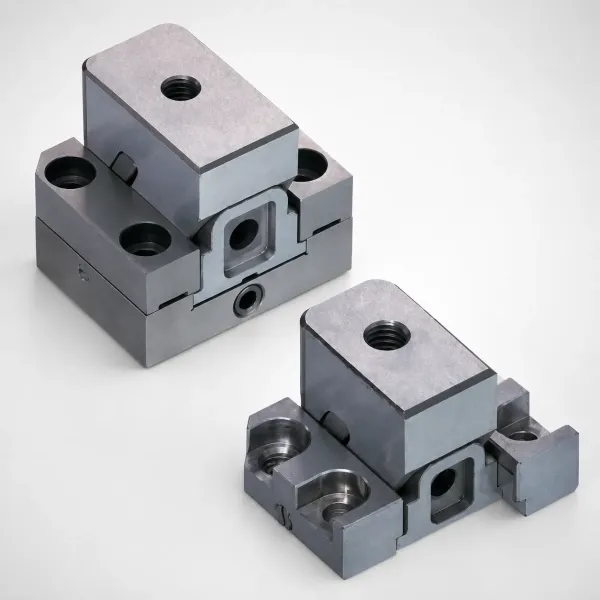
Slide Cores & Loose Cores
Pre-machined slide bases and lifter units to reduce mold building time.
View Products (28 Categories)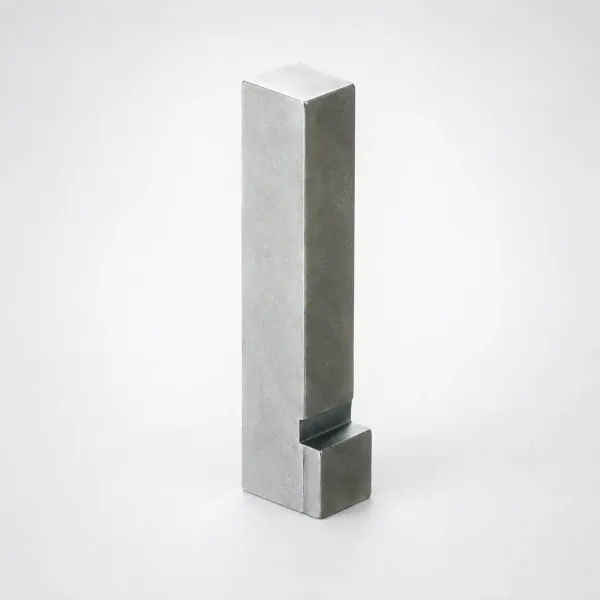
Block Core Pins & Cavity Inserts
Durable block pins and cavity inserts for detailed part forming.
View Products (13 Categories)Which Undercut Mechanism Do You Need?
Choosing the right undercut release mechanism depends heavily on part geometry, mold space, and expected production volume. A reliable side action prevents part damage during ejection.
External Side Undercuts
Slide Cores for side-action features, holes, and slots on outer surfaces of the molded part. Ideal for deep external features and high mold longevity.
Internal Undercuts
Lifters (Loose Cores) for snap fits, internal ribs, and threads inside the part. Best suited for internal clips where space is strictly limited.
Simple Undercuts with Limited Space
Angled pins for moderate undercuts where full slide cores won't fit within the mold envelope.
Complex Multi-Direction Undercuts
Combined mechanisms for parts with undercuts in multiple directions requiring complex, sequenced core pulls.
Direction Decision Tree
Determine the stroke and direction of your side action to configure the correct pin angle and slide length through a systematic decision process.
Step 1: Undercut Direction?
- External: Proceed to Step 2 for Slide Core selection.
- Internal: Proceed to Lifter (Loose Core) sizing.
- Multiple/Complex: Consider mini slide core units or hydraulic cylinders.
Step 2: Space Available?
- Full slide pocket: Standard Slide Cores + Locking Blocks.
- Compact: Mini slide cores or direct angled pin actuation.
- Minimal: Spring-loaded cores or specialized micro-lifters.
Step 3: Force Required?
- Standard duty: Standard Angled Pins (up to 20°).
- Heavy duty: Large diameter Angled Cams or Hydraulic Cylinders, paired with robust Locking Blocks.
Solve a Slide Mechanism Problem
Experiencing galling, flashing, or incomplete strokes? Find the root cause and recommended solution for common slide mechanism failures.
| Problem | Likely Cause | Recommended Solution |
|---|---|---|
| Slide sticking/binding | Galling between sliding surfaces, insufficient lubrication, or unmatched material hardness. | Use Oilless Guide Rails and ensure a minimum 10 HRC hardness difference. |
| Flash at slide parting line | Insufficient locking force backing up the slide against injection pressure. | Install heavier-duty Locking Blocks and check wedge angles. |
| Lifter breakage | Excessive ejection force or improper lifter rod angle causing bending moments. | Reduce lifter angle or upgrade to larger diameter Loose Cores (Lifters). |
| Slide not returning | Weak return springs or damaged angled pins during mold close. | Replace with stronger die springs or check Angled Pins for straightness. |
| Wear marks on guide rails | Excessive friction, lack of lubrication, or debris in the slide pocket. | Switch to self-lubricating Slide Plates and implement regular maintenance. |
| Core shift in undercut area | Thermal expansion mismatch or loose cavity inserts. | Review Cavity Inserts fit tolerances and thermal management. |
Frequently Asked Questions
What is an undercut in injection molding?+
How do slide cores work with angled pins?+
When should I use a lifter instead of a slide?+
What material is best for guide rails?+
Engineering Resources
Related Product Categories
Need a Custom Quote?
Send your specifications and receive a quote. MOQ: 1 piece. Custom dimensions available.