Block Core Pins & Cavity Inserts
Modular molding solutions for intricate features, better venting, and rapid mold maintenance.
Product Categories
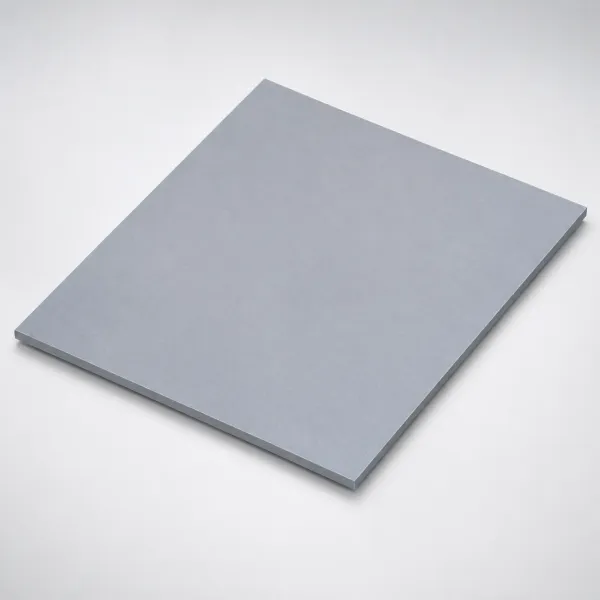
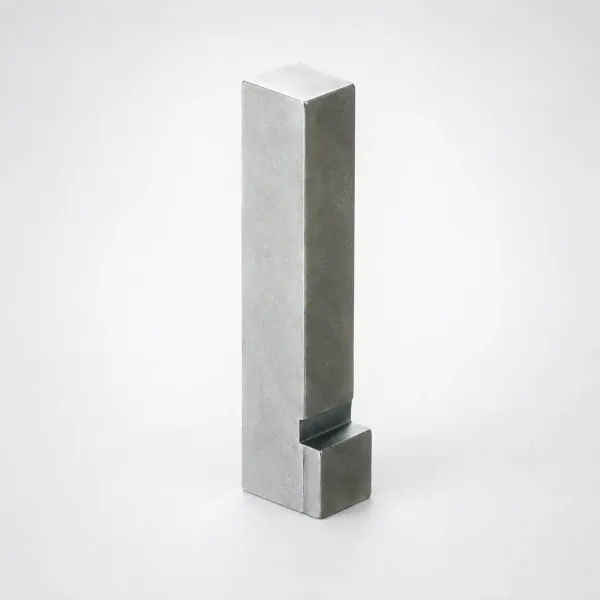
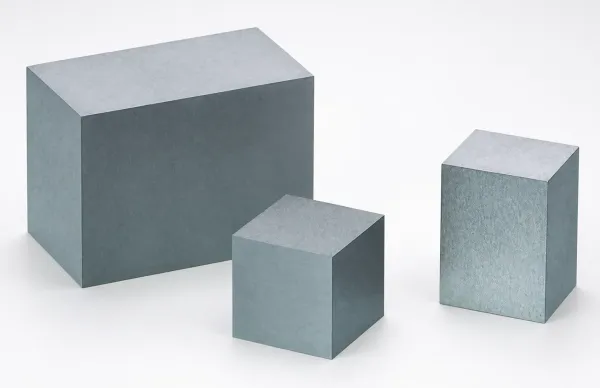
Block Core Pin vs Cavity Insert Block vs Wedge Insert
Structuring your mold using inserts instead of solid blocks drastically improves repairability. Each component serves a distinct structural purpose within the mold base.
| Structural Feature | Block Core Pins | Cavity Insert Blocks | Wedge Inserts |
|---|---|---|---|
| Primary Function | Forms internal details and deep holes. | Forms complex exterior part geometry. | Locks cavity inserts tightly into the mold base. |
| Mold Half Placement | Moving Half (Core Side). | Stationary Half (Cavity Side). | Behind/beside cavity inserts. |
| Venting Contribution | Excellent. Vents naturally along the pin shaft. | Good. Can include perimeter vents. | N/A (Structural only). |
| Thermal Management | Usually relies on thermal conductivity of the pin. | Can integrate independent cooling channels. | Not typically cooled. |
| Replacement Difficulty | Easy. Pulls out from the back of the core plate. | Moderate. Requires wedge removal first. | Easy. Bolt-on installation. |
M2 vs P21 Steel Selection
The steel grade defines the insert's performance under injection pressure and abrasion. Selecting the right material balances upfront cost against expected mold life.
| Material Property | M2 (High-Speed Steel) | P21 (Pre-Hardened Mold Steel) |
|---|---|---|
| Hardness (HRC) | 60 - 63 HRC | 38 - 42 HRC |
| Toughness & Ductility | Low. Prone to chipping if unsupported. | High. Excellent impact resistance. |
| Thermal Conductivity | Moderate (~24 W/m·K) | High (~34 W/m·K) |
| Machinability | Difficult. Requires EDM or hard milling. | Excellent. Easily CNC machined. |
| Polishability | Good. | Superior. Ideal for high-gloss finishes. |
| Cost Profile | $$$ (Premium material and machining) | $ (Cost-effective standard) |
Thermal Expansion & Fit Tolerances in Insert Block Design
Inserts experience different thermal cycles than the massive main mold base. Properly calculated fit tolerances prevent flash while ensuring the insert doesn't seize in its pocket.
The Thermal Expansion Problem
During molding, cavity inserts often run hotter than the surrounding mold base due to direct contact with molten plastic. Because metals expand when heated (ΔL = α × L × ΔT), an insert that fits perfectly at room temperature can expand and cause extreme compressive stress on the mold base, or distort the insert itself.
Fit Clearances and Flashing
If you leave too much gap to account for thermal expansion, plastic will inject into the seam, creating flash. The maximum allowable gap at the parting line for standard resins (like ABS or PC) is generally 0.02mm to 0.03mm. For low-viscosity resins like Nylon (PA), gaps must be kept below 0.01mm to prevent flashing.
The Wedge Solution
Cavity Insert Wedges solve the tolerance dilemma. Instead of relying on a perfect press-fit that might seize when hot, the insert is machined with a slight taper. The wedge is then bolted in behind it. As the mold reaches operating temperature, the wedge maintains holding force against the cavity insert, providing a perfect seal at the parting line while allowing microscopic expansion laterally.
Frequently Asked Questions
Why use block core pins instead of machining the core block solid?+
What is the difference between M2 and P21 for cavity inserts?+
How do cavity insert wedges work?+
Need a Custom Quote?
Send your specifications and receive a quote. MOQ: 1 piece. Custom dimensions available.