Industrial TPU Overmolding & Bonding Solutions
Engineered tooling for Thermoplastic Polyurethane (TPU) overmolding. Delivering seamless chemical adhesion to ABS, PC, and PA substrates for high-wear power tools, medical devices, and industrial equipment requiring extreme abrasion and oil resistance.
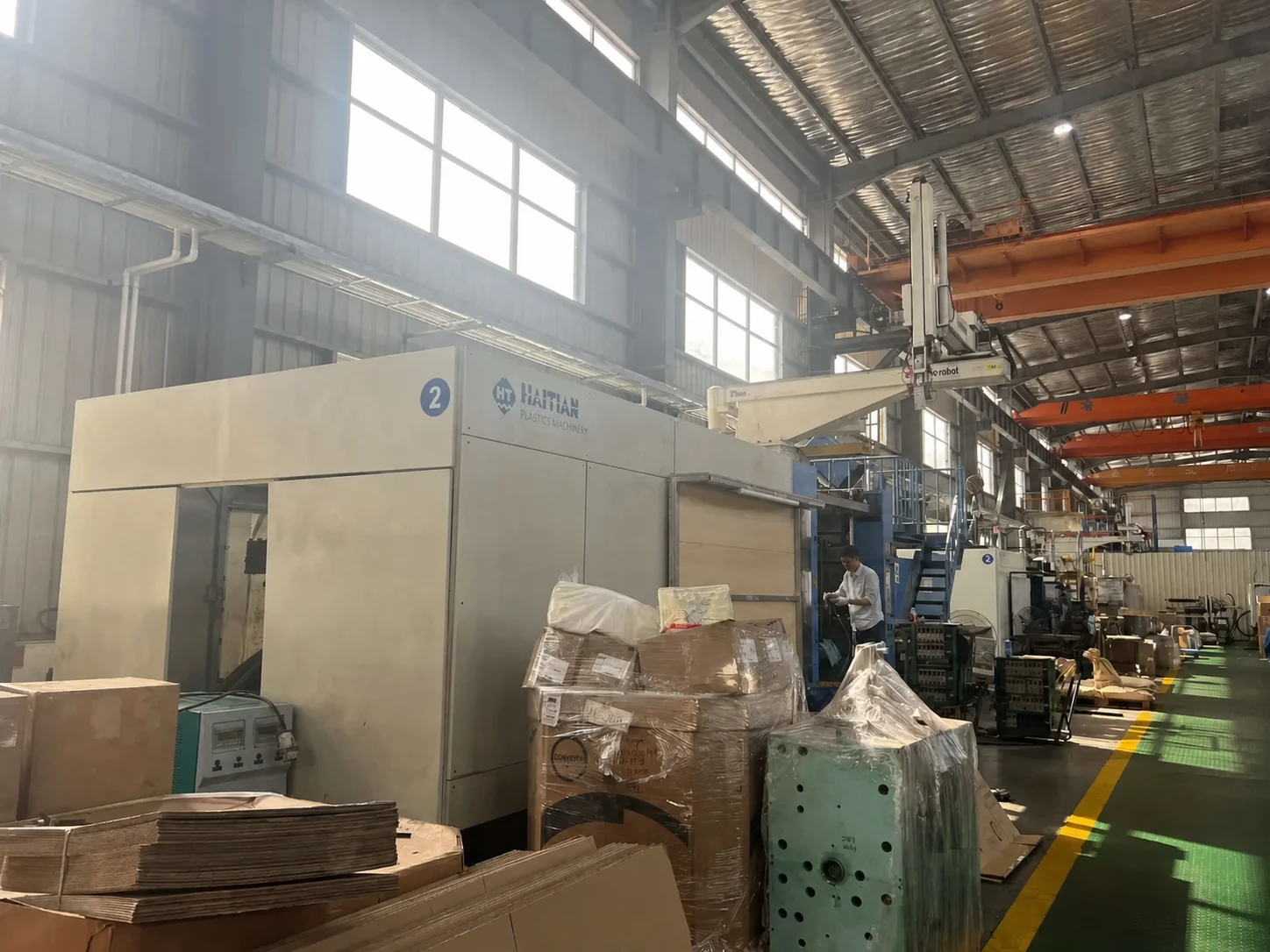
Bonding to ABS/PC/PA Engineering Substrates
Achieving indestructible adhesion between the rigid substrate and TPU skin relies on precise thermal inter-diffusion. We engineer overmold tooling with tight shut-offs and optimized mold heating profiles to maximize chemical bonding.
| Rigid Substrate | Chemical Compatibility | Required Tooling Temp (2nd Shot) | Toolroom & DFM Strategy |
|---|---|---|---|
| ABS (Acrylonitrile Butadiene Styrene) | Excellent | 40°C – 60°C | Standard thermal bonding. Ensure substrate surface is free of release agents; maintain 1.5mm minimum skin thickness to prevent rapid chilling. |
| PC (Polycarbonate) & PC/ABS | Excellent | 50°C – 70°C | Preheat substrate before injection. Use high-speed injection profiles to promote polymer chain entanglement at the interface. |
| PA6 / PA66 (Nylon) | Good to Fair (Grade Dependent) | 60°C – 90°C | Strict moisture control. Implement micro-undercut mechanical interlocks, check two-shot material compatibility, and specify modified adhesion-grade TPU resins. |
🔧 Mechanical Interlocks: For critical power tool applications using PA66+GF50 substrates, we integrate through-holes and dovetail undercuts in the primary substrate design. Learn how insert positioning prevents core deflection in our guide on preventing insert shift in overmolding.
Abrasion & Oil Resistance Specification Matrix
TPU dramatically outperforms standard elastomers in harsh industrial environments. Our overmolding processes accommodate leading global TPU resin grades from Bayer, BASF, and Covestro.
Taber Abrasion Resistance
Evaluated per DIN 53516. TPU exhibits minimal volume loss under friction, delivering 5-10x the wear life of conventional TPE or rubber overmolds.
Chemical & Oil Resistance
Compliant with ASTM D471. Ester-based TPU grades provide superior resistance to industrial lubricants, motor oils, and hydraulic fluids without swelling or degrading.
Broad Durometer Range
Process control spans from soft Shore 70A for ergonomic grips up to highly rigid Shore 75D for structural protective bumpers.
High Tensile Strength
Tensile strengths reaching 25-55 MPa allow TPU skins to stretch and absorb impact shock without tearing, even in thin-wall profiles.
For high-impact tool grips and drop resistance, explore our power tool housing mold design guide.
Industrial & Power Tool Applications
We specialize in robust two-shot and insert overmolding for demanding sectors, maintaining ±0.002mm tooling precision to prevent flash on critical aesthetic and functional boundaries.
Cordless Drill Soft-Grip Handles
TPU overmolded onto PA66+GF50 high-glass-fiber substrates. Features mechanical interlocks and high-temp diffusion bonding for extreme drop-test durability.
Cable Jacket Strain Reliefs
Flexible TPU overmolded directly onto industrial connectors and thick cables to prevent wire fatigue and provide IP67 fluid ingress protection.
Equipment Bumper Guards
Thick-section TPU bumpers chemically bonded to PC substrates, offering UV stability, scratch resistance, and impact absorption in harsh environments.
Chemical-Resistant Monitor Housings
Ether-based TPU overmolded skins on ABS enclosures to withstand frequent harsh chemical wipe-downs and sterilization protocols without degrading.
TPU Tooling Cost & ROI Breakdown
While TPU overmolding presents higher upfront costs compared to TPE, the total lifecycle savings from superior durability and reduced warranty claims make it the financially sound choice for heavy-duty applications.
| Cost Factor | Standard TPE Overmolding | High-Performance TPU Overmolding |
|---|---|---|
| Raw Material Cost | $3 – $5 / kg | $4 – $8 / kg |
| Abrasion Wear Life | Baseline (Standard Grip Wear) | 5x to 10x Longer Lifespan |
| Tooling Complexity | Standard (Cold runner acceptable) | High (Requires hot runners, precise heating & ±0.002mm shut-off) |
| Lifecycle ROI Scenario | Frequent grip replacement; higher warranty claim rates in industrial use | Zero warranty returns for peeling/wear; 30% reduction in long-term assembly costs due to reliable 2K bonding |
Related Engineering Guides & Technical Resources
TPE vs TPU Overmolding: Which Elastomer for Your Product
Shore 15A-90A TPE vs 60A-75D TPU: Taber abrasion, chemical bonding, and shut-off pre-crush steel design.
How to Ensure Strong TPE-to-Substrate Bond in Overmolding
Interfacial diffusion thermodynamics, 90° shoulder shut-off lands, and ASTM D903 90-degree peel testing.
Two-Shot Molding vs Overmolding: Cost, Quality & Design Comparison
Rotary table 2K machinery vs dual-station overmolding: part adhesion strength, cycle time, and tooling CapEx.
Frequently Asked Questions
Can TPU be overmolded onto ABS, PC, and PA substrates?+
How does TPU abrasion resistance compare to TPE?+
What wall thickness range works best for TPU overmolding?+
Engineer Your Industrial TPU Overmolding Project
Send us your 3D CAD files for a comprehensive DFM review. Our engineers will optimize your substrate bonding interfaces and shut-off geometries for a flawless TPU application.