PPS Injection Mold
Specialized tooling for Polyphenylene Sulfide (PPS) components, engineering ultra-durable molds for automotive sensor housings and components exposed to high temperatures and aggressive chemicals.
Application Focus: Automotive Sensors & More
PPS (Polyphenylene Sulfide) is the go-to high-performance polymer for under-hood applications, thriving in continuous temperatures of 220°C–260°C. Our PPS molds are optimized for the following demanding applications:
Coolant Temp Sensor Housings
Designed to withstand continuous exposure to 120°C ethylene glycol. High-precision core pins create flawless O-ring sealing surfaces without flash.
Fuel Rail Connectors
Taking advantage of PPS's unmatched resistance to hydrocarbons. Molds feature deep-draft ejection to preserve dimensional accuracy of internal clip geometries.
LED Reflector Cups
Molded with 40% glass-filled PPS to resist the concentrated heat of high-output LEDs. Tooling involves SPI high-finish polishing for optimal light geometry.
Industrial Pump Impellers
Multi-cavity tooling managing complex undercut blade shapes. Engineered for highly crystalline PPS structures to resist abrasive chemical slurries.
Tooling Technology for High-Temp PPS
Processing PPS with 40% glass fiber (GF) at melt temperatures of 300°C–340°C demands robust, highly specialized injection molds to ensure longevity and part quality:
Hardened Tool Steel (52+ HRC)
To combat extreme abrasion from 40% GF content, we machine cavities using H13 or premium M390 powder metallurgy steel (see our injection mold steel selection guide), heat-treated to 52-56 HRC for extending tool life beyond 500,000 shots.
High-Temperature Oil Heating
Maximum PPS crystallinity and strength require mold temperatures of 130°C–150°C. We design specialized high-flow hot oil circuits with high-temp O-rings and insulated platens.
Aggressive Gas Venting
PPS generates significant outgassing during high-temp injection. We engineer deep primary vents (0.015mm-0.02mm) with large secondary dump channels to prevent diesel burning and short shots.
Rapid Injection for Thin Walls
PPS flashes easily due to low melt viscosity but requires fast injection speeds to fill thin sensor walls before freezing. We optimize gate sizes and utilize Makino V33i (±0.002mm precision machining methods) for tight parting line shutoffs.
For automotive electronics, review the Automotive Connector Mold Requirements Guide.
Dimensional Tolerances & Material Specs
Evaluating PPS against other high-performance polymers reveals an unmatched cost-to-performance ratio, particularly for parts requiring chemical resistance and dimensional stability:
| High-Temp Polymer | HDT (1.8 MPa) | Shrinkage Rate | Chemical Resistance | Cost-Performance Ratio |
|---|---|---|---|---|
| PPS (40% Glass Filled) | 260°C+ | 0.3% – 0.6% | Excellent (Acids, Solvents, Automotive Fuels) | High Value – The standard for continuous 220°C under-hood parts and sensors |
| PEEK (30% Glass Filled) | 315°C | 0.4% – 0.8% | Outstanding (Inert to nearly all organics) | Premium – Used only when temperatures exceed 260°C; significantly higher raw material cost |
| LCP (Liquid Crystal Polymer) | 270°C | 0.0% – 0.1% (Flow Dir) | Very Good (Resists most solvents) | Niche – Highly anisotropic shrinkage; ideal for thin-wall micro-connectors, but less impact resistant |
Onboarding & DFM Process
Our rigorous 5-step engineering process is tailored specifically for the challenges of molding polyphenylene sulfide, ensuring zero stringing and perfect crystallization:
We simulate fiber orientation to map high-stress zones and modify wall thicknesses for uniform shrinkage (how DFM analysis cuts mold modification costs), preventing warpage in long or flat components.
PPS's low viscosity demands specialized gate designs. We specify anti-stringing valve gates or thermal tip hot runners engineered for 340°C melt stability.
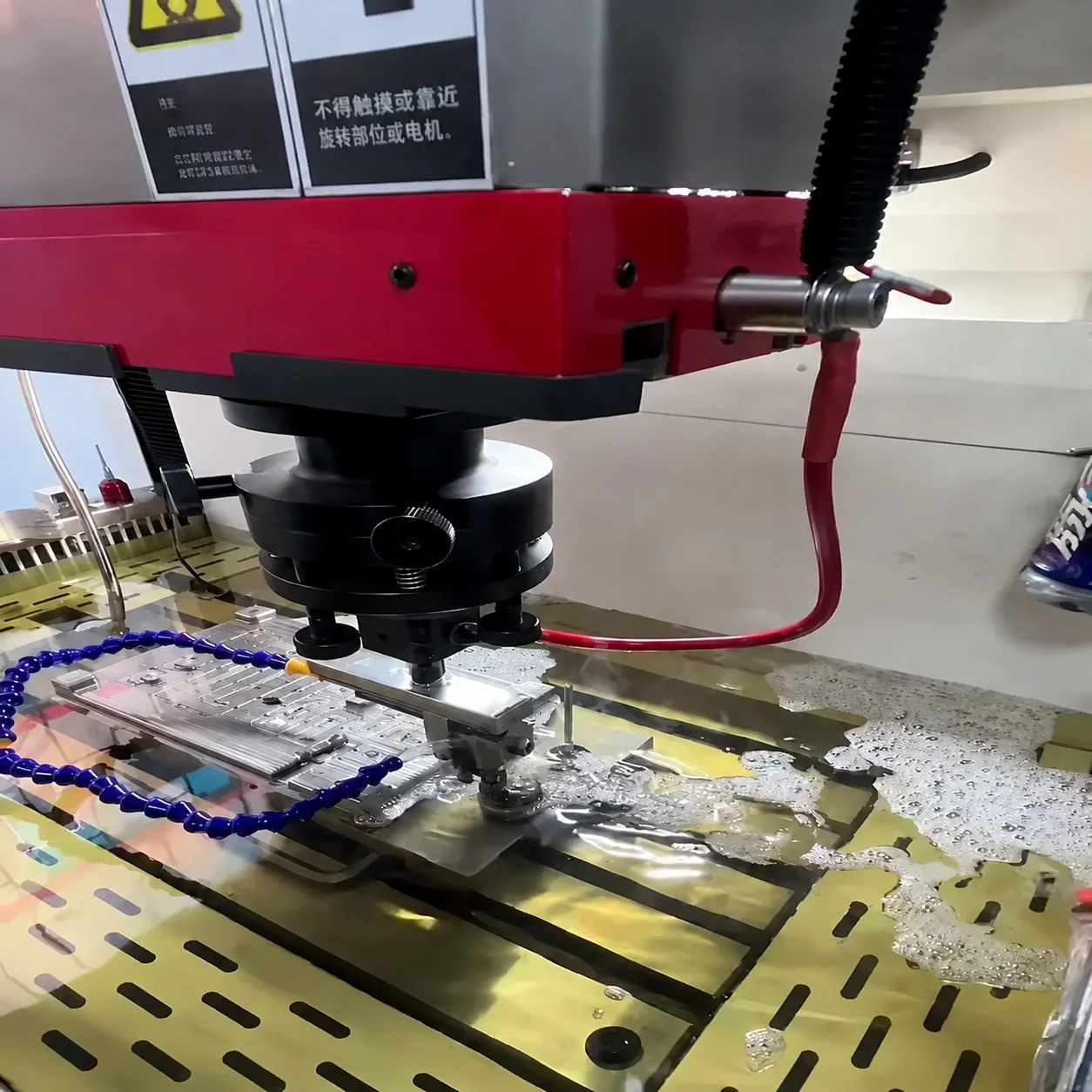
Hard milling of 52+ HRC steel using Makino V33i centers and Sodick AG40L EDM machines, ensuring absolute parting line integrity to eliminate PPS micro-flash.
Strict pre-drying protocols are enforced (120°C for 3+ hours in desiccant dryers) to achieve <0.02% moisture, preventing hydrolytic degradation during molding.
Initial samples are run with 140°C oil controllers. We employ Zeiss ACCURA CMMs to verify all critical sensor dimensions before providing First Article Inspection (FAI) reports and moving to production (T1 vs T2 trial expectations).
Related Engineering Guides & Technical Resources
Why Choose PPS for High-Temperature Injection Molding Applications
220°C continuous service, UL94 V-0 at 0.4mm, and corrosion-resistant S136 ESR mold steel for SO2 outgassing.
PPS vs PEEK vs LCP: Which High-Performance Plastic for Your Connector
SMT 260°C reflow endurance, thin-wall flow limits, high-frequency dielectric constant (Dk/Df), and material cost.
How to Control Flash in LCP Thin-Wall Connector Molding
0.003-0.005mm flash gap thresholds, kiss-off preload blocks, and Bohler M390/S136 ESR cavity steel.
Frequently Asked Questions
What makes PPS ideal for high-temperature automotive sensor housings?+
How does PPS chemical resistance compare to PEEK?+
What dimensional tolerances can you hold for PPS injection parts?+
Start Your PPS Automotive Sensor Mold Project
Upload your 3D CAD files for a free DFM review (how DFM analysis cuts mold modification costs). Get expert advice on wall thickness, glass fiber orientation, and a rapid tooling quote.