Sprue Bushings, Gates & Other Components
Product Categories
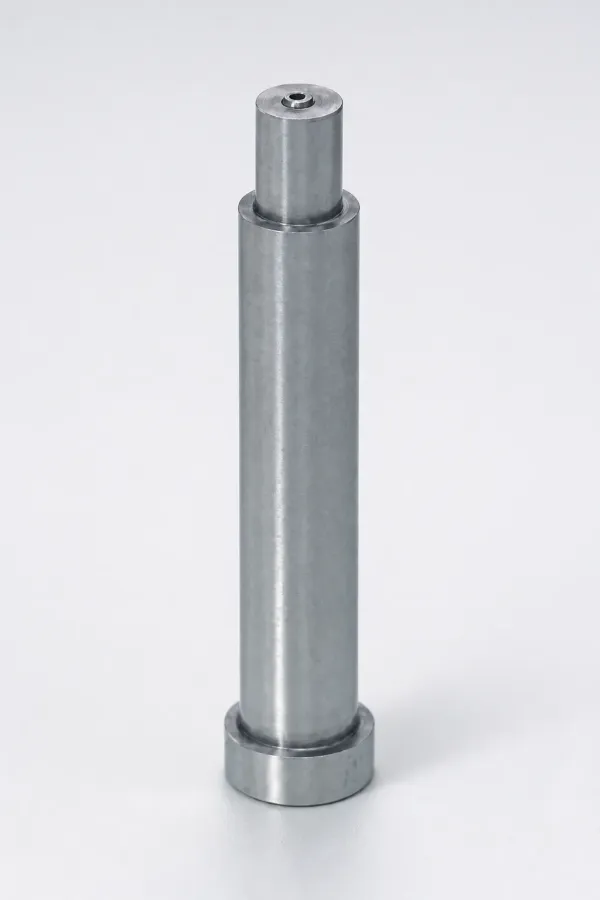
Pin Point Gate Bushings
Steel and carbide pin-point gate bushings for three-plate mold multi-cavity gating systems.
View 13 Products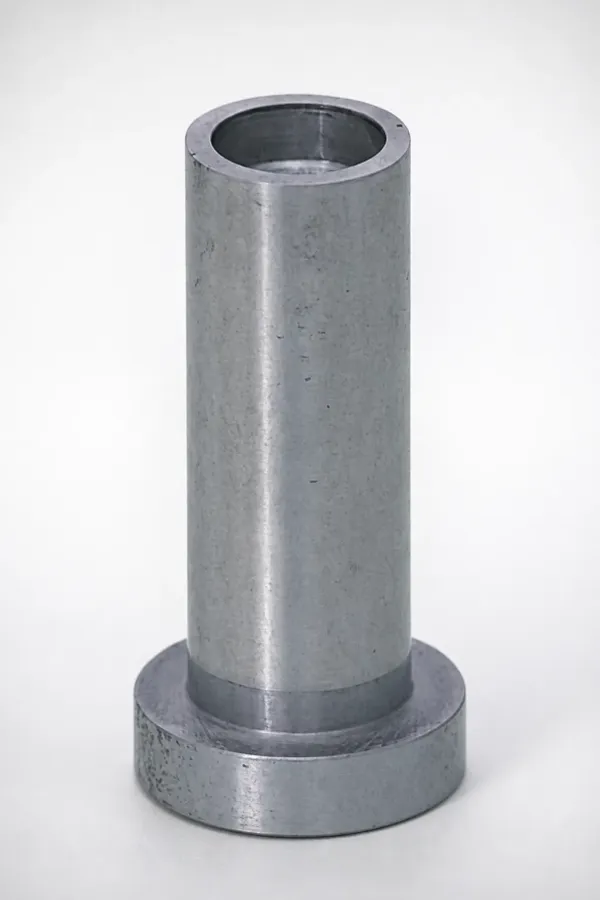
Pin Gate Extension Bushings
M2/P21 steel extension bushings for increased plate stack height in pin-point gate systems.
View 1 Product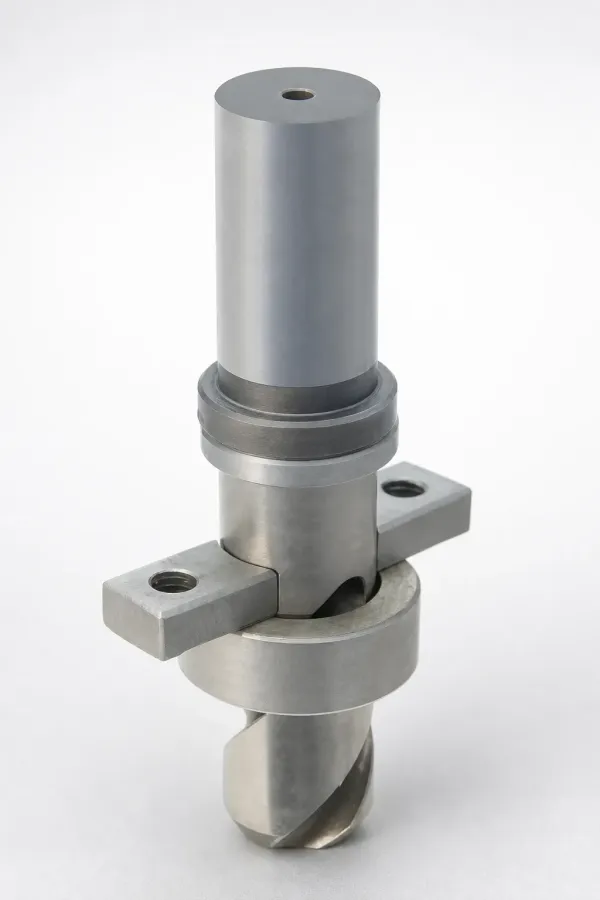
Rolling Gate Cut Units
In-mold automatic gate cutting units that eliminate post-mold trimming operations.
View 1 Product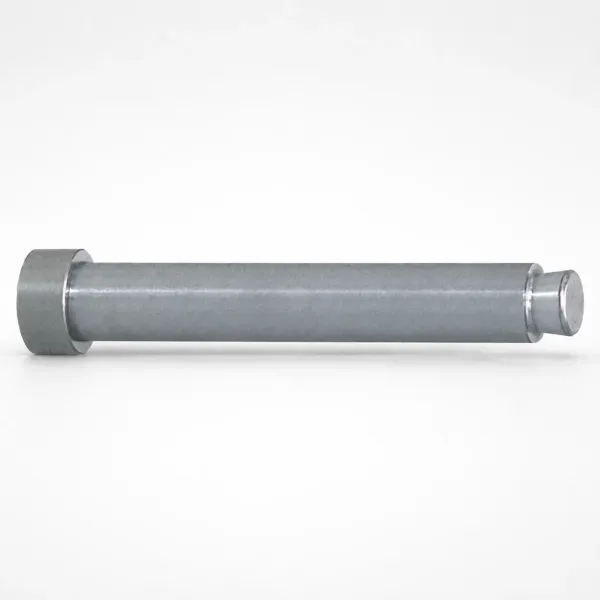
Runner Components
Runner lock pins, ejector sets, flow direction change pins, and flow rate adjustment for three-plate mold runner systems.
View 16 Products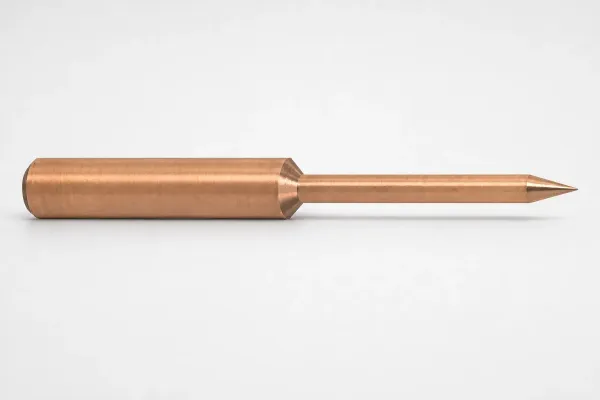
Electrodes for Gate Processing
Copper and tungsten copper EDM electrodes for submarine gate, pin-point gate, and engraving applications.
View 5 Products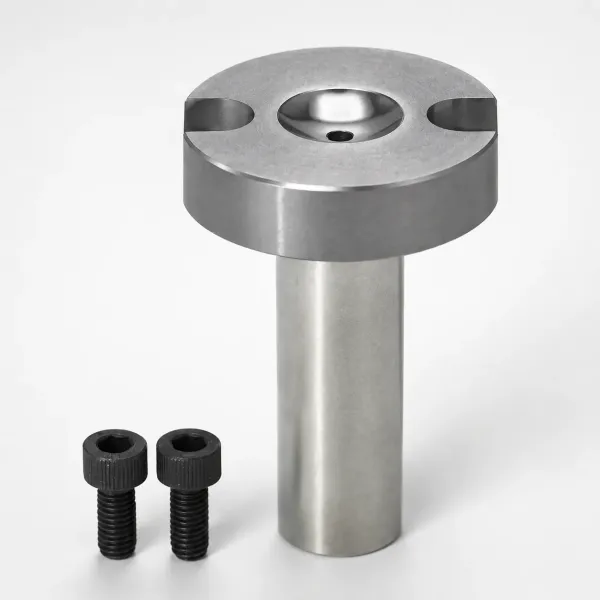
Sprue Bushings
Steel sprue bushings in bolt fixing and shoulder types with 8–20 mm flange thickness, plus guide bushings and sprue lock accessories.
View 19 Products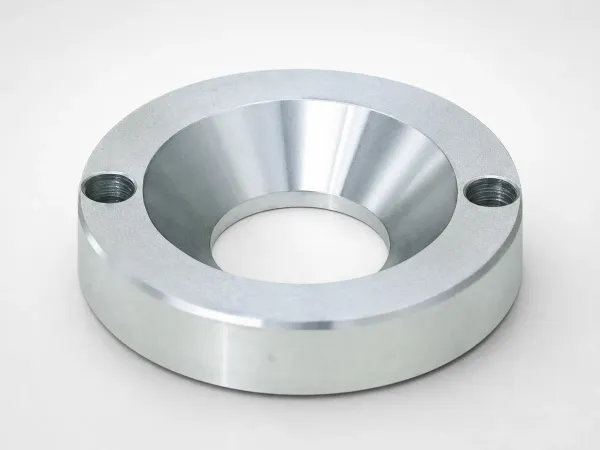
Locating Rings
Countersink, counterbore, and through-hole locating rings in JIS and non-JIS standards with 2-bolt or 4-bolt mounting.
View 10 ProductsFind the Right Gate System Component
Injection mold gate systems range from simple direct sprues to multi-point gating. Start by identifying your mold type and gating requirement:
Standard Direct Sprue (Two-Plate Mold)
Single-cavity or low-cavity molds with a direct gate from the nozzle. The simplest and most common gating approach.
Multi-Point Gating (Three-Plate Mold)
Multi-cavity molds requiring individual gate control per cavity. Enables smaller gate vestige and balanced filling.
Automatic Gate Trimming
High-volume production where post-mold gate trimming is too slow or causes quality issues. In-mold gate cutting during the molding cycle.
Gate Machining (EDM Processing)
Need to machine gate geometries into the mold? EDM electrodes for submarine gates, pin-point gates, and engraving.
Selection tip: Most two-plate molds use a direct sprue + locating ring combination. Three-plate molds add pin-point gate bushings + runner components. For a complete overview, see our Injection Mold Gate System Guide.
Understanding Injection Mold Gate Systems
The gate system controls how molten resin enters the mold cavity. Its design directly affects part quality, cycle time, and mold complexity.
How a Cold Runner Gate System Works
In cold runner molding, resin flows from the injection machine nozzle through the sprue bushing into the runner channels, then through individual gates into each cavity. The sprue bushing provides the initial connection between the nozzle and the mold, with the locating ring centering the nozzle to the sprue opening.
- Sprue bushing — Receives resin from the nozzle; SR (nozzle touch radius) must match the machine nozzle
- Locating ring — Centers the mold on the injection machine; diameter matches the machine platen hole
- Runner system — Distributes resin from the sprue to multiple cavities; runner lock pins hold the runner during mold opening
- Gate — Controls resin entry into the cavity; pin-point gates provide the smallest vestige
Direct Sprue vs. Pin-Point Gate
A direct sprue gate connects the nozzle straight to the cavity — simple but leaves a large gate mark. Pin-point gates use a three-plate mold structure to create small, clean gate vestiges ideal for cosmetic parts. The trade-off is increased mold complexity and the need for runner components (lock pins, ejector sets, change pins).
Engineering note: The choice between direct sprue and pin-point gating affects every downstream component selection. See our Cold Runner vs. Hot Runner Guide for when cold runner systems are and aren't appropriate.
Cold Runner vs. Hot Runner: Am I in the Right Place?
✅ You're in the right place if:
- Your mold uses a cold runner system (runner solidifies with each shot)
- You need sprue bushings, locating rings, or runner lock components
- Your production volume is low-to-medium (under 500K shots/year per mold)
- You prefer lower mold cost over material efficiency
🔀 Consider switching to:
- Hot Runner Systems — If you need zero runner waste, faster cycles, and are willing to invest in heated manifolds
- Valve Gate Systems — If you need precise gate control with zero vestige for cosmetic applications
- Insulated Runner Systems — If you want some hot runner benefits at lower cost for certain resins
Industry Applications
Cold runner gate system components serve a wide range of injection molding applications:
Automotive Connectors & Interior Parts
Multi-cavity molds producing PA66+GF connectors, interior clips, and trim components with tight dimensional requirements.
Pin-point gate systems with carbide bushings handle abrasive glass-filled resins. Runner lock pins with hard lock tips retain high-shrinkage crystalline runners reliably.
Consumer Electronics Housings
ABS/PC thin-wall housings and bezels requiring minimal gate vestige on cosmetic surfaces.
Small tip diameter pin-point gates (P ≤ 1.2 mm) create nearly invisible gate marks. Rolling gate cut units eliminate post-mold trimming for faster cycle times.
Medical Device & Packaging
High-cavity molds for medical device housings, closures, and packaging containers requiring balanced filling and clean gate separation.
Flow rate adjustment pins balance multi-cavity filling. Sprue bushings with cooling circuits reduce cycle time on packaging molds running millions of shots per year.
Frequently Asked Questions
What is the difference between a sprue, runner, and gate in injection molding?+
How do I choose between a direct sprue gate and a pin-point gate system?+
What components are needed for a complete cold runner gate system?+
When should I switch from cold runner to hot runner systems?+
Engineering Resources
Pin-Point Gate vs. Direct Sprue: Key Differences for Mold Engineers
Compare gate vestige, mold complexity, and part quality between direct sprue and pin-point gating.
Pin-Point Gate vs. Direct Sprue: Key Differences for Mold Engineers
Compare gate vestige, mold complexity, and part quality between direct sprue and pin-point gating.
Cold Runner vs. Hot Runner: How to Choose the Right Gate System
Decision framework for selecting between cold runner and hot runner systems based on volume, material, and budget.
How an Injection Mold Gate System Works: Sprue, Runner & Gate Explained
Complete technical overview of cold runner gate system components and how they work together.
How an Injection Mold Gate System Works: Sprue, Runner & Gate Explained
Complete technical overview of cold runner gate system components and how they work together.
Need Gate System Components?
Tell us your mold type, cavity count, and resin — we'll recommend the right sprue bushings, gate bushings, and runner components.