Pin Point Gate Bushings
Steel (SKH51) and carbide pin-point gate bushings for three-plate mold multi-cavity gating. Choose from round or angle gate transitions with multiple tip length options.
Pin Point Gate Bushing Types
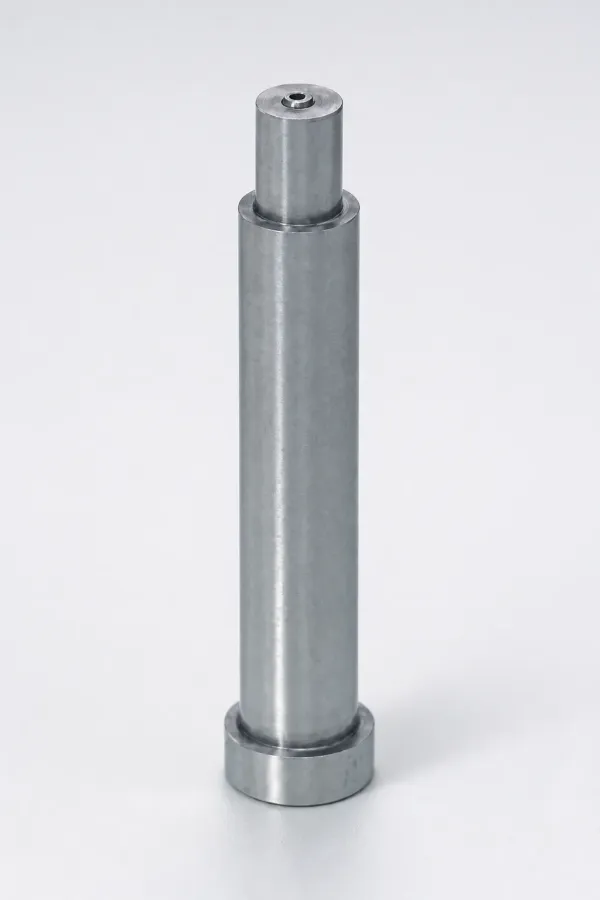
Steel Pin Gate Bushings
SKH51 (M2) steel pin-point gate bushings with round or angle gate transitions. Headed and headless options with selectable or configurable tip lengths.
View 11 Products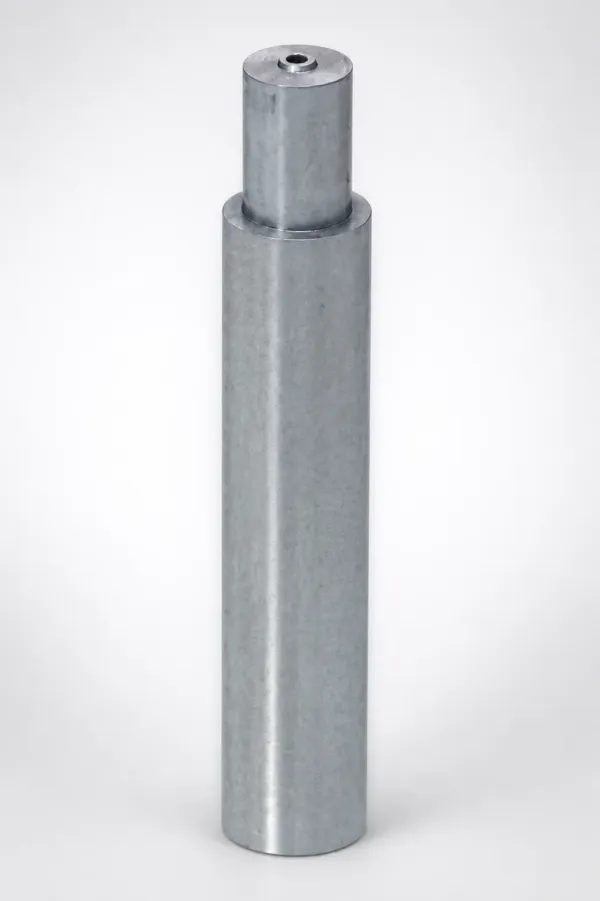
Carbide Pin Gate Bushings
Cemented carbide pin-point gate bushings for glass-filled and abrasive resins. Superior wear life vs steel.
View 2 ProductsSteel vs. Carbide Pin Gate Bushings
The two materials serve different wear environments. Choose based on your resin type and production volume:
| Criteria | Steel (SKH51/M2) | Carbide |
|---|---|---|
| Material | SKH51 high-speed steel, hardened | Cemented tungsten carbide |
| Wear Resistance | Good — standard resins (ABS, PP, PE, PS) | Excellent — glass-filled, mineral-filled, abrasive resins |
| Typical Life | 300K–500K shots (unfilled resins) | 1M+ shots (even with glass-filled) |
| Cost | $ — Standard pricing | $$$ — 3–5× steel cost |
| Tip Geometry Options | Round, angle, acute angle, pilot hole, configurable diameter | Round gate transition only |
| Best For | Standard production with unfilled resins | High-volume production with abrasive resins |
Pin Point Gate System Components
A complete pin-point gate system requires several supporting components beyond the gate bushing itself:
- Pin Gate Extension Bushings — Extend the gate bushing when plate stack height exceeds standard lengths. View Extension Bushings →
- Runner Lock Pins — Hold the runner plate in position during mold opening. Required for three-plate mold operation. View Runner Locks →
- Runner Ejector Sets — Eject the runner from the mold after gate separation. View Ejector Sets →
- EDM Electrodes — Machine the gate geometry into the mold cavity plate. View Electrodes →
Pin-Point Gate vs. Direct Sprue: Am I in the Right Place?
✅ You're in the right place if:
- Your mold is a three-plate design with separate runner plate
- You need small gate vestiges on cosmetic parts
- You require multi-point gating for balanced cavity filling
- Gate location must be away from the parting line
🔀 Consider switching to:
- Sprue Bushings — For two-plate molds with direct sprue gates (simpler, lower cost)
- Hot Runner Systems — For zero runner waste and higher production volumes
- Submarine Gates — For automatic gate separation in two-plate molds
Frequently Asked Questions
What is a pin-point gate and how does it differ from a submarine gate?+
Steel or carbide pin gate bushings — which lasts longer for glass-filled resins?+
What accessories do I need to install pin-point gate bushings?+
Can pin-point gate bushings be used in two-plate molds?+
Engineering Resources
Steel vs. Carbide Pin Gate Bushings: Wear Life and Cost Comparison
Detailed wear life data, cost comparison, and material selection guide for pin-point gate bushings.
Pin-Point Gate Bushing Accessories: Extensions, Electrodes & Pairings
Complete guide to the supporting components needed for a pin-point gate system.
Need Pin-Point Gate Bushings?
Tell us your resin type, cavity count, and required tip geometry — we'll recommend the right pin gate bushing and accessories.