Runner Components
Lock pins, ejector sets, change pins, and flow rate adjustment components for three-plate mold runner systems. Everything needed for reliable runner holding, ejection, and flow control.
Runner Component Types
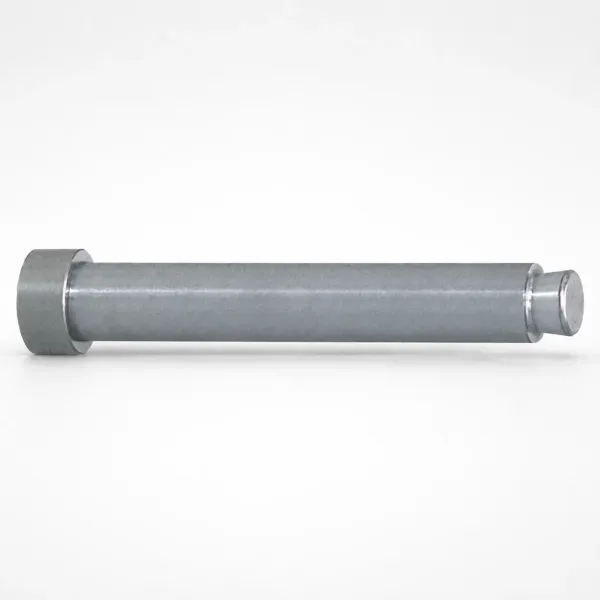
Runner Lock Pins & Accessories
Straight and tapered shaft runner lock pins with multiple tip options, plus collars and bushings.
View 10 Products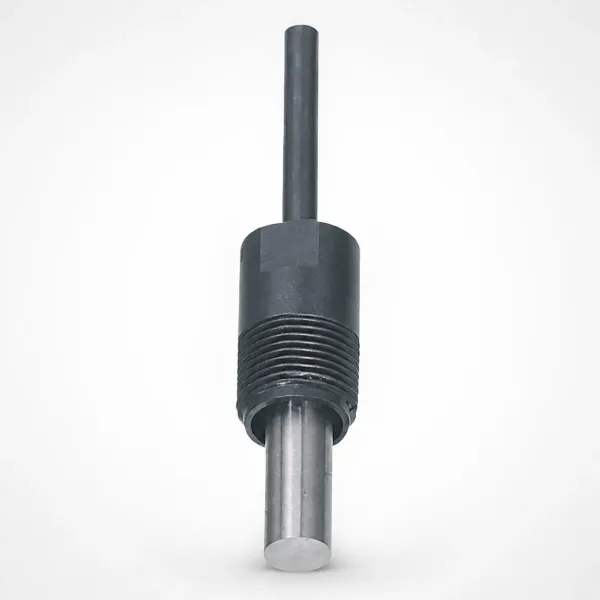
Runner Ejector Sets
Complete ejector assemblies for runner removal in three-plate molds.
View 1 Product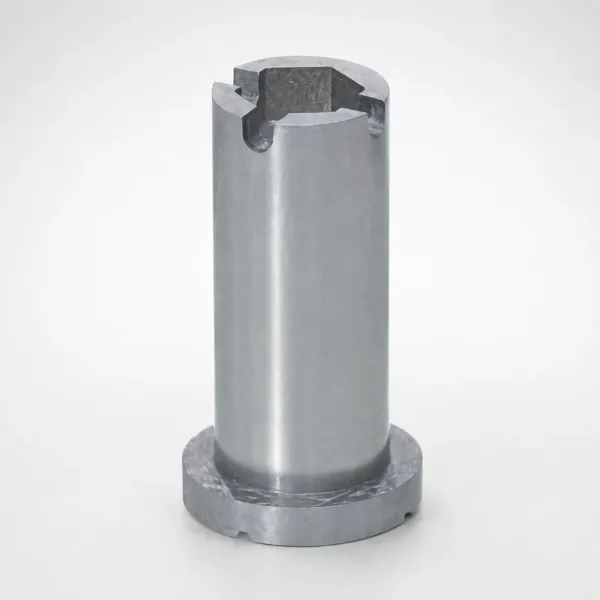
Runner Change Pins
Flow direction change pins for Z-pin, ejector pin, and fixed side configurations.
View 3 Products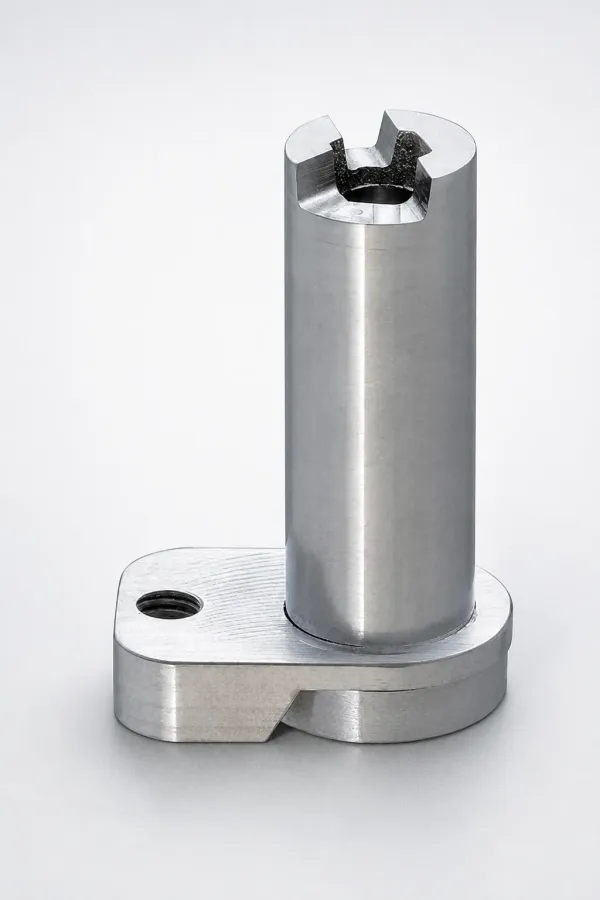
Flow Rate Adjustment Pins
Adjustable pins and bolts for balancing resin flow across multiple cavities.
View 2 ProductsWhich Runner Component Do You Need?
Each runner component solves a different problem in the three-plate mold runner system:
Runner Won't Stay During Mold Opening
Runner falls or shifts when the mold opens, causing misalignment on the next shot.
Runner Sticks After Gate Separation
Runner doesn't eject cleanly from the runner plate after gate separation in three-plate molds.
Runner Path Needs Direction Change
Runner layout requires bends or direction changes between plates to reach all cavities.
Uneven Cavity Filling
Cavities fill at different rates, causing short shots in some and flash in others.
How a Three-Plate Mold Runner System Works
In a three-plate mold, the runner system operates through a coordinated sequence during each molding cycle:
- Fill phase — Resin flows from the sprue bushing through runners to pin-point gates. Runner lock pins anchor the runner to the runner plate.
- First opening — The mold opens at the gate parting line. Pin-point gates shear cleanly from the part. Runner lock pins hold the runner in the runner plate.
- Second opening — The runner plate separates from the fixed plate. Runner ejector sets push the solidified runner out of the runner plate.
- Reset — The mold closes for the next cycle. Runner change pins redirect flow where the runner path requires direction changes between plates.
Flow rate adjustment pins are installed in the runner channels to fine-tune the resin flow balance between cavities — critical for family molds or molds with varying cavity volumes.
Component Pairing Reference
Runner components work as an integrated system. Here's how they pair:
| Component | Pairs With | Notes |
|---|---|---|
| Runner Lock Pins | Collars + Bushings (same category) | Match pin diameter to collar ID |
| Runner Lock Pins | Runner Ejector Sets | Locks hold runner; ejectors release it |
| Runner Change Pins | Runner Lock Pins | Change pins redirect flow to lock pin positions |
| Flow Rate Adjustment | All runner components | Installed in runner channels for balance tuning |
Frequently Asked Questions
What runner components are needed for a three-plate mold?+
How does runner flow direction affect part quality in multi-cavity molds?+
Can I use the same runner lock pins for both two-plate and three-plate molds?+
Engineering Resources
Three-Plate Mold Runner System: How Locks, Ejectors & Change Pins Work Together
Complete technical overview of runner system components and their coordinated operation.
How to Design a Runner System for Multi-Cavity Molds
Runner layout, balancing, and component selection for multi-cavity mold designs.
Need Runner System Components?
Tell us your mold type, cavity count, and runner configuration — we'll recommend the right lock pins, ejector sets, and flow control components.