Locking Blocks
Precision locking blocks to absorb injection pressure and secure slides.
Available Locking Blocks
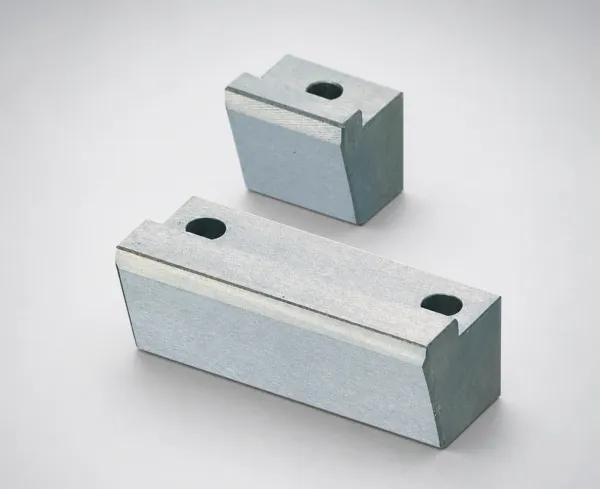
Positioning Locking Blocks Angle Configurable, Oil-Free O...
Positioning Locking Blocks Angle Configurable with oil-free groove options, designed for PL installation. Help align mold components reliably. Requ...
View Details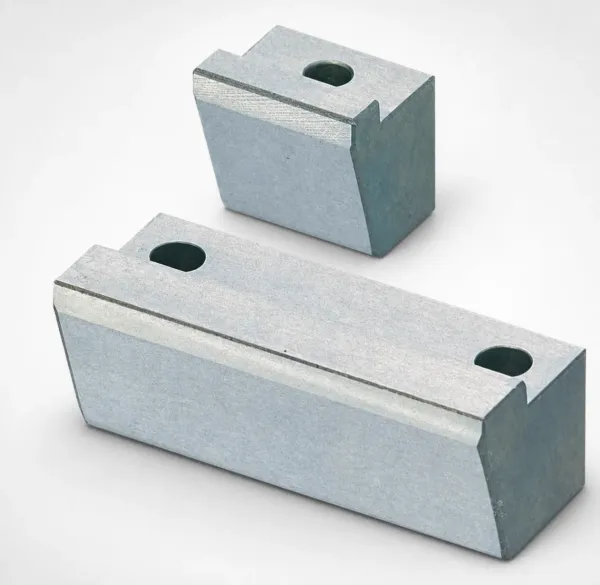
O1 Tool Steel Positioning Locking Blocks - Angle Configur...
O1 Tool Steel Positioning Locking Blocks with angle configurable locking surfaces. PL installation style for stable positioning in precision molds....
View Details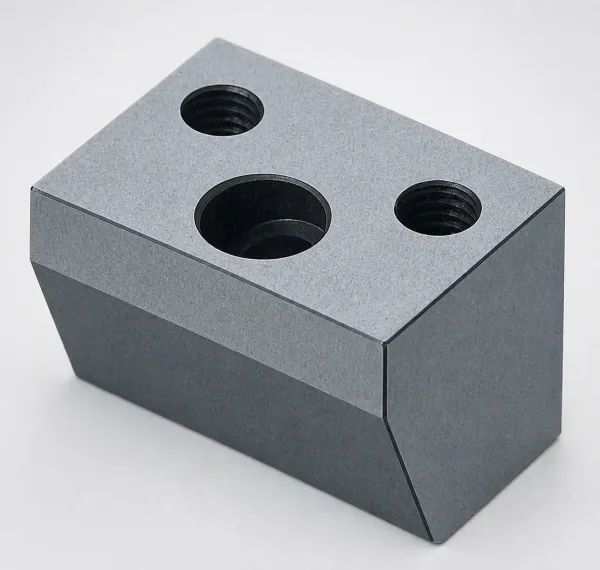
O1 Tool Steel Locking Blocks with Angular Pin Holes
O1 tool steel Locking Blocks with angular pin holes for accurate inlay positioning in molds. ALBPS type with PL mounting. Request a quote.
View Details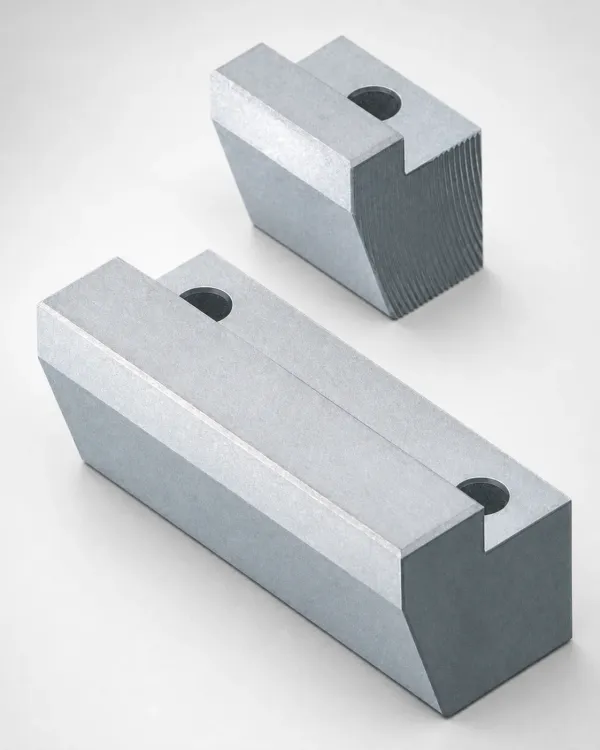
Locking Blocks - Fixed Angle & Inlay Height Configurable
Locking Blocks - Fixed Angle & Inlay Height Configurable for PL installation. Oil-free groove options support stable positioning in tooling. Reques...
View Details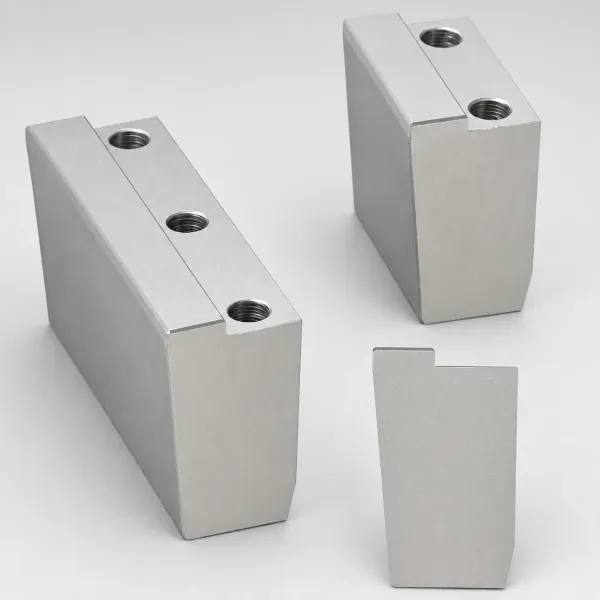
O1 Tool Steel Positioning Locking Blocks - Beveled Edge B...
O1 Tool Steel Positioning Locking Blocks with a KN beveled edge bottom design for stable location. Angle configurable for PL installation—request a...
View Details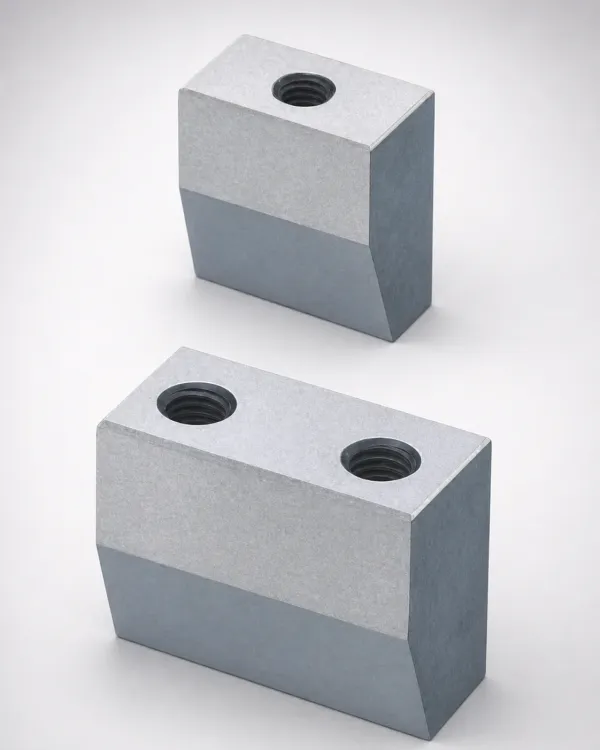
Inlay Type Locking Blocks with Plate Side Setting (Tapped)
Inlay type Locking Blocks with plate side setting (tapped) for secure positioning. Supports non-oil groove options and configurable inlay dimension...
View Details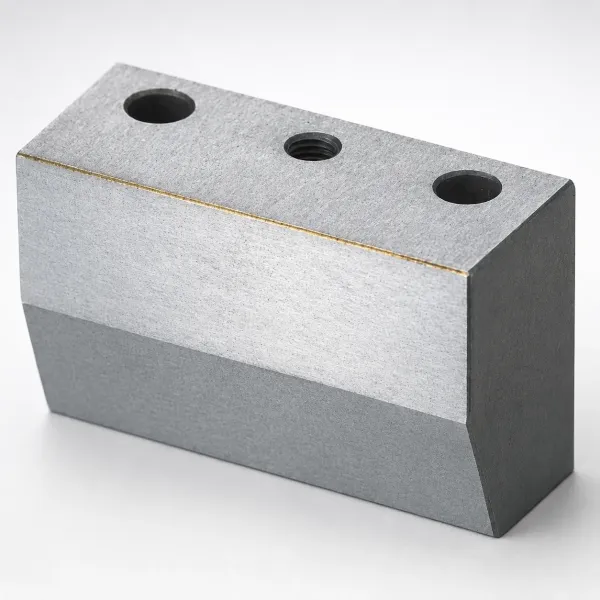
Locking Blocks Inlay Type with PL Installation
Locking Blocks inlay type with PL installation for secure bolt positioning. Angle configurable with non-oil groove options for stable mold assembly...
View Details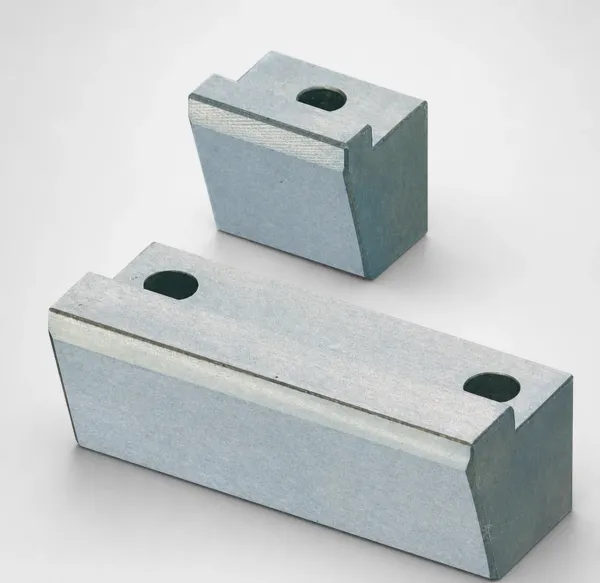
O1 Tool Steel Positioning Locking Blocks with Oil Grooves
O1 tool steel positioning locking blocks with oil grooves for secure PL installation. Inlay height 4 mm supports stable positioning in precision to...
View Details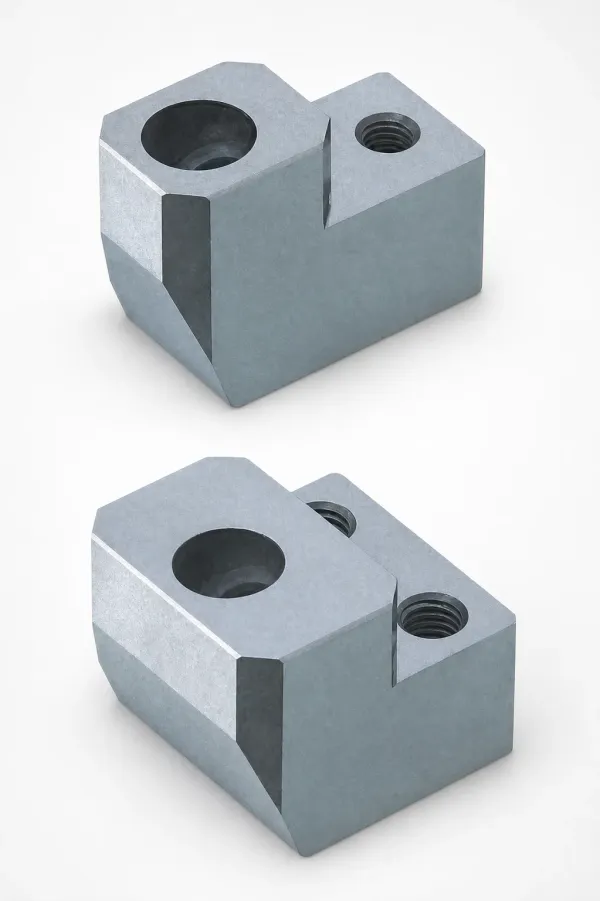
ABPXE Type O1 Tool Steel Positioning Locking Blocks with ...
ABPXE Type positioning locking blocks with angular pin hole in O1 tool steel support precise part location. Includes PL bolt fixing for stable moun...
View Details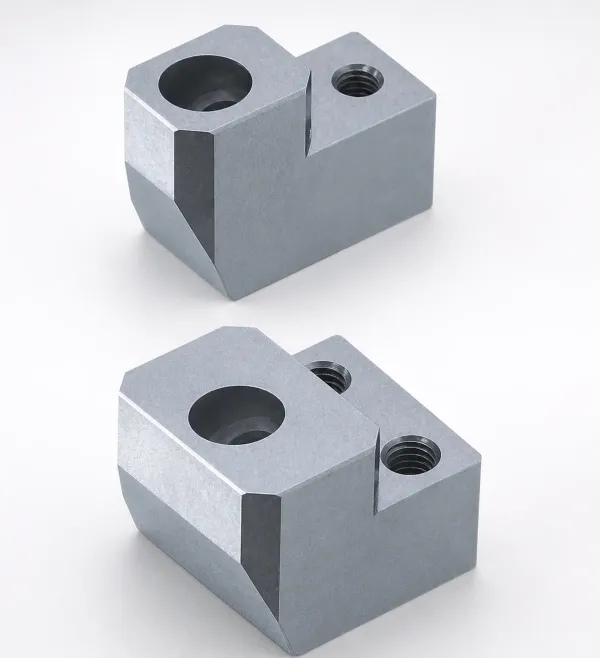
O1 Tool Steel Positioning Locking Blocks with Angular Pin...
O1 Tool Steel Positioning Locking Blocks with Angular Pin Hole ABPX for precise mold positioning. Includes PL bolt installation and locking angle c...
View Details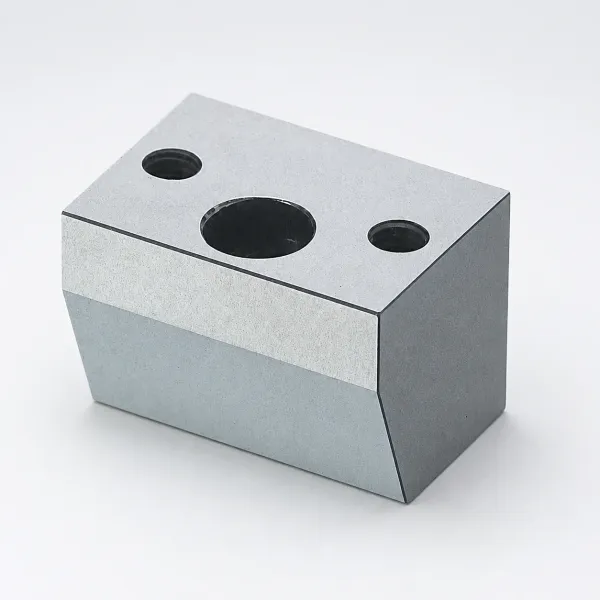
O1 Tool Steel Locking Blocks with Angular Pin Holes - Inl...
O1 Tool Steel Locking Blocks with Angular Pin Holes for inlay type retention. Plate side fixing with tapped bolt holes supports accurate alignment ...
View DetailsLocking Block Variants Comparison
Locking blocks (heel blocks) absorb the immense injection pressure acting against the slide core. Selecting the right variant is critical to prevent mold flashing.
| Feature | Standard Solid Blocks | Angular Hole Blocks | Adjustable Wedge Blocks |
|---|---|---|---|
| Design Structure | Solid hardened steel (SKD11 / H13) | Includes pre-machined angled pin hole | Includes shims or adjustable wedges |
| Space Efficiency | Medium | High (combines pin & heel) | Low (requires more cavity space) |
| Wear Compensation | None (must replace or weld) | None | High (adjust shims to restore preload) |
| Installation Time | Fast | Very Fast | Slow (requires tuning) |
| Best For | Standard slide cores | Compact molds | High-volume / abrasive resins |
Force Analysis & Kinematics
Injection Pressure Resistance
During the holding phase, injection pressures of 400-1000 bar act directly on the projected area of the slide core. The locking block must resist this entirely via its wedge interface. If the block deforms by even 0.02mm, the part will flash. Hardness is critical: blocks must be hardened to HRC 55-60 to resist compressive yielding.
Wedge Angle Differential
The locking wedge angle (typically 15° to 25°) must be 2° to 3° greater than the angled pin angle. If the angles are identical, the angled pin will try to pull the slide backward while the locking block is still engaged, causing catastrophic mold damage.
Application Scenarios
High-Pressure Injection
Molding polycarbonate (PC) or PEEK requires massive holding pressures. Solid blocks without holes maintain maximum structural rigidity.
High-Wear / Million-Cycle Molds
Over time, the wedge surface wears, causing flash. Instead of replacing the block, adjusting the preload saves maintenance time.
Technical Resources
Need a Custom Quote?
Send your specifications and receive a quote. MOQ: 1 piece. Custom dimensions available.