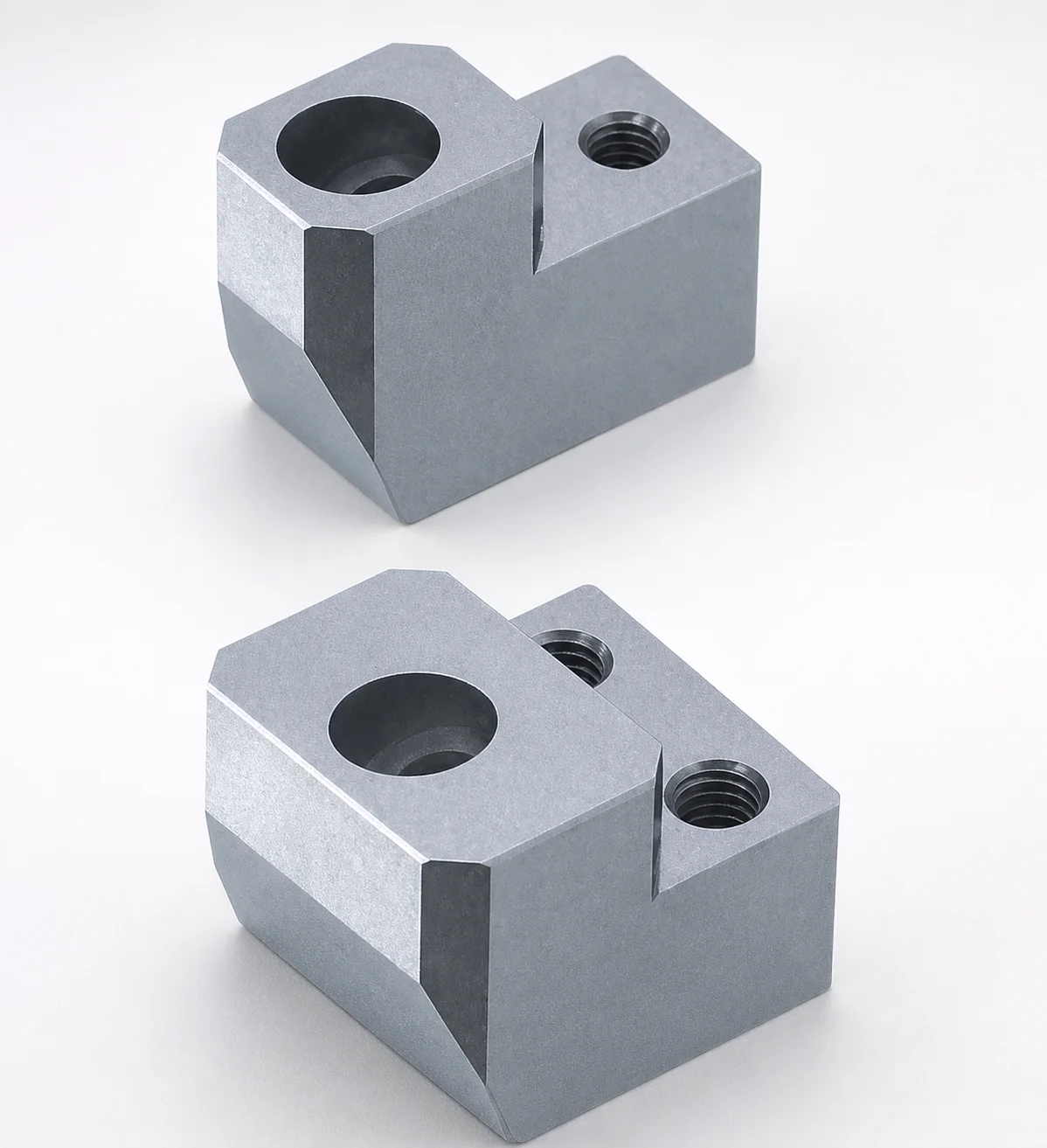
O1 Tool Steel Positioning Locking Blocks with Angular Pin Hole ABPX
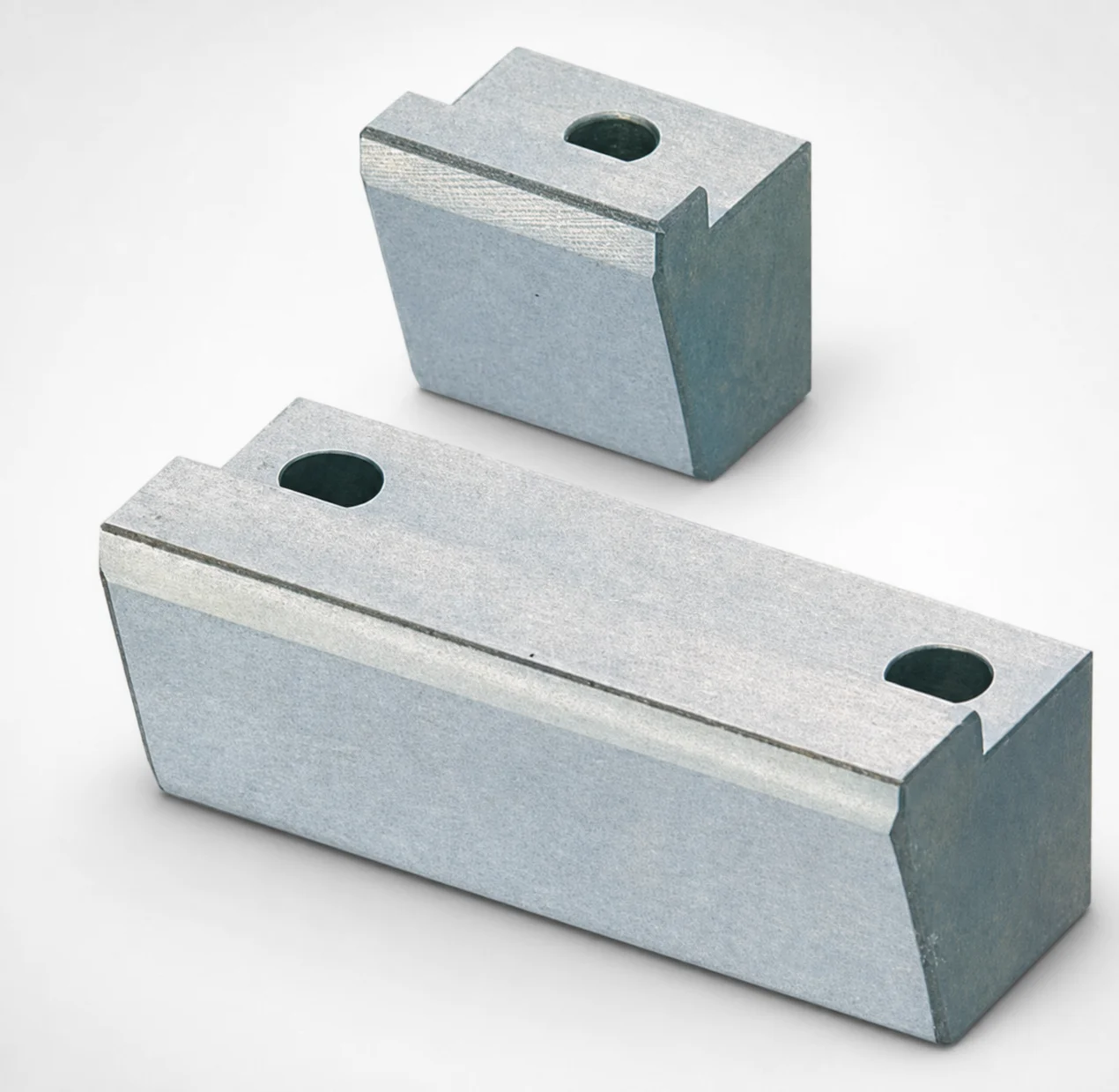
O1 Tool Steel positioning locking blocks with angular pin hole (ABPX) are designed to provide accurate, repeatable mold positioning using a controlled locking angle. The narrow-body layout supports stable installation in tooling assemblies.
- Includes an angular pin hole to support positive locking and alignment
- Built from O1 tool steel for dimensional stability and wear resistance
- ABPX construction supports high-tolerance positioning requirements
- Use with PL bolt fixing for secure mounting in mold locking arrangements
Specifications
11 configurations available
| Block Height T (mm) | Block Length L (mm) | A/W (Block width) (mm) | D (Angular Hole Diameter) (mm) | A (Angle) (°) | type |
|---|---|---|---|---|---|
| 10 | 40 | 20 | 6 | 10 ~ 20 | - |
| 10 | 40 | 15 | 8 | 10 ~ 20 | - |
| 10 | 40 | 20 | 8 | 10 ~ 20 | - |
| 10 | 40 | 25 | 8 | 10 ~ 20 | - |
| 25 | 55 | 25 | 10 | 10 ~ 20 | - |
| 25 | 55 | 30 | 10 | 10 ~ 20 | - |
| 25 | 50 | 40 | 10 | 10 ~ 20 | - |
| 25 | 50 | 45 | 10 | 10 ~ 20 | - |
| 25 | 55 | 45 | 13 | 10 ~ 20 | - |
| 25 | 55 | 50 | 13 | 10 ~ 20 | - |
| 25 | 55 | 55 | 13 | 10 ~ 20 | - |
Product Guide
Application Scenarios+
This positioning locking block is used in injection mold assemblies where repeatable shut-off alignment and stable undercut access are critical. The controlled locking angle (10–20°) helps ensure the locating surfaces engage consistently, reducing variation between production cycles.
- Automotive connector and housing molds: Mount the block to index moving components that require tight positional repeatability; the narrow-body geometry supports secure installation without excessive envelope space.
- Consumer electronics insert/undercut molds: Use the angular pin hole to achieve positive alignment, improving repeatability for cores/plates that cycle frequently.
- Multi-cavity molds with PL bolt mounting: Fix the block using the PL bolt approach to maintain consistent locking contact and support high-tolerance positioning requirements.
O1 tool steel selection is suited for dimensional stability and wear resistance in these cyclic alignment tasks, while the angular pin hole supports reliable alignment control.
Material & Process Details+
The block is made from O1 tool steel, commonly selected for tooling components that need dimensional stability and good wear resistance during repeated indexing and clamping. In practical mold builds, O1 is typically quenched and tempered to balance hardness and toughness.
- Hardness: Depending on the final tempering condition, expect a typical hardened state used for wear surfaces (commonly in the ~HRC range around the mid-to-high 50s for tooling applications). Final hardness should be verified by the supplier’s heat treatment record.
- Wear vs. toughness trade-off: Higher tempering hardness improves resistance to fretting and indentation at the locking interface, while lower tempering temperatures can reduce toughness and increase risk of chipping.
- Manufacturing: Ground/finished critical locating faces and a precision angular pin hole are used to maintain the specified locking behavior and toleranced positioning.
Compared with higher-alloy wear grades, O1 offers a strong balance for alignment/locking blocks where both wear resistance and controlled machinability are beneficial.
Sizing & Selection Guide+
Select the block dimensions by matching the locating and clearance requirements of the mold’s undercuts-plate positioning system. The block height T is available in 10 mm and 25 mm, so choose based on required stack-up thickness and available machining depth in the mounting plate.
- Length L: Choose 40 mm, 50 mm, or 55 mm to match the available locking zone and ensure adequate bearing length.
- Width A/W: Select from 15–55 mm to fit the envelope constraints of the undercuts-plates assembly while maintaining proper contact area.
- Angular hole diameter D: Use 6, 8, 10, or 13 mm to correspond with the angular pin specification used for positive locking.
The fixed locking angle A = 10–20° is already built into the design, so you mainly control compatibility via hole diameter and mounting geometry. Confirm fit by checking the hole/pin tolerance class and the PL bolt seating surfaces; small deviations can affect locking repeatability.
Frequently Asked Questions
How should I choose the angular hole diameter D so the locking pin aligns reliably?+
D is specified as 6, 8, 10, or 13 mm. Match D to the angular pin (or mating feature) diameter used in your mold’s positioning system to maintain positive engagement. Also verify that the hole and pin tolerance class supports repeatable locking without binding during wear.
Does this locking block allow adjustment of the locking angle during assembly?+
The locking angle is fixed at 10–20° as part of the design. Assembly compatibility is therefore achieved by selecting the correct block size (T, L, A/W) and the correct angular hole diameter D, rather than by changing the angle.
What block height T should I use for undercuts-plates positioning in a limited stack-up?+
Block height T is available at 10 mm and 25 mm. Choose the height that matches the available stack-up thickness and machining depth in the undercuts-plates region so the locating surfaces seat fully when the PL bolt is tightened.
What dimensional ranges should I verify for safe installation given the specified A/W (block width)?+
The block width A/W is specified over 15–55 mm. Verify that your cavity/core mounting envelope provides sufficient clearance across the full width so locking contact remains stable across the service life, especially when tolerances accumulate from plates and bolt seats.
Is O1 tool steel appropriate for high-cycle mold positioning locking blocks?+
Yes—this variant uses O1 tool steel, selected for dimensional stability and wear resistance in tooling alignment components. For durability, ensure the final quenched-and-tempered condition and target hardness are appropriate for the locking interface load and fretting conditions; harder conditions typically improve wear resistance but reduce toughness.
Related Products
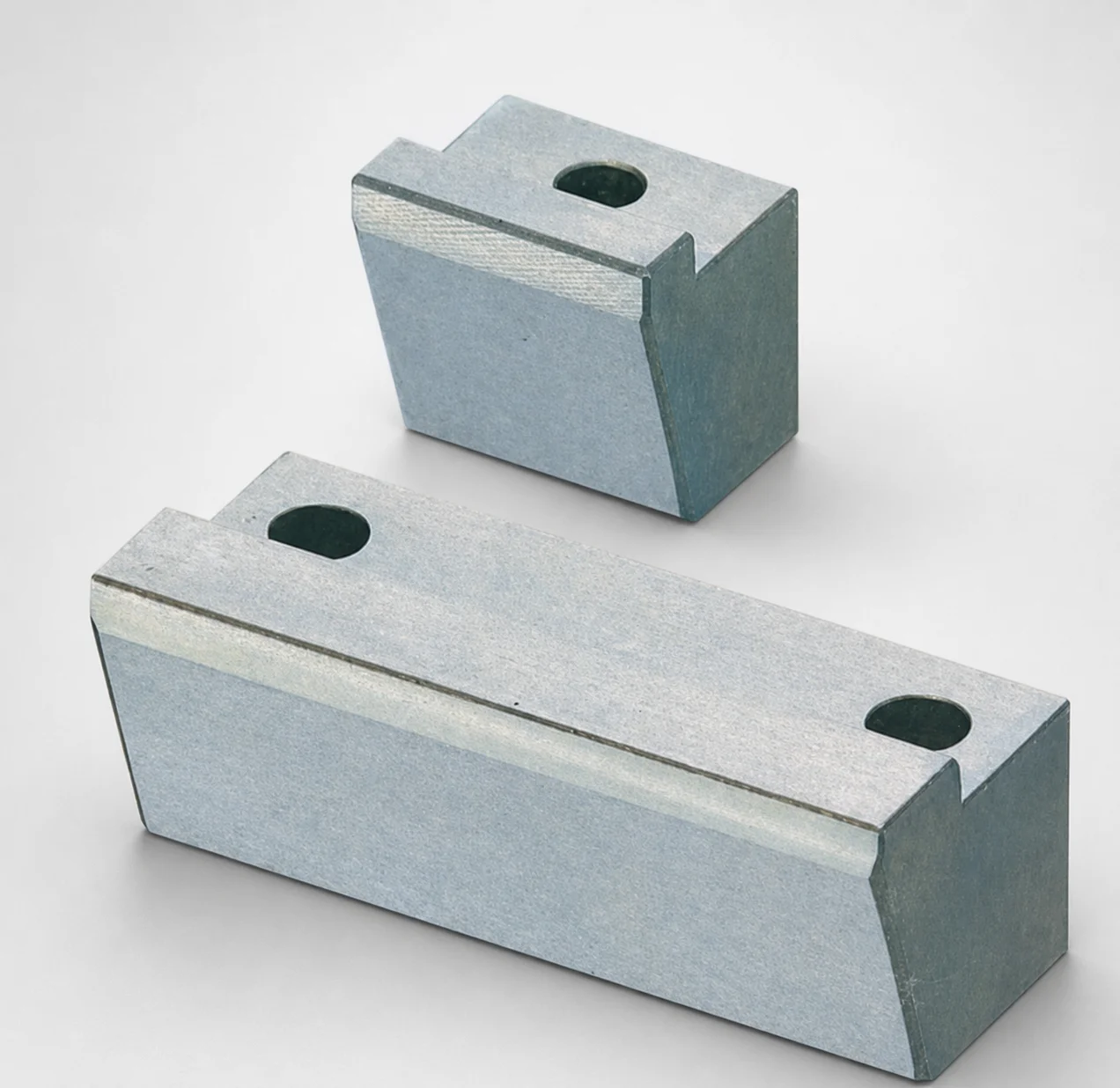
O1 Tool Steel Positioning Locking Blocks with Oil Grooves
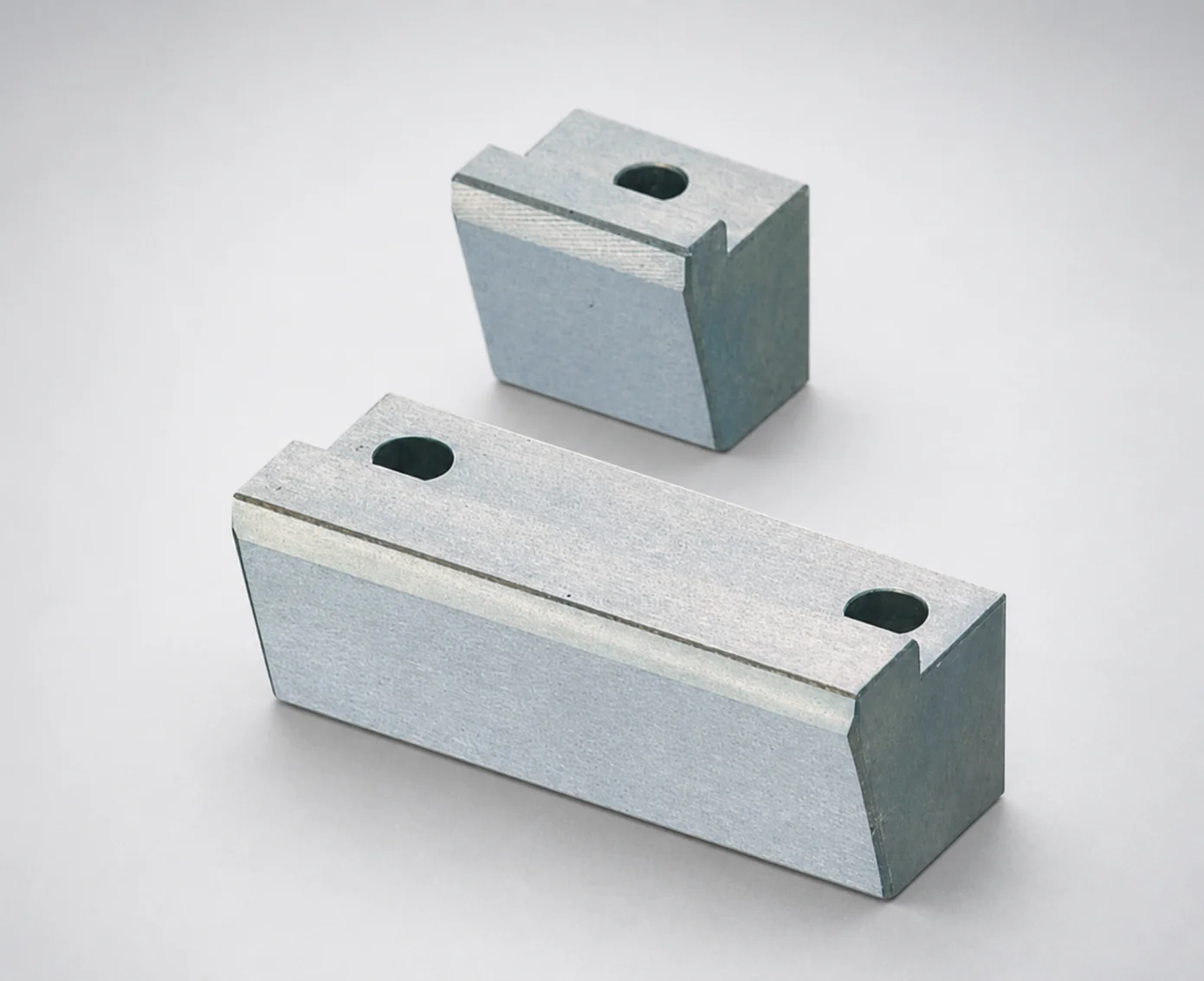
Positioning Locking Blocks Angle Configurable, Oil-Free Options
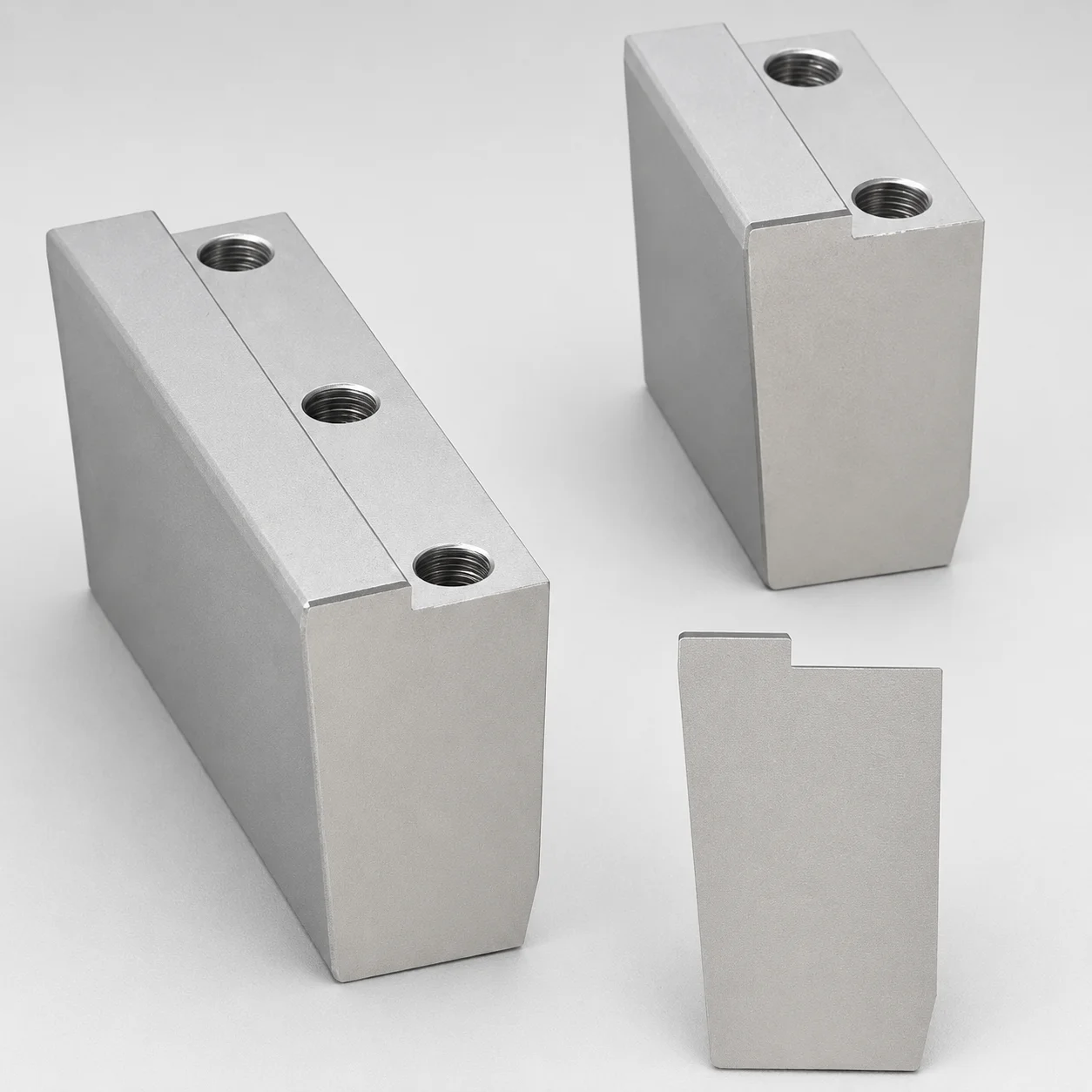
O1 Tool Steel Positioning Locking Blocks - Beveled Edge Bottom (KN)
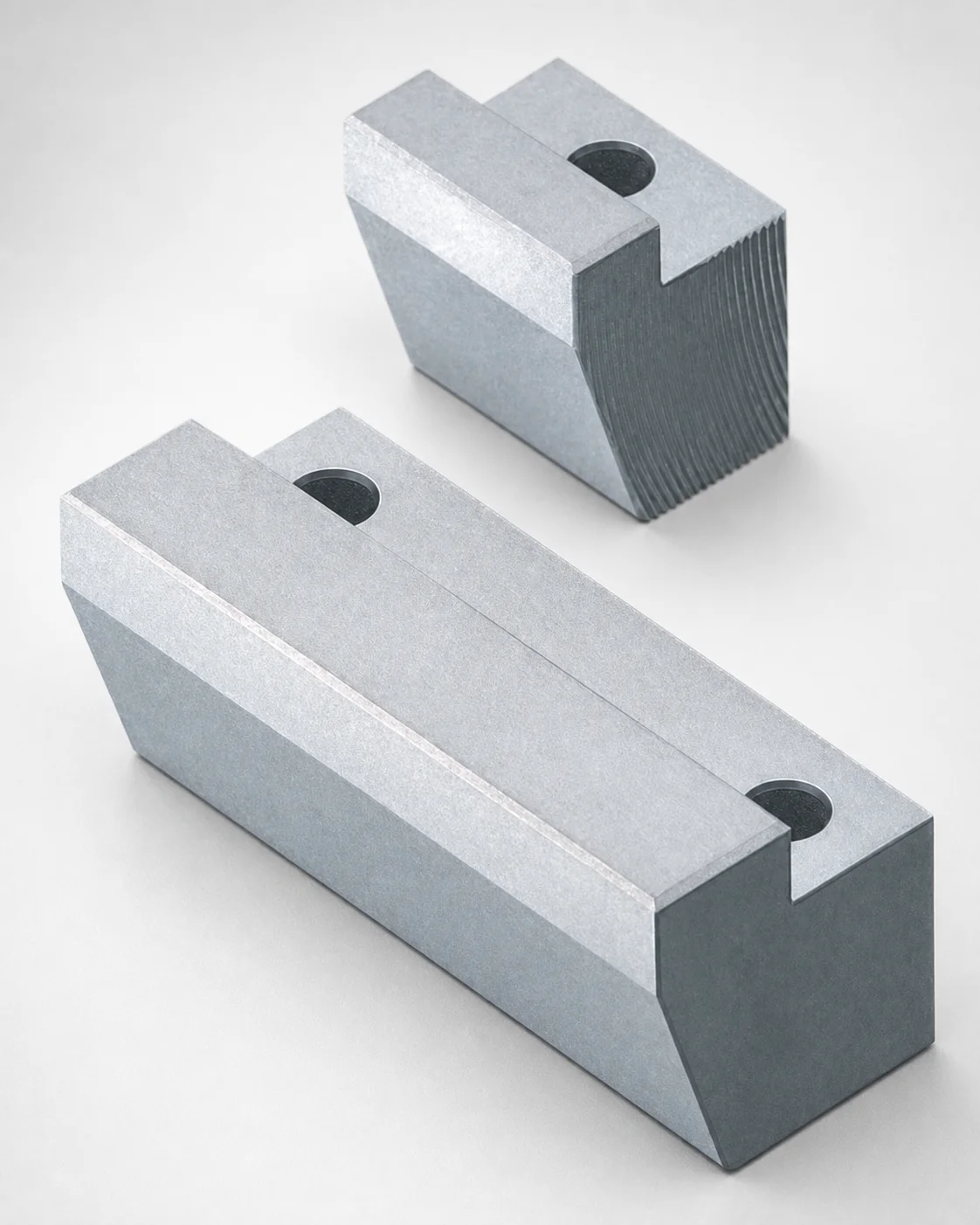
O1 Tool Steel Positioning Locking Blocks - Angle Configurable
Locking Blocks - Fixed Angle & Inlay Height Configurable
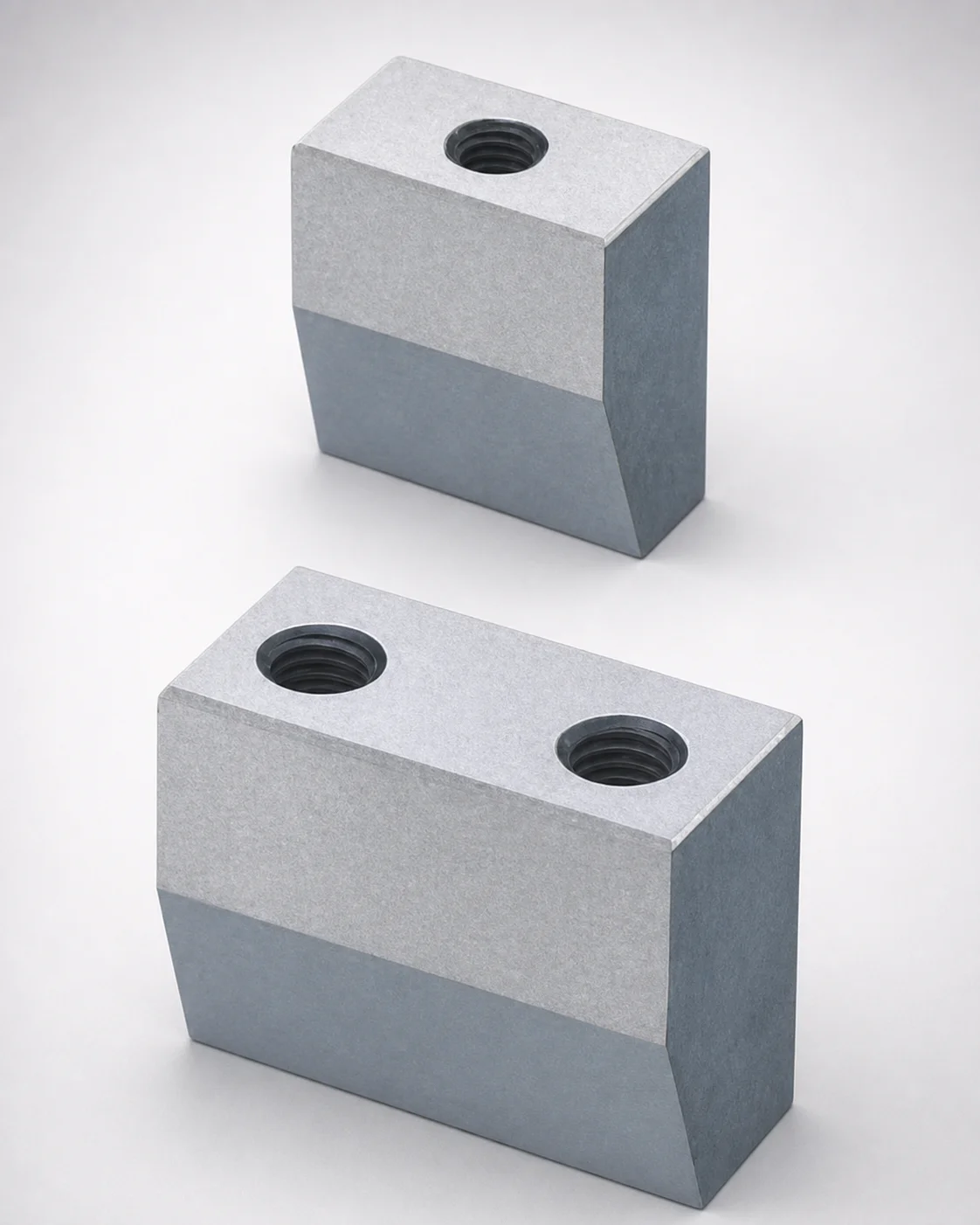
Inlay Type Locking Blocks with Plate Side Setting (Tapped)
Need Custom Specifications?
Our engineering team can help with custom configurations, material selection, and volume pricing.