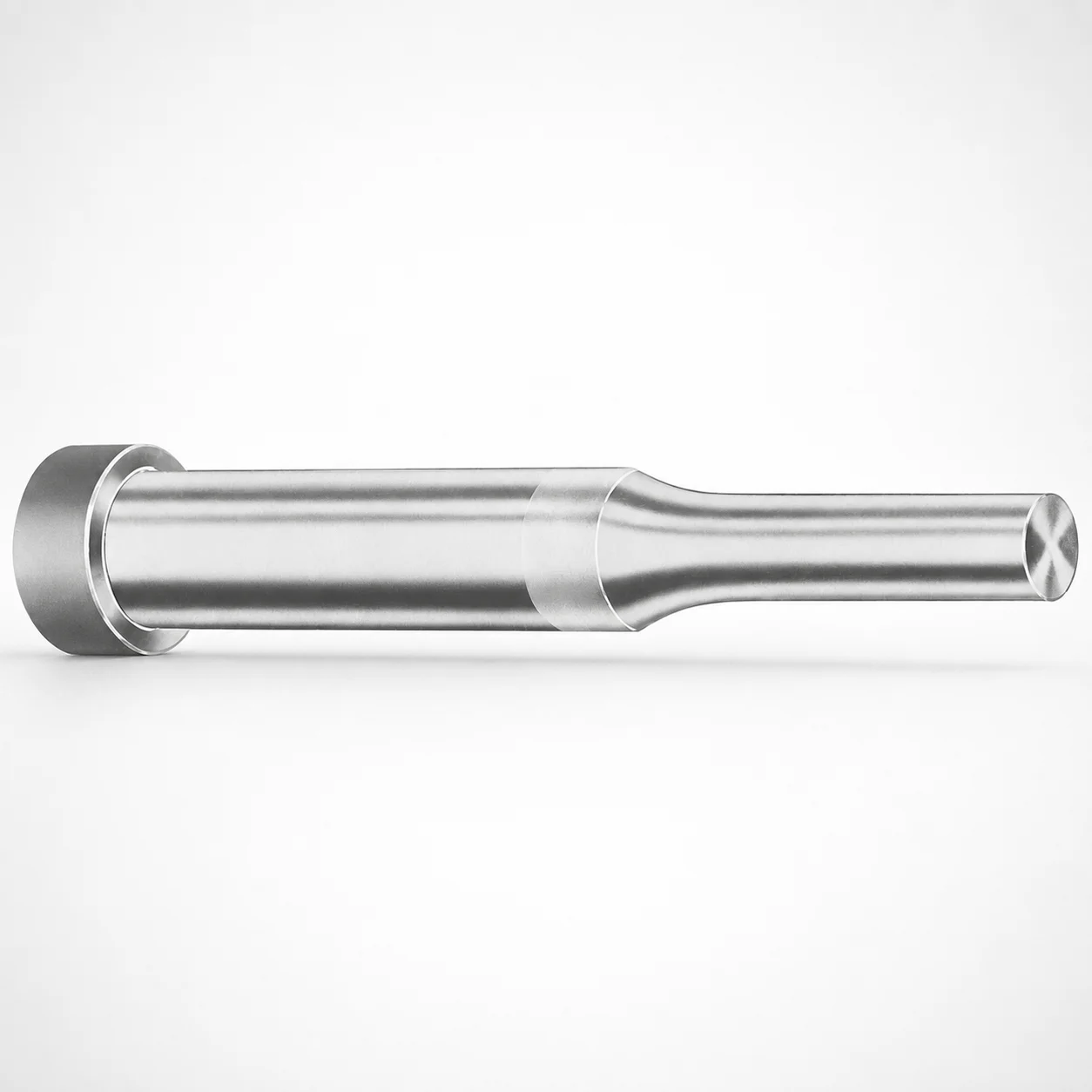
Regular Punches - Metric, XAN DayTAN™ Coating
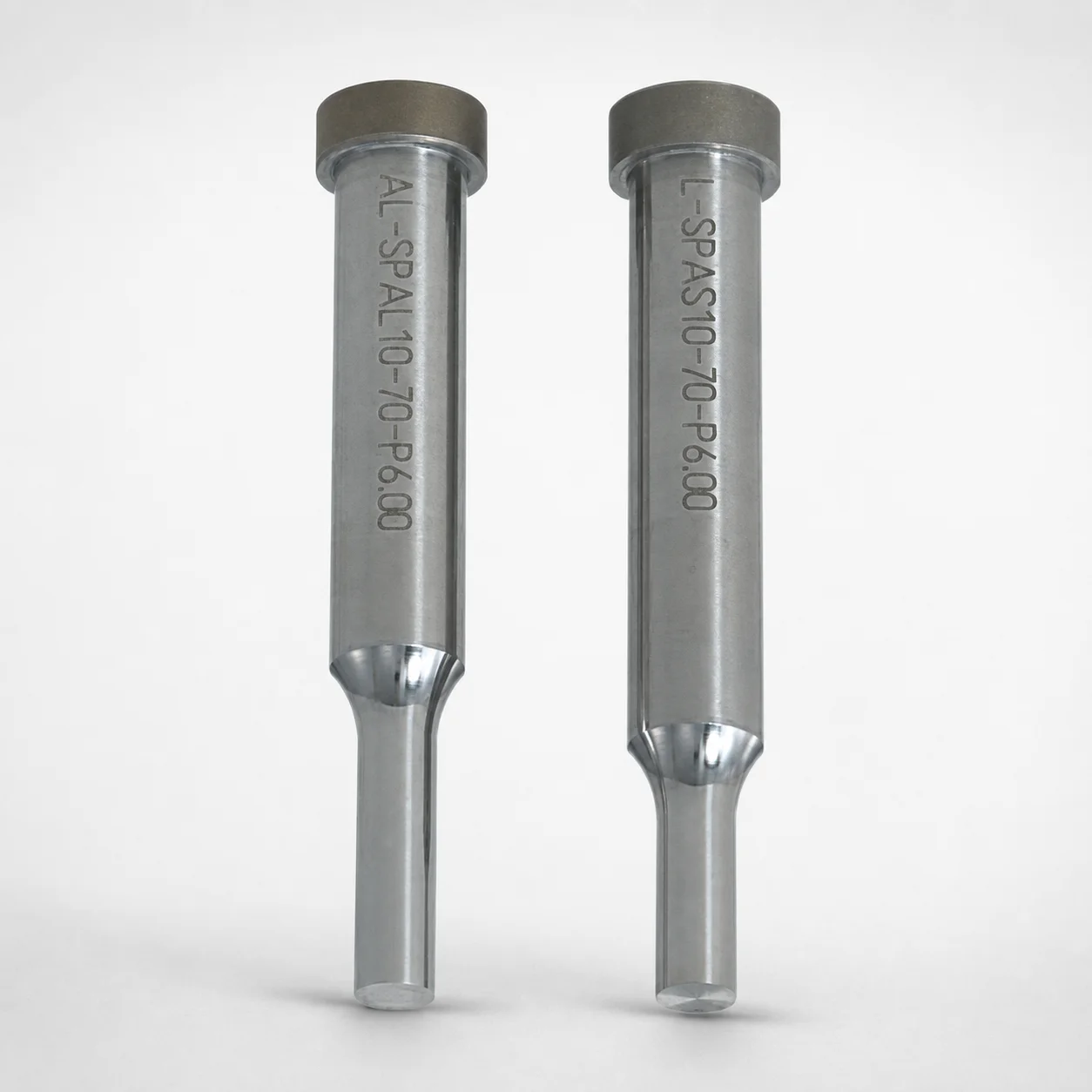
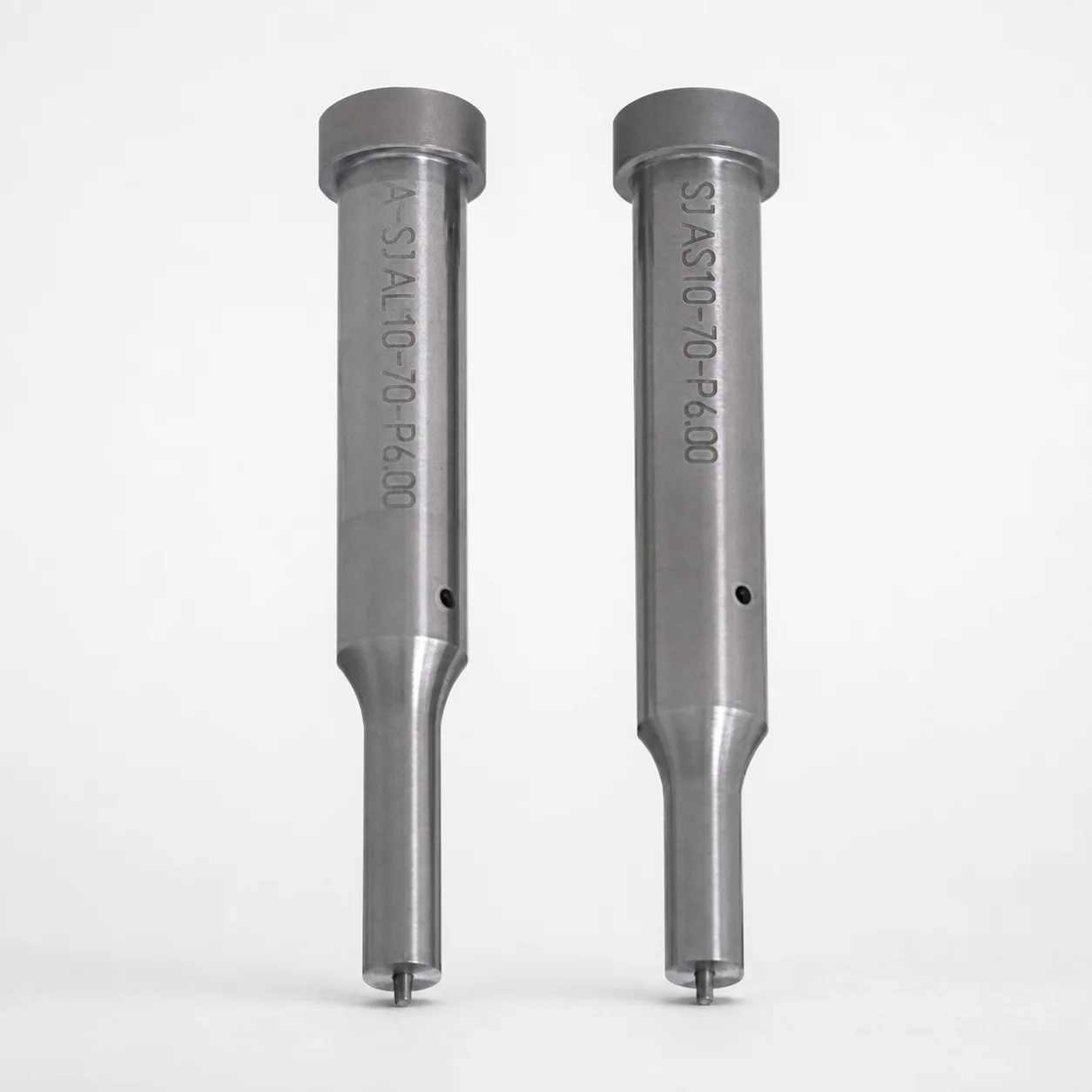
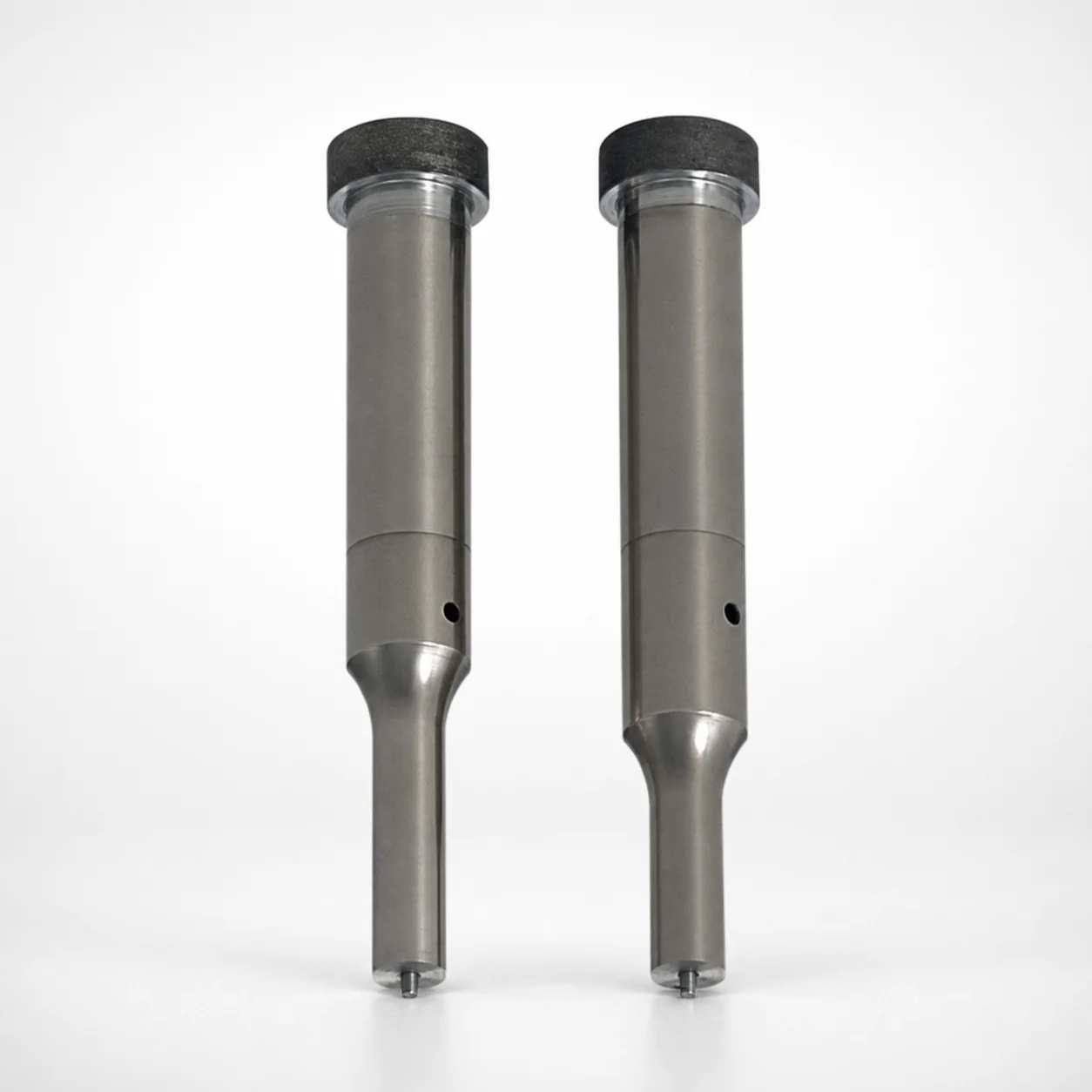
Regular Punches - Metric, XAN DayTAN™ Coating are designed for stable, repeatable die punching in metal forming. The XAN DayTAN™ coating supports controlled surface performance to help reduce galling and wear during production runs.
- Metric regular punch geometry for reliable feeding and alignment in press operations
- XAN DayTAN™ coated contact surface improves wear resistance in stamping
- Available with PS or M2 material options for different toughness needs
- Works with multiple tip shapes (X, R, K, O, H, L, J, N, V, Y, Z) for varied die designs
Specifications
318 configurations available
| Tip shape | Material | D (Shank dia.) (mm) | L1 (Point Length) (mm) | L (Length) (mm) | P Dimension (mm) | W Dimension (mm) | R Dimension (mm) |
|---|---|---|---|---|---|---|---|
| H | M2 | 04 | 8 ~ 13 | 40 ~ 100 | 1.3 ~ 3.95 | 1.3 ~ 1.59 | - |
| H | M2 | 04 | 8 ~ 13 | 40 ~ 100 | 1.3 ~ 3.95 | 1.6 ~ 3.95 | - |
| H | PS | 04 | 8 ~ 13 | 40 ~ 100 | 1.3 ~ 3.95 | 1.3 ~ 1.59 | - |
| H | PS | 04 | 8 ~ 13 | 40 ~ 100 | 1.3 ~ 3.95 | 1.6 ~ 3.95 | - |
| H | M2 | 05 | 13 ~ 19 | 40 ~ 100 | 1.6 ~ 4.95 | 1.6 ~ 4.95 | - |
| H | PS | 05 | 13 ~ 19 | 40 ~ 100 | 1.6 ~ 4.95 | 1.6 ~ 4.95 | - |
| H | M2 | 06 | 13 ~ 19 | 40 ~ 100 | 1.6 ~ 5.95 | 1.6 ~ 5.95 | - |
| H | PS | 06 | 13 ~ 19 | 40 ~ 100 | 1.6 ~ 5.95 | 1.6 ~ 5.95 | - |
| H | M2 | 08 | 19 ~ 25 | 50 ~ 100 | 2.5 ~ 7.95 | 2.5 ~ 7.95 | - |
| H | PS | 08 | 19 ~ 25 | 50 ~ 100 | 2.5 ~ 7.95 | 2.5 ~ 7.95 | - |
| H | M2 | 10 | 19 ~ 25 | 50 ~ 100 | 3.2 ~ 9.95 | 3.2 ~ 9.95 | - |
| H | PS | 10 | 19 ~ 25 | 50 ~ 100 | 3.2 ~ 9.95 | 3.2 ~ 9.95 | - |
| H | M2 | 13 | 19 ~ 25 | 50 ~ 100 | 4 ~ 12.95 | 4 ~ 4.49 | - |
| H | M2 | 13 | 19 ~ 25 | 50 ~ 100 | 4 ~ 12.95 | 4.5 ~ 12.95 | - |
| H | PS | 13 | 19 ~ 25 | 50 ~ 100 | 4 ~ 12.95 | 4 ~ 4.49 | - |
| H | PS | 13 | 19 ~ 25 | 50 ~ 100 | 4 ~ 12.95 | 4.5 ~ 12.95 | - |
| H | M2 | 16 | 19 ~ 25 | 50 ~ 100 | 6 ~ 15.95 | 6 ~ 15.95 | - |
| H | PS | 16 | 19 ~ 25 | 50 ~ 100 | 6 ~ 15.95 | 6 ~ 15.95 | - |
| H | M2 | 20 | 19 ~ 25 | 56 ~ 100 | 6 ~ 19.95 | 6 ~ 7.99 | - |
| H | M2 | 20 | 19 ~ 25 | 56 ~ 100 | 6 ~ 19.95 | 8 ~ 19.95 | - |
| H | PS | 20 | 19 ~ 25 | 56 ~ 100 | 6 ~ 19.95 | 6 ~ 7.99 | - |
| H | PS | 20 | 19 ~ 25 | 56 ~ 100 | 6 ~ 19.95 | 8 ~ 19.95 | - |
| H | M2 | 25 | 19 ~ 25 | 56 ~ 100 | 6 ~ 24.95 | 6 ~ 8.99 | - |
| H | M2 | 25 | 19 ~ 25 | 56 ~ 100 | 6 ~ 24.95 | 9 ~ 24.95 | - |
| H | PS | 25 | 19 ~ 25 | 56 ~ 100 | 6 ~ 24.95 | 6 ~ 8.99 | - |
| H | PS | 25 | 19 ~ 25 | 56 ~ 100 | 6 ~ 24.95 | 9 ~ 24.95 | - |
| H | M2 | 32 | 25 ~ 30 | 63 ~ 100 | 7.2 ~ 31.95 | 7.2 ~ 9.99 | - |
| H | M2 | 32 | 25 ~ 30 | 63 ~ 100 | 7.2 ~ 31.95 | 10 ~ 31.95 | - |
| H | PS | 32 | 25 ~ 30 | 63 ~ 100 | 7.2 ~ 31.95 | 7.2 ~ 9.99 | - |
| H | PS | 32 | 25 ~ 30 | 63 ~ 100 | 7.2 ~ 31.95 | 10 ~ 31.95 | - |
| J | M2 | 04 | 8 ~ 13 | 40 ~ 100 | 1.3 ~ 3.95 | 1.3 ~ 1.59 | - |
| J | M2 | 04 | 8 ~ 13 | 40 ~ 100 | 1.3 ~ 3.95 | 1.6 ~ 3.95 | - |
| J | PS | 04 | 8 ~ 13 | 40 ~ 100 | 1.3 ~ 3.95 | 1.3 ~ 1.59 | - |
| J | PS | 04 | 8 ~ 13 | 40 ~ 100 | 1.3 ~ 3.95 | 1.6 ~ 3.95 | - |
| J | M2 | 05 | 13 ~ 19 | 40 ~ 100 | 1.6 ~ 4.95 | 1.6 ~ 4.95 | - |
| J | PS | 05 | 13 ~ 19 | 40 ~ 100 | 1.6 ~ 4.95 | 1.6 ~ 4.95 | - |
| J | M2 | 06 | 13 ~ 19 | 40 ~ 100 | 1.6 ~ 5.95 | 1.6 ~ 5.95 | - |
| J | PS | 06 | 13 ~ 19 | 40 ~ 100 | 1.6 ~ 5.95 | 1.6 ~ 5.95 | - |
| J | M2 | 08 | 19 ~ 25 | 50 ~ 100 | 2.5 ~ 7.95 | 2.5 ~ 7.95 | - |
| J | PS | 08 | 19 ~ 25 | 50 ~ 100 | 2.5 ~ 7.95 | 2.5 ~ 7.95 | - |
| J | M2 | 10 | 19 ~ 25 | 50 ~ 100 | 3.2 ~ 9.95 | 3.2 ~ 9.95 | - |
| J | PS | 10 | 19 ~ 25 | 50 ~ 100 | 3.2 ~ 9.95 | 3.2 ~ 9.95 | - |
| J | M2 | 13 | 19 ~ 25 | 50 ~ 100 | 4 ~ 12.95 | 4 ~ 4.49 | - |
| J | M2 | 13 | 19 ~ 25 | 50 ~ 100 | 4 ~ 12.95 | 4.5 ~ 12.95 | - |
| J | PS | 13 | 19 ~ 25 | 50 ~ 100 | 4 ~ 12.95 | 4 ~ 4.49 | - |
| J | PS | 13 | 19 ~ 25 | 50 ~ 100 | 4 ~ 12.95 | 4.5 ~ 12.95 | - |
| J | M2 | 16 | 19 ~ 25 | 50 ~ 100 | 6 ~ 15.95 | 6 ~ 15.95 | - |
| J | PS | 16 | 19 ~ 25 | 50 ~ 100 | 6 ~ 15.95 | 6 ~ 15.95 | - |
| J | M2 | 20 | 19 ~ 25 | 56 ~ 100 | 6 ~ 19.95 | 6 ~ 7.99 | - |
| J | M2 | 20 | 19 ~ 25 | 56 ~ 100 | 6 ~ 19.95 | 8 ~ 19.95 | - |
Product Guide
Application Scenarios+
These metric regular punches are used in progressive and turret stamping tooling where the punch tip must stay dimensionally stable across repeated press cycles. The XAN DayTAN™ coated contact surface helps reduce galling and surface wear, supporting consistent hole or notch geometry in production runs.
- Automotive and appliance sheet-metal stamping: Use the available tip shapes (X, R, K, O, H, L, J, N, V, Y, Z) to match the die design for clean shearing and predictable punch penetration. The metric shank diameter range (D 4–32 mm) supports flexible tool layouts on standard presses.
- Electrical connector and bracket forming: Choose shorter point lengths (L1 8–13 mm or 13–19 mm) when precise forming depth control is required. The PS vs. M2 material options allow selection for toughness needs while maintaining wear performance under moderate to higher contact loads.
- High-cycle production batches: The punch-to-die interface benefits from the coating to limit frictional damage during frequent stripping and re-centering.
Material & Process Details+
This series is offered in PS and M2 steel options to balance toughness and wear resistance for stamping dies. Both variants are used as hardened punch steels, and selection should be based on expected contact load and cycle count.
- M2 (high-speed steel concept): Typically selected where higher wear resistance is required. M2 is commonly used after quench and temper to achieve a hard, abrasion-tolerant surface with acceptable toughness.
- PS steel option: Usually chosen when improved toughness and steadier performance at lower to moderate wear rates are priorities. Heat treatment is commonly delivered as a hardened and tempered state to control hardness and reduce chipping risk.
Hardness trade-off: Higher hardness steels generally improve edge life but can increase sensitivity to shock or misalignment; choose the material and tip geometry to match your stripping forces and press stability.
Sizing & Selection Guide+
To select the correct punch, match both the shank diameter (D) and the overall length (L) to the strip guide, retainer, and die holder clearances. This series provides D = 4–32 mm, with multiple length configurations: L = 40–100 mm (and narrower sets such as 50–100, 56–100, or 63–100 depending on the point length option).
- Control forming depth: Choose the point length (L1) from 8–13 mm, 13–19 mm, 19–25 mm, or 25–30 mm to set how far the cutting/squeezing action reaches inside the die cavity.
- Match mechanical stack-up: Ensure the selected L provides adequate protrusion while avoiding interference with die blocks and backup components.
- Edge geometry selection: Select the tip shape (H, J, K, L, N, O, R, V, X, Y, Z) to reflect the required shearing profile and clearance.
Tolerance and fit: While this page lists dimensional ranges, confirm fit in your tool design by verifying the required clearances around the shank and tip. Use D range limits to prevent binding in bushings and guides.
Frequently Asked Questions
Which material option (PS or M2) should I choose for long-run stamping wear?+
How do I select the correct point length (L1) versus overall length (L) for consistent hole depth?+
What tip shapes are available, and how should I pick one for my die profile?+
How does the XAN DayTAN™ coating affect punch performance in metal forming?+
What shank diameter (D) range is covered, and what should I check for guide/bushing fit?+
Related Products
Need Custom Specifications?
Our engineering team can help with custom configurations, material selection, and volume pricing.