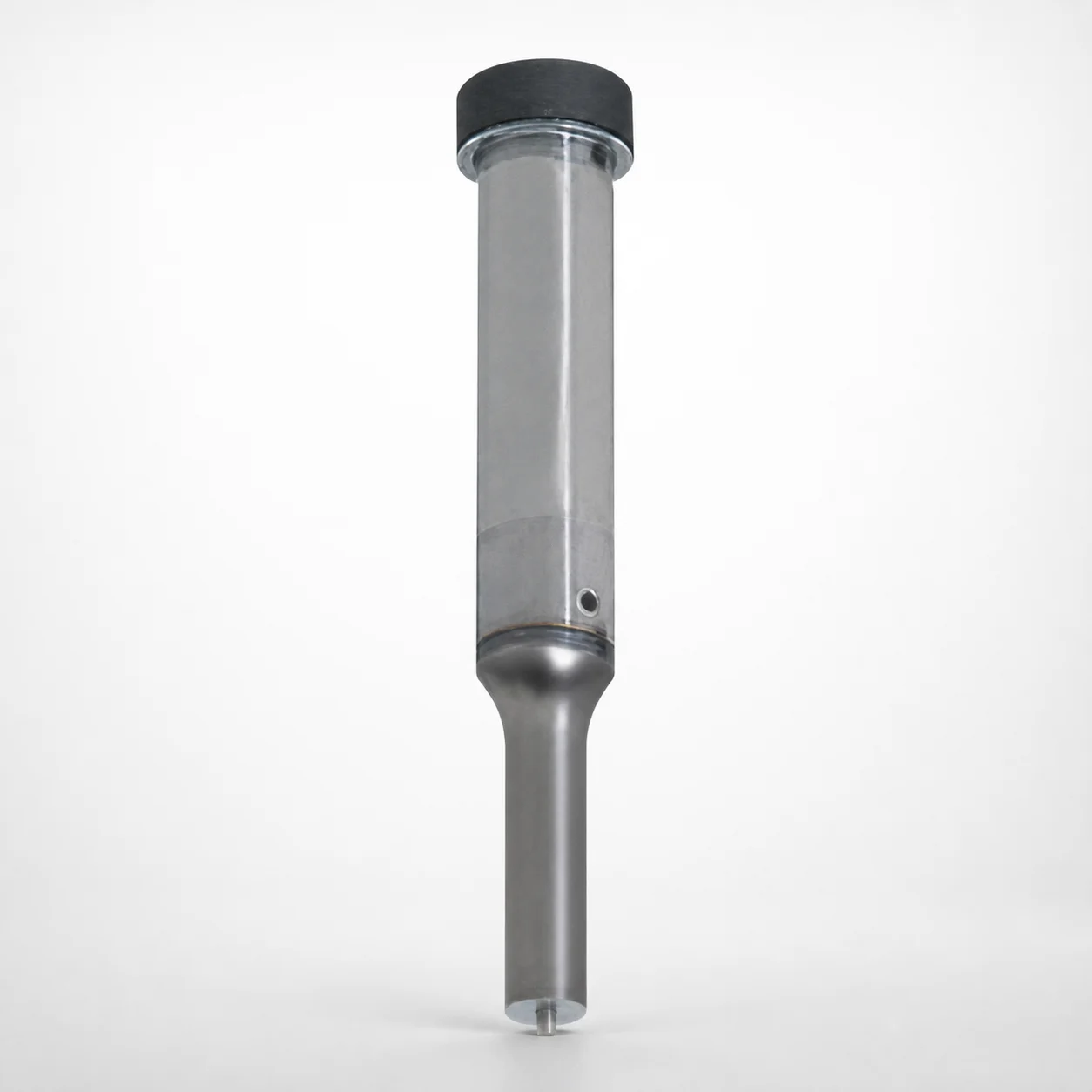
Jector Punches RP Coating (Al-Cr Based + Alpha Treatment)
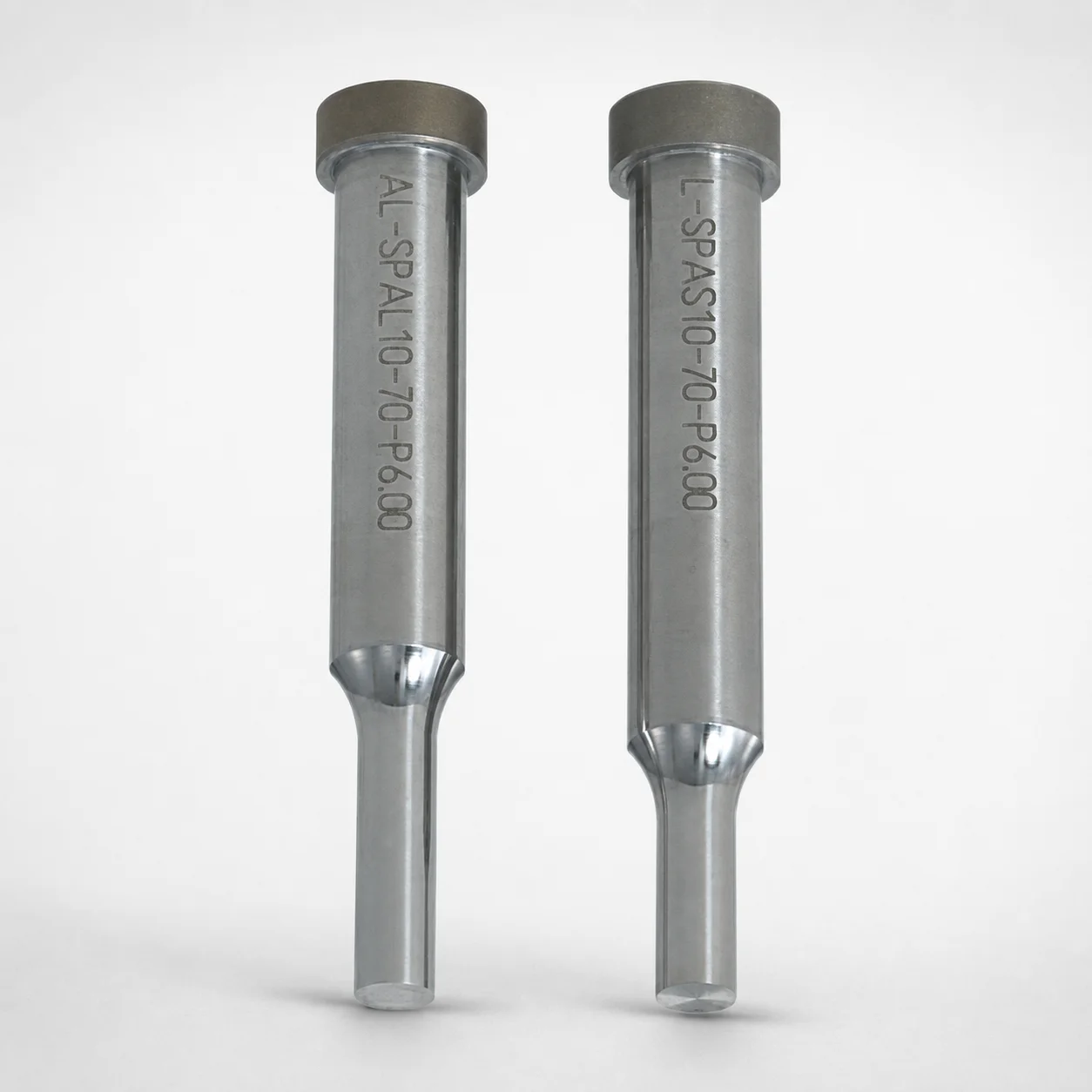
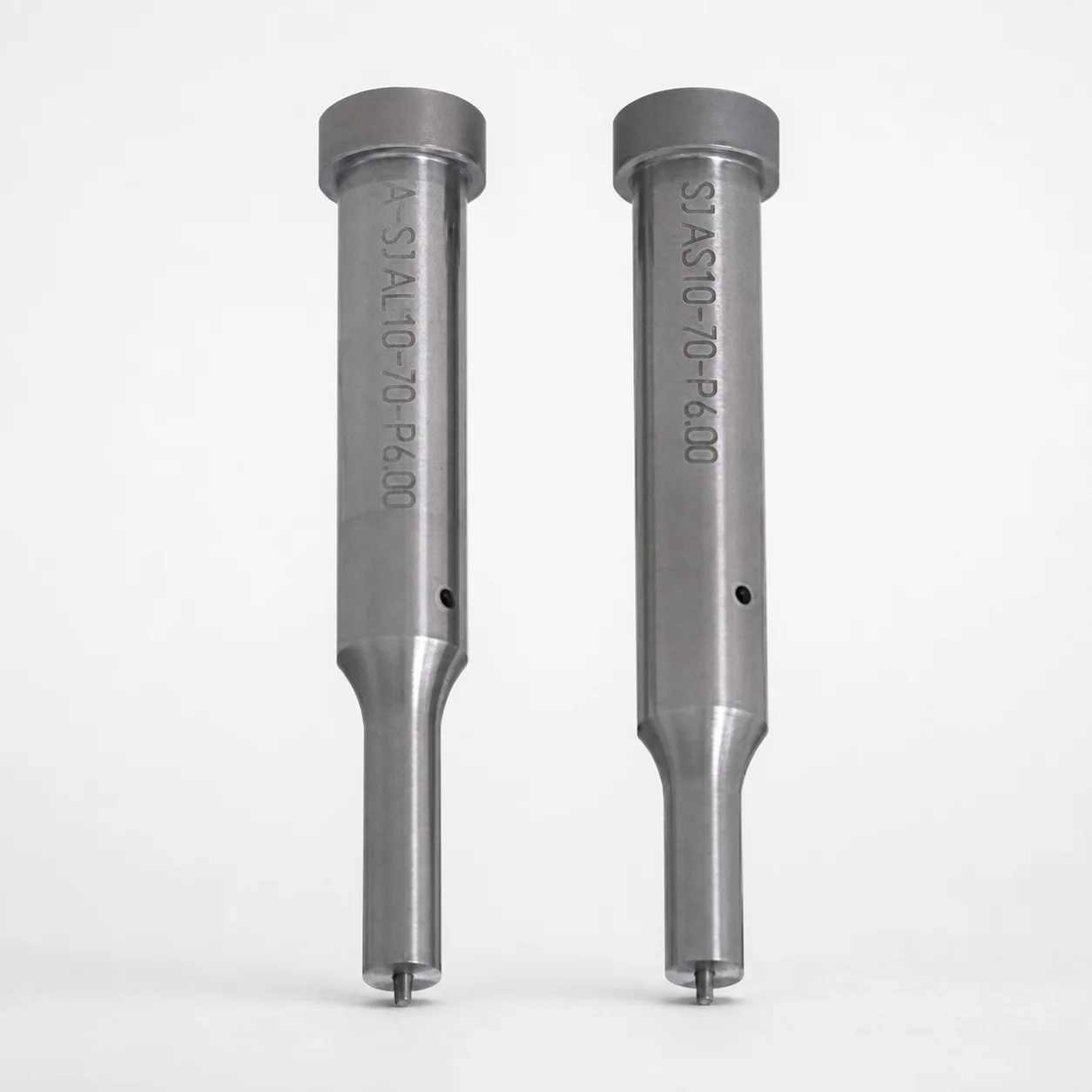
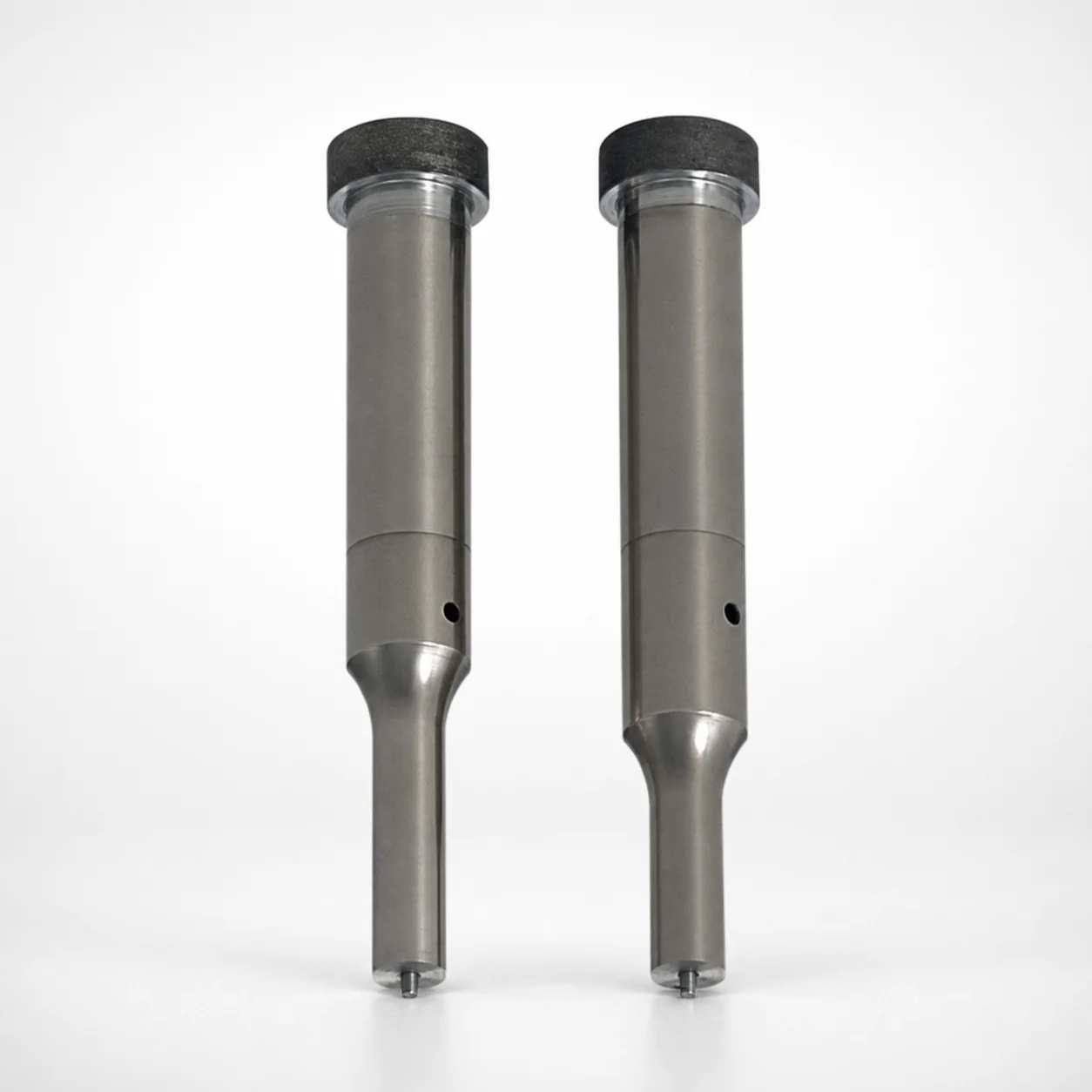
Jector Punches RP Coating (Al-Cr Based + Alpha Treatment) are designed for higher punch life in demanding forming and punching operations. The Al-Cr coating provides high hardness and heat resistance, while Alpha treatment enhances film adhesion and substrate wear performance.
- Built on Al-Cr based coating with high hardness and heat resistance
- Alpha treatment improves coating adhesion and long-term durability
- Targets applications where traditional coatings reduce punch life and increases tool endurance
- Supports stable cutting performance to help reduce mold maintenance downtime
Specifications
7232 configurations available
| Jector | Tip shape | Material | Shank diameter D tolerance | B (Tip length) | D (Shank diameter) (mm) | P (Tip dimension) (mm) | L (L dimension) (mm) | LC (Full length alteration) (mm) | LCT (Head thickness tolerance change + total length alteration) (mm) | LMT (Head thickness tolerance change + total length alteration) (mm) | PC (Tip dimension alteration) (mm) | R (Tip corner R) (mm) | W (Tip dimension) (mm) | WC (Tip dimension alteration) (mm) | type |
|---|---|---|---|---|---|---|---|---|---|---|---|---|---|---|---|
| Standard | Round | SKH40 Equivalent (Powdered High-Speed Steel) | +0.005/0 | L | 4 | 1 ~ 3.99 | 50 ~ 80 | - | - | - | - | - | - | - | - |
| Standard | Round | SKH40 Equivalent (Powdered High-Speed Steel) | +0.005/0 | L | 4 | - | 50 ~ 80 | - | - | - | 0.9 ~ 0.99 | - | - | - | - |
| Standard | Round | SKH40 Equivalent (Powdered High-Speed Steel) | +0.005/0 | L | 4 | 1 ~ 3.99 | - | 39 ~ 79.9 | - | - | - | - | - | - | - |
| Standard | Round | SKH40 Equivalent (Powdered High-Speed Steel) | +0.005/0 | L | 4 | - | - | 39 ~ 79.9 | - | - | 0.9 ~ 0.99 | - | - | - | - |
| Standard | Round | SKH40 Equivalent (Powdered High-Speed Steel) | +0.005/0 | L | 4 | 1 ~ 3.99 | - | - | 39 ~ 79.9 | - | - | - | - | - | - |
| Standard | Round | SKH40 Equivalent (Powdered High-Speed Steel) | +0.005/0 | L | 4 | - | - | - | 39 ~ 79.9 | - | 0.9 ~ 0.99 | - | - | - | - |
| Standard | Round | SKH40 Equivalent (Powdered High-Speed Steel) | +0.005/0 | L | 4 | 1 ~ 3.99 | - | - | - | 39 ~ 79.9 | - | - | - | - | - |
| Standard | Round | SKH40 Equivalent (Powdered High-Speed Steel) | +0.005/0 | L | 4 | - | - | - | - | 39 ~ 79.9 | 0.9 ~ 0.99 | - | - | - | - |
| Standard | Round | SKH40 Equivalent (Powdered High-Speed Steel) | +0.005/0 | L | 5 | 2 ~ 4.99 | 50 ~ 80 | - | - | - | - | - | - | - | - |
| Standard | Round | SKH40 Equivalent (Powdered High-Speed Steel) | +0.005/0 | L | 5 | - | 50 ~ 80 | - | - | - | 1.8 ~ 1.99 | - | - | - | - |
| Standard | Round | SKH40 Equivalent (Powdered High-Speed Steel) | +0.005/0 | L | 5 | 2 ~ 4.99 | - | 39 ~ 79.9 | - | - | - | - | - | - | - |
| Standard | Round | SKH40 Equivalent (Powdered High-Speed Steel) | +0.005/0 | L | 5 | - | - | 39 ~ 79.9 | - | - | 1.8 ~ 1.99 | - | - | - | - |
| Standard | Round | SKH40 Equivalent (Powdered High-Speed Steel) | +0.005/0 | L | 5 | 2 ~ 4.99 | - | - | 39 ~ 79.9 | - | - | - | - | - | - |
| Standard | Round | SKH40 Equivalent (Powdered High-Speed Steel) | +0.005/0 | L | 5 | - | - | - | 39 ~ 79.9 | - | 1.8 ~ 1.99 | - | - | - | - |
| Standard | Round | SKH40 Equivalent (Powdered High-Speed Steel) | +0.005/0 | L | 5 | 2 ~ 4.99 | - | - | - | 39 ~ 79.9 | - | - | - | - | - |
| Standard | Round | SKH40 Equivalent (Powdered High-Speed Steel) | +0.005/0 | L | 5 | - | - | - | - | 39 ~ 79.9 | 1.8 ~ 1.99 | - | - | - | - |
| Standard | Round | SKH40 Equivalent (Powdered High-Speed Steel) | +0.005/0 | L | 6 | 2 ~ 5.99 | 50 ~ 80 | - | - | - | - | - | - | - | - |
| Standard | Round | SKH40 Equivalent (Powdered High-Speed Steel) | +0.005/0 | L | 6 | - | 50 ~ 80 | - | - | - | 1.8 ~ 1.99 | - | - | - | - |
| Standard | Round | SKH40 Equivalent (Powdered High-Speed Steel) | +0.005/0 | L | 6 | 2 ~ 5.99 | - | 39 ~ 79.9 | - | - | - | - | - | - | - |
| Standard | Round | SKH40 Equivalent (Powdered High-Speed Steel) | +0.005/0 | L | 6 | - | - | 39 ~ 79.9 | - | - | 1.8 ~ 1.99 | - | - | - | - |
| Standard | Round | SKH40 Equivalent (Powdered High-Speed Steel) | +0.005/0 | L | 6 | 2 ~ 5.99 | - | - | 39 ~ 79.9 | - | - | - | - | - | - |
| Standard | Round | SKH40 Equivalent (Powdered High-Speed Steel) | +0.005/0 | L | 6 | - | - | - | 39 ~ 79.9 | - | 1.8 ~ 1.99 | - | - | - | - |
| Standard | Round | SKH40 Equivalent (Powdered High-Speed Steel) | +0.005/0 | L | 6 | 2 ~ 5.99 | - | - | - | 39 ~ 79.9 | - | - | - | - | - |
| Standard | Round | SKH40 Equivalent (Powdered High-Speed Steel) | +0.005/0 | L | 6 | - | - | - | - | 39 ~ 79.9 | 1.8 ~ 1.99 | - | - | - | - |
| Standard | Round | SKH40 Equivalent (Powdered High-Speed Steel) | +0.005/0 | L | 8 | 3 ~ 7.99 | 50 ~ 100 | - | - | - | - | - | - | - | - |
| Standard | Round | SKH40 Equivalent (Powdered High-Speed Steel) | +0.005/0 | L | 8 | - | 50 ~ 100 | - | - | - | 2.5 ~ 2.99 | - | - | - | - |
| Standard | Round | SKH40 Equivalent (Powdered High-Speed Steel) | +0.005/0 | L | 8 | 3 ~ 7.99 | - | 33 ~ 99.9 | - | - | - | - | - | - | - |
| Standard | Round | SKH40 Equivalent (Powdered High-Speed Steel) | +0.005/0 | L | 8 | - | - | 33 ~ 99.9 | - | - | 2.5 ~ 2.99 | - | - | - | - |
| Standard | Round | SKH40 Equivalent (Powdered High-Speed Steel) | +0.005/0 | L | 8 | 3 ~ 7.99 | - | - | 33 ~ 99.9 | - | - | - | - | - | - |
| Standard | Round | SKH40 Equivalent (Powdered High-Speed Steel) | +0.005/0 | L | 8 | - | - | - | 33 ~ 99.9 | - | 2.5 ~ 2.99 | - | - | - | - |
| Standard | Round | SKH40 Equivalent (Powdered High-Speed Steel) | +0.005/0 | L | 8 | 3 ~ 7.99 | - | - | - | 33 ~ 99.9 | - | - | - | - | - |
| Standard | Round | SKH40 Equivalent (Powdered High-Speed Steel) | +0.005/0 | L | 8 | - | - | - | - | 33 ~ 99.9 | 2.5 ~ 2.99 | - | - | - | - |
| Standard | Round | SKH40 Equivalent (Powdered High-Speed Steel) | +0.005/0 | L | 10 | 3 ~ 9.99 | 50 ~ 100 | - | - | - | - | - | - | - | - |
| Standard | Round | SKH40 Equivalent (Powdered High-Speed Steel) | +0.005/0 | L | 10 | - | 50 ~ 100 | - | - | - | 2.8 ~ 2.99 | - | - | - | - |
| Standard | Round | SKH40 Equivalent (Powdered High-Speed Steel) | +0.005/0 | L | 10 | 3 ~ 9.99 | - | 33 ~ 99.9 | - | - | - | - | - | - | - |
| Standard | Round | SKH40 Equivalent (Powdered High-Speed Steel) | +0.005/0 | L | 10 | - | - | 33 ~ 99.9 | - | - | 2.8 ~ 2.99 | - | - | - | - |
| Standard | Round | SKH40 Equivalent (Powdered High-Speed Steel) | +0.005/0 | L | 10 | 3 ~ 9.99 | - | - | 33 ~ 99.9 | - | - | - | - | - | - |
| Standard | Round | SKH40 Equivalent (Powdered High-Speed Steel) | +0.005/0 | L | 10 | - | - | - | 33 ~ 99.9 | - | 2.8 ~ 2.99 | - | - | - | - |
| Standard | Round | SKH40 Equivalent (Powdered High-Speed Steel) | +0.005/0 | L | 10 | 3 ~ 9.99 | - | - | - | 33 ~ 99.9 | - | - | - | - | - |
| Standard | Round | SKH40 Equivalent (Powdered High-Speed Steel) | +0.005/0 | L | 10 | - | - | - | - | 33 ~ 99.9 | 2.8 ~ 2.99 | - | - | - | - |
| Standard | Round | SKH40 Equivalent (Powdered High-Speed Steel) | +0.005/0 | L | 13 | 6 ~ 12.99 | 50 ~ 100 | - | - | - | - | - | - | - | - |
| Standard | Round | SKH40 Equivalent (Powdered High-Speed Steel) | +0.005/0 | L | 13 | - | 50 ~ 100 | - | - | - | 5 ~ 5.99 | - | - | - | - |
| Standard | Round | SKH40 Equivalent (Powdered High-Speed Steel) | +0.005/0 | L | 13 | 6 ~ 12.99 | - | 33 ~ 99.9 | - | - | - | - | - | - | - |
| Standard | Round | SKH40 Equivalent (Powdered High-Speed Steel) | +0.005/0 | L | 13 | - | - | 33 ~ 99.9 | - | - | 5 ~ 5.99 | - | - | - | - |
| Standard | Round | SKH40 Equivalent (Powdered High-Speed Steel) | +0.005/0 | L | 13 | 6 ~ 12.99 | - | - | 33 ~ 99.9 | - | - | - | - | - | - |
| Standard | Round | SKH40 Equivalent (Powdered High-Speed Steel) | +0.005/0 | L | 13 | - | - | - | 33 ~ 99.9 | - | 5 ~ 5.99 | - | - | - | - |
| Standard | Round | SKH40 Equivalent (Powdered High-Speed Steel) | +0.005/0 | L | 13 | 6 ~ 12.99 | - | - | - | 33 ~ 99.9 | - | - | - | - | - |
| Standard | Round | SKH40 Equivalent (Powdered High-Speed Steel) | +0.005/0 | L | 13 | - | - | - | - | 33 ~ 99.9 | 5 ~ 5.99 | - | - | - | - |
| Standard | Round | SKH40 Equivalent (Powdered High-Speed Steel) | +0.005/0 | L | 16 | 10 ~ 15.99 | 60 ~ 100 | - | - | - | - | - | - | - | - |
| Standard | Round | SKH40 Equivalent (Powdered High-Speed Steel) | +0.005/0 | L | 16 | - | 60 ~ 100 | - | - | - | 8 ~ 9.99 | - | - | - | - |
Product Guide
Application Scenarios+
These jector punches are used in injection-mold tooling where ejector/jetting features must survive repeated punching, forming, or fine cutting cycles. The Al-Cr based RP coating improves surface hardness and heat resistance, helping maintain stable cutting performance at higher tool temperatures.
They are commonly specified for automotive connector and bracket molds that run high volume and experience abrasive wear from glass-filled compounds. The Alpha treatment is particularly useful here because it enhances coating adhesion, reducing the risk of coating delamination and extending punch life.
For appliance and electronics housings, where maintaining dimensional consistency and reducing unplanned maintenance are critical, this punch variant helps sustain ejection reliability by limiting wear growth over time.
- Round/rectangle/oblong and specialized tip corner geometries support different punch interfaces and part-releasing layouts
- Material options (SKH40/SKH51/SKD11 equivalents) enable tailoring for wear vs. toughness needs
Material & Process Details+
Jector punches are offered with multiple high-performance steel options: SKH40 equivalent (powdered high-speed steel) for balanced wear resistance and cutting stability; SKH51 equivalent (M2) for high hot hardness; and SKD11 equivalent (D2) for strong abrasion resistance.
The RP coating system consists of an Al-Cr based coating plus Alpha treatment. In practice, this pairing is used to improve coating hardness and heat resistance while strengthening film adhesion to the substrate—helping resist wear mechanisms that shorten punch life.
- Hardness/rockwell levels are not specified in the provided data; selection should follow your toolmaker’s standard heat treatment for the chosen equivalent steel.
- General trade-off: HSS options (SKH40/SKH51) typically prioritize hot wear resistance, while D2-class (SKD11) emphasizes abrasion resistance.
- Tip corner radius is small (R = 0.15 mm), so coating integrity and adhesion are important to prevent edge degradation.
Sizing & Selection Guide+
Select the punch by matching the shank diameter (D), tip dimensions (P), and overall length (L/LC) to the receiving mold cavity/core features and required penetration depth.
- D range: 4 ~ 25 mm with shank diameter tolerance of +0.005/0 (m5). Use the mold hole reaming/guide sizing so the guided fit does not create excessive insertion force or looseness.
- Tip dimension range (P): 1 ~ 18 mm, depending on the chosen tip shape (Round, Rectangle, Oblong, Double Flatted Round, Radius Rectangle). Confirm the part interface requires the specific geometry and edge radius (R = 0.15 mm).
- Length selection: L = 40 ~ 80 mm, and full-length alteration options LC = 33 ~ 74 mm (also stated for LCT and LMT as 33 ~ 74 mm). Use these values to align the effective working length and head thickness behavior in your stack-up.
Tip dimension alteration (PC = 0.9 ~ 9 mm, depending on variant) should be treated as a controlled dimension change; verify it against the required punch-to-cavity clearance and relief features.
Frequently Asked Questions
Which steel equivalent (SKH40, SKH51/M2, or SKD11/D2) is most appropriate when RP coating must resist abrasive wear?+
The product line provides three material options: SKH40 equivalent (powdered high-speed steel), SKH51 equivalent (M2), and SKD11 equivalent (D2). For abrasion-dominant service, many shops prefer D2-class steels; for hot hardness and cutting stability under elevated temperatures, M2-class (SKH51) is often selected. Your final choice should be based on your expected tool temperature and the wear mechanism (abrasive vs. thermal wear), since the provided data does not specify hardness/heat-treatment values.
How do I select shank diameter and fit given the provided D tolerance (+0.005/0, m5)?+
Use the specified D range of 4 ~ 25 mm and the shank diameter tolerance +0.005/0 with an m5 fit class. To avoid excessive press-in force, size the mold guide/receiver hole so the effective clearance accommodates the punch’s upper tolerance limit. If you already have a reamed guide, confirm the hole tolerance stack-up with the punch’s tolerance to prevent binding during thermal cycling.
What tip shapes and corner radius are available, and how do these affect interface clearance in mold design?+
Tip shapes include Round, Rectangle, Oblong, Double Flatted Round, and Radius Rectangle. The tip corner radius is specified as R = 0.15 mm, which influences how the edge contacts the parting feature and affects clearance sensitivity. Match the P range (1 ~ 18 mm) to the cavity/core interface geometry, and verify the selected shape against local corner clearance and any relief grooves.
How do I use L, LC, LCT, and LMT to align working length and head thickness tolerance changes?+
The data provides L = 40 ~ 80 mm and full-length alteration ranges LC = 33 ~ 74 mm. It also lists LCT (head thickness tolerance change + total length alteration) and LMT (same concept) with the same stated range 33 ~ 74 mm. Choose the parameter that corresponds to your toolmaker’s interpretation of how head thickness tolerance affects overall length, then verify penetration and undercut clearance against the cavity/core stack-up.
Why choose the Alpha treatment version of RP coating for longer punch life?+
The coating system is Al-Cr based with Alpha treatment to improve film adhesion and long-term durability. In abrasive or high-cycle operations, coating delamination and edge wear are common early failure modes; stronger adhesion helps maintain surface integrity over repeated cycles. The variant is intended for cases where traditional coatings shorten punch life, while still supporting stable cutting performance and reduced maintenance downtime.
Related Products
Need Custom Specifications?
Our engineering team can help with custom configurations, material selection, and volume pricing.