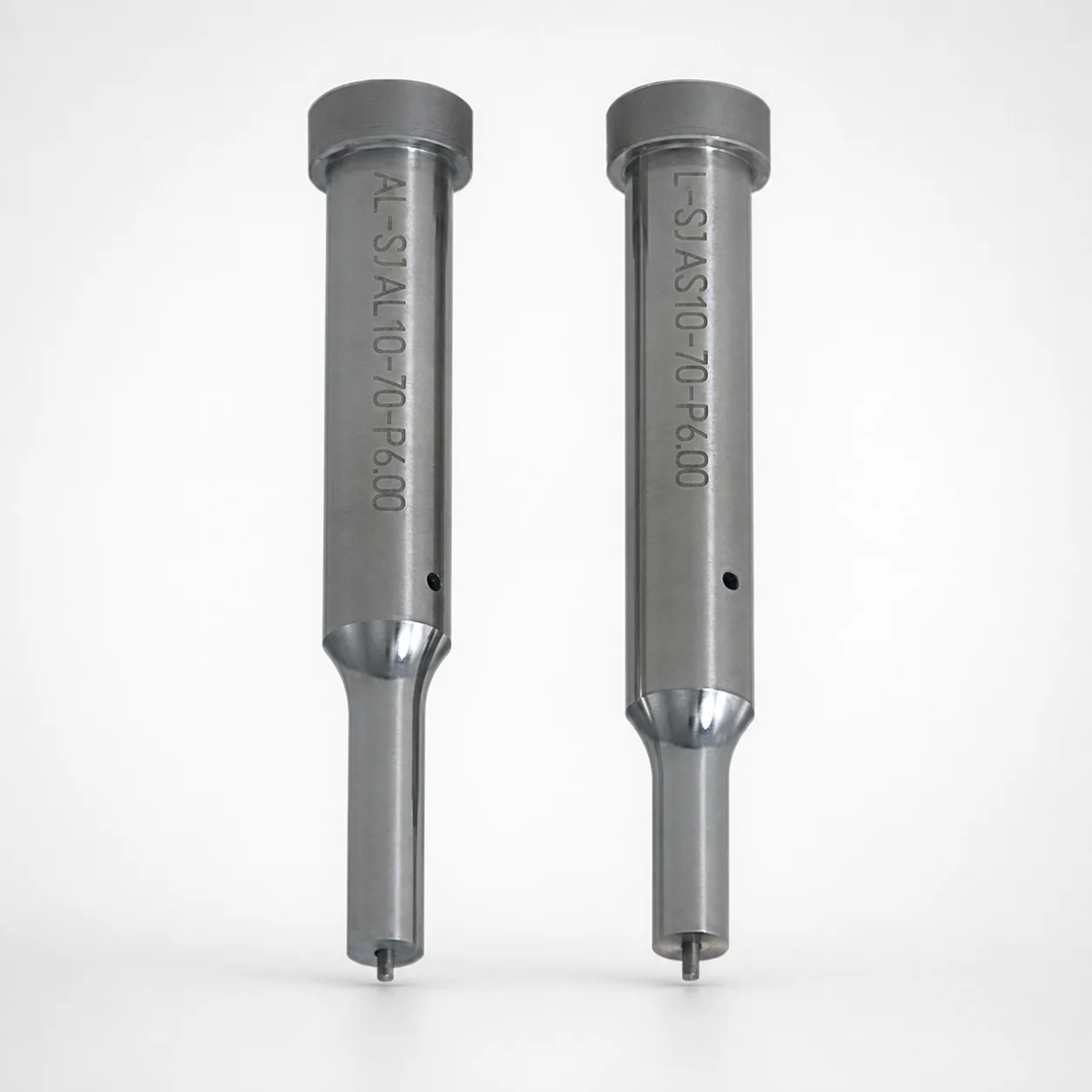
Ejector Punches Lapping Spring Reinforced
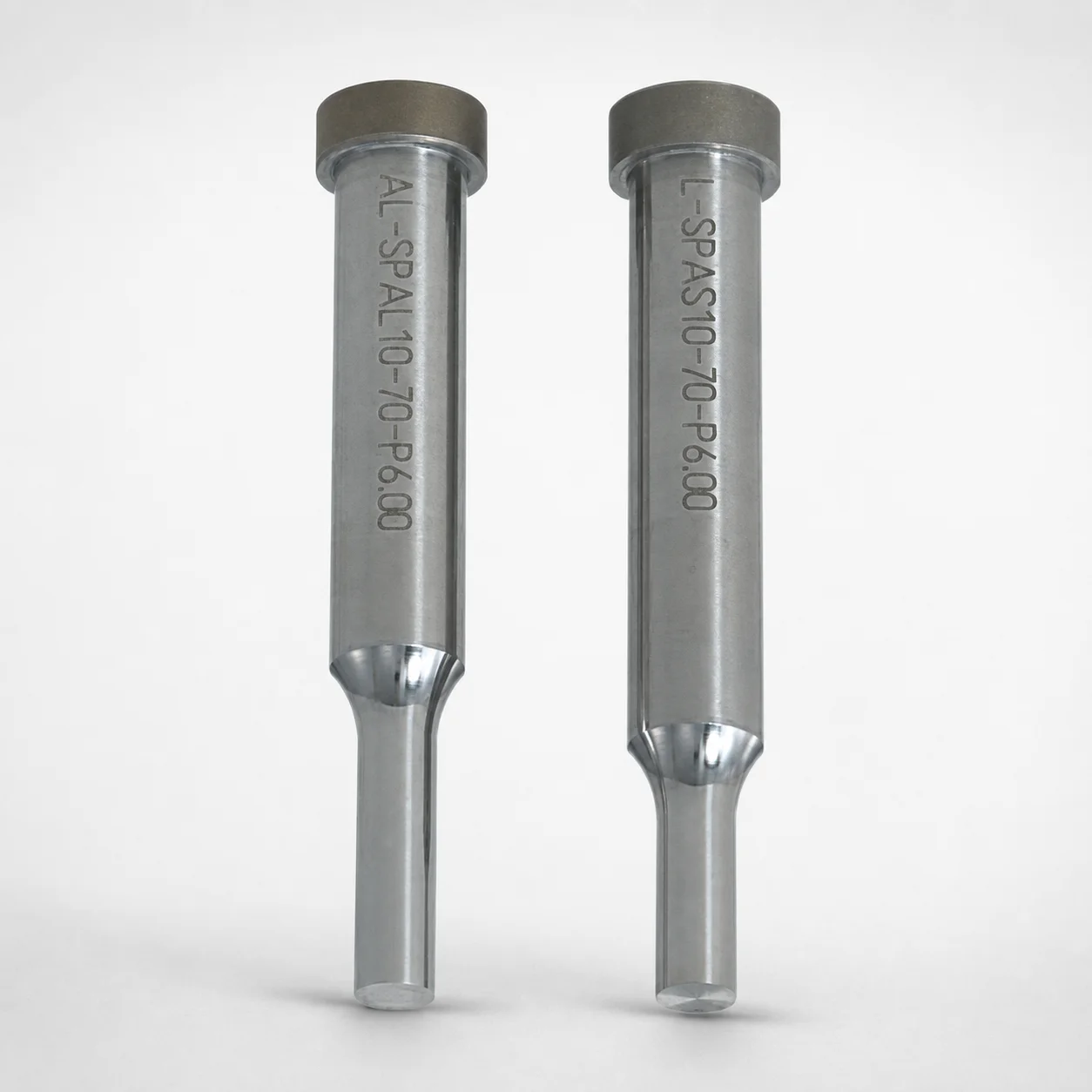
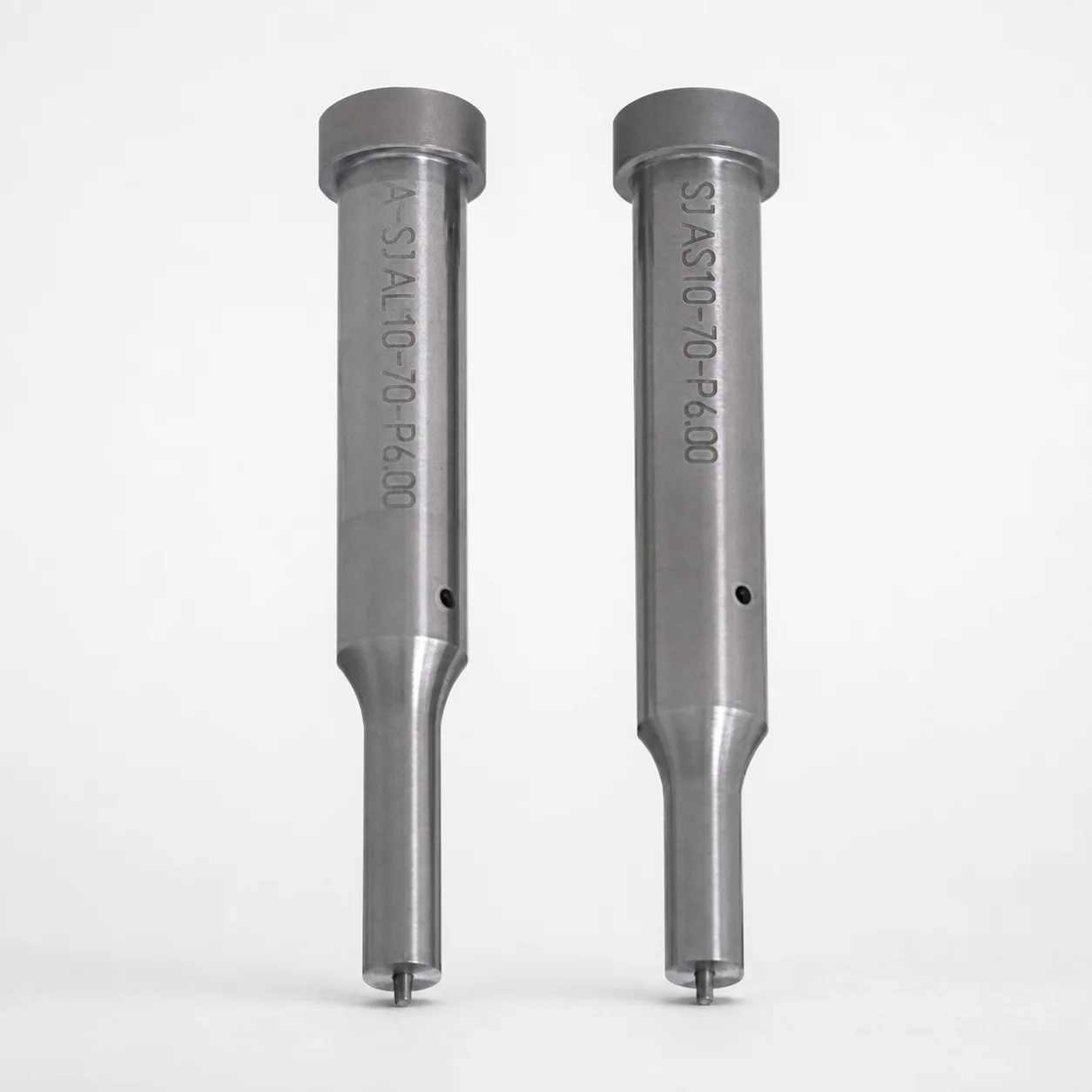
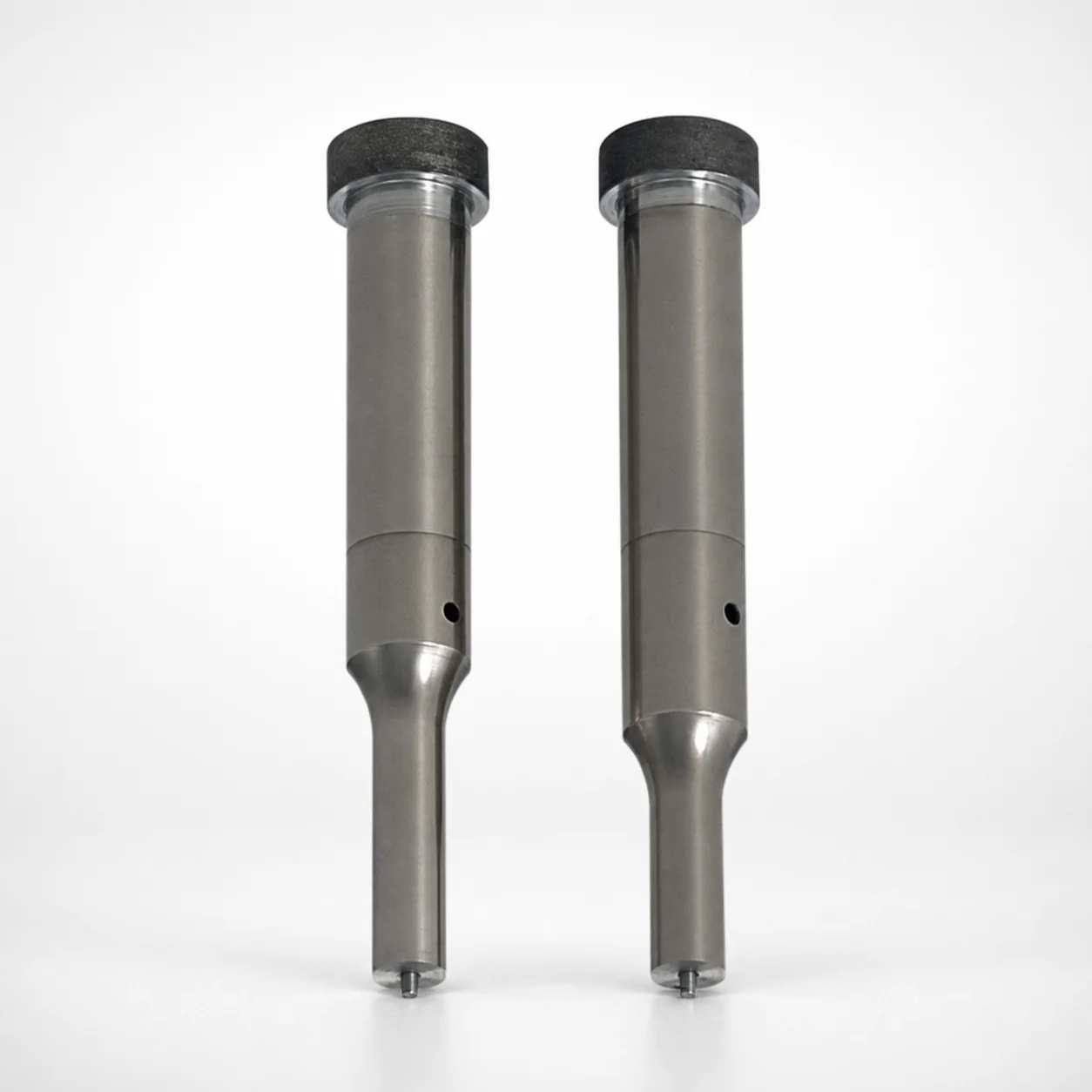
Ejector Punches Lapping Spring Reinforced are designed for stable, single-step ejection in die and punch operations, using a spring-reinforced jector pin for controlled performance. Ideal for shops seeking consistent positioning and repeatable results during lapping processes.
- Spring-reinforced jector pin supports controlled ejection stability
- Tool steel options including SKD11 (D2), SKH40, or SKH51 (M2)
- Tip varieties (round, rectangle, radius rectangle, oblong, double-flatted round) match different wear and fit needs
- Designed for lapping applications where accurate punch-to-work contact matters
Specifications
16549 configurations available
| Jector | Tip shape | Material | Shank diameter D tolerance | B (Tip length) | D (Shank diameter) (mm) | P (Tip dimension) (mm) | L (L dimension) (mm) | LC (Full length alteration) (mm) | LCT (Head thickness tolerance change + Total length alteration) (mm) | LMT (Head thickness tolerance change + Total length alteration) (mm) | PC (Tip dimension alteration) (mm) | R (Tip corner R) (mm) | W (Tip dimension) (mm) | WC (Tip dimension alteration) (mm) | type |
|---|---|---|---|---|---|---|---|---|---|---|---|---|---|---|---|
| Standard | Round | SKH40 Equivalent (Powdered High-Speed Steel) | +0.005/0 | L | 4 | 1 ~ 3.99 | 50 ~ 80 | - | - | - | - | - | - | - | - |
| Standard | Round | SKH40 Equivalent (Powdered High-Speed Steel) | +0.005/0 | L | 4 | - | 50 ~ 80 | - | - | - | 0.9 ~ 0.99 | - | - | - | - |
| Standard | Round | SKH40 Equivalent (Powdered High-Speed Steel) | +0.005/0 | L | 4 | 1 ~ 3.99 | - | 39 ~ 79.9 | - | - | - | - | - | - | - |
| Standard | Round | SKH40 Equivalent (Powdered High-Speed Steel) | +0.005/0 | L | 4 | - | - | 39 ~ 79.9 | - | - | 0.9 ~ 0.99 | - | - | - | - |
| Standard | Round | SKH40 Equivalent (Powdered High-Speed Steel) | +0.005/0 | L | 4 | 1 ~ 3.99 | - | - | 39 ~ 79.9 | - | - | - | - | - | - |
| Standard | Round | SKH40 Equivalent (Powdered High-Speed Steel) | +0.005/0 | L | 4 | - | - | - | 39 ~ 79.9 | - | 0.9 ~ 0.99 | - | - | - | - |
| Standard | Round | SKH40 Equivalent (Powdered High-Speed Steel) | +0.005/0 | L | 4 | 1 ~ 3.99 | - | - | - | 39 ~ 79.9 | - | - | - | - | - |
| Standard | Round | SKH40 Equivalent (Powdered High-Speed Steel) | +0.005/0 | L | 4 | - | - | - | - | 39 ~ 79.9 | 0.9 ~ 0.99 | - | - | - | - |
| Standard | Round | SKH40 Equivalent (Powdered High-Speed Steel) | +0.005/0 | L | 5 | 2 ~ 4.99 | 50 ~ 80 | - | - | - | - | - | - | - | - |
| Standard | Round | SKH40 Equivalent (Powdered High-Speed Steel) | +0.005/0 | L | 5 | - | 50 ~ 80 | - | - | - | - | - | - | - | - |
| Standard | Round | SKH40 Equivalent (Powdered High-Speed Steel) | +0.005/0 | L | 5 | - | 50 ~ 80 | - | - | - | 1.8 ~ 1.999 | - | - | - | - |
| Standard | Round | SKH40 Equivalent (Powdered High-Speed Steel) | +0.005/0 | L | 5 | 2 ~ 4.99 | - | 39 ~ 79.9 | - | - | - | - | - | - | - |
| Standard | Round | SKH40 Equivalent (Powdered High-Speed Steel) | +0.005/0 | L | 5 | - | - | 39 ~ 79.9 | - | - | - | - | - | - | - |
| Standard | Round | SKH40 Equivalent (Powdered High-Speed Steel) | +0.005/0 | L | 5 | - | - | 39 ~ 79.9 | - | - | 1.8 ~ 1.999 | - | - | - | - |
| Standard | Round | SKH40 Equivalent (Powdered High-Speed Steel) | +0.005/0 | L | 5 | 2 ~ 4.99 | - | - | 39 ~ 79.9 | - | - | - | - | - | - |
| Standard | Round | SKH40 Equivalent (Powdered High-Speed Steel) | +0.005/0 | L | 5 | - | - | - | 39 ~ 79.9 | - | - | - | - | - | - |
| Standard | Round | SKH40 Equivalent (Powdered High-Speed Steel) | +0.005/0 | L | 5 | - | - | - | 39 ~ 79.9 | - | 1.8 ~ 1.999 | - | - | - | - |
| Standard | Round | SKH40 Equivalent (Powdered High-Speed Steel) | +0.005/0 | L | 5 | 2 ~ 4.99 | - | - | - | 39 ~ 79.9 | - | - | - | - | - |
| Standard | Round | SKH40 Equivalent (Powdered High-Speed Steel) | +0.005/0 | L | 5 | - | - | - | - | 39 ~ 79.9 | - | - | - | - | - |
| Standard | Round | SKH40 Equivalent (Powdered High-Speed Steel) | +0.005/0 | L | 5 | - | - | - | - | 39 ~ 79.9 | 1.8 ~ 1.999 | - | - | - | - |
| Standard | Round | SKH40 Equivalent (Powdered High-Speed Steel) | +0.005/0 | L | 6 | 2 ~ 5.99 | 50 ~ 80 | - | - | - | - | - | - | - | - |
| Standard | Round | SKH40 Equivalent (Powdered High-Speed Steel) | +0.005/0 | L | 6 | - | 50 ~ 80 | - | - | - | - | - | - | - | - |
| Standard | Round | SKH40 Equivalent (Powdered High-Speed Steel) | +0.005/0 | L | 6 | - | 50 ~ 80 | - | - | - | 1.8 ~ 1.999 | - | - | - | - |
| Standard | Round | SKH40 Equivalent (Powdered High-Speed Steel) | +0.005/0 | L | 6 | 2 ~ 5.99 | - | 39 ~ 79.9 | - | - | - | - | - | - | - |
| Standard | Round | SKH40 Equivalent (Powdered High-Speed Steel) | +0.005/0 | L | 6 | - | - | 39 ~ 79.9 | - | - | - | - | - | - | - |
| Standard | Round | SKH40 Equivalent (Powdered High-Speed Steel) | +0.005/0 | L | 6 | - | - | 39 ~ 79.9 | - | - | 1.8 ~ 1.999 | - | - | - | - |
| Standard | Round | SKH40 Equivalent (Powdered High-Speed Steel) | +0.005/0 | L | 6 | 2 ~ 5.99 | - | - | 39 ~ 79.9 | - | - | - | - | - | - |
| Standard | Round | SKH40 Equivalent (Powdered High-Speed Steel) | +0.005/0 | L | 6 | - | - | - | 39 ~ 79.9 | - | - | - | - | - | - |
| Standard | Round | SKH40 Equivalent (Powdered High-Speed Steel) | +0.005/0 | L | 6 | - | - | - | 39 ~ 79.9 | - | 1.8 ~ 1.999 | - | - | - | - |
| Standard | Round | SKH40 Equivalent (Powdered High-Speed Steel) | +0.005/0 | L | 6 | 2 ~ 5.99 | - | - | - | 39 ~ 79.9 | - | - | - | - | - |
| Standard | Round | SKH40 Equivalent (Powdered High-Speed Steel) | +0.005/0 | L | 6 | - | - | - | - | 39 ~ 79.9 | - | - | - | - | - |
| Standard | Round | SKH40 Equivalent (Powdered High-Speed Steel) | +0.005/0 | L | 6 | - | - | - | - | 39 ~ 79.9 | 1.8 ~ 1.999 | - | - | - | - |
| Standard | Round | SKH40 Equivalent (Powdered High-Speed Steel) | +0.005/0 | L | 8 | 3 ~ 7.99 | 50 ~ 100 | - | - | - | - | - | - | - | - |
| Standard | Round | SKH40 Equivalent (Powdered High-Speed Steel) | +0.005/0 | L | 8 | - | 50 ~ 100 | - | - | - | - | - | - | - | - |
| Standard | Round | SKH40 Equivalent (Powdered High-Speed Steel) | +0.005/0 | L | 8 | - | 50 ~ 100 | - | - | - | 2.5 ~ 2.999 | - | - | - | - |
| Standard | Round | SKH40 Equivalent (Powdered High-Speed Steel) | +0.005/0 | L | 8 | 3 ~ 7.99 | - | 33 ~ 99.9 | - | - | - | - | - | - | - |
| Standard | Round | SKH40 Equivalent (Powdered High-Speed Steel) | +0.005/0 | L | 8 | - | - | 33 ~ 99.9 | - | - | - | - | - | - | - |
| Standard | Round | SKH40 Equivalent (Powdered High-Speed Steel) | +0.005/0 | L | 8 | - | - | 33 ~ 99.9 | - | - | 2.5 ~ 2.999 | - | - | - | - |
| Standard | Round | SKH40 Equivalent (Powdered High-Speed Steel) | +0.005/0 | L | 8 | 3 ~ 7.99 | - | - | 33 ~ 99.9 | - | - | - | - | - | - |
| Standard | Round | SKH40 Equivalent (Powdered High-Speed Steel) | +0.005/0 | L | 8 | - | - | - | 33 ~ 99.9 | - | - | - | - | - | - |
| Standard | Round | SKH40 Equivalent (Powdered High-Speed Steel) | +0.005/0 | L | 8 | - | - | - | 33 ~ 99.9 | - | 2.5 ~ 2.999 | - | - | - | - |
| Standard | Round | SKH40 Equivalent (Powdered High-Speed Steel) | +0.005/0 | L | 8 | 3 ~ 7.99 | - | - | - | 33 ~ 99.9 | - | - | - | - | - |
| Standard | Round | SKH40 Equivalent (Powdered High-Speed Steel) | +0.005/0 | L | 8 | - | - | - | - | 33 ~ 99.9 | - | - | - | - | - |
| Standard | Round | SKH40 Equivalent (Powdered High-Speed Steel) | +0.005/0 | L | 8 | - | - | - | - | 33 ~ 99.9 | 2.5 ~ 2.999 | - | - | - | - |
| Standard | Round | SKH40 Equivalent (Powdered High-Speed Steel) | +0.005/0 | L | 10 | 3 ~ 9.99 | 50 ~ 100 | - | - | - | - | - | - | - | - |
| Standard | Round | SKH40 Equivalent (Powdered High-Speed Steel) | +0.005/0 | L | 10 | - | 50 ~ 100 | - | - | - | - | - | - | - | - |
| Standard | Round | SKH40 Equivalent (Powdered High-Speed Steel) | +0.005/0 | L | 10 | - | 50 ~ 100 | - | - | - | 2.8 ~ 2.999 | - | - | - | - |
| Standard | Round | SKH40 Equivalent (Powdered High-Speed Steel) | +0.005/0 | L | 10 | 3 ~ 9.99 | - | 33 ~ 99.9 | - | - | - | - | - | - | - |
| Standard | Round | SKH40 Equivalent (Powdered High-Speed Steel) | +0.005/0 | L | 10 | - | - | 33 ~ 99.9 | - | - | - | - | - | - | - |
| Standard | Round | SKH40 Equivalent (Powdered High-Speed Steel) | +0.005/0 | L | 10 | - | - | 33 ~ 99.9 | - | - | 2.8 ~ 2.999 | - | - | - | - |
Product Guide
Application Scenarios+
This spring-reinforced ejector punch is used in injection mold tooling where stable, single-step ejection and repeatable punch-to-work contact are required—especially during operations that involve lapping.
- Die/punch lapping systems: The controlled ejection stability helps maintain consistent positioning of the workpiece, reducing variability caused by springback or uneven loading at the contact interface.
- Forming and trimming tools for thin components: Tip shapes (round, rectangle, radius rectangle, oblong, double-flatted round) allow engineers to match wear/contact patterns to the product geometry, supporting consistent forming behavior across cycles.
- High-wear die work: When used with hardened tool steel options, the punch can better withstand sliding contact and contact fatigue during repeated ejection events.
Choose this reinforced variant when the mold design needs predictable ejection force transfer and improved consistency during precision die work where accuracy at the interface matters.
Material & Process Details+
These ejector punches are available in hardened tool steel options selected for wear resistance and dimensional stability in die work.
- SKD11 (D2) equivalent: A high-carbon cold-work tool steel (D2 family) typically used where good wear resistance is needed; it offers a balance of hardness and toughness for routine tooling.
- SKH40 equivalent (powdered high-speed steel): Powder metallurgy HSS provides refined microstructure for improved wear performance and edge retention under abrasive contact.
- SKH51 (M2) equivalent: An M2-family high-speed steel (SKH51 = AISI M2 class) chosen for high hardness and wear resistance, with the typical trade-off that toughness can be lower than more ductile tool steels depending on heat treatment.
The punches are supplied in hardened states appropriate for tool use (commonly quenched and tempered for D2/SKD11; heat-treated for HSS grades). Exact hardness is not provided in the input data, so hardness confirmation should be requested for compliance with your wear and impact requirements.
Sizing & Selection Guide+
To select the correct ejector punch size, start with the shank diameter D and ensure it matches the mold guide/bushing bore. Available D range is 4 ~ 25 mm with a tolerance of +0.005/0 and m5, supporting a controlled sliding fit for the ejector system.
- Choose tip geometry: Select P (tip dimension) in the 1 ~ 18 mm range and pick the tip shape (round, rectangle, oblong, double-flatted round, radius rectangle) to suit the contact footprint and wear pattern.
- Match working length: Select L (40 ~ 80 mm) and the full length alteration (LC) in 33 ~ 90.1 mm to achieve the required stroke engagement.
- Account for head/tolerance adjustments: LCT, LMT (both listed as 33 ~ 90.1 mm) indicate permissible tolerance/length alteration based on your drawing references.
Confirm head thickness tolerance change values (LCT/LMT) and tip alteration parameters (PC 0.9 ~ 9, WC 1.8 ~ 5) so the assembled ejector height and contact pressure meet your lapping/engagement requirements.
Frequently Asked Questions
How do I choose between SKD11 (D2), SKH40, and SKH51 (M2) for lapping-related ejector punch wear?+
What tolerance should I consider for shank diameter D when sizing the ejector punch for the guide system?+
How do I match the tip dimension P and tip shape to the contact footprint during die lapping?+
Which length parameters should I use to ensure correct engagement for ejection stroke and lapping alignment?+
Are the tip corner radius and tip alteration amounts configurable, and how do they affect final contact geometry?+
Related Products
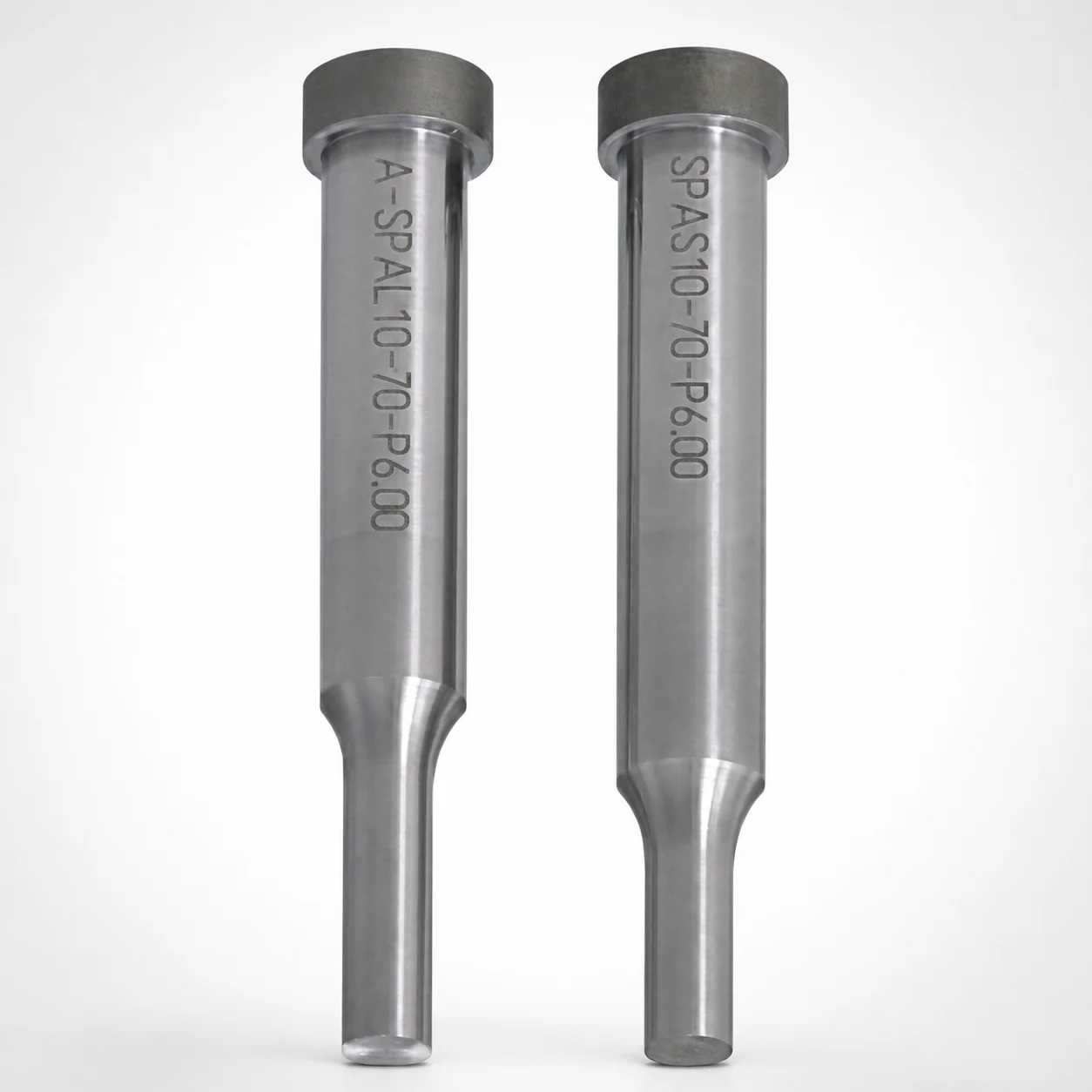
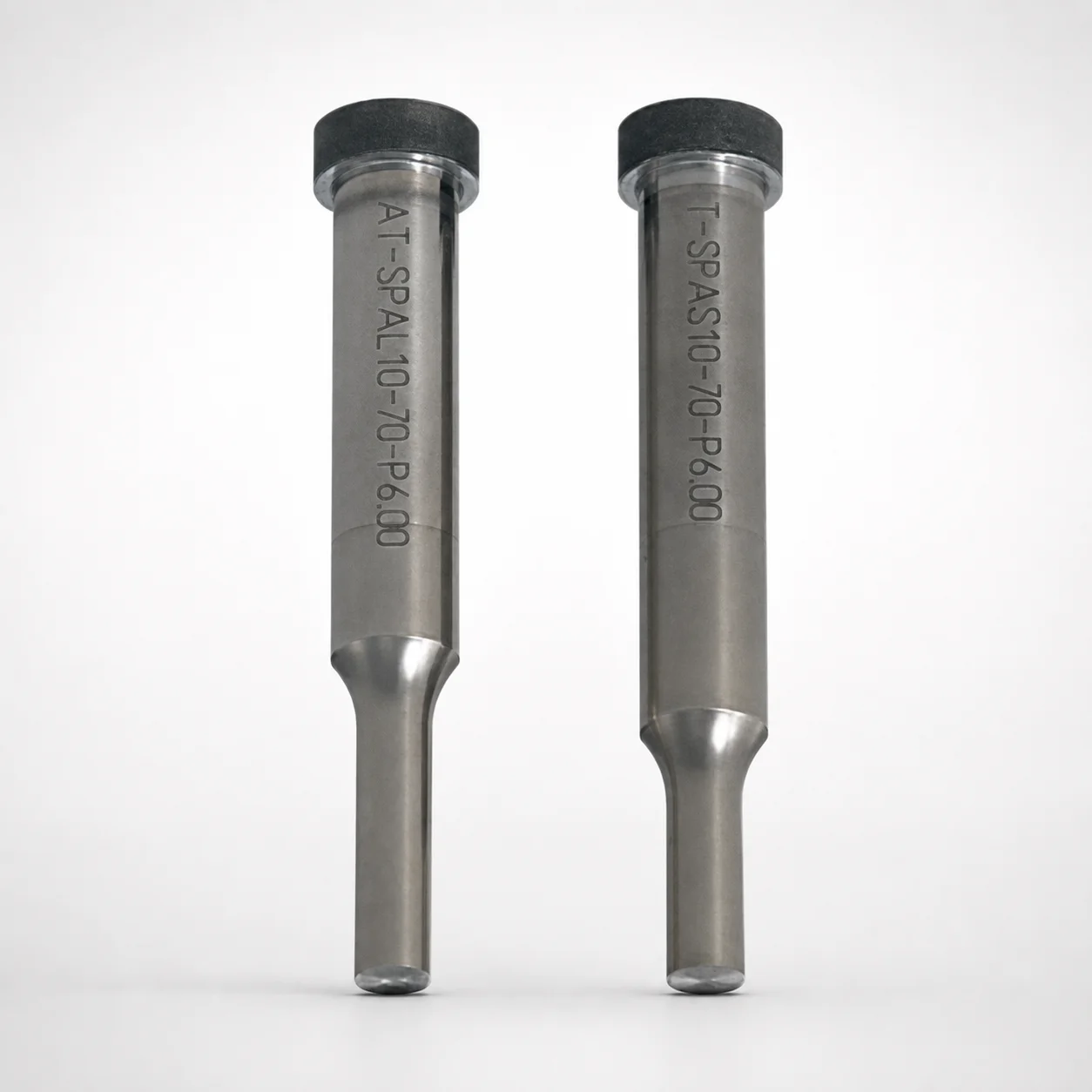
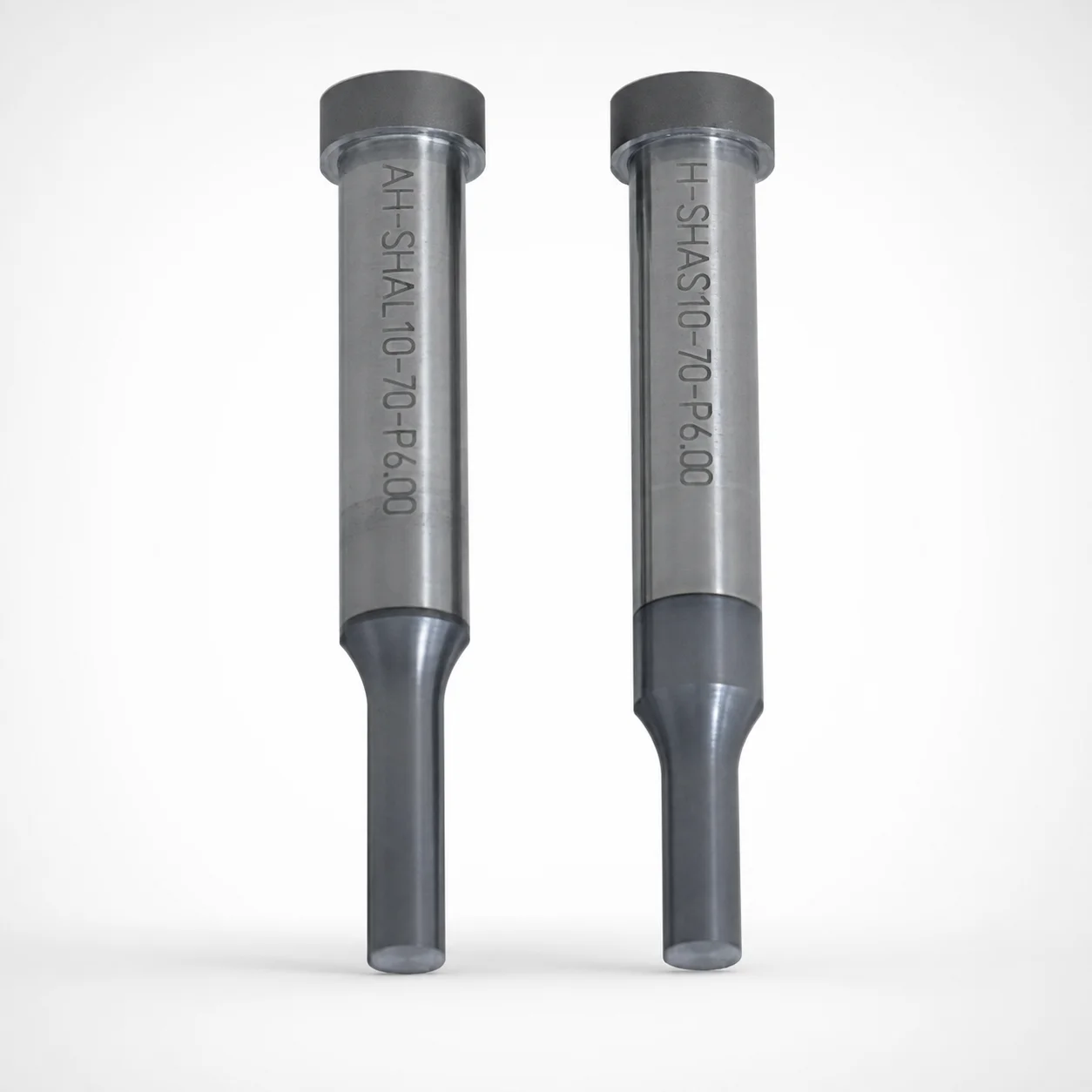
Need Custom Specifications?
Our engineering team can help with custom configurations, material selection, and volume pricing.