Ball-Lock Ejector Punches
Punches with a built-in spring-loaded ejector pin that automatically strips the slug after each stroke — eliminating slug pulling, die jams, and quality defects. Available in Heavy Duty and Light Duty ratings, inch and metric, with 14 coating options.
Ejector Punch Products (149)

Ball Lock Ejector Punches Heavy Duty Metric
Ball Lock Ejector Punches Heavy Duty Metric for robust ejection in tool & die builds. Choose M2 Steel or PS4, then request a quote.
View Details
Ball Lock Ejector Punches - Heavy Duty, Inch
Ball Lock Ejector Punches - Heavy Duty, Inch for die tooling. Built for reliable punch blanks handling using Dayton LAMINA standardized part format...
View Details
Ball Lock Ejector Punches - Light Duty, Inch
Ball Lock Ejector Punches - Light Duty, Inch from DAYTON for efficient ejection in tooling. Select M2 steel or PS4 material options. Request a quote.
View Details
JIS Standard Steel Ball Lock Ejector Punches Economy
Ball Lock Ejector Punches Economy (SKH51 equivalent steel) deliver reliable workholding for punch forming. Precision manufacturing for stable, repe...
View DetailsBall Lock Ejector Punches - Light Duty, Inch
Ball Lock Ejector Punches - Light Duty, Inch for die and mold applications. Hardened steel options and precision tip designs for reliable ejection—...
View DetailsBall Lock Ejector Punches Heavy Duty Inch XN DayTride® Coating
Ball Lock Ejector Punches Heavy Duty Inch XN DayTride® Coating for die maintenance and efficient part ejection. Hardened steel construction for rel...
View Details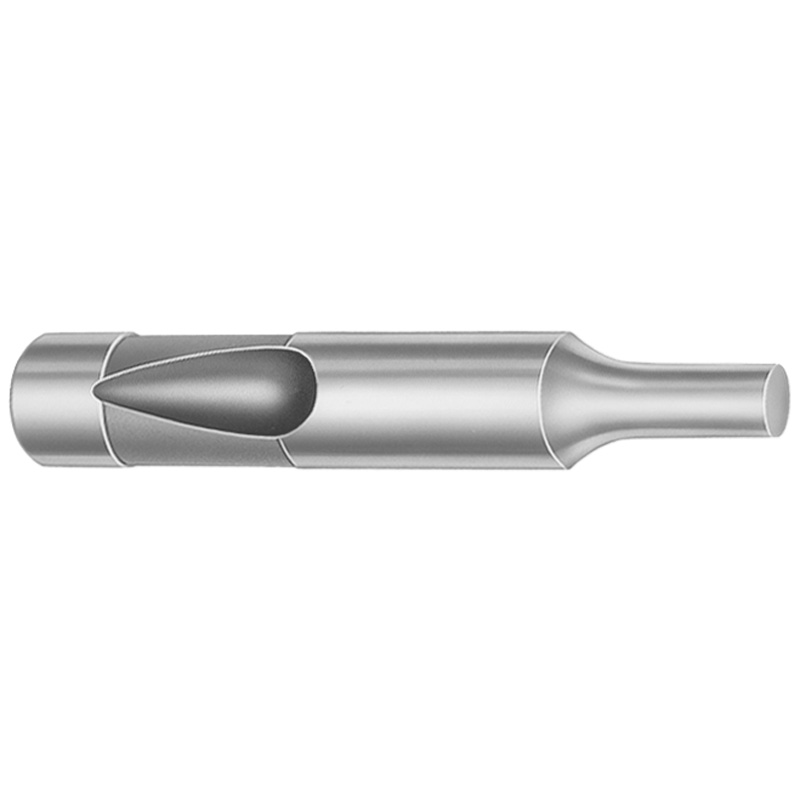
DAYTON Ball Lock Regular Ejector Punches - Heavy Duty, Inch
Ball lock regular ejector punches for heavy duty inch tooling with XNAD coating for improved wear resistance. Built for reliable punch return.
View Details
Ball Lock Ejector Punches Heavy Duty Metric Tip O
Ball Lock Ejector Punches Heavy Duty Metric Tip O for dependable blank location and ejection in tooling. Dayton engineering support—request a quote.
View Details
M2 Steel Ball Lock Ejector Punches Light Duty XVP Coating
Ball Lock Ejector Punches light duty for reliable blank ejection. Made from M2 steel with XVP coating to improve wear resistance—request a quote.
View DetailsM2 Steel Ball Lock Ejector Punches (Heavy Duty, Metric)
Ball Lock Ejector Punches (Heavy Duty, Metric) (M2 steel) for punch-point release in press tooling. CRN coating options for wear resistance—request...
View Details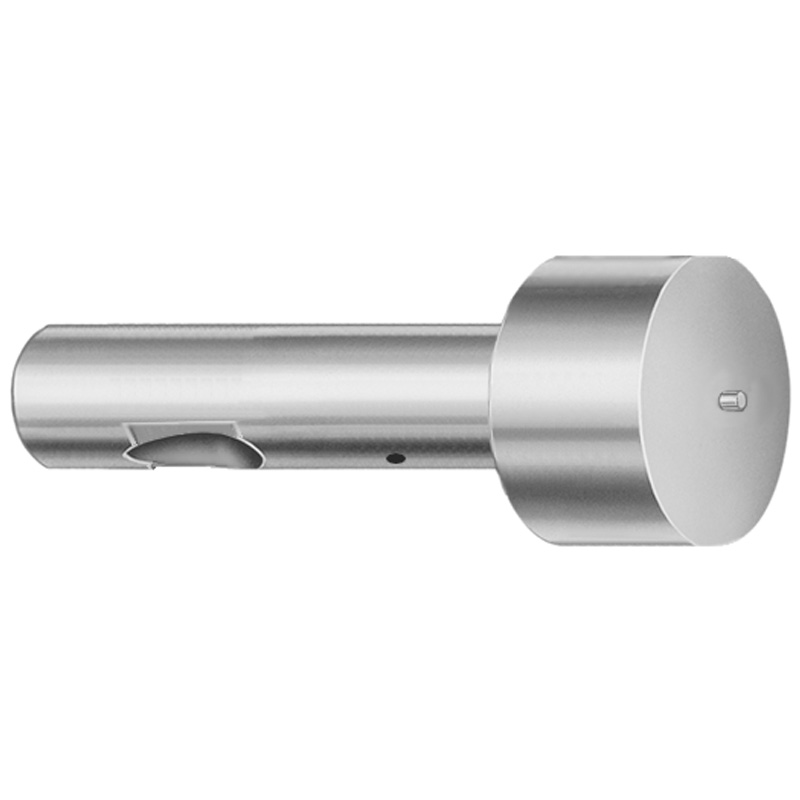
Ball Lock Ejector Punches - Light Duty, Inch X Tip Shape
Ball Lock Ejector Punches - Light Duty, Inch X Tip Shape for mold cores. Choose M2 or A2 hardened steel for stable ejection accuracy. Request a quote.
View Details
D2 Steel Ball Lock Ejector Punches - Light Load, Economy
Ball Lock Ejector Punches - Light Load, Economy (D2 steel equivalent) for simple blank ejection. Built for stable positioning and long tool life. R...
View DetailsM2 Steel Ball Lock Ejector Punches - Light Duty
M2 steel Ball Lock Ejector Punches for light-duty tooling using XCN coating. Ball lock retention supports consistent ejection accuracy. Get a quote.
View Details
Ball Lock Ejector Punches Heavy Duty Inch
Ball Lock Ejector Punches Heavy Duty Inch for punch tooling. Choose M2 or A2 steel blanks for reliable positioning and repeatable ejection. Request...
View DetailsBall Lock Ejector Punches - Heavy Duty, Inch (XCN Coating)
Ball lock ejector punches for heavy duty inch molds. XCN coating supports wear resistance in toolmaking and production. Request a quote.
View DetailsBall Lock Ejector Punches - Light Duty, Inch, XVP Coating
Ball Lock Ejector Punches - Light Duty, Inch, XVP Coating for die makers and mold shops. Ball-lock tip design supports controlled ejection. Contact...
View Details
Metric Ball Lock Ejector Punches Heavy Duty Tip O
Metric Ball Lock Ejector Punches Heavy Duty with Tip O geometry from DAYTON. Supports efficient blanking and die set tooling—request a quote today.
View DetailsM2 Steel Ball Lock Ejector Punches - Heavy Duty
Ball Lock Ejector Punches Heavy Duty with XNAD coating for stable part ejection. Made from M2 steel for wear resistance in metric die applications....
View Details
M2 Steel Ball Lock Regular Ejector Punches
Ball Lock Regular Ejector Punches (M2 steel) for light-duty die work, offering consistent fit and stable ejection. DAYTON engineering support—reque...
View DetailsBall Lock Ejector Punches Light Duty X-Shape
Ball Lock Ejector Punches Light Duty X-Shape for metric tooling. Uses M2 or PS4 steel with durable point geometry for reliable ejection. Request a ...
View Details
DIN Standard D2 Steel Ball Lock Ejector Punches - Light Load Wrench Flat
Ball Lock Ejector Punches - Light Load Wrench Flat made from D2 steel for reliable blank location. Ideal for die and mold assembly. Request a quote.
View Details
SKH51 Steel Equivalent Ball Lock Ejector Punches Heavy Load
Ball Lock Ejector Punches Heavy Load built from SKH51 steel equivalent and TiCN coating for stable punch performance. Request a quote.
View Details
JIS Standard SKH51 Equivalent M2 Ball Lock Ejector Punches with Wrench Flat
M2 Ball Lock Ejector Punches with wrench flat and HW coating for heavy-load die casting and mold assembly. Stable locking and wear resistance—reque...
View Details
HW-Coated Ball Lock Ejector Punches - Heavy Load (SKH51 Steel)
HW-coated Ball Lock Ejector Punches - Heavy Load (SKH51 steel) for efficient part ejection. Built for wear resistance and long die life. Contact us.
View DetailsJIS Standard M2 Steel Ball Lock Ejector Punches
Ball Lock Ejector Punches (M2 Steel) for heavy-duty punching work. XNAP coating helps resist wear while maintaining stable part ejection. Request a...
View Details
M2 Steel Ball Lock Ejector Punches Wrench Flat
M2 Steel Ball Lock Ejector Punches with Wrench Flat provide heavy-load punch guidance for stable ejection. Durable, heat-treated steel for quoting ...
View Details
M2 Steel Ball Lock Ejector Punches Light Duty Tip O
Ball lock ejector punches for light duty (M2 steel) with Tip O shape provide stable locating for reliable blanking. Contact Dayton Lamina for quotes.
View DetailsJIS Standard M2 Steel Ball Lock Ejector Punches
Ball Lock Ejector Punches (M2 steel) with X shape tip for heavy-duty metric die work. XCD coating improves wear resistance; request a quote.
View DetailsInch Heavy-Duty Ball Lock Ejector Punches X-Shape Point
Inch heavy-duty ball lock ejector punches with X-shape point for secure retention in die sets. M2 or PS4 steel options—request a quote.
View DetailsBall Lock Ejector Punches Light Duty Inch X-Shape XCD Coating
Ball Lock Ejector Punches Light Duty Inch X-Shape XCD Coating for precise blanking work. Durable XCD coating and drilled shank support stable index...
View DetailsBall Lock Ejector Punches - Light Duty, Inch XN DayTride Coating
Ball Lock Ejector Punches - Light Duty, Inch with XN DayTride coating for smooth blanking and consistent ejection. DAYTON LAMINA standardized.
View DetailsBall Lock Ejector Punches - Light Duty, Inch, XNM Coating
Ball Lock Ejector Punches - Light Duty, Inch, XNM Coating for efficient die ejection. (M2 steel or PS4) supported designs for reliable tooling perf...
View Details
Ball Lock Regular Ejector Punches - Light Duty
Ball Lock Regular Ejector Punches - Light Duty for inch tooling. XNT DayTiN® coating supports wear resistance for consistent punch performance. Con...
View DetailsM2 Steel Ball Lock Ejector Punches - Light Duty Metric CRN Coating
M2 Steel Ball Lock Ejector Punches - Light Duty Metric CRN Coating for precise light-duty ejection. CRN coating resists wear for longer tool life. ...
View DetailsBall Lock Ejector Punches Heavy Duty Inch X-Shaped Tip
Ball Lock Ejector Punches Heavy Duty Inch X-Shaped Tip for precision blanking. Durable construction and controlled point geometry for reliable ejec...
View DetailsM2 Steel Ball Lock Ejector Punches Light Duty XCD Coating
Ball Lock Ejector Punches Light Duty XCD coating for reliable ejection in metal forming. M2 steel construction with durable surface protection. Req...
View DetailsM2 Steel Ball Lock Ejector Punches Light Duty XAN DayTAN™ Coating
M2 Steel Ball Lock Ejector Punches Light Duty with XAN DayTAN™ coating for reliable ball-lock ejection in tooling. Contact Dayton for solutions.
View DetailsM2 Steel Ball Lock Ejector Punches Light Duty Metric
Ball Lock Ejector Punches Light Duty Metric are made for reliable blanking and part ejection. (M2) hardened steel improves wear resistance—request ...
View DetailsMetric Ball Lock Ejector Punches - Heavy Duty, XAN DayTAN™ Coating
Metric Ball Lock Ejector Punches - Heavy Duty with XAN DayTAN™ coating for ball lock applications. Built for wear resistance, stable forming, and d...
View DetailsM2 Steel Ball Lock Ejector Punches - Light Duty
Ball Lock Ejector Punches - Light Duty with M2 steel for metric die work. Consistent ball-lock geometry for stable blanking and ejection.
View Details
M2 Steel Ball Lock Regular Ejector Punches - Heavy Duty
M2 Steel Ball Lock Regular Ejector Punches - Heavy Duty deliver reliable ball-lock ejection for metric dies. Built for wear resistance and repeatab...
View DetailsLight Duty XCDP Coated Ball Lock Ejector Punches
Light Duty XCDP coated Ball Lock Ejector Punches for precise cavity forming. Designed for efficient die work with robust point geometry. Request a ...
View Details
Ball Lock Ejector Punches Light Duty Metric XNAP Coating
Ball Lock Ejector Punches Light Duty Metric XNAP Coating for precise mold ejection and alignment. Ideal for tooling jobs—request a quote.
View DetailsDAYTON XCDP Coating Ball Lock Ejector Punches Heavy Duty
DAYTON XCDP coated ball lock ejector punches heavy duty for efficient part ejection. Robust construction for die inserts and toolroom use—request a...
View DetailsM2 Steel Ball Lock Regular Ejector Punches
M2 Steel Ball Lock Regular Ejector Punches (Light Duty) for precision die tooling. Standardized punch design supports reliable cavity finishing. Re...
View Details
SKD11 Steel Ball Lock Ejector Punches - Light Load, Wrench Flat
Ball Lock Ejector Punches - Light Load, Wrench Flat from SKD11 steel for smooth blank ejection. Shoulder with wrench-flat grip reduces wear. Get a ...
View Details
M2 Steel Ball Lock Ejector Punches Wrench Flat
M2 Steel Ball Lock Ejector Punches with wrench flat and TiCN coating for heavy-load molding. Resistant to wear, stable fit, and easy installation. ...
View Details
SKH51 Steel Ball Lock Ejector Punches - Heavy Load, Wrench Flat
Ball Lock Ejector Punches - Heavy Load with wrench flat for reliable extraction. SKH51 steel and HW coating enhance wear resistance for long runs. ...
View DetailsBall Lock Ejector Punches - Heavy Duty, Metric, XNA Coating
Ball Lock Ejector Punches - Heavy Duty, Metric, XNA Coating for precise ejection in tooling. Built for durability in die and mold work—request a qu...
View Details
SKH51 Equivalent Ball Lock Ejector Punches - Heavy Load, Wrench Flat
Ball Lock Ejector Punches - Heavy Load with wrench flat for stable, tool-safe handling. SKH51 equivalent material supports durable die performance—...
View DetailsM2 Steel Ball Lock Regular Ejector Punches - Light Duty
Ball Lock Regular Ejector Punches - Light Duty (M2 Steel). Selectable X/R/K/O/H/L/J/N/V/Z tips and wear-focused design for tool-and-die work. Reque...
View DetailsBall Lock Ejector Punches Heavy Duty XNT DayTiN® Coating
Ball Lock Ejector Punches Heavy Duty with XNT DayTiN® coating for reliable part release in press dies. Durable tool steel construction for long life.
View DetailsBall Lock Regular Ejector Punches XCN Coating
Ball Lock Regular Ejector Punches with XCN coating for heavy duty, metric tooling. Designed for repeatable forming and reliable punch performance.
View DetailsBall Lock Ejector Punches Heavy Duty XCN Coating
Ball Lock Ejector Punches Heavy Duty with XCN coating support stable blank ejection in metric tooling. DAYTON M2 steel options help resist wear. Re...
View DetailsBall Lock Regular Ejector Punches - Heavy Duty X-Shaped Tip
Ball Lock Regular Ejector Punches - Heavy Duty X-Shaped Tip for die tooling. M2 or PS4 steel construction supports reliable ball-lock ejection. Req...
View DetailsMetric Ball Lock Ejector Punches - Heavy Duty
Metric Ball Lock Ejector Punches - Heavy Duty for precision die work. XNT DayTiN® coating supports wear resistance, consistent blanking performance...
View DetailsM2 Steel Ball Lock Ejector Punches Light Duty
Ball Lock Ejector Punches Light Duty (M2 steel) for reliable blank ejection in tooling. Supports XNT DayTiN coating options—request a quote.
View DetailsSteel Ball Lock Ejector Punches - Light Duty
Ball Lock Ejector Punches - Light Duty for die and mold work. Steel construction with selectable tip shapes for reliable part ejection. Order-ready...
View DetailsM2 Steel Ball Lock Ejector Punches Light Duty
M2 Steel Ball Lock Ejector Punches Light Duty for metric die applications. Ball lock design improves retention and ejection control for reliable cy...
View DetailsBall Lock Regular Ejector Punches Light Duty X Tip
Ball Lock Regular Ejector Punches Light Duty X tip for metric toolmaking. Options include M2 steel or PS4 grade materials. Request a quote.
View DetailsM2 Steel Ball Lock Regular Ejector Punches
Ball Lock Regular Ejector Punches (Light Duty) with XNA coating for metric tooling. Built in M2 steel to support accurate punching and long wear li...
View DetailsBall Lock Ejector Punches Heavy Duty Inch XNA Coating
Ball Lock Ejector Punches Heavy Duty Inch with XNA coating for wear resistance in tooling. Ideal for progressive dies. DAYTON for reliable supply. ...
View DetailsBall Lock Ejector Punches - Heavy Duty, Inch
Ball Lock Ejector Punches - Heavy Duty, Inch with XAN DayTAN coating for stable punch performance. Request a quote for your die work.
View DetailsBall Lock Ejector Punches Light Duty Inch XAN DayTAN™ Coating
Ball Lock Ejector Punches Light Duty Inch with XAN DayTAN™ coating from Dayton. Ball-lock retention for stable ejection in die casting and molding....
View DetailsBall Lock Ejector Punches - Light Duty, Inch
Ball Lock Ejector Punches - Light Duty, Inch for efficient part ejection. Built with robust CRN coating and engineered for dependable die performan...
View DetailsBall Lock Ejector Punches Heavy Duty Inch X-Shaped Tip
Ball Lock Ejector Punches Heavy Duty Inch X-Shaped Tip for die casting and molding. M2 steel or PS4 options with XNAP coating support. Request a qu...
View DetailsBall Lock Ejector Punches Heavy Duty Inch
Ball Lock Ejector Punches Heavy Duty Inch by Dayton for efficient part ejection. CRN coating helps reduce wear in tooling applications. Request a q...
View DetailsBall Lock Ejector Punches Light Duty Inch XNAD Coating
Ball Lock Ejector Punches Light Duty Inch XNAD Coating for precise die casting and stamping. Built for reliable ejection—contact DAYTON.
View DetailsBall Lock Ejector Punches - Heavy Duty Inch X-Shaped Tip
Ball Lock Ejector Punches - Heavy Duty Inch X-Shaped Tip for press tooling. Hardened steel builds long service life in punch & die assemblies.
View DetailsInch Ball Lock Ejector Punches - Light Duty, XNA Coated
Ball Lock Ejector Punches - Light Duty, Inch with XNA coating help maintain stable punch performance in production. Dayton Lamina supply, request a...
View DetailsBall Lock Ejector Punches - Light Duty, Inch, XNAP Coating
Ball Lock Ejector Punches - Light Duty, Inch, XNAP Coating for efficient stripping in injection and die casting. DAYTON durability—request a quote.
View DetailsBall Lock Ejector Punches - Light Duty, Inch
Ball Lock Ejector Punches (XCDP coating) for light duty inch molds deliver stable punch performance with wear-resistant surfaces. Request a quote.
View DetailsBall Lock Ejector Punches Heavy Duty Inch X-Shaped Tip
Ball Lock Ejector Punches Heavy Duty Inch X-Shaped Tip. Choose M2 or PS4 hardened steel for stable punch performance in die and mold operations. Re...
View Details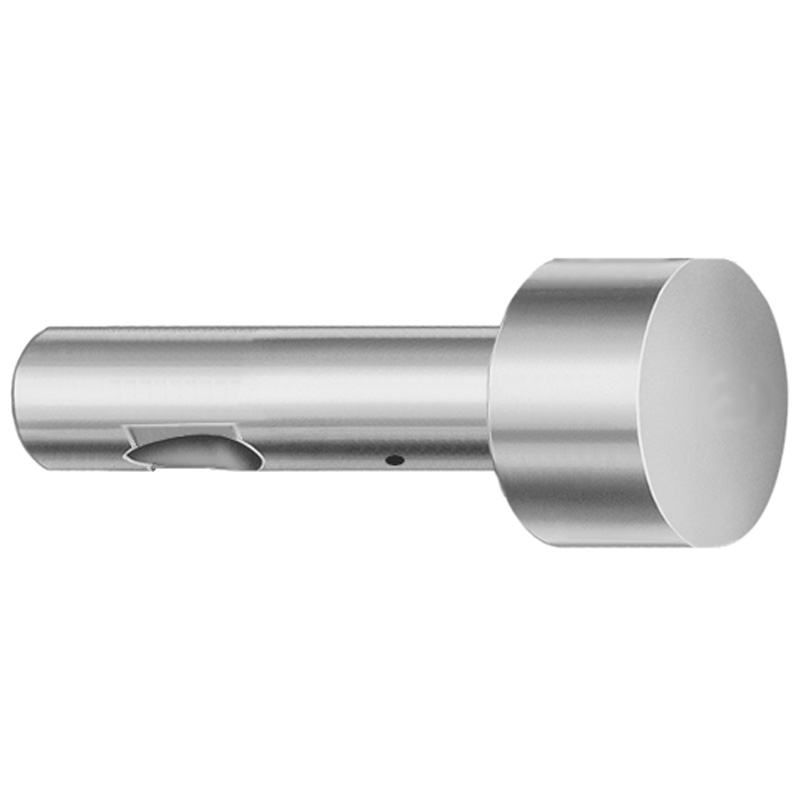
Ball Lock Ejector Punches Light Duty, Inch, XNA Coating
Ball Lock Ejector Punches Light Duty, Inch, XNA Coating for precision mold ejection. Uses standardized Dayton/Lamina part format. Request a quote.
View DetailsDAYTON Standard Ball Lock Regular Ejector Punches Heavy Duty, X-Shaped Tip
Ball lock regular ejector punches heavy duty with an X-shaped tip for reliable part ejection. Engineered with hardened steel options for consistent...
View DetailsInch Dayton XNAD Coated Ball Lock Ejector Punches - Light Duty
Ball lock ejector punches (XNAD coating) for light-duty inch molds. Reliable locking action, stable fit, and wear-resistant surface—request a quote.
View DetailsBall Lock Regular Ejector Punches Heavy Duty, Inch, XNP Coating
Ball Lock Regular Ejector Punches Heavy Duty, Inch, XNP coating for efficient ejector action in tool & die work. Choose durable materials and get r...
View DetailsM2 Steel Ball Lock Ejector Punches Heavy Duty
M2 steel Ball Lock ejector punches for heavy duty die applications with XNM coating. Ball-lock tip design supports stable workpiece ejection. Reque...
View DetailsM2 Steel Ball Lock Ejector Punches Heavy Duty
M2 Steel Ball Lock Ejector Punches Heavy Duty with XVP coating for reliable blanking. Supports metric toolmaking and long service life. Request a q...
View DetailsBall Lock Ejector Punches - Heavy Duty, Inch, XCD Coating
Ball Lock Ejector Punches - Heavy Duty, Inch, XCD Coating for robust punch-and-eject tooling. Designed for long wear and stable positioning. Reques...
View DetailsBall Lock Ejector Punches - Light Duty Metric XCDP Coating
Ball Lock Ejector Punches - Light Duty Metric XCDP Coating for accurate blank positioning in tooling. Built for long wear. Request a quote.
View DetailsBall Lock Ejector Punches Heavy Duty, Inch X-Shaped Tip
Ball Lock Ejector Punches Heavy Duty, Inch with an X-shaped tip provide reliable ball-lock retention for die operations. DAYTON build for durability.
View DetailsBall Lock Ejector Punches - Heavy Duty, Inch, XNP Coating
Ball Lock Ejector Punches - Heavy Duty, Inch, XNP Coating for punch and die assemblies. Inch format with wear-resistant coating for reliable produc...
View DetailsBall Lock Ejector Punches Heavy Duty Metric
Ball Lock Ejector Punches Heavy Duty Metric for die applications, with XN DayTride coating for improved wear resistance. Reliable Dayton manufactur...
View DetailsDIN Standard Ball Lock Ejector Punches Heavy Duty CRN Coating
Ball Lock Ejector Punches Heavy Duty with CRN Coating for stable part ejection. Metric punch body supports die maintenance and long service life. G...
View DetailsBall Lock Ejector Punches - Heavy Duty, Metric, XNAD Coating
Ball Lock Ejector Punches - Heavy Duty, Metric, XNAD Coating for die assemblies needing controlled stripping and repeatable positioning. Get engine...
View DetailsMetric Ball Lock Ejector Punches Heavy Duty XNAP Coating
Metric Ball Lock Ejector Punches Heavy Duty XNAP Coating for reliable ejection in metal forming. Dayton engineering supports stable punch performan...
View DetailsBall Lock Ejector Punches - Light Duty, Inch
Ball Lock Ejector Punches - Light Duty, Inch (XCN coating) provide stable ball-lock retention for die ejection. Dayton build quality—request a quote.
View DetailsBall Lock Ejector Punches Heavy Duty (XNAP Coating)
Ball Lock Ejector Punches Heavy Duty with XNAP Coating for reliable mold ejection. Metric heavy-duty punch design for longer tool life—request a qu...
View DetailsBall Lock Ejector Punches - Light Duty, Inch, XNM Coating
Ball Lock Ejector Punches - Light Duty, Inch, XNM Coating (DAYTON). For tool & die applications needing reliable ball-lock retention—order today.
View DetailsMetric Ball Lock Ejector Punches Heavy Duty XNP Coating
Metric Ball Lock Ejector Punches Heavy Duty with XNP coating for stable ball-lock ejection. Engineered for punch press tooling and reliable product...
View DetailsBall Lock Ejector Punches - Light Duty Metric
Ball Lock Ejector Punches - Light Duty Metric (XNP coating) deliver stable ball locking for light-duty die applications. Contact Dayton LAMINA for ...
View DetailsBall Lock Ejector Punches Light Duty XNM Coating X-Shaped Tip
Ball Lock Ejector Punches Light Duty with XNM coating support stable part ejection. Metric punch design helps tooling alignment—request a quote.
View DetailsBall Lock Ejector Punches Light Duty XNM Coated X-Shaped Tip
Ball Lock Ejector Punches Light Duty feature a point larger than shank geometry with XNM coating. Metric, engineered for stable ejection. Request a...
View DetailsSteel X-Tip Ball Lock Ejector Punches Light Duty Metric
Ball Lock Ejector Punches Light Duty Metric with X-shaped tip (XN DayTride® coating). Designed for stable ejection and longer tool life. Request a ...
View DetailsBall Lock Ejector Punches - Light Duty, Metric, XNAD Coating
Ball Lock Ejector Punches - Light Duty, Metric, XNAD Coating for die sets. Durable wear resistance for reliable ejection in production. Request a q...
View DetailsBall Lock Ejector Punches - Heavy Duty (M2 Steel)
Ball Lock Ejector Punches - Heavy Duty with (M2 steel) construction for robust die setups. Suitable for metric tooling—request a quote.
View DetailsM2 Steel Ball Lock Regular Ejector Punches XNM Coating X-Shaped Tip
Ball Lock Regular Ejector Punches XNM Coating with X-shaped tip (M2 steel) for precise blank ejection. Metric light duty punches from Dayton Lamina.
View Details
Ball Lock Ejector Punches - Heavy Load Economy (SKH51 Steel)
Ball Lock Ejector Punches - Heavy Load Economy (SKH51 Steel) for precise ejection in mold assemblies. Durable shoulder design and round/flat tips. ...
View DetailsM2 Steel Ball Lock Regular Ejector Punches
Ball Lock Regular Ejector Punches use an X-shaped tip for light-duty die work. (M2 steel) supports wear resistance for consistent part ejection. Re...
View Details
M2 Steel Ball Lock Ejector Punches - Heavy Load
M2 Steel Ball Lock Ejector Punches - Heavy Load with TiCN (XCN) coating for improved wear resistance. Built for secure blank ejection. Request a qu...
View Details
Steel TiCN Coated Ball Lock Ejector Punches - Heavy Load, Wrench Flat
Ball Lock Ejector Punches - Heavy Load with wrench flat, TiCN coated steel for wear resistance. Supports precise ejection in mold assemblies. Reque...
View DetailsM2 Steel Ball Lock Regular Ejector Punches - X Tip
M2 Steel Ball Lock Regular Ejector Punches with an X tip for reliable ball lock performance. Suitable for heavy-duty metric tooling applications. R...
View DetailsMetric Ball Lock Ejector Punches Heavy Duty XCN Coating
Ball Lock ejector punches for heavy-duty metric applications with XCN coating. Standardized pin geometry for tooling compatibility, request a quote.
View Details
M2 Steel Ball Lock Ejector Punches
M2 Steel Ball Lock Ejector Punches with HW coating for heavy-load tool applications. Designed for stable blanking performance—request a quote.
View DetailsBall Lock Regular Ejector Punches Heavy Duty XNAP Coating
Ball Lock Regular Ejector Punches Heavy Duty XNAP Coating for die and mold assembly. Metric sizes support precise ejection; Dayton industrial parts...
View DetailsM2 Steel Ball Lock Ejector Punches - Light Duty, Inch XNT DayTiN® Coating
M2 Steel Ball Lock Ejector Punches - Light Duty, Inch with XNT DayTiN® coating for wear resistance. Built for toolmakers—Request a quote.
View DetailsBall Lock Ejector Punches Heavy Duty, Inch XCD Coating
Ball Lock Ejector Punches Heavy Duty for inch molds with XCD coating. Designed for reliable material ejection and long wear life in production. Req...
View DetailsM2 Steel Ball Lock Ejector Punches Heavy Duty (Inch)
M2 steel Ball Lock Ejector Punches heavy duty for inch molds. XCD coating supports wear resistance in punching and forming. Request a quote.
View DetailsBall Lock Ejector Punches Heavy Duty Inch XNP Coating
Ball Lock Ejector Punches Heavy Duty Inch XNP Coating for reliable punch ejection in tooling. DAYTON LAMINA support with durable hardened steel. Re...
View Details
Ball Lock Ejector Punches - Heavy Duty, Inch X-Shaped Tip
Ball Lock Ejector Punches - Heavy Duty, Inch X-Shaped Tip deliver reliable ejection for toolmaking. Ball-lock punch design supports stable position...
View DetailsDAYTON XNP Coated Ball Lock Ejector Punches - Heavy Duty, Inch
Ball Lock Ejector Punches - Heavy Duty, Inch with XNP coating for improved wear resistance. Multiple tip shapes available to fit mold systems. Requ...
View DetailsCRN Coating Ball Lock Ejector Punches Heavy Duty, Inch
Ball Lock Ejector Punches Heavy Duty in Inch with CRN coating for wear resistance. Suitable for punch and die assemblies—request a quote.
View DetailsBall Lock Regular Ejector Punches Heavy Duty Inch
Ball Lock Regular Ejector Punches Heavy Duty Inch with XAN DayTAN™ coating for reliable ejection in toolmaking. Heavy-duty fit, ask for a quote.
View DetailsBall Lock Ejector Punches - Light Duty Inch XCN Coating
Ball Lock Ejector Punches - Light Duty Inch XCN Coating deliver stable ball lock retention and controlled ejection for tooling use. Order now.
View DetailsInch Ball Lock Ejector Punches - Heavy Duty
Inch Ball Lock Ejector Punches for heavy-duty die work, XNM coated for improved wear resistance. Built for reliable punch performance. Get a quote.
View DetailsBall Lock Ejector Punches - Light Duty, Inch, XCDP Coating
Ball Lock Ejector Punches - Light Duty, Inch, XCDP Coating for die tooling. Select tip shapes and shank diameters; durable finish for stable blanki...
View DetailsBall Lock Ejector Punches - Light Duty, Inch
Ball Lock Ejector Punches - Light Duty, Inch feature XVP coating for improved wear resistance and smooth ejection. Ideal for compact die sets. Requ...
View DetailsBall Lock Ejector Punches - Light Duty, Inch (XNAP Coating)
Ball Lock Ejector Punches - Light Duty, Inch with XNAP coating for stable ejection in tool and die builds. Dayton Lamina processing for reliable pe...
View DetailsBall Lock Regular Ejector Punches - Light Duty (Inch)
Ball Lock Regular Ejector Punches for light-duty inch tooling, supplied by DAYTON with XCDP coating and selectable tip designs. Request a quote.
View DetailsM2 Steel Ball Lock Ejector Punches Heavy Duty XCDP Coating
M2 steel Ball Lock Ejector Punches Heavy Duty XCDP coating for reliable blank ejection in precision molds. Request a quote for availability.
View DetailsM2 Steel Ball Lock Ejector Punches (Heavy Duty, Metric)
Ball Lock Ejector Punches for heavy duty metric tooling. Made from (M2) steel with DayTride® coating for wear resistance and stable ejection. Get a...
View DetailsInch Standard Steel Ball Lock Ejector Punches - Heavy Duty, XAN DayTAN™ Coating
Ball Lock Ejector Punches - Heavy Duty with XAN DayTAN™ coating for inch molds. Balanced geometry supports stable punch seating and fast ejection—D...
View DetailsBall Lock Ejector Punches Light Duty Inch X-Shaped Tip
Ball Lock Ejector Punches Light Duty Inch X-shaped tip for precise die alignment and stable ball-lock retention. DAYTON LAMINA quality—request a qu...
View DetailsBall Lock Ejector Punches Heavy Duty, Inch, XCN Coating
Ball Lock Ejector Punches - Heavy Duty, Inch, XCN Coating deliver stable ball locking for dependable ejection in tooling. DAYTON helps improve resu...
View DetailsBall Lock Ejector Punches Light Duty Inch X-Shaped Tip
Ball Lock Ejector Punches Light Duty Inch X-shaped tip for reliable ejection in molding dies. DAYTON builds consistent geometry and tool life—reque...
View DetailsBall Lock Ejector Punches Heavy Duty Inch
Ball lock ejector punches heavy duty inch for robust die ejection. XNT DayTiN® coated tips help resist wear. Contact DAYTON LAMINA for a quote.
View DetailsM2 Steel Ball Lock Ejector Punches Heavy Duty XAN DayTAN™ Coating
M2 Steel Ball Lock Ejector Punches Heavy Duty with XAN DayTAN™ coating for reliable part ejection. Designed for metric die sets. Request a quote.
View DetailsBall Lock Ejector Punches (M2 Steel) - Light Duty, XNAD Coating
Ball Lock Ejector Punches Light Duty (M2 Steel) with XNAD coating for reliable part removal. Built for die manufacturing—request a quote.
View DetailsBall Lock Ejector Punches Heavy Duty Metric X-Shaped Tip
Ball Lock Ejector Punches Heavy Duty Metric X-Shaped Tip for efficient part ejection in tooling. Hard M2 steel options. Request a quote.
View DetailsM2 Steel Ball Lock Ejector Punches - Light Duty, XNAP Coating
M2 Steel Ball Lock Ejector Punches - Light Duty with XNAP coating for reduced friction and stable ejection. Metric mold assemblies. Request a quote.
View DetailsCRN Coating Ball Lock Ejector Punches - Light Duty, Inch
Ball Lock Ejector Punches for light-duty applications in inch systems. CRN coated for improved wear resistance. Precision punches by DAYTON—Request...
View DetailsInch Ball Lock Ejector Punches Heavy Duty
Ball Lock Ejector Punches Heavy Duty (Inch) with XN DayTride coating for stable part ejection. Built for durable tool life in production. Request a...
View DetailsInch Ball Lock Ejector Punches - Heavy Duty XNM Coated
Inch Ball Lock Ejector Punches - Heavy Duty with XNM coating help release formed parts reliably in die tooling. Request a quote for custom part num...
View DetailsDIN Standard Hardened Steel Ball Lock Ejector Punches - Light Duty
Ball Lock Ejector Punches - Light Duty from Dayton with CRN coating for improved wear resistance. Hardened steel design supports precise blanking i...
View DetailsBall Lock Ejector Punches - Light Duty, Inch, XAN DayTAN™ Coating
Ball lock ejector punches for light-duty inch tooling with XAN DayTAN™ coating to support smooth ejection and corrosion resistance. Request a quote.
View DetailsM2 Steel Ball Lock Ejector Punches Heavy Duty XNP Coating
M2 Steel Ball Lock Ejector Punches Heavy Duty with XNP coating for stable ball lock action in tooling. Built for repeatable ejection and long servi...
View DetailsXCDP Coating Ball Lock Ejector Punches - Light Duty, Inch
Ball Lock Ejector Punches - Light Duty, Inch with XCDP coating from DAYTON. Designed for reliable die ejection with reduced wear—request a quote.
View DetailsBall Lock Ejector Punches - Light Duty (XNAD Coating)
Ball Lock Ejector Punches - Light Duty (XNAD Coating) for die casting and molding applications where consistent ejection is required. Dayton solution.
View DetailsSteel Ball Lock Ejector Punches Light Duty, Inch, XNT DayTiN® Coating
Ball Lock Ejector Punches Light Duty, Inch, XNT DayTiN® Coating (Steel) for precision mold assembly and controlled ejection. Request a quote.
View DetailsInch Light Duty Ball Lock Ejector Punches - X-Shaped Tip
Ball Lock ejector punches for inch light duty die work with an X-shaped tip. DAYTON punches support stable retention and reliable ejection. Request...
View DetailsBall Lock Ejector Punches - Light Duty, Metric
Ball Lock Ejector Punches - Light Duty, Metric with <b>XCN</b> coating improve wear resistance and ejection performance. Use in precision mold making.
View DetailsMetric Light Duty Ball Lock Ejector Punches
Metric Light Duty Ball Lock Ejector Punches by DAYTON for tooling inserts requiring reliable ball-lock retention. Choose XNA coating and request a ...
View DetailsM2 Steel Ball Lock Regular Ejector Punches
M2 Steel Ball Lock Regular Ejector Punches provide heavy-duty metric performance for die and mold makers. Durable, wear-resistant punch tips—reques...
View DetailsM2 Steel Ball Lock Regular Ejector Punches - Light Duty XNAP Coating
Ball Lock Regular Ejector Punches - Light Duty with XNAP coating, made from M2 steel for wear resistance. Fits metric tooling applications. Request...
View DetailsM2 Steel Ball Lock Regular Ejector Punches
M2 Steel Ball Lock Regular Ejector Punches from DAYTON for robust die cavity ejection. Ball-lock retention improves stability—request a quote.
View DetailsM2 Steel Ball Lock Regular Ejector Punches - Light Duty, X-Shaped Tip
Ball Lock Regular Ejector Punches Primary Keyword (M2 steel) with X-shaped tip for light-duty metric tooling. Improve ejection control and tool lif...
View DetailsMetric Light Duty Ball Lock Ejector Punches
Metric light duty ball lock ejector punches for precision die work, with CRN coating to improve wear resistance and release performance. Request a ...
View DetailsM2 Steel Ball Lock Regular Ejector Punches Light Duty Metric
M2 Steel Ball Lock Regular Ejector Punches Light Duty Metric by DAYTON provide stable ball-lock action for clean part ejection in stamping tooling....
View DetailsCoating Selection Guide — 14 Options Compared
The right coating can extend punch life 3-10× depending on your stamping material and speed. Here are the most popular options ranked by application:
| Coating | DAYTON Code | Hardness (HV) | Best For | Life Multiplier |
|---|---|---|---|---|
| Uncoated | — | 62-64 HRC (base) | Mild steel, low volume | 1× (baseline) |
| CRN (Chrome Nitride) | CRN | 1,750 HV | Stainless steel, general purpose | 3-4× |
| TiN (Titanium Nitride) | XN DayTride® | 2,300 HV | Carbon steel, aluminum | 3-5× |
| TiCN (Titanium Carbonitride) | XCD | 3,000 HV | Abrasive materials, AHSS | 5-7× |
| TiAlN (Titanium Aluminum Nitride) | XNA | 3,300 HV | High-speed stamping, dry running | 5-8× |
| DLC (Diamond-Like Carbon) | XVP | 4,000+ HV | Aluminum, copper, non-ferrous | 8-10× |
How the Spring Ejection Mechanism Works
Inside each ejector punch, a precision-ground ejector pin rides within a bore through the center of the punch body. A calibrated compression spring sits behind the pin. The mechanism operates in three phases:
- Phase 1 — Piercing: The punch descends and shears through the workpiece. The ejector pin is pushed flush with the punch face by the material.
- Phase 2 — Retraction: As the punch retracts from the die, the spring pushes the ejector pin forward, physically pushing the slug away from the punch face.
- Phase 3 — Reset: The ejector pin extends to its full travel (typically 1-3mm beyond punch face), then resets as the next workpiece contacts the punch.
This positive mechanical ejection eliminates slug pulling — a common problem in thin-gauge stamping where vacuum forces cause the slug to adhere to the punch face and ride back up into the die cavity.
Where Ejector Punches Solve Critical Problems
High-Speed Progressive Dies
At 600+ SPM, vacuum forces between punch face and slug increase dramatically. Without positive ejection, slugs ride up and jam the strip feed.
Why ejector punches fit: The spring-loaded pin breaks the vacuum seal at the moment of retraction, ensuring clean slug separation at any press speed.
Thin Gauge Stainless Steel Stamping
Stainless steel ≤0.5mm has high slug adhesion due to material elasticity and surface finish. Gravity alone cannot strip the slug reliably.
Why ejector punches fit: The mechanical ejector pin provides positive force (spring-driven) that overcomes adhesion forces regardless of material properties or press speed.
Automotive Bracket & Connector Production
High-volume automotive stamping requires zero-defect slug management. A single slug pull can cause a die crash costing $10,000+ in repairs and downtime.
Why ejector punches fit: The ball-lock ejector combination provides both quick punch changes (30s) and guaranteed slug ejection — critical for 24/7 automotive production lines.
Engineering Resources
Application Scenarios
Ejector punches are essential in these stamping scenarios:
High-Speed Thin Gauge Stamping
Piercing material under 1mm thickness at speeds above 300 SPM where slug vacuum adhesion is high.
The spring-loaded ejector pin physically pushes the slug off the punch face after each stroke, eliminating vacuum-induced slug pulling.
Stainless Steel & Aluminum Piercing
Stamping oily or gummy materials that naturally adhere to punch faces due to material properties.
Stainless steel slugs are notorious for adhering to punch faces. DLC or TiCN coated ejector punches combine anti-galling surface with mechanical ejection.
Small Hole Piercing (< 5mm)
Creating small-diameter holes where the slug surface-to-weight ratio makes gravity dropout unreliable.
Small slugs have high surface area relative to weight. Ejector pins provide the positive force needed to overcome surface tension and lubricant adhesion.
Frequently Asked Questions
How does the spring ejection mechanism prevent slug pulling?+
Which coating gives the longest life on stainless steel stamping?+
Can I use ejector punches for both piercing and blanking?+
Related Product Categories
Need a Custom Quote?
Send your specifications and receive a quote. MOQ: 1 piece. Custom dimensions available.