Point Larger than Shank Ball-Lock Punches
Punches with a working tip diameter larger than the retainer shank — pierce larger holes through standard-bore retainers without tooling modifications. Available in ejector and regular types, Heavy Duty only, with 14 coating options in inch and metric.
Point Larger Than Shank Products (53)

Point Larger than Shank Ball Lock Punches - Heavy Duty | XNA Coating
Point Larger than Shank Ball Lock Punches for heavy-duty die work with XNA coating. Standard metric configurations for reliable ball lock positioni...
View Details
Ball Lock Ejector Punches - Point Larger than Shank, Regular
Ball Lock Ejector Punches - Point Larger than Shank, Regular with XVP coating provide stable blank support for heavy-duty forming. Request a Quote
View Details
Point Larger than Shank Ejector Ball Lock Punches - Heavy Duty, Inch
Point Larger than Shank Ejector Ball Lock Punches - Heavy Duty, Inch provide controlled ball-lock retention. XNA coating supports wear resistance f...
View Details
Point Larger than Shank Ball Lock Ejector Punch Blanks - Heavy Duty, Inch, XCDP Coating
Point Larger than Shank Ball Lock Ejector Punch Blanks - Heavy Duty, Inch, XCDP Coating for precise punch positioning and stable ejection. Contact ...
View DetailsMetric Point Larger than Shank Ball Lock Ejector Punches - Heavy Duty XVP Coating
Metric Point Larger than Shank Ball Lock Ejector Punches - Heavy Duty with XVP coating for reliable ball-lock ejection in die casting and forming. ...
View DetailsXN DayTride Coated Point Larger than Shank Ball Lock Punches Heavy Duty, Metric
Point Larger than Shank Ball Lock Punches feature an XN DayTride coating for heavy duty metric stamping. Robust build for repeatable blanking. Requ...
View Details
Point Larger than Shank Ball Lock Ejector Punches - Light Duty, Metric, XCDP Coating
Point Larger than Shank Ball Lock Ejector Punches for light-duty metric tooling with XCDP coating for controlled wear. Ball lock tip improves holdi...
View Details
Metric Point Larger than Shank Ball Lock Ejector Punches - Light Duty
Point Larger than Shank Ball Lock Ejector Punches for metric tooling. Light duty geometry supports efficient blanking with consistent contact. Dayton.
View DetailsMetric Heavy Duty Point Larger Than Shank Ball Lock Punches
Point Larger than Shank ball lock punches deliver stable retention and heavy duty ejection for metric tooling. DAYTON XCDP coated heads for wear re...
View DetailsPoint Larger than Shank Ball Lock Punches XVP Coating
Point Larger than Shank Ball Lock Punches XVP Coating deliver light-duty metric ball-lock point performance. Built for stable pressing and quoting....
View DetailsPoint Larger than Shank Ball Lock Punches - Heavy Duty, Metric
Point Larger than Shank Ball Lock Punches for heavy duty metric applications. XCN coating helps reduce wear and supports stable pressing performanc...
View DetailsMetric Ball Lock Ejector Punch Blanks - Heavy Duty Point Larger than Shank X-Tip
Point larger than shank ball lock ejector punch blanks for heavy duty metric dies with an X-shaped tip. Improve positioning reliability. Contact DA...
View DetailsPoint Larger than Shank Regular Ball Lock Punches - Heavy Duty, Metric
Point Larger than Shank Regular Ball Lock Punches for metric heavy duty applications, with an XNA coating system for improved wear resistance and s...
View DetailsDAYTON Point Larger than Shank Ball Lock Punches - Heavy Duty, Inch, XN DayTride
Point Larger than Shank Ball Lock Punches (Heavy Duty, Inch) with XN DayTride coating for durable stripping and clean hole release. Request a quote.
View DetailsPoint Larger than Shank Ball Lock Punches Heavy Duty, Inch
Point Larger than Shank Ball Lock Punches Heavy Duty, Inch for robust ejection in tooling. XNA coating helps reduce wear and friction. Dayton.
View DetailsPoint Larger than Shank Ball Lock Punches - Heavy Duty, Inch XNAP Coating
Point Larger than Shank Ball Lock Punches - Heavy Duty, Inch feature XNAP coating for reliable wear control in tooling. Built for punch-and-eject p...
View Details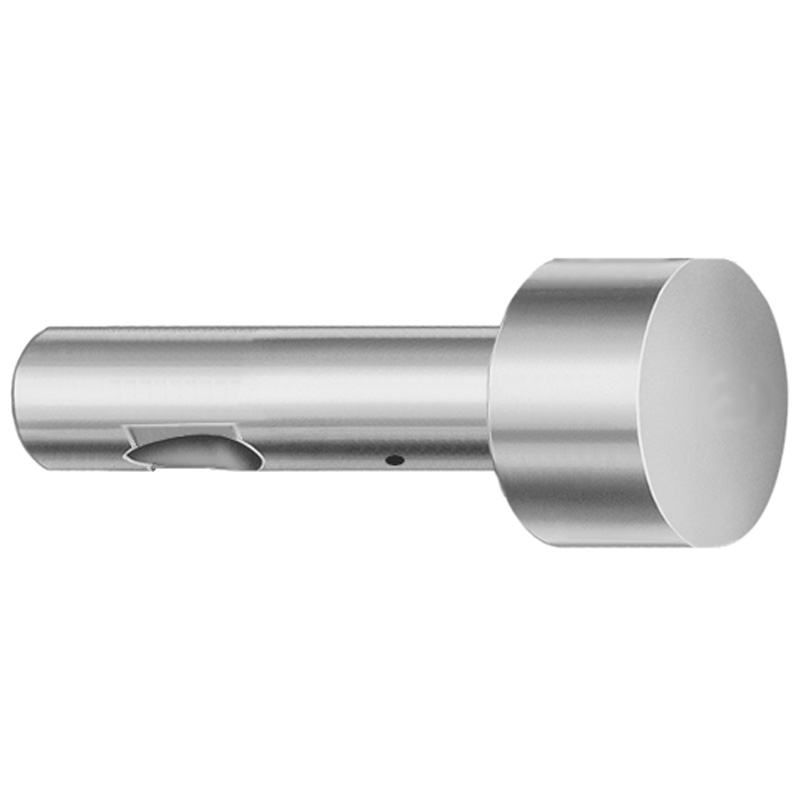
DAYTON Point Larger than Shank Ball Lock Punches - Light Duty, Inch, XCN Coating
Point Larger than Shank Ball Lock Punches in Inch with XCN coating for light duty applications. DAYTON quality for reliable ball lock ejection—requ...
View DetailsXCN Coated Point Larger than Shank Ball Lock Punches - Heavy Duty, Inch
Point Larger than Shank Ball Lock Punches - Heavy Duty, Inch with XCN coating for stable ball-lock retention. DAYTON for dependable punch performance.
View DetailsPoint Larger than Shank Regular Ball Lock Punches Light Duty, Inch
Point Larger than Shank Regular Ball Lock Punches Light Duty, Inch provide consistent ball-lock retention and stable punch geometry for tooling. XN...
View DetailsLight Duty X Tip Point Larger than Shank Ball Lock Punches
Point Larger than Shank Ball Lock Punches for light duty work with an X tip profile. XN DayTride® coating supports longer wear and cleaner production.
View DetailsInch Point Larger than Shank Ball Lock Ejector Punches - Heavy Duty
Point Larger than Shank Ball Lock Ejector Punches for heavy duty die work with XCDP coating. Inch format for reliable seating and ejection. DAYTON.
View DetailsDAYTON Point Larger than Shank Ball Lock Punches - Light Duty
Point Larger than Shank Ball Lock Punches from DAYTON for light duty applications, offered with XCD coating options for wear resistance. Get a quote.
View DetailsPoint Larger than Shank Ball Lock Punches (Light Duty) Metric XN DayTride Coating
Point Larger than Shank Ball Lock Punches for metric molds use XN DayTride coating to support light-duty ejection. Dayton quality for reliable tool...
View DetailsPoint Larger than Shank Ball Lock Punches - Light Duty, Metric
Point Larger than Shank Ball Lock Punches for light-duty metric tooling. Choose X, R, K, O, H, L, J, N, V, Y, Z tips to match punch designs.
View DetailsPoint Larger than Shank Ball Lock Ejector Punches - Light Duty XCN Coating
Point Larger than Shank Ball Lock Ejector Punches - Light Duty with XCN Coating for clean ejection in metal stamping and forming. Request a quote.
View DetailsMetric Point Larger than Shank Ejector Ball Lock Punches - Light Duty (XNA Coating)
Point Larger than Shank Ejector Ball Lock Punches (XNA coating) for light duty metric tooling. DAYTON ball lock punch design—ask for a quote.
View DetailsPoint Larger than Shank Ball Lock Punches X-Shaped Tip
Point larger than shank ball lock punches with an X-shaped tip for light duty toolmaking. Metric range for consistent positioning and ejection. Req...
View DetailsM2 Steel Point Larger than Shank Ball Lock Ejector Punches
Point Larger than Shank Ball Lock Ejector Punches (Light Duty, Metric) (M2 Steel) with X-shaped tip geometry for efficient ball locking. Request a ...
View DetailsInch Point Larger than Shank Ball Lock Ejector Punches XVP Coating
Point Larger than Shank Ball Lock Ejector Punches (Inch) with XVP coating for heavy-duty die work, supporting consistent ejection and long service ...
View DetailsPoint Larger than Shank Ball Lock Punches | Light Duty, Inch, CRN Coating
Point Larger than Shank Ball Lock Punches for light-duty inch molds with CRN coating. Reduce wear and improve ejection stability. Contact DAYTON.
View DetailsInch XNP Coating Point Larger than Shank Ball Lock Ejector Punches - Light Duty
Point Larger than Shank Ball Lock Ejector Punches for inch molds with XNP coating. Light duty design for efficient ejection and long service life.
View DetailsPoint Larger than Shank Regular Ball Lock Punches - Light Duty, Inch
Point Larger than Shank Regular Ball Lock Punches for light-duty inch tooling. Built for stable ball-lock retention; DAYTON coatings improve wear a...
View DetailsPoint Larger than Shank Ball Lock Punches - Heavy Duty Metric
Point Larger than Shank Ball Lock Punches - Heavy Duty Metric from DAYTON feature heavy-duty construction with CRN coating for reliable ejection pe...
View DetailsInch XVP Coating Point Larger than Shank Ball Lock Ejector Punches - Heavy Duty
Point Larger than Shank Ball Lock Ejector Punches - Heavy Duty provide reliable inch tooling performance. XVP coating improves wear resistance; use...
View DetailsPoint Larger than Shank Ball Lock Ejector Punches Heavy Duty, Inch (XNAP Coating)
Point larger than shank ball lock ejector punches for heavy-duty inch tooling with DAYTON XNAP coating for improved wear resistance. Request a quote.
View DetailsMetric Point Larger than Shank Ball Lock Ejector Punches Heavy Duty
Point Larger than Shank Ball Lock Ejector Punches Heavy Duty for metric tooling. XNAD coated surface helps resist wear; designed for stable locking...
View DetailsHeavy Duty Inch XNT DayTiN® Coated Point Larger than Shank Ball Lock Ejector Punches
Point Larger than Shank Ball Lock Ejector Punches, Heavy Duty inch, with XNT DayTiN® coating for wear resistance. Suitable for mold ejection. Reque...
View DetailsPoint Larger Than Shank Ball Lock Ejector Punches - Heavy Duty, Metric
Point Larger than Shank Ball Lock Ejector Punches for heavy duty metric molds, with XAN DayTAN™ coating. Reliable positioning and long service life.
View DetailsPoint Larger than Shank Ball Lock Punches - Heavy Duty, Metric
Point Larger than Shank Ball Lock Punches - Heavy Duty, Metric by DAYTON with XCD coating for stable, long-life blanking. Request a quote today.
View DetailsDAYTON Point Larger than Shank Regular Ball Lock Punches
Point Larger than Shank Regular Ball Lock Punches from DAYTON with XNM coating for heavy-duty die work. Ball lock geometry improves punch retention...
View Details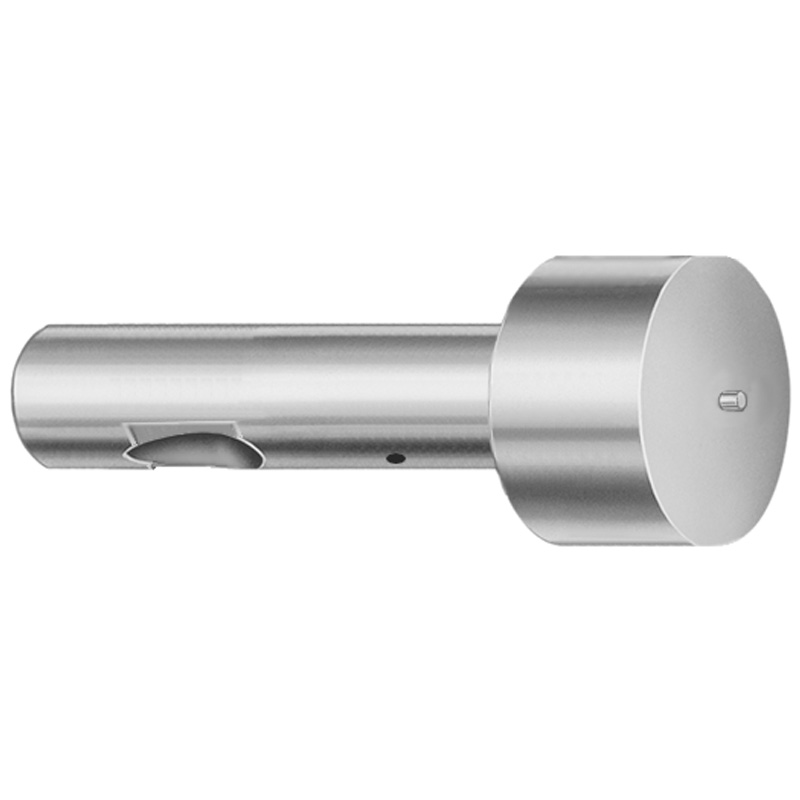
JIS Standard XCD Coating Dayton Point Larger than Shank Ball Lock Punches
Dayton Point Larger than Shank Ball Lock Punches for light-duty inch molds with XCD coating. Built for stable ball-lock ejection—request a quote.
View DetailsInch Light Duty Point Larger than Shank Ball Lock Ejector Punches
Point Larger than Shank Ball Lock ejector punches in inch Light Duty build. Designed for reliable locked ejection with XNA coating for tool life. R...
View DetailsM2 Steel Point Larger than Shank Ball Lock Punches
M2 Steel Point Larger than Shank Ball Lock Punches for heavy-duty die work, built with XNM coating for wear resistance. Request a quote.
View DetailsXNAP Coated Point Larger than Shank Ejector Ball Lock Punches - Light Duty
Point larger than shank ejector ball lock punches with XNAP coating for light duty tooling. Stable positioning, smooth ejection, and reliable press...
View DetailsPoint Larger than Shank Ball Lock Punches - Light Duty, Inch, XNP Coating
Point Larger than Shank Ball Lock Punches - Light Duty, Inch, XNP Coating for ball lock ejection systems. Durable surface coating supports stable p...
View DetailsPoint Larger than Shank Ball Lock Ejector Punches | Light Duty, Inch | XVP Coating
Point Larger than Shank Ball Lock Ejector Punches for light-duty inch molds with XVP coating. Precision punch components for reliable blank ejectio...
View DetailsMetric Light Duty Point Larger than Shank Ball Lock Ejector Punches
Point Larger than Shank Ball Lock Ejector Punches for metric, light duty use with CRN coating. Ball lock retention supports reliable ejection—reque...
View DetailsPoint Larger than Shank Ball Lock Punches - Light Duty, Metric, XAN DayTAN™ Coating
Point Larger than Shank Ball Lock Punches for light-duty metric die casting and stamping. DAYTON XAN DayTAN™ coating resists wear and improves ejec...
View DetailsSteel Point Larger than Shank Ball Lock Punches
Steel Point Larger than Shank Ball Lock Punches with XAN DayTAN™ coating (DAYTON) for light-duty die applications. Request a quote for availability.
View DetailsPoint Larger than Shank Ball Lock Punches Light Duty, Metric
Point Larger than Shank Ball Lock Punches for light duty, metric tooling. XNT DayTiN coating helps improve wear life for reliable ejection. Request...
View DetailsDayton LAMINA Point Larger than Shank Regular Ball Lock Punches - Light Duty
Point Larger than Shank Regular Ball Lock Punches (XNAP coating) support metric, light-duty production. Durable wear performance for press tooling—...
View DetailsPoint Larger than Shank Ball Lock Punches - Light Duty, Metric
Point Larger than Shank Ball Lock Punches for light duty metric die work with an XCD coated surface. Dayton punches support reliable ejection—reque...
View DetailsXNT DayTiN Coated Point Larger than Shank Ball Lock Ejector Punches
Point Larger than Shank Ball Lock Ejector Punches with XNT DayTiN coating for light duty applications. DAYTON Lamina delivery-focused manufacturing...
View DetailsCoating Selection for Point Larger Punches
Point larger punches experience higher lateral forces due to the overhang between tip and shank. Coatings with low friction coefficients reduce bending stress at the transition zone:
| Coating | Hardness (HV) | Key Benefit for Point Larger |
|---|---|---|
| CRN | 1,750 | Good general protection, cost-effective baseline |
| TiCN (XCD) | 3,000 | Low friction reduces lateral load on overhanging tip |
| TiAlN (XNA) | 3,300 | Best heat resistance for high-speed stamping |
Why the Point Is Larger than the Shank
Standard ball-lock punches have a working tip equal to the shank diameter. This limits the hole size to the maximum retainer bore available. Point larger punches solve this constraint:
- Problem: You need a 20mm hole but your retainer system only accommodates 16mm shank punches.
- Solution: A point-larger punch with a 20mm tip on a 16mm shank. The retainer holds the 16mm shank; the 20mm tip pierces the larger hole.
- Structural design: The transition from larger tip to smaller shank is precision-ground with a radius to minimize stress concentration. M2 HSS at HRC 62-64 provides adequate strength for the reduced cross-section.
- Maximum ratio: Typical maximum point-to-shank ratio is 1.5:1 for Heavy Duty applications. Beyond this ratio, consider a larger retainer system instead.
When to Use Point Larger Punches
Mixed Hole Size Progressive Dies
Progressive dies with both small and large holes where standardizing on one retainer bore size simplifies tooling inventory.
Why point larger fit: Run all punches through the same retainer system — small holes use standard punches, large holes use point larger. One retainer size, one punch puller, one maintenance procedure.
Retrofit Without Reboring
Existing die sets where enlarging retainer bores would compromise punch plate strength or require expensive reboring.
Why point larger fit: Drop-in replacement using existing retainers — no reboring, no plate modification. The oversized tip handles the new hole requirement while the standard shank fits existing hardware.
Engineering Resources
Application Scenarios
Point-larger-than-shank punches solve specific geometric constraints:
Tight Station Spacing
Progressive die layouts where hole diameter exceeds the maximum shank size allowed by station pitch.
The oversize head creates the required hole diameter while the smaller shank fits through the available punch plate spacing. No die redesign needed.
Multi-Diameter Stepped Holes
Applications requiring a larger piercing diameter with a smaller shank to clear adjacent punches or die features.
The head-to-shank diameter ratio allows punching larger features while maintaining clearance to neighboring stations in crowded die layouts.
Retrofit of Existing Dies
Upgrading existing dies where punch plate holes are a fixed size but larger piercing diameters are needed.
Point larger punches fit existing retainer bores while piercing larger holes — avoiding the cost of re-boring punch plates or replacing retainers.
Frequently Asked Questions
What is the maximum point-to-shank ratio available?+
Can point-larger punches be used in standard retainers?+
What applications require a point larger than the shank?+
Related Product Categories
Need a Custom Quote?
Send your specifications and receive a quote. MOQ: 1 piece. Custom dimensions available.