Ball-Lock Retainers
The foundation of the ball-lock quick-change system. Retainers are press-fit into the punch plate and hold ball-lock punches via a spring-loaded ball mechanism. Available in four load ratings, inch and metric, from DAYTON and MISUMI.
Products
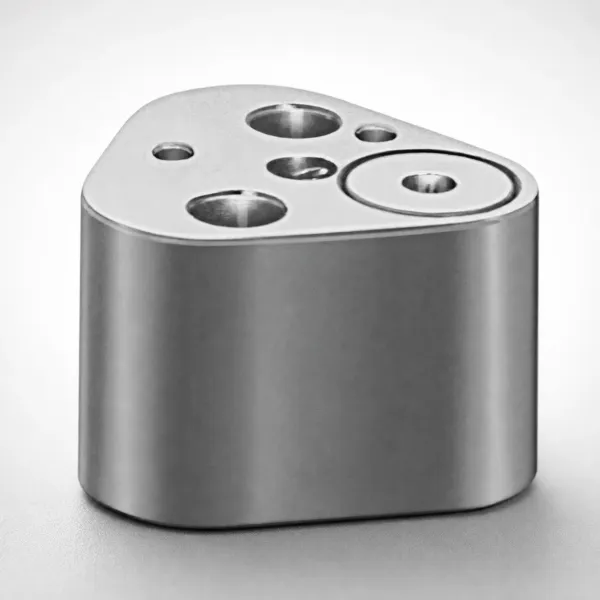
True Position Ball Lock Retainers - Light Duty, Inch
True Position Ball Lock Retainers - Light Duty, Inch for repeatable punch locating. Uses the Dayton Lamina part-number format and supports secure lock
View Details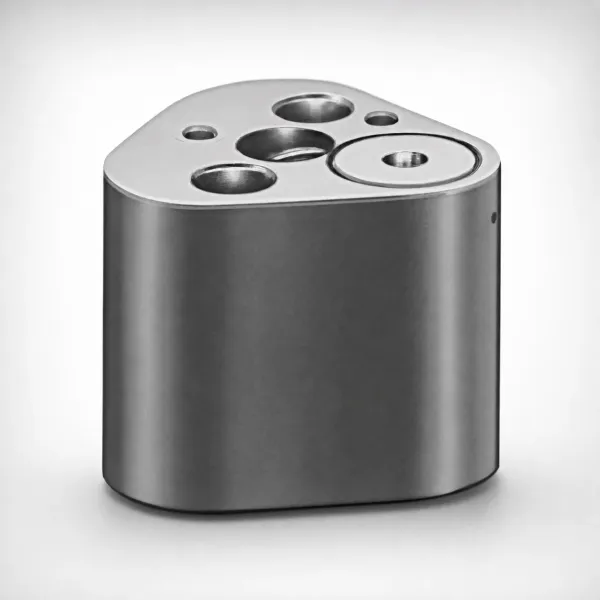
Ball Lock Retainers for High-Tensile and Heavy Load Applicat
Ball Lock Retainers for High-Tensile and Heavy Load Applications by DAYTON help stabilize punch positioning in demanding dies and presses. Request a q
View Details
Ball Lock Retainers for Heavy Load
Ball Lock Retainers for Heavy Load provide secure shaft and pin retention to prevent displacement. Built for fast assembly and long equipment life—req
View Details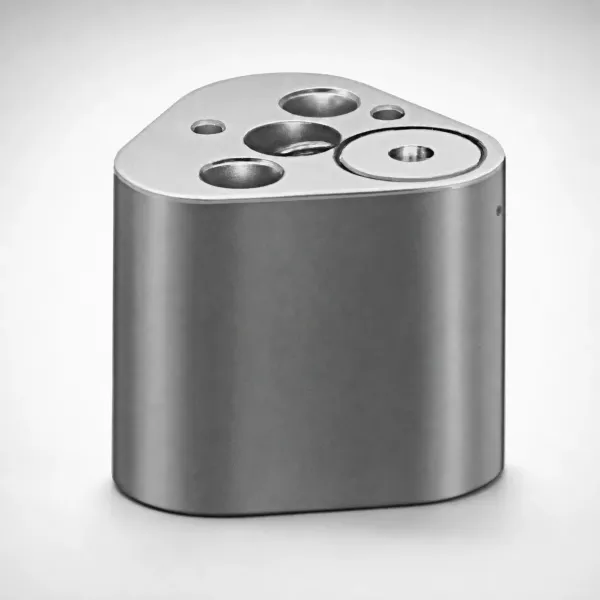
True Position Ball Lock Retainers - Heavy Duty, Inch
True Position Ball Lock Retainers - Heavy Duty, Inch by DAYTON secure punches with a standardized ball-lock mechanism and heavy-duty stability. Reques
View Details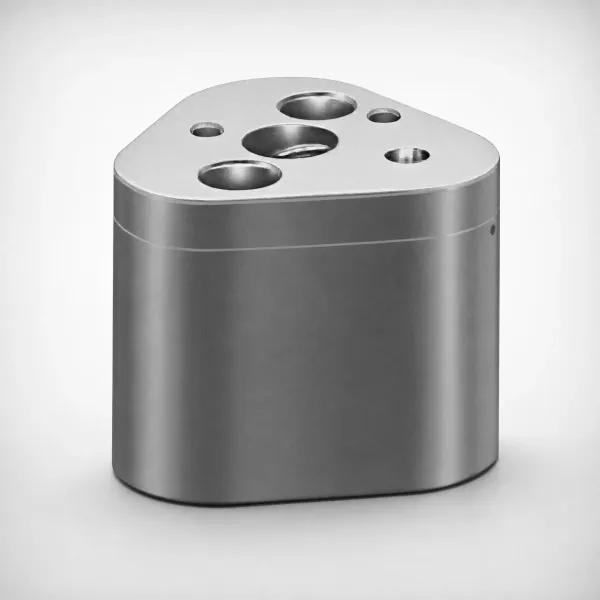
Metric Backing Plates for True Position Ball Lock Retainer -
Metric Backing Plates for True Position Ball Lock Retainer - Heavy Duty by Dayton LAMINA. Supports punch dia. compatibility and rigid locking for reli
View Details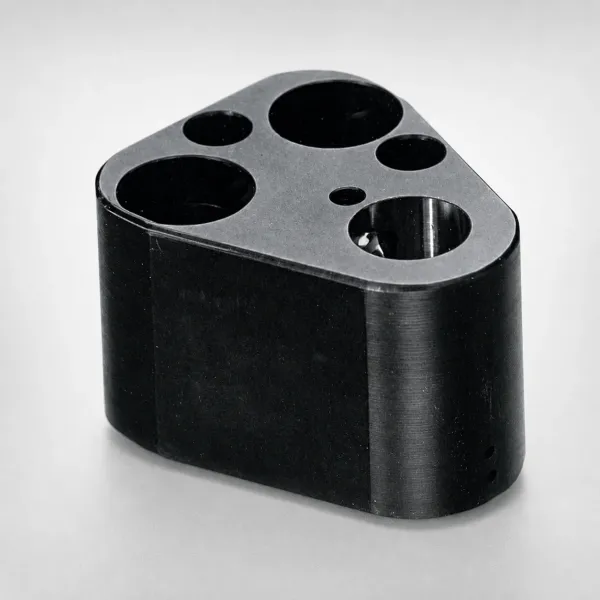
Light Load Ball Lock Retainers - Compact
Light load ball lock retainers in compact form provide secure locating for punch tools. Set includes body only and backing plug. Simplify assembly.
View Details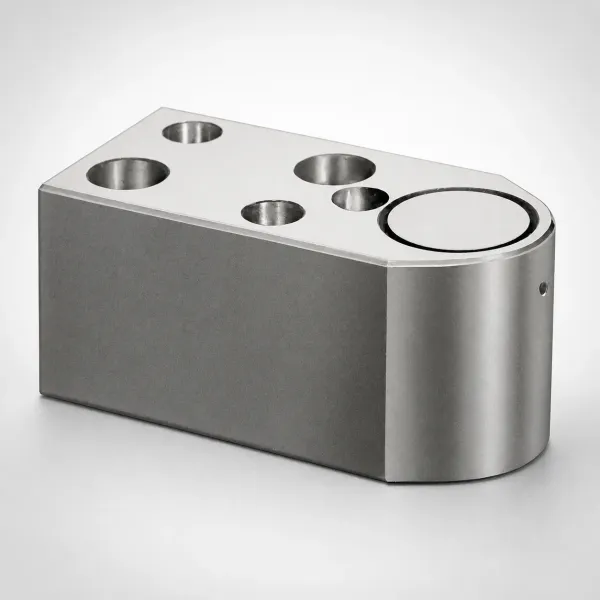
Ball Lock End Retainers - Light Duty, Inch
Ball Lock End Retainers - Light Duty, Inch for securing ball-lock punch systems. Designed for reliable engagement and quick maintenance—request a quot
View Details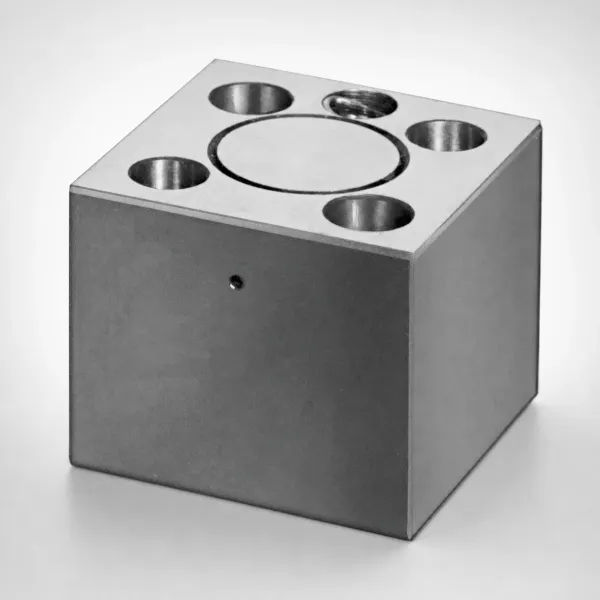
Ball Lock Square Retainers - Light Duty, Inch
Ball Lock Square Retainers - Light Duty, Inch for latch-style securing of components. Suitable for inch punch diameters. Contact Dayton for solutions.
View Details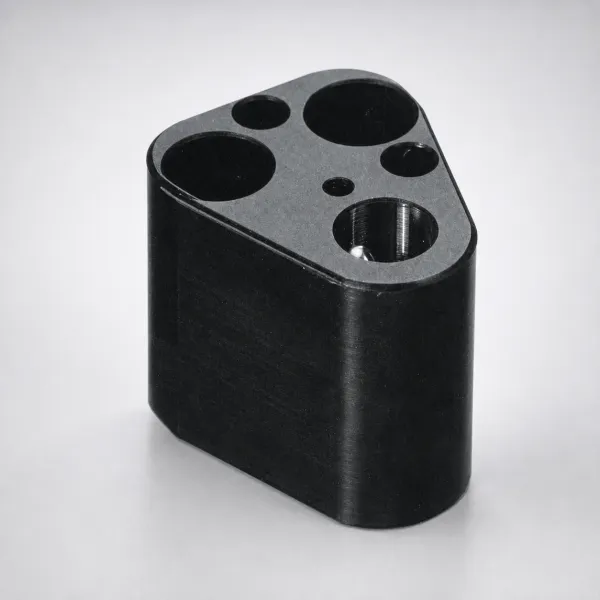
Ball Lock Retainers - Heavy Load, Compact
Ball Lock Retainers - Heavy Load, Compact provide stable component support for high-stress punches. Locking balls reduce misalignment and extend syste
View Details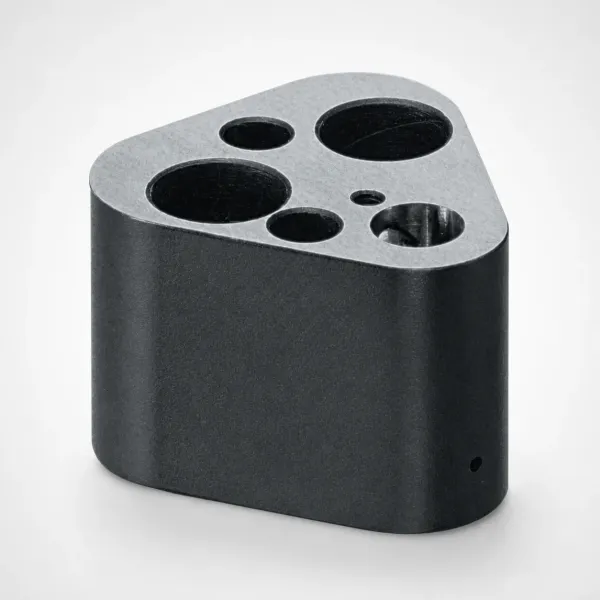
Ball Lock Retainers for Light Load, Triangle
Ball Lock Retainers for Light Load, Triangle for punch and button die setups. Choose Set or Body only + Plug configurations—contact MISUMI for quotes.
View Details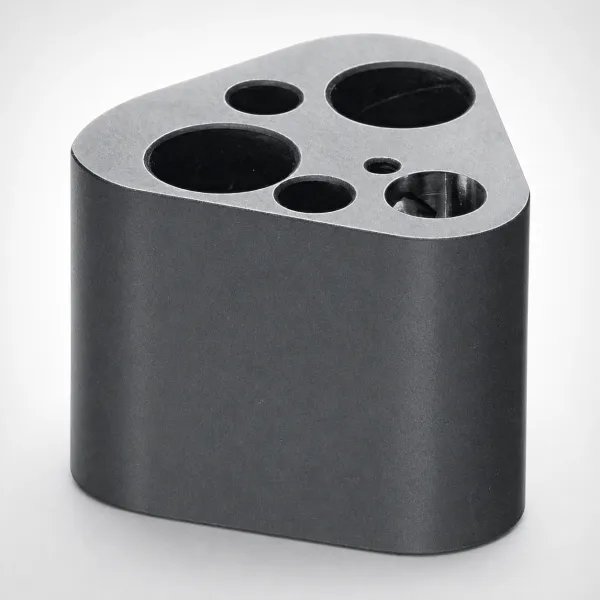
Heavy Load Triangle Ball Lock Retainers
Heavy Load Triangle Ball Lock Retainers ensure reliable secure fastening with a robust ball-lock mechanism. Set components option for stable heavy-loa
View Details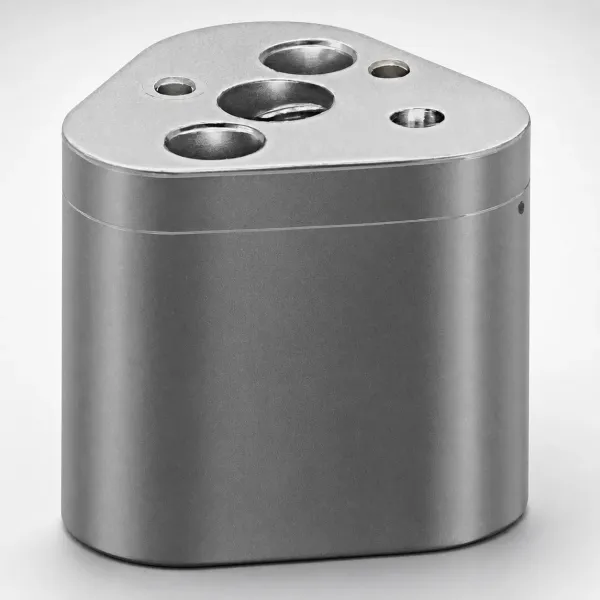
Backing Plates for True Position Ball Lock Retainer - Heavy
Backing Plates for True Position Ball Lock Retainer - Heavy Duty, Inch by DAYTON help stabilize ball-lock systems for accurate die alignment. Request
View Details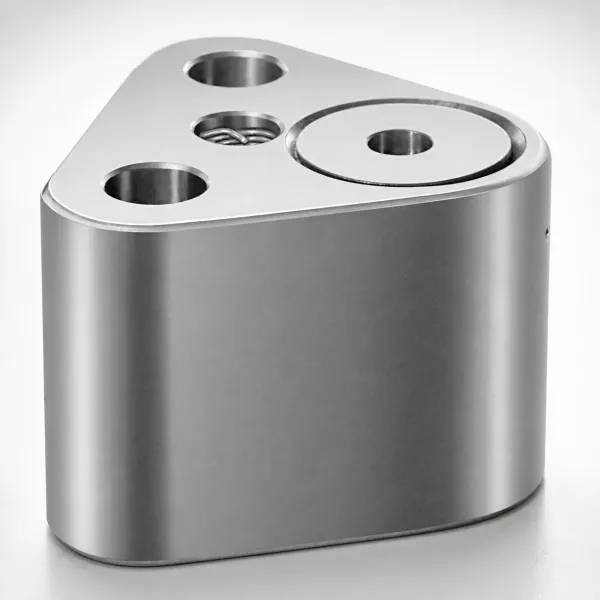
Ultra-Compact Ball Lock Retainers Heavy Load
Ultra-Compact Ball Lock Retainers Heavy Load by DAYTON for high-tensile punch tooling. Optimized compact design for reliable workholding. Request a qu
View Details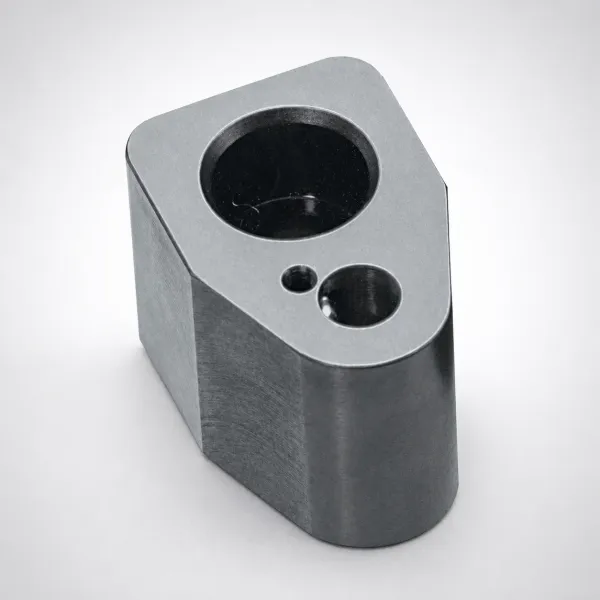
Light Load Ball Lock End Retainers
Light Load Ball Lock End Retainers for punch assemblies, space-saving single-bolt fixing. Backing plug support improves repeatable retention. Request
View Details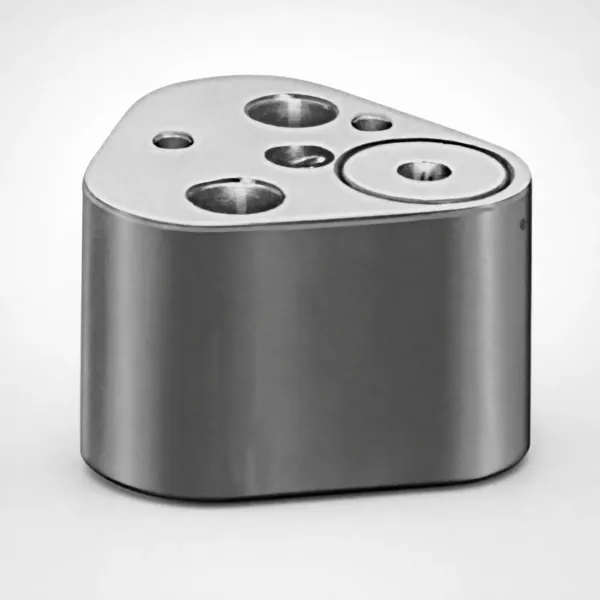
Light Load Ball-Lock Retainers
Light Load Ball-Lock Retainers for Light Load Ball-Lock Punches by DAYTON. Compatible with punch diameters 10–38 mm for reliable positioning.
View Details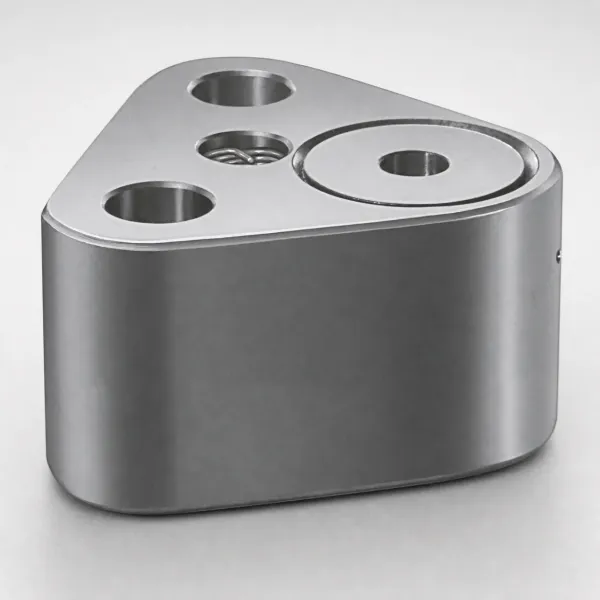
Metric Ball Lock End Retainers - Ultra-Compact for Light Dut
Metric Ball Lock End Retainers for light duty die tooling with ultra-compact design. Use with ball lock punches for fast, repeatable positioning.
View Details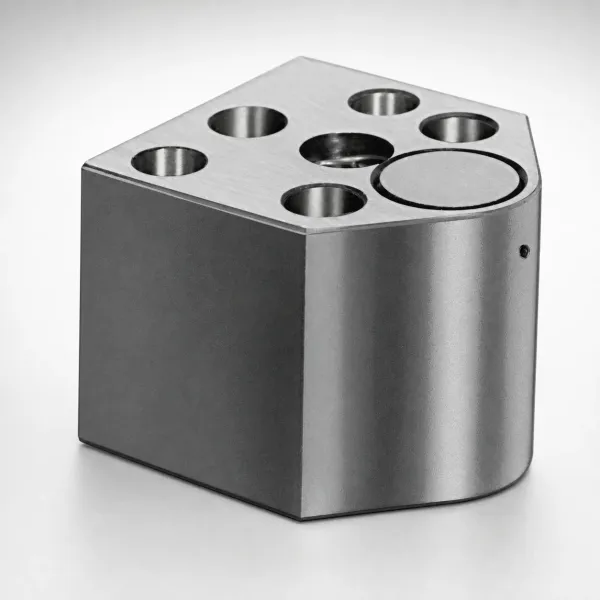
Ball Lock End Retainers - Heavy Duty, Inch
Ball lock end retainers for heavy duty inch punch assemblies. Designed for secure ball-lock retention and stable index positioning—durable, reliable p
View Details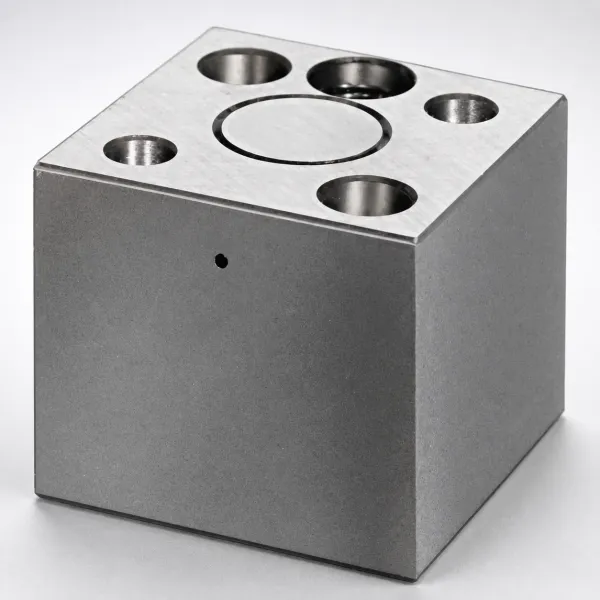
Ball Lock Square Retainers - Heavy Duty, Inch
Ball Lock Square Retainers - Heavy Duty, Inch by DAYTON provide stable punch seating with ball lock retention for accurate positioning. Order today.
View DetailsRetainer Load Ratings — 4 Options Compared
| Rating | Retaining Force | Punch Compatibility | Best Application |
|---|---|---|---|
| Light Duty | Standard | Light Duty punches | Electronics, thin gauge (≤1.5mm) |
| Heavy Duty | 2× Light Duty | Heavy Duty punches | Automotive, appliance (≤3mm) |
| Light Load | Standard + extended body | Light Duty punches | Deep plate configurations |
| Heavy Load | Maximum | Heavy Load punches | Thick plate (3-6mm+), AHSS |
Punch-Retainer Compatibility Matrix
Retainers and punches must be matched by three dimensions:
- Bore diameter: Retainer bore must match punch shank diameter. Standard sizes: 1/8" to 1-1/4" (inch) / 3mm to 32mm (metric)
- Load rating: Must match — Light with Light, Heavy with Heavy
- Ball groove position: DAYTON and MISUMI use the same groove position standard — cross-compatible
Retainer Installation & Maintenance
Proper installation and maintenance ensure long retainer life and reliable ball-lock function:
- Installation: Retainers are press-fit into the punch plate with H7/m6 tolerance. Use an arbor press — never hammer. Ensure the retainer is seated flush with the plate surface.
- Lubrication: Apply light machine oil to the ball mechanism every 100,000 strokes or weekly, whichever comes first. Use synthetic oil for high-temperature applications.
- Ball inspection: Check for ball deformation or spring fatigue every 500,000 strokes. Replace retainer if ball retention force drops below spec (punch slides out without quarter-turn).
- Bore wear: Measure retainer bore diameter annually. Replace when bore exceeds +0.02mm from nominal — worn bores cause punch misalignment.
Engineering Resources
Application Scenarios
Choose the right retainer load rating for your die application:
Standard Progressive Dies
General-purpose progressive dies running medium-duty piercing operations on carbon steel and aluminum.
Heavy Duty retainers provide the best balance of retention force and cost for most stamping applications. Compatible with all standard ball-lock punches.
Thick Plate Blanking
Heavy-gauge blanking operations where stripping forces exceed 2000N per station.
Heavy Load retainers provide maximum ball retention force to resist extreme stripping forces that could pull punches from standard retainers.
Thin Gauge Precision Work
Fine-pitch connector dies and thin-material stamping where punch diameters are small (< 5mm).
Light Duty retainers are sized for smaller punch shanks. Light Load variants provide extended body lengths for deeper punch plate configurations.
Frequently Asked Questions
What is the difference between heavy duty and heavy load retainers?+
How often should the ball-lock mechanism be lubricated?+
What is the press fit tolerance for retainer installation?+
Can I mix inch punches with metric retainers?+
Related Product Categories
Need a Custom Quote?
Send your specifications and receive a quote. MOQ: 1 piece. Custom dimensions available.