Ball-Lock Regular Punches
Solid-shank ball-lock punches for general-purpose piercing and blanking. No internal ejector mechanism — the slug falls through the die clearance by gravity. Preferred for moderate-thickness materials where slug pulling is not a concern. Available in Heavy Duty and Light Duty, inch and metric, with 14 coating options.
Regular Punch Products (59)

M2 Steel Ball Lock Regular Punches - Heavy Duty Tip O
Ball Lock Regular Punches - Heavy Duty Tip O (M2 steel) for accurate blanking and forming with a controlled ejector ball. Request a quote.
View Details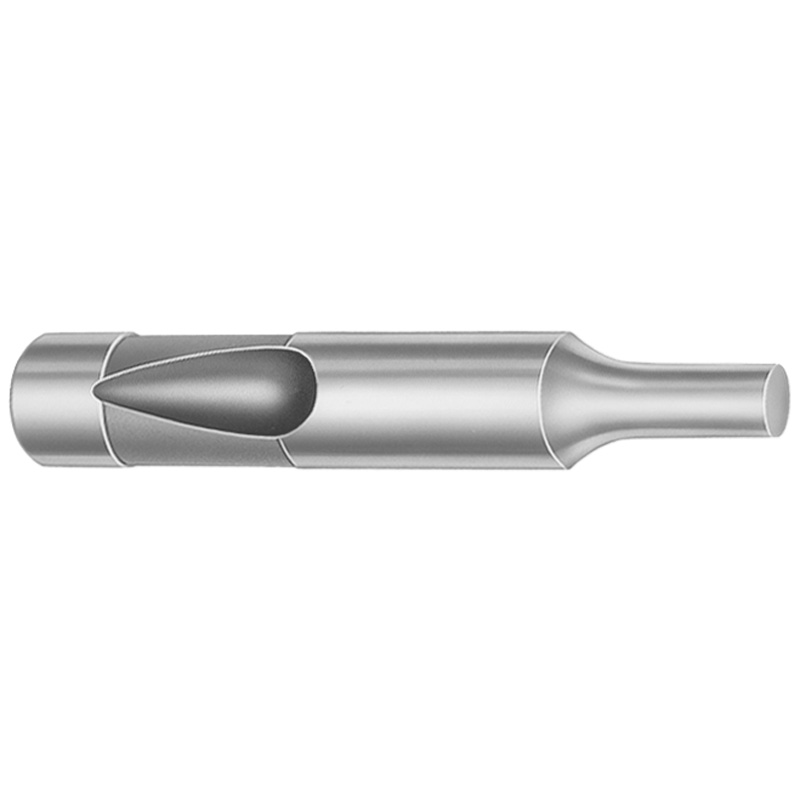
Ball Lock Regular Punches Heavy Duty Inch Tip Shape R
Ball Lock Regular Punches Heavy Duty Inch Tip Shape R for robust punching. Built with wear-resistant hardened steel and precise fit—request a quote.
View DetailsDAYTON Ball Lock Regular Ejector Punches - Heavy Duty, Inch
Ball lock regular ejector punches for heavy duty inch tooling with XNAD coating for improved wear resistance. Built for reliable punch return.
View Details
M2 Steel Ball Lock Regular Punches - Light Duty
M2 Steel Ball Lock Regular Punches - Light Duty by Dayton for metric die applications. Ball lock design supports reliable part ejection. Request a ...
View DetailsM2 Steel Ball Lock Regular Punches - Heavy Duty
Ball Lock Regular Punches - Heavy Duty for metric tooling. (M2 steel) robust punch design for long service life and consistent performance. Request...
View Details
Ball Lock Regular Punches - Heavy Duty, Inch
Ball Lock Regular Punches - Heavy Duty, Inch for die applications using hardened tool steel. Designed for reliable ball lock retention—request a qu...
View DetailsBall Lock Regular Punches Heavy Duty Inch
Ball Lock Regular Punches Heavy Duty Inch by DAYTON for die set tooling. Designed for stable punching with XNA coating finish. Request a quote.
View DetailsInch Ball Lock Regular Punches Heavy Duty X-Shaped Tip
Ball Lock Regular Punches Heavy Duty Inch with X-shaped tip for reliable part ejection. M2 or PS4 hardened steel for durability. Request a quote.
View Details
M2 Steel Ball Lock Regular Punches - Light Duty, Inch X Tip
M2 Steel Ball Lock Regular Punches - Light Duty, Inch X Tip for die work. Hardened point geometry supports consistent blanking and punching perform...
View DetailsM2 Steel Ball Lock Regular Ejector Punches
Ball Lock Regular Ejector Punches (M2 steel) for light-duty die work, offering consistent fit and stable ejection. DAYTON engineering support—reque...
View DetailsBall Lock Regular Punches Light Duty Xan DayTAN™ Coating
Ball Lock Regular Punches Light Duty with Xan DayTAN™ coating for improved wear resistance in forming and punching. Request a quote.
View Details
SKD11 Equivalent Steel Ball Lock Punches - Shoulder (Regular)
Ball Lock Punches - Shoulder (Regular) (SKD11 Equivalent steel) deliver light-load economy performance for precise forming dies. Request a quote.
View DetailsBall Lock Regular Punches - Light Duty, Inch X Shape Tip
Ball Lock Regular Punches - Light Duty, Inch X Shape Tip from DAYTON for ball lock retention in die work. Designed for durable tool performance. Re...
View DetailsInch Ball Lock Regular Punches Light Duty XNA Coating
Ball Lock Regular Punches Light Duty for inch molds. XNA coating supports wear resistance with precise ball-lock fit. Order from DAYTON.
View DetailsBall Lock Regular Ejector Punches - Light Duty
Ball Lock Regular Ejector Punches - Light Duty for inch tooling. XNT DayTiN® coating supports wear resistance for consistent punch performance. Con...
View DetailsBall Lock Regular Punches - Light Duty X Tip
Ball Lock Regular Punches - Light Duty X tip for punch and ejector applications. Options in M2 steel or PS4 for durable, consistent performance. Re...
View DetailsBall Lock Regular Punches - Light Duty, Inch
Ball Lock Regular Punches - Light Duty, Inch. XCD coating helps improve wear resistance for precision press-fit work. DAYTON LAMINA standardized pa...
View DetailsM2 Steel Ball Lock Regular Ejector Punches - Heavy Duty
M2 Steel Ball Lock Regular Ejector Punches - Heavy Duty deliver reliable ball-lock ejection for metric dies. Built for wear resistance and repeatab...
View DetailsM2 Steel Ball Lock Regular Punches - X-Shaped Tip
M2 Steel Ball Lock Regular Punches with an X-shaped tip for heavy-duty metric press tooling. Wear-stable build for reliable part ejection.
View DetailsM2 Steel Ball Lock Regular Punches - Heavy Duty X-Shaped Tip
Ball Lock Regular Punches - Heavy Duty with X-shaped tip for precise blanking. M2 steel build, wear-ready CRN coating for tool life. Get custom sup...
View DetailsM2 Steel Ball Lock Regular Ejector Punches
M2 Steel Ball Lock Regular Ejector Punches (Light Duty) for precision die tooling. Standardized punch design supports reliable cavity finishing. Re...
View DetailsM2 Steel Ball Lock Regular Ejector Punches - Light Duty
Ball Lock Regular Ejector Punches - Light Duty (M2 Steel). Selectable X/R/K/O/H/L/J/N/V/Z tips and wear-focused design for tool-and-die work. Reque...
View DetailsBall Lock Regular Ejector Punches XCN Coating
Ball Lock Regular Ejector Punches with XCN coating for heavy duty, metric tooling. Designed for repeatable forming and reliable punch performance.
View DetailsBall Lock Regular Ejector Punches - Heavy Duty X-Shaped Tip
Ball Lock Regular Ejector Punches - Heavy Duty X-Shaped Tip for die tooling. M2 or PS4 steel construction supports reliable ball-lock ejection. Req...
View DetailsBall Lock Regular Ejector Punches Light Duty X Tip
Ball Lock Regular Ejector Punches Light Duty X tip for metric toolmaking. Options include M2 steel or PS4 grade materials. Request a quote.
View DetailsM2 Steel Ball Lock Regular Ejector Punches
Ball Lock Regular Ejector Punches (Light Duty) with XNA coating for metric tooling. Built in M2 steel to support accurate punching and long wear li...
View DetailsDAYTON Standard Ball Lock Regular Ejector Punches Heavy Duty, X-Shaped Tip
Ball lock regular ejector punches heavy duty with an X-shaped tip for reliable part ejection. Engineered with hardened steel options for consistent...
View DetailsBall Lock Regular Punches Heavy Duty
Ball Lock Regular Punches Heavy Duty for inch punch tooling. Built with XCN coating options, engineered for stable stripping and accurate blanking....
View DetailsBall Lock Regular Punches - Light Duty, Inch
Ball Lock Regular Punches - Light Duty, Inch for precise ejector action in punch and die sets. XCN coating helps reduce wear for longer runs. Reque...
View DetailsBall Lock Regular Punches - Heavy Duty, Inch (XN DayTride® Coating)
Ball Lock Regular Punches - Heavy Duty, Inch (XN DayTride® Coating) for durable die release. Precision punch blank options with DAYTON support—Requ...
View DetailsBall Lock Regular Ejector Punches Heavy Duty, Inch, XNP Coating
Ball Lock Regular Ejector Punches Heavy Duty, Inch, XNP coating for efficient ejector action in tool & die work. Choose durable materials and get r...
View DetailsBall Lock Regular Punches - Light Duty, Inch, XNP Coating
Ball Lock Regular Punches - Light Duty, Inch, XNP Coating for die maintenance. Ball-locked tip design supports repeatable ejection performance. Req...
View DetailsBall Lock Regular Punches Heavy Duty Inch XVP Coating
Ball Lock Regular Punches Heavy Duty Inch XVP Coating for tool & die shops needing stable ejection. Coated for wear resistance—contact DAYTON for q...
View DetailsBall Lock Regular Punches Heavy Duty M2 Steel
Ball Lock Regular Punches Heavy Duty feature M2 steel and XCDP coating for stable part ejection. Metric heavy-duty punch blanks for toolmakers—requ...
View DetailsM2 Steel Ball Lock Regular Punches Heavy Duty X-Shaped Tip
Ball Lock Regular Punches Heavy Duty M2 Steel feature an X-shaped tip geometry for dependable stripping. DAYTON punches are made for quote-ready pr...
View DetailsM2 Steel Ball Lock Regular Ejector Punches XNM Coating X-Shaped Tip
Ball Lock Regular Ejector Punches XNM Coating with X-shaped tip (M2 steel) for precise blank ejection. Metric light duty punches from Dayton Lamina.
View DetailsDAYTON XCDP Coated Ball Lock Regular Punches - Light Duty, Metric
Ball lock regular punches for metric tooling with DAYTON XCDP coating. Light-duty performance for efficient ejection. Request a quote.
View DetailsM2 Steel Ball Lock Regular Ejector Punches
Ball Lock Regular Ejector Punches use an X-shaped tip for light-duty die work. (M2 steel) supports wear resistance for consistent part ejection. Re...
View DetailsM2 Steel Ball Lock Regular Ejector Punches - X Tip
M2 Steel Ball Lock Regular Ejector Punches with an X tip for reliable ball lock performance. Suitable for heavy-duty metric tooling applications. R...
View DetailsBall Lock Regular Punches XCN Coating
Ball Lock Regular Punches Light Duty with XCN Coating for reliable ejection in stamping and forming. Built by DAYTON for stable tool performance. R...
View DetailsBall Lock Regular Ejector Punches Heavy Duty XNAP Coating
Ball Lock Regular Ejector Punches Heavy Duty XNAP Coating for die and mold assembly. Metric sizes support precise ejection; Dayton industrial parts...
View DetailsBall Lock Regular Ejector Punches Heavy Duty Inch
Ball Lock Regular Ejector Punches Heavy Duty Inch with XAN DayTAN™ coating for reliable ejection in toolmaking. Heavy-duty fit, ask for a quote.
View DetailsCRN Coating Ball Lock Regular Punches - Heavy Duty, Inch
Ball Lock Regular Punches - Heavy Duty, Inch with CRN coating for stable press-fit performance. Built for efficient blanking and punching on toolin...
View DetailsBall Lock Regular Punches Heavy Duty Inch XNAP Coating
Ball Lock Regular Punches Heavy Duty Inch XNAP Coating by DAYTON for durable blanking and ejection in progressive dies. Order today.
View DetailsM2 Steel Ball Lock Regular Punches - Heavy Duty
M2 Steel Ball Lock Regular Punches - Heavy Duty with XCD coating for efficient ejection. Built for die makers and press tooling—request a quote.
View DetailsBall Lock Regular Punches Heavy Duty Inch XCDP Coating
Ball Lock Regular Punches Heavy Duty Inch XCDP Coating for reliable ejection in die tooling. Built from tool steel options for long wear—request a ...
View DetailsBall Lock Regular Punches Heavy Duty Inch XNM-Coated
Ball Lock Regular Punches Heavy Duty Inch with <b>XNM-coated</b> tips for durable ejection in press tools. Built by DAYTON for stable performance. ...
View DetailsBall Lock Regular Punches Light Duty X Tip
Ball Lock Regular Punches Light Duty X Tip for inch tooling, supporting ball lock ejection in punches. Select M2 or PS4 steel and DayTride coating ...
View DetailsInch Ball Lock Regular Punches (XNM Coated, Light Duty)
Inch Ball Lock Regular Punches (XNM Coated, Light Duty) for reliable part ejection in molds. Toughened M2 steel and XNM coating resist wear. Reques...
View DetailsBall Lock Regular Punches - Light Duty, Inch
Ball Lock Regular Punches - Light Duty, Inch for efficient part ejection. Available with DAYTON XNAP coating options for improved wear resistance. ...
View DetailsBall Lock Regular Ejector Punches - Light Duty (Inch)
Ball Lock Regular Ejector Punches for light-duty inch tooling, supplied by DAYTON with XCDP coating and selectable tip designs. Request a quote.
View DetailsM2 Steel Ball Lock Regular Ejector Punches
M2 Steel Ball Lock Regular Ejector Punches provide heavy-duty metric performance for die and mold makers. Durable, wear-resistant punch tips—reques...
View DetailsM2 Steel Ball Lock Regular Ejector Punches - Light Duty XNAP Coating
Ball Lock Regular Ejector Punches - Light Duty with XNAP coating, made from M2 steel for wear resistance. Fits metric tooling applications. Request...
View DetailsM2 Steel Ball Lock Regular Ejector Punches
M2 Steel Ball Lock Regular Ejector Punches from DAYTON for robust die cavity ejection. Ball-lock retention improves stability—request a quote.
View DetailsM2 Steel Ball Lock Regular Ejector Punches - Light Duty, X-Shaped Tip
Ball Lock Regular Ejector Punches Primary Keyword (M2 steel) with X-shaped tip for light-duty metric tooling. Improve ejection control and tool lif...
View DetailsM2 Steel Ball Lock Regular Ejector Punches Light Duty Metric
M2 Steel Ball Lock Regular Ejector Punches Light Duty Metric by DAYTON provide stable ball-lock action for clean part ejection in stamping tooling....
View Details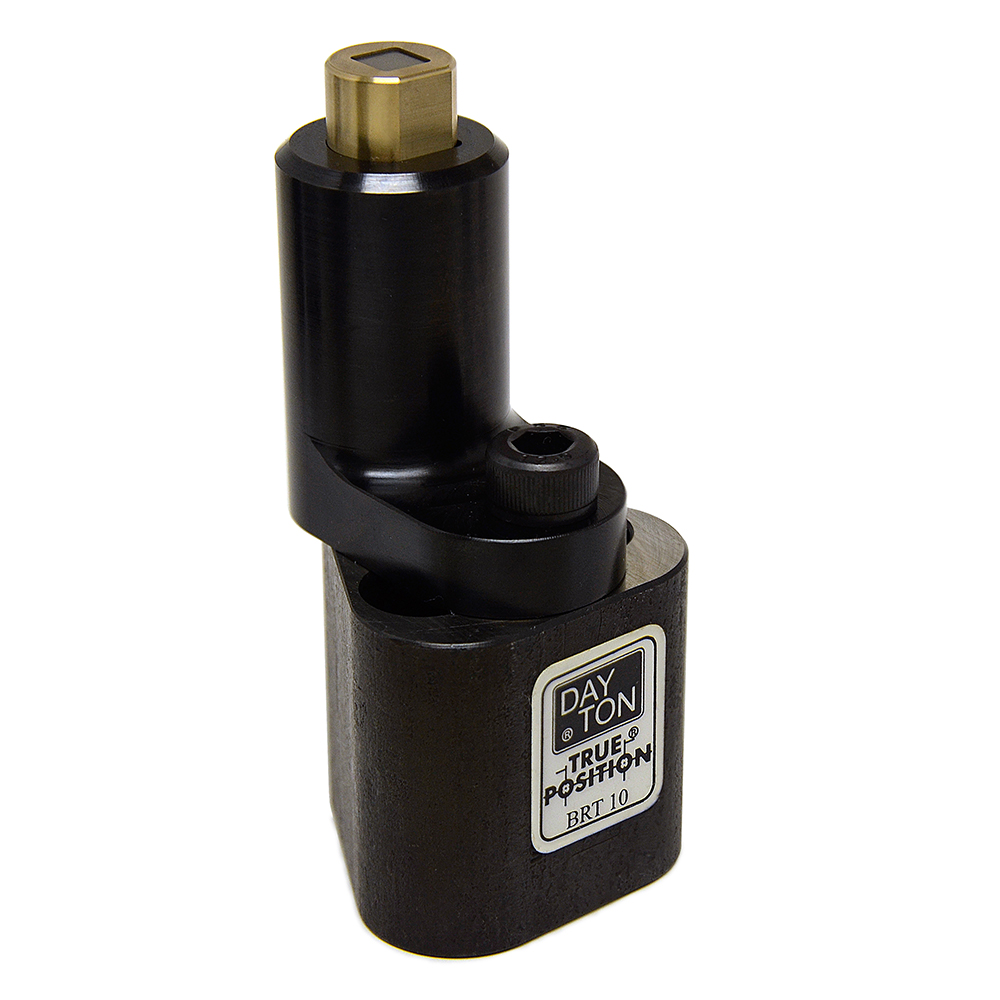
DAYTON Posi-Strip Systems for Ball Lock Punches Heavy Duty Regular Inch
Posi-Strip Systems for Ball Lock Punches Heavy Duty Regular Inch by DAYTON provide controlled strip retention. Select hole shapes and bronze length...
View Details
Heavy Duty Posi-Strip Systems for Ball Lock Punches - Regular, Inch
Heavy Duty Posi-Strip Systems for Ball Lock Punches - Regular, Inch by DAYTON Lamina. Supports E/H/J/K/L hole shapes and extra/medium stripper opti...
View Details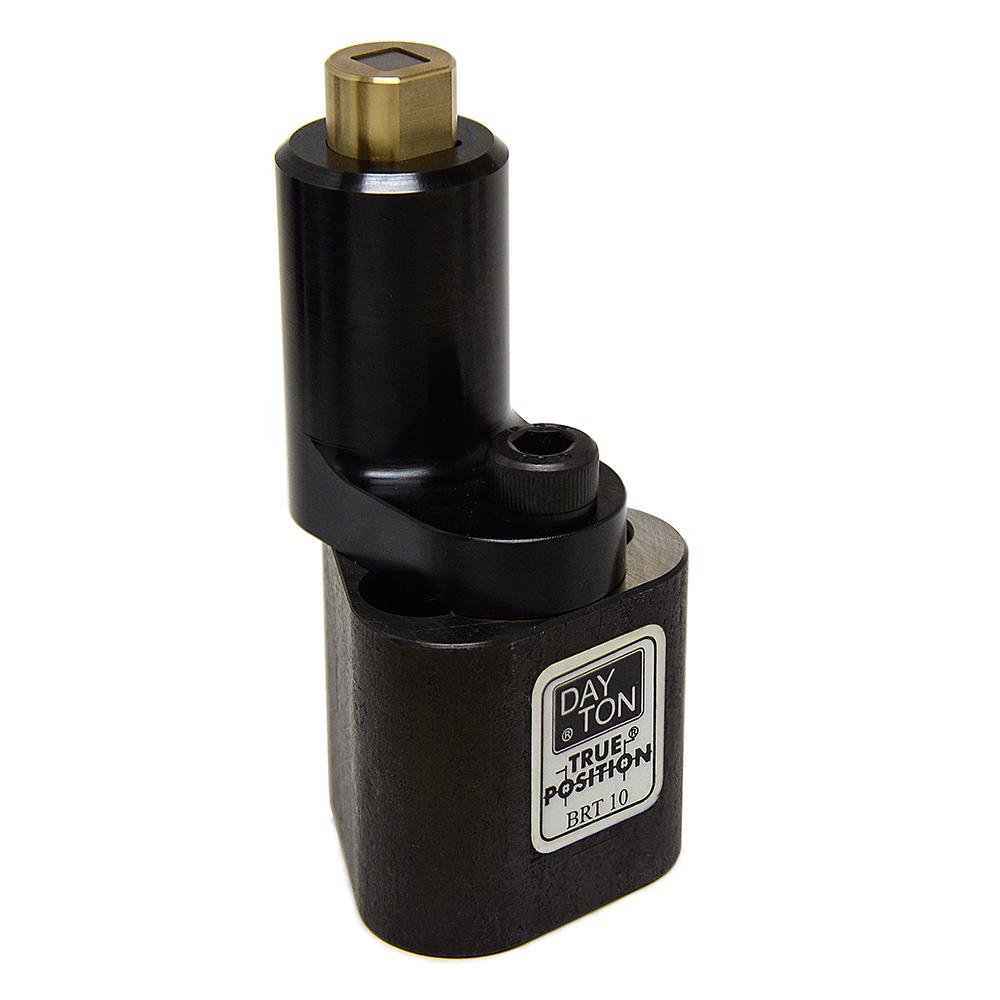
DAYTON Posi-Strip Systems for Ball Lock Punches - Heavy Duty, Regular, Metric
DAYTON Posi-Strip Systems for Ball Lock Punches - Heavy Duty, Regular, Metric. Select hole shapes and punch/stripper builds for stable actuation. R...
View DetailsCoating Selection for Regular Punches
Regular punches benefit from the same coating options as ejector punches. The top 4 coatings for regular punch applications:
| Coating | Hardness (HV) | Friction Coefficient | Best For |
|---|---|---|---|
| CRN | 1,750 | 0.3 | General purpose — mild steel, copper alloys |
| TiN (XN DayTride®) | 2,300 | 0.4 | Carbon steel, moderate abrasion |
| TiCN (XCD) | 3,000 | 0.2 | Stainless steel, AHSS, abrasive materials |
| DLC (XVP) | 4,000+ | 0.1 | Aluminum, copper — anti-galling |
Ideal Applications for Regular Punches
General Sheet Metal Piercing
Standard piercing of round, square, and oblong holes in mild steel 0.5-3mm thick. Slug drops through die clearance without assistance.
Why regular punches fit: No ejector mechanism needed — gravity and die clearance handle slug removal. Lower cost than ejector punches with simpler internal geometry for maximum rigidity.
Tight-Pitch Multi-Station Dies
Progressive dies with closely-spaced punch stations where the solid shank provides maximum rigidity under lateral strip forces.
Why regular punches fit: The solid shank cross-section is 15-20% stronger than an equivalent ejector punch (which has a hollow bore for the ejector pin). Critical for maintaining punch-to-die alignment in tight-pitch layouts.
Engineering Resources
Application Scenarios
Regular ball-lock punches are the optimal choice for these applications:
Medium-to-Thick Gauge Carbon Steel
Piercing material above 2mm thickness where slug weight ensures reliable gravity dropout.
Heavy slugs fall through the die clearance by gravity alone. Ejector mechanism is unnecessary, saving 20-40% on punch cost.
Large-Hole Blanking Operations
Creating holes above 10mm diameter where slug-to-punch contact area is large and dropout is reliable.
Large slugs have sufficient weight for reliable gravity dropout. Regular punches provide maximum shank rigidity for heavy blanking loads.
Cost-Optimized Standard Production
Standard production runs where slug pulling history is clean and maximizing tooling budget is the priority.
Regular punches cost 20-40% less than ejector equivalents. When slug management is not a concern, they deliver identical performance at lower cost.
Frequently Asked Questions
What is the maximum material thickness for regular punches?+
Do I need a specific retainer for regular punches?+
What is the standard lead time for coated regular punches?+
Related Product Categories
Need a Custom Quote?
Send your specifications and receive a quote. MOQ: 1 piece. Custom dimensions available.