Ball-Lock Pilot Punches
Precision pilot punches that locate the strip material in progressive dies by entering pre-pierced pilot holes. Ball-lock retention enables quick replacement without alignment tools. Available in round tip and tapered tip, Heavy Duty and Light Duty, with 14 coating options.
Products
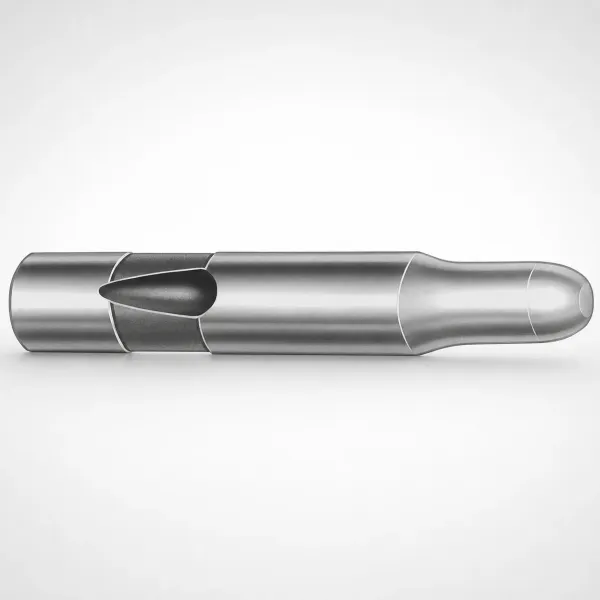
Ball Lock Pilot Punches - Round Tip, Light Duty, Metric
Ball Lock Pilot Punches - Round Tip, Light Duty, Metric with XNT DayTiN® coating for durable wear resistance in mold machining. Request a quote.
View Details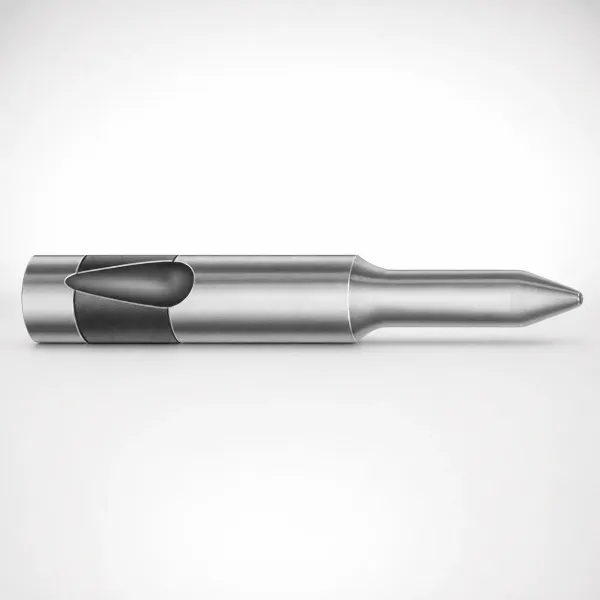
Metric Ball Lock Pilot Punches - Tapered Tip, Heavy Duty
Metric Ball Lock Pilot Punches - Tapered Tip, Heavy Duty for die locating and accurate punch alignment. Durable M2 steel options for stable production
View Details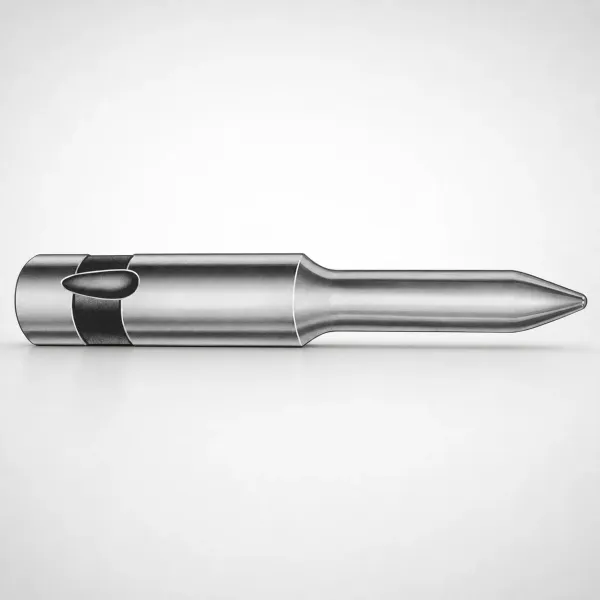
Metric Ball Lock Pilot Punches - Tapered Tip, Light Duty
Metric Ball Lock Pilot Punches with Tapered Tip (light duty) for accurate locating and ejection in die assemblies. Dayton LAMINA standardized part num
View Details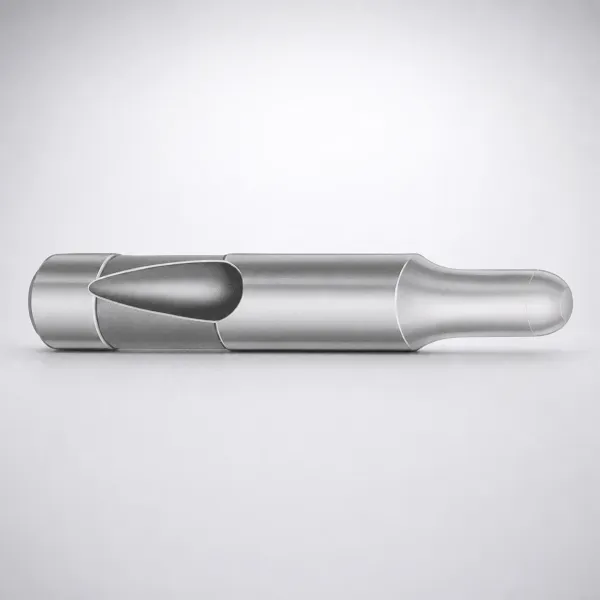
M2 Steel Ball Lock Pilot Punches - Round Tip
M2 steel Ball Lock Pilot Punches with round tip for heavy-duty inch applications. DAYTON durability for reliable positioning—request a quote.
View Details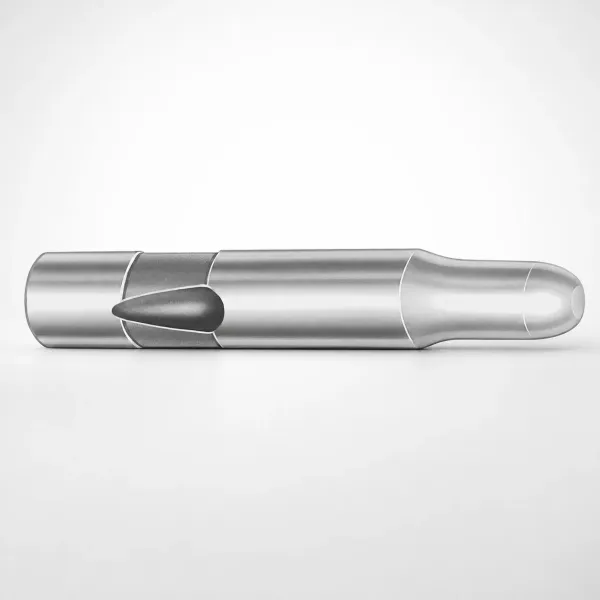
M2 Steel Ball Lock Pilot Punches - Round Tip
M2 Steel Ball Lock Pilot Punches with round tip for light-duty inch die tooling. Durable CRN coating for wear resistance—request a quote today.
View DetailsDayton Ball Lock Pilot Punches - Round Tip, Light Duty, Inch
Ball Lock Pilot Punches - Round Tip, Light Duty, Inch with XN DayTride® coating for controlled locating and smooth part release in tooling. Contact us
View DetailsBall Lock Pilot Punches Tapered Tip Heavy Duty Metric
Ball Lock Pilot Punches Tapered Tip Heavy Duty Metric for precise positioning in progressive dies. Features XAN DayTAN™ coating for wear resistance—re
View DetailsMetric Ball Lock Pilot Punches - Tapered Tip, Heavy Duty
Metric Ball Lock Pilot Punches with tapered tip for heavy-duty pilot guidance. Designed for precise ball-lock positioning in tool & die work.
View DetailsBall Lock Pilot Punches Tapered Tip Metric CRN Coating
Ball Lock Pilot Punches Tapered Tip Metric CRN Coating for light-duty positioning. Dayton Lamina standardized part formatting improves ordering effici
View DetailsDIN Standard Steel Ball Lock Pilot Punches - Tapered Tip, Li
Ball Lock Pilot Punches - Tapered Tip for metric, light-duty applications. XCD coating helps resist wear and maintain fit. Request a quote.
View DetailsBall Lock Pilot Punches Tapered Tip Heavy Duty Metric
Ball Lock Pilot Punches Tapered Tip Heavy Duty Metric with XNT DayTiN® coating for durable wear resistance in precision dies and molds. Request a quot
View DetailsDIN Standard Steel Ball Lock Pilot Punches - Tapered Tip
Ball lock pilot punches tapered tip for metric die applications. Built from hardened steel with stable fit for guiding and alignment. Request a quote.
View DetailsMetric Ball Lock Pilot Punches - Tapered Tip
Ball Lock Pilot Punches - Tapered Tip for metric molds, supplied with XNT DayTiN® coating to support tool life. Request a quote.
View Details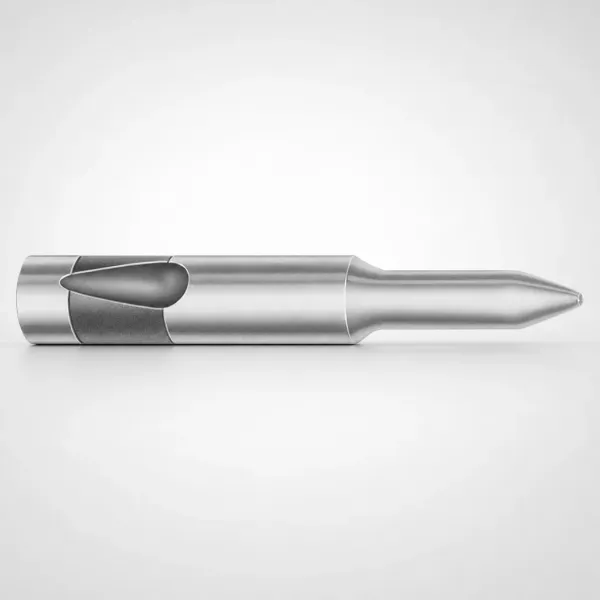
Inch Ball Lock Pilot Punches - Tapered Tip, Heavy Duty
M2 steel Ball Lock Pilot Punches with a tapered tip for heavy-duty inch die setups. Built for accurate pilot positioning and long service life. Reques
View DetailsDAYTON M2 Steel Ball Lock Pilot Punches - Tapered Tip, Heavy
Ball Lock Pilot Punches - Tapered Tip, Heavy Duty, Inch are built in M2 steel for durable locating. XNM coating supports wear resistance. Request a qu
View Details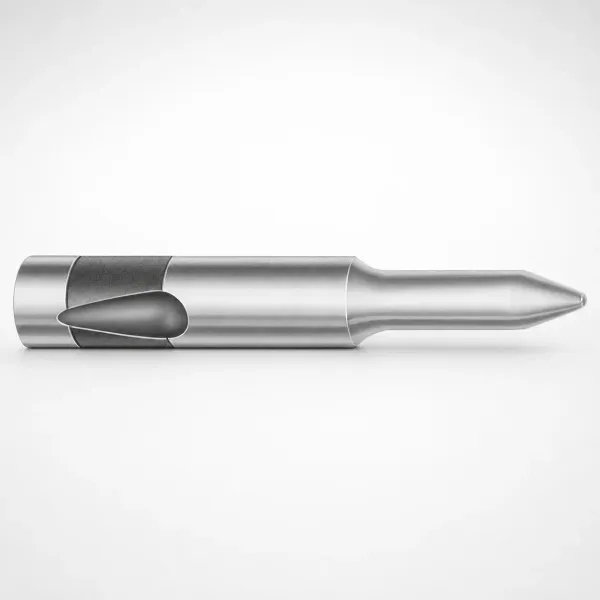
Ball Lock Pilot Punches Tapered Tip, Light Duty, Inch
Ball Lock Pilot Punches Tapered Tip, Light Duty, Inch for precise die alignment and repeatable locating. M2 steel options available—request a quote.
View DetailsM2 Steel Ball Lock Pilot Punches Tapered Tip XCD Coating
M2 Steel Ball Lock Pilot Punches Tapered Tip with XCD coating for light-duty inch applications. DAYTON punches for stable pilot positioning. Request a
View DetailsBall Lock Pilot Punches - Tapered Tip, Light Duty, Inch
Ball Lock Pilot Punches - Tapered Tip, Light Duty, Inch with XCN coating for stable alignment. Built from M2 hardened steel. Request a quote.
View DetailsBall Lock Pilot Punches - Tapered Tip, Light Duty, Inch
Ball Lock Pilot Punches - Tapered Tip, Light Duty, Inch for accurate pilot positioning in stamping and die setup. DAYTON durability—request a quote.
View DetailsM2 Steel Ball Lock Pilot Punches - Tapered Tip, Light Duty,
M2 Steel Ball Lock Pilot Punches - Tapered Tip, Light Duty, Inch for precise pilot positioning. Engineered for repeatable alignment and smooth inserti
View DetailsSteel Ball Lock Pilot Punches Round Tip Heavy Duty Inch
Ball lock pilot punches round tip heavy duty inch for locating and alignment in punch tooling. Available in hardened steel options from DAYTON. Reques
View DetailsM2 Steel Ball Lock Pilot Punches - Round Tip, Heavy Duty, In
M2 Steel Ball Lock Pilot Punches - Round Tip, Heavy Duty, Inch for locating and guiding dies. Built for reliable punch alignment in production.
View DetailsM2 Steel Ball Lock Pilot Punches - Round Tip, Heavy Duty, In
M2 Steel Ball Lock Pilot Punches with round tips for heavy-duty inch toolmaking. Precision fit and durable wear resistance for reliable locating and p
View DetailsInch Standard XVP Coated Ball Lock Pilot Punches - Round Tip
Ball Lock Pilot Punches - Round Tip, Heavy Duty Primary Keyword for inch machining, with XVP coating. Built for accurate pilot location in dies. Order
View DetailsM2 Steel Ball Lock Pilot Punches - Round Tip
M2 Steel Ball Lock Pilot Punches with round tip for light-duty inch applications, designed for stable positioning. DAYTON manufacture—request a quote.
View DetailsM2 Steel Ball Lock Pilot Punches - Round Tip with XAN DayTAN
M2 Steel Ball Lock Pilot Punches with XAN DayTAN™ coating deliver light-duty performance for inch tooling, with round tips that support accurate posit
View DetailsM2 Steel Ball Lock Pilot Punches - Round Tip, Light Duty, In
M2 Steel Ball Lock Pilot Punches - Round Tip, Light Duty, Inch, XCD Coating for clean, repeatable locating in tooling. Request a quote.
View DetailsM2 Steel Ball Lock Pilot Punches - Round Tip, Light Duty, In
M2 Steel Ball Lock Pilot Punches - Round Tip, Light Duty, Inch, XCDP Coating for precise locating and pilot functions in tooling. Request a quote.
View DetailsM2 Steel Ball Lock Pilot Punches - Round Tip, Light Duty, In
Ball Lock Pilot Punches - Round Tip, Light Duty, Inch (M2 steel) from DAYTON for reliable alignment in punch press tooling. Request a quote.
View DetailsM2 Steel Ball Lock Pilot Punches - Round Tip, Light Duty
M2 Steel Ball Lock Pilot Punches with round tip for light duty locating. DAYTON XNM coating supports wear resistance and stable positioning in die set
View DetailsDAYTON XNT DayTiN® Coated Ball Lock Pilot Punches - Round Ti
Ball Lock Pilot Punches - Round Tip, Light Duty, Inch with XNT DayTiN® coating for improved wear resistance. Request a quote today.
View DetailsMetric Heavy Duty Ball Lock Pilot Punches - Tapered Tip
Metric heavy duty ball lock pilot punches with tapered tip for guided alignment. Supports punching operations with durable M2 steel build. Request a q
View DetailsM2 Steel Ball Lock Pilot Punches - Tapered Tip
M2 Steel Ball Lock Pilot Punches with tapered tip for metric locating in heavy-duty tooling. XNP coating improves wear resistance for longer runs. Get
View DetailsMetric Light Duty Ball Lock Pilot Punches - Tapered Tip
Metric Light Duty Ball Lock Pilot Punches with tapered tip for accurate workholding and alignment in stamping dies. DAYTON coating options available.
View Details
M2 Steel Ball Lock Pilot Punches - Round Tip, Heavy Duty
Ball Lock Pilot Punches - Round Tip, Heavy Duty from DAYTON use (M2 steel) for stable guidance. Built for die/punch wear resistance—request a quote.
View DetailsM2 Steel Ball Lock Pilot Punches - Round Tip Heavy Duty XNAP
Ball Lock Pilot Punches - Round Tip Heavy Duty XNAP Coating for metric die pilot alignment. M2 steel construction and durable coating help extend punc
View DetailsM2 Steel Ball Lock Pilot Punches - Round Tip, Metric
Ball Lock Pilot Punches - Round Tip, Metric (M2 steel) with XCD coating for light-duty pilot forming in molds and dies. Request a quote.
View DetailsMetric Ball Lock Pilot Punches Round Tip XNAP Coating
Ball lock pilot punches round tip for metric mold work. Features XNAP coating for wear resistance and stable locating during production. Request a quo
View DetailsMetric XCN Coating Ball Lock Pilot Punches - Tapered Tip, He
Ball Lock Pilot Punches with tapered tip and heavy-duty metric design, featuring XCN coating for wear resistance. DAYTON for consistent punch performa
View DetailsM2 Steel Ball Lock Pilot Punches - Round Tip, Heavy Duty
M2 Steel Ball Lock Pilot Punches with round heavy-duty pilot tips for reliable alignment in die work and stamping. Dayton support—request a quote.
View DetailsM2 Steel Ball Lock Pilot Punches - Round Tip, Heavy Duty, Me
Ball Lock Pilot Punches - Round Tip, Heavy Duty, Metric for precise pilot locating in progressive dies. M2 steel, DAYTON quality—request a quote.
View DetailsDIN Standard Steel Ball Lock Pilot Punches - Round Tip
DIN Standard steel Ball Lock Pilot Punches with round tip for heavy-duty alignment. Built for durable punching accuracy in die tooling.
View DetailsM2 Steel Ball Lock Pilot Punches - Round Tip
M2 Steel Ball Lock Pilot Punches with a round tip and XNA coating for clean pilot control in die work. Resistant finish for reliable production. Reque
View DetailsXCN Coated Ball Lock Pilot Punches (Tapered Tip, Light Duty,
Ball Lock Pilot Punches with XCN coating for accurate hole location in metal stamping and progressive dies. Metric tapered tip, light duty—request a q
View DetailsDIN Standard Ball Lock Pilot Punches Tapered Tip (XNA Coatin
Ball Lock Pilot Punches Tapered Tip are hardened and coated with XNA for stable light-duty locating. DIN standard build supports precision punch align
View DetailsBall Lock Pilot Punches - Round Tip, Light Duty, Metric
Ball Lock Pilot Punches - Round Tip, Light Duty, Metric for accurate locating in progressive tooling. Choose M2/A2/PS4 steel and get stable fit.
View DetailsM2 Steel Ball Lock Pilot Punches - Round Tip, Light Duty
M2 Steel Ball Lock Pilot Punches - Round Tip, Light Duty by DAYTON for accurate pilot positioning in tooling. Metric punches for reliable feeding—Requ
View DetailsMetric Steel Ball Lock Pilot Punches - Round Tip
Ball lock pilot punches round tip for light-duty metric work. M2 steel options and XNA coating compatibility support accurate alignment in tooling. Co
View DetailsM2 Steel Ball Lock Pilot Punches Tapered Tip Heavy Duty Inch
M2 Steel Ball Lock Pilot Punches with tapered tip for inch mold pilot applications, heavy duty performance. Durable, wear resistant punched alignment.
View DetailsInch Ball Lock Pilot Punches Tapered Tip (M2 Steel)
M2 steel Ball Lock Pilot Punches with tapered tip for heavy-duty pilot alignment in inch molds. Daytons CRN coating option enhances wear resistance. R
View DetailsM2 Steel Ball Lock Pilot Punches - Tapered Tip Heavy Duty In
Ball Lock Pilot Punches - Tapered Tip Heavy Duty Inch for precision pilot location. M2 steel with XAN DayTAN™ coating for wear control. Request a quot
View DetailsBall Lock Pilot Punches Tapered Tip Heavy Duty Inch
Ball Lock Pilot Punches Tapered Tip Heavy Duty Inch feature XCD coating for wear resistance. Built for die alignment in stamping. Request a quote.
View DetailsM2 Steel Ball Lock Pilot Punches - Tapered Tip, Heavy Duty,
Ball Lock Pilot Punches - Tapered Tip, Heavy Duty, Inch, XCDP for accurate locating and durable stamping. M2 steel build for long wear—request a quote
View DetailsBall Lock Pilot Punches - Tapered Tip, Heavy Duty, Inch
Ball Lock Pilot Punches - Tapered Tip, Heavy Duty, Inch for precise locating in dies. XCN coated wear resistance supports reliable punch performance—r
View DetailsM2 Steel Ball Lock Pilot Punches - Tapered Tip (Inch)
M2 Steel Ball Lock Pilot Punches with tapered tip for heavy-duty inch tooling. DAYTON LAMINA standard design for reliable ball-lock location—Request a
View DetailsBall Lock Pilot Punches - Tapered Tip, Heavy Duty, Inch, XNA
Ball Lock Pilot Punches - Tapered Tip, Heavy Duty, Inch, XNAD Coating for locating and alignment in die assemblies. DAYTON precision for longer life—R
View DetailsM2 Steel Ball Lock Pilot Punches - Tapered Tip, Heavy Duty,
M2 Steel Ball Lock Pilot Punches with tapered tip for heavy-duty inch applications. DAYTON hardens for reliable locating and punch alignment—request a
View DetailsInch Ball Lock Pilot Punches Tapered Tip Heavy Duty XNP Coat
Ball Lock Pilot Punches Tapered Tip Heavy Duty with XNP coating for reliable pilot location. Heavy-duty inch punches, engineered by DAYTON. Request a
View DetailsBall Lock Pilot Punches Tapered Tip Heavy Duty Inch XNT DayT
Ball Lock Pilot Punches Tapered Tip Heavy Duty Inch XNT DayTiN® Coating for accurate press alignment. Durable wear resistance for long production runs
View DetailsBall Lock Pilot Punches Tapered Tip Heavy Duty Inch
Ball Lock Pilot Punches Tapered Tip Heavy Duty Inch (XVP coating) support precise location in die and punch tooling. Request a quote.
View DetailsInch Standard Ball Lock Pilot Punches Tapered Tip CRN Coatin
Ball Lock Pilot Punches Tapered Tip CRN Coating for inch tooling. Use in guiding and locating die components with durable wear resistance. Request a q
View DetailsInch Standard Ball Lock Pilot Punches - Tapered Tip
Ball Lock Pilot Punches - Tapered Tip for inch tooling alignment in light duty applications. Inch point design helps guide workpieces; request a quote
View DetailsBall Lock Pilot Punches Tapered Tip Light Duty Inch
Ball Lock Pilot Punches Tapered Tip Light Duty Inch for accurate pilot location in tooling. DAYTON LAMINA part numbering standard. Order today.
View DetailsBall Lock Pilot Punches - Tapered Tip Light Duty Inch
Ball Lock Pilot Punches - Tapered Tip Light Duty Inch from DAYTON. Built for accurate pilot alignment in die applications. Request a quote.
View DetailsBall Lock Pilot Punches - Tapered Tip, Light Duty, Inch
Ball Lock Pilot Punches - Tapered Tip, Light Duty, Inch for accurate mold alignment. M2 steel or PS4 options with robust manufacture—request a quote.
View DetailsTapered Tip Ball Lock Pilot Punches (Inch Standard) XNAP Coa
Tapered Tip Ball Lock Pilot Punches (Inch, Light Duty) with XNAP coating provide smooth pilot guidance and reliable positioning. Request a quote.
View DetailsM2 Steel Ball Lock Pilot Punches - Tapered Tip
Ball Lock Pilot Punches - Tapered Tip (Light Duty, Inch) for precise pilot location in progressive dies. (M2 steel) XNM coating and DAYTON LAMINA stan
View DetailsBall Lock Pilot Punches - Tapered Tip, Light Duty, Inch, XNT
Ball Lock Pilot Punches - Tapered Tip, Light Duty, Inch, XNT DayTiN® coating for stable positioning. Suitable for mold pilot applications—request a qu
View DetailsBall Lock Pilot Punches Tapered Tip Light Duty Inch
Ball Lock Pilot Punches Tapered Tip Light Duty Inch (M2 steel options) with XVP coating for reliable pilot guidance in assembly and die work. Request
View DetailsM2 Steel Ball Lock Pilot Punches - Round Tip, Heavy Duty, In
M2 Steel Ball Lock Pilot Punches - Round Tip, Heavy Duty, Inch for precise pilot positioning in press tooling. Heavy-duty durability for stable assemb
View DetailsBall Lock Pilot Punches CRN Coated Round Tip Heavy Duty Inch
Ball Lock Pilot Punches round tip for heavy-duty inch applications with CRN coating. Built for precise locating and reliable punch alignment. Contact
View DetailsBall Lock Pilot Punches Round Tip Heavy Duty Inch XCD Coatin
Ball Lock Pilot Punches Round Tip Heavy Duty Inch XCD Coating for accurate locating in dies. Ball lock design supports repeatable positioning. Request
View DetailsBall Lock Pilot Punches - Round Tip, Heavy Duty, Inch, XCN C
Ball Lock Pilot Punches - Round Tip, Heavy Duty, Inch, XCN Coating for precise hole location. Available in M2 steel and PS4 for lasting wear—Request a
View DetailsM2 Steel Ball Lock Pilot Punches - Round Tip, Heavy Duty, In
Ball Lock Pilot Punches - Round Tip, Heavy Duty, Inch for precise part location. Built from M2 steel, suitable for robust punch/die tooling. Request a
View DetailsInch M2 Steel Ball Lock Pilot Punches - Round Tip, Heavy Dut
M2 Steel Ball Lock Pilot Punches - Round Tip, Heavy Duty, Inch for locating and punch setup in tool and die builds. Dayton LAMINA standardized part fo
View DetailsBall Lock Pilot Punches Round Tip Heavy Duty Inch XNAP Coati
Ball Lock Pilot Punches Round Tip Heavy Duty Inch XNAP Coating for accurate positioning in die sets. Hardened steel options for durable punch wear.
View DetailsDayton Ball Lock Pilot Punches - Round Tip, Heavy Duty, Inch
Ball Lock Pilot Punches - Round Tip, Heavy Duty, Inch for accurate mold and die positioning. Select M2 or PS4 steel and XNM coating options. Order tod
View DetailsM2 Steel Ball Lock Pilot Punches Round Tip Heavy Duty Inch
M2 Steel Ball Lock Pilot Punches with round tip for heavy duty inch applications. XNT DayTiN coating supports wear resistance—request a quote.
View DetailsBall Lock Pilot Punches Round Tip Light Duty Inch XCN Coatin
Ball Lock Pilot Punches Round Tip Light Duty Inch XCN Coating for pilot locating in tooling and dies. DAYTON tooling punch durability—order today.
View DetailsM2 Steel Ball Lock Pilot Punches - Round Tip, Light Duty, In
M2 Steel Ball Lock Pilot Punches - Round Tip, Light Duty, Inch, XNA Coating for guided alignment in tooling. Dayton LAMINA parts—request a quote.
View DetailsBall Lock Pilot Punches - Round Tip, Light Duty, Inch, XNAD
Ball Lock Pilot Punches - Round Tip, Light Duty, Inch, XNAD Coating for accurate positioning in press tools. DAYTON durability-focused punch design. C
View DetailsBall Lock Pilot Punches - Round Tip, Light Duty, Inch, XNP C
Ball Lock Pilot Punches - Round Tip, Light Duty, Inch, XNP Coating from DAYTON. Built for dependable pilot location and clean cycling—request a quote.
View DetailsM2 Steel Ball Lock Pilot Punches Round Tip Light Duty Inch,
M2 Steel Ball Lock Pilot Punches Round Tip Light Duty Inch with XVP coating for accurate pilot location in die setups. DAYTON—Request a quote.
View DetailsM2 Steel Ball Lock Pilot Punches - Tapered Tip, Heavy Duty
Ball Lock Pilot Punches - Tapered Tip, Heavy Duty for precise centering in die sets. (M2 steel) CRN coated for wear resistance—request a quote.
View DetailsBall Lock Pilot Punches - Tapered Tip, Heavy Duty, XCD Coati
Ball Lock Pilot Punches - Tapered Tip, Heavy Duty, XCD Coating deliver reliable alignment in metric tooling. DAYTON manufacturing for durable punch pe
View DetailsBall Lock Pilot Punches Tapered Tip Heavy Duty XCDP Coating
Ball Lock Pilot Punches Tapered Tip Heavy Duty XCDP Coating by DAYTON provide stable alignment, heavy-duty drilling support, and durable wear resistan
View DetailsMetric Ball Lock Pilot Punches Tapered Tip Heavy Duty XN Day
Ball Lock Pilot Punches Tapered Tip Heavy Duty Metric with XN DayTride® coating for guided alignment. M2 or PS4 steel available—Request a quote.
View DetailsMetric Ball Lock Pilot Punches - Tapered Tip
Ball Lock Pilot Punches with tapered tip for metric tooling using XNM coating on M2 steel for reliable positioning in heavy-duty operations. Request a
View DetailsM2 Steel Ball Lock Pilot Punches - Tapered Tip, Heavy Duty
M2 Steel Ball Lock Pilot Punches with tapered tip for heavy-duty locating. Ball-lock design improves work positioning in metal stamping. Request a quo
View DetailsMetric Ball Lock Pilot Punches - Tapered Tip Light Duty
Metric Ball Lock Pilot Punches - Tapered Tip Light Duty support accurate guidance in press tooling. DAYTON XAN DayTAN™ coating improves wear resistanc
View DetailsBall Lock Pilot Punches Tapered Tip Metric XCDP Coating
Ball Lock Pilot Punches Tapered Tip Metric with XCDP coating from DAYTON. Accurate light-duty pilot location for punch & die alignment—request a quote
View DetailsMetric Tapered Tip Light Duty Ball Lock Pilot Punches
Metric Tapered Tip Light Duty Ball Lock Pilot Punches by DAYTON. Tapered point for light-duty locating and forming—confirm part fit with reliable ball
View DetailsBall Lock Pilot Punches - Tapered Tip, Light Duty, Metric
Ball Lock Pilot Punches - Tapered Tip, Light Duty, Metric from Dayton for accurate part locating. Light-duty design helps consistent punching results.
View DetailsBall Lock Pilot Punches Tapered Tip XNM Coating
Ball Lock Pilot Punches Tapered Tip XNM Coating for light duty metric applications. DAYTON builds stable ball-lock alignment for smooth pilot performa
View DetailsMetric Light Duty Ball Lock Pilot Punches - Tapered Tip (XNP
Ball Lock Pilot Punches - Tapered Tip deliver precise ball lock guidance for metric light duty applications. XNP coating supports wear resistance. Req
View DetailsMetric XVP Coated Ball Lock Pilot Punches - Tapered Tip
Ball Lock Pilot Punches with tapered tip and XVP coating for light duty metric applications. DAYTON LAMINA design for stable positioning—request a quo
View DetailsM2 Steel Ball Lock Pilot Punches - Round Tip Heavy Duty
M2 Steel Ball Lock Pilot Punches - Round Tip Heavy Duty with CRN coating for precise guide locating in die sets and press tooling. Request a quote.
View DetailsM2 Steel Ball Lock Pilot Punches - Round Tip Heavy Duty
M2 steel Ball Lock Pilot Punches with round tip heavy duty design and XAN DayTAN™ coating for reliable positioning. Request a quote.
View DetailsM2 Steel Ball Lock Pilot Punches - Round Tip Heavy Duty
M2 Steel Ball Lock Pilot Punches - Round Tip Heavy Duty with XCD coating for consistent locating in tooling. Heavy-duty punch design by Dayton. Reques
View DetailsM2 Steel Ball Lock Pilot Punches - Round Tip Heavy Duty XCDP
Ball Lock Pilot Punches - Round Tip Heavy Duty XCDP Coating for accurate die positioning. (M2) hardened steel for long wear—built by Dayton. Request a
View DetailsM2 Steel Ball Lock Pilot Punches - Round Tip
M2 Steel Ball Lock Pilot Punches - Round Tip for heavy-duty location work in dies and molds. Round tip for stable centering and reliable alignment—Req
View DetailsM2 Steel Ball Lock Pilot Punches - Round Tip, Heavy Duty, Me
M2 Steel Ball Lock Pilot Punches - Round Tip, Heavy Duty, Metric for precise alignment in dies. Designed with durable construction and stable fit—requ
View DetailsM2 Steel Ball Lock Pilot Punches - Round Tip, Heavy Duty, Me
M2 steel Ball Lock Pilot Punches with round tip and XNP coating for heavy-duty metric pilot work. Built for repeatable positioning and smooth ejection
View DetailsBall Lock Pilot Punches Round Tip Heavy Duty XVP Coating
Ball Lock Pilot Punches Round Tip Heavy Duty XVP Coating for die try-outs and alignment in progressive molds. Dayton Lamina standard—request a quote.
View DetailsBall Lock Pilot Punches Round Tip Light Duty CRN Coating
Ball Lock Pilot Punches Round Tip Light Duty CRN Coating for precise molding alignment and pilot location. Metric fit with wear-resistant coating—requ
View DetailsM2 Steel Ball Lock Pilot Punches - Round Tip, Light Duty, Me
Ball Lock Pilot Punches - Round Tip, Light Duty, Metric by DAYTON feature an M2 hardened steel body and XAN DayTAN™ coating for wear resistance. Conta
View DetailsM2 Steel Ball Lock Pilot Punches Round Tip XCDP Coating
Ball Lock Pilot Punches Round Tip XCDP Coating for accurate light-duty positioning in metric tooling. DAYTON M2 steel for reliable punch life.
View DetailsM2 Steel Ball Lock Pilot Punches - Round Tip, Light Duty
M2 Steel Ball Lock Pilot Punches - Round Tip, Light Duty by DAYTON with XN DayTride® coating for improved wear. Built for accurate light-duty alignmen
View DetailsM2 Steel Ball Lock Pilot Punches - Round Tip, Light Duty, Me
M2 Steel Ball Lock Pilot Punches - Round Tip, Light Duty, Metric for locating and positioning during die work. Built for stable assembly—Request a quo
View DetailsM2 Steel Ball Lock Pilot Punches - Round Tip, Light Duty
Ball Lock Pilot Punches - Round Tip, Light Duty (M2 steel) from DAYTON for precise locating and forming. Built for reliable punch performance. Request
View DetailsM2 Steel Ball Lock Pilot Punches Round Tip
M2 Steel Ball Lock Pilot Punches with round tip and XNP coating for light-duty die locating. Stable alignment, long wear life—request a quote.
View DetailsMetric Ball Lock Pilot Punches - Round Tip, Light Duty, XVP
Metric Ball Lock Pilot Punches with round tip for light duty forming. XVP coating helps resist wear and friction. Request a quote.
View DetailsRound Tip vs Tapered Tip — Which Pilot Punch?
The two tip geometries serve different alignment strategies:
| Dimension | Round Tip | Tapered Tip |
|---|---|---|
| Alignment Method | Precision fit — enters pilot hole with minimal clearance | Self-centering — tapered nose guides strip into alignment |
| Pilot Hole Tolerance | Tight (±0.01mm required) | Loose (±0.05mm acceptable) |
| Strip Speed | Moderate (needs precise feed positioning) | High (self-centering compensates for feed variation) |
| Best For | Precision electronics, tight-tolerance parts | High-speed progressive, automotive |
| Wear Pattern | Uniform tip wear | Tapered nose wear (re-grindable) |
How Pilot Punches Ensure Strip Alignment
In progressive dies, the strip advances through multiple stations. Pilot punches enter pre-pierced holes in the strip before any working punches engage, ensuring the strip is precisely positioned for each subsequent operation:
- Step 1: The strip advances to the next station position via the automatic feeder
- Step 2: As the upper die descends, pilot punches enter the pilot holes first (they are longer than working punches)
- Step 3: The pilot punch tips center the strip by pushing it into exact alignment
- Step 4: Working punches then engage the material at the correct position
Without pilots, cumulative feed error would cause progressive misalignment — each station's features would be slightly offset from the previous, resulting in scrap.
When Do You Need Pilot Punches?
Multi-Station Progressive Dies
Any progressive die with 3+ stations and part tolerances tighter than ±0.1mm requires piloting to maintain cumulative positioning accuracy.
Why pilots are essential: Without pilots, feed error accumulates across stations. A 0.02mm error per station becomes 0.1mm at station 5 — enough to cause burr, mismatch, or scrap.
Engineering Resources
Application Scenarios
Pilot punches are critical in these progressive die configurations:
Tight-Tolerance Progressive Dies
Multi-station dies where cumulative strip positioning error must stay within ±0.02mm across all stations.
Round tip pilots with DLC coating provide ±0.01mm positioning accuracy and minimize pilot hole enlargement over millions of strokes.
High-Speed Coil-Fed Stamping
Presses running above 500 SPM on servo or air feeders where feed variation is unavoidable.
Tapered tip pilots self-center the strip even with ±0.05mm feed variation — compensating for the positioning limitations of high-speed feeders.
Long Progressive Dies (10+ Stations)
Extended die strips where intermediate piloting is needed to prevent error accumulation between entry and exit.
Place pilots every 4-5 stations along the die length. Each pilot resets positioning error, maintaining constant accuracy regardless of die length.
Frequently Asked Questions
What is the difference between round tip and tapered tip pilot punches?+
How tight should pilot punch clearance be?+
When is a pilot punch required vs optional?+
Related Product Categories
Need a Custom Quote?
Send your specifications and receive a quote. MOQ: 1 piece. Custom dimensions available.