Bubblers & Cooling Pipes
Standard cooling pipes, cascade tubes, high-flow assemblies, spot cooling pipes, and replacement heads — in stainless steel and brass with tapered, parallel, and crimping thread options.
All Cooling Pipe Products (16)
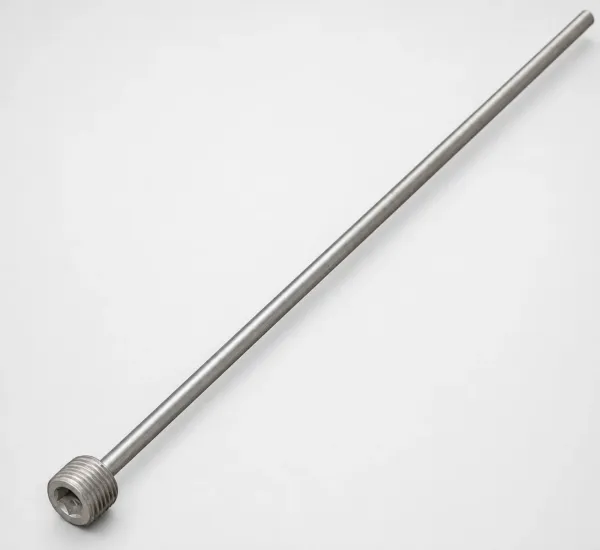
Stainless Steel Cooling Pipes Tapered Thread Straight Thread
Stainless Steel Cooling Pipes Tapered Thread Straight Thread provide inside mounting for efficient mold cooling. Stai...
View Details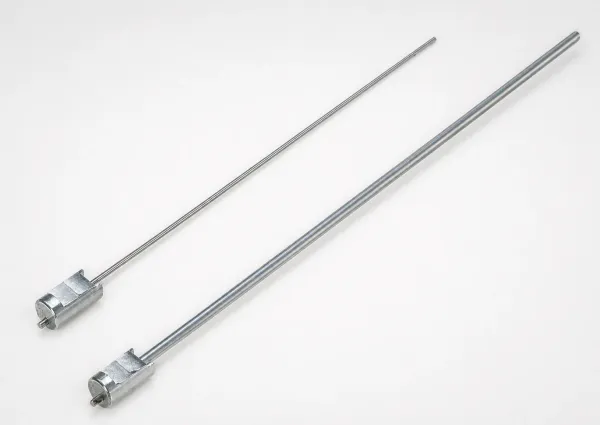
Cooling Pipes - Dowel Pin and Flange
Cooling Pipes for mold temperature control with dowel pin or flange mounting. Stainless steel, brass options support ...
View Details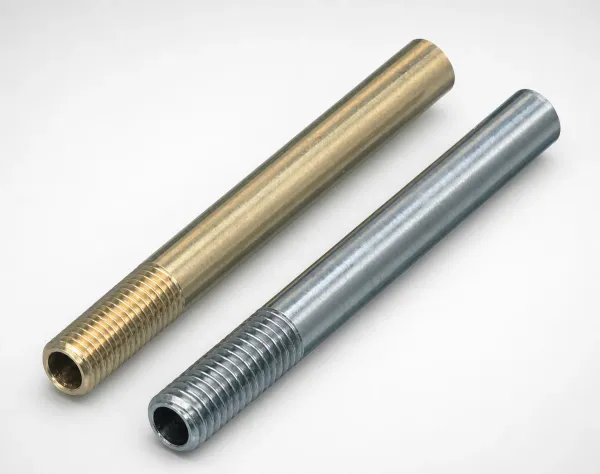
Cooling Pipes Fine Pitch Thread Stainless Steel or Brass
Cooling Pipes with fine pitch screw clamping and inside mounting for tight cooling layouts. Available in stainless st...
View Details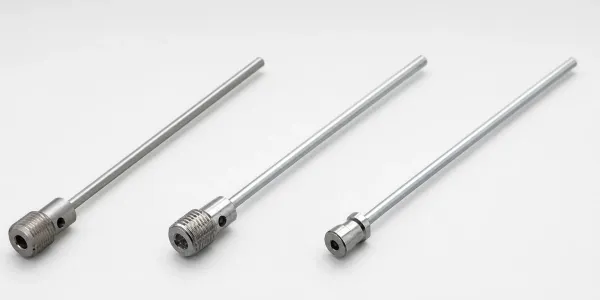
Cooling Pipes Tapered Thread Stainless Steel Inside Mount
Cooling Pipes with Tapered Thread for inside mounting. Stainless steel pipe with brass holder supports stable cooling...
View Details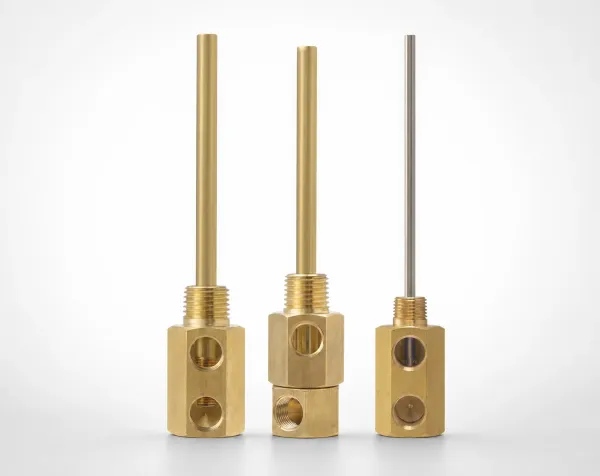
Spot Cooling Pipe Brass Rotary Type
Spot Cooling Pipe Brass Rotary Type for outside mounting with tapered screw clamping. Static or rotary joints support...
View Details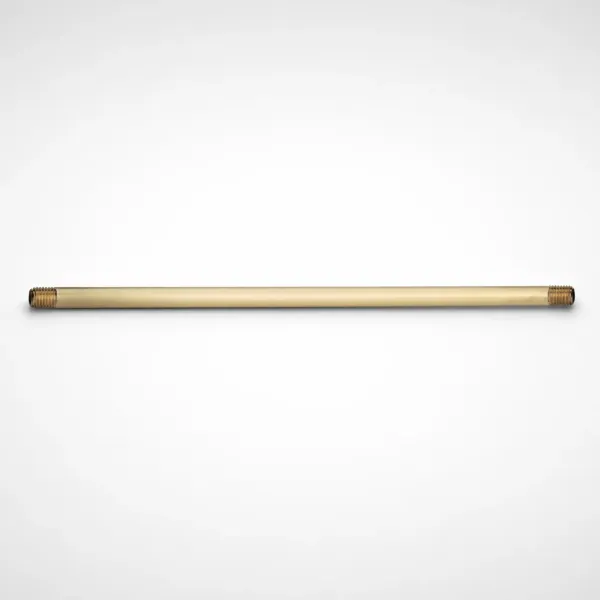
Inch Cascade Brass Tubes with Threads on Both Ends
Inch Cascade Brass Tubes from PCS provide cascade flow plumbing with threads on both ends. Solid brass construction s...
View Details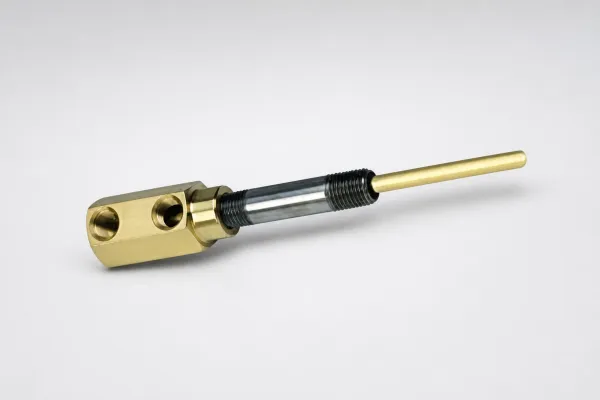
Nipple Type Cascade Assemblies - Inch
Nipple Type Cascade Assemblies - Inch for efficient cooling. Precision-machined brass heads with included 12” brass t...
View Details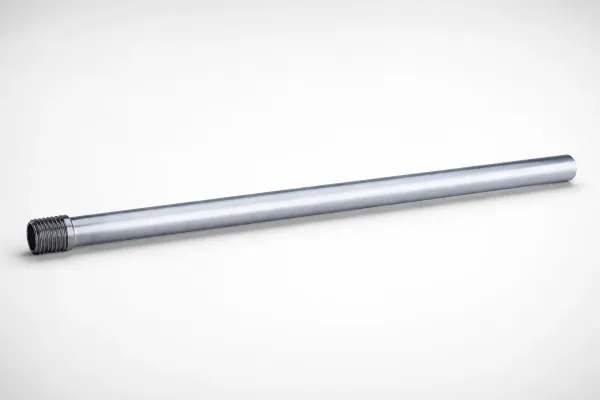
High-Flow Stainless Steel Cascade Tube - Inch
High-Flow Stainless Steel Cascade Tube - Inch by PCS increases flow rate up to 300% versus standard tubes. Stainless ...
View Details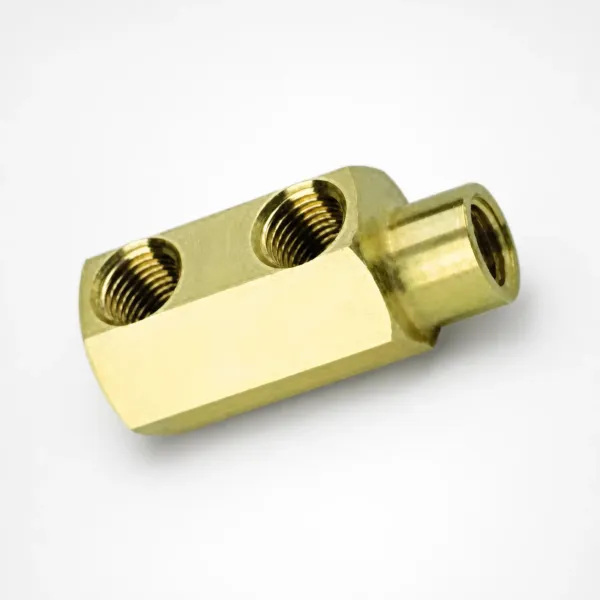
Inch Replacement Heads for High-Flow Assemblies Brass
Inch Replacement Heads for High-Flow Assemblies made from solid brass, designed for high-flow tubes to prevent leaks ...
View Details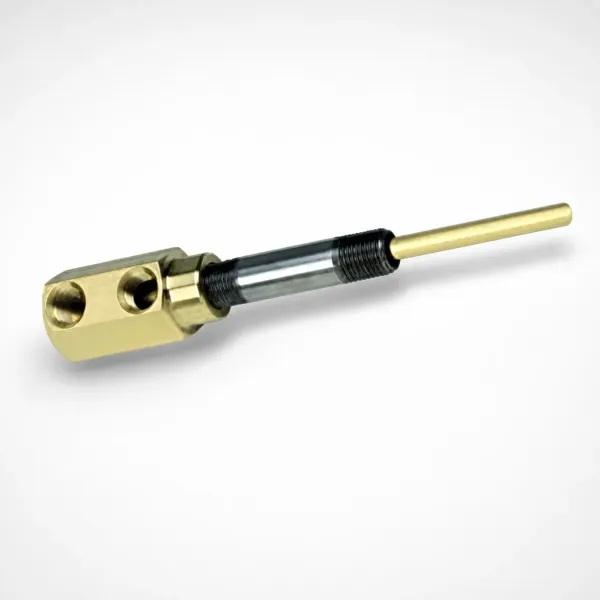
High-Flow Cascade Assemblies - Inch
High-Flow Cascade Assemblies - Inch with increased inlet area for 35%–65% higher flow and leak-resistant offset seali...
View Details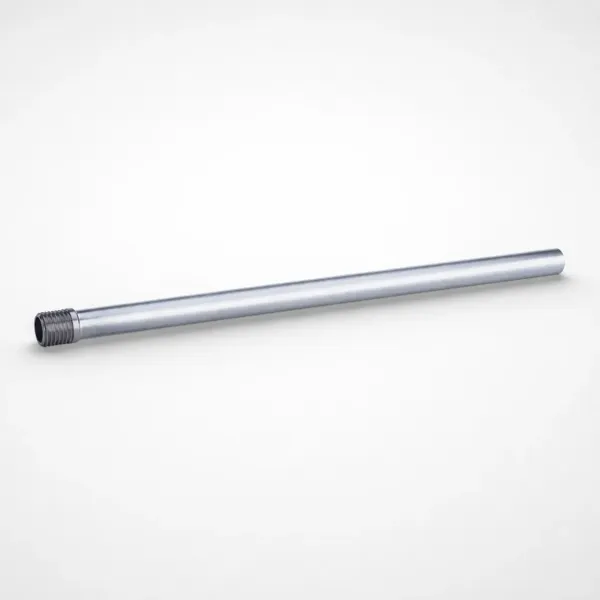
High-Flow Stainless Steel Cascade Tubes - Inch
High-Flow Stainless Steel Cascade Tubes - Inch deliver up to 300% higher flow versus standard tubes. Stainless streng...
View Details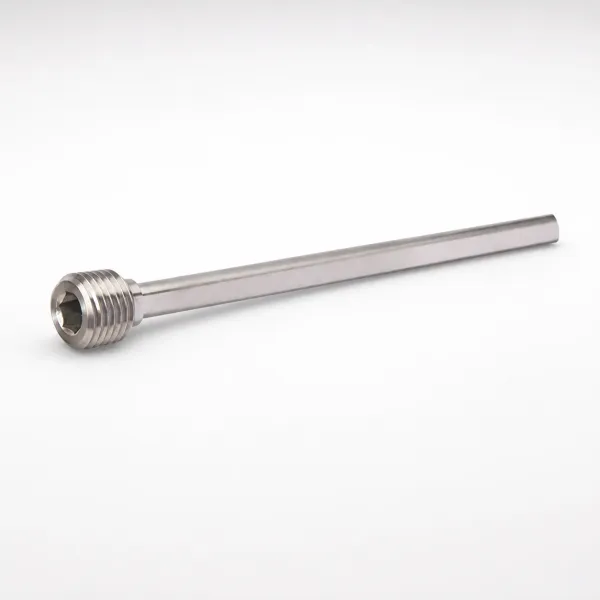
Stainless Piston Tubes - Inch
Stainless Piston Tubes - Inch for mold cooling deliver maximum cooling rates with hollow tube construction. Use stand...
View Details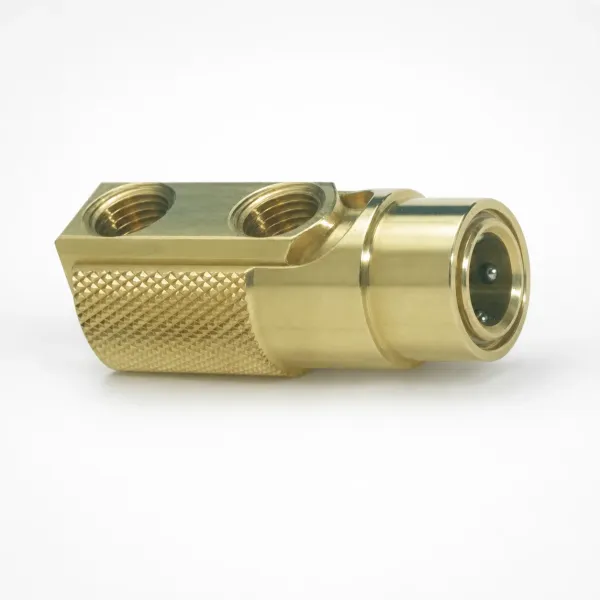
Inch Quick-Coupler Cascade Replacement Heads
Inch Quick-Coupler Cascade Replacement Heads for fast cooling circuit assembly. Built from solid brass and stainless ...
View Details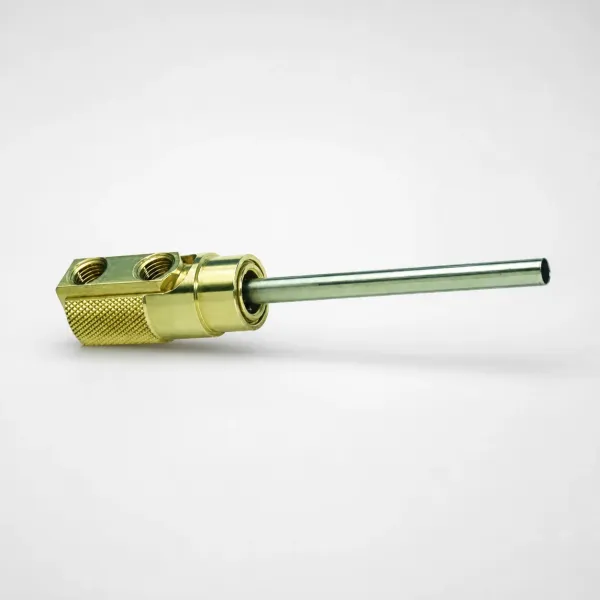
Quick-Coupler Type Cascade Assemblies Inch
Quick-Coupler Type Cascade Assemblies Inch with thin-wall stainless steel tubes and Viton seals. Designed for quick i...
View Details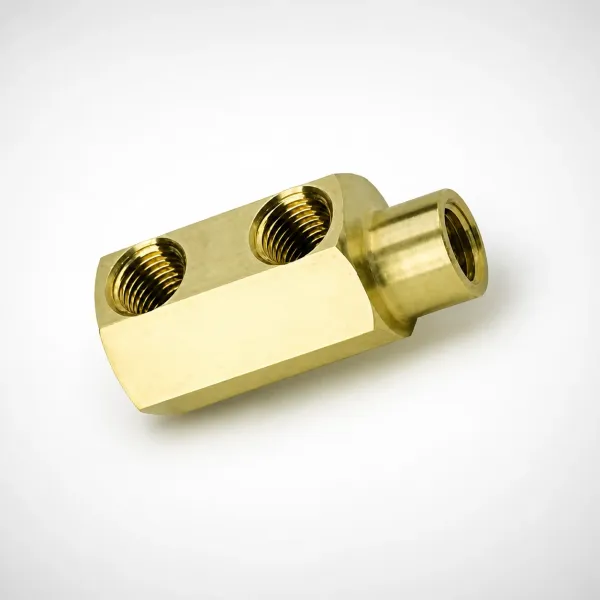
Replacement Heads for High-Flow Stainless Tubes - Inch
Replacement Heads for High-Flow Stainless Tubes - Inch made from solid brass. Includes brass pipe plug for improved c...
View Details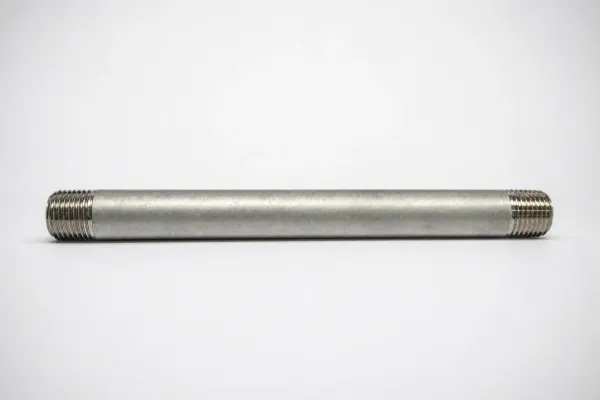
Stainless Steel Cascade Tubes - Inch Threaded Both Ends
Stainless Steel Cascade Tubes - Inch threaded both ends for nipple type cascades, delivered in 18 in length. PCS for ...
View DetailsCooling Pipe Types Compared
Choose the right cooling pipe type based on your channel depth, flow requirements, and connection preferences.
| Dimension | Standard Pipe | Cascade (Bubbler) | High-Flow Cascade | Spot Cooling Pipe |
|---|---|---|---|---|
| Design | Single tube, open end | Tube-in-tube, concentric foldback | Large-bore tube-in-tube concentric | Needle jet nozzle tip |
| Flow Pattern | Unidirectional flow through cavity | Up-center inner tube, down-annulus gap | Up-center, down-annulus (wider area) | Concentrated high-speed jet stream |
| Max Channel Depth | 150 mm (limited by self-weight deflection) | 200 mm | 250+ mm (ideal for deep core pins) | 100 mm (targets localized gate points) |
| Flow Resistance & Vol | Low resistance, standard flow | High resistance due to narrow annulus | -30% to -50% pressure drop vs standard | High localized velocity, low overall volume |
| Connection Types | Rc Thread / Crimp Sleeve / Dowel Flange | Rc Tapered Thread / G Parallel Thread | Parallel Thread / Quick-disconnect Coupler | Rc Thread + $360^\circ$ rotary body |
| Materials | SS304 / Brass | SUS304 | SUS304 | Brass C3604 |
| Replacement Heads | N/A (disposable unit) | Available (Hex Socket series KPCH) | Available (High-Flow KPMH / Quick KPLH) | N/A |
| Best For | Standard shallow waterlines | Deep cores, low-to-moderate flow | Cycle-critical packaging & medical molds | Gate cooling, hot spots, cold-well cores |
Selection rule: For channels ≤150 mm deep, standard pipes or baffles are sufficient. For 150-250 mm depth, cascades are the standard choice. When cycle time is critical and you need maximum flow, upgrade to high-flow cascades. See our Cooling Pipes vs Cascade Comparison for detailed specifications.
Compatible Components & Replacement Parts
Cooling pipes and cascades require matching accessories for proper installation and maintenance. Standardize on the following specifications:
Cascade Assemblies & Replacement Heads
Concentric inner tubes undergo erosion from soft water mineral scale. Replace heads based on standard mapping:
- Standard KPCF ø10 $\rightarrow$ KPCH ø10 head
- High-Flow KPMF ø12 $\rightarrow$ KPMH ø12 head
- Quick-Coupler KPLF ø10 $\rightarrow$ KPLH ø10 head
Pipe threads & O-Rings
Parallel thread pipes (G or M-thread) require an elastic seal at the base face. Use high-temperature FKM O-rings and wrap threads with PTFE tape (0.1 mm thickness, wrap 5-8 turns clockwise).
E.g., G1/8 thread waterline joints require ORSO 6.8 (FKM) O-rings.Unused Bores & Plugs
When removing long-term cooling pipes, seal the exposed blind ports using tapered brass waterline plugs to maintain high-pressure circuit integrity.
E.g., Rc1/8 port requires MSPE 1/8 tapered brass plug.Maintenance tip: Cascade replacement heads are a cost-effective alternative to replacing the entire assembly. Stock the appropriate head type for your installed cascades. See our Cascade Assembly Guide for head compatibility tables.
About Cooling Pipes & Cascade Assemblies
Cooling pipes and cascade assemblies are tube-type cooling components inserted into drilled blind holes in the mold. While baffles split a single channel into two semicircular paths, cooling pipes and cascades use concentric tubes to create independent supply and return flows — delivering higher flow rates and better heat transfer, especially in deep channels exceeding 150 mm depth.
Our range includes standard cooling pipes (single-tube, multiple thread options), cascade/bubbler assemblies (tube-in-tube), high-flow cascades (oversized inner tubes for 30-50% more flow), spot cooling pipes (directional nozzle for targeted cooling), and all corresponding replacement heads. Available in stainless steel (SUS304) and brass from MISUMI (metric) and PCS (inch) brands.
Application Scenarios
High-Cavity Mold Core Cooling
32-128 cavity molds where each core pin requires dedicated, high-flow cooling to maintain cavity-to-cavity temperature uniformity within ±2°C.
Cascade assemblies deliver consistent coolant flow to each core position. The tube-in-tube design ensures fresh coolant reaches the bore bottom, unlike baffles where flow can stagnate at depth. High-flow variants maximize flow in tight inter-cavity spacing.
Recommended → High-Flow Cascade Assemblies + Replacement Heads
Gate Area Targeted Cooling
Hot spot at the gate location where the resin enters the cavity — excessive heat at the gate creates stringing, blush marks, and extended cooling time at the thickest flow path area.
Spot cooling pipes with rotary body option can direct a concentrated coolant jet precisely at the gate area, reducing the local temperature gradient without over-cooling adjacent surfaces.
Recommended → Spot Cooling Pipe - Brass, Rotary Body
Quick-Change Mold Cooling Setup
Production environments with frequent mold changes where cooling circuit setup/teardown time directly impacts machine utilization — every minute of changeover is lost production.
Quick-coupler type cascade assemblies allow tool-free connection and disconnection of cooling circuits. Combined with color marker rings for circuit identification, changeover time for cooling can be reduced by 50%.
Recommended → Quick-Coupler Cascade Assemblies + Color Marker Rings
Frequently Asked Questions
What is the difference between standard cooling pipes and cascade cooling tubes?+
When should I use a high-flow cascade assembly vs a standard cascade?+
What thread type should I choose for mold cooling pipes?+
What replacement heads are available for cascade cooling assemblies?+
Are cooling pipes available in both stainless steel and brass?+
Engineering Resources
Standard Cooling Pipes vs Cascade Assemblies
Thread types, flow rates, materials, and installation methods compared across all cooling pipe variants.
Cascade Cooling Assembly Guide
Component selection, replacement head compatibility, and installation procedures for all cascade types.
Need a Custom Quote?
Specify your cooling bore diameter, depth, thread type (tapered/parallel/crimping/NPT), and material preference (SS/brass). Custom lengths and non-standard thread configurations available.