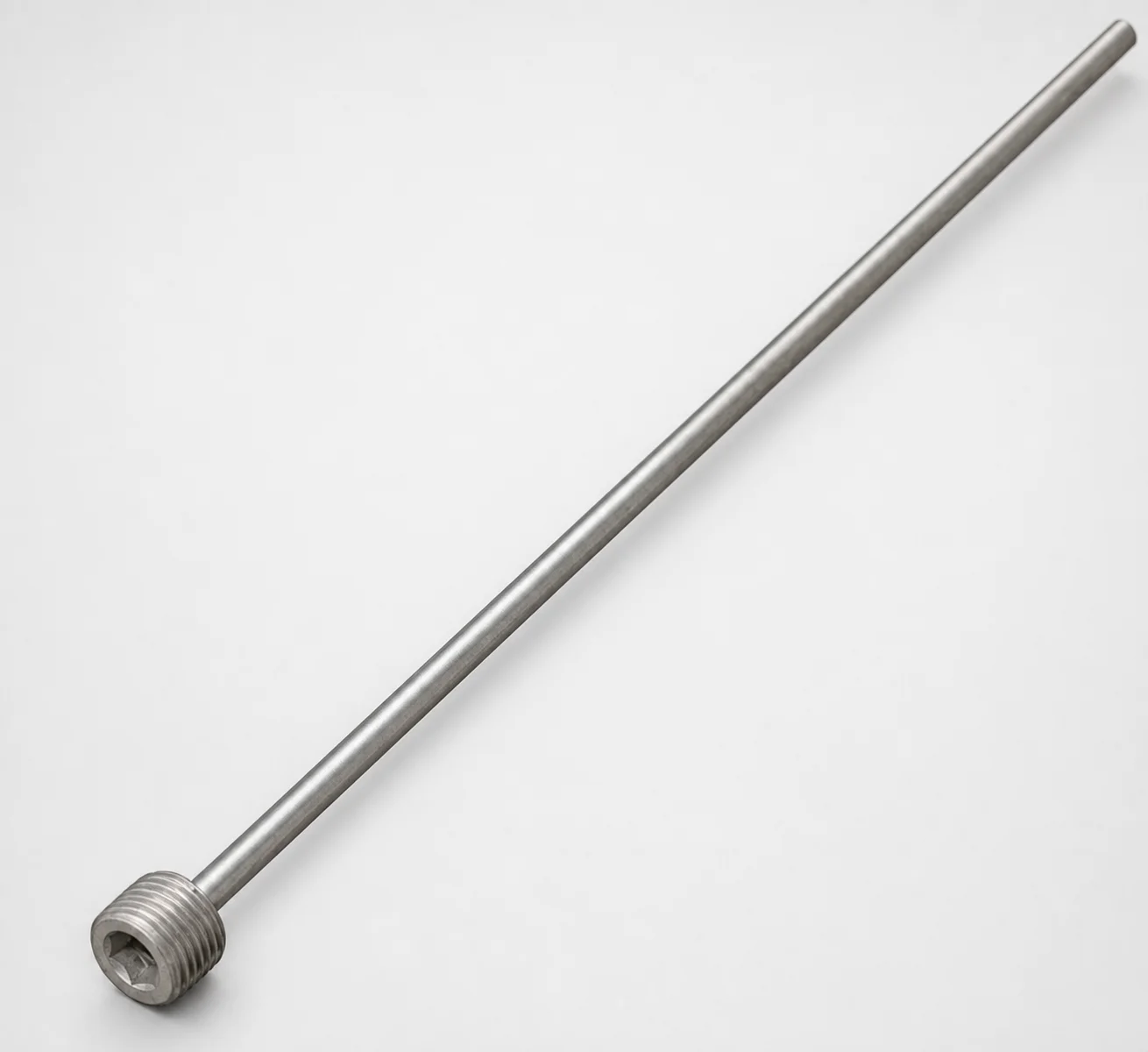
Stainless Steel Cooling Pipes Tapered Thread Straight Thread
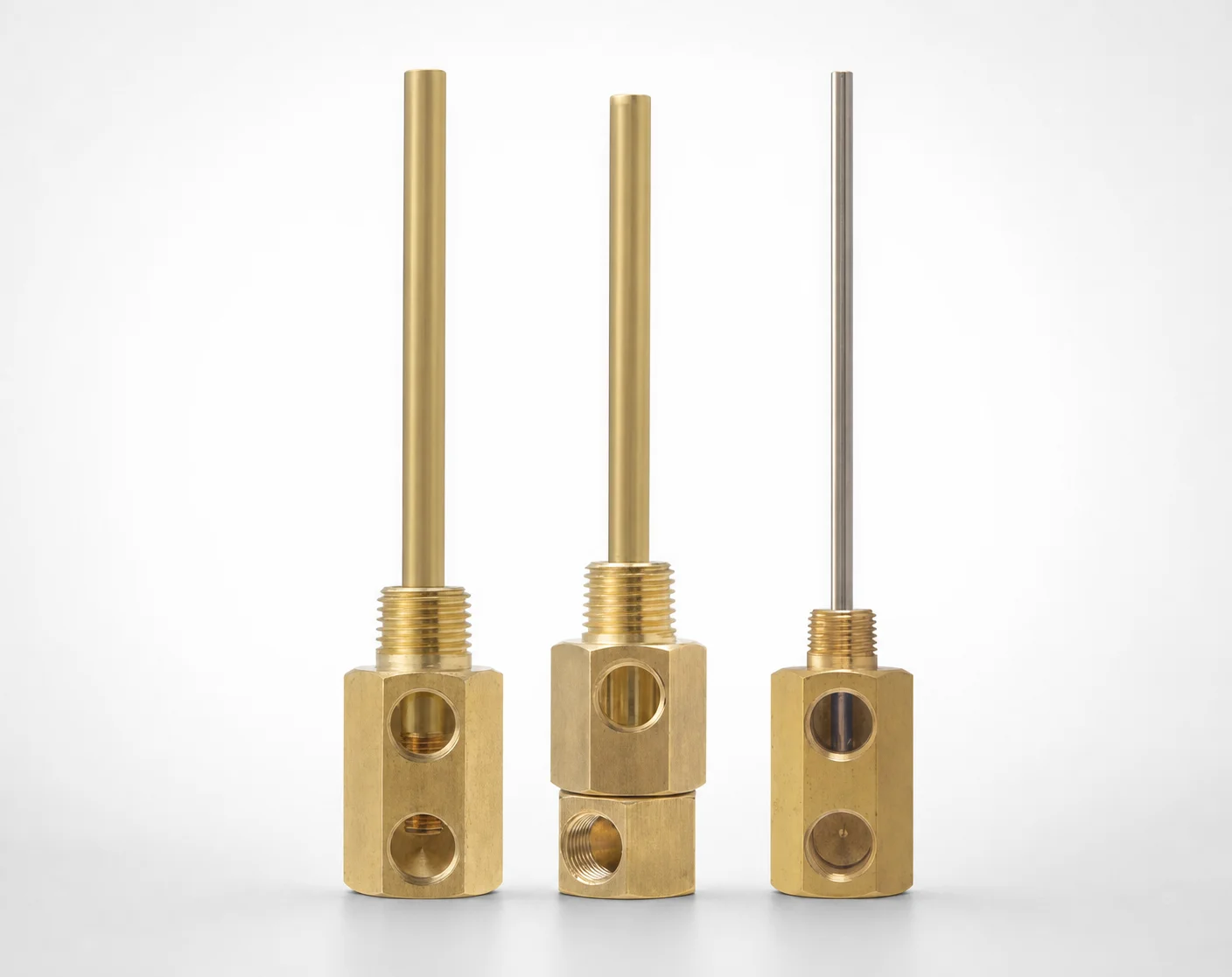
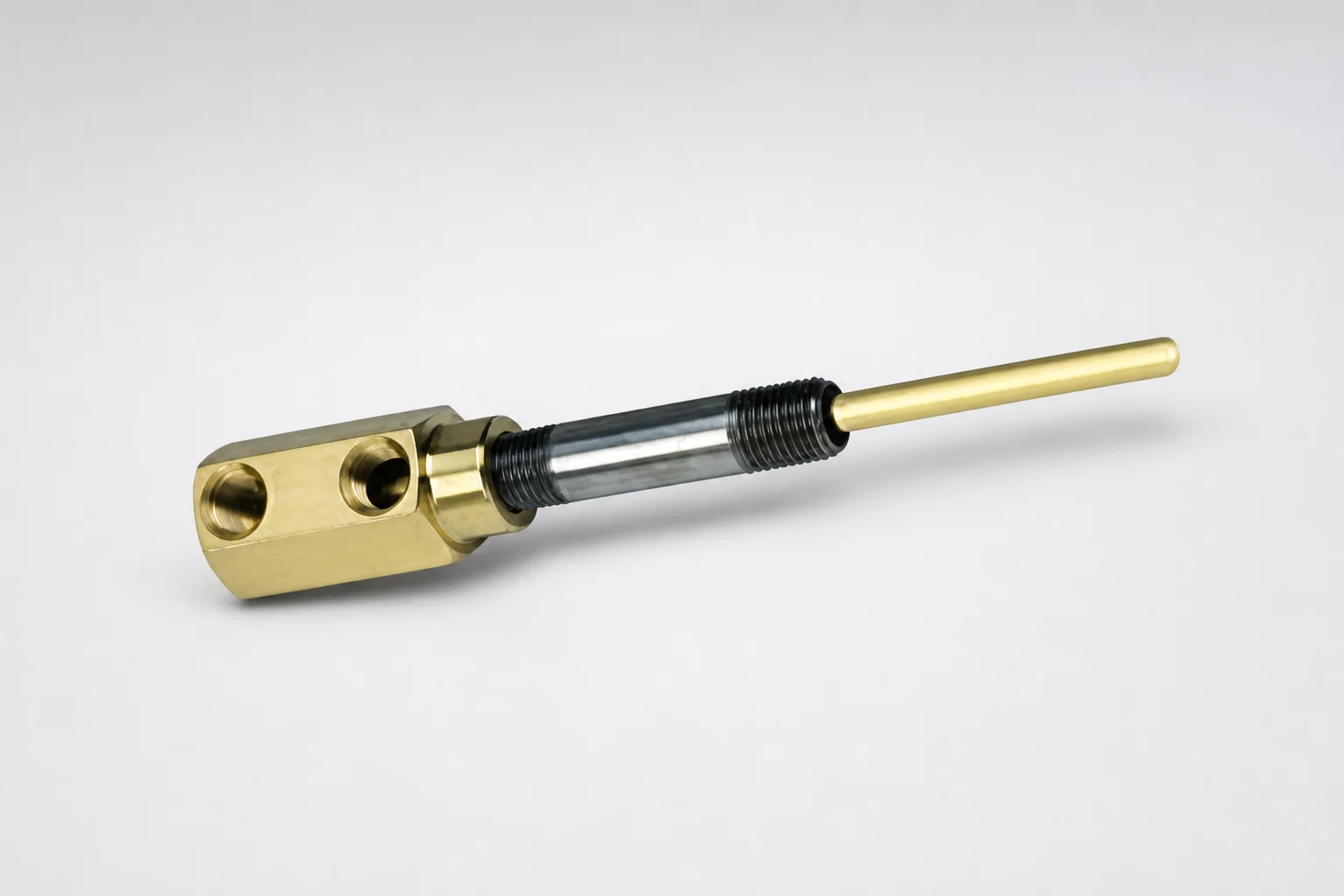
Stainless Steel Cooling Pipes Tapered Thread Straight Thread are designed for inside mounting to deliver stable cooling performance in injection molds. The straight-thread connection with tapered screw clamping helps secure assembly.
- Inside mounting layout supports compact mold designs and consistent cooling paths
- Stainless steel holder and pipe material resist corrosion and maintain thermal stability
- Tapered screw clamping with straight thread type improves joint integrity during use
- Suitable for molded tooling cooling circuits where straight-thread serviceability is required
Specifications
12 configurations available
| Clamping Method | D (Pipe Diameter) (mm) | Length L (mm) | type |
|---|---|---|---|
| Parallel pipe thread type | 2 | 150 | - |
| Parallel pipe thread type | 2 | 200 | - |
| Parallel pipe thread type | 3 | 200 | - |
| Parallel pipe thread type | 3 | 250 | - |
| Parallel pipe thread type | 4 | 200 | - |
| Parallel pipe thread type | 4 | 300 | - |
| Tapered screw | 2 | 150 | - |
| Tapered screw | 2 | 200 | - |
| Tapered screw | 3 | 200 | - |
| Tapered screw | 3 | 250 | - |
| Tapered screw | 4 | 200 | - |
| Tapered screw | 4 | 300 | - |
Product Guide
Application Scenarios+
This type of stainless cooling pipe is used for inside mounting in injection mold interior cooling circuits where dimensional compactness and corrosion resistance matter. The straight-thread serviceability combined with tapered screw clamping helps maintain a stable joint under repeated thermal cycling, supporting consistent heat transfer along the cooling path.
- Automotive components and large housings: Install multiple pipes in parallel or in segmented channels to keep cooling uniform and reduce temperature gradients across thick sections.
- Consumer electronics enclosures: Use the small pipe diameter options (D = 2, 3, or 4 mm) to fit tight mold wall spaces while preserving efficient cooling around ribs and bosses.
- Production molds with high humidity or washdown exposure: Stainless construction helps resist corrosion that can otherwise degrade thermal performance and sealing over time.
Choose this variant when your tooling requires a secure clamped connection plus maintainable straight-thread service for interior cooling lines.
Material & Process Details+
The product is specified as stainless steel for both the holder and pipe body, selected to maintain stable thermal behavior while resisting corrosion. Stainless steels typically offer better long-term performance in damp shop environments compared with plain carbon steels, reducing the risk of pitting that can impair heat transfer.
- Clamping and joint integrity: The tapered screw clamping method benefits from steel’s mechanical stability, helping hold contact pressure during repeated heating/cooling cycles.
- Heat treatment state: No specific heat-treatment condition (e.g., quenched & tempered, nitrided) is provided in the supplied data, so selection should be confirmed via the material certificate for your exact MISUMI item/lot.
- Hardness/wear trade-off: Cooling pipes are primarily selected for corrosion resistance and dimensional stability rather than extreme wear resistance; hardness targets are not stated in the provided specifications.
If you need maximum wear performance (e.g., abrasive fluids), you would compare against hardened tool steels, but for typical cooling-fluid contact the stainless corrosion advantage is usually the key driver.
Sizing & Selection Guide+
Select the cooling pipe dimensions by matching the pipe diameter (D) and length (L) to your mold cavity/core cooling channel layout.
- Diameter (D): Available pipe diameters are 2, 3, and 4 mm. Use the smallest diameter that still achieves the required flow/heat removal for the local geometry (thin walls may tolerate smaller lines; thick sections often benefit from larger effective cross-sections).
- Length (L): Choose from 150, 200, 250, or 300 mm based on the straight run distance across the cooling zone and the placement of the inside mounting features.
Because this product uses a tapered screw clamping connection, verify that the mold-side mounting pocket/through-hole geometry is compatible with the clamping method to ensure correct seating and sealing. Tolerance and fit values are not included in the provided data; confirm the required installation tolerance for the threaded/clamped interface with your drawing package and the specific MISUMI item specification.
D and L are fixed per the listed options; clamping method is fixed to the tapered screw configuration for this series.
Frequently Asked Questions
Which clamping method is used on this stainless cooling pipe, and does it affect sealing performance?+
What pipe diameters (D) are available, and how should I choose between D = 2, 3, and 4 mm for cooling?+
How do I pick the correct pipe length L for an inside-mounted cooling circuit?+
Is this cooling pipe intended for corrosive or humid production environments?+
Do you provide hardness or heat-treatment details for the cooling pipe steel?+
Related Products
Need Custom Specifications?
Our engineering team can help with custom configurations, material selection, and volume pricing.