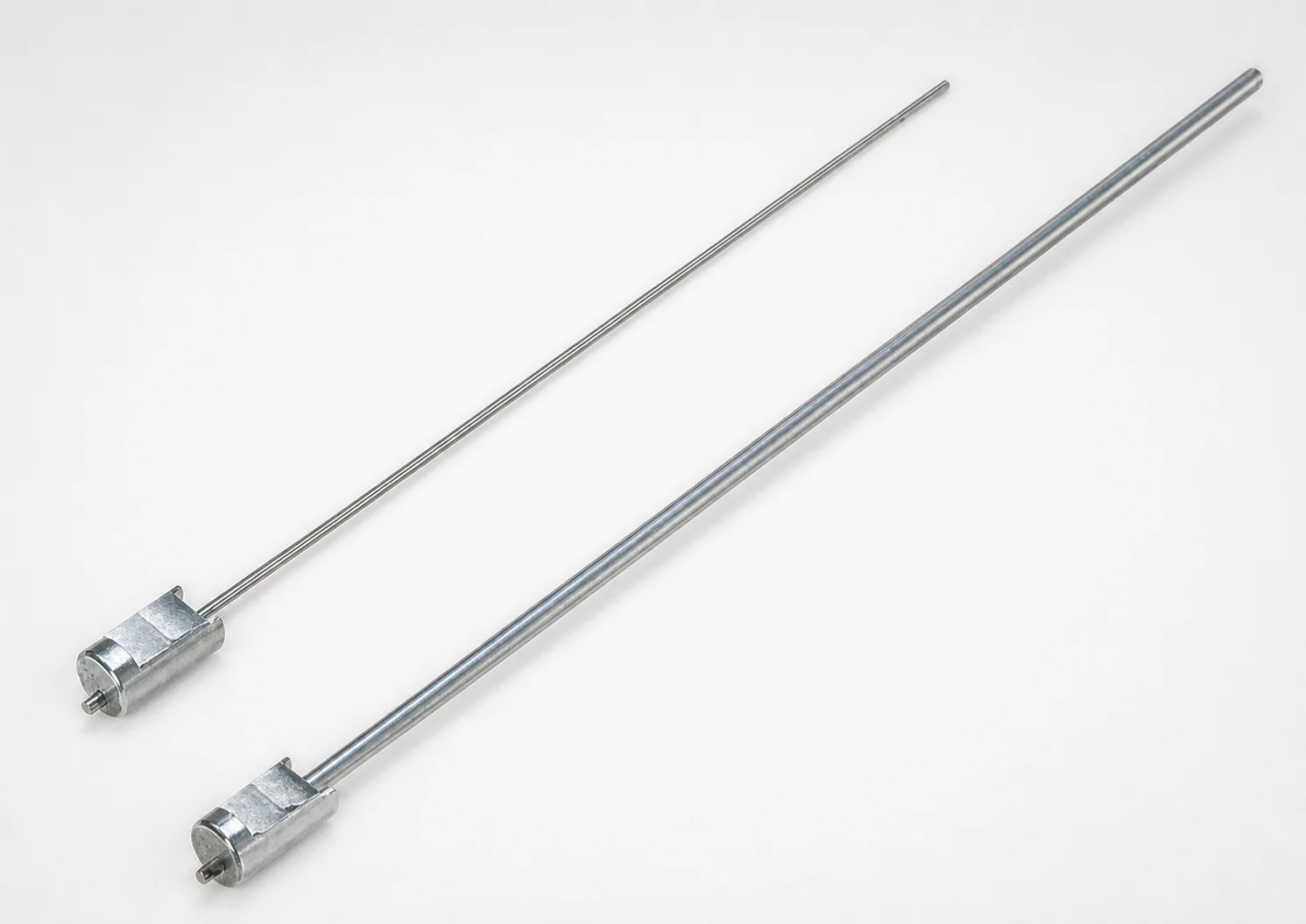
Cooling Pipes - Dowel Pin and Flange
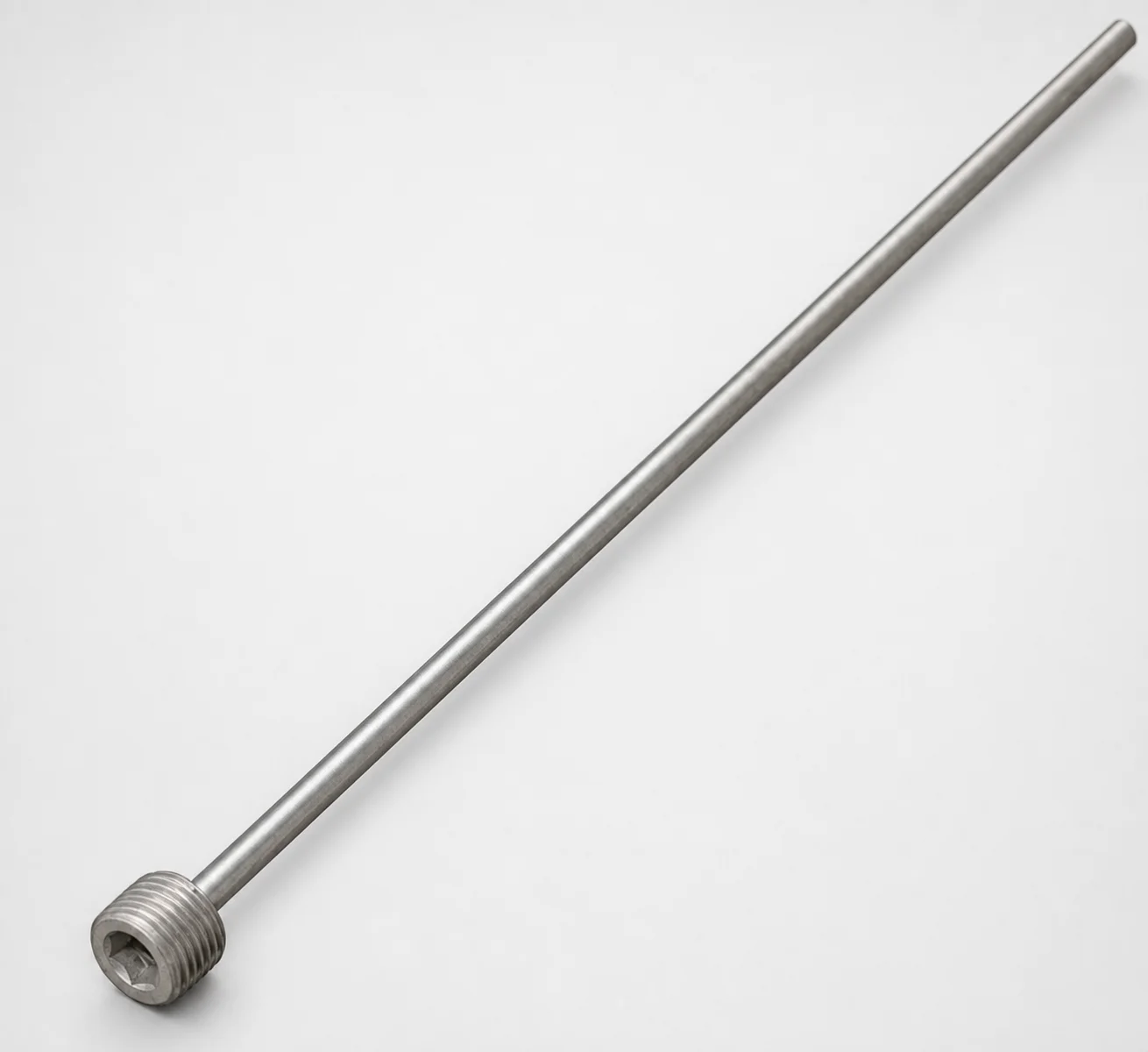
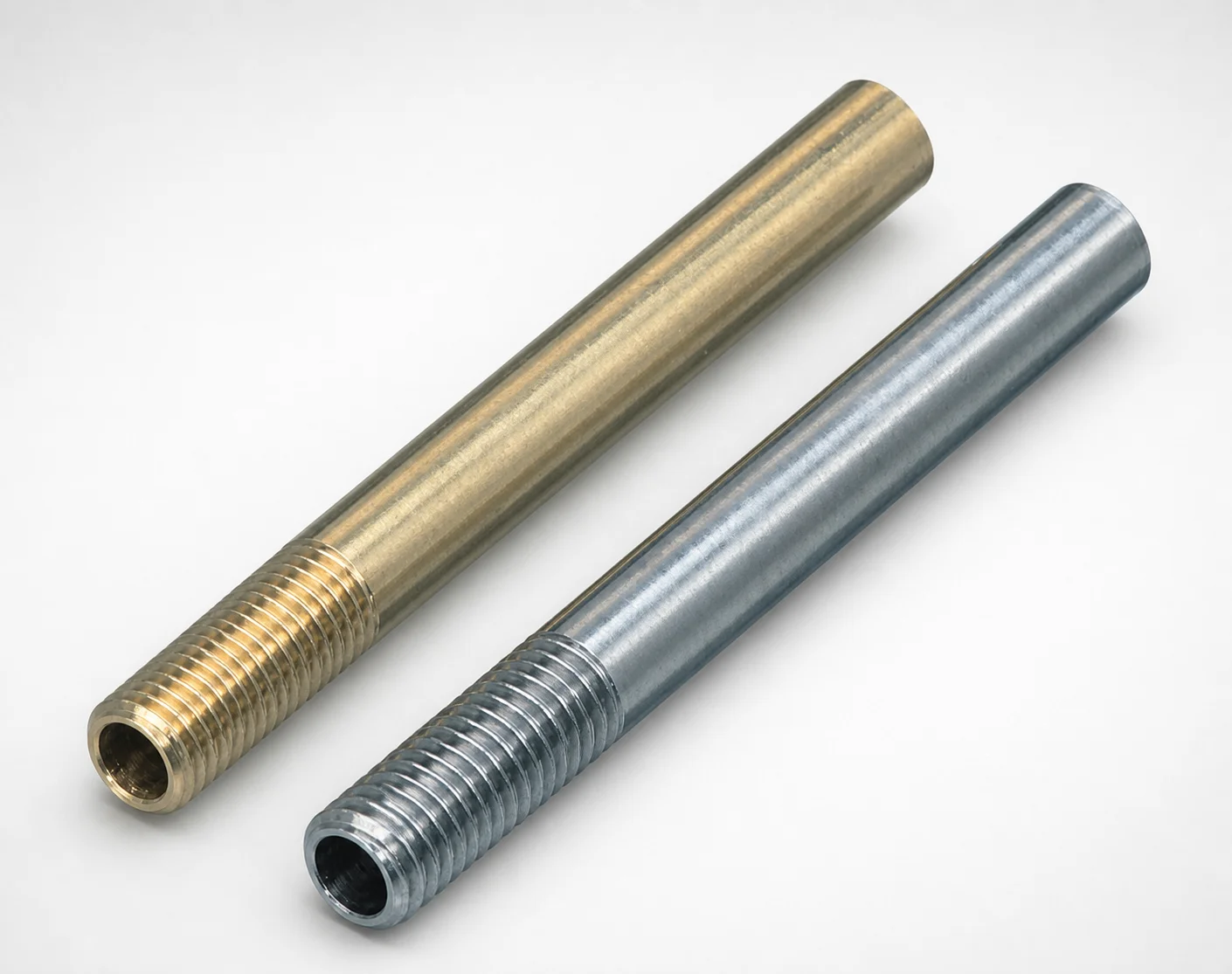
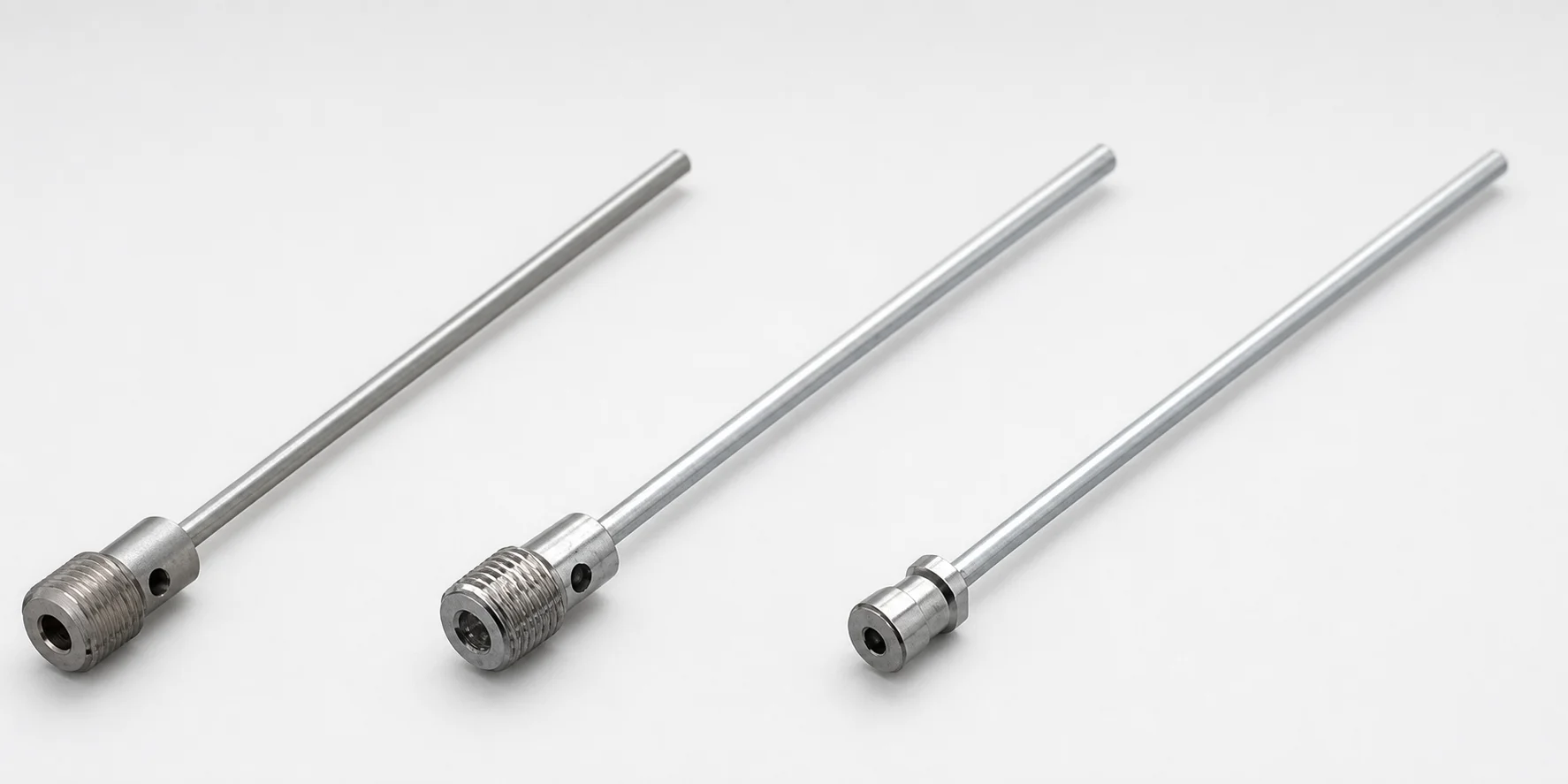
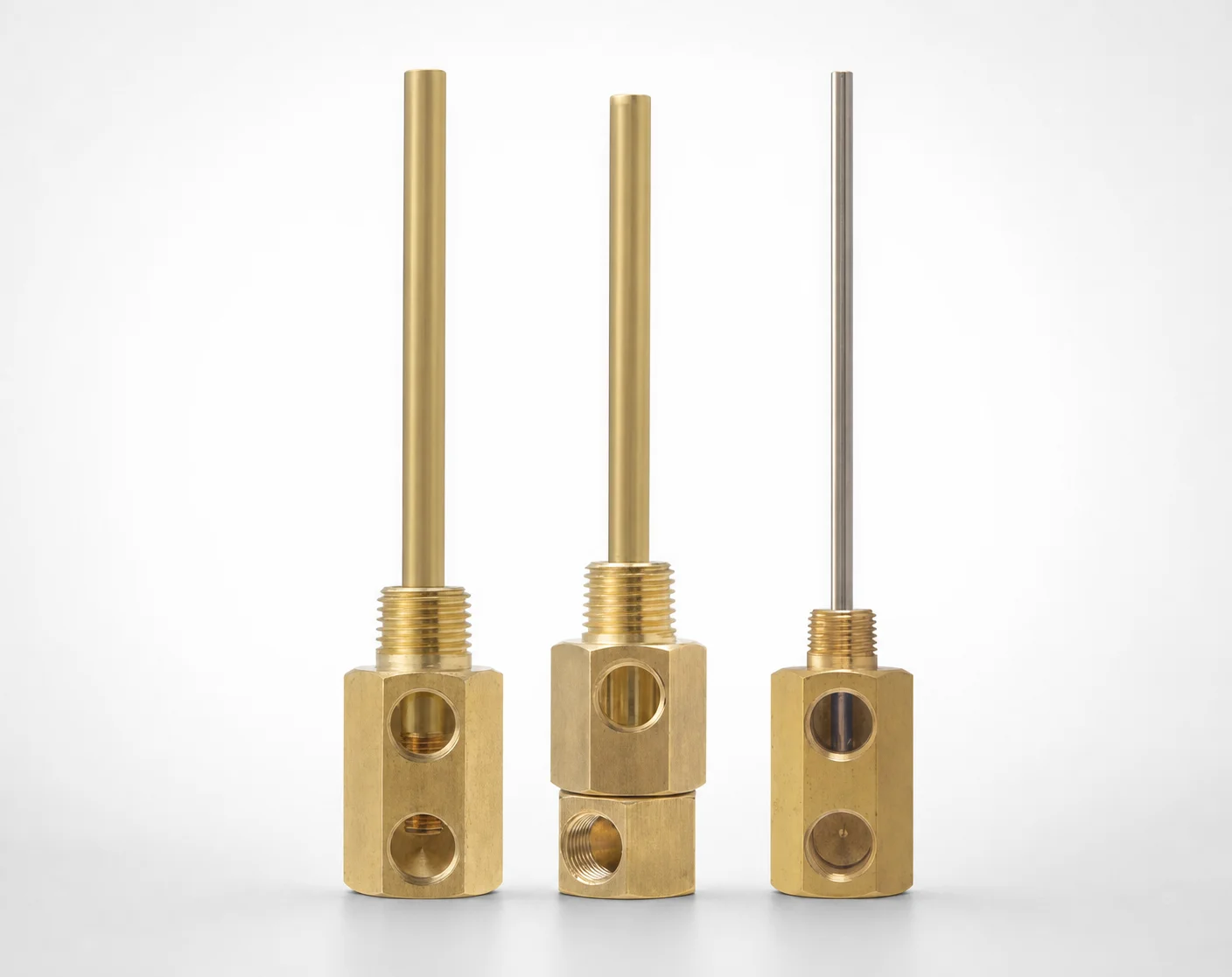
Cooling pipes (Stainless steel or brass) are designed for inside mounting using a dowel pin or flange to help stabilize mold temperatures. Their heat-dissipation role supports consistent cycle performance and helps protect equipment against overheating in industrial production.
- Inside cooling-pipe mounting with dowel pin or flange clamping for secure alignment
- Available in stainless steel or brass (including oxygen-free copper options for compatible thermal needs)
- Supports multiple pipe types for installation planning: WCPN, WCPNT, WCPST
- Commonly used to improve thermal management and maintain stable operating temperatures
Specifications
16 configurations available
| Material | Pipe Material | Clamping Method | D (Pipe Diameter) (mm) | Length L (mm) | type |
|---|---|---|---|---|---|
| Stainless Steel | Stainless Steel | Dowel pin | 1.5 | 150 | - |
| Stainless Steel | Stainless Steel | Dowel pin | 2.5 | 150 | - |
| Stainless Steel | Stainless Steel | Dowel pin | 3.2 | 200 | - |
| Brass | Oxygen free copper | Dowel pin | 1.5 | 150 | - |
| Brass | Oxygen free copper | Dowel pin | 2.5 | 150 | - |
| Brass | Phosphorous-deoxidized copper | Dowel pin | 3.2 | 200 | - |
| Brass | Phosphorous-deoxidized copper | Dowel pin | 4 | 200 | - |
| Brass | Phosphorous-deoxidized copper | Dowel pin | 6 | 300 | - |
| Brass | Phosphorous-deoxidized copper | Dowel pin | 8 | 300 | - |
| Brass | Phosphorous-deoxidized copper | Dowel pin | 10 | 350 | - |
| Brass | Phosphorous-deoxidized copper | Dowel pin | 12 | 350 | - |
| Brass | Brass | Flange | 4 | 200 | - |
| Brass | Brass | Flange | 6 | 300 | - |
| Brass | Brass | Flange | 8 | 300 | - |
| Brass | Brass | Flange | 10 | 350 | - |
| Brass | Brass | Flange | 12 | 350 | - |
Product Guide
Application Scenarios+
This cooling pipe assembly is used inside injection molds where stable temperature control directly affects cycle time, dimensional stability, and part quality. It is designed for dowel pin or flange mounting, making it suitable for repeatable positioning in production tooling.
- Automotive connector and housing molds: Use the pipe variant with a clamping method (dowel pin or flange) to maintain consistent coolant alignment through repeated shots, helping reduce thermal drift around thin ribs and bosses.
- Consumer appliance housings and covers: Select the stainless steel or brass/brass-capable option to support steady heat dissipation during long, high-volume molding runs.
- Electrical and thermal-management components: Where thermal conductivity is critical, the oxygen-free copper or phosphorous-deoxidized copper pipe material supports efficient heat transfer with compatible thermal needs.
Choosing stainless for corrosion resistance or copper-based materials for enhanced conductivity helps match the thermal and durability requirements of demanding production environments.
Material & Process Details+
Materials are offered in stainless steel or brass, with copper-based pipe material options including oxygen-free copper and phosphorous-deoxidized copper. Stainless steel is typically selected for corrosion resistance and long service life in aggressive molding environments, trading off some thermal conductivity versus copper alloys.
Brass options provide a practical balance of machinability and stable heat dissipation for general mold temperature control. Copper-based pipe materials focus on high thermal transfer efficiency; oxygen-free copper is commonly chosen where consistent thermal performance is desired, while phosphorous-deoxidized copper offers a similar conductivity-focused approach suitable for many cooling layouts.
- Clamping interfaces: Dowel pin or flange mounting helps maintain consistent contact and reduces alignment variation during production.
- Manufacturing: Pipes are supplied for inside mounting in cooling circuits and are typically installed as part of drilled/cored mold interior thermal channels.
Sizing & Selection Guide+
Select dimensions to match your mold cooling circuit geometry and the required heat removal zone. The available pipe diameter D range is 1.5 ~ 12 mm, and the available length L values are 150, 200, 300, 350 mm.
To size correctly:
- Identify the cooling area along the core/cavity where temperature uniformity is needed, then choose the pipe length L that spans the target heat-transfer region without intersecting ribs, ejector features, or venting paths.
- Match the pipe diameter D to the planned interior coolant channel space and the mold drilling/coring dimensions. Smaller D can be used for tight layouts, while larger D improves flow capacity where space allows.
- Use the dowel pin or flange clamping method to secure alignment during assembly; ensure the mating mold-side features are sized to maintain proper fit and stable positioning during production.
If your mold design uses strict positional repeatability across cavities, prioritize the clamping method that best matches your mold-side reference features.
Frequently Asked Questions
Which material should a mold designer choose for stable mold temperature control: stainless steel, brass, or copper-based pipes?+
Choose stainless steel when corrosion resistance and long-term durability in harsh molding environments are priorities. Choose brass for a practical balance of machinability and steady heat dissipation. For maximum heat transfer efficiency in demanding thermal-management layouts, select oxygen-free copper or phosphorous-deoxidized copper.
How do I select the pipe diameter (D) and length (L) to fit my mold interior cooling layout?+
Use the available D range of 1.5 ~ 12 mm based on the clearance and the drilled/cored space in your mold interior. Select L from the provided options: 150, 200, 300, 350 mm to cover the intended heat-transfer region along the cavity or core.
Confirm the selected D does not conflict with internal mold features (ribs, ejector bores, vents) and that the full L can be installed without interference.
When should I use a dowel pin mounting versus a flange mounting on the cooling pipe?+
Use dowel pin mounting when you want precise, repeatable positioning via pin-based alignment during mold assembly. Use flange mounting when your design supports a broader clamp interface for securing the pipe in the mold interior.
Both methods are intended to stabilize the pipe’s position to reduce alignment variation that can affect cooling uniformity.
What pipe material options are available beyond stainless and brass, and where are they typically applied?+
In addition to stainless steel and brass, the pipe material options include oxygen-free copper and phosphorous-deoxidized copper.
These copper-based options are typically selected when efficient heat dissipation is critical to thermal management performance in the mold interior cooling circuit.
How do the WCPN / WCPNT / WCPST pipe types relate to planning an injection mold cooling circuit?+
This product supports multiple pipe types—WCPN, WCPNT, and WCPST—to help match different installation requirements in mold interior cooling layouts.
When planning, verify the selected type is compatible with your intended clamping approach (dowel pin or flange) and the available D and L dimensions for your cavity/core geometry.
Related Products
Need Custom Specifications?
Our engineering team can help with custom configurations, material selection, and volume pricing.