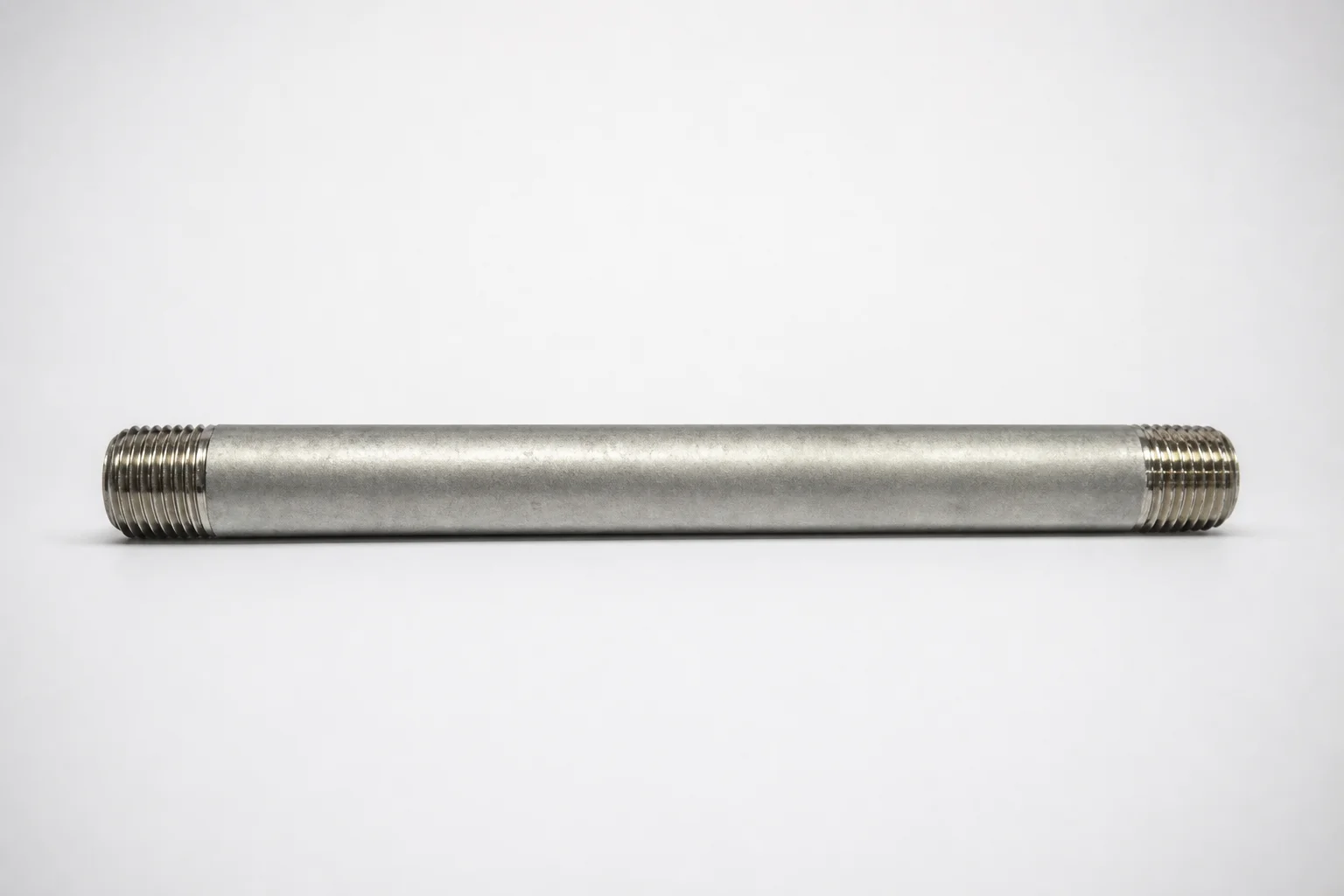
Stainless Steel Cascade Tubes - Inch Threaded Both Ends
Stainless Steel Cascade Tubes - Inch feature threads on both ends for secure connection in nipple type cascades, supporting stable flow in cascade cooling systems. Standard tube length is 18 in.
- Threaded on both ends for reliable assembly with nipple type cascades
- Stainless steel construction supports corrosion resistance in coolant environments
- Compatible with cascade cooling plumbing using nipple-type connections
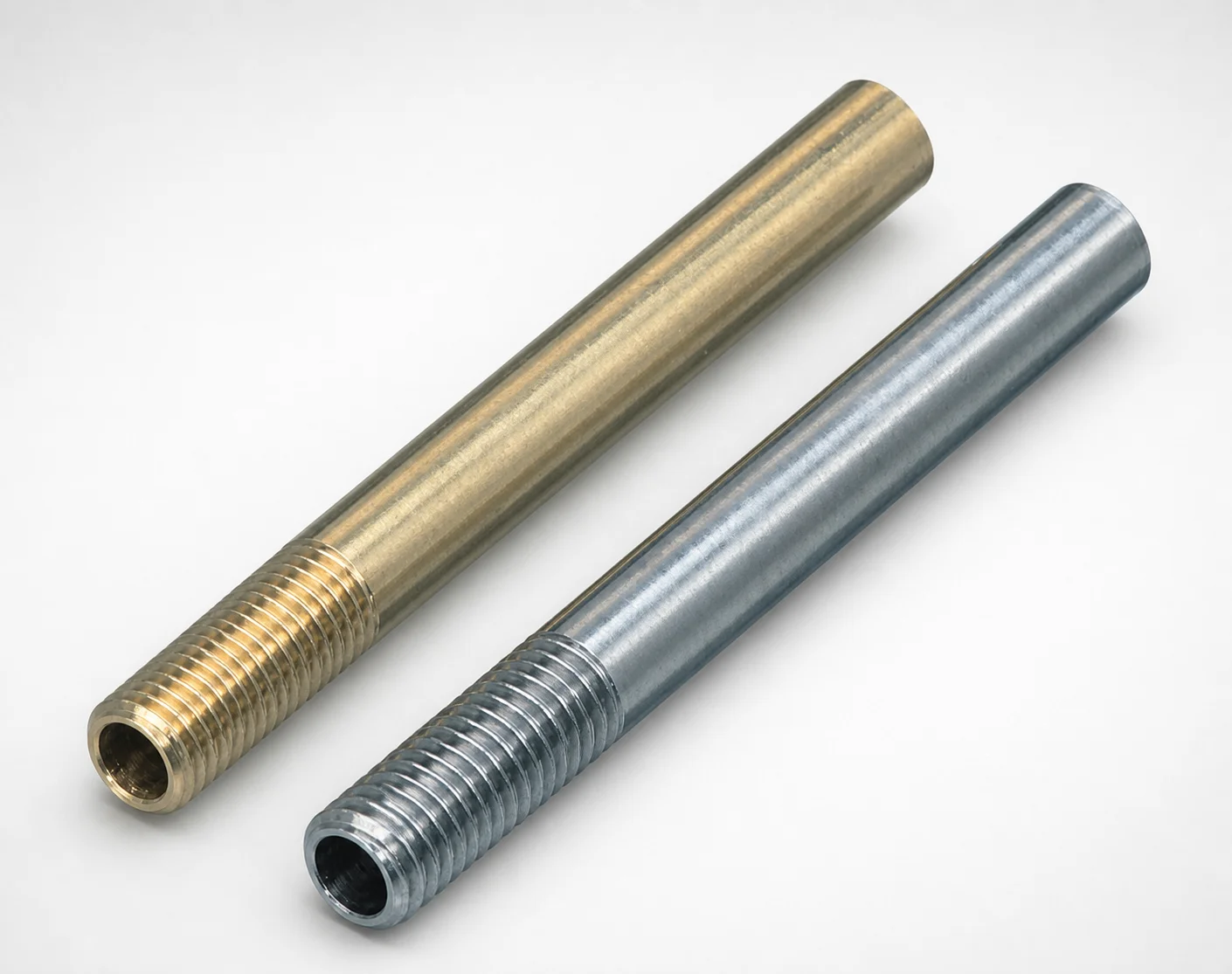
- Available in brass as an alternate tube material option
Product Guide
Application Scenarios+
This product is used inside injection molds where cascade cooling is preferred to manage temperature across longer or complex cavity layouts. The inch threaded ports on both ends enable repeatable, serviceable connections to nipple-type cascade plumbing, helping maintain stable coolant flow and reducing leak risk during maintenance cycles.
Common scenarios include:
- Automotive and appliance component molds: cascade tubes route coolant through sequential zones to improve thermal uniformity around thick-to-thin transitions.
- High-cycle production molds: stainless tube construction resists corrosion from water-based coolants and additives, supporting consistent long-term performance.
- Molds with modular cooling manifolds: the threaded both-ends design simplifies layout adjustments while keeping the cascade configuration intact.
Because it is designed for nipple-type cascades and comes in a standard 18 in length, it is well suited for engineers building predictable internal cooling channels and upgrading existing cascade systems.
Material & Process Details+
The tubes are made from stainless steel, selected for corrosion resistance in typical mold cooling environments where water-based coolants are used. Stainless steel helps reduce pitting and degradation when coolant chemistry varies between production runs.
Heat treatment and hardness details are not provided in the available specifications, so material performance should be verified against your cooling medium, operating temperature, and pressure requirements.
- Wear resistance: stainless steel generally offers good resistance to surface degradation from normal coolant flow and cleaning cycles.
- Toughness trade-off: compared with higher-carbon tool steels, stainless focuses on corrosion durability rather than maximum hardness.
An alternate tube material option is available in brass for applications that prioritize different thermal conductivity and cost considerations. Choose between stainless and brass based on your coolant chemistry, corrosion tolerance, and cleaning regimen.
Sizing & Selection Guide+
This cascade tube is supplied in a standard length of 18 in and features inch threads on both ends for connection in nipple-type cascade systems. Use the 18 in length to span the intended cooling zone between neighboring nipples, fittings, or cascade segments in the mold.
To select the correct fit:
- Confirm the thread standard required by your nipple-type cascade hardware (inch thread interface) to ensure assembly compatibility.
- Verify the tube length (fixed at 18 in) matches the distance between connection points in your mold cooling layout. If your spacing differs, plan for additional segments rather than substituting length.
- Account for thread engagement when positioning the tube endpoints so the coolant path remains unobstructed and connections fully seat.
Note: no additional diameter, wall thickness, or tolerance specifications were provided, so confirm these dimensions with your bill of materials and the selected nipple fittings before machining or assembly.
Frequently Asked Questions
Is this cascade tube compatible with nipple-type cascade cooling assemblies?+
Yes. The tube is designed with inch threaded both ends specifically for secure connection in nipple type cascades.
Compatibility depends on matching the thread interface standard used by your nipple fittings.
What is the tube length and how should I plan spacing in my mold cooling layout?+
The standard delivered length is 18 in.
Plan the distance between your cascade connection points to match 18 in, and ensure the threaded ends provide sufficient engagement without restricting coolant flow.
Why choose stainless steel for cascade cooling pipes in injection molds?+
Stainless steel construction improves corrosion resistance in coolant environments where water and additives may be present.
This helps support more consistent performance over time, especially in higher-cycle molds.
Is there an alternate material option if brass is preferred over stainless?+
Yes. The product description indicates an alternate tube material option in brass.
Select brass versus stainless based on your coolant chemistry, corrosion expectations, and thermal/cost requirements.
Do you provide hardness, heat treatment, or dimensional tolerances for this tube?+
No hardness (HRC), heat treatment state, or dimensional tolerance values were included in the provided specifications.
For engineering sign-off, confirm any needed mechanical or dimensional requirements against your coolant pressure/temperature conditions and the mating threaded hardware.
Related Products
Need Custom Specifications?
Our engineering team can help with custom configurations, material selection, and volume pricing.