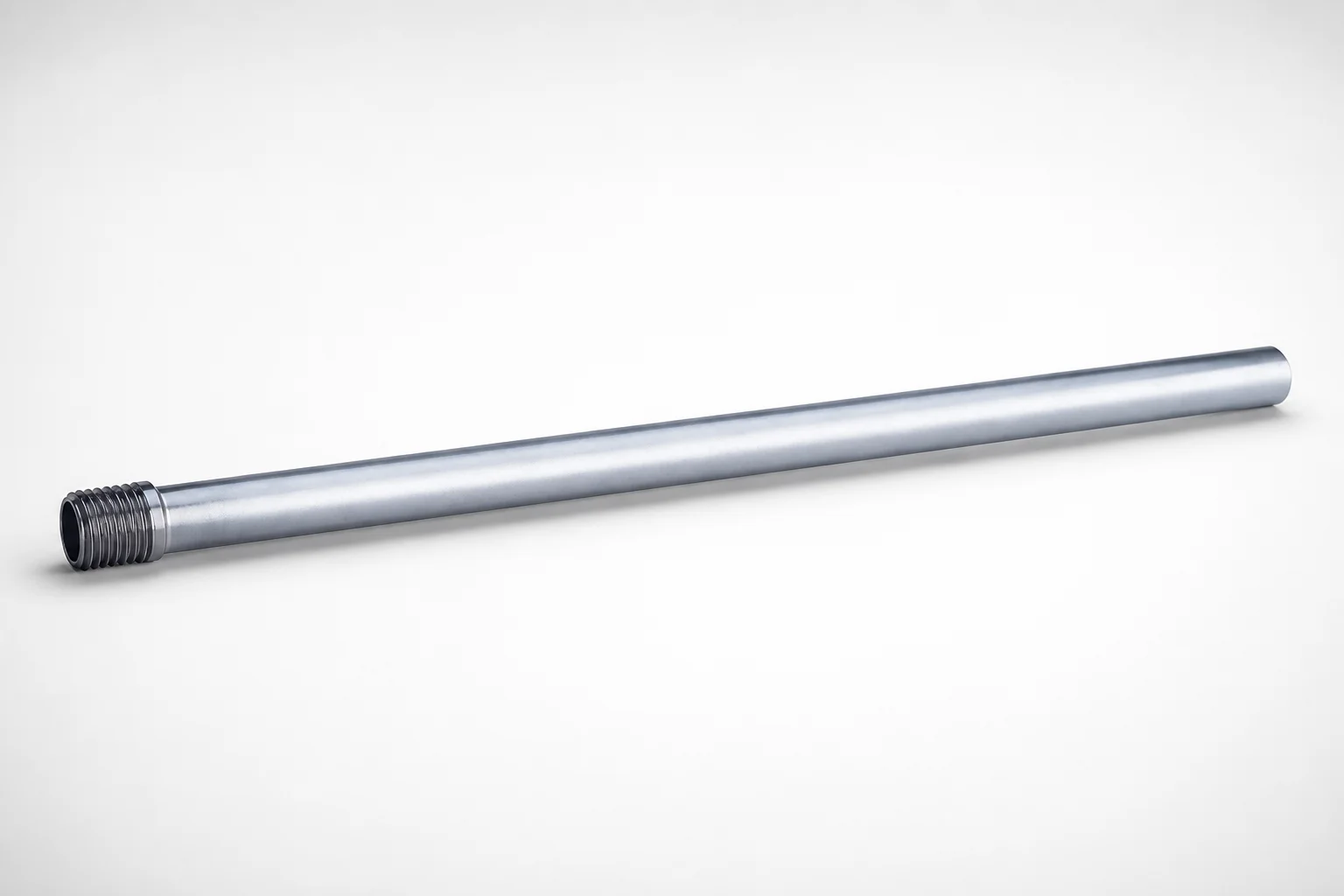
High-Flow Stainless Steel Cascade Tube - Inch
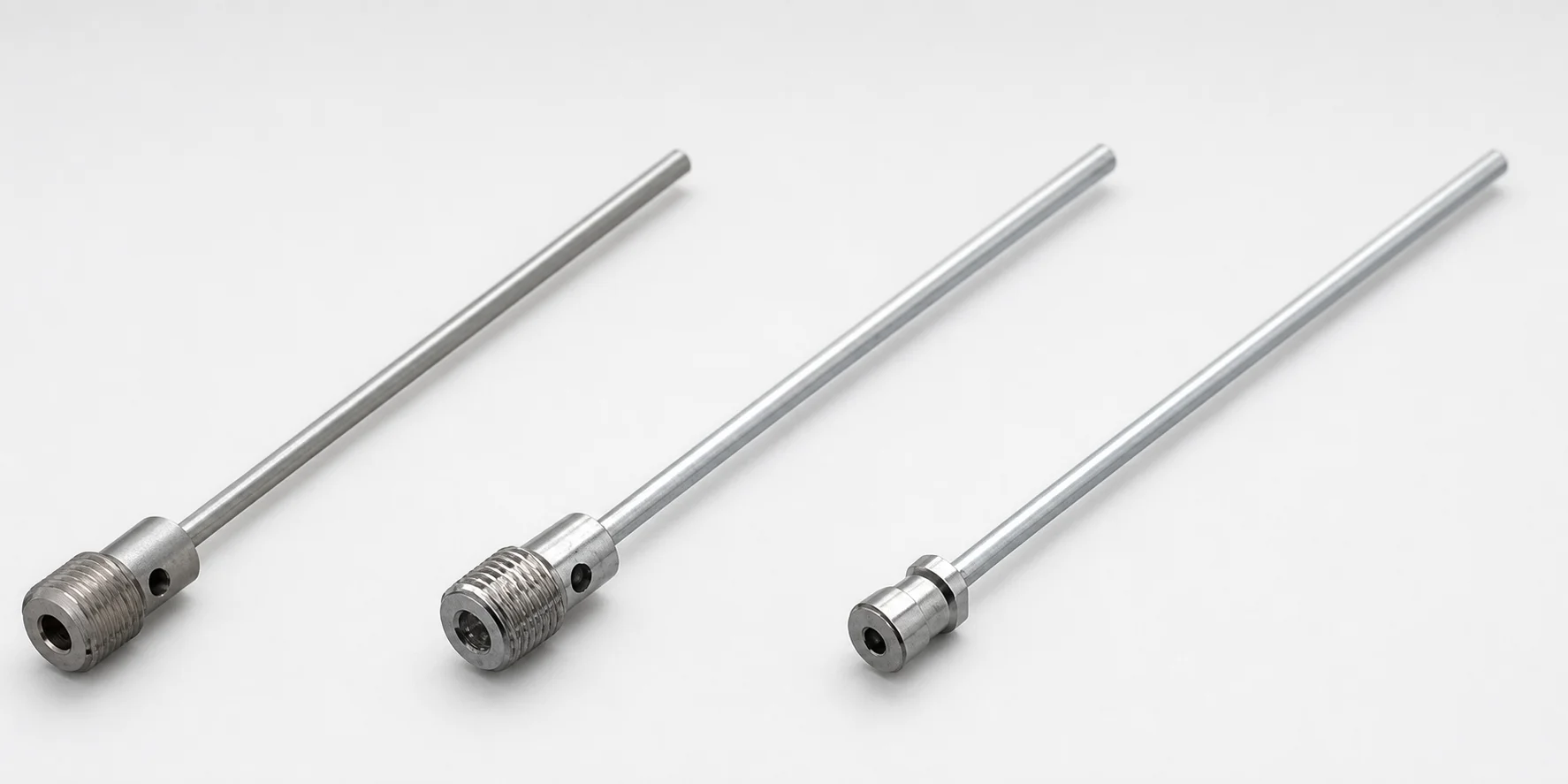
High-Flow Stainless Steel Cascade Tube - Inch (PCS) is engineered for durable, high-strength cascade tube service where higher throughput matters. Designed with stainless construction, it supports improved flow performance versus standard tubing.
- High-flow cascade design increases flow rate up to 300%
- Stainless steel tube construction for strength and corrosion resistance
- Compatible with multiple inch thread size options for cascade assemblies
- Available in common cascade lengths such as 12", 18", 24", 36"
Specifications
17 configurations available
| Tube O.D. (in) | Tube Thread Size (in) | Tube I.D. (in) | L Length (in) |
|---|---|---|---|
| 0.072" | #5-44 | 0.060" | 12" |
| 0.09" | #5-44 | 0.076" | 12" |
| 0.09" | #5-44 | 0.076" | 36" |
| 0.125" | #10-32 | 0.109" | 12" |
| 0.125" | #10-32 | 0.109" | 18" |
| 0.187" | 1/4"-28 | 0.167" | 12" |
| 0.187" | 1/4"-28 | 0.167" | 18" |
| 0.187" | 1/4"-28 | 0.167" | 24" |
| 0.25" | 5/16"-24 | 0.23" | 12" |
| 0.25" | 5/16"-24 | 0.23" | 18" |
| 0.25" | 5/16"-24 | 0.23" | 24" |
| 0.25" | 5/16"-24 | 0.23" | 36" |
| 0.312" | 3/8"-24 | 0.288" | 12" |
| 0.312" | 3/8"-24 | 0.288" | 18" |
| 0.312" | 3/8"-24 | 0.288" | 36" |
| 0.365" | 7/16"-20 | 0.34" | 12" |
| 0.427" | 1/2"-20 | 0.397" | 12" |
Product Guide
Application Scenarios+
This high-throughput cascade tube is used inside injection mold cooling channels to move coolant efficiently between manifolds and local impingement/return zones. Its cascade-style, stainless construction supports higher flow rates—up to 300% versus standard tubes—which helps stabilize mold surface temperatures under faster cycle requirements.
- Automotive connector and bracket molds: Ideal for core and cavity cooling circuits where multiple heat-load zones benefit from increased coolant throughput and consistent pressure distribution. Thread-size options support straightforward integration into cascade assemblies.
- Consumer electronics and appliance housings: Suitable for molds with long cooling runs or clustered cavities where improved flow reduces temperature gradients and helps maintain dimensional stability across the part.
- Industrial housings and housings with thick-to-thin transitions: Works well when balanced flow between stages is needed, using common cascade lengths (e.g., 12", 18", 24", 36") to match cavity layout.
Choose this variant when corrosion resistance and higher cascade throughput are prioritized in interior cooling plumbing.
Material & Process Details+
This tube is manufactured in stainless steel for improved corrosion resistance in typical water- or mixed-coolant mold cooling environments. Stainless construction provides strong mechanical behavior for interior piping service where vibration and thermal cycling can occur.
- Wear and service behavior: Stainless steel helps resist corrosion scaling that can otherwise reduce heat transfer over time, supporting stable cooling performance.
- Heat treatment: The provided specifications do not state a specific steel grade or hardness (HRC). As a result, the exact heat-treatment state (e.g., quenched & tempered, nitrided) and target HRC cannot be confirmed from the available data.
- Trade-offs vs. carbon steel: Compared with carbon-steel tubes, stainless typically offers better corrosion performance but may require more careful handling to avoid surface contamination and to maintain long-term cleanliness.
For final material qualification, request the stainless grade and heat-treatment certificate aligned to your coolant type and operating temperature range.
Sizing & Selection Guide+
Select tube dimensions by matching both thread engagement and flow path geometry to your mold cooling manifold/cascade layout. Use the provided ranges to ensure the tube fits through intended routing space while maintaining the required internal passage size.
- Outside diameter (Tube O.D.): Choose from 0.072 ~ 0.427 in based on available clearance around your cooling channel and supporting brackets.
- Inside diameter (Tube I.D.): Select from 0.06 ~ 0.397 in to align the coolant flow cross-section with your cooling capacity targets.
- Length (L): Common options include 12", 18", 24", 36"; pick the stage length that matches the cavity/core spacing between cascade connection points.
- Thread size compatibility: Confirm thread selection for the cascade interface using one of: #5-44, #10-32, 1/4"-28, 5/16"-24, 3/8"-24, 7/16"-20, 1/2"-20.
Tolerance and fit specifics are not provided in the available data; therefore, verify thread class and sealing method (e.g., gasketed vs. tapered seat) in your design standard to ensure reliable assembly without leakage.
Frequently Asked Questions
Which cascade tube dimension should I prioritize for flow performance: Tube O.D. or Tube I.D.?+
How do I ensure the tube will thread correctly into my cascade manifold stage?+
What length options are available for cascade staging inside the mold?+
Is the stated 'up to 300% flow rate' dependent on a specific tube diameter?+
Do you provide hardness (HRC) or a specific stainless grade for this cascade tube?+
Related Products
Need Custom Specifications?
Our engineering team can help with custom configurations, material selection, and volume pricing.