One Step Round Core Pins
Single diameter transition creating two distinct cylindrical sections. The most common stepped configuration for counterbored holes.
Products
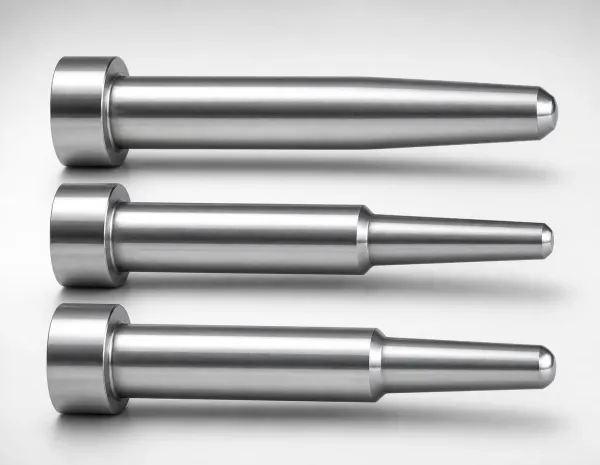
JIS Standard SKH51 Steel One-Step Core Pins - No Second Step
One-Step Core Pins with SKH51 hardened steel and a single-step design (no second step) for stable fit. Request a quot...
View Details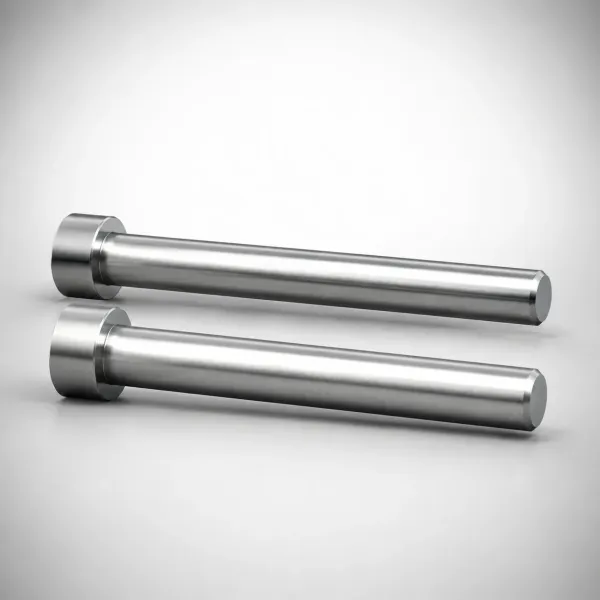
SKH51 Steel Precision Tip Short One-Step Core Pins
SKH51 Steel Precision Tip Short One-Step Core Pins with one-step profile and tight shaft control for extra-precision ...
View Details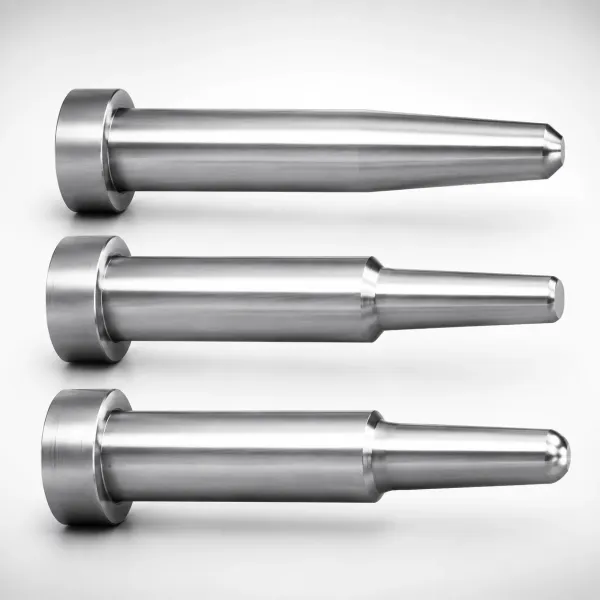
JIS Standard Precision One-Step Core Pins T4 Head
Precision One-Step Core Pins with T4 head for stable core support. SKH51 or SKD61 steel options with tight shaft and ...
View Details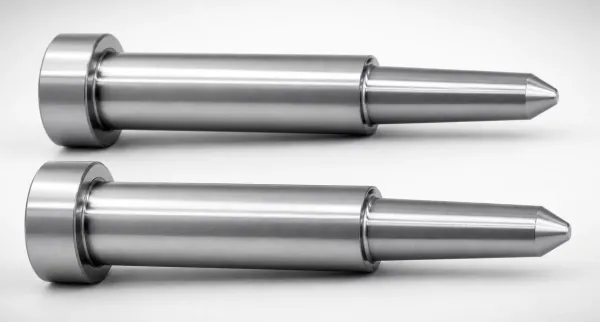
JIS Standard Precision One-Step Core Pins No Second Step
Precision One-Step Core Pins with no second step for stable alignment in core support systems. (SKH51 or SKD61 steel)...
View Details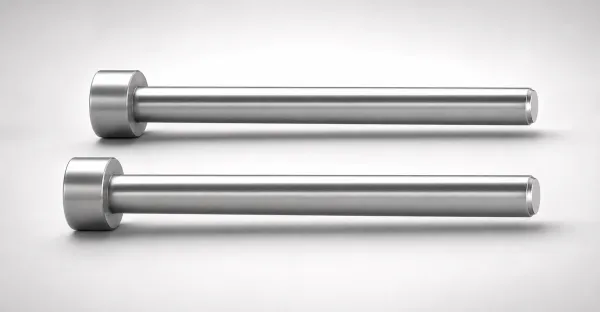
JIS Standard Precision Tip Short One-Step Core Pins
Precision Tip Short One-Step Core Pins for molds with one-step geometry and configurable shaft diameter. Built for st...
View Details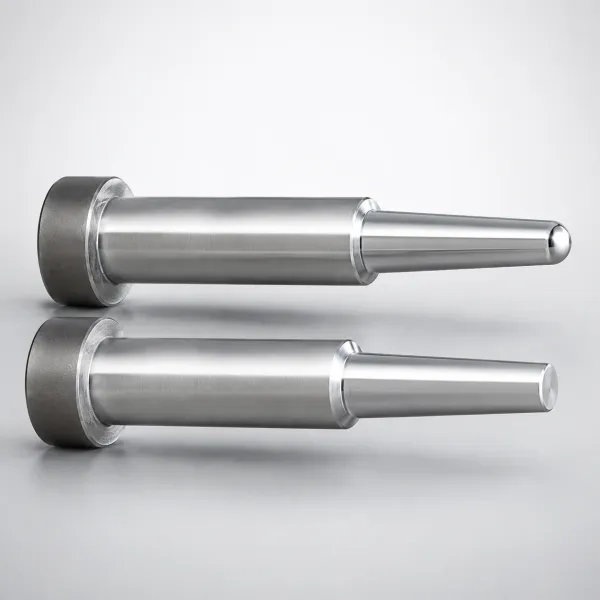
JIS Standard Steel One-Step Core Pins - Tip Lapped
One-step core pins with tip lapped finish for precise alignment in mold cores. JIS standard steel construction suppor...
View Details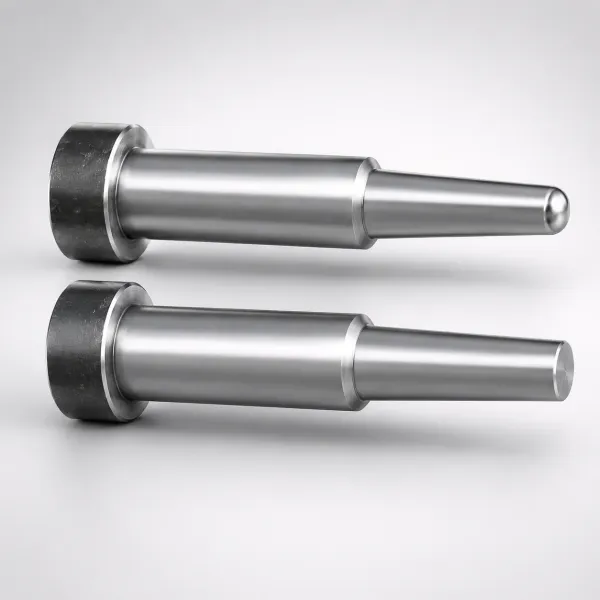
JIS Standard Steel One-Step Core Pins Tip Lapped
One-Step Core Pins with tip lapped finishing for precise positioning. Built from steel with quenched hardening for we...
View Details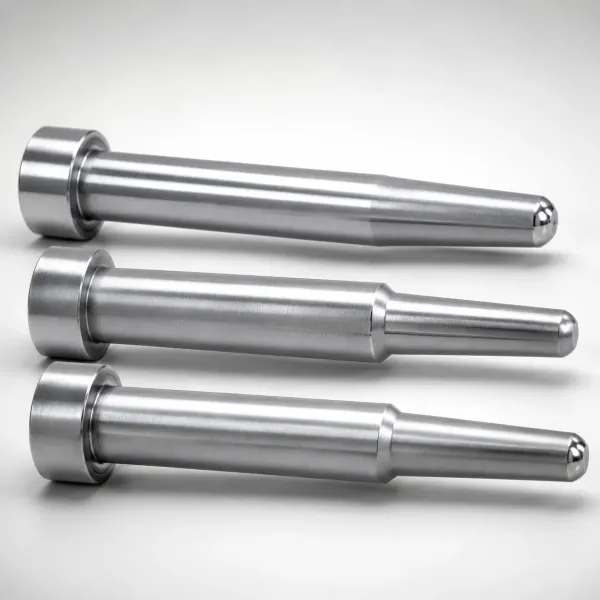
One-Step Core Pins Flat Sides
One-step core pins with flat sides for stable locating in steel molds. Selectable shaft diameter and hardened steel o...
View Details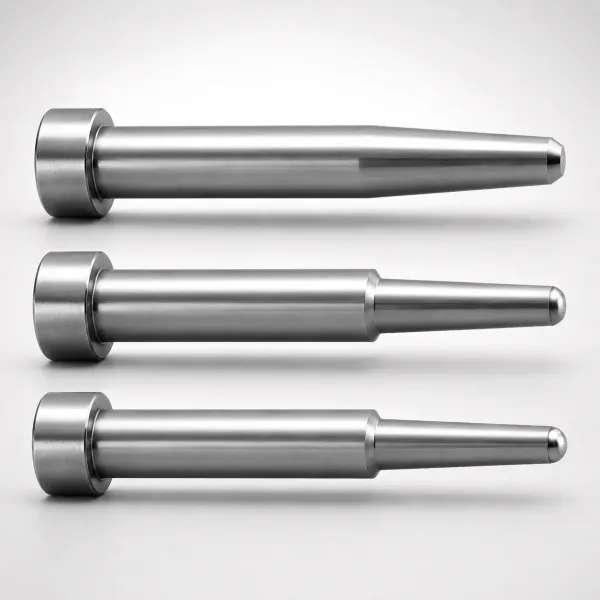
One-Step Core Pins T4 Head Thickness
One-Step Core Pins T4 head thickness for precision mold core alignment. Select from SKH51, SKD61, NAK80 and more stee...
View Details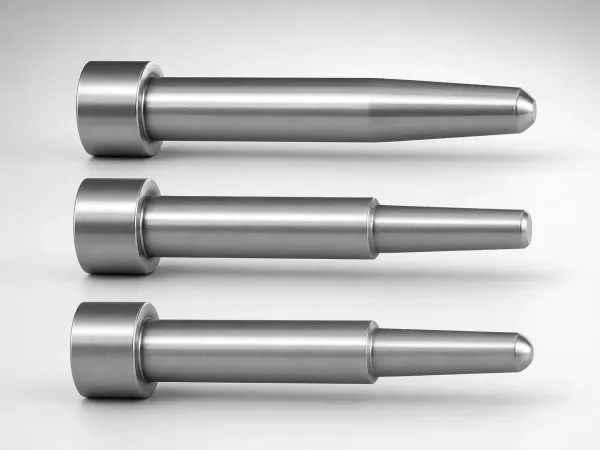
JIS Standard SKD61 Steel One-Step Core Pins
JIS Standard SKD61 steel One-Step Core Pins with no second step for precise locating. Supports configurable shaft dia...
View Details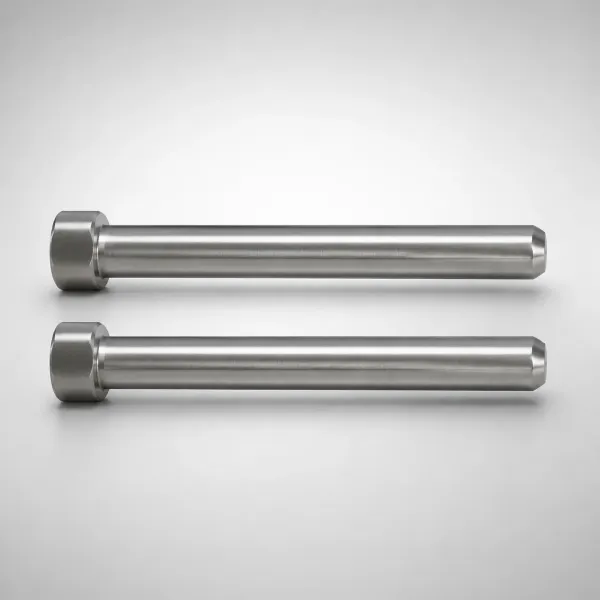
One-Step Core Pins Tip Short T4
Tip Short One-Step Core Pins with T4 head provide rigid one-step guidance for precise mold core positioning. Configur...
View Details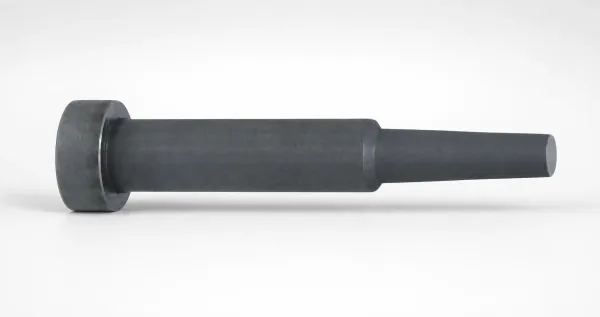
JIS Standard SKD61 Steel One-Step Core Pins
One-Step Core Pins (SKD61 steel) with TiCN-coated tips help maintain accurate positioning in precision molds. Enginee...
View Details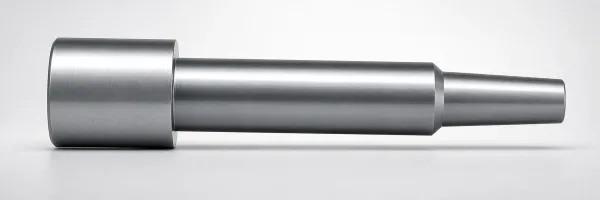
JIS Standard Steel One-Step Core Pins
One-Step Core Pins for mold applications with a one-step design and selectable <b>TiCN coating</b>. Hardened steel co...
View Details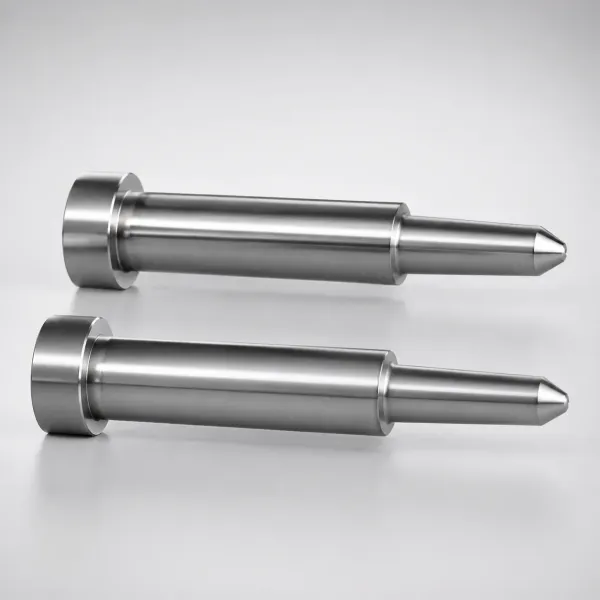
SKH51 Steel One-Step Core Pins
SKH51 Steel One-Step Core Pins for precision mold core positioning and ejection. One-step design with controlled fit,...
View DetailsStep Configuration Guide
One-step pins create a single diameter transition. Key decision: standard vs radiused step profile.
| Variant | Description | Best For | Recommendation |
|---|---|---|---|
| Standard Transition | Sharp 90° step between diameter sections | Non-critical stress applications, most counterbored screw holes | Default — lowest cost |
| Radiused Transition | Controlled fillet radius at the diameter change | High-stress applications, thin pins (<2 mm), high-cycle molds (1M+ shots) | Fatigue resistance for critical pins |
| Flat-Sided | Anti-rotation flat ground on one side of the shaft | Features requiring angular orientation control relative to other mold elements | Add when rotational alignment matters |
One-Step or Something Else?
One-step pins form exactly two internal diameters. Confirm your cavity geometry matches:
✅ You're in the right place if:
- Your cavity requires exactly two concentric internal diameters with a step transition
- The internal feature is a counterbored hole, stepped bore, or shoulder recess
- A single diameter change is sufficient — you do not need three sections
🔄 Consider switching to:
- Need three concentric diameters? → Two-Step Core Pins
- Only need a single uniform diameter? → Straight Core Pins
- Stepped cavity has gas trapping at the transition? → Stepped Gas Release Pins
About One-Step Core Pins
A counterbored screw hole requires a large-diameter recess on top and a smaller through-hole below. One-step core pins combine both diameters into a single pin body, reducing mold complexity and ensuring perfect concentricity between sections — since both are ground on a single workpiece.
Head thickness is standardized at T = 4 mm (JIS). Available in SKH51 for general-purpose applications and SKD61 for elevated-temperature molds. Extra-precision grades provide tighter concentricity for critical applications such as optical lens housings or high-precision connector seats.
For cavities that require gas venting through a stepped pin, gas release one-step variants are available with flat-sided or SVC venting geometry.
Application Scenarios
See how this product type solves real engineering challenges across different industries and applications:
Stepped Bore Housing Features
Pain point: Many plastic housings require a stepped internal bore — a larger diameter for component seating and a smaller diameter for retention — traditionally requiring two separate core pins or complex side actions.
Why it fits: One-step core pins form both diameters in a single pin, eliminating pin-to-pin alignment errors and reducing mold complexity. The step transition is precision-ground for clean part geometry.
Connector Pin Receptacle Cavities
Pain point: Electrical connectors require precise stepped cavities to house pin receptacles — the larger step provides insertion clearance while the smaller step ensures contact retention force.
Why it fits: One-step geometry matches standard receptacle dimensions. Tight tolerance on both diameters ensures consistent contact retention across all cavities in multi-cavity tools.
Medical Syringe Barrel Cores
Pain point: Syringe barrels require a stepped internal profile — larger bore for the plunger seal area and smaller bore for the needle hub — with biocompatible surface finish requirements.
Why it fits: STAVAX ESR material provides corrosion resistance for medical-grade resins. One-step profile eliminates secondary machining of the internal step, maintaining concentricity critical for plunger seal.
Related Categories
Frequently Asked Questions
What is the difference between one-step and two-step?+
Can one-step pins form blind holes?+
What concentricity can I expect?+
Engineering Resources
Case Studies
Need a Custom Quote?
Send your specifications — material, dimensions, quantity — and receive a quote. MOQ: 1 piece. Custom dimensions available.