Loose Cores (Lifters)
Loose cores and lifters for internal undercuts ejection.
Products
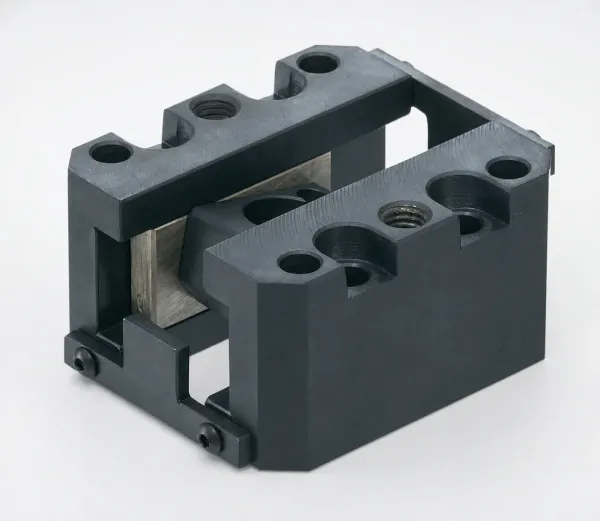
SCZN Oil-Free Slide Units for Loose Core | Smooth Low-Friction Motion
SCZN Oil-Free Slide Units for Loose Core provide smooth low-friction movement for loose cores, reducing wear in precision slide applications. Get reli
View Details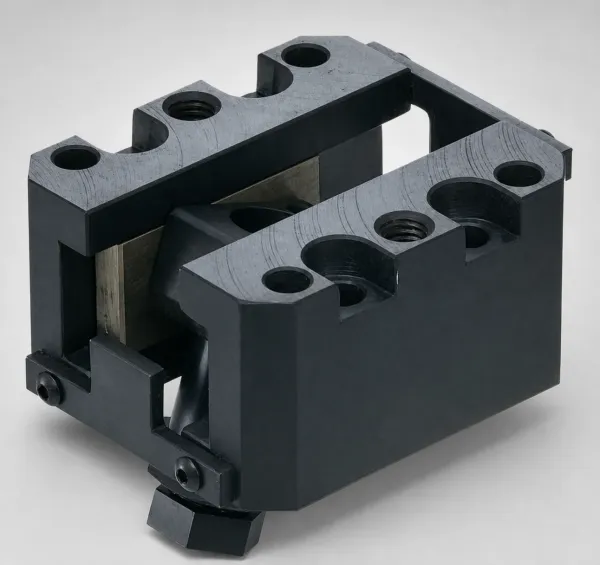
SCZA Oil-Free Slide Units for Loose Core - Inclined Pin Height Fine Tuning | Reliable Sliding Performance
SCZA Oil-Free Slide Units for Loose Core for inclined pin height fine tuning reduce friction and wear in oil-free slide mechanisms. Ensure stable moti
View Details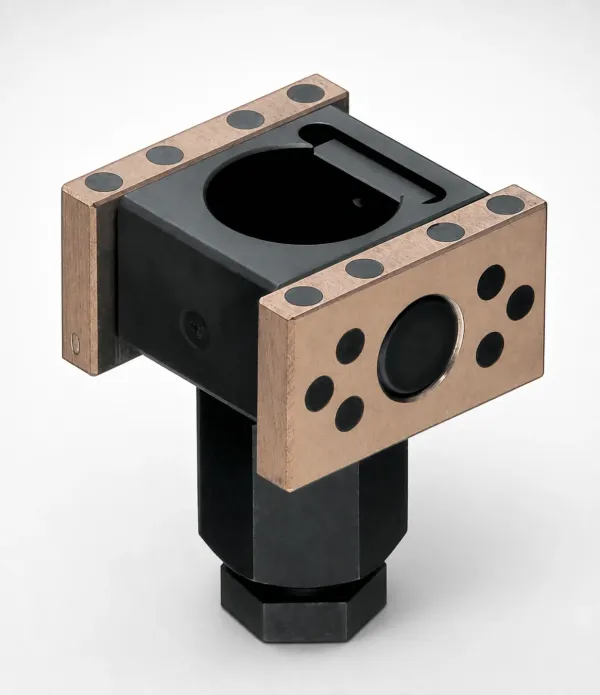
SCZAP Oil-Free Slide Inclined Pin Holders for Loose Core | Key Specs, Stable Adjustment
Oil-Free Slide Inclined Pin Holders for Loose Core with SCZAP type precision adjustment. Stable positioning for varied core setups and smoother operat
View Details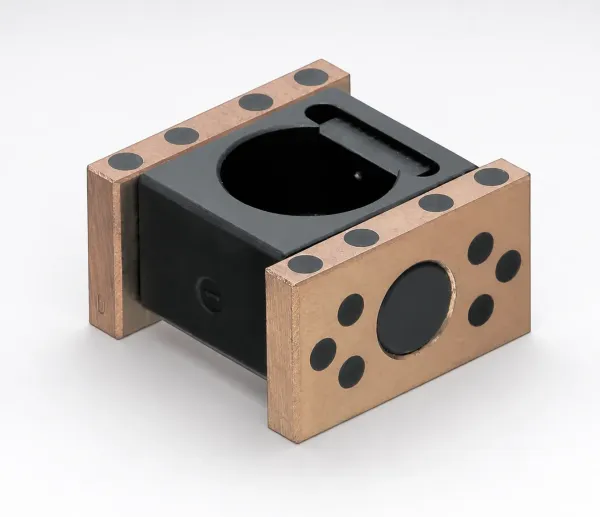
SCZNP Type Oil-Free Slide Inclined Pin Holders for Loose Core | Stable Fixed Support
Oil-Free Slide Inclined Pin Holders for Loose Core (SCZNP type) provide fixed support for consistent alignment in slide mechanisms. Request a quote.
View Details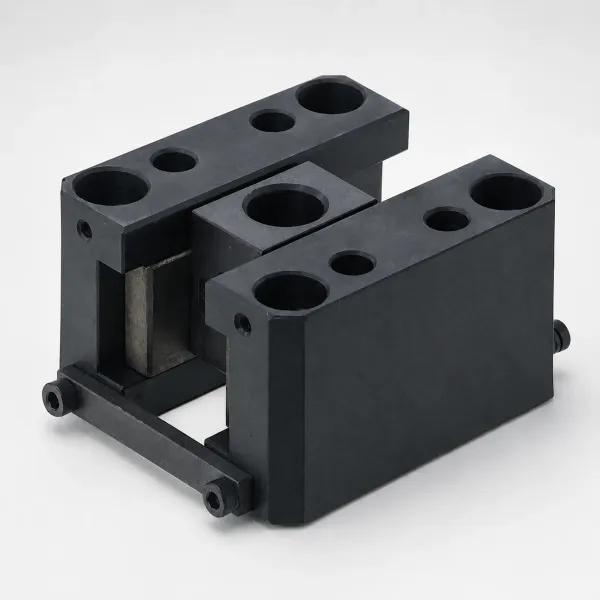
SCY Type Oil-Free Slide Units for Loose Core | Precision Frictionless Motion
SCY Type Oil-Free Slide Units for Loose Core deliver reliable, frictionless alignment for smooth motion. Ideal for clean industrial automation. Reques
View Details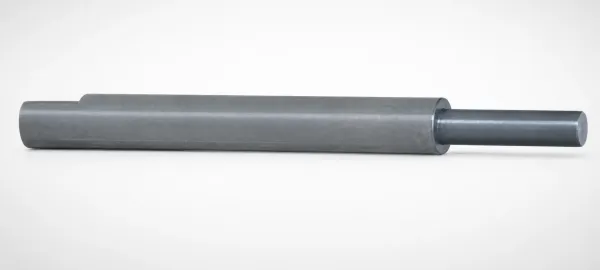
Inclined or Direct Push-Up Lifter Pins - Stepped | Precision Loose Core Alignment
Inclined or Direct Push-Up Lifter Pins - Stepped support precise loose core alignment and retention, improving modular assembly in machinery. Contact
View Details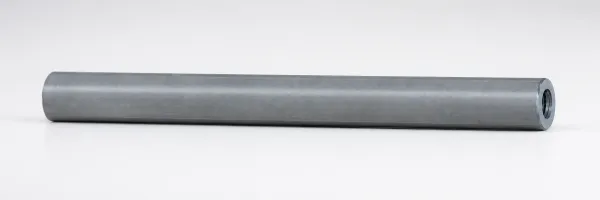
Inclined or Direct Push-Up Lifter Pins - Both Ends Tapped | Precise Fit & Alignment
Inclined or Direct Push-Up Lifter Pins - Both Ends Tapped for reliable fastening and alignment. Suitable for loose core assemblies in precision machin
View Details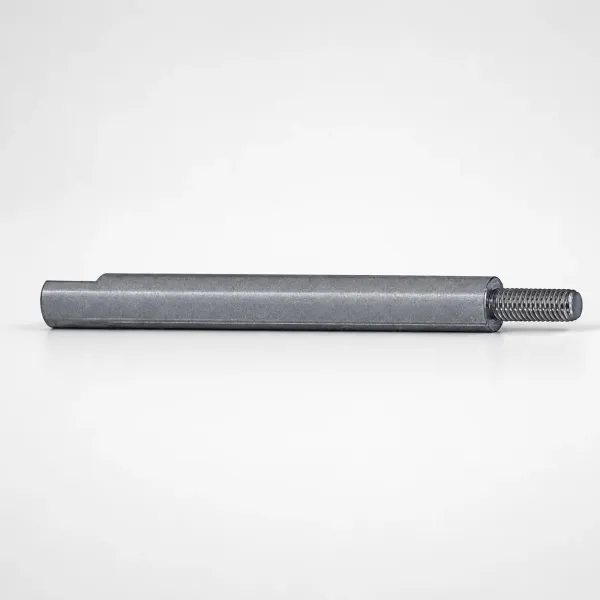
Inclined or Direct Push-Up Lifter Pins - One End Threaded, One End Tapped | Secure Loose Core Connection
Inclined or Direct Push-Up Lifter Pins - One End Threaded, One End Tapped support reliable alignment with a secure loose core connection, improving me
View Details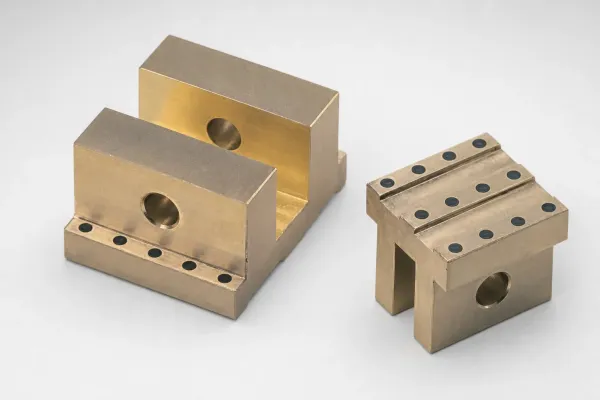
SCK Oil-Free Slide Inclined Pin Holder for Loose Core (for Block Pin) | Oil-Free Motion Control
SCK Oil-Free Slide Inclined Pin Holder for Loose Core (for Block Pin) delivers oil-free motion with reduced friction. Smooth, durable fitment—order no
View Details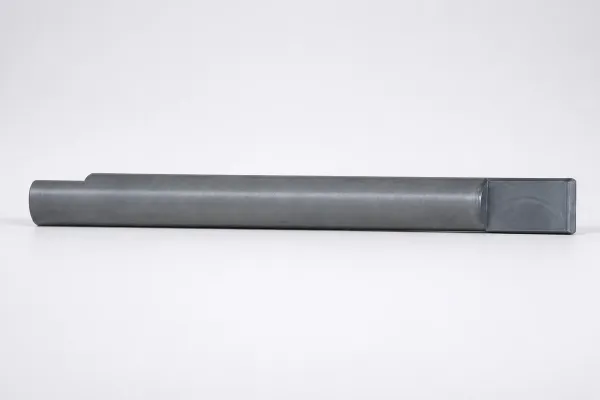
Inclined Direct Push-Up Lifter Pins - Key Flats | Precise Loose Core Alignment
Inclined Direct Push-Up Lifter Pins - Key Flats provide stable alignment for loose cores, enabling smooth insertion and removal in assembly operations
View Details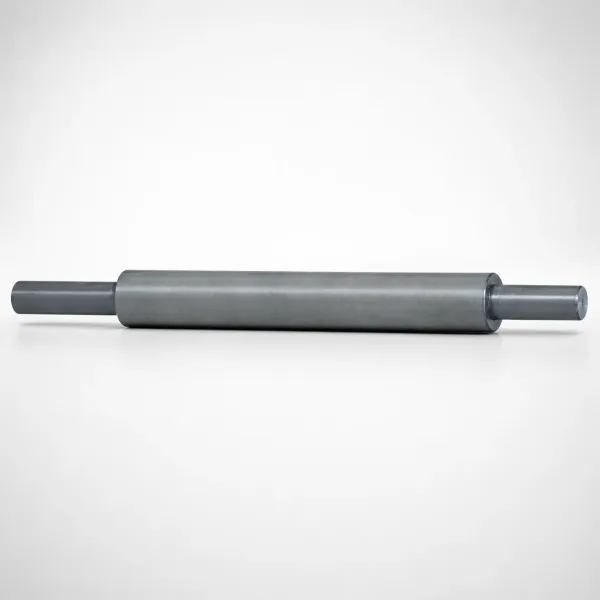
Inclined Direct Push-Up Lifter Pins - Both Ends Stepped | Compact Tap Size | K-KSPSD
Inclined Direct Push-Up Lifter Pins - Both Ends Stepped for slide unit and inclined pin positioning. Compact tap size type K-KSPSD. Ensure stable lift
View Details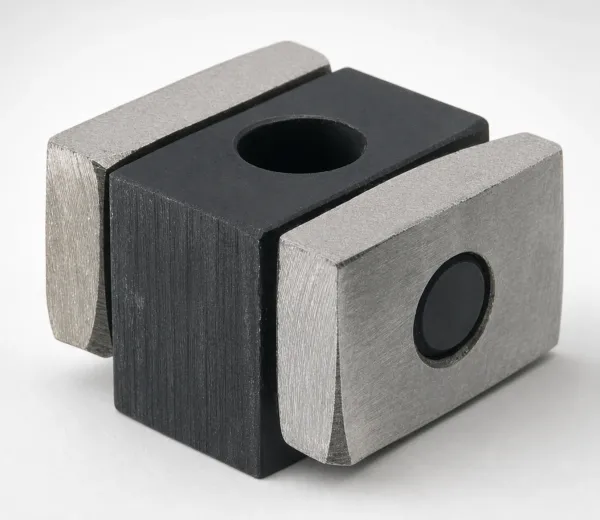
Oil-Free Slide Inclined Pin Holder for Loose Core (KSCNP) | Smooth, Contamination-Free Operation
Oil-Free Slide Inclined Pin Holder for Loose Core (KSCNP) reduces friction and wear for precise movement. Designed for oil-free operation. Request a q
View DetailsLifter Type Comparison
Loose cores (lifters) handle internal undercuts that slide cores cannot reach. Different actuation bases provide varying degrees of stability.
| Feature | T-Slot Sliding Base | Cylindrical Articulating Base | Spring-Loaded Lifters |
|---|---|---|---|
| Motion Path | Strictly linear along angle | Can accommodate slight flex | Linear |
| Load Capacity | High (supports heavy cores) | Medium | Low |
| Machining Complexity | High (requires precise T-slots) | Low (simple bored hole) | Low |
| Space Required | Large footprint in ejector plates | Small footprint | Very small |
| Best For | Large internal undercuts (automotive) | Standard consumer goods | Small snap hooks |
Lifter Kinematics & Mechanics
Stroke Calculation
Lifter horizontal release stroke (X) is determined by the ejector plate vertical stroke (Y) and the lifter angle (θ): X = Y × tan(θ). Lifter angles should ideally be kept between 5° and 10°. Exceeding 12° creates severe binding forces on the ejector plates and the lifter guide hole, requiring specialized oilless bushings to prevent seizure.
Guide Plate Necessity
Because the lifter rod is long and slender, injection pressure can easily deflect it, causing flash or dimensional inaccuracy. A hardened steel or bronze guide plate installed just below the cavity is mandatory to support the rod against lateral injection forces.
Application Scenarios
Internal Snap Fits
Consumer electronics enclosures requiring internal retaining clips that cannot be molded with bypass shut-offs.
Deep Draw Internal Undercuts
Requires long ejector strokes where lifter angles exceed 10°, creating high bending moments.
Technical Resources
Engineering Resources
Related Product Categories
Need a Custom Quote?
Send your specifications and receive a quote. MOQ: 1 piece. Custom dimensions available.