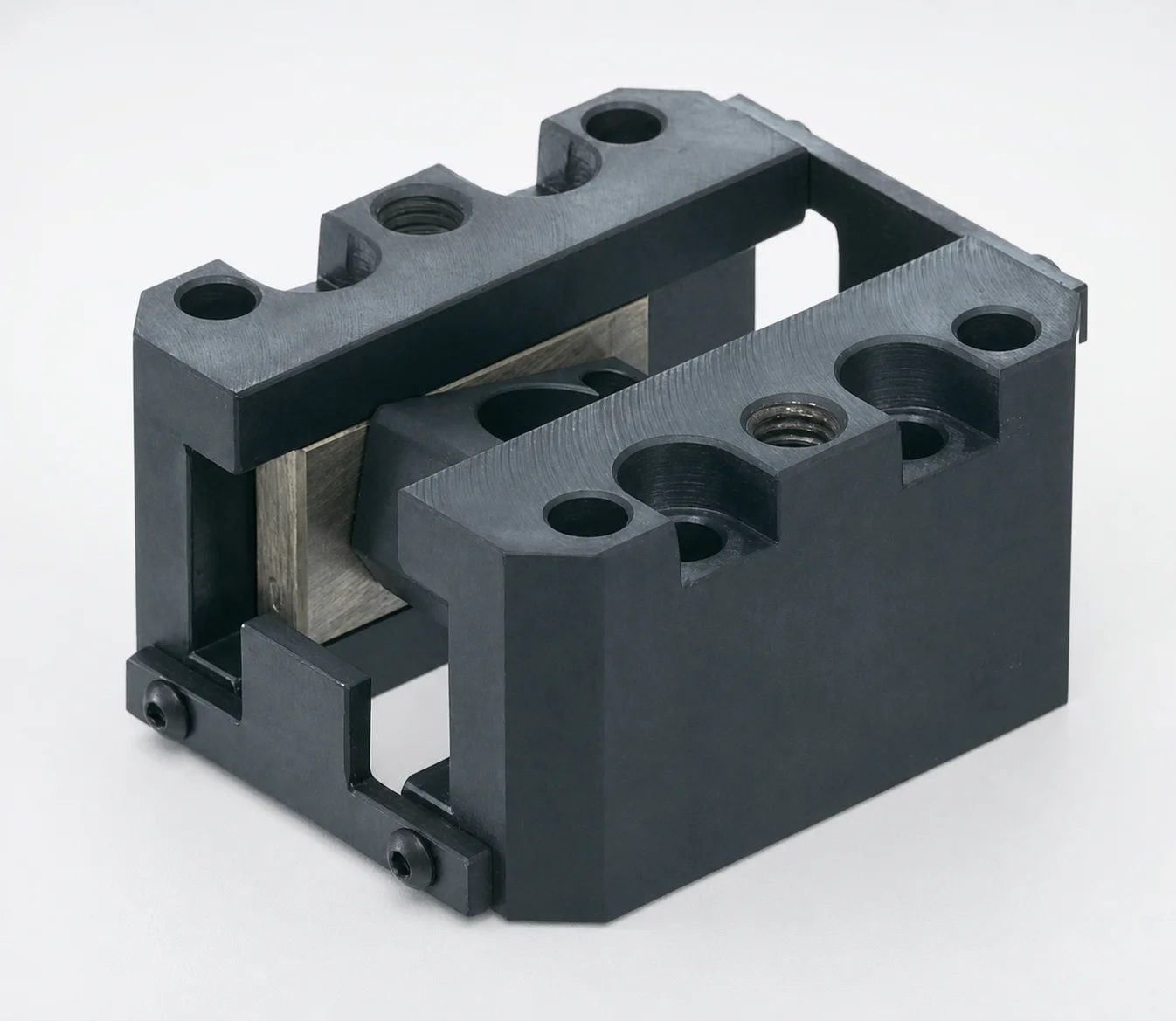
SCZN Oil-Free Slide Units for Loose Core
Oil-Free Slide Units for Loose Core (SCZN type) are engineered to support smooth, low-friction slide motion while protecting loose cores in precision mechanisms. Their lightweight design helps maintain consistent movement with reduced maintenance and wear.
- Oil-free sliding motion supports reliable operation and stable positioning
- Durable construction reduces wear and helps prolong equipment service life
- Compatible with multiple applicable inclined pin diameters for flexible assemblies
- SCZN type platform for integrating into loose-core slide unit systems
Specifications
6 configurations available
| D (Applicable inclined pin diameter) (mm) | Mounting angle of slide plate A (°) | type |
|---|---|---|
| 12 | 2 ~ 10 | - |
| 16 | 0 | - |
| 16 | 2 ~ 10 | - |
| 20 | 6 ~ 10 | - |
| 25 | 2 ~ 10 | - |
| 30 | 2 ~ 10 | - |
Product Guide
Application Scenarios+
SCZN oil-free slide units are used in injection mold tooling where a loose core must travel on an incline to release undercuts or form side features. In these mechanisms, the oil-free, low-friction motion helps maintain stable positioning of the core during each shot, reducing the need for lubrication and lowering contamination risk.
Automotive and appliance component molds: Use the slide unit to actuate small to medium loose cores that open/close during part ejection. The SCZN variant’s smooth movement and wear reduction supports repeatable undercut unlocking, which is critical for consistent part quality.
Precision slide cores for thin-wall housings: The unit’s lightweight integration into slide-plate systems helps protect the loose core while maintaining controlled travel. Select it when you need compatibility with multiple inclined pin diameter (D) options: 12, 16, 20, 25, 30 mm to match your mold’s core geometry.
Multi-cavity platforms: Different cavities may require slightly different mounting inclination; the available slide plate mounting angle A (2–10°, 0°, or 6–10°) supports design tuning for motion clearance.
Material & Process Details+
The provided product data specifies the SCZN slide unit type and its dimensional compatibility, but it does not include the exact steel grade, coating, heat treatment, or hardness values. For this reason, the material performance discussion below focuses on the functional material requirements commonly targeted for oil-free slide motion.
- Oil-free low-friction interface: Typically achieved using appropriately selected wear-resistant sliding materials and surface finishes to control friction and galling during repeated cycling.
- Wear resistance vs. toughness trade-off: For slide cores, higher wear resistance can reduce toughness margins; designs must balance stable motion with resistance to cracking under shock loads during ejection.
- Heat treatment state: Not specified in the input data; heat treatment is usually used to optimize hardness and fatigue resistance, but confirm the exact treatment for your specific SCZN part number before final qualification.
If you share the material/grade sheet for the exact unit, we can map hardness (HRC) and any heat treatment (e.g., quenched & tempered, nitrided) to your operating speed and shot count.
Sizing & Selection Guide+
Correct sizing starts with matching the slide unit to your mold’s inclined pin diameter and then aligning the slide plate mounting angle with your core travel path. This SCZN series is specified by the applicable inclined pin diameter D in the range 12, 16, 20, 25, 30 mm.
- Step 1: Select D (inclined pin diameter): Choose the SCZN unit variant whose D matches the actual inclined pin diameter in your loose-core assembly.
- Step 2: Verify mounting angle of slide plate A: Use the allowed mounting angle ranges 2–10°, 0°, or 6–10° depending on your mechanism design and clearance requirements.
- Step 3: Match travel and undercut release: Confirm that your core’s stroke and the incline geometry provide full engagement/disengagement without binding under expected tolerances.
While tolerance values are not provided in the input data, treat the pin diameter-to-unit fit as a functional sliding clearance requirement. Ensure your pin and mounting features are dimensionally controlled so the unit can achieve stable low-friction movement across the full stroke.
Frequently Asked Questions
Which inclined pin diameter (D) options are compatible with the SCZN oil-free slide unit for loose core?+
What mounting angles (A) are allowed for the slide plate when using this loose-core slide unit?+
Does the SCZN oil-free design change lubrication requirements for loose-core slide mechanisms?+
How do I choose between mounting angle options to prevent binding in an undercut-release mechanism?+
Can one SCZN series be used across multiple cavity designs with different incline pins?+
Related Products
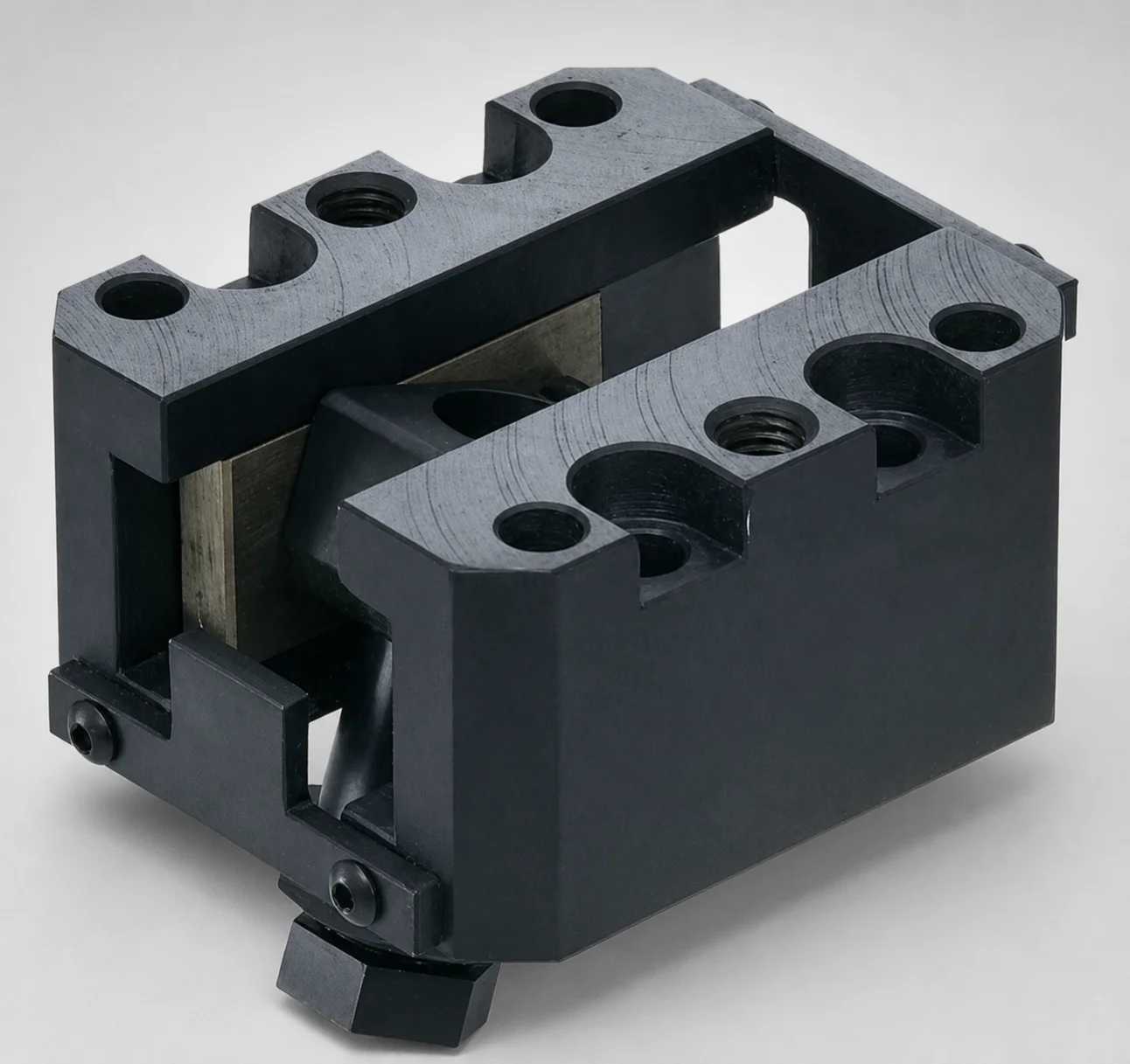
SCZA Oil-Free Slide Units for Loose Core - Inclined Pin Height Fine Tuning
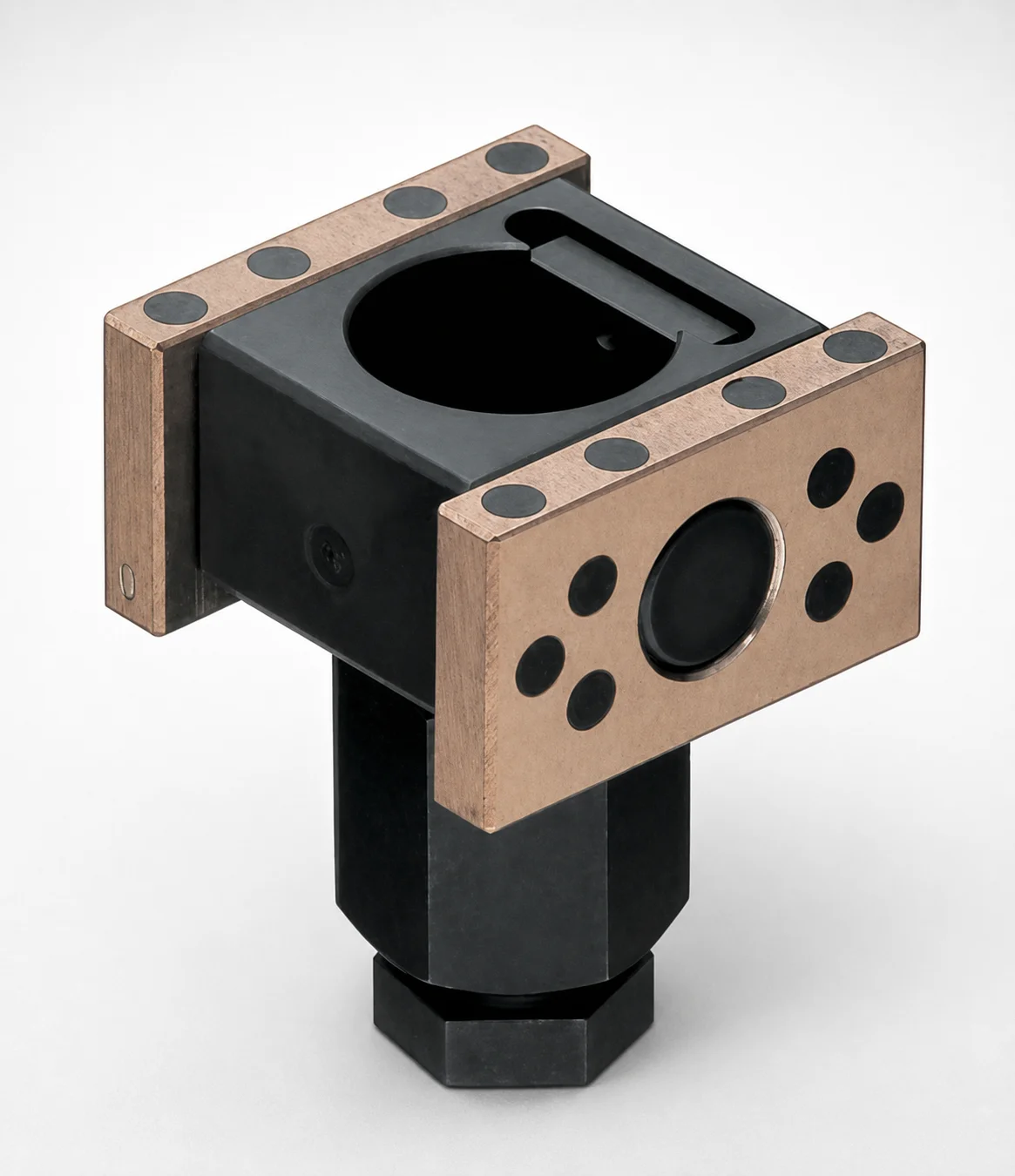
SCZAP Oil-Free Slide Inclined Pin Holders for Loose Core
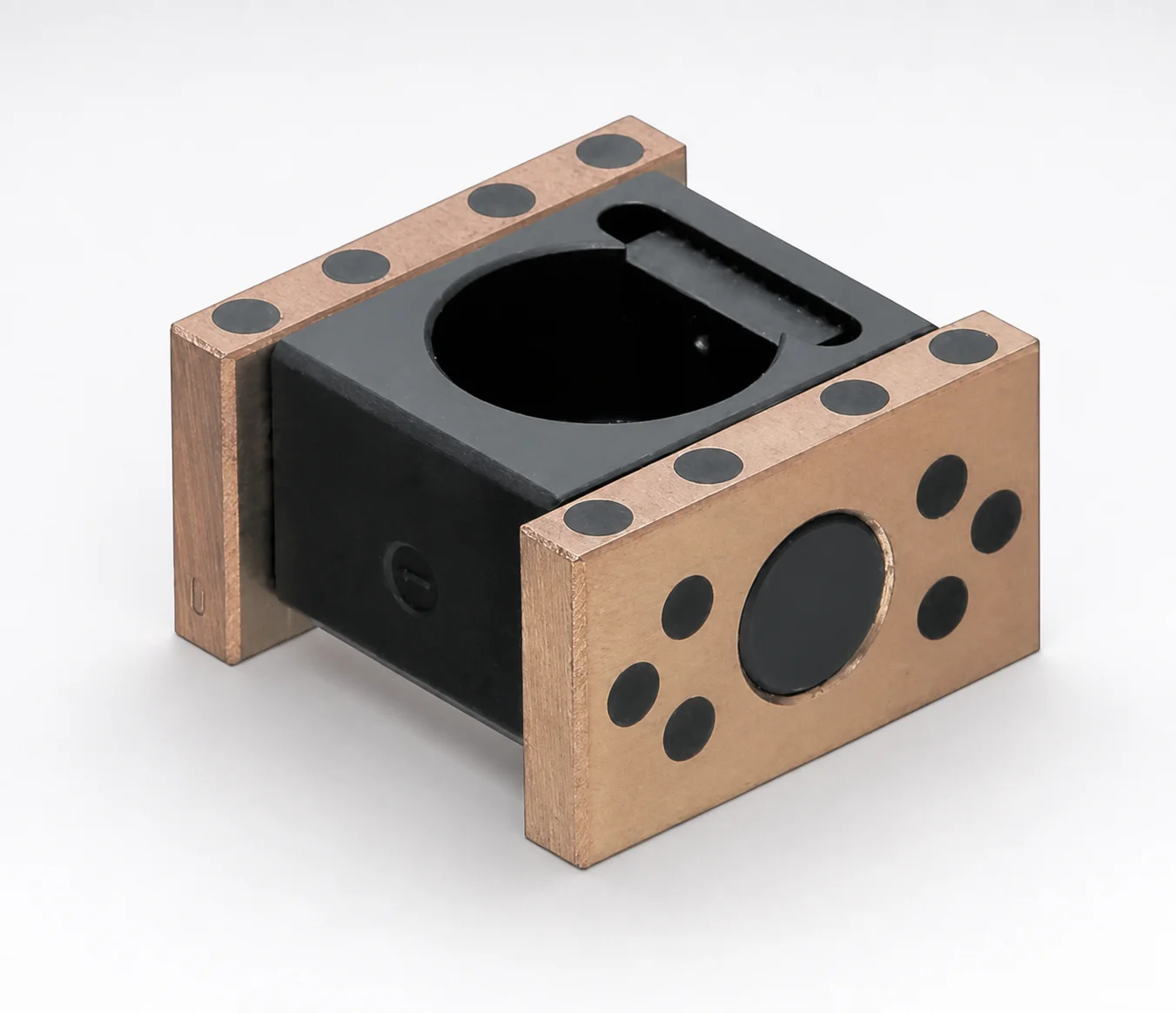
SCZNP Type Oil-Free Slide Inclined Pin Holders for Loose Core
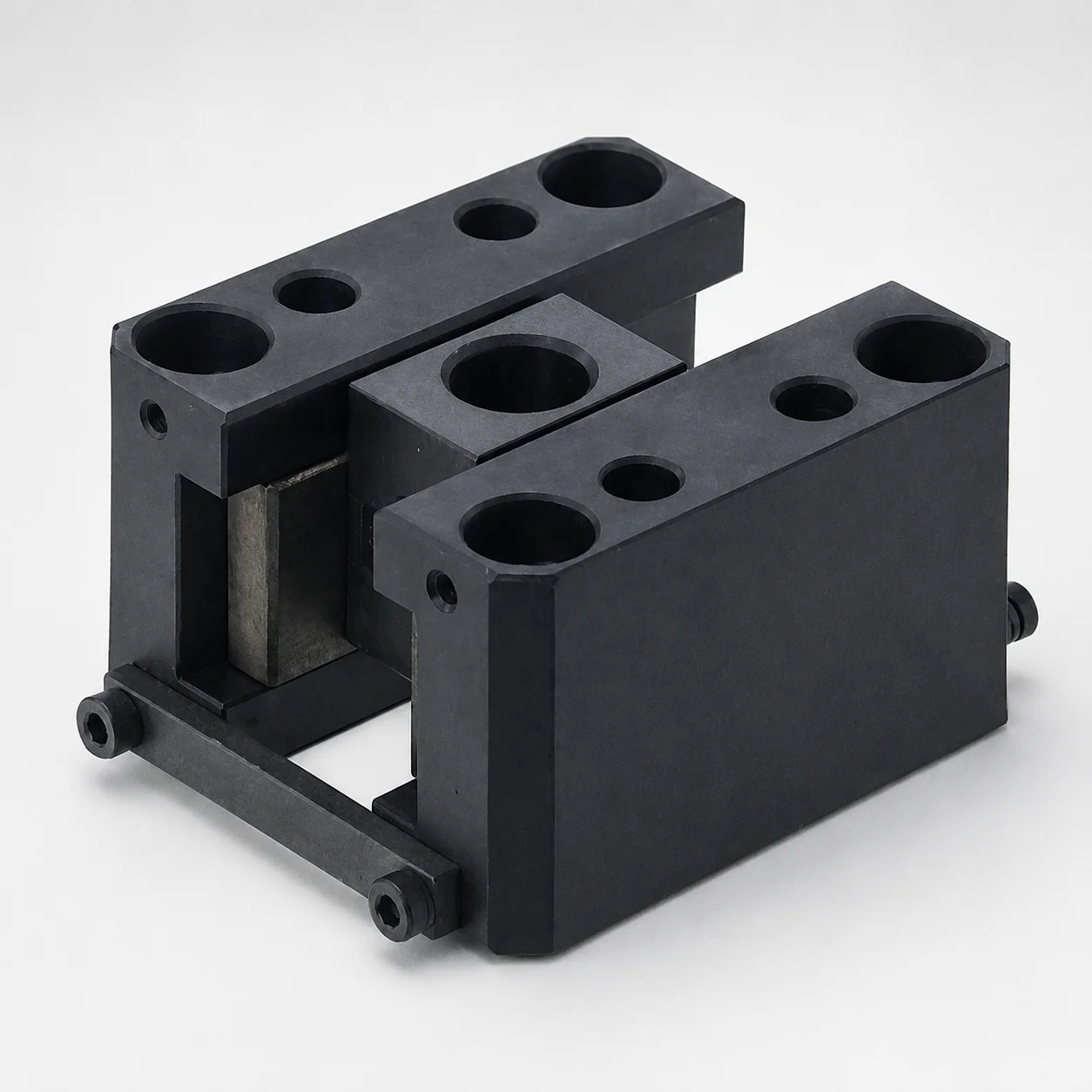
SCY Type Oil-Free Slide Units for Loose Core
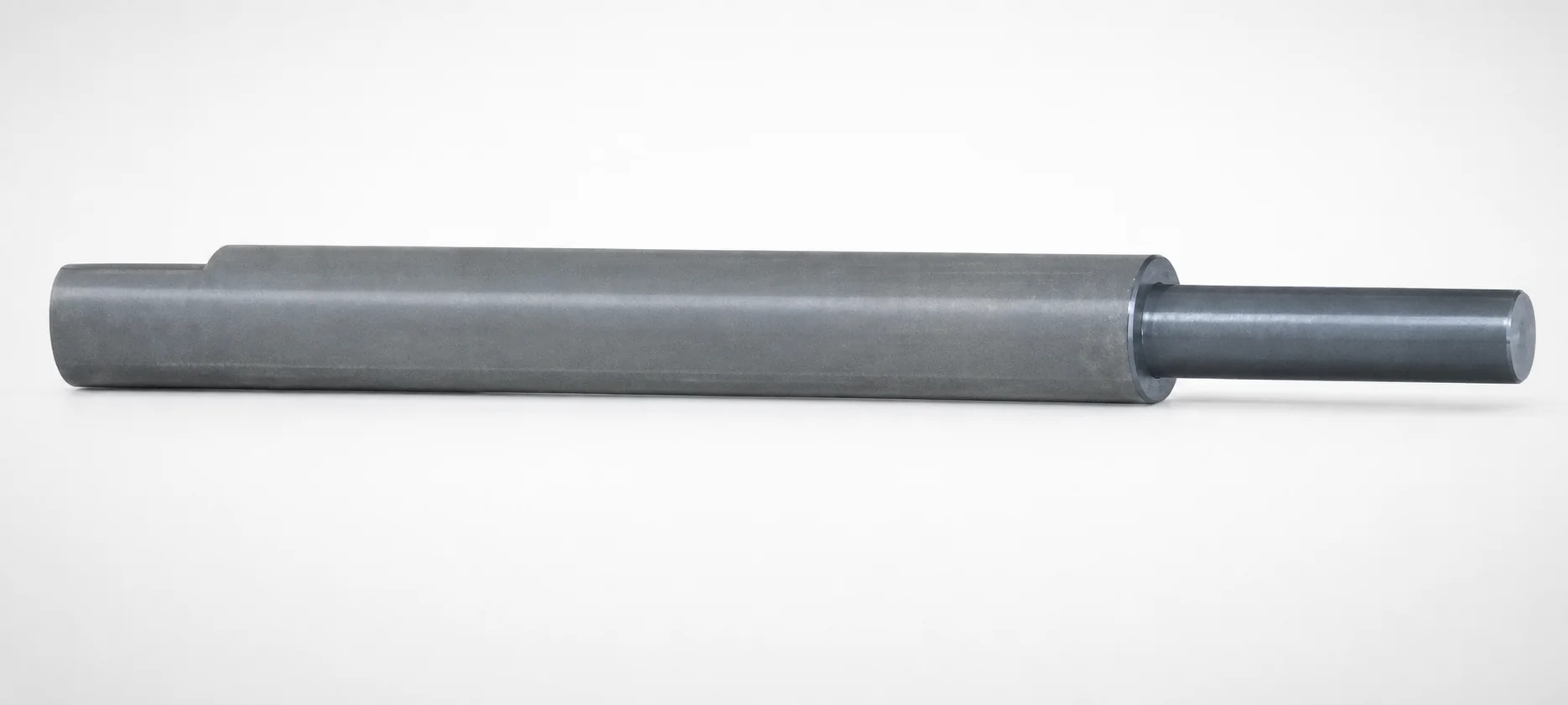
Inclined or Direct Push-Up Lifter Pins - Stepped
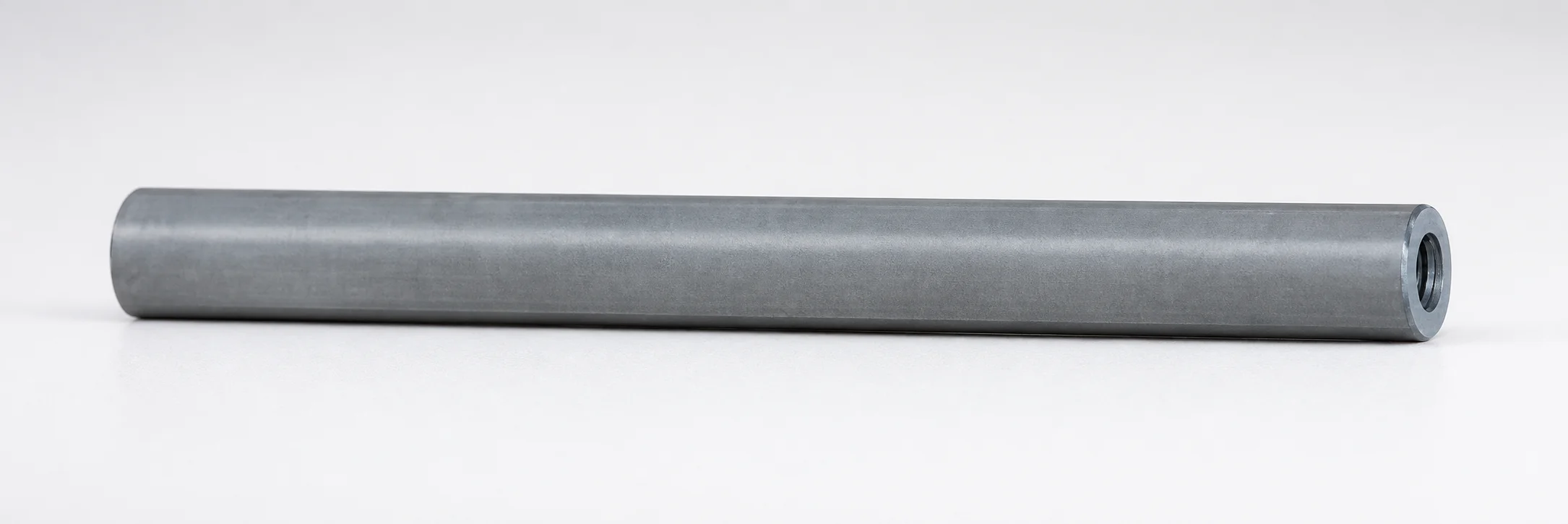
Inclined or Direct Push-Up Lifter Pins - Both Ends Tapped
Need Custom Specifications?
Our engineering team can help with custom configurations, material selection, and volume pricing.