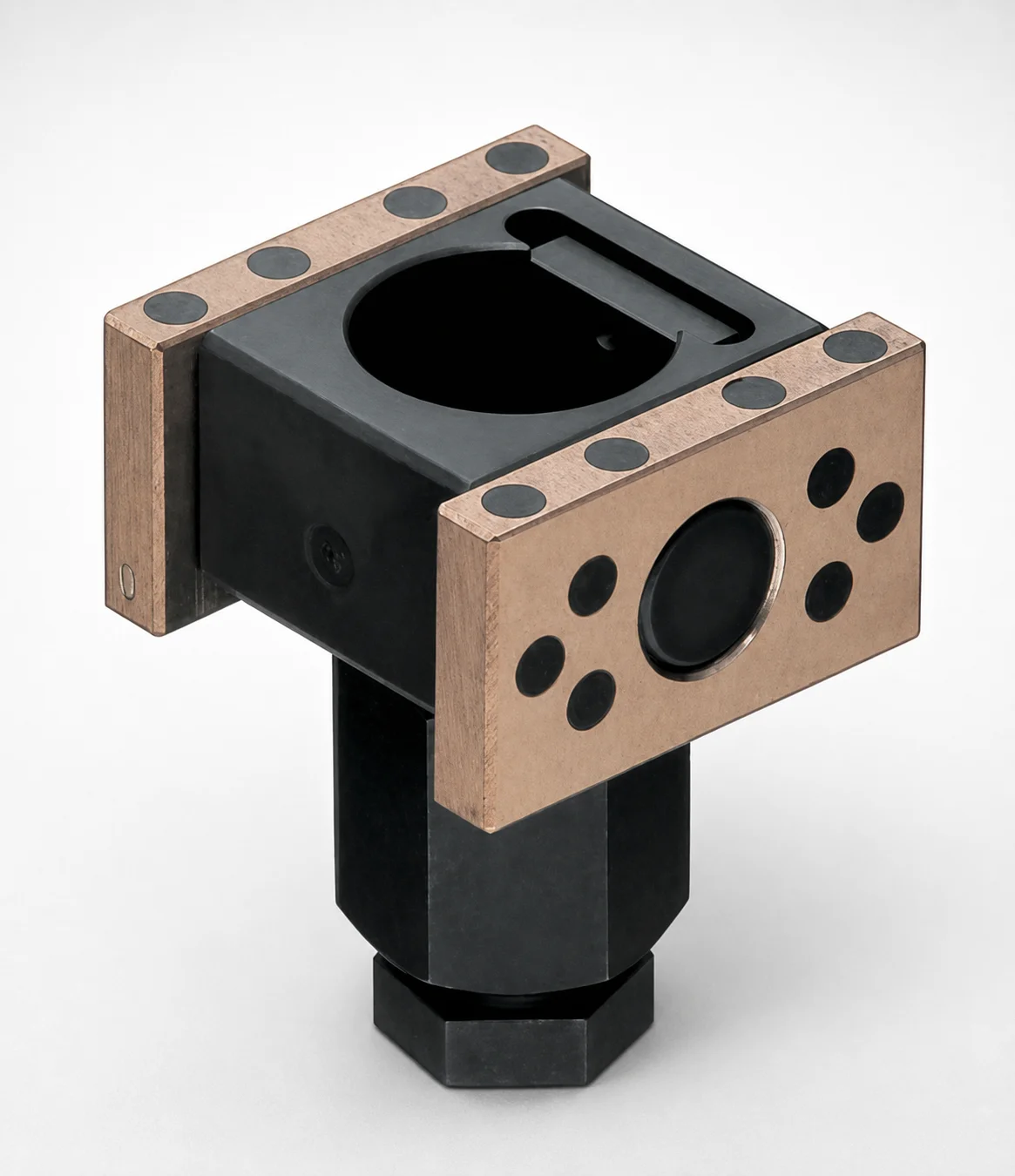
SCZAP Oil-Free Slide Inclined Pin Holders for Loose Core
Oil-free slide inclined pin holders for loose core (SCZAP type) provide stable guidance and fine adjustment to suit different core configurations. The oil-free design helps reduce maintenance while maintaining consistent movement during production.
- Inclined pin holder structure supports smooth, repeatable positioning for loose core systems
- SCZAP type construction improves setup stability across varying inclined pin arrangements
- Designed for reliable fine tuning to match inclined pin height requirements during assembly
- Suitable for manufacturing setups requiring low-wear slide guidance and dependable cycling
Specifications
5 configurations available
| D (Applicable inclined pin diameter) (mm) | type |
|---|---|
| 12 | - |
| 16 | - |
| 20 | - |
| 25 | - |
| 30 | - |
Product Guide
Application Scenarios+
This inclined pin holder is used in slide-core (loose core) injection mold tooling where an inclined pin supports stable guidance and precise positioning during opening/closing. It is especially suitable for mold designs that need fine adjustment to match the inclined pin height and maintain consistent travel across multiple core setups.
Common scenarios include:
- Automotive and industrial connector molds with moving shutoff elements, where repeatable slide motion reduces misalignment during high-cycle production.
- Appliance and housings with complex internal features driven by loose cores, where stable positioning helps prevent wear-related drift over time.
- Multi-variant production tooling, where the SCZAP-type precision adjustment supports quick setup changes for different core configurations.
The oil-free design reduces maintenance demands while the inclined pin holder structure helps deliver smoother, more consistent movement for reliable cycling.
Material & Process Details+
The provided specifications focus on the SCZAP type oil-free slide inclined pin holder and do not list a specific steel grade, hardness (HRC), or heat-treatment state. Because of that, material properties such as wear resistance, toughness, and any pre-hardened/quenched & tempered/nitrided condition cannot be stated from the given data.
For engineering selection, confirm the manufacturer’s material/heat-treatment certificate (e.g., steel grade and surface treatment) before finalizing mold life targets. If you need to compare variants, use the same evaluation criteria: wear resistance versus impact/toughness balance, and whether any surface hardening (nitriding, coating) is specified for the inclined pin interface.
- Verify steel grade and heat treatment state for dimensional stability under cycling.
- Confirm hardness (HRC) and surface treatment for the sliding contact area.
- Ensure compatibility with any lubrication-free operating requirements.
Sizing & Selection Guide+
Selection is primarily driven by the inclined pin diameter (D). This product series supports D = 12, 16, 20, 25, 30 mm, so choose the holder that matches the diameter of the inclined pin used in your slide-core mechanism.
To match the mold cavity/core requirements:
- Determine the inclined pin diameter from your core/slide design (that becomes Applicable inclined pin diameter D).
- Use the SCZAP-type precision adjustment concept to fine-tune setup so the inclined pin height aligns correctly with the loose core positioning needs during assembly.
- Confirm the holder’s installed geometry allows full travel without binding across the full opening/closing stroke.
Tolerance & fit: the data provided does not specify tolerance values. For correct fit and repeatability, validate the pin-to-holder clearance and any locating dimensions against your detailed drawings and the supplier’s tolerance guidance for the selected D option.
Frequently Asked Questions
Which inclined pin diameter options are compatible with this SCZAP-type oil-free slide inclined pin holder for loose cores?+
How does the SCZAP precision adjustment help when changing loose core configurations in the same mold?+
What oil-free design benefits apply to slide-core cycling and maintenance planning?+
What should I verify regarding tolerances and fit for the inclined pin-to-holder interface?+
Can this be used for molds requiring low-wear slide guidance, and what additional material data is needed to confirm it?+
Related Products
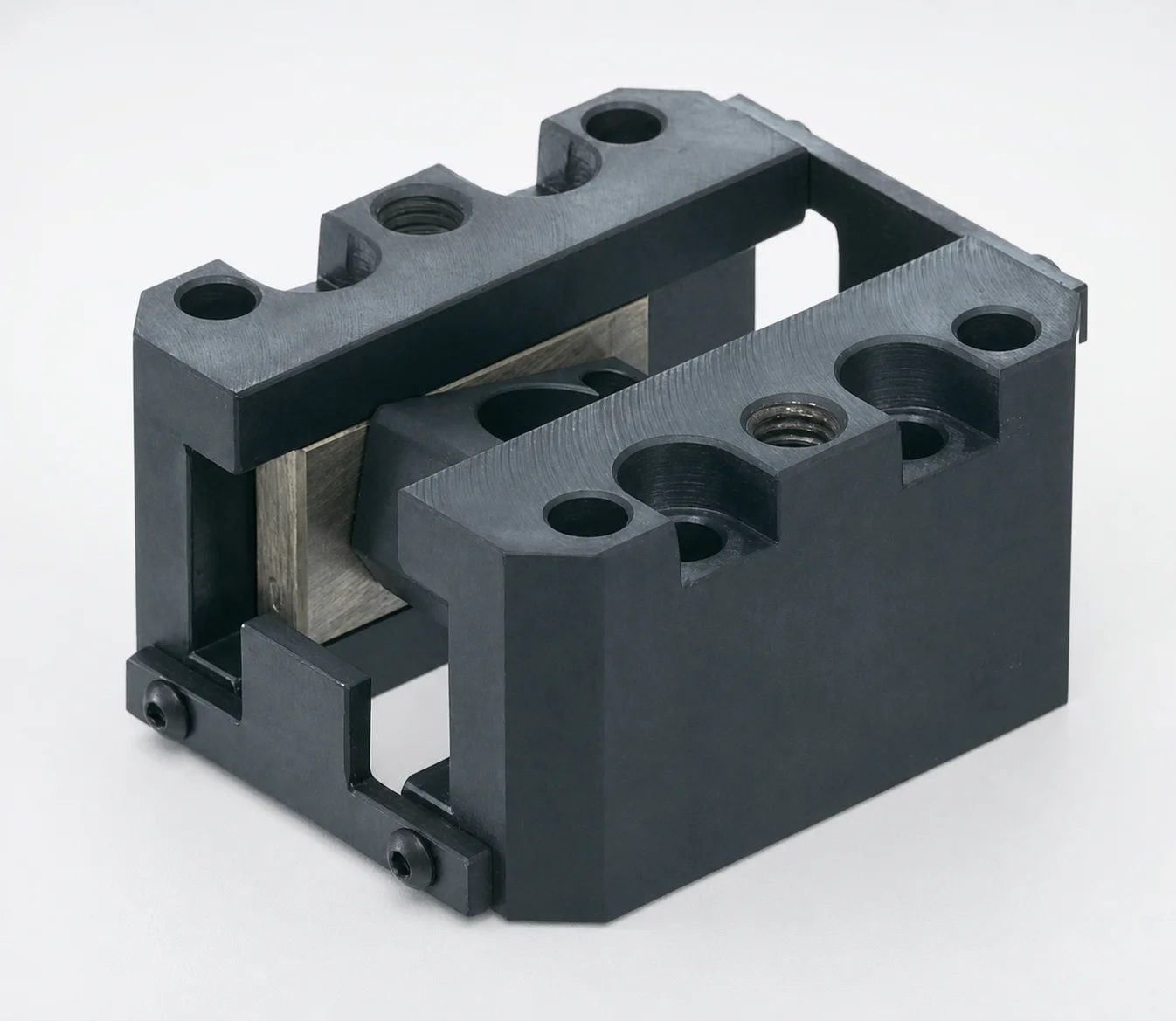
SCZN Oil-Free Slide Units for Loose Core
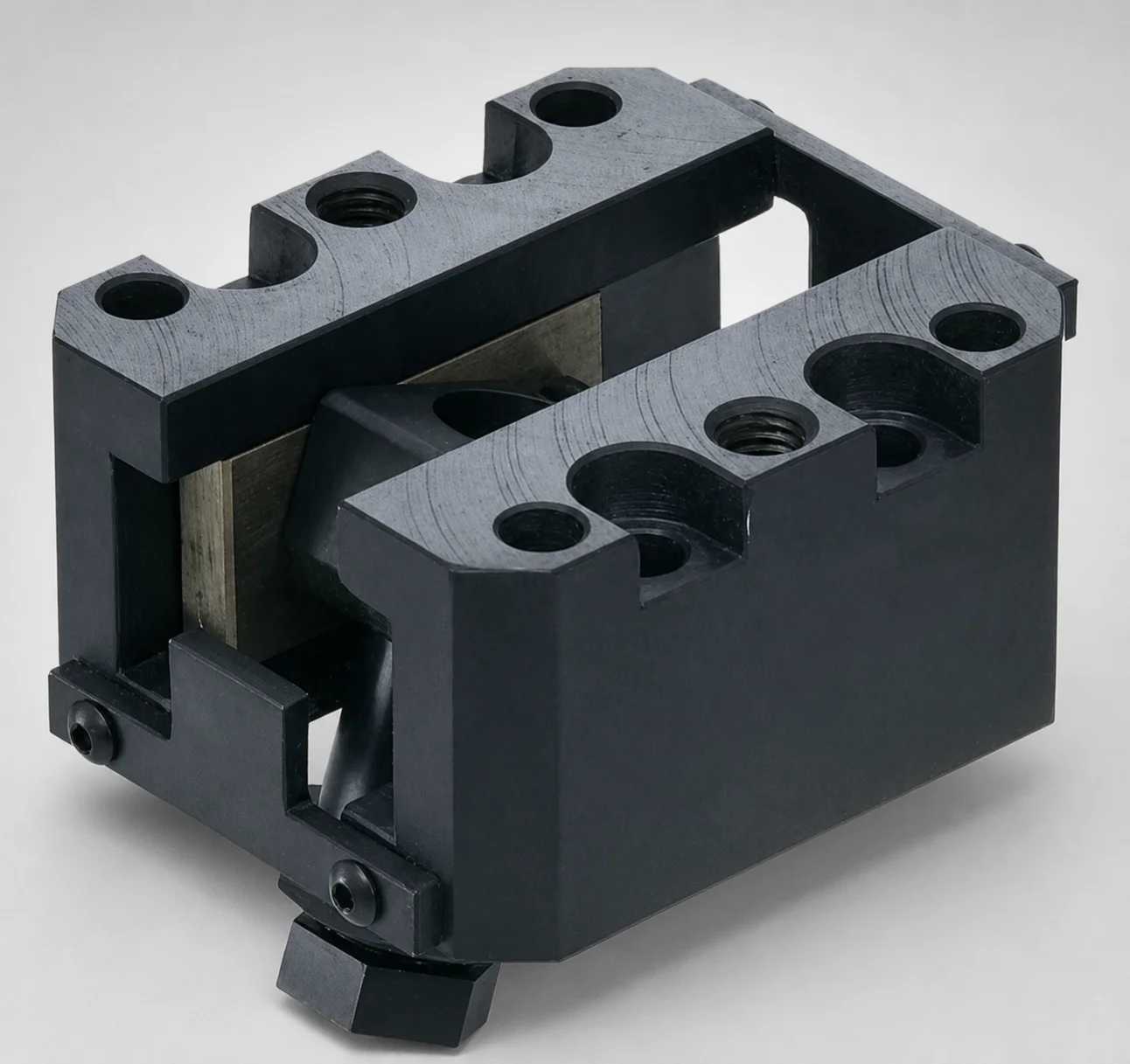
SCZA Oil-Free Slide Units for Loose Core - Inclined Pin Height Fine Tuning
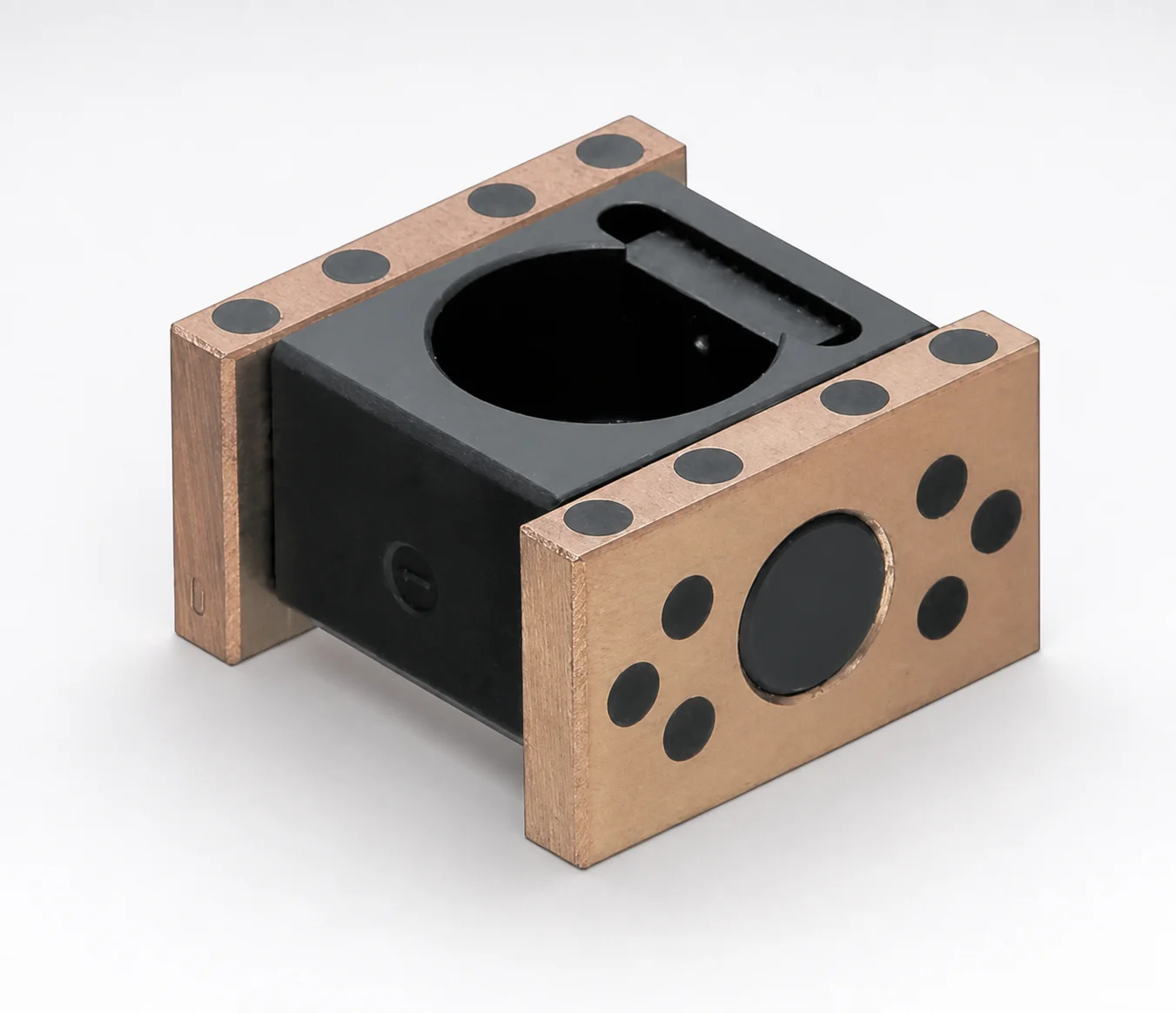
SCZNP Type Oil-Free Slide Inclined Pin Holders for Loose Core
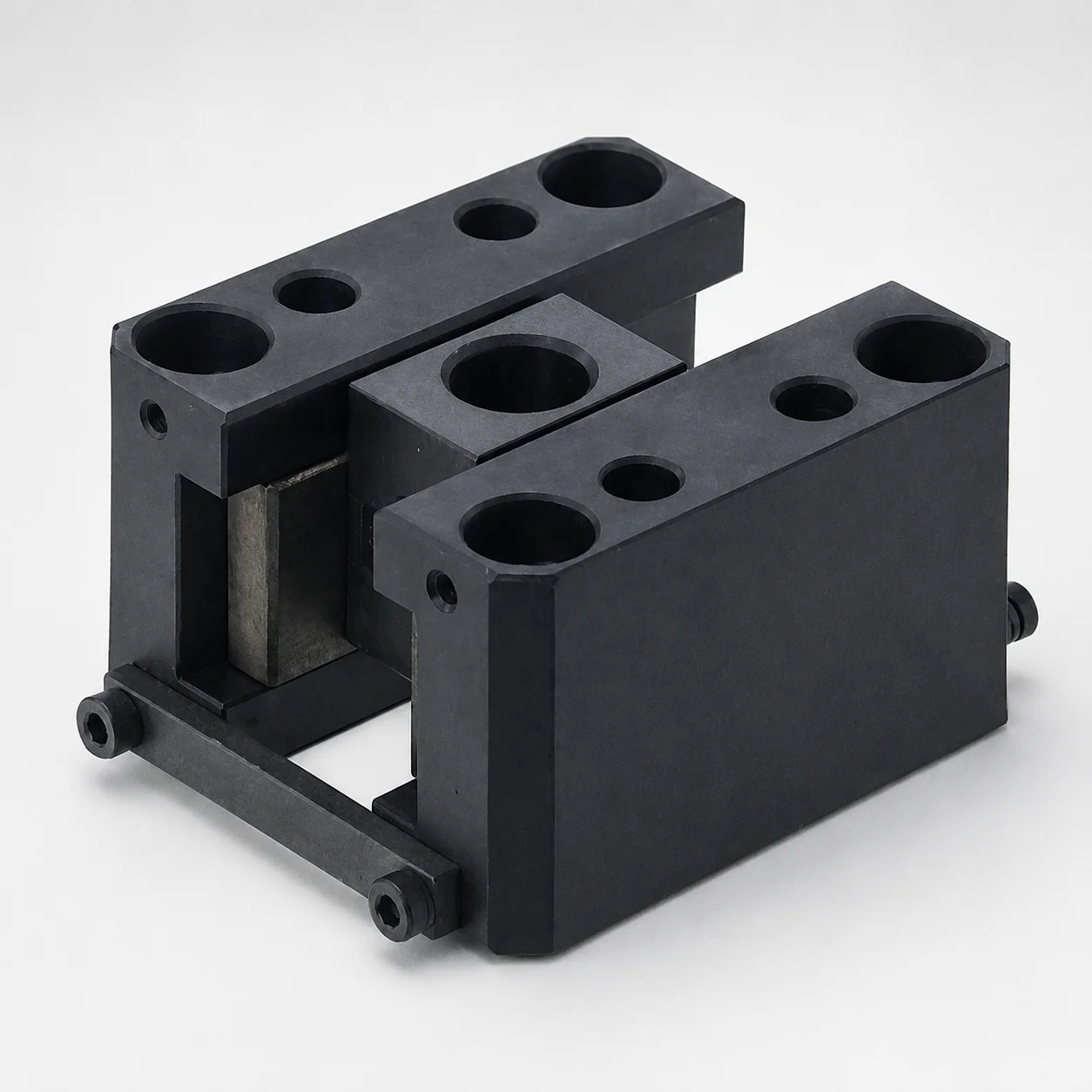
SCY Type Oil-Free Slide Units for Loose Core
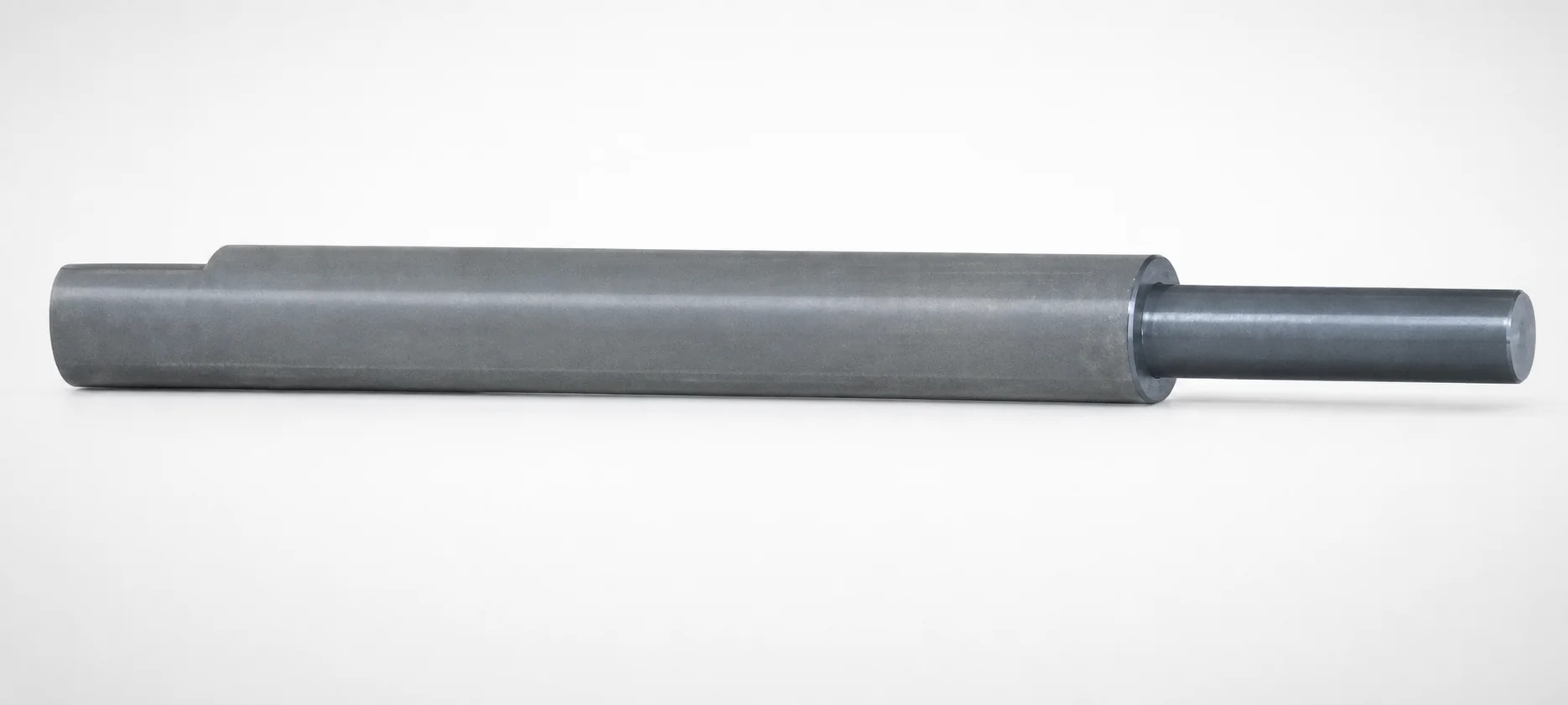
Inclined or Direct Push-Up Lifter Pins - Stepped
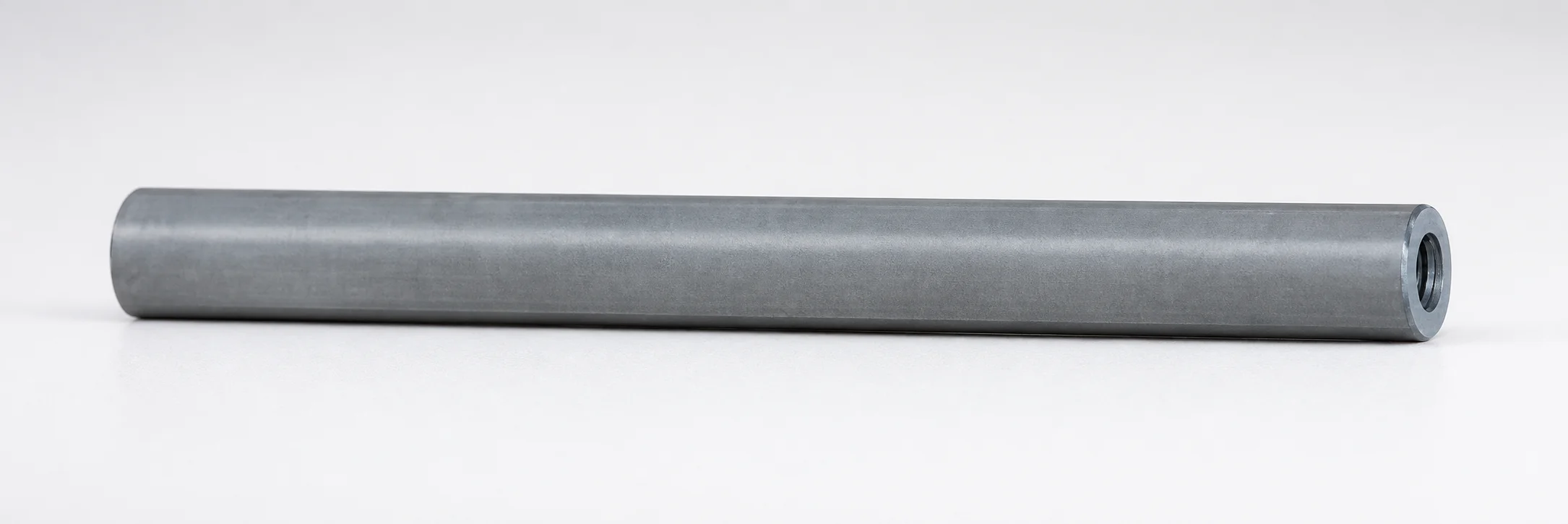
Inclined or Direct Push-Up Lifter Pins - Both Ends Tapped
Need Custom Specifications?
Our engineering team can help with custom configurations, material selection, and volume pricing.