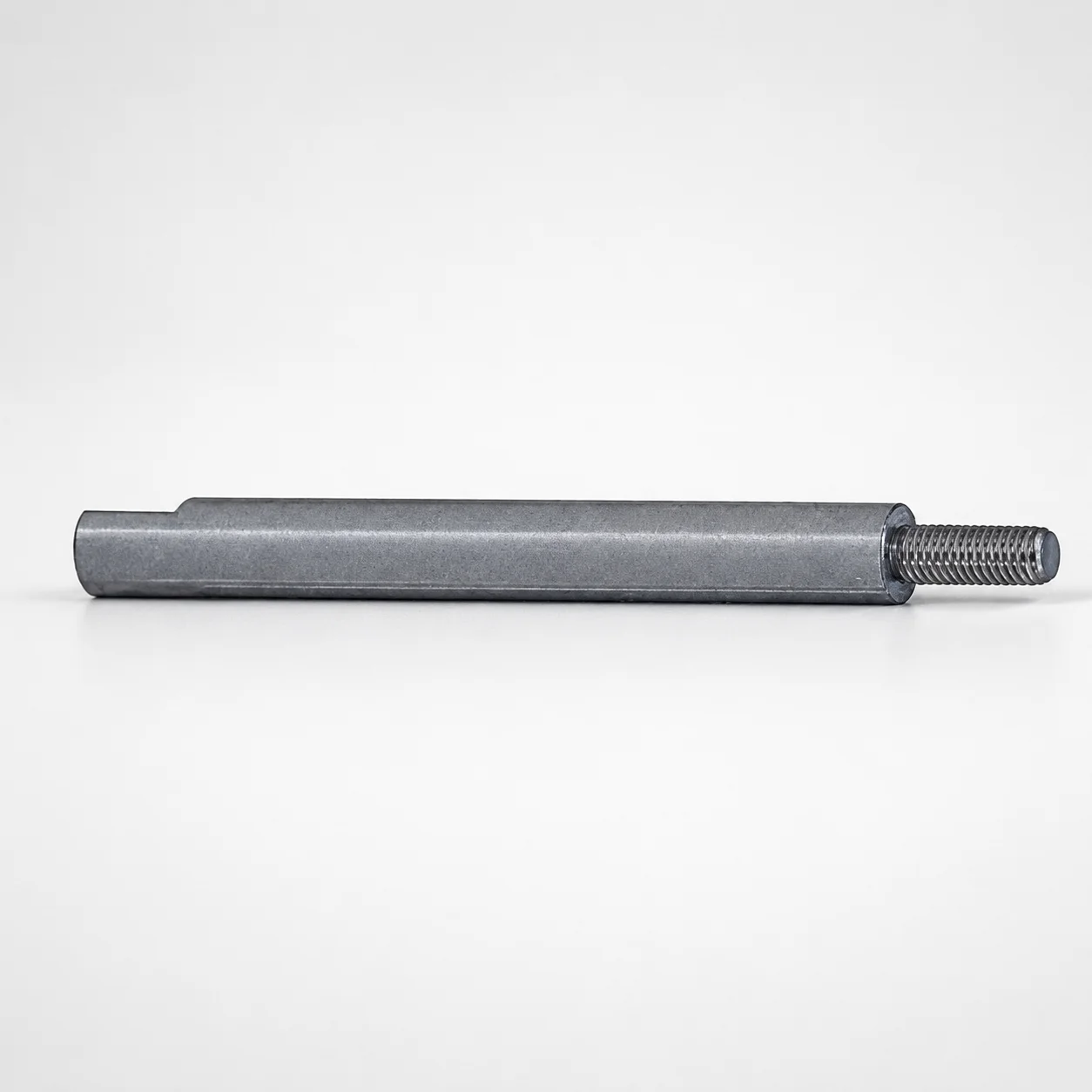
Inclined or Direct Push-Up Lifter Pins - One End Threaded, One End Tapped
Inclined or Direct Push-Up Lifter Pins (one end threaded, one end tapped) are designed to form a stable loose-core connection that helps maintain alignment and positioning during press assembly and manufacturing cycles.
- Threaded-tapped end design supports secure connection to loose cores for consistent positioning
- Durable construction helps reduce wear, protecting critical mold components over repeated operations
- For inclined or direct push-up mechanisms, supports smooth mechanical efficiency in precision applications
- Compatible with applicable loose core part families (e.g., SCY / SCZN / SCZA)
Specifications
14 configurations available
| D (Applicable inclined pin diameter) (mm) | Applicable loose core part number | L (L dimension) (mm) | F (Length of inclined block side screw) (mm) | P (Diameter of inclined block side screw) (mm) | PMC (Alteration of male thread to fine thread) (mm) | type |
|---|---|---|---|---|---|---|
| 12 | SCZN・SCZA | 100 ~ 800 | 6 ~ 30 | 6 ~ 10 | - | - |
| 12 | SCZN・SCZA | 100 ~ 800 | 6 ~ 30 | - | 6 ~ 10 | - |
| 16 | SCZN・SCZA | 100 ~ 800 | 8 ~ 36 | 8 ~ 12 | - | - |
| 16 | SCZN・SCZA | 100 ~ 800 | 8 ~ 36 | - | 8 ~ 12 | - |
| 20 | SCZN・SCZA | 100 ~ 800 | 10 ~ 48 | 10 ~ 16 | - | - |
| 20 | SCZN・SCZA | 100 ~ 800 | 10 ~ 48 | - | 10 ~ 17 | - |
| 25 | SCZN・SCZA | 100 ~ 800 | 10 ~ 60 | 12 ~ 20 | - | - |
| 25 | SCZN・SCZA | 100 ~ 800 | 10 ~ 60 | - | 12 ~ 20 | - |
| 30 | SCZN・SCZA | 100 ~ 800 | 10 ~ 72 | 16 ~ 24 | - | - |
| 30 | SCZN・SCZA | 100 ~ 800 | 10 ~ 72 | - | 15 ~ 25 | - |
| 8 | SCY | 100 ~ 600 | 4 ~ 18 | 4 ~ 6 | - | - |
| 8 | SCY | 100 ~ 600 | 4 ~ 18 | - | 4 ~ 6 | - |
| 10 | SCY | 100 ~ 800 | 5 ~ 24 | 5 ~ 8 | - | - |
| 10 | SCY | 100 ~ 800 | 5 ~ 24 | - | 5 ~ 8 | - |
Product Guide
Application Scenarios+
These inclined/direct push-up lifter pins are used in injection mold tooling where a loose core must stay precisely located while it is actuated by a push-up mechanism. The one end threaded / one end tapped connection provides a compact, repeatable interface so the loose core receives stable alignment during press cycles.
- Automotive connector and housing molds: Reliable positioning helps maintain dimensional stability through repeated open/close and actuator strokes, reducing the risk of misalignment at the loose-core interface.
- Medical and consumer device housings: Smooth push-up efficiency supports consistent cavity opening behavior, helping protect critical features by maintaining controlled core movement.
- Precision slide/loose-core systems (SCZN/SCZA/SCY): The threaded-tapped end is suited for secure loose-core attachment, improving mechanical efficiency for inclined or direct mechanisms.
Material & Process Details+
Material and heat-treatment details (steel grade, hardness, and specific treatment such as nitriding or quenching/tempering) are not provided in the supplied product metadata. As a result, hardness and wear/toughness trade-offs cannot be confirmed for this exact variant.
What can be stated from the design data is that the pins are intended for durable, repeat-cycle actuation, where secure thread engagement and resistance to wear at the interface are important. For selection, engineers should request or verify the backing steel specification from the series documentation before finalizing tool hardness targets.
- Verification needed: Confirm steel grade, expected hardness (HRC), and heat treatment state (e.g., quenched & tempered, carburized, nitrided) for accurate wear and fatigue assessment.
- Material comparison: If multiple materials are offered for the same geometry, choose the option whose hardness and toughness balance matches the cycle count and slider/loose-core load.
Sizing & Selection Guide+
Select the lifter pin geometry by matching the applicable inclined pin diameter D, stroke length L, and the screw interface dimensions used on the inclined block side.
- Diameter D (mm): Choose within 8 ~ 30 mm based on the loose-core interface and clearance requirements.
- Length L (mm): Use the 100 ~ 800 mm range (or 100 ~ 600 where that range applies in the series configuration) to achieve the required push-up travel.
- Inclined block side screw: Match P (4 ~ 16 mm) and the screw length F (4 ~ 10 mm) so the threaded/tapped engagement is complete without bottoming.
- Thread refinement (PMC): If the series supports fine-thread alteration, set PMC (4 ~ 15 mm) to obtain the specified thread engagement depth.
Maintain proper fit by ensuring thread engagement corresponds to the selected PMC and F values; where tolerance stack-up exists between the loose core (SCZN/SCZA/SCY) and the mating parts, confirm clearance and engagement length in your assembly drawings.
Frequently Asked Questions
Which loose core part families are compatible with the SCZN/SCZA/SCY push-up lifter pin connection?+
This series is specified for loose core part numbers SCZN・SCZA and SCY. The one end threaded / one end tapped interface is intended to provide secure loose-core connection for stable positioning during push-up actuation.
How do I choose the correct inclined pin diameter D for my loose core interface?+
Select D from the provided range of 8 ~ 30 mm. Use the required diameter that matches your inclined mechanism and maintains clearance at the loose-core attachment while ensuring adequate thread engagement on the tapped end.
What L length range should I use to achieve the required push-up stroke?+
Choose L in the series ranges of 100 ~ 800 mm or 100 ~ 600 mm as applicable to your configured option. Confirm that the selected L supports the full actuation travel without interference with adjacent mold components.
How do F and P dimensions relate to the inclined block side screw mating parts?+
The series specifies F (length of inclined block side screw) = 4 ~ 10 mm and P (diameter of inclined block side screw) = 4 ~ 16 mm. Match these to your inclined block screw geometry so the threaded/tapped engagement is sufficient and does not bottom out.
What is the meaning of PMC (fine thread alteration) and how does it affect engagement length?+
PMC is listed as Alteration of male thread to fine thread (4 ~ 15 mm). Configure PMC to control the effective thread alteration/engagement depth; then verify engagement length together with F to maintain a secure loose-core connection under repeated cycles.
Related Products
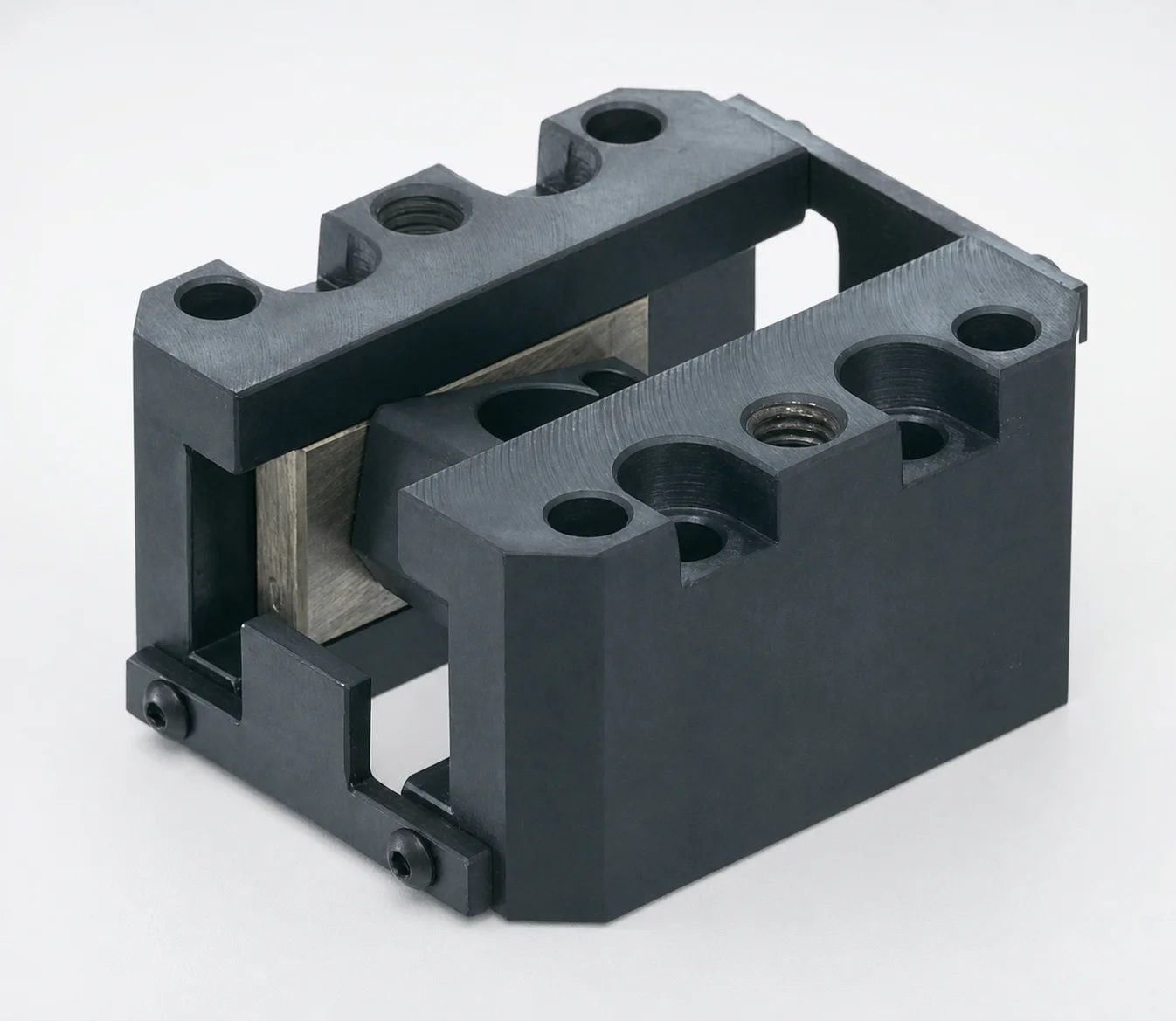
SCZN Oil-Free Slide Units for Loose Core
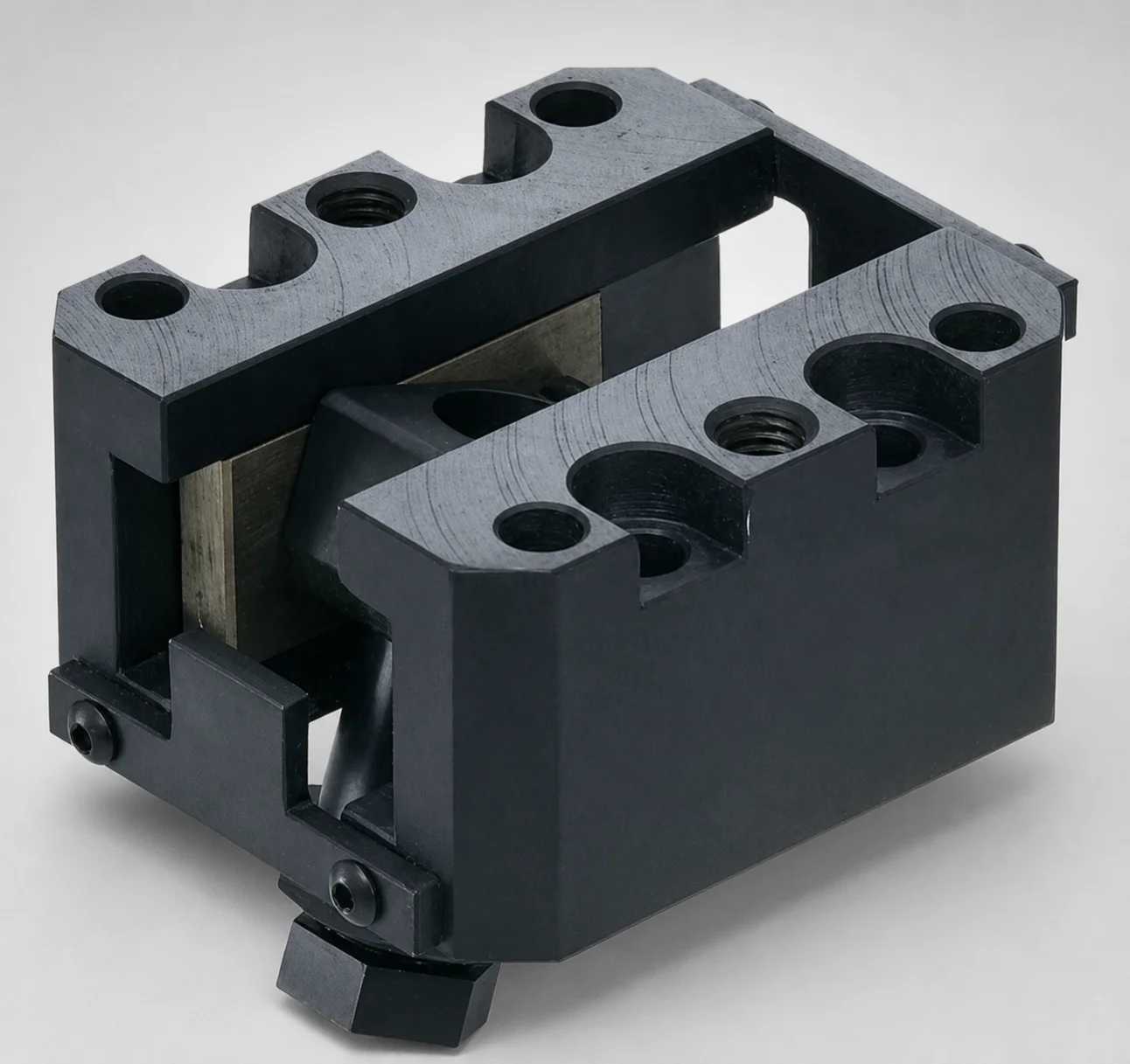
SCZA Oil-Free Slide Units for Loose Core - Inclined Pin Height Fine Tuning
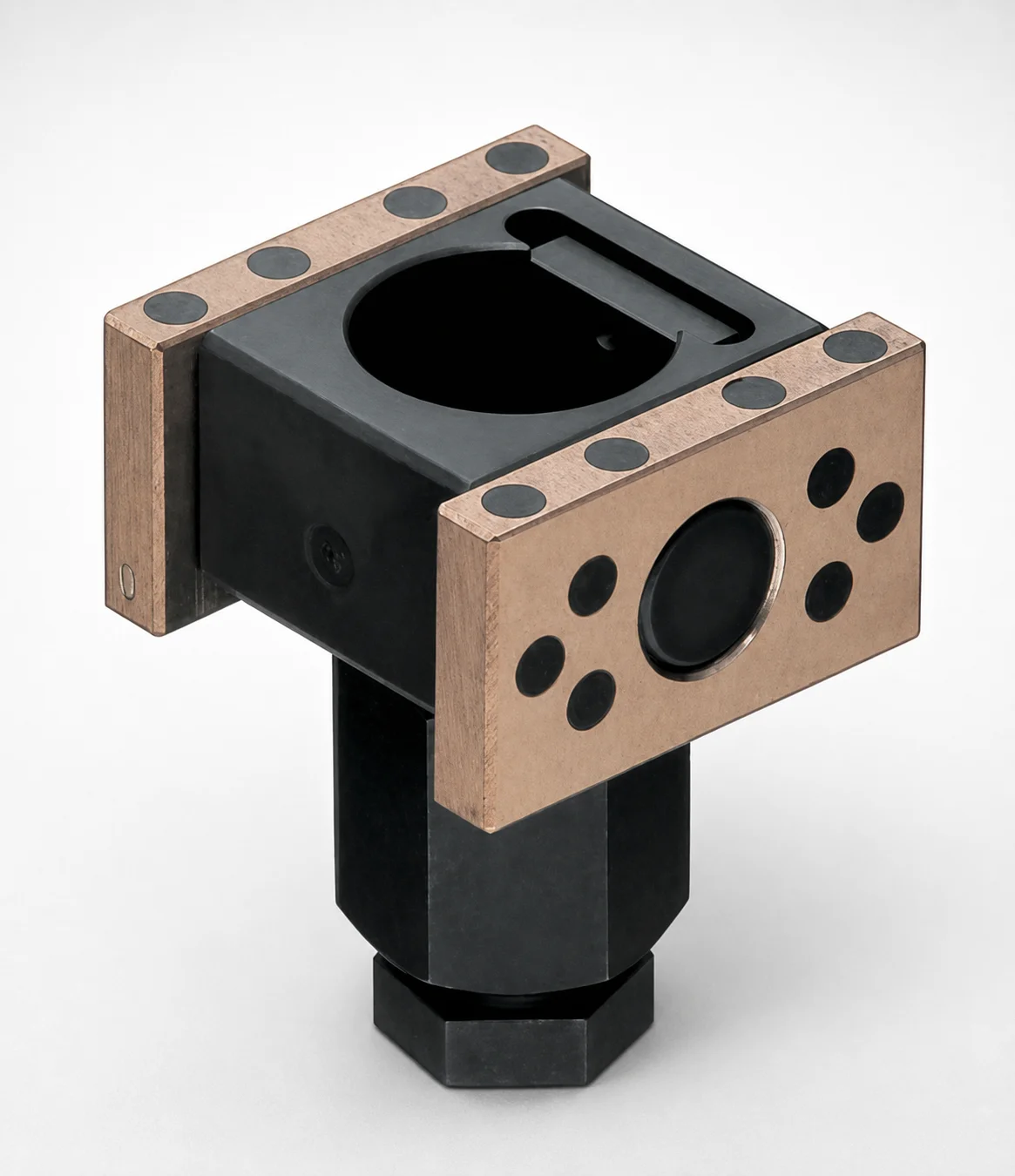
SCZAP Oil-Free Slide Inclined Pin Holders for Loose Core
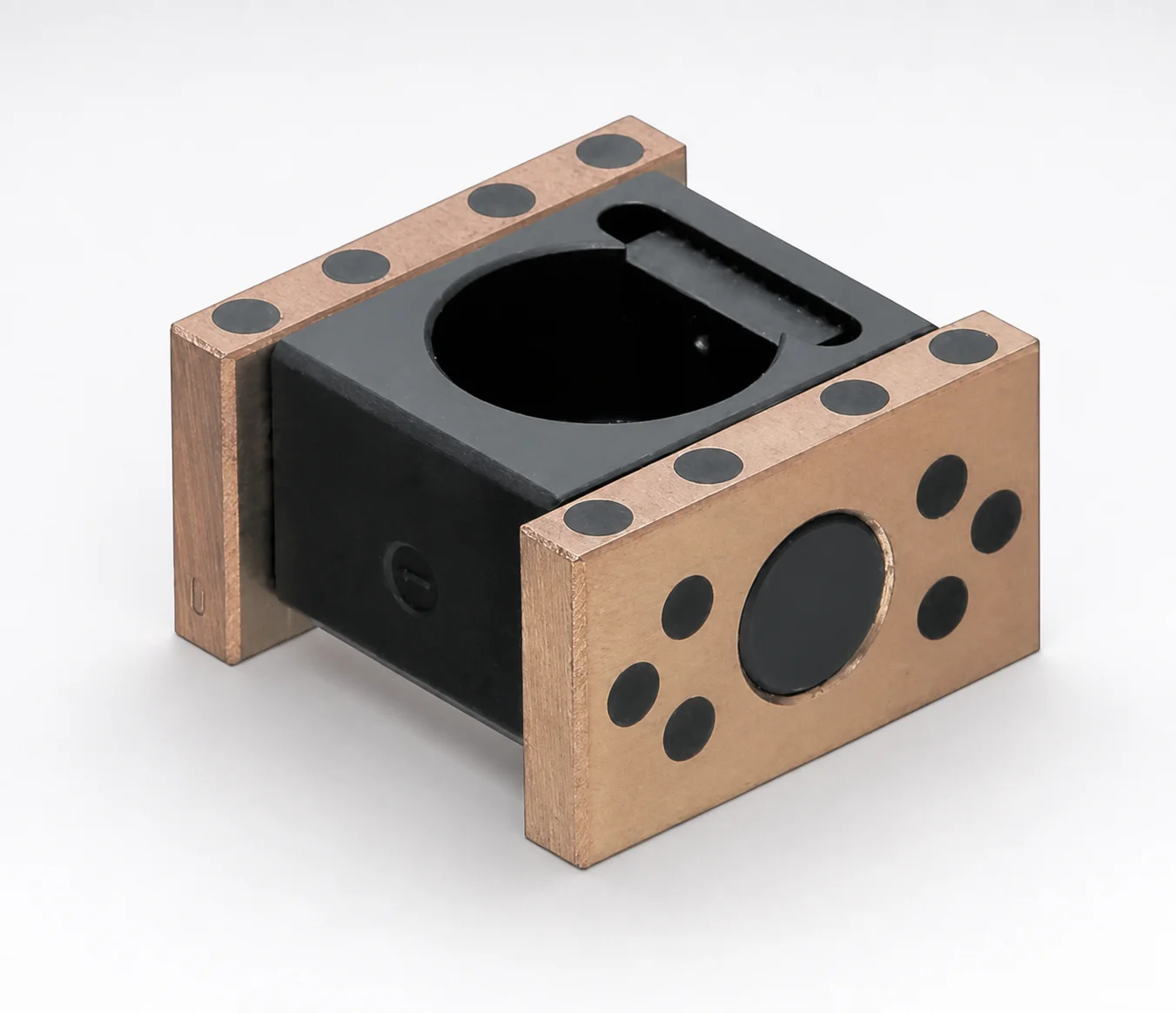
SCZNP Type Oil-Free Slide Inclined Pin Holders for Loose Core
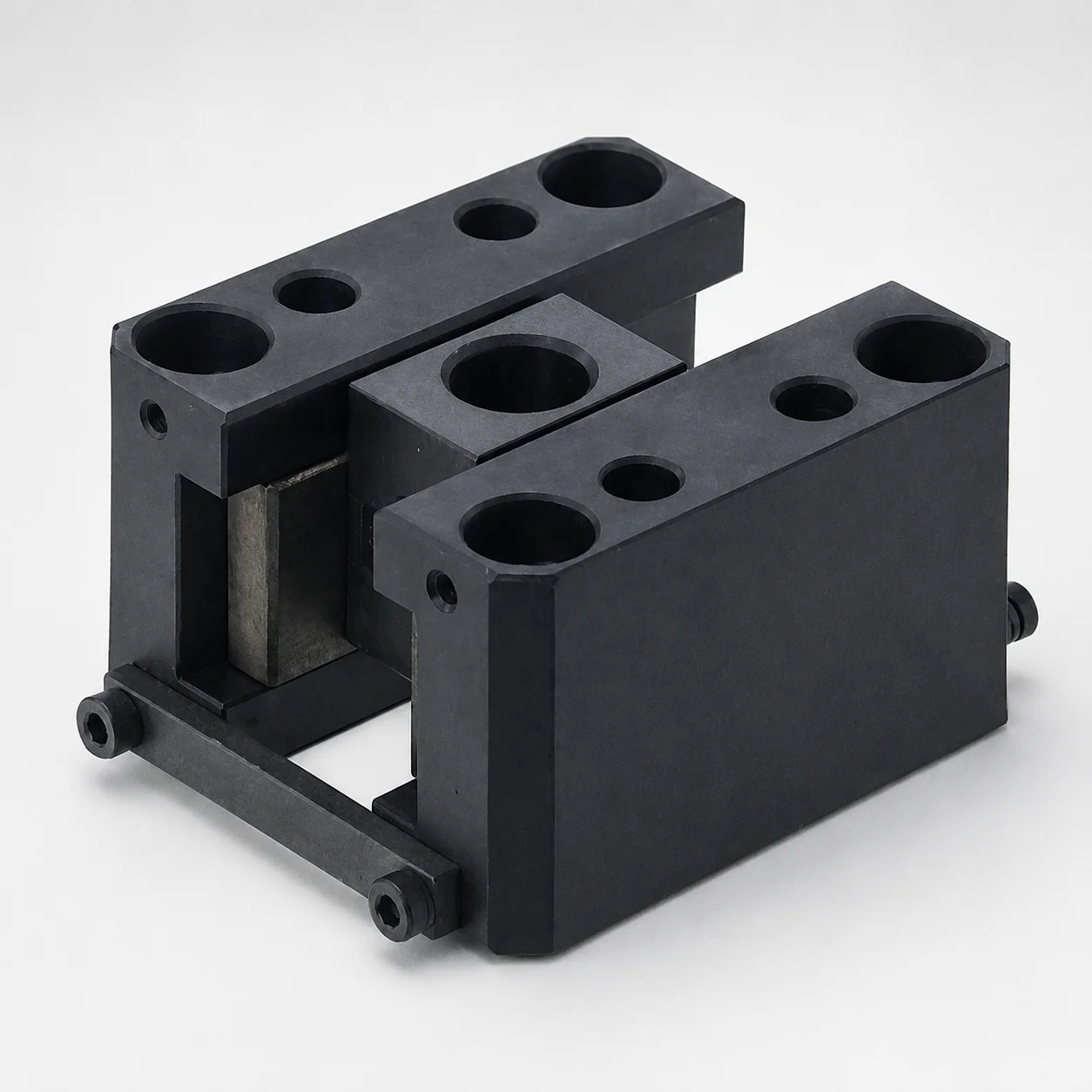
SCY Type Oil-Free Slide Units for Loose Core
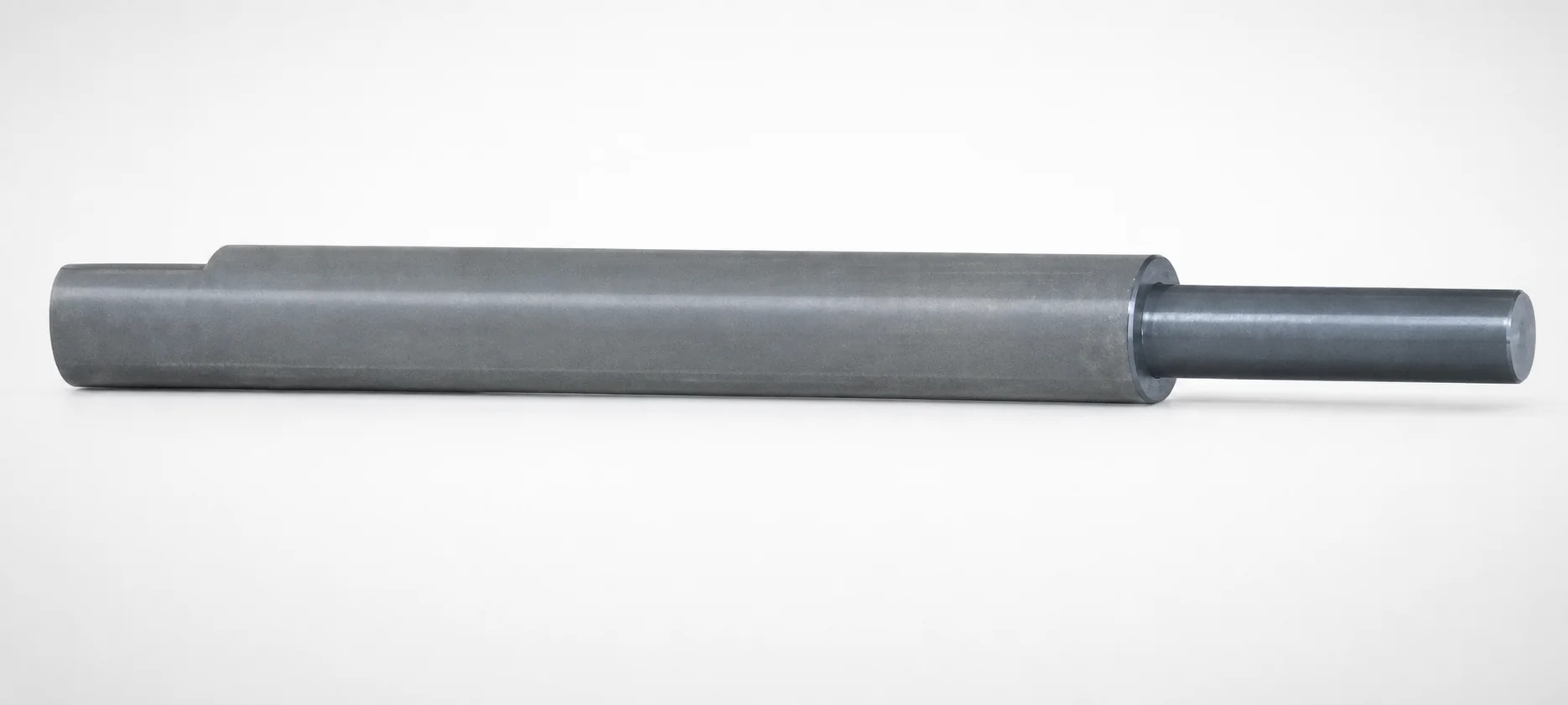
Inclined or Direct Push-Up Lifter Pins - Stepped
Need Custom Specifications?
Our engineering team can help with custom configurations, material selection, and volume pricing.