Cavity Inserts for Gas Release
Structural vent bodies that mount inside mold cavities — round shape, slit vent, porous sintered metal, and valve-spring assemblies with spacer accessories. 8 products across 4 venting technologies.
Products
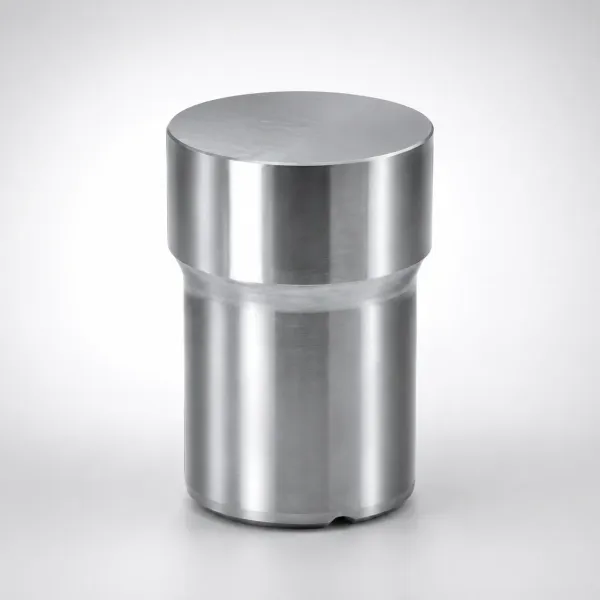
Round Shape Cavity Inserts (BGVS)
Bevels on circumference, standard round vent.
View Products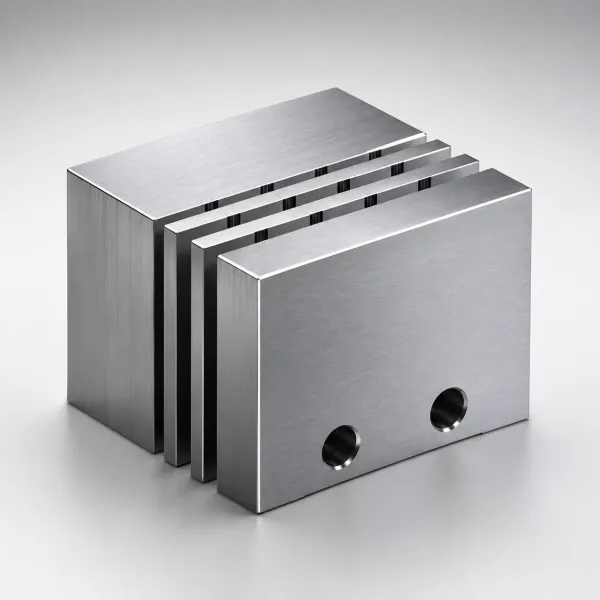
Cavity Stuck-Up Inserts
SUS420J2 corrosion-resistant gas release inserts.
View Products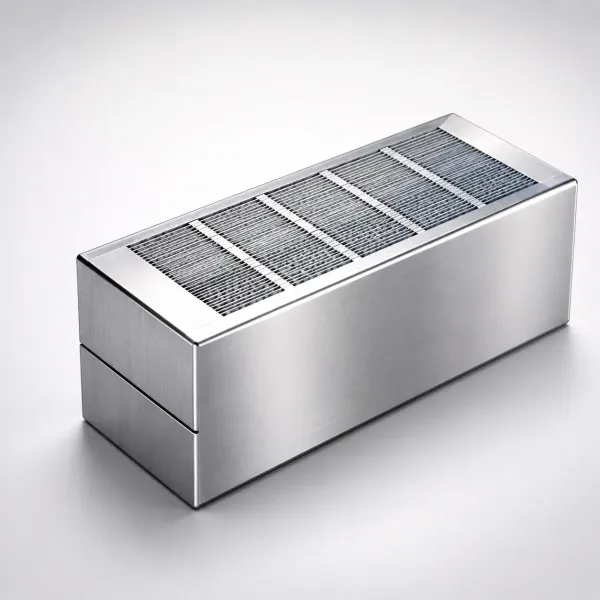
Slit Vent Cavity Insert Blocks
Diffusion-bonded slit vents for precision degassing.
View Products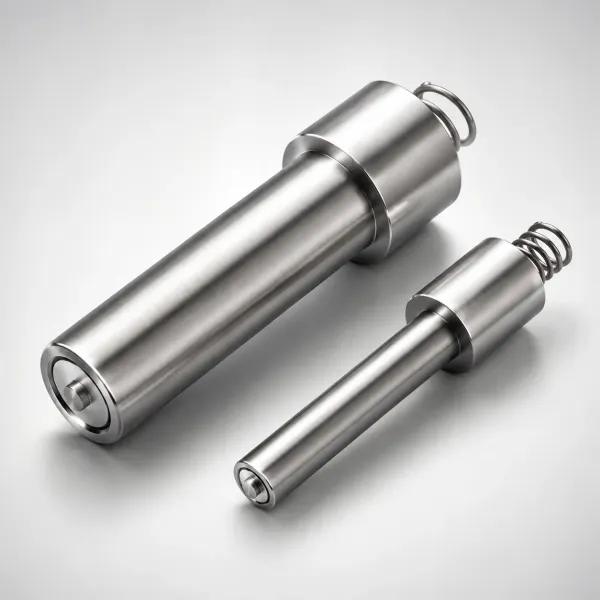
Gas Vent Units — Valves & Springs (MSTV)
Spring-loaded valve assembly for controlled venting.
View Products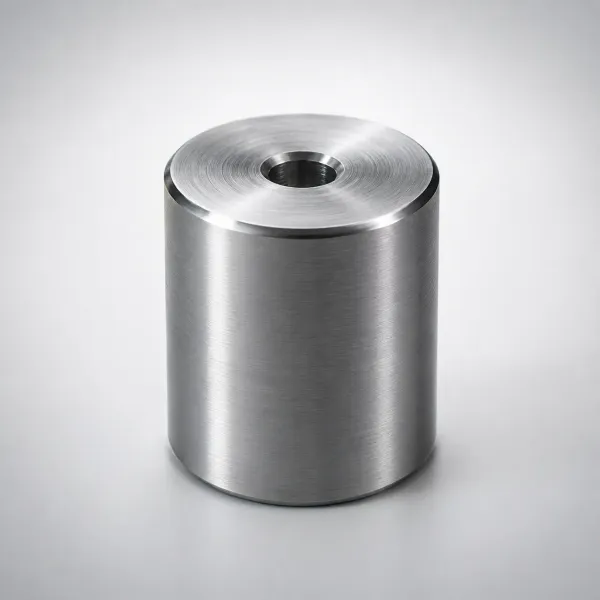
Spacer for Gas Vent Unit — Cylinder (MSTVS)
Plain cylinder spacer for MSTV units.
View Products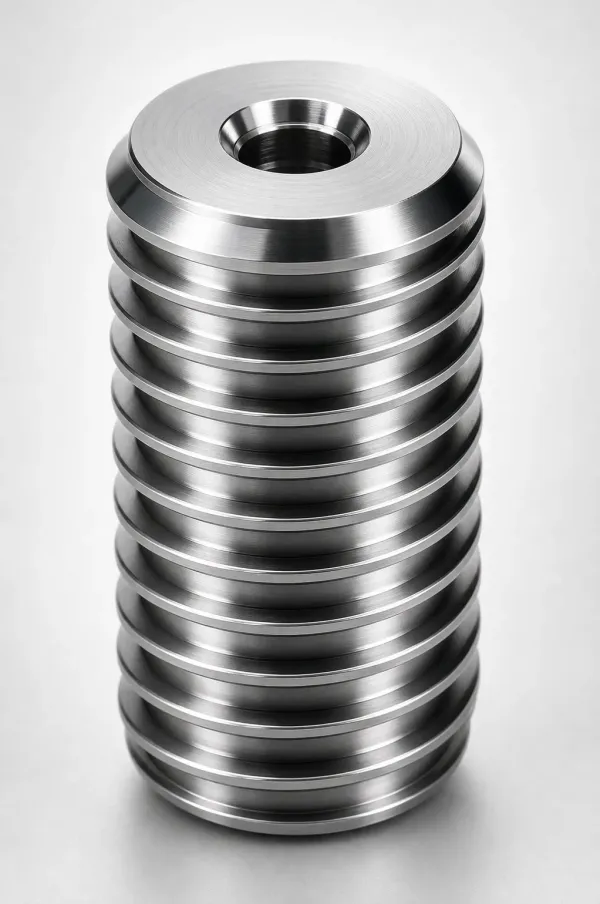
Spacer for Gas Vent Unit — Threaded (MSTVM)
Threaded cylinder spacer for secure MSTV mounting.
View Products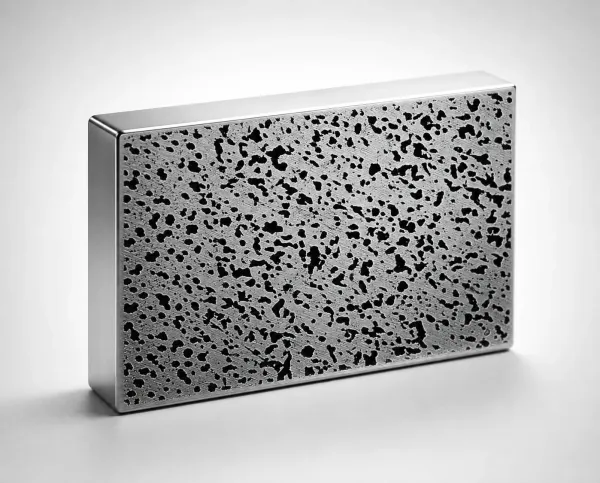
Porous Vent Blanks (PRVT20)
Sintered porous metal blanks for mold inserts.
View Products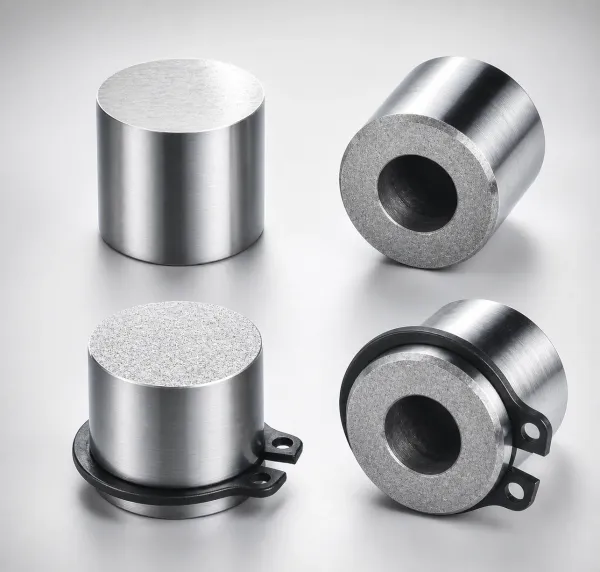
Porous Vent Rods (PVAB)
Vent path and C-ring options for rod-type inserts.
View ProductsWhich Gas Vent Technology Do You Need?
Four different venting technologies serve different mold requirements. Start with your primary venting challenge:
Decision rule: Round vents handle most standard applications. Slit vents suit thin-wall areas. Porous sintered metal is required for zero-mark cosmetic surfaces. For a detailed technology comparison, see our Round vs. Slit vs. Porous Vent Technology guide.
Material Comparison for Vent Cavity Inserts
Select the material grade based on your resin type and corrosion environment:
| Material | Hardness | Corrosion Resistance | Best For |
|---|---|---|---|
| SUS420J2 | HRC 48–52 | ⭐⭐⭐ Excellent | Corrosive resins (PVC, flame-retardant grades) |
| Stainless Steel | HRC 28–32 | ⭐⭐ Good | General-purpose, standard commodity resins |
| Porous Sintered Metal | HRC 20–25 | ⭐⭐ Good | Full-perimeter venting, complex geometries |
| Diffusion-Bonded Steel | HRC 45–50 | ⭐⭐ Good | Precision slit vents, high-pressure applications |
How Porous Metal Venting Works
Porous vent inserts are manufactured by sintering metal powder at high temperature, creating a network of interconnected micro-pores (typically 7–20 μm diameter). These pores are large enough to allow gas molecules to pass through freely, but small enough to prevent molten resin (which has much higher viscosity) from penetrating into the vent structure.
Key advantages over conventional machined vents:
- 360° venting — gas escapes through the entire surface, not just machined channels
- No flash risk — micro-pore size is below the resin penetration threshold
- Self-cleaning tendency — gas flow during each cycle helps clear micro-pores
- Maintenance — periodic ultrasonic cleaning in solvent restores full permeability
Limitations: Lower hardness than solid steel (HRC 20–25), not suitable for high-clamp-force areas. Pore size must be matched to resin viscosity — too large for low-viscosity resins like nylon may cause micro-flash.
Engineering note: Porous sintered metal vents use micro-pore structures (5-20 μm) to pass gas while blocking resin. For micro-structure details, see our Porous Sintered Metal Venting guide.
Component Pairing Reference
MSTV valve-spring units require spacer accessories. Other types install directly:
| Main Component | Required Accessory | Relation |
|---|---|---|
| MSTV Gas Vent Unit | MSTVS Spacer (plain) or MSTVM Spacer (threaded) | Required — extends mounting depth |
| BGVS Round Cavity Insert | — | Self-contained, direct install |
| Slit Vent Block | — | Self-contained, direct install |
| Porous Vent Blank (PRVT20) | Custom machining to fit cavity | Blank requires finish machining |
| Porous Vent Rod (PVAB) | C-ring (optional) | Optional — retention ring |
Are You on the Right Page?
✅ You're in the right place if:
- You need structural vent bodies that mount inside the mold cavity
- You're choosing between round, slit, porous, or valve-spring venting technologies
- You need spacer accessories for MSTV valve-spring units
🔄 Consider switching to:
- Need the venting power source (round inserts, vacuum units, vacuum generators)? → Gas Release Units
- Need gas venting on a core pin? → Gas Release Core Pins
Application Scenarios
See how these products solve real engineering challenges across industries:
Thin-Wall Container Micro-Venting
PP/PE food containers with wall thickness below 0.4 mm generate high gas pressure during rapid fill. Porous sintered metal vent blanks provide full-perimeter gas evacuation without flash.
Why it fits: Porous sintered metal blanks feature interconnected micro-pores (5–20 μm) that allow gas to pass through the entire insert surface — not just edge channels. This full-perimeter venting eliminates the last-to-fill burn marks that single-channel round inserts miss on thin-wall geometries.
Multi-Cavity Connector Mold Venting
Electrical connector molds with 16–64 cavities need uniform venting across all cavities. Slit vent cavity blocks deliver consistent, narrow-channel gas release for balanced fill patterns.
Why it fits: Slit vent blocks provide a narrow, controlled gas channel (0.01–0.02 mm) that can be machined to exact lengths matching cavity runner layouts. Unlike round inserts limited to point venting, slit blocks cover the full width of a connector cavity row.
Engineering Plastic High-Temp Venting
PPS, PEEK, and LCP resins release aggressive outgas at mold temperatures above 150°C. SUS420J2 corrosion-resistant cavity inserts withstand chemical attack from high-temperature gas byproducts.
Why it fits: SUS420J2 stainless steel cavity inserts resist chemical attack from aggressive outgas compounds (styrene, formaldehyde, HCl) generated at mold temperatures above 150°C. Standard tool steel inserts pit and corrode within 50K shots under these conditions — SUS420J2 extends service life beyond 500K shots.
Frequently Asked Questions
How does porous sintered metal venting compare to conventional slit venting for mold gas release?+
What resin types are compatible with porous vent inserts without clogging the micro-pores?+
What is the maximum operating temperature for SUS420J2 gas vent cavity inserts?+
Engineering Resources
Round vs. Slit vs. Porous Vent Inserts: Choosing the Right Type
Complete comparison of three venting technologies with application guidelines.
What Is Porous Sintered Metal Venting and When Should You Use It?
How micro-pore structure prevents resin infiltration while maximizing gas flow.
How to Pair Gas Vent Units with Spacers for MSTV/MSTVS/MSTVM
MSTV/MSTVS/MSTVM complete compatibility reference.
Need Help Selecting Vent Cavity Inserts?
Send us your cavity geometry, resin type, and current venting problems — we'll recommend the optimal insert technology.