Gas Release Units for Injection Molds
Three gas venting power source options — passive round inserts, active blow-type vacuum, and vacuum generators — for eliminating trapped air defects in injection molds.
Products
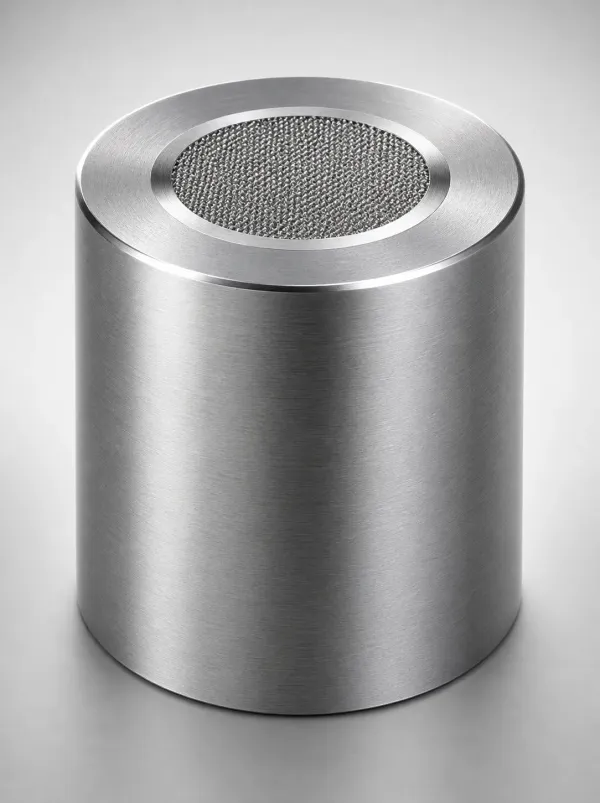
Gas Vent Round Inserts — Stainless Steel
Passive round vent inserts for standard gas evacuation.
View Products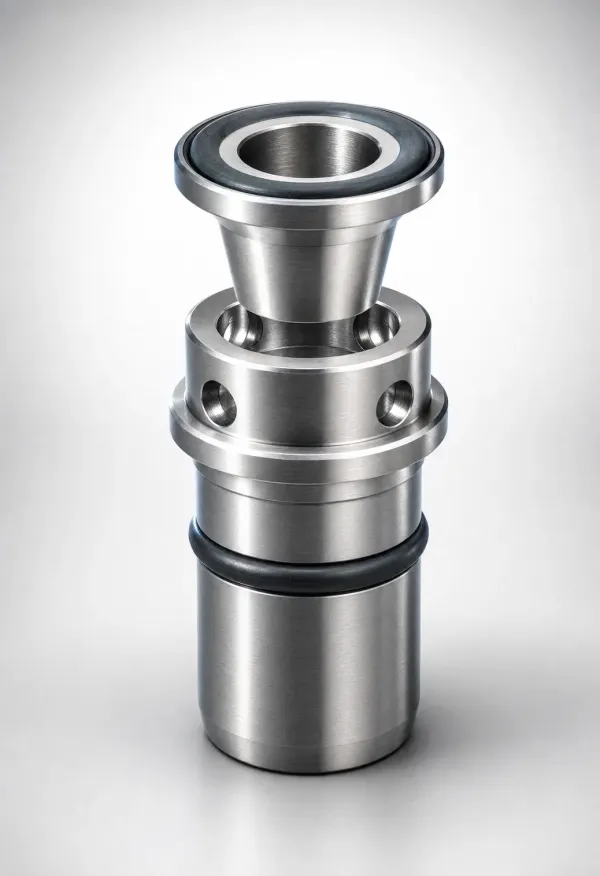
Vacuum Unit for Gas Venting — Blow Type
Active blow-through vacuum unit for deep cavity venting.
View Products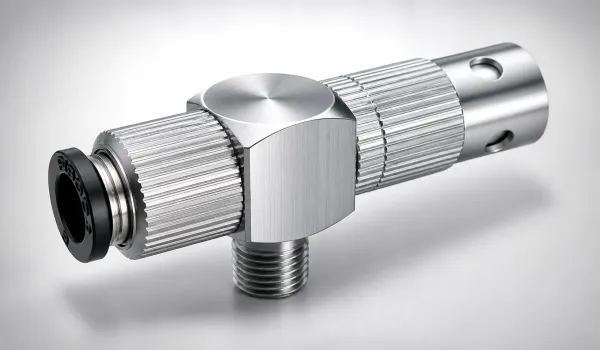
Vacuum Generators for Gas Venting
Generates negative pressure for forced gas evacuation.
View ProductsCompare Gas Release Methods
Three distinct venting mechanisms — choose based on your cavity depth, cycle speed, and maintenance preference:
| Criteria | Gas Vent Round Inserts | Blow-Type Vacuum Unit | Vacuum Generator |
|---|---|---|---|
| Venting Mechanism | Passive — gas escapes through precision-machined channels | Active — compressed air blows through vent path | Active — Venturi effect creates negative pressure |
| Cavity Depth | Standard (depth ≤ 3× diameter) | Deep cavities (depth > 3× diameter) | Deep cavities & blind holes |
| Energy Source | None (passive) | Compressed air supply | Compressed air supply |
| Maintenance | Low — periodic cleaning only | Medium — check air connections | Medium — check vacuum level |
| Material | Stainless steel (corrosion resistant) | Aluminum alloy body | Aluminum alloy body |
| Best For | 80% of standard molds | High-speed molding, thin-wall parts | Multi-cavity molds, central vacuum |
| Cost Level | $ | $$ | $$$ |
Decision rule: Choose passive venting for shallow cavities with standard cycle times. Switch to active vacuum-assist for deep cavities, fast cycles, or gas-generating resins. For an in-depth comparison, see our Passive vs. Active Vacuum Venting guide.
How Gas Release Technology Works
Passive Venting (Round Inserts)
Stainless steel round inserts feature precision-ground channels (typically 0.01–0.03 mm deep) that allow gas to escape while preventing resin penetration. The vent channel depth is calibrated to the resin viscosity — shallower for low-viscosity resins (nylon, POM), deeper for high-viscosity resins (PC, PMMA). No external power source is needed; gas is displaced by the advancing melt front pressure.
Active Vacuum Venting
When passive venting is insufficient — in deep blind holes, complex geometries, or high-speed cycles — active vacuum systems create negative pressure inside the cavity before injection begins. The Blow Type unit uses compressed air through a Venturi nozzle to generate suction. Vacuum Generators provide continuous negative pressure via a dedicated vacuum line. Both methods evacuate gas faster than passive displacement, preventing burn marks in last-to-fill areas.
Engineering note: Understanding pressure differentials and vent flow rates helps you spec the correct unit size. For foundational theory, see our Mold Gas Venting Fundamentals.
Pairing with Cavity Inserts
Gas Release Units often work together with Cavity Inserts for Gas Release as a complete venting system:
Gas Vent Round Inserts
Power source: passive vent channels
BGVS Round Shape Cavity Inserts
Structural carrier: cavity-mounted round inserts
Vacuum Unit / Vacuum Generator
Power source: active vacuum evacuation
MSTV Gas Vent Units + MSTVS/MSTVM Spacers
Structural carrier: valve-spring assembly + cylinder spacers
Are You on the Right Page?
✅ You're in the right place if:
- You need a gas venting power source — passive round inserts or active vacuum units
- You're looking for the mechanism that creates the venting force (not the structural vent body)
- You need stainless steel vent inserts, vacuum generators, or blow-type units
🔄 Consider switching to:
- Need the structural vent body that mounts inside the cavity (round/slit/porous inserts, spacers)? → Cavity Inserts for Gas Release
- Need gas venting on a core pin (not a cavity insert)? → Gas Release Core Pins
About Gas Release Units
Gas release units are the venting power sources in an injection mold gas evacuation system. They include passive round vent inserts (stainless steel, maintenance-free), active blow-type vacuum units (compressed air driven), and vacuum generators (Venturi-based negative pressure). These units are typically paired with cavity inserts or spacers to form a complete venting solution.
Application Scenarios
See how these products solve real engineering challenges across industries:
High-Speed Packaging Mold Venting
Cycle times under 8 seconds leave minimal time for passive gas escape. Active vacuum units create pre-injection cavity vacuum, eliminating burn marks on thin-wall food containers and closures.
Why it fits: Blow-type vacuum units generate instant negative pressure via Venturi effect, evacuating cavity air in under 0.5 seconds. This matches sub-8-second cycle times where passive venting cannot keep pace — eliminating burn marks at last-to-fill weld lines on thin-wall containers.
Deep-Cavity Automotive Housing Molds
Dashboard housings and lamp enclosures with cavity depths exceeding 3× diameter trap gas in last-to-fill corners. Vacuum generators provide continuous negative pressure to prevent short shots.
Why it fits: Vacuum generators provide continuous negative pressure through dedicated vacuum lines, reaching deep cavity corners that exceed 3× pin diameter. Unlike passive venting, active vacuum pulls gas from blind holes and ribs before the melt front arrives — preventing short shots in dashboard and lamp housing geometries.
Precision Medical Device Molding
Syringe barrels and diagnostic cartridges require zero cosmetic defects. Stainless steel passive vent inserts provide contamination-free gas evacuation for ISO Class 7/8 cleanroom production.
Why it fits: SUS stainless steel round inserts provide passive, contamination-free venting with no compressed air contact. Precision-ground channels (0.01–0.03 mm) allow gas escape while blocking resin penetration — meeting ISO Class 7/8 cleanroom requirements without introducing particulate or lubricant contamination.
Frequently Asked Questions
What is the difference between passive gas venting and active vacuum venting in injection molds?+
What mold cavity depth requires vacuum-assisted gas venting instead of passive vents?+
What is the recommended maintenance interval for vacuum generators used in mold gas venting?+
Engineering Resources
Need Gas Venting Solutions?
Tell us your cavity depth, resin type, and cycle time — we'll recommend the optimal venting configuration.