Gas Release Straight Core Pins
Venting geometry to evacuate trapped air during injection fill. Eliminate burn marks and short shots in deep or blind cavities.
Products
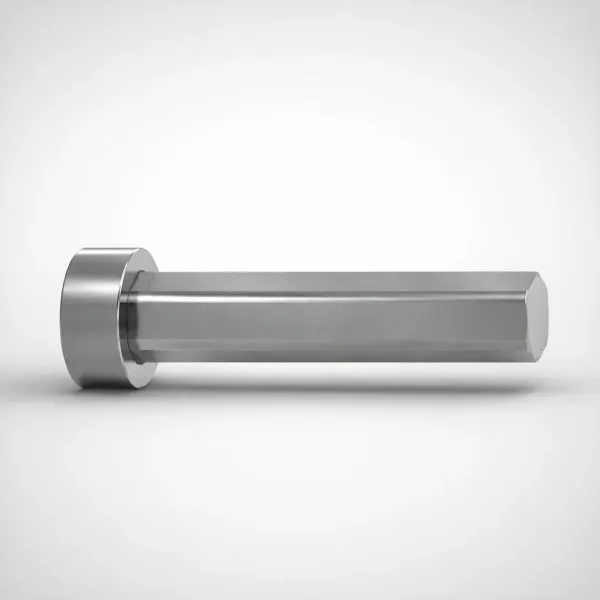
DIN Standard M2 Steel Gas Release Straight Core Pins Flat...
M2 Steel Gas Release Straight Core Pins Flat-Sided deliver quenched hardening steel durability and stable anti-rotati...
View Details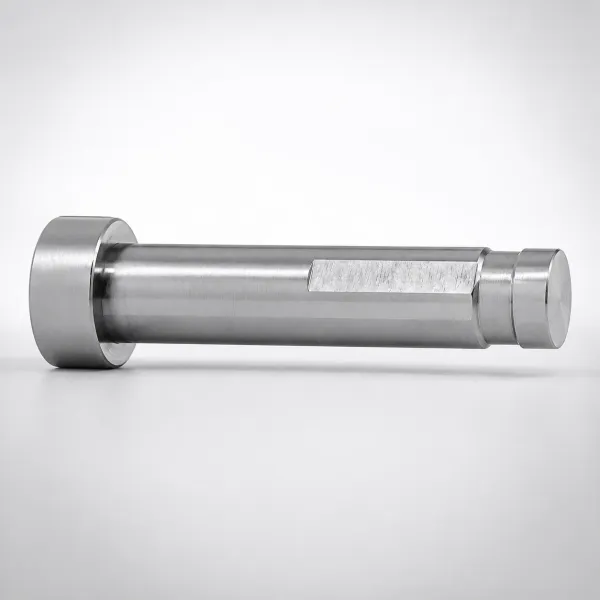
JIS Standard SKH51 Steel Gas Release Straight Core Pins F...
Gas Release Straight Core Pins (SKH51 steel) with Flat-SVC extended gas-release facet to the bottom for controlled ex...
View Details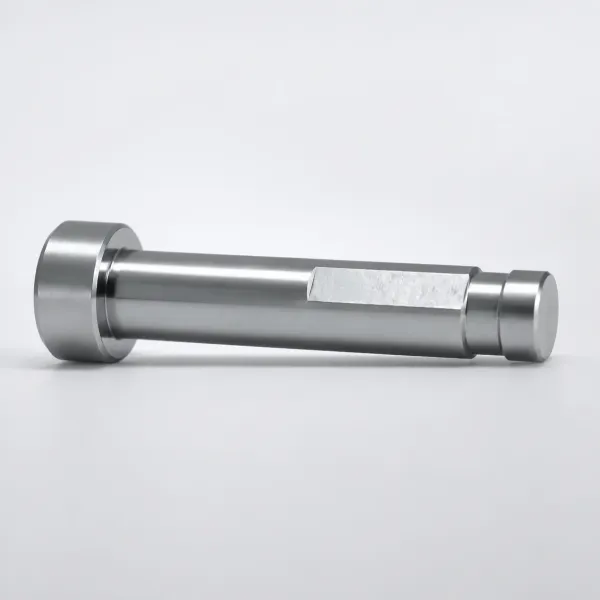
M2 Steel Gas Release Straight Core Pins Flat-SVC
M2 Steel gas release straight core pins with Flat-SVC extend to the bottom. Quenched hardening steel for stable posit...
View Details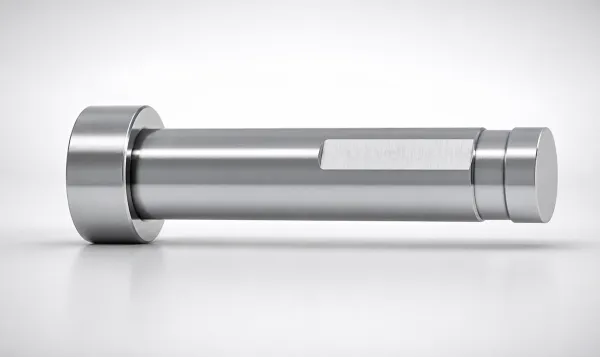
JIS Standard Hardened Steel Gas Release Straight Core Pin...
Gas Release Straight Core Pins with SVC extend-flat section design for stable core positioning. Hardened steel constr...
View Details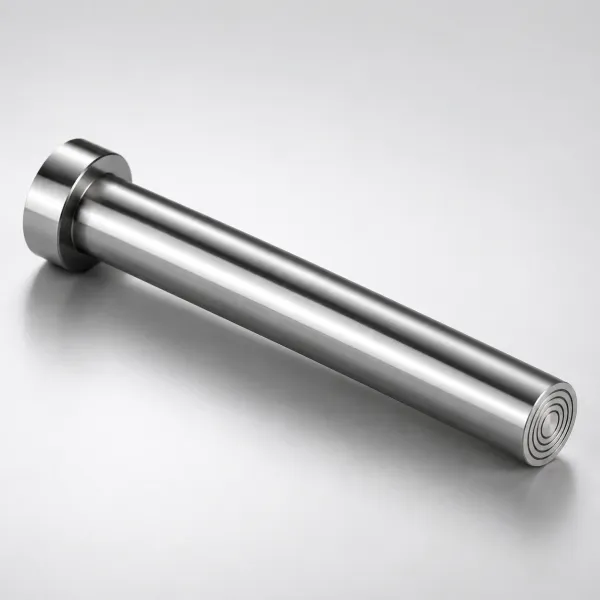
M2 Steel Gas Release Core Pins with Vent Filter
M2 Steel Gas Release Core Pins with vent filter (GVFC) press-fit at the pin tip. Concentric grooves improve exhaust u...
View Details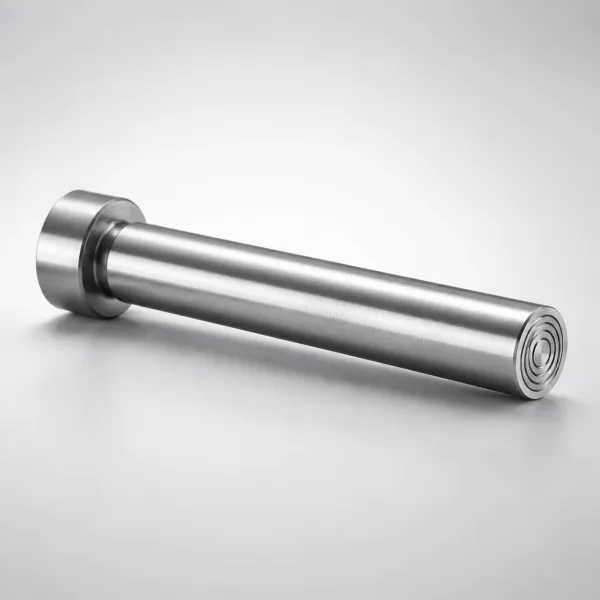
JIS Standard SKH51 Steel Gas Release Core Pins (GVFCA)
Gas release core pins (GVFCA) for tip machining using SKH51 steel. Built-in gas vent filter improves exhaust during m...
View DetailsVent Type Comparison
Three venting geometries address different severity levels of gas trapping:
| Variant | Description | Best For | Recommendation |
|---|---|---|---|
| Flat-Sided | One or two ground flats along the shaft creating a narrow venting channel | Moderate gas trapping in standard-depth cavities | Most common — start here |
| SVC (Semi-circular) | Larger half-moon groove machined into the shaft for greater gas flow | Severe trapped air in deep cavities (>3× pin diameter) | Higher capacity — deep blind holes |
| GVFC (Sintered Filter) | Sintered metal filter element prevents resin flash entering vent channel | High injection pressure causing flash in standard vent paths | Premium — flash-sensitive applications |
Do You Actually Need Gas Release?
Gas release pins are more expensive and have slightly lower fatigue strength due to the vent channel. Confirm gas trapping is the real problem:
✅ You're in the right place if:
- You see burn marks or diesel marks at the bottom of the molded feature
- Defects persist after optimizing injection speed and venting at parting line
- Cavity is a deep blind hole (depth > 3× diameter) with no parting-line vent path
🔄 Consider switching to:
- No burn marks — just need a standard straight pin? → No-Tip Core Pins
- Burns occur at a stepped diameter transition? → Stepped Gas Release Pins
- Want faster pin changes with straight bore retention? → Taperless Gas Release Pins
About Gas Release Core Pins
Gas trapping occurs when the advancing melt front seals off air that has no escape path to the parting line. The trapped air compresses, overheats, and damages the part surface — causing burn marks, short shots, or discoloration.
Gas release core pins solve this by providing a venting channel through the pin body. Three venting geometries are available:
Flat-Sided: One or two ground flats along the shaft create a narrow venting channel between the flat and the mold plate bore. Adequate for moderate gas trapping in standard-depth cavities.
SVC (Semi-circular Vent Channel): A larger half-moon groove machined into the shaft provides significantly greater gas flow capacity. Recommended for deep cavities with severe trapped air conditions.
GVFC (Gas Vent Filter Channel): Incorporates a sintered metal filter element to prevent resin flash from entering the vent channel during high-pressure fill. For applications where standard venting causes flash in the vent path.
Application Scenarios
See how this product type solves real engineering challenges across different industries and applications:
Deep Blind Boss Cavities
Pain point: Blind bosses deeper than 3× diameter trap compressed air at the pin tip during filling — causing burn marks, short shots, and visible discoloration.
Why it fits: Gas release grooves along the pin shaft vent trapped air back through the mold plate. This eliminates burn marks without requiring additional mold venting modifications.
Multi-Pin Connector Housing Molds
Pain point: High-cavity connector molds with dozens of deep, narrow pin holes per cavity experience chronic gas trapping — especially with flame-retardant PA or PBT resins that generate volatile gases.
Why it fits: Each gas release core pin self-vents its own cavity, preventing cross-cavity gas accumulation. This is essential when adding venting to the parting line is geometrically impossible.
High-Temp Engineering Resin Molding
Pain point: Engineering resins like PPS, LCP, and PEEK release corrosive gases at processing temperatures above 300°C — leading to both gas trapping and accelerated pin corrosion.
Why it fits: Gas release pins vent decomposition gases before they carbonize. SKD61 (H13) material provides superior hot hardness to resist thermal erosion at elevated mold temperatures.
Related Categories
Frequently Asked Questions
What is the difference between flat-sided and SVC?+
Can gas release pins be customized?+
Do gas release pins require more frequent replacement?+
What causes gas traps in injection molding?+
Engineering Resources
Case Studies
Need a Custom Quote?
Send your specifications — material, dimensions, quantity — and receive a quote. MOQ: 1 piece. Custom dimensions available.