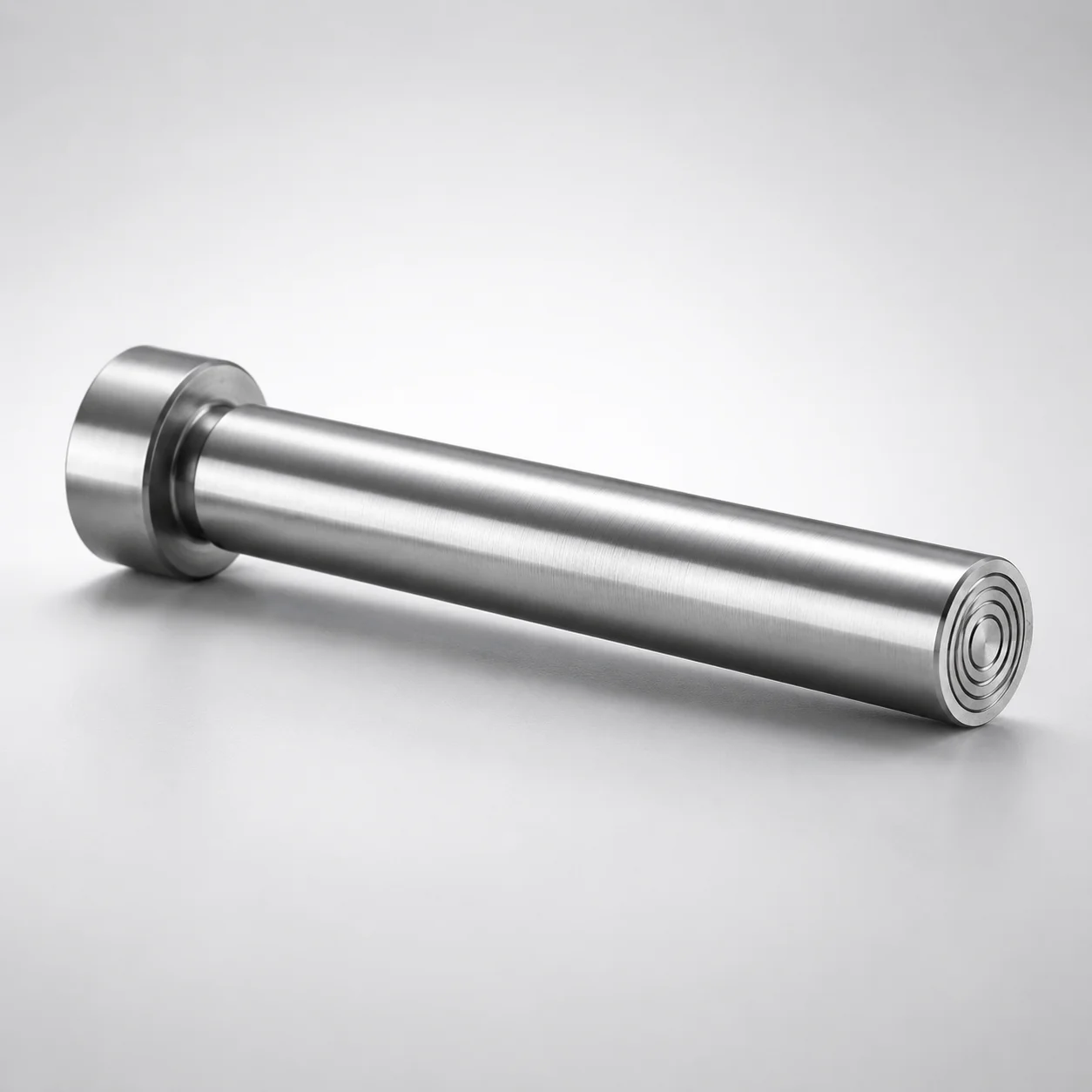
JIS Standard SKH51 Steel Gas Release Core Pins (GVFCA)
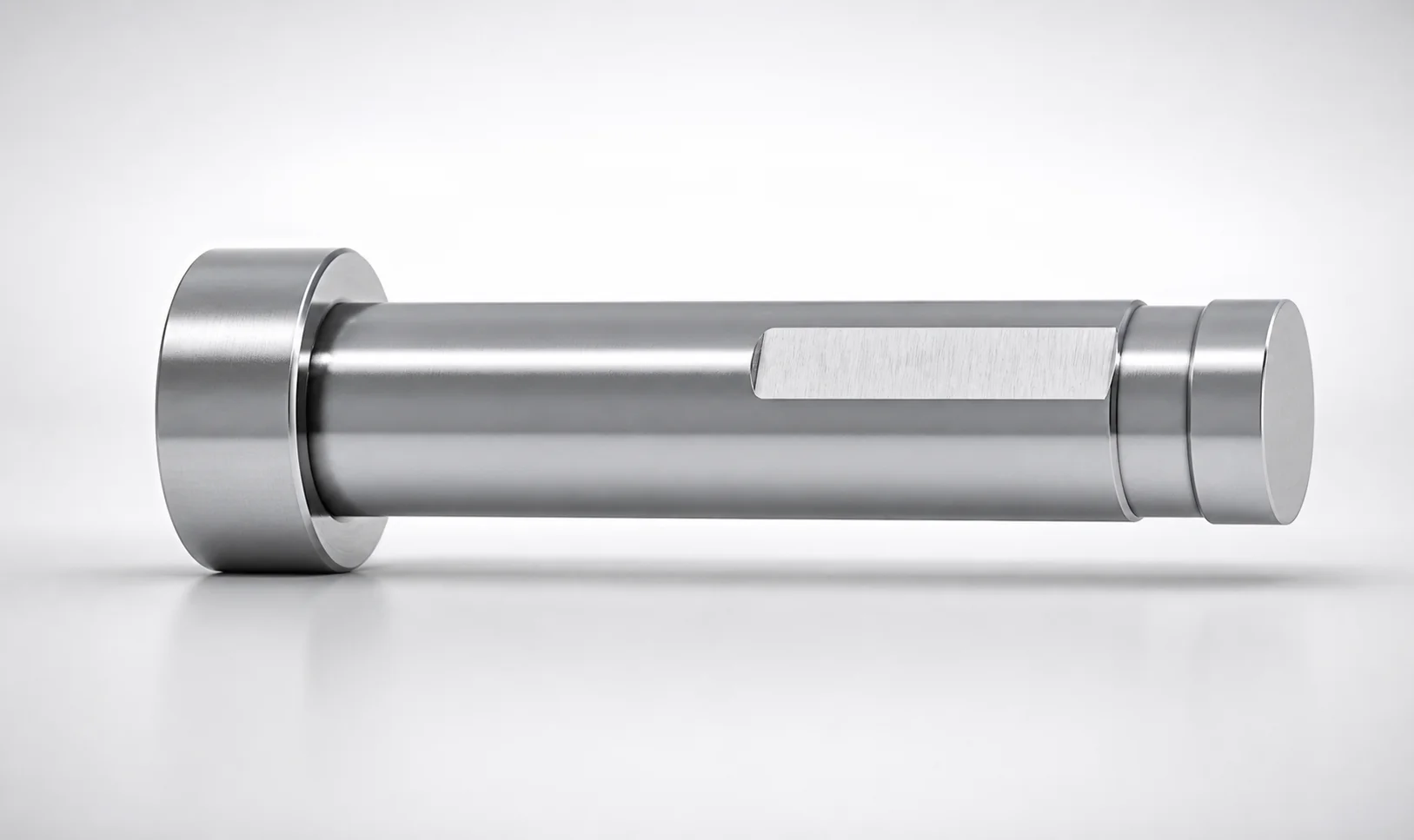
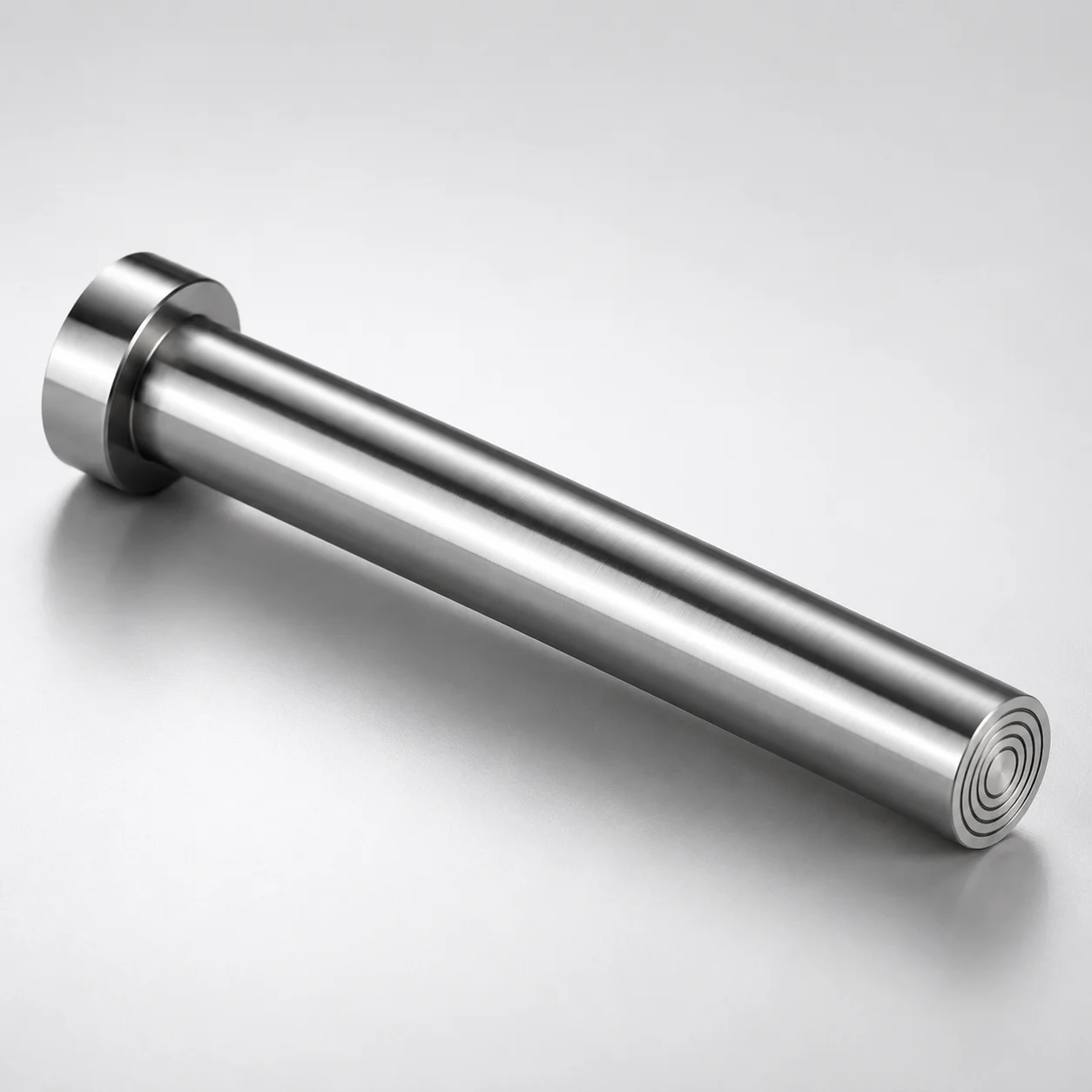
Gas release core pins (GVFCA) (SKH51 steel) are designed for tip machining, using an integrated gas vent filter to support stable mold exhaust and cleaner flow during production. The length-designated core pin style helps maintain consistent locating performance across repeat cycles.
- Core pin design with gas-release vent filter to improve exhaust efficiency
- SKH51 high-speed steel construction with wear-focused hardening for longevity
- Optimized for tip machining processes where controlled venting matters
- Use in toolmaking and injection molding for repeatable core pin positioning
Specifications
8 configurations available
| D/P (Shaft diameter) (mm) | L (L dimension) (mm) | Flow Rate Type | type |
|---|---|---|---|
| 3 | 15 ~ 100 | Medium Flow Rate Type | - |
| 4 | 15 ~ 100 | Medium Flow Rate Type | - |
| 5 | 15 ~ 100 | Medium Flow Rate Type | - |
| 6 | 15 ~ 100 | Medium Flow Rate Type | - |
| 3 | 15 ~ 100 | High Flow Rate | - |
| 4 | 15 ~ 100 | High Flow Rate | - |
| 5 | 15 ~ 100 | High Flow Rate | - |
| 6 | 15 ~ 100 | High Flow Rate | - |
Product Guide
Application Scenarios+
This gas release core pin variant is used in injection mold tooling where stable venting directly affects part surface quality and cycle-to-cycle consistency. In automotive connector and housing molds, tip-machining friendly geometry helps maintain controlled exhaust at the core end, supporting cleaner flow and reducing risk of air entrapment marks.
For consumer electronics and small precision housings, the integrated gas vent filter supports a more consistent exhaust path during high repeat production, which is particularly valuable when fine gate/vent designs require dependable localized venting at the core tip.
In medical device component molds, where surface appearance and uniformity are critical, medium-to-high flow rate configurations can be selected to match the vent demand while retaining the core pin’s locating role for repeatable assembly.
- Tip machining compatibility enables controlled end preparation for targeted venting.
- Built-in gas vent filter improves exhaust stability to help produce cleaner filling and reduced defects.
Material & Process Details+
The core pins are made from JIS Standard SKH51 high-speed steel, selected for its balance of wear resistance and toughness under repeated molding loads. This grade is commonly used where cutting/tip-machining and long service life are required at the tool steel surface.
After machining, the pins are typically hardened and tempered to achieve a functional hardness level suitable for core pin wear and venting contact conditions. Because exact hardness and heat-treatment parameters are not provided here, final qualification should be confirmed against your internal tooling standard.
- Wear-focused hardening: improves edge durability at the vented tip and reduces dimensional drift over cycles.
- Toughness trade-off: higher hardness can increase brittleness; proper tempering is necessary to maintain impact resistance during handling and mounting.
- Material comparison: compared with lower-alloy tool steels, SKH51 generally supports higher wear resistance for demanding core applications, while still being machinable for tip machining.
Sizing & Selection Guide+
Select the pin using the specified D/P (shaft diameter) (mm) and the fixed L (length) (mm) = 15 to 100. Choose D/P based on the core support and the corresponding bore/core hole size in your mold base; the pin must provide sufficient contact area for stable locating without excessive clearance.
To match cavity/core requirements, align the L so the vented end reaches the intended proximity to the cavity shutoff region after assembly. If tip machining is planned, start with the provided stock length range and account for the amount removed during end preparation.
- D/P options: 3, 4, 5, 6 mm.
- L range: 15–100 mm (fixed series length selection).
- Flow rate selection: pick Medium or High Flow Rate based on expected vent demand to avoid under- or over-venting.
Confirm tolerance/fit with your mold drawing standards: maintain a fit that prevents wobble and misalignment while still allowing reliable assembly and thermal expansion compatibility.
Frequently Asked Questions
How do I choose between Medium Flow Rate Type and High Flow Rate Type for a gas-release core pin?+
Select Medium when vent demand is moderate and you want stable exhaust without excessive flow. Choose High Flow Rate for molds where air evacuation is critical to prevent gas traps or surface defects. Use your part wall thickness, gate design, and cavity volume to estimate required vent capacity, then validate with molding trials.
What shaft diameter (D/P) options are available, and how should they be matched to the mold core hole?+
This series provides D/P (shaft diameter) values of 3, 4, 5, or 6 mm. Match D/P to the core pin bore/core support hole size so the pin seats without excessive clearance. Keep alignment tight to preserve repeatable locating performance during cycling.
What length (L) range is supported for these straight gas-release core pins?+
The L dimension is fixed in the range of 15 to 100 mm depending on the selected variant. Determine the required protrusion/penetration to position the vented tip close to the cavity shutoff region. If tip machining is required, plan the starting length to allow for material removal.
Why is this SKH51 gas-release core pin specified for tip machining applications?+
The product is engineered for tip machining so the gas-release venting zone can be prepared to your targeted exhaust geometry. Using SKH51 helps support wear durability at the machined tip area under repeated production exposure. This supports consistent exhaust performance and stable core pin positioning.
Does the integrated gas vent filter affect exhaust stability during repeated injection cycles?+
Yes. The built-in gas vent filter is intended to improve and stabilize exhaust during molding, supporting cleaner flow through the vent path. For best results, combine the correct flow rate type (Medium/High) with proper vent tip positioning determined by the chosen L and any tip machining.
Related Products
Need Custom Specifications?
Our engineering team can help with custom configurations, material selection, and volume pricing.