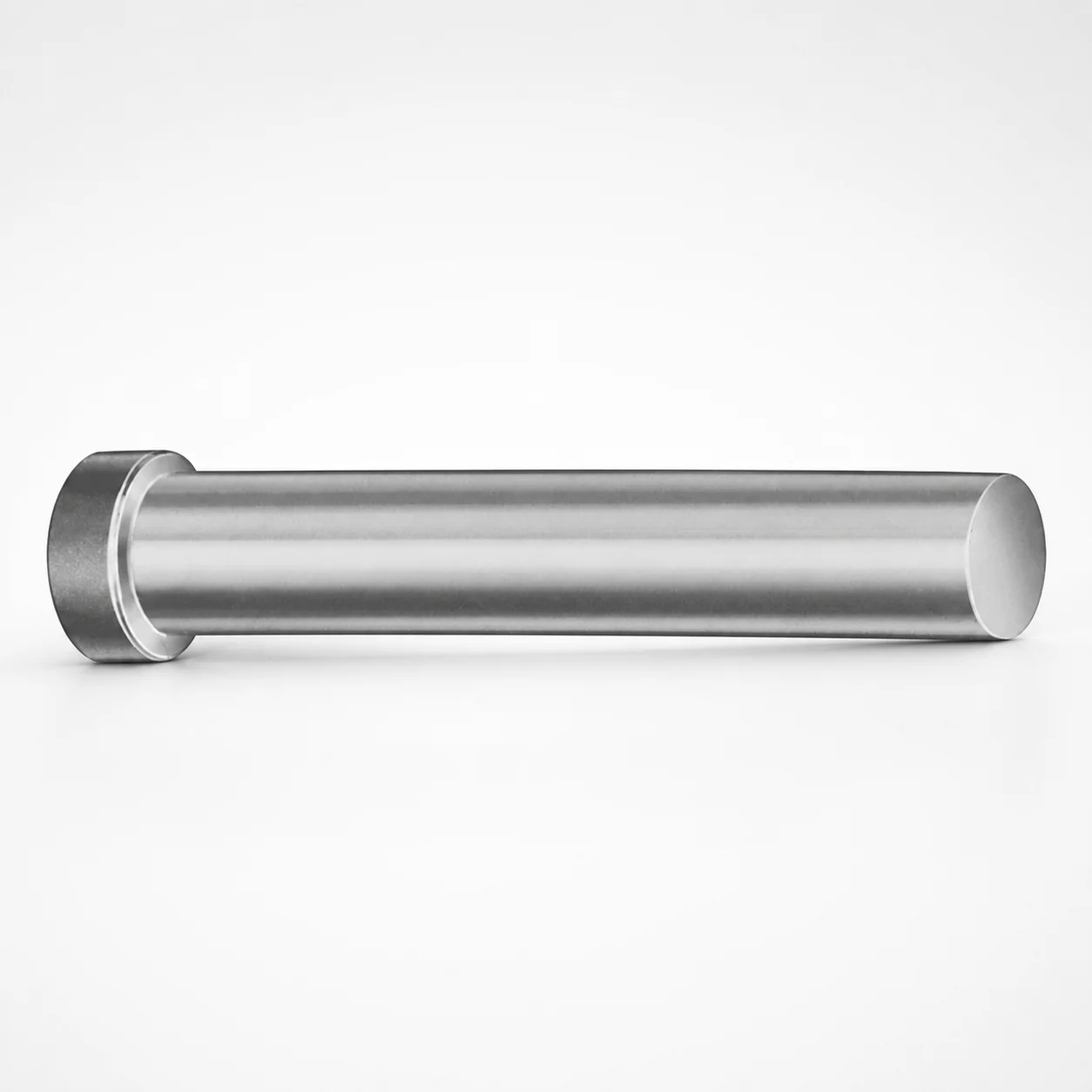
Straight Regular Punches Metric XNA Coating
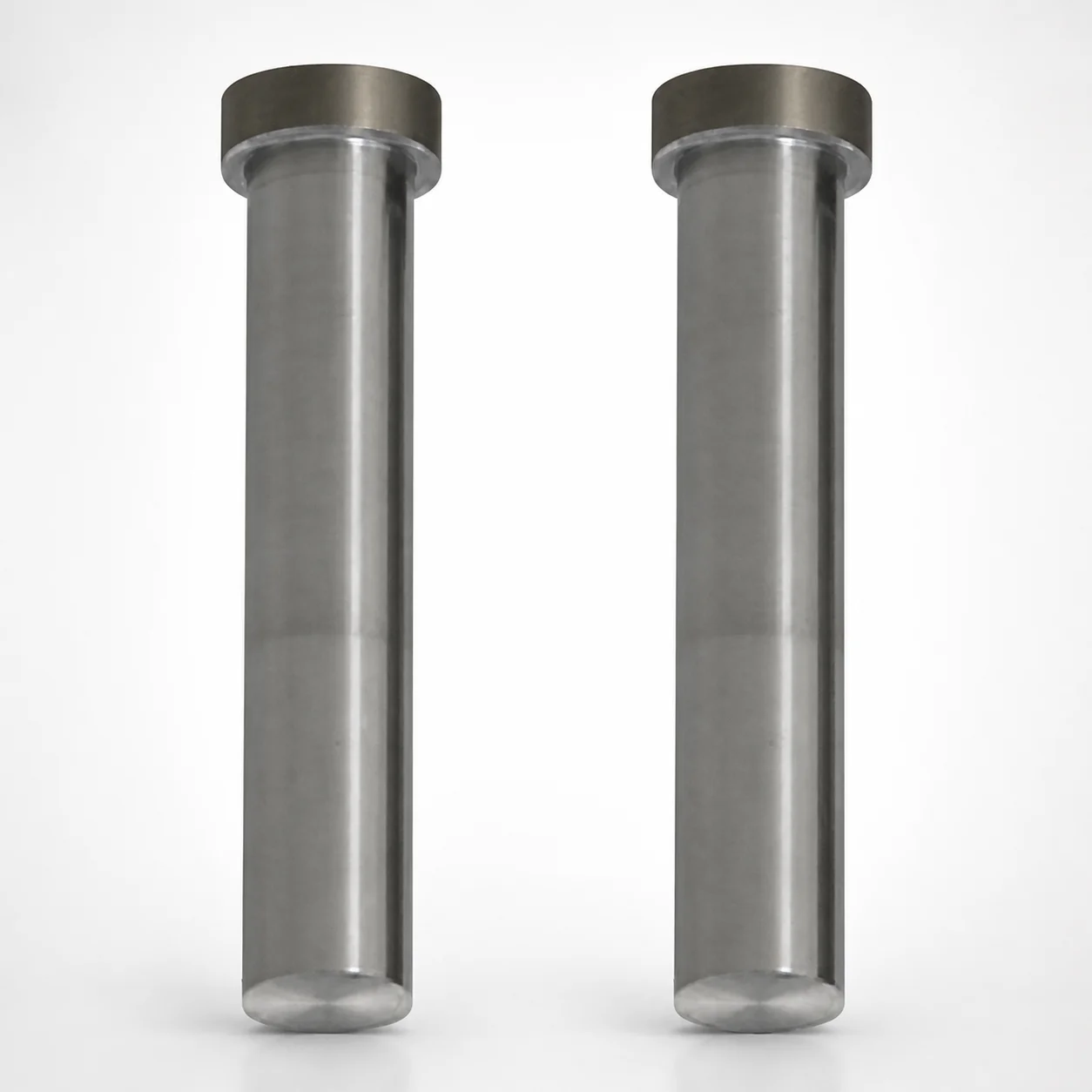
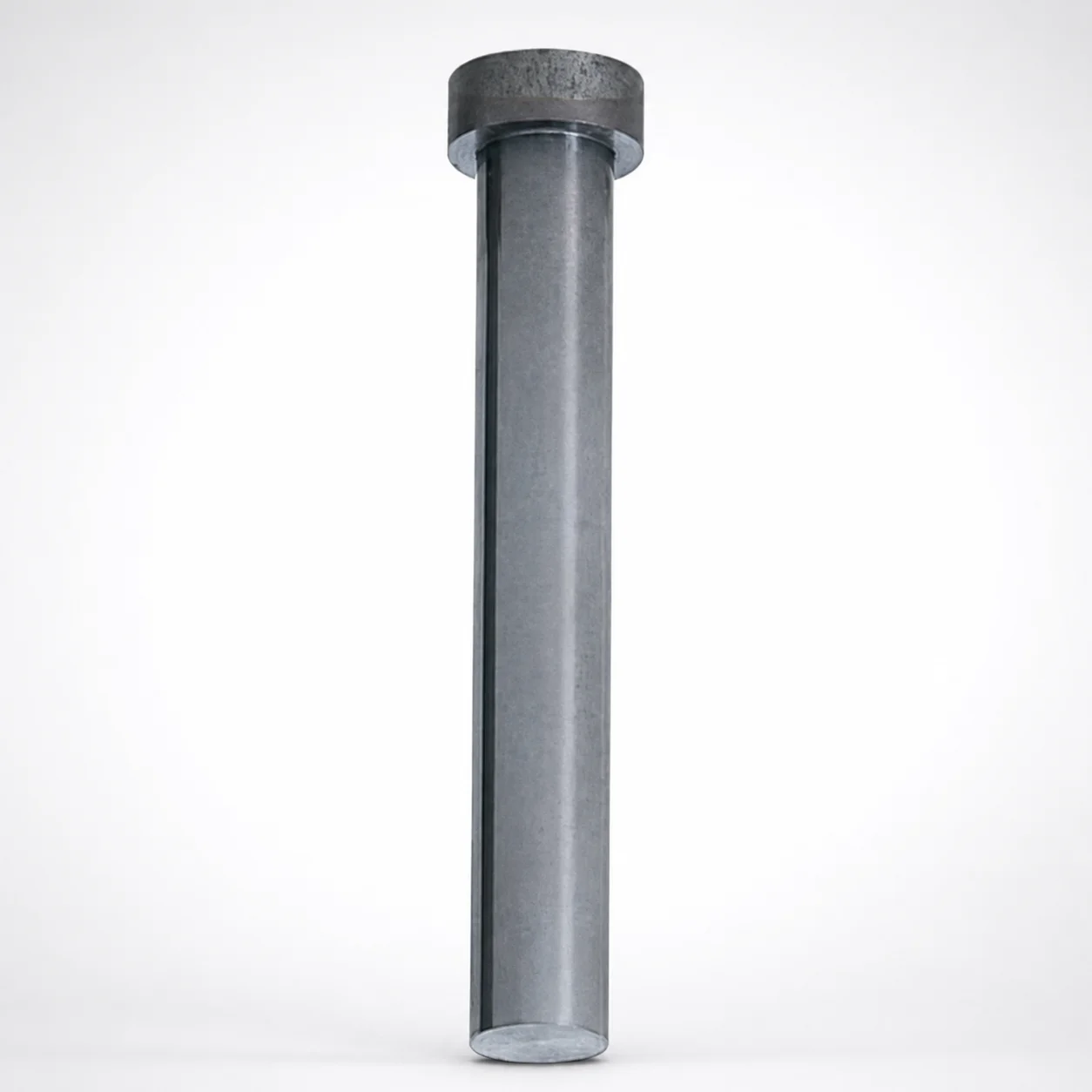
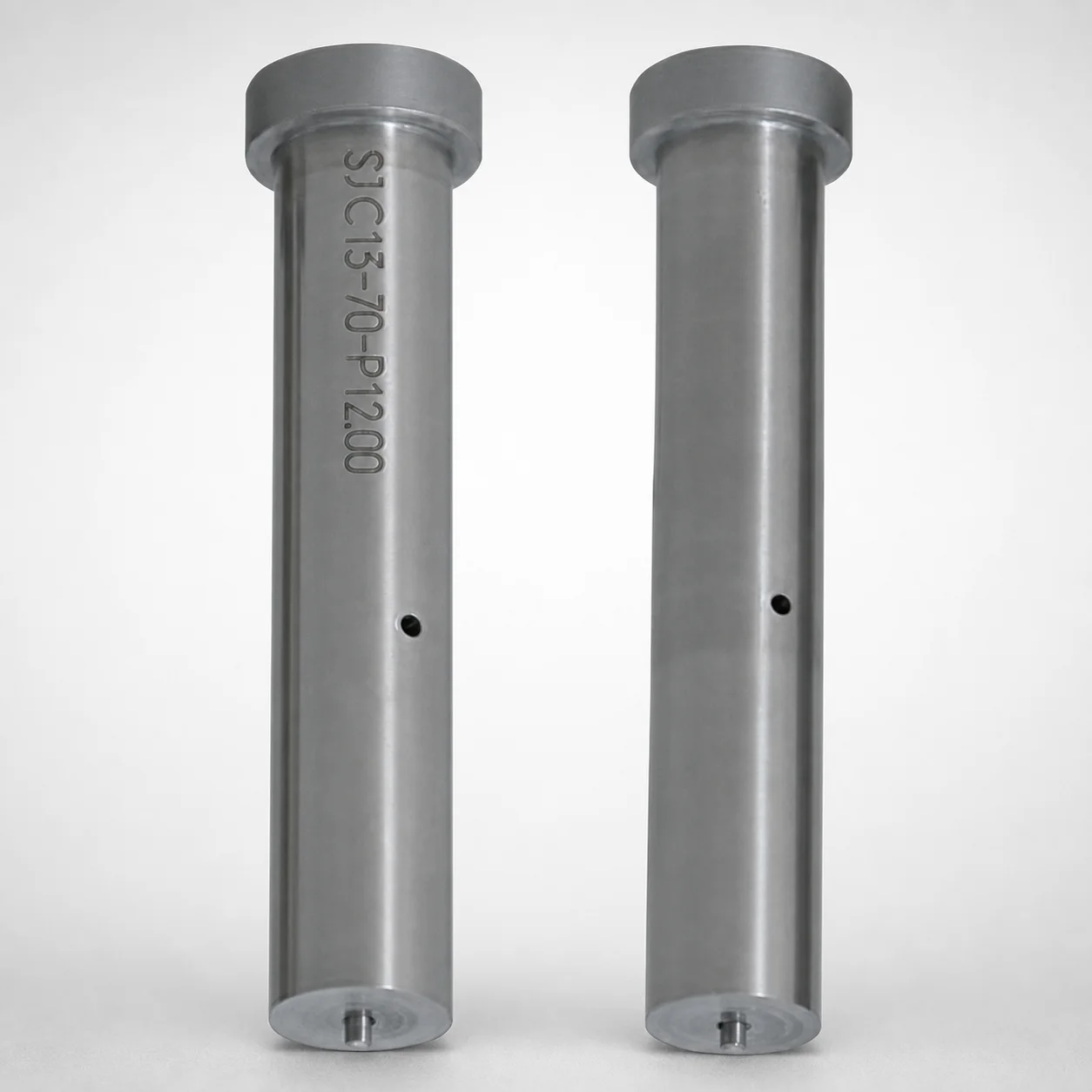
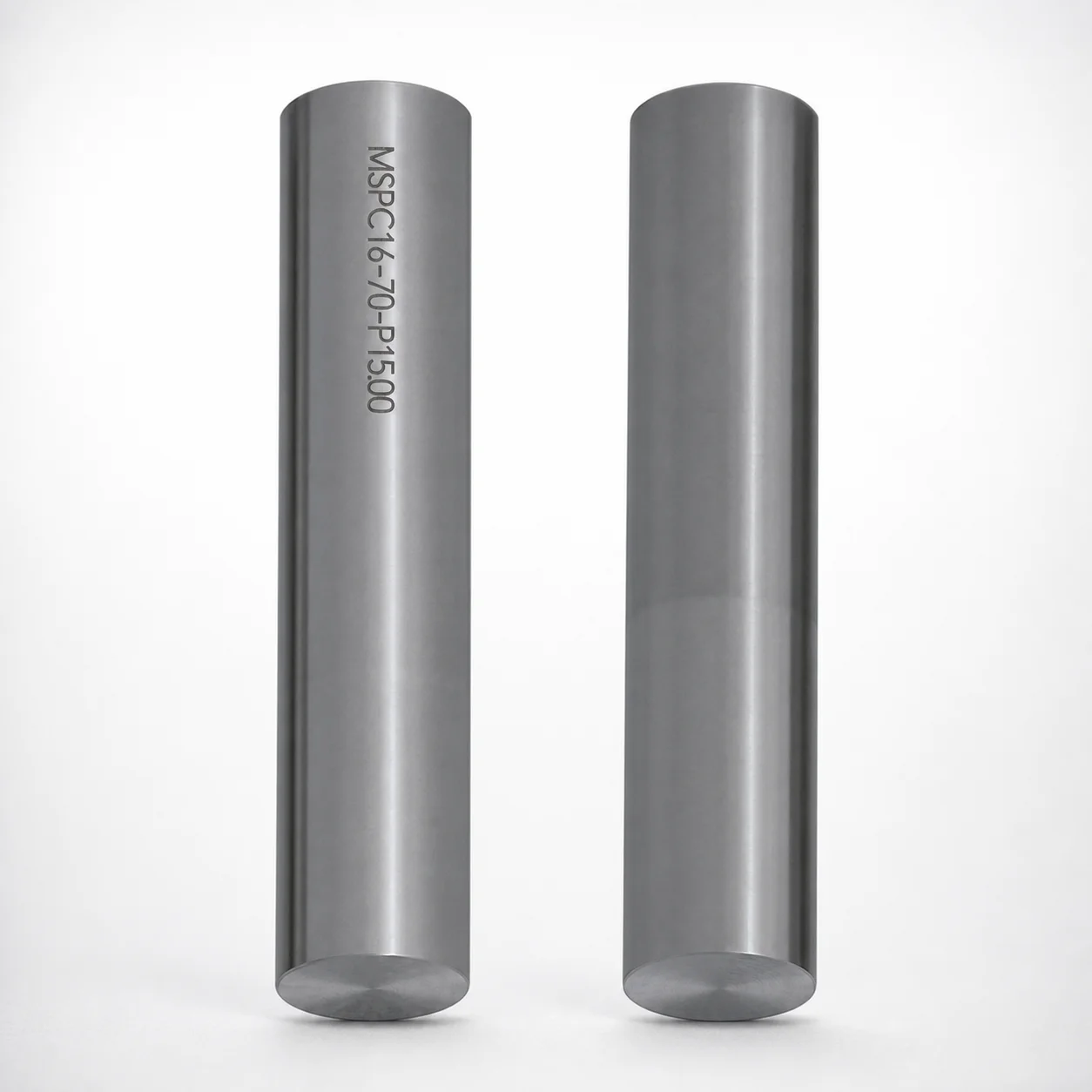
Straight regular punches (metric) with XNA coating from DAYTON provide reliable guidance and consistent performance for press and die applications. The standardized part numbering simplifies procurement and reduces configuration time.
- Straight punch geometry supports stable alignment in die sets
- XNA coated surface improves wear resistance for extended service
- Length availability supports common toolroom and production builds (50–100 mm)
- Built for metric punch tooling across general forming and blanking operations
Specifications
1 configurations available
| L (Length) (mm) | P Dimension (mm) |
|---|---|
| 50 ~ 100 | 3 ~ 16 |
Product Guide
Application Scenarios+
These straight, regular metric punches are used in press-and-die tooling where repeatable alignment is critical, such as blanking and piercing operations on sheet metal. The straight punch geometry helps maintain stable guidance in die sets, reducing lateral play during high-cycle forming.
For automotive and appliance housings made from stamped components, the XNA-coated working surface improves wear resistance against abrasive die-edge conditions, supporting longer run times before resharpening. This variant is well-suited to production environments that benefit from consistent punch behavior across repeated cycles.
They are also applicable to toolroom and general forming builds where metric punch tooling must be standardized. By matching the available L range (50–100 mm) and P dimension (3–16 mm), tool designers can select the correct fit for the press tool envelope and guide/holder interface.
- Guidance-focused straight geometry for stable die-set alignment
- XNA coating for durable wear resistance in punch-and-die work
- Metric sizing supports common production and maintenance builds
Material & Process Details+
The provided product metadata specifies an XNA coating but does not list a specific steel grade or heat-treatment state (e.g., quenched & tempered, nitriding). As a result, hardness (HRC) and base-material toughness/strength trade-offs cannot be stated from the available data.
Functionally, the key technical differentiator is the XNA-coated working surface, which is intended to improve wear resistance during punch-and-die cycles. In punch tooling, this typically helps resist surface degradation where friction and abrasive contact occur against die edges.
- XNA coating: promotes longer service intervals through enhanced wear performance
- Base steel/heat treatment: not specified in the supplied data; confirm with the manufacturer before selecting for high-load or impact conditions
If you need a specific hardness target, request the steel grade and heat-treatment specification for series code 250301354251.
Sizing & Selection Guide+
To select the correct punch dimensions, start by matching the required overall length L to the tool stack-up and the way the punch is supported in your holder/guide system. This series has a fixed L range of 50–100 mm, so choose the shortest length that still provides full functionality within your press stroke and die height envelope.
Next, match the P dimension to the locating/fit requirement for your punch-and-die tooling interface. Available P values are 3–16 mm (fixed range), and selecting the correct P helps ensure proper guidance and reduces the risk of side loading or misalignment.
- L (50–100 mm): align to die set height, holder support length, and clearance
- P (3–16 mm): align to the mating feature in the punch retainer/guide
- Tolerance/fit: the tolerance values are not provided in the data; verify fit requirements against your specific holder and die design drawings
All dimensions in this series are presented as fixed ranges; confirm the exact option selected for 250301354251 when building a BOM.
Frequently Asked Questions
Which dimensions are fixed for DAYTON straight regular punches series 250301354251?+
How does the XNA coating impact wear behavior in punch-and-die operations?+
What application types are these straight punches intended for?+
What punch length (L) should I choose for my die height and holder support?+
Do I need specific steel grade or hardness (HRC) information before high-load production?+
Related Products
Need Custom Specifications?
Our engineering team can help with custom configurations, material selection, and volume pricing.