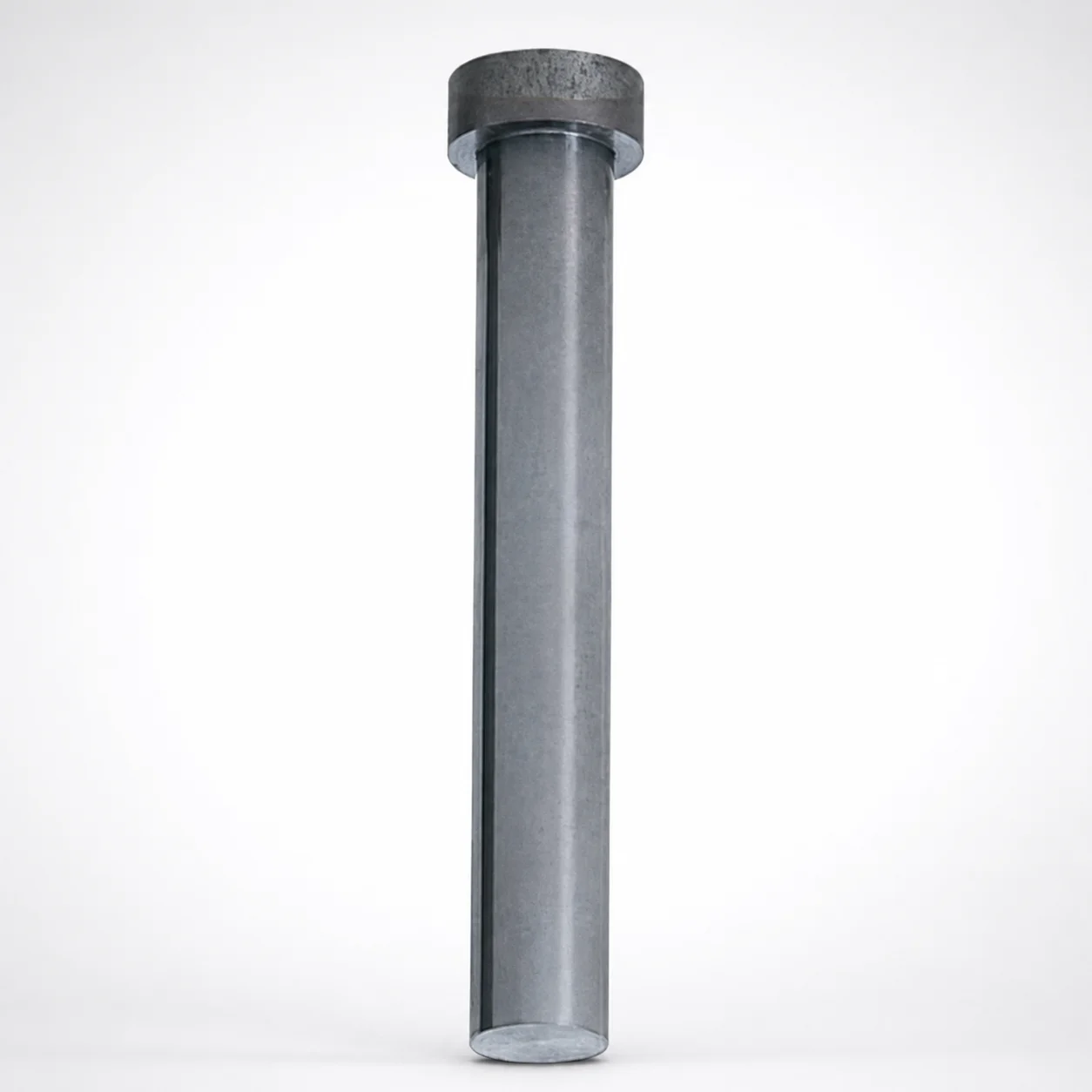
TiCN Coated Straight Punches
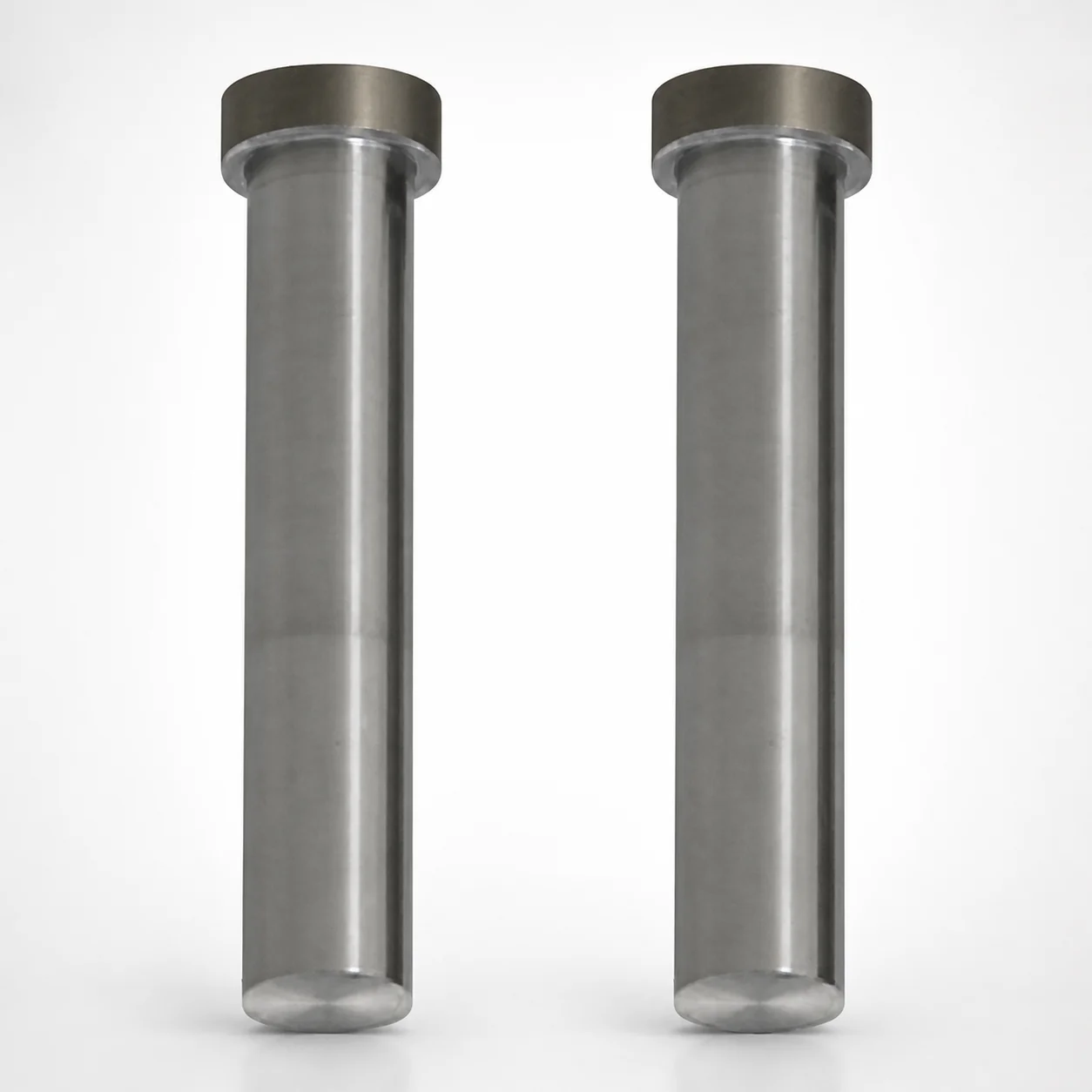
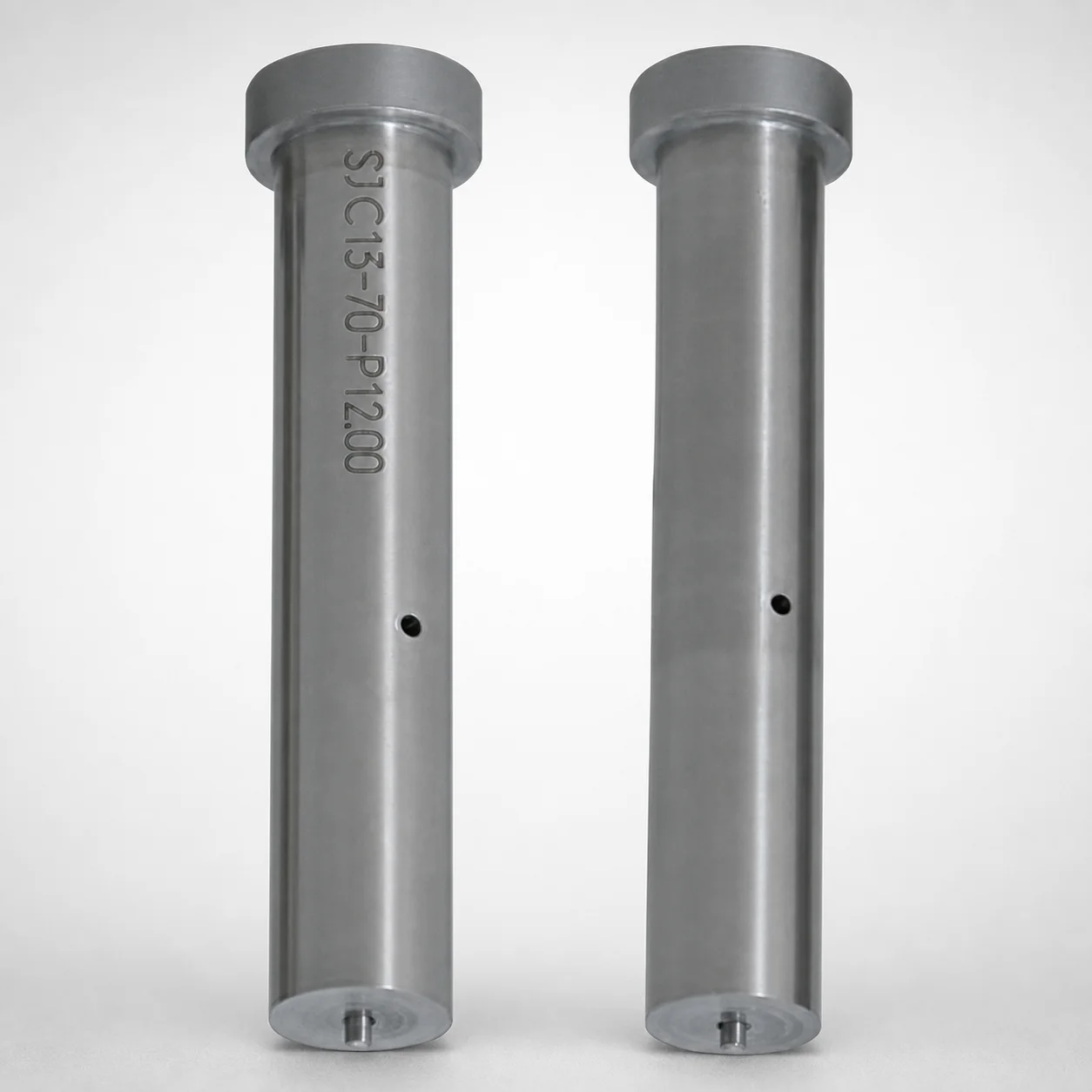
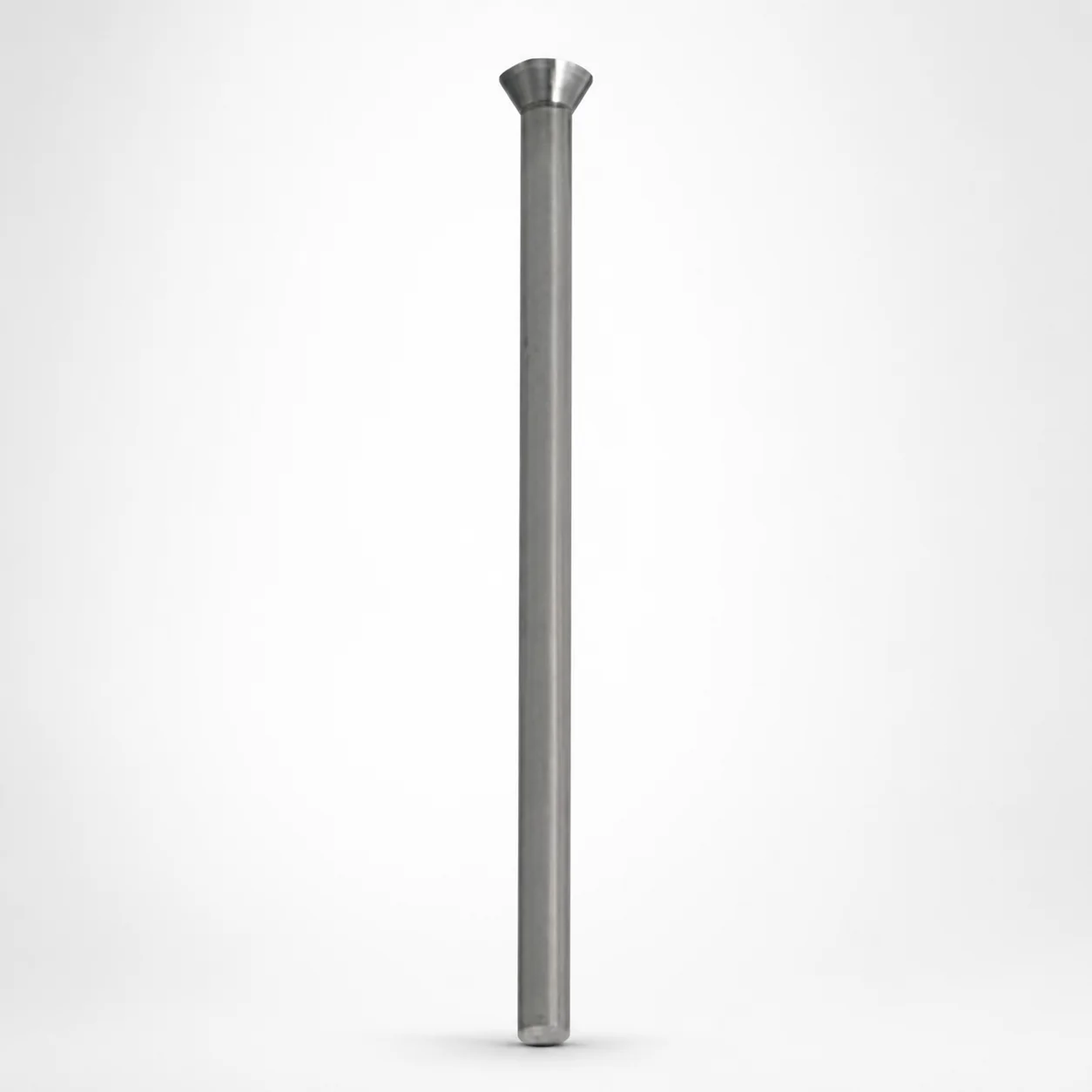
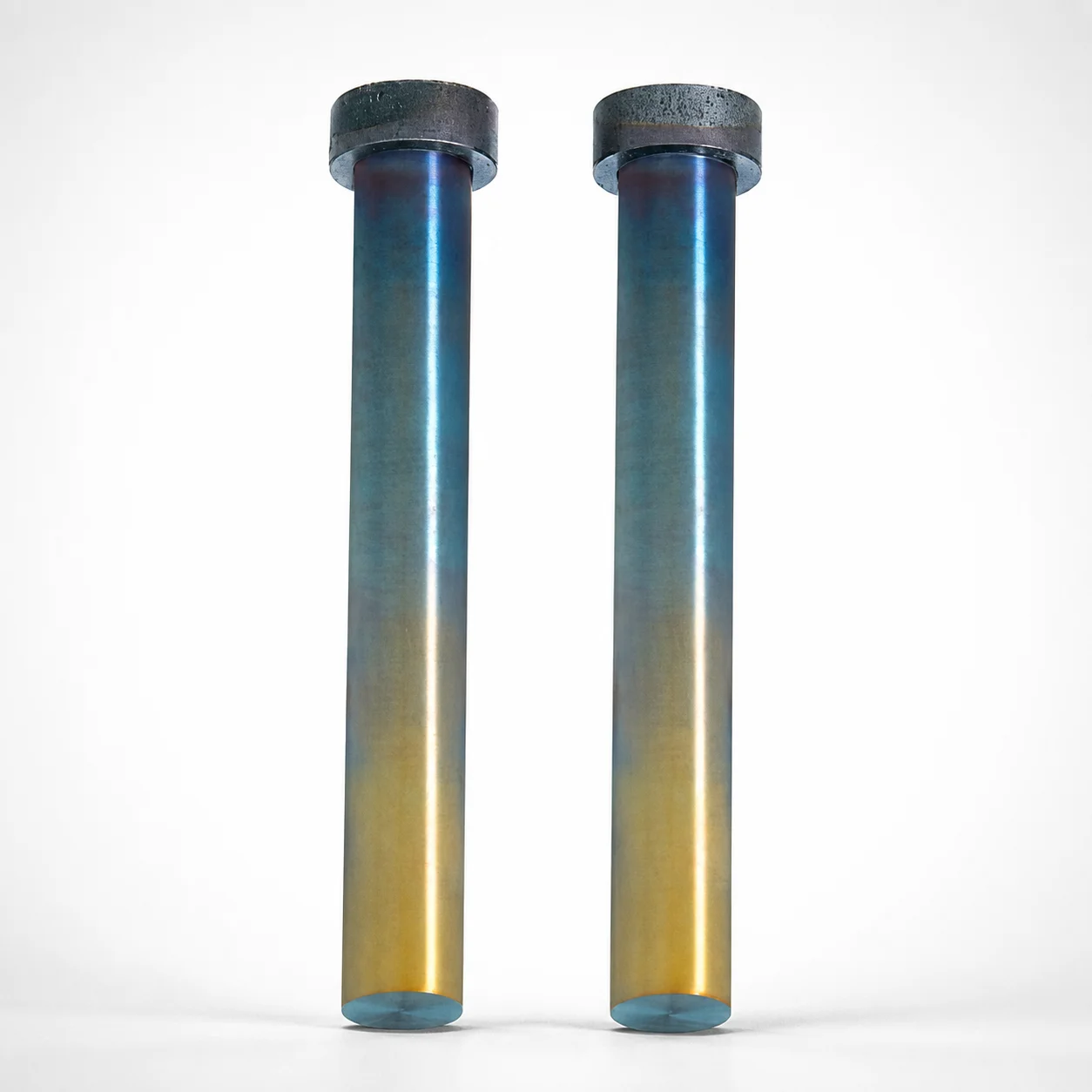
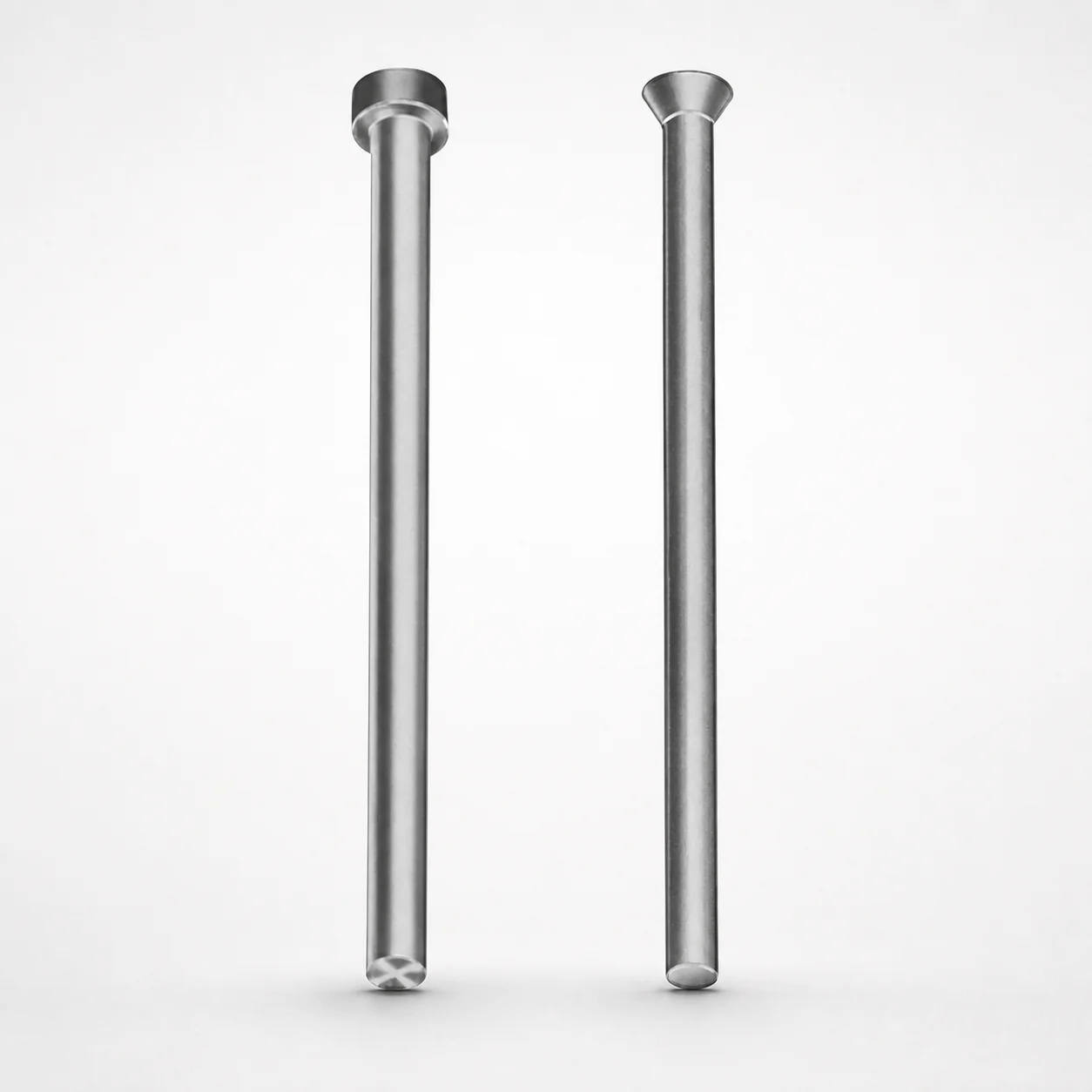
TiCN (XCN) coated straight punches (MISUMI) use a straight shank with a standard mounting part shape to deliver consistent punching performance in mold and die operations. The TiCN coating helps reduce friction and improves surface durability under repeated cycles.
- Straight shank for stable alignment and reliable guidance during punching
- Engineered TiCN (XCN) surface treatment to support long wear life
- Built from SKH51 equivalent hardened steel (M2) to resist deformation
- Designed for general punch applications with standard mounting geometry
Specifications
72 configurations available
| Material | No. (Nominal diameter) (mm) | P (Tip dimension) (mm) | L (L dimension) (mm) | LC (Full length alteration) (mm) | LCT (Head thickness tolerance change + Total length alteration) (mm) | LMT (Head thickness tolerance change + Total length alteration) (mm) | type |
|---|---|---|---|---|---|---|---|
| SKH40 Equivalent (Powdered high-speed steel) | 4 | 3 ~ 4 | 40 ~ 80 | - | - | - | - |
| SKH40 Equivalent (Powdered high-speed steel) | 4 | 3 ~ 4 | - | 20 ~ 80 | - | - | - |
| SKH40 Equivalent (Powdered high-speed steel) | 4 | 3 ~ 4 | - | - | 20 ~ 80 | - | - |
| SKH40 Equivalent (Powdered high-speed steel) | 4 | 3 ~ 4 | - | - | - | 20 ~ 80 | - |
| SKH40 Equivalent (Powdered high-speed steel) | 5 | 4 ~ 5 | 40 ~ 80 | - | - | - | - |
| SKH40 Equivalent (Powdered high-speed steel) | 5 | 4 ~ 5 | - | 20 ~ 80 | - | - | - |
| SKH40 Equivalent (Powdered high-speed steel) | 5 | 4 ~ 5 | - | - | 20 ~ 80 | - | - |
| SKH40 Equivalent (Powdered high-speed steel) | 5 | 4 ~ 5 | - | - | - | 20 ~ 80 | - |
| SKH40 Equivalent (Powdered high-speed steel) | 6 | 5 ~ 6 | 40 ~ 80 | - | - | - | - |
| SKH40 Equivalent (Powdered high-speed steel) | 6 | 5 ~ 6 | - | 20 ~ 80 | - | - | - |
| SKH40 Equivalent (Powdered high-speed steel) | 6 | 5 ~ 6 | - | - | 20 ~ 80 | - | - |
| SKH40 Equivalent (Powdered high-speed steel) | 6 | 5 ~ 6 | - | - | - | 20 ~ 80 | - |
| SKH40 Equivalent (Powdered high-speed steel) | 8 | 6 ~ 8 | 40 ~ 100 | - | - | - | - |
| SKH40 Equivalent (Powdered high-speed steel) | 8 | 6 ~ 8 | - | 20 ~ 100 | - | - | - |
| SKH40 Equivalent (Powdered high-speed steel) | 8 | 6 ~ 8 | - | - | 20 ~ 100 | - | - |
| SKH40 Equivalent (Powdered high-speed steel) | 8 | 6 ~ 8 | - | - | - | 20 ~ 100 | - |
| SKH40 Equivalent (Powdered high-speed steel) | 10 | 8 ~ 10 | 40 ~ 100 | - | - | - | - |
| SKH40 Equivalent (Powdered high-speed steel) | 10 | 8 ~ 10 | - | 20 ~ 100 | - | - | - |
| SKH40 Equivalent (Powdered high-speed steel) | 10 | 8 ~ 10 | - | - | 20 ~ 100 | - | - |
| SKH40 Equivalent (Powdered high-speed steel) | 10 | 8 ~ 10 | - | - | - | 20 ~ 100 | - |
| SKH40 Equivalent (Powdered high-speed steel) | 13 | 10 ~ 13 | 40 ~ 120 | - | - | - | - |
| SKH40 Equivalent (Powdered high-speed steel) | 13 | 10 ~ 13 | - | 20 ~ 120 | - | - | - |
| SKH40 Equivalent (Powdered high-speed steel) | 13 | 10 ~ 13 | - | - | 20 ~ 120 | - | - |
| SKH40 Equivalent (Powdered high-speed steel) | 13 | 10 ~ 13 | - | - | - | 20 ~ 120 | - |
| SKH40 Equivalent (Powdered high-speed steel) | 16 | 13 ~ 16 | 40 ~ 120 | - | - | - | - |
| SKH40 Equivalent (Powdered high-speed steel) | 16 | 13 ~ 16 | - | 20 ~ 120 | - | - | - |
| SKH40 Equivalent (Powdered high-speed steel) | 16 | 13 ~ 16 | - | - | 20 ~ 120 | - | - |
| SKH40 Equivalent (Powdered high-speed steel) | 16 | 13 ~ 16 | - | - | - | 20 ~ 120 | - |
| SKH40 Equivalent (Powdered high-speed steel) | 20 | 16 ~ 20 | 40 ~ 120 | - | - | - | - |
| SKH40 Equivalent (Powdered high-speed steel) | 20 | 16 ~ 20 | - | 20 ~ 120 | - | - | - |
| SKH40 Equivalent (Powdered high-speed steel) | 20 | 16 ~ 20 | - | - | 20 ~ 120 | - | - |
| SKH40 Equivalent (Powdered high-speed steel) | 20 | 16 ~ 20 | - | - | - | 20 ~ 120 | - |
| SKH40 Equivalent (Powdered high-speed steel) | 25 | 20 ~ 25 | 40 ~ 120 | - | - | - | - |
| SKH40 Equivalent (Powdered high-speed steel) | 25 | 20 ~ 25 | - | 20 ~ 120 | - | - | - |
| SKH40 Equivalent (Powdered high-speed steel) | 25 | 20 ~ 25 | - | - | 20 ~ 120 | - | - |
| SKH40 Equivalent (Powdered high-speed steel) | 25 | 20 ~ 25 | - | - | - | 20 ~ 120 | - |
| SKH51 Equivalent (M2) | 4 | 3 ~ 4 | 40 ~ 80 | - | - | - | - |
| SKH51 Equivalent (M2) | 4 | 3 ~ 4 | - | 20 ~ 80 | - | - | - |
| SKH51 Equivalent (M2) | 4 | 3 ~ 4 | - | - | 20 ~ 80 | - | - |
| SKH51 Equivalent (M2) | 4 | 3 ~ 4 | - | - | - | 20 ~ 80 | - |
| SKH51 Equivalent (M2) | 5 | 4 ~ 5 | 40 ~ 80 | - | - | - | - |
| SKH51 Equivalent (M2) | 5 | 4 ~ 5 | - | 20 ~ 80 | - | - | - |
| SKH51 Equivalent (M2) | 5 | 4 ~ 5 | - | - | 20 ~ 80 | - | - |
| SKH51 Equivalent (M2) | 5 | 4 ~ 5 | - | - | - | 20 ~ 80 | - |
| SKH51 Equivalent (M2) | 6 | 5 ~ 6 | 40 ~ 80 | - | - | - | - |
| SKH51 Equivalent (M2) | 6 | 5 ~ 6 | - | 20 ~ 80 | - | - | - |
| SKH51 Equivalent (M2) | 6 | 5 ~ 6 | - | - | 20 ~ 80 | - | - |
| SKH51 Equivalent (M2) | 6 | 5 ~ 6 | - | - | - | 20 ~ 80 | - |
| SKH51 Equivalent (M2) | 8 | 6 ~ 8 | 40 ~ 100 | - | - | - | - |
| SKH51 Equivalent (M2) | 8 | 6 ~ 8 | - | 20 ~ 100 | - | - | - |
Product Guide
Application Scenarios+
These TiCN-coated straight punches are used in injection mold and press tooling where repeatable penetration and clean blanking are required. The straight shank and standard mounting geometry support stable alignment, reducing runout-related wear during cycling.
- Automotive and consumer connector-related cavities: Suitable for punching features in inserts or forming operations where low friction and controlled surface wear help maintain punch sharpness across high cycles.
- Electronics housing and bracket molds: Ideal for producing uniform ribs, bosses, or locator features in hardened inserts, benefiting from TiCN (XCN) surface treatment for improved durability under abrasive contact.
- Medical device housings with tight feature consistency: The straight shank guidance supports dimensional repeatability during fine punching, while the hardened steel base resists deformation.
The SKH51-equivalent hardened steel option paired with TiCN coating is particularly suited for applications with frequent cycles and sliding friction, where maintaining surface integrity is critical.
Material & Process Details+
Available materials include SKH40 equivalent (powdered high-speed steel) and SKH51 equivalent (M2). Both grades are high-speed tool steels designed to retain hardness under repeated impact and cutting action, but they differ in performance balance.
- SKH51 equivalent (M2): Typically selected for higher wear resistance. In hardened state, it targets approximately HRC 62 level performance (request exact heat-treatment/recipe from your quote spec), offering good resistance to abrasion with acceptable toughness.
- SKH40 equivalent: As a powdered HSS variant, it can provide a refined microstructure for improved uniformity, commonly chosen when consistent wear behavior is required.
For both variants, the coating is TiCN (XCN), applied to enhance hardness at the surface and reduce friction. The steel is supplied in a hardened condition appropriate for punching, typically followed by tempering to balance wear resistance vs. toughness.
Sizing & Selection Guide+
Select the punch diameter and length to match the mold cavity/core feature geometry and the required penetration depth. The nominal diameter No. (mm) = 4 ~ 25 should be chosen based on the punch land and the feature size you are forming or blanking. The tip dimension P (mm) = 3 ~ 20 affects cutting contact area and should align with the required tip profile for clean edges.
- L (mm) = 40 ~ 80, 40 ~ 100, or 40 ~ 120: Use L to ensure sufficient projection through the die plate or insert stack-up.
- LC (mm) options 20 ~ 80, 20 ~ 100, 20 ~ 120: Match LC to the allowable travel and support length within the guide or retainer.
- LCT/LMT (mm): Head thickness tolerance change plus total length alteration ranges 20 ~ 80 / 20 ~ 100 / 20 ~ 120 indicate how total dimensions shift with tolerance stack-up—use these when confirming assembly fit.
Because this is a standard mounting geometry, keep an eye on the stated tolerance/alteration parameters when pairing with mold mounting holes to maintain concentric fit and minimize wear from misalignment.
Frequently Asked Questions
Which material should I select for high-cycle punching: SKH51 equivalent (M2) or SKH40 equivalent powdered HSS?+
How does the TiCN (XCN) coating benefit straight punches in mold and die operations?+
How do I choose the punch diameter (No.) and tip dimension (P) for a specific feature size?+
What length (L) range should I use to ensure proper projection through the mold stack-up?+
How should I account for tolerance/alteration parameters (LC, LCT, LMT) when fitting the punch in a toolholder?+
Related Products
Need Custom Specifications?
Our engineering team can help with custom configurations, material selection, and volume pricing.