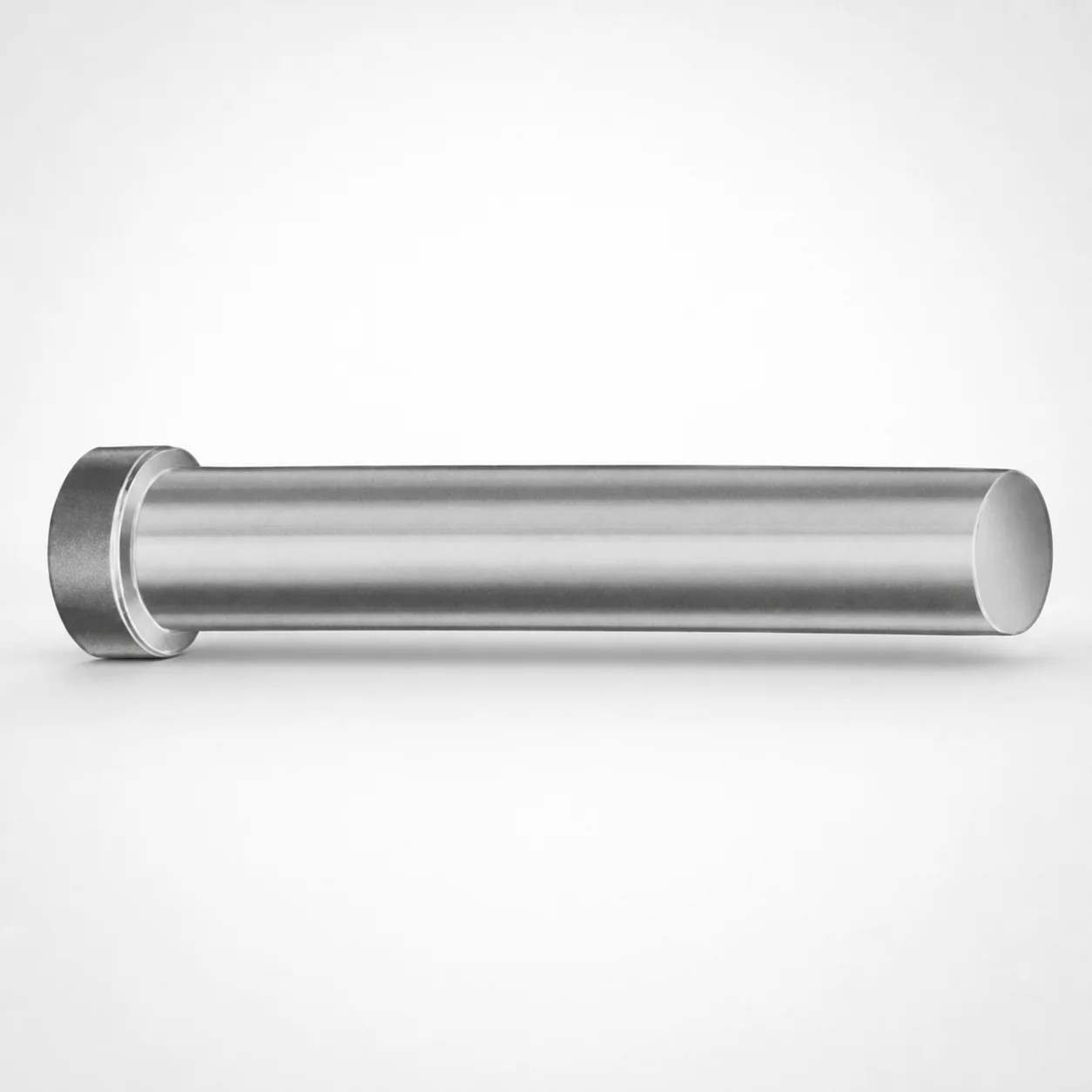
Metric Straight Regular Punches (XNM Coating)
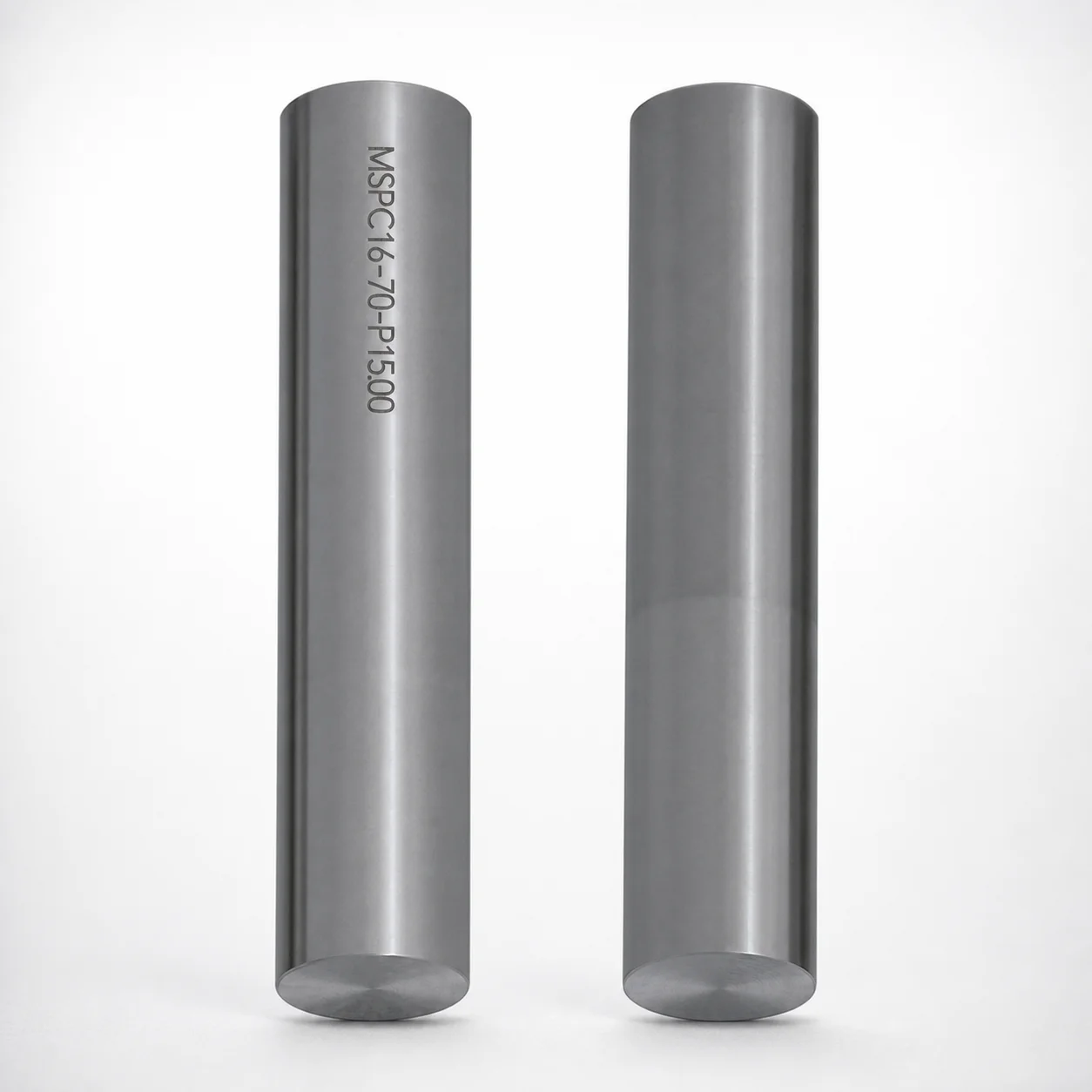
Metric straight regular punches (XNM Coating) are designed for reliable pushing and positioning in industrial tooling, helping maintain consistent fit during repetitive cycles. The XNM surface treatment supports stable performance in production environments.
- Straight punch geometry for controlled alignment in die and fixture assemblies
- XNM coating supports wear resistance for longer tooling intervals
- Designed for metric systems with typical L length flexibility
- Suitable for day-to-day punching operations where repeatability and standard parts matter
Specifications
1 configurations available
| L (Length) (mm) | P Dimension (mm) |
|---|---|
| 50 ~ 100 | 3 ~ 16 |
Product Guide
Application Scenarios+
These metric straight regular punches are used in injection mold and die-building tooling where a stable push force and precise, repeatable positioning are required. Their straight geometry makes them suitable for automatic alignment tasks inside die sets, enabling consistent seating of components during high-cycle production.
- Automotive connector and sensor housings: employed in punch-and-blank style operations or assembly fixtures to maintain part-to-feature repeatability, where the XNM-coated surface helps reduce wear over repetitive cycles.
- Appliance and consumer electronics brackets: used in modular die stations and strip tooling to maintain controlled alignment and consistent fit within tight fixture tolerances.
- General industrial tooling: ideal for everyday punching operations that benefit from standardized metric dimensions and straightforward fit planning.
The XNM coating is selected to support stable performance in production environments by improving wear resistance during repeated contacts with die steel and workpiece edges.
Material & Process Details+
The provided data specifies the XNM coating as the key performance treatment for this punch variant. While the exact steel grade and resulting hardness (HRC) are not listed in the current specifications, the coating is intended to enhance wear resistance during repeated punching and alignment cycles.
- Coated wear surface: the XNM layer is designed to stabilize tool life in environments that involve frequent sliding/contact against tooling and workpiece interfaces.
- Trade-off consideration: coatings typically prioritize surface durability; baseline toughness and impact resistance remain dependent on the underlying punch steel and heat treatment, which are not provided here.
- Heat treatment state: not specified in the supplied parameters, so engineers should confirm the substrate condition (e.g., quenched & tempered or nitrided) with the manufacturer documentation for final selection.
If you compare coated punches, prioritize the coating’s wear profile alongside the substrate hardness for the operating load and edge contact conditions.
Sizing & Selection Guide+
Correct punch selection for straight regular punches starts with matching the L length and the P dimension to the mold or die station geometry. This series specifies L = 50 to 100 mm and P = 3 to 16 mm, which should be chosen to fit within the available die space and ensure full functional engagement.
- Match L (Length): select the shortest length that still provides stable guide/positioning through the cycle, accounting for daylight and undercut clearances.
- Match P (Dimension): align the P value with the mating feature size in your cavity/core or fixture interface to control guidance and minimize play.
- Tolerance/fit: since tolerance values are not provided, design guidance interfaces should use your standard tooling tolerance stack (e.g., guide fit and clearance for sliding contact) and verify with a qualified sample.
Dimensions listed here are fixed ranges for this product family; any other features outside L and P should be confirmed against the engineering drawing for your exact order.
Frequently Asked Questions
How do I select the correct L length (50–100 mm) for alignment in a die set?+
What is the role of the P dimension (3–16 mm) in punch fit and guidance?+
Why is the XNM coating relevant for repeated punching cycles?+
Is this punch suitable for metric tooling alignment where standard parts matter?+
What substrate hardness (HRC) and heat treatment should I verify before final design?+
Related Products
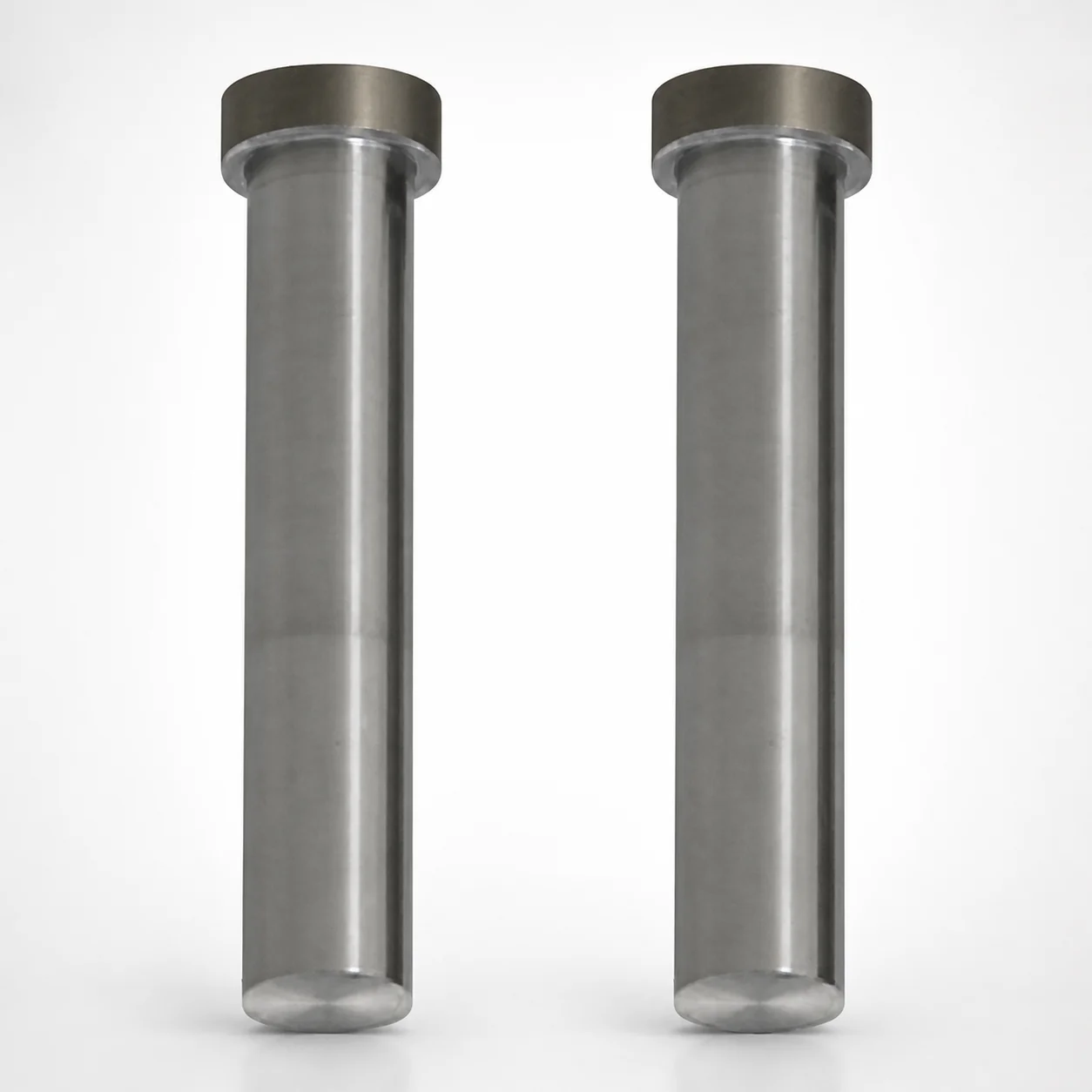
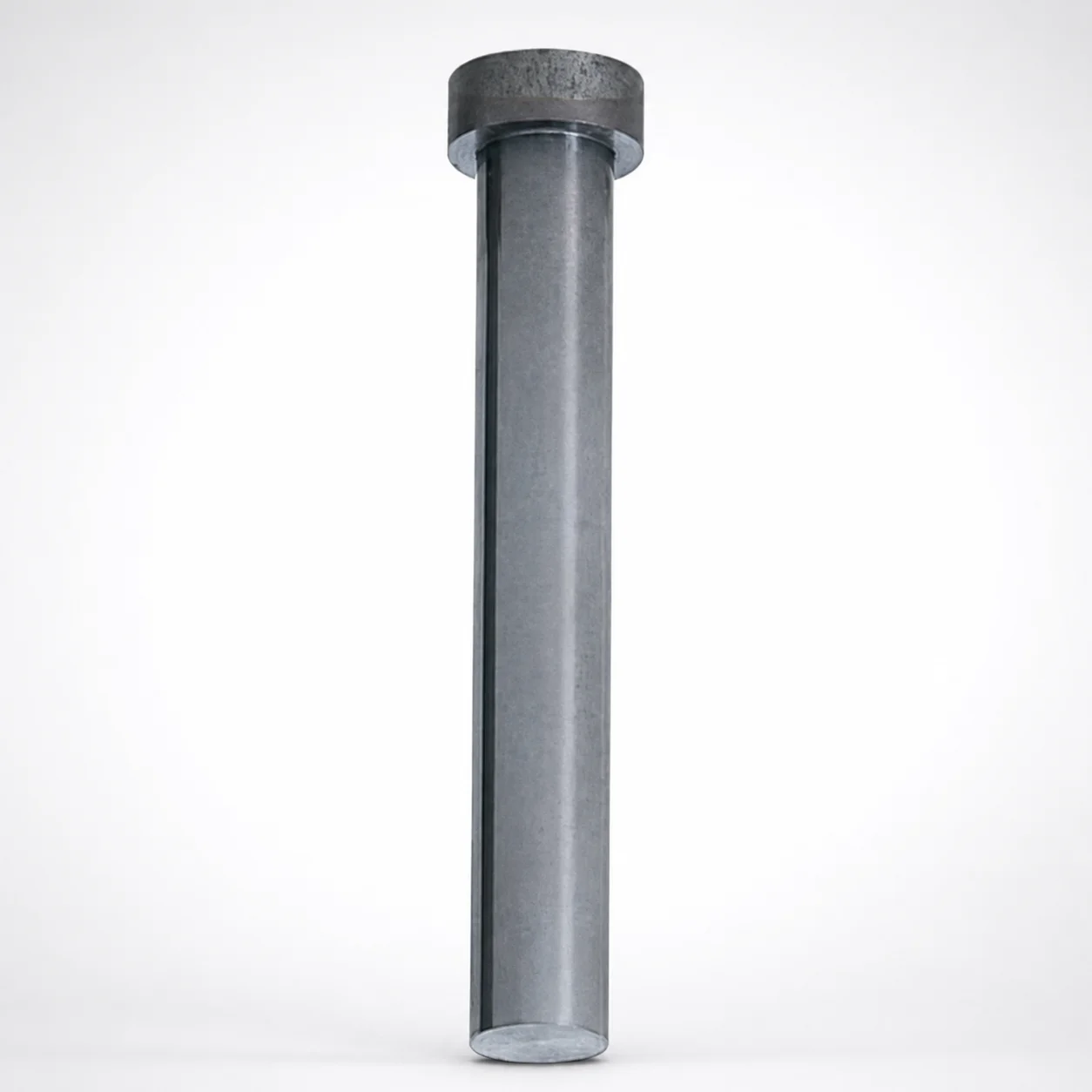
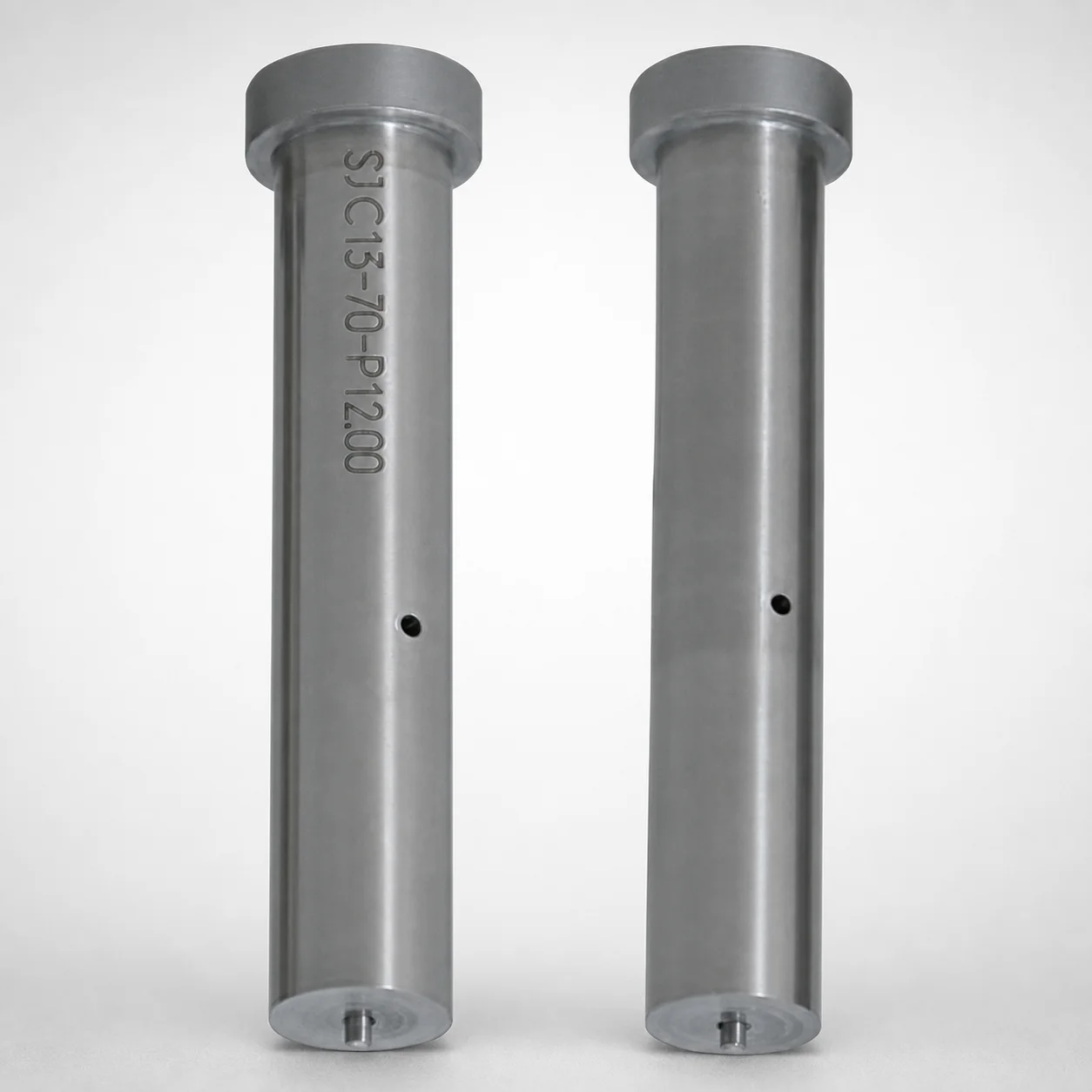
Need Custom Specifications?
Our engineering team can help with custom configurations, material selection, and volume pricing.