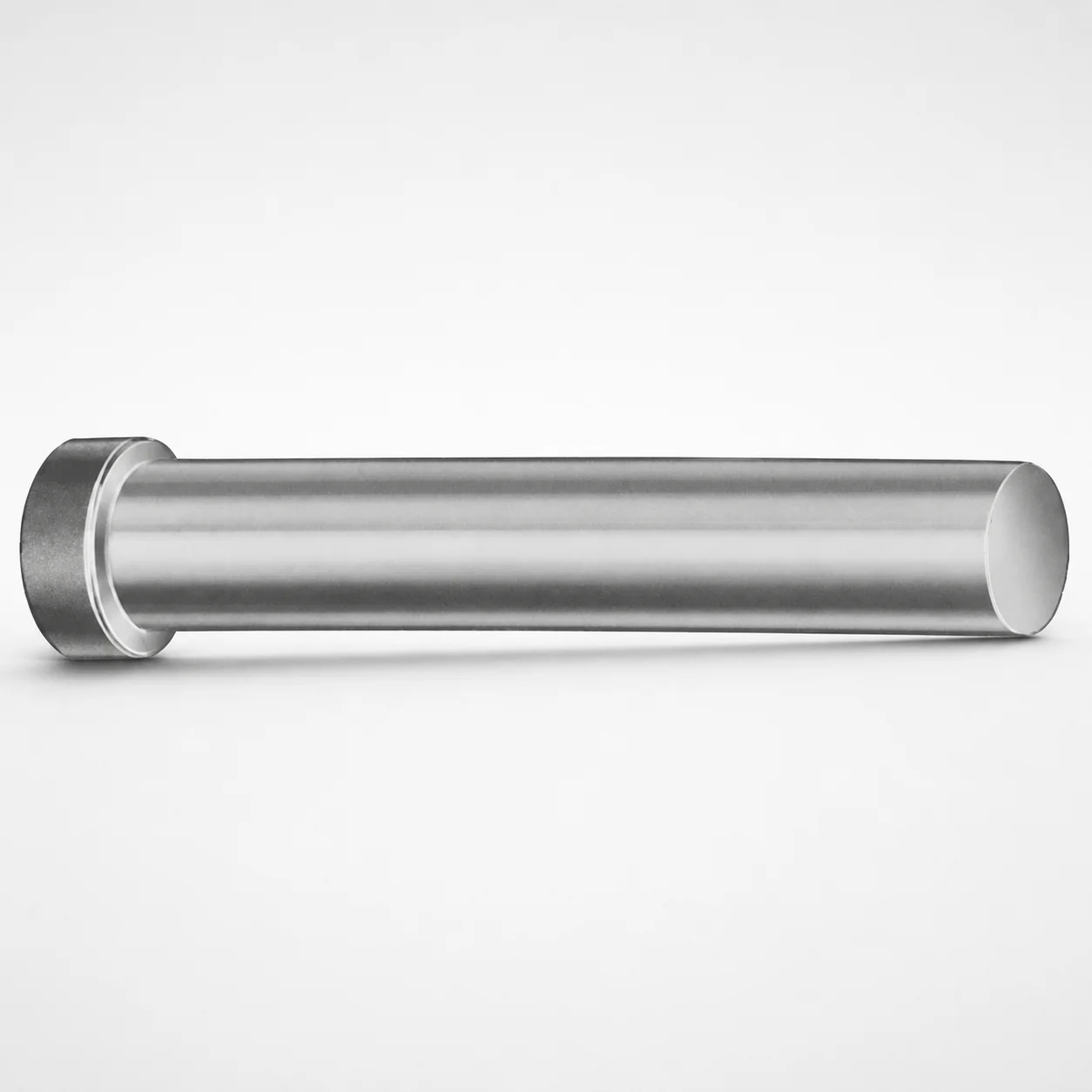
Metric Standard M2 Steel Straight Regular Punches
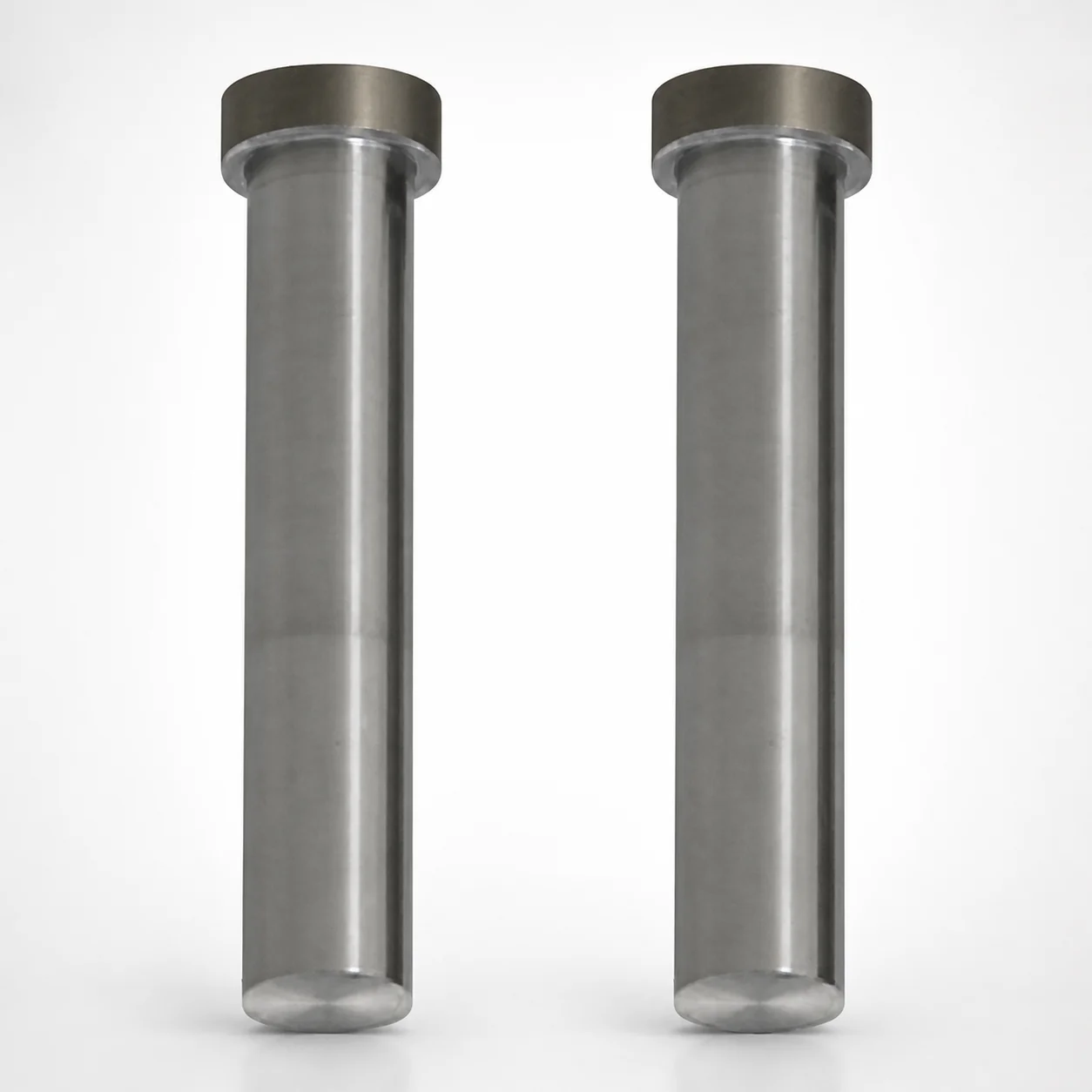
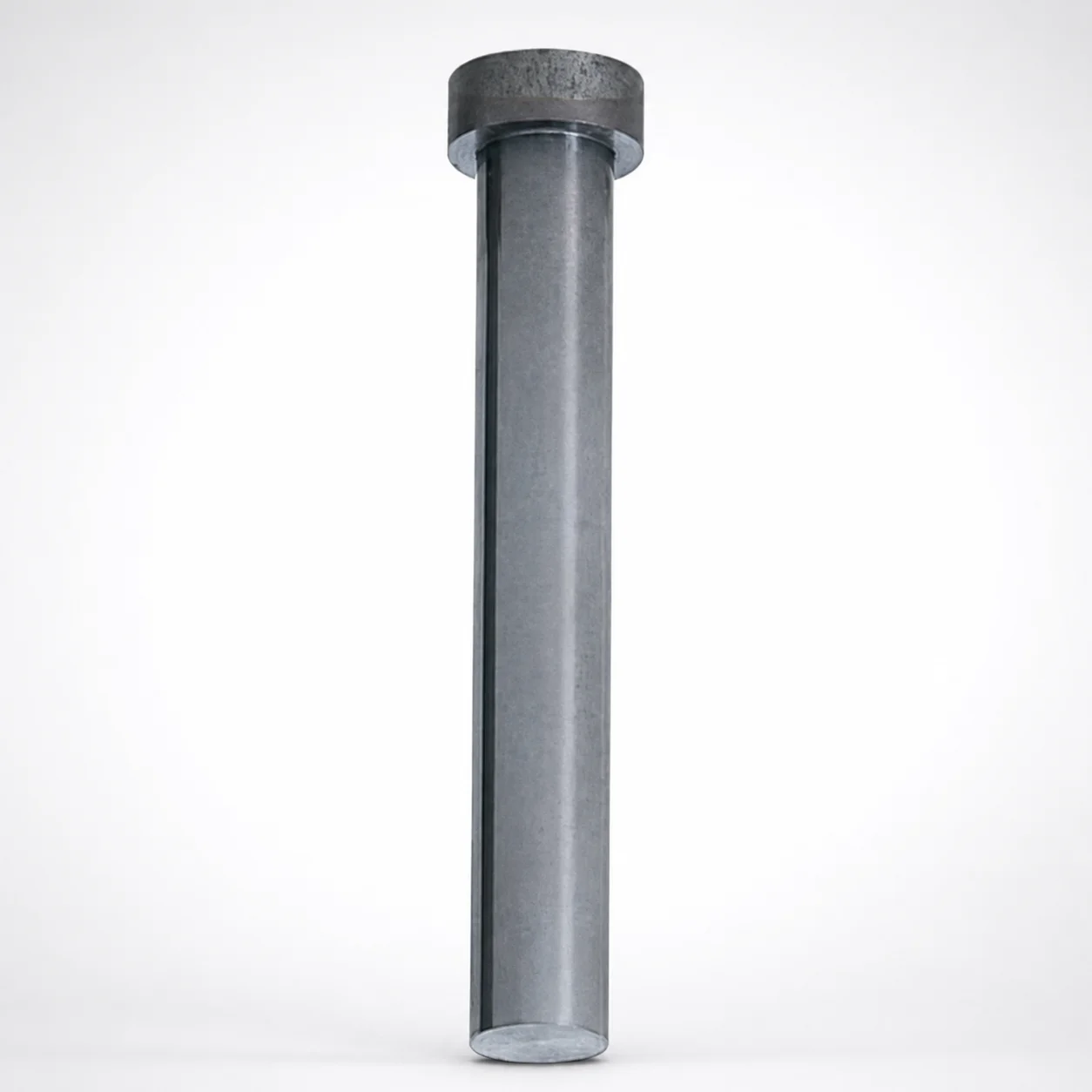
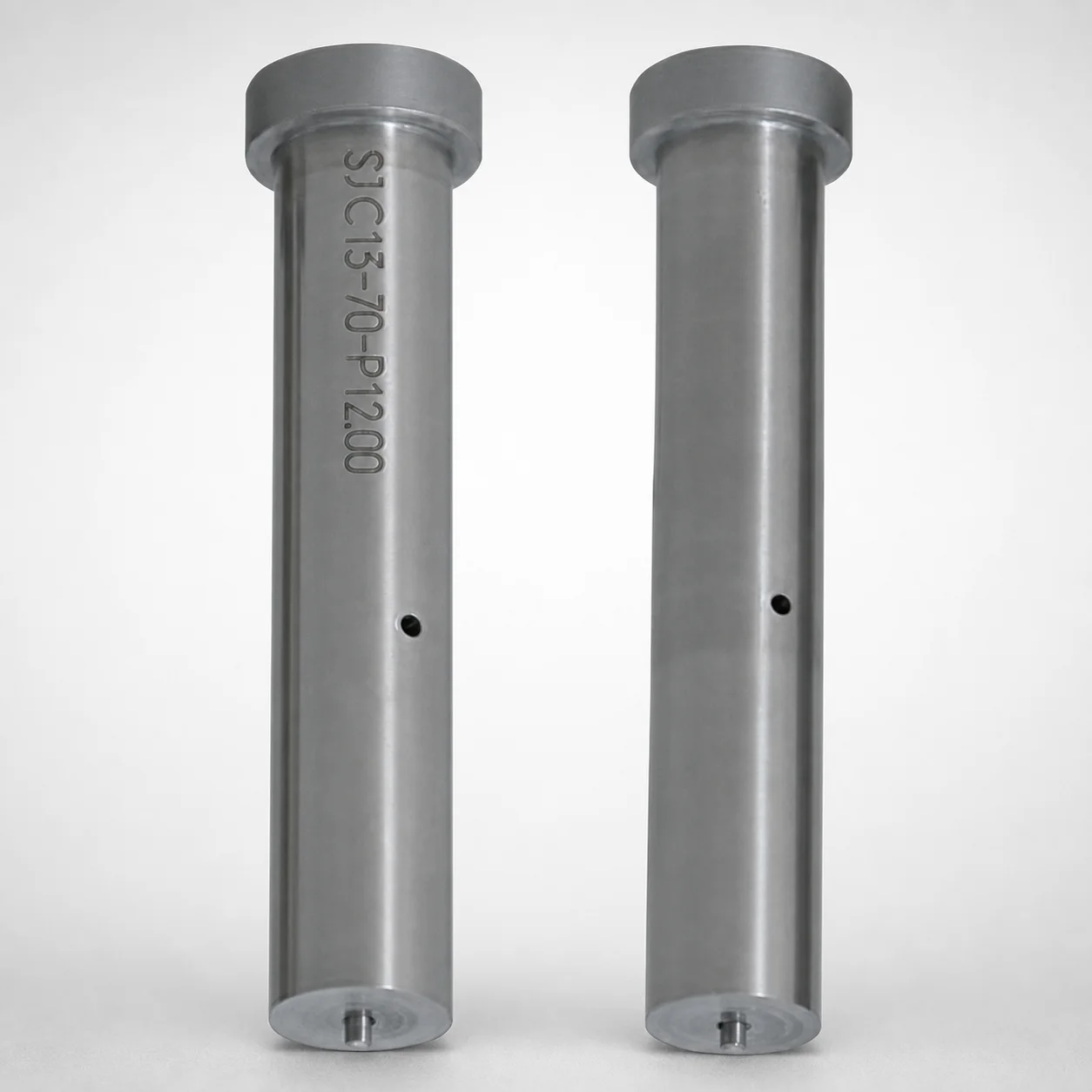
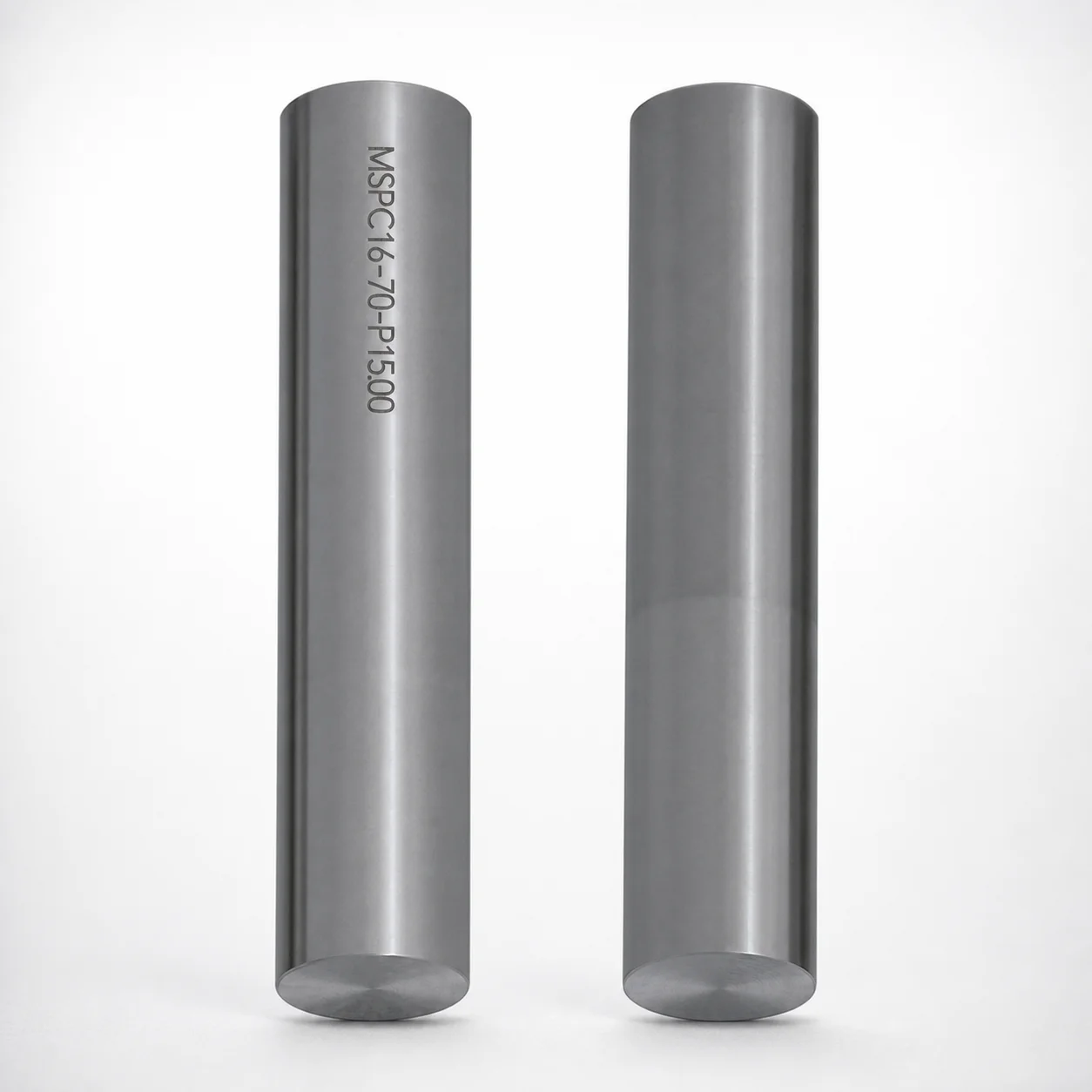
Straight Regular Punches (Metric) (M2 steel) are designed for stable straight punching in progressive and transfer dies, helping maintain predictable cycle performance with robust material durability.
- Straight punch geometry supports consistent punching action in die assemblies
- M2 steel construction provides reliable wear resistance and tool life
- Metric standard design assists straightforward fit in punch and die sets
- Suitable for general forming operations requiring repeatable straight punching
Specifications
2 configurations available
| Material | L (Length) (mm) | P Dimension (mm) |
|---|---|---|
| M2 | 50 ~ 100 | 3 ~ 16 |
| A2 | 50 ~ 100 | 3 ~ 16 |
Product Guide
Application Scenarios+
These metric straight punches are used when a molding or forming line needs reliable, repeatable straight punching in progressive and transfer die tooling. The straight regular geometry helps deliver consistent punching action across multiple stations, supporting stable cycle performance even as die components wear.
Common scenarios include automotive connector and terminal blanks, where consistent hole formation reduces downstream alignment issues during assembly. The punches’ M2/A2 cutting steel selection is suited to operations that require predictable tool life under regular contact loads.
They are also applied in appliance and housings bracket forming, particularly where multiple identical features must be produced with minimal variation. Use of the metric standard configuration simplifies integration into established punch-and-die sets, reducing setup time when maintaining legacy tooling.
- Supports stable straight punching across progressive/transfer stations
- Metric compatibility helps maintain die set fit and repeatability
- Cutting steel selection targets wear-resistant tooling for consistent forming
Material & Process Details+
This series is available in M2 and A2 steels, both high-speed tool steels commonly selected for punching wear resistance. M2 provides strong wear resistance for longer punch life in repetitive straight punching; A2 is typically chosen when a balance of toughness and wear performance is needed for certain load profiles.
Heat treatment and hardness depend on the selected grade and the supplier’s processing route, but these steels are generally supplied in a hardened condition and then tempered to achieve stable hardness during service. Choose the grade that best matches your expected abrasion and edge-loading: higher wear resistance supports longer run time, while higher toughness can reduce the risk of edge chipping under intermittent shock.
- Materials: M2, A2
- Hardened/tempered tool-steel condition is typical for punching service
- Trade-off: optimize between wear resistance and toughness by grade selection
Sizing & Selection Guide+
To select the correct punch, match the required feature depth and guidance length in your die set to the available L (Length) = 50 to 100 mm. The P dimension = 3 to 16 mm must align with the punch’s cross-sectional/fit-critical geometry for the corresponding punch holder and die interface.
Start with the cavity/core or die design drawing and confirm the space available for the punch body: choose an L that provides sufficient working stick-out without causing interference with adjacent tooling or the press mechanism. Then verify that the P dimension fits the punch retainer and die opening/shoulder requirements, ensuring proper seating and repeatable alignment.
- Confirm L within 50–100 mm to meet depth and clearance needs
- Confirm P within 3–16 mm for fit-critical interface
- Use die-set tolerances to maintain stable guidance and reduce misalignment wear
Frequently Asked Questions
Which steel grade (M2 vs A2) should I choose for straight punching when prioritizing tool life?+
This series supports M2 and A2. In general, M2 is selected for strong wear resistance to extend punch life in repetitive straight punching. If your application has higher risk of edge shock or variable loading, you may prefer A2 for a toughness-focused balance.
How do I select the correct punch length L within the available 50–100 mm range for die assembly compatibility?+
Choose L based on the working depth and available clearance inside your progressive/transfer die. The available range is 50–100 mm, so pick a length that provides sufficient engagement while avoiding interference with adjacent die components and press hardware.
What does the P dimension (3–16 mm) control, and how does it affect fit in punch and die sets?+
The P dimension is a fit-critical size in this series, available from 3 to 16 mm. It must match the corresponding punch holder/die interface requirements so the punch seats properly and maintains alignment during cycling.
Are these punches suitable for progressive and transfer dies, and what helps keep the punching action stable?+
Yes—these straight regular punches are designed for stable straight punching in progressive and transfer dies. The straight regular punch geometry supports consistent punching action across die stations, helping maintain predictable cycle performance.
When replacing an existing metric punch, what should I verify before ordering from this series?+
Verify the metric compatibility of the punch-and-die interface, then confirm L (50–100 mm) and P (3–16 mm) match your tooling drawing. Also confirm whether your current assembly depends on a specific steel grade (M2 or A2) for wear or toughness requirements.
Related Products
Need Custom Specifications?
Our engineering team can help with custom configurations, material selection, and volume pricing.