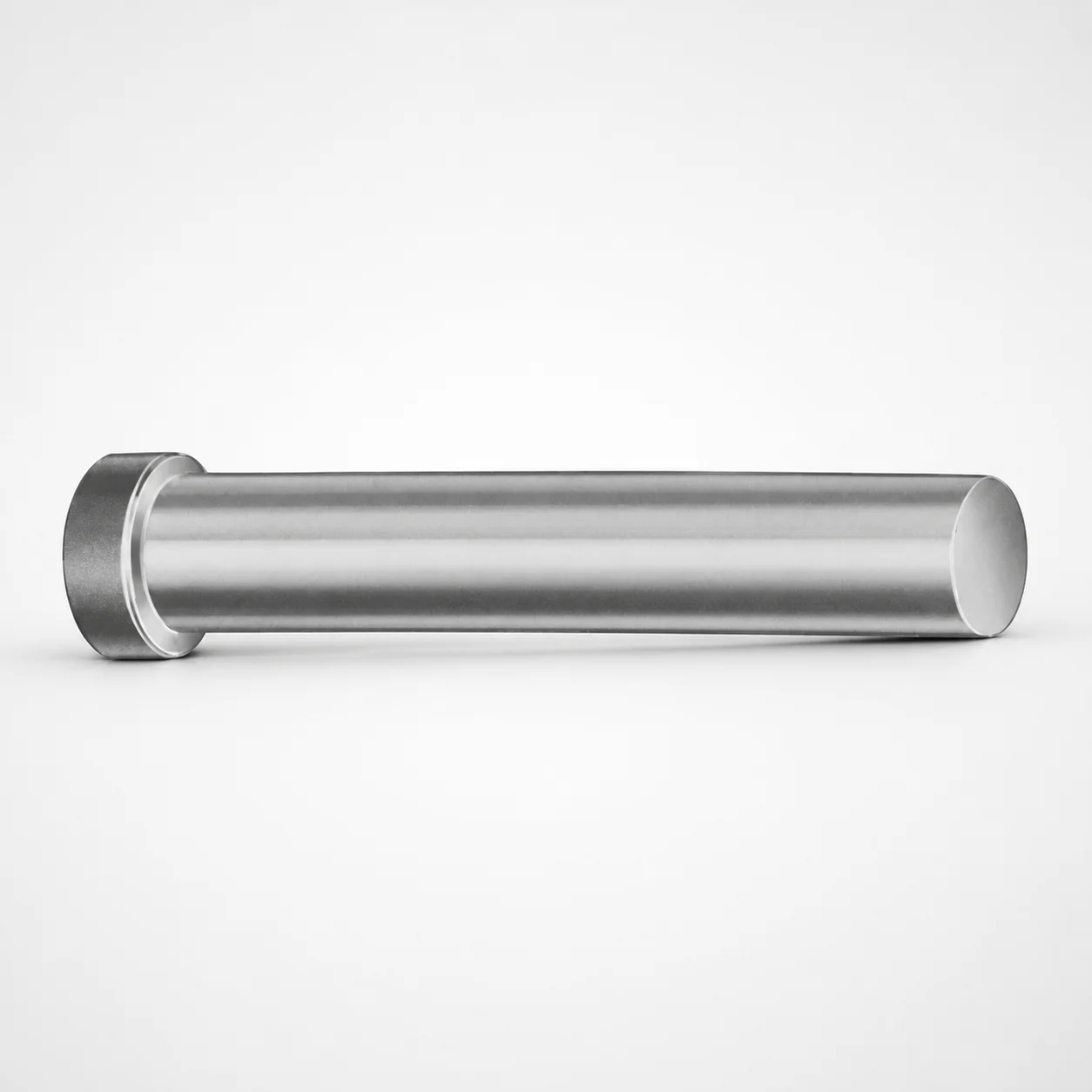
Inch Standard Straight Regular Punches
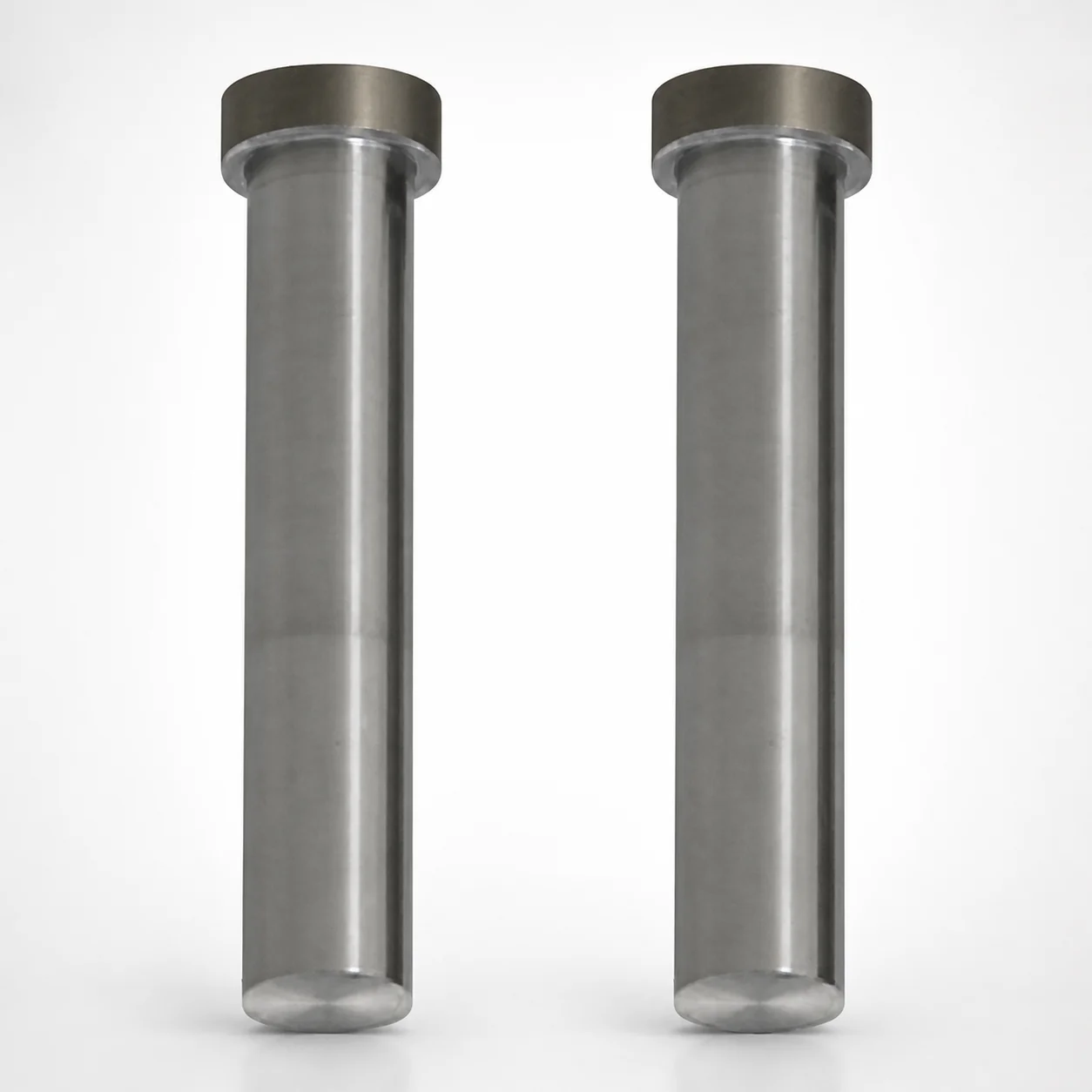
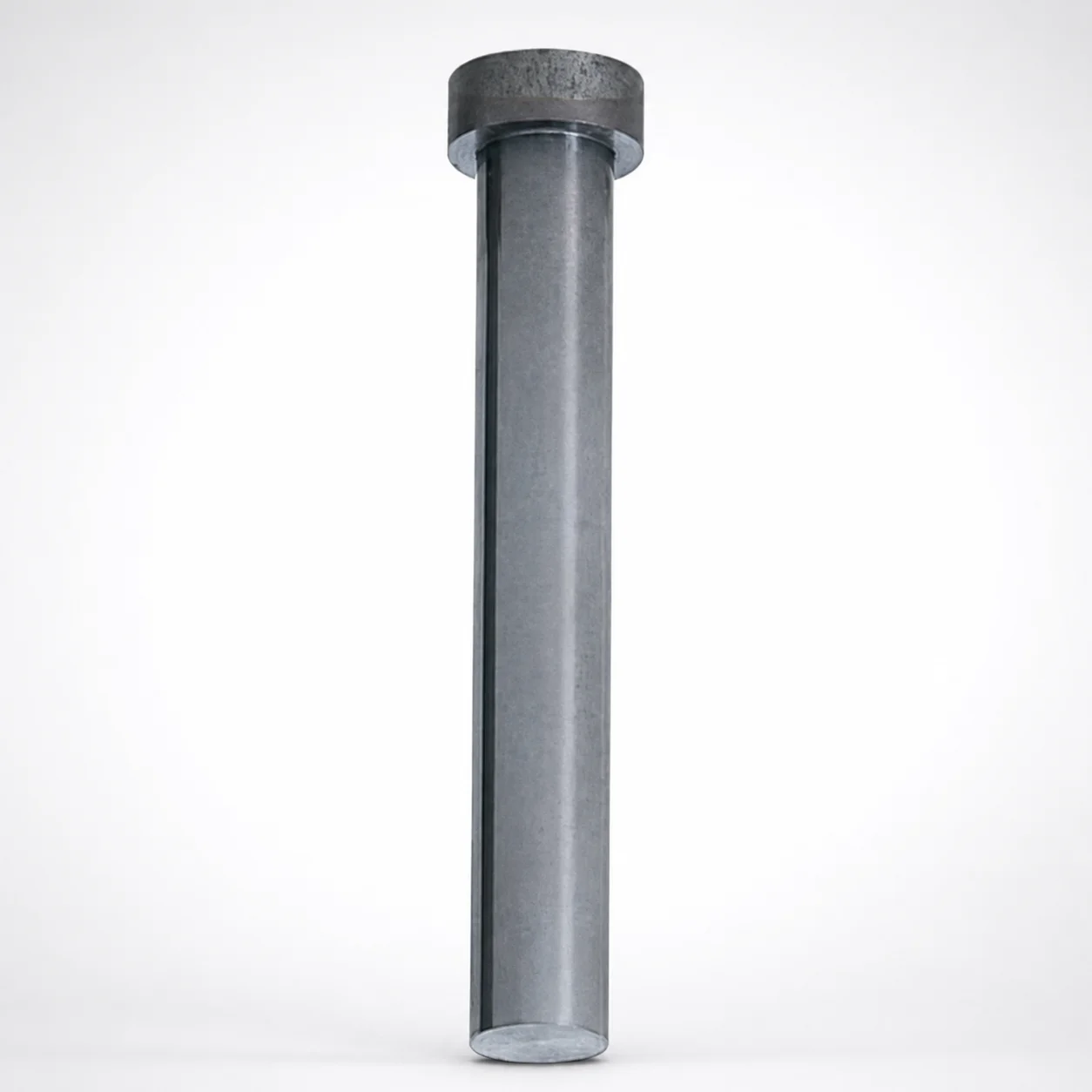
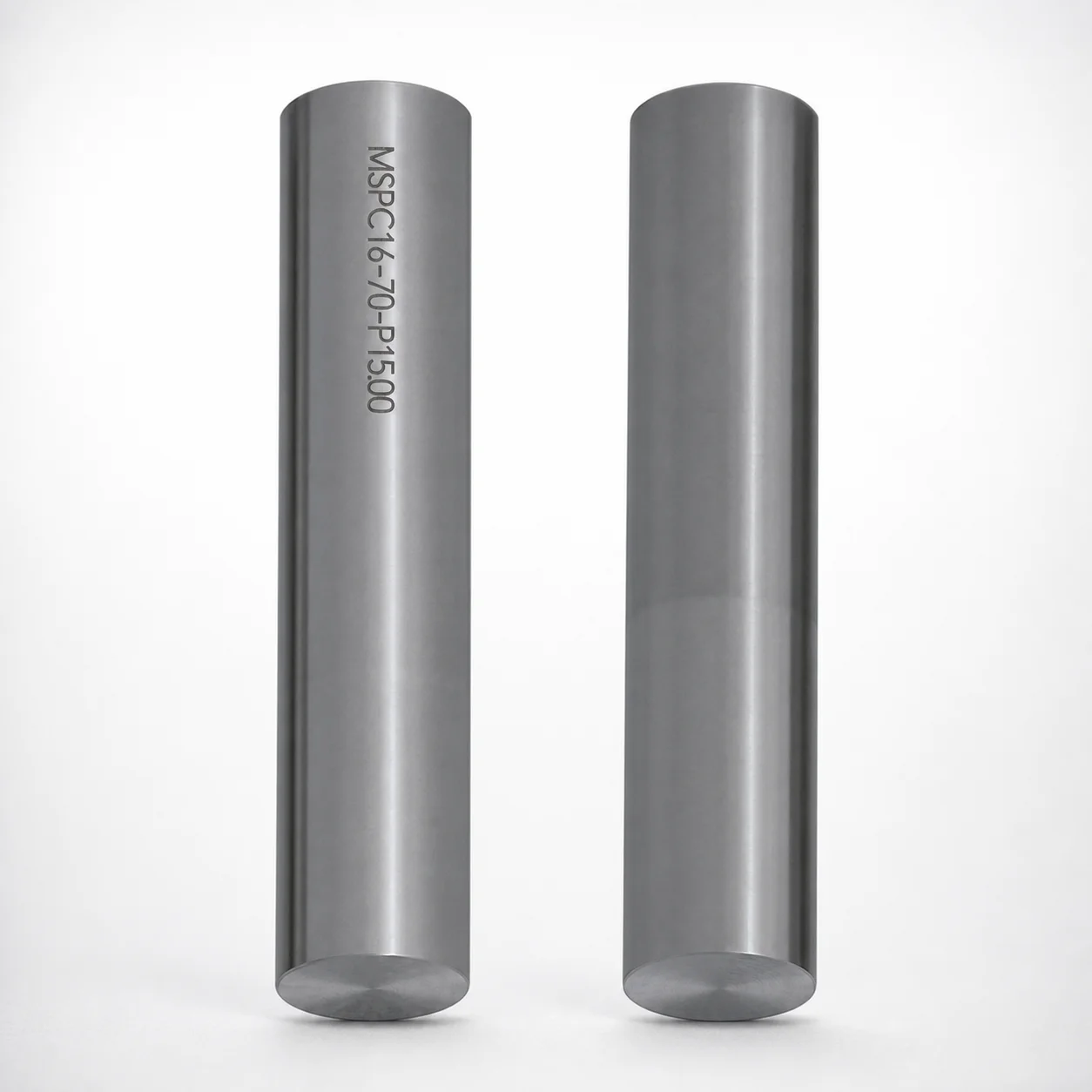
Straight Regular Punches (M2 steel options) are designed for stable punching performance in tool and die applications. Their straight punch geometry supports consistent material piercing across repeated production cycles.
- Straight, regular punch form for predictable penetration and tool alignment
- Hardened steel options (M2 or A2) help resist wear during intermittent use
- Produced for inch-dimension punching requirements with controlled overall length ranges
- Suitable for progressive and forming dies needing dependable punch guidance
Specifications
2 configurations available
| Material | L (Length) (in) | P Dimension (in) |
|---|---|---|
| M2 | 150 ~ 625 | 0.125 ~ 0.375 |
| A2 | 150 ~ 625 | 0.125 ~ 0.375 |
Product Guide
Application Scenarios+
These inch standard straight punches are used in tool-and-die injection mold support tooling such as strip-based blanking and punching stations where consistent penetration and punch guidance are required.
In progressive die builds, the straight, regular geometry helps maintain alignment through repeated strokes, supporting stable shearing when piercing sheet or thin sections. The M2/A2 hardened steel options are suited for intermittent production runs where wear resistance at the cutting edge directly affects die maintenance intervals.
For forming and secondary operations (e.g., pierce-and-form patterns), the controlled punch profile and defined diameter-related dimension P (0.125–0.375 in) support predictable material contact and repeatable hole features. The available overall length range L (150–625 in) supports different press layouts and die thicknesses.
- Progressive punching: stable penetration and punch alignment under repeated cycling
- Forming/pierce tooling: consistent hole placement due to straight guidance
- Toolroom repairs: inch-dimension fit for die components and stations
Material & Process Details+
The punch can be supplied in M2 or A2 steel. M2 is a high-speed steel grade commonly selected for cutting edges requiring strong wear resistance during punching, while A2 is a tool steel option often chosen for a balance of toughness and edge durability in tooling environments.
Material choice impacts the wear-versus-toughness trade-off: M2 typically favors longer edge life under abrasive or higher-frequency punching, whereas A2 can provide better resistance to chipping when loads are more intermittent or where impact is higher.
- M2: wear-focused option for reliable cutting-edge performance
- A2: general-purpose tool steel balance for toughness and durability
- Hardened steel options: supplied in hardened states to improve service life in punch applications
For best results, match steel selection to your expected cycle rate, material abrasiveness, and allowable maintenance window.
Sizing & Selection Guide+
Select dimensions by first identifying the punch length requirement and the effective punch size to match your cavity/core interface and die opening geometry.
- Overall length (L): choose from 150–625 in to align the working end position relative to the die block thickness, stripper plate stack-up, and available shut height.
- P dimension: match 0.125–0.375 in to the required punch working diameter/feature size that determines the hole or piercing profile in your part.
When integrating into progressive or forming tooling, ensure the punch protrusion and guidance relationship with bushings or die openings are compatible with the machine’s stroke and the die’s stop surfaces. If your station design uses close fits for guidance, confirm the clearance and alignment requirements with your press tooling standard, since exact fit depends on the mating component tolerances (bushing/die bore/stripper geometry).
Dimensions are fixed by the specified ranges; confirm availability for your exact L and P combination before final die build.
Frequently Asked Questions
Which steel option (M2 or A2) is better for wear resistance on straight regular punches?+
How do I choose the correct punch length (L) for a progressive die station?+
What does the P dimension range (0.125–0.375 in) control in the punched feature?+
Are these straight regular punches intended for intermittent production or continuous high-cycle punching?+
Can these inch-standard straight punches be used in forming die operations besides blanking?+
Related Products
Need Custom Specifications?
Our engineering team can help with custom configurations, material selection, and volume pricing.