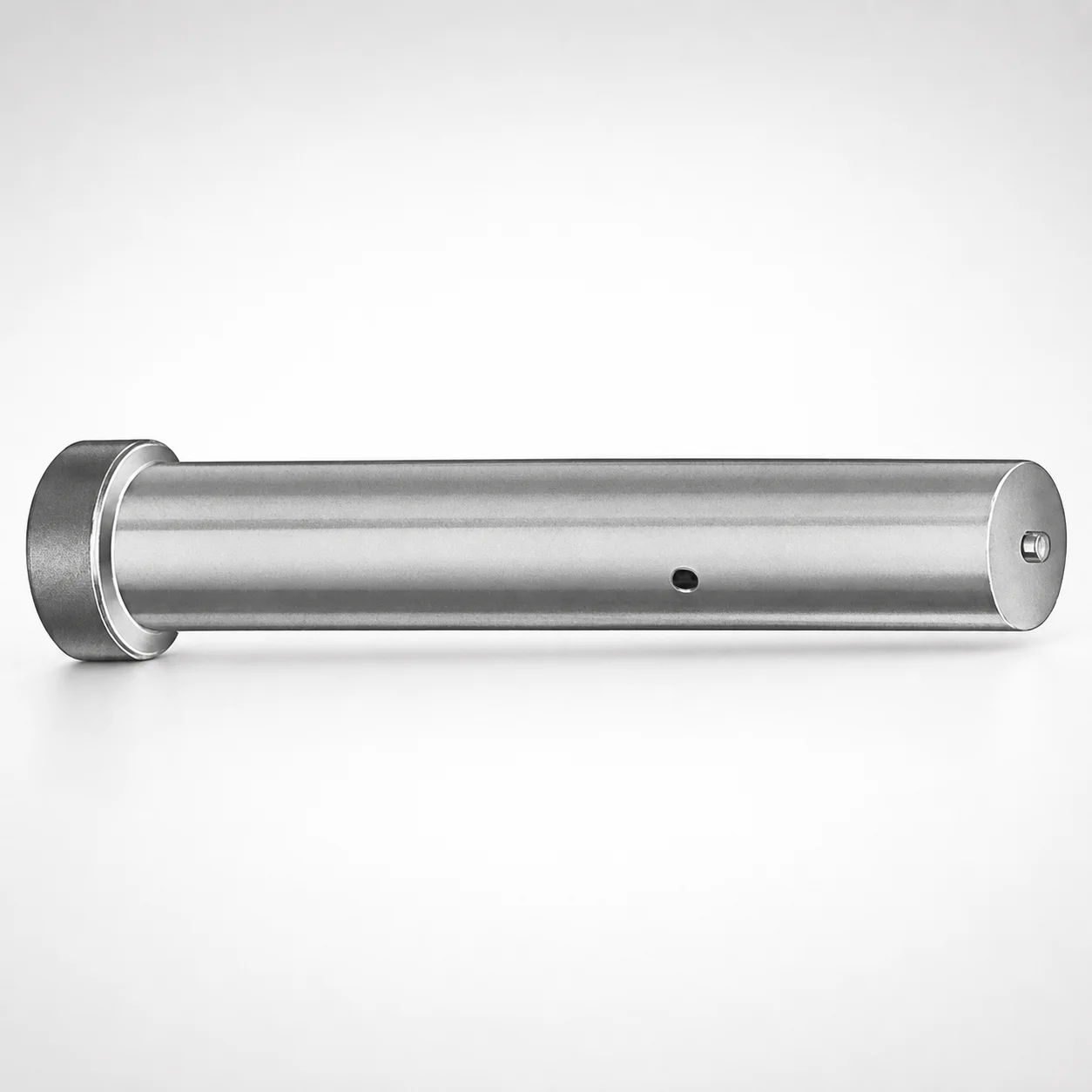
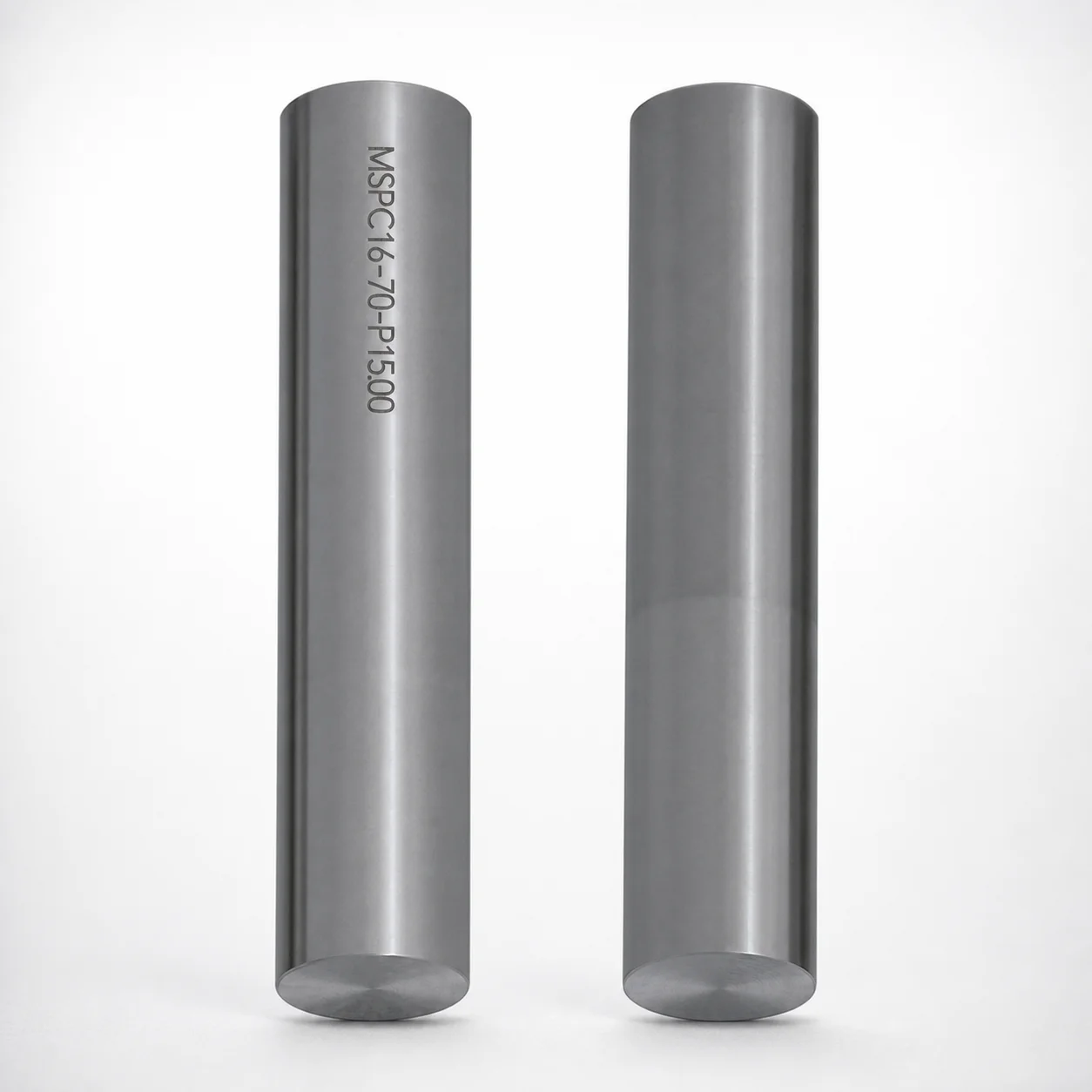
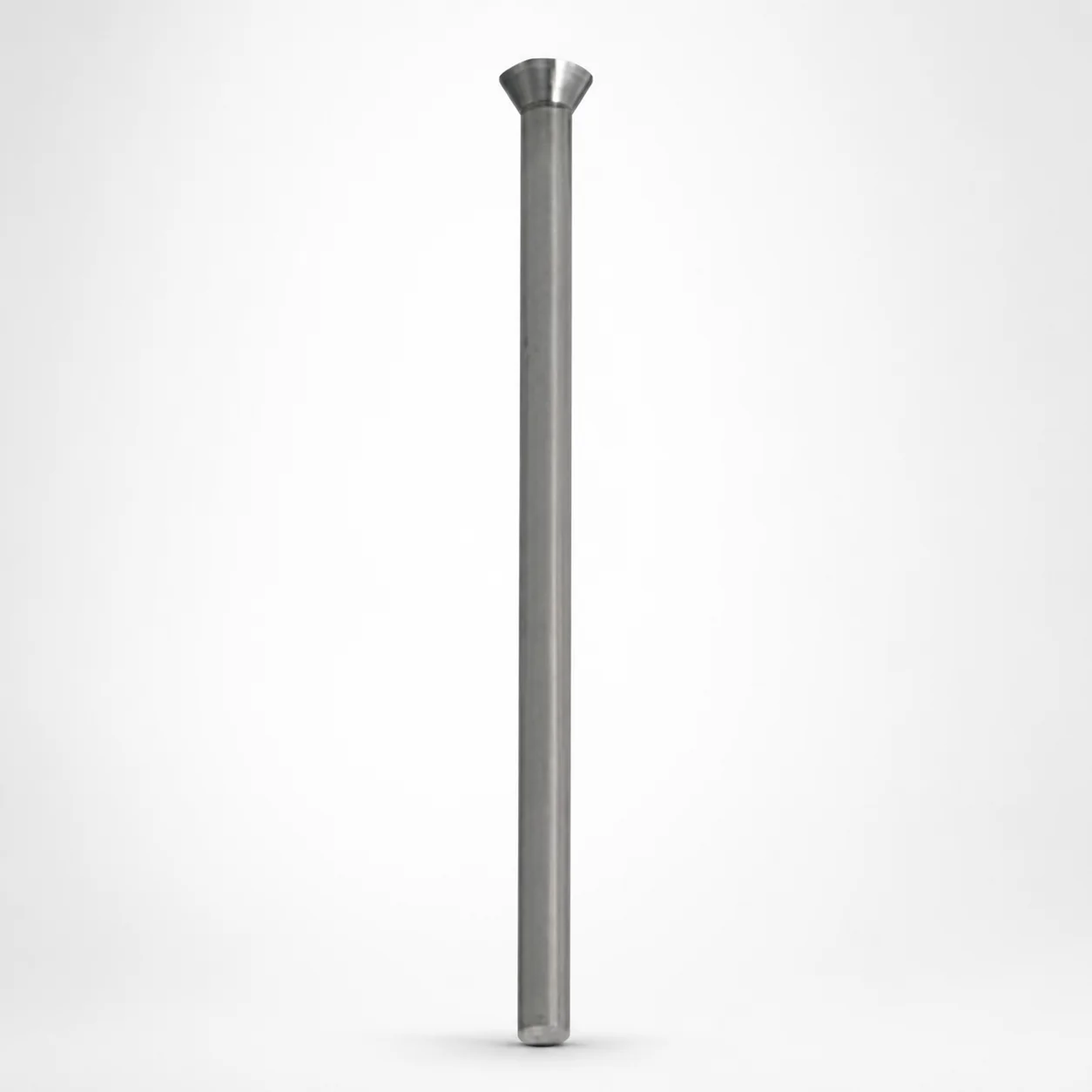
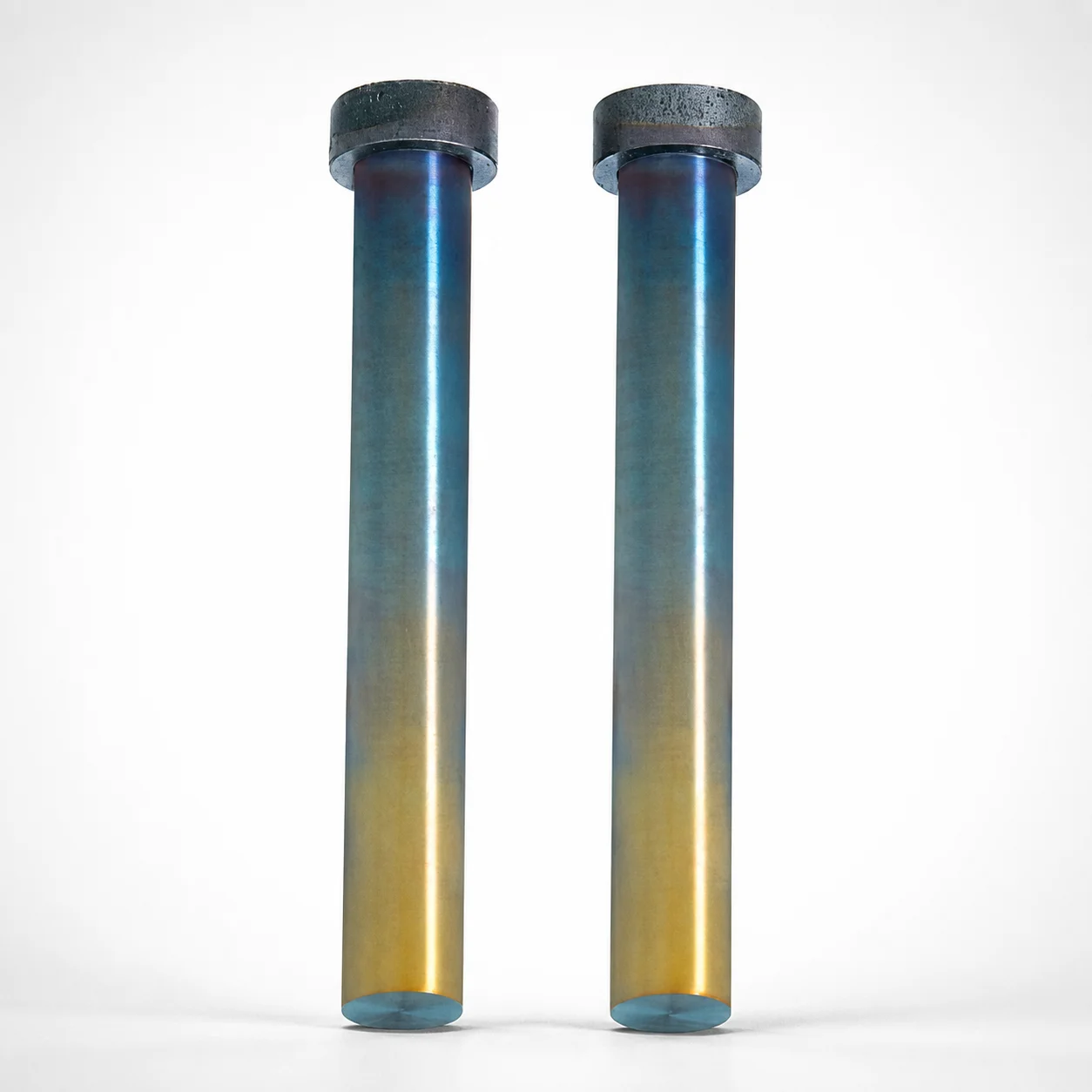
Metric Straight Ejector Punches with XNAP Coating
Metric Straight Ejector Punches with XNAP Coating are built for reliable ejection performance in die and punch sets, combining a straight punch geometry with wear-oriented surface protection for consistent operation.
- Straight ejector punch design supports stable alignment and controlled stroke transfer
- XNAP coating improves abrasion resistance for long service intervals
- Dayton and Lamina standardized part number format simplifies sourcing and replacement planning
- Suitable for metric press tooling requiring straight ejector punch compatibility
Specifications
1 configurations available
| L (Length) (mm) | P Dimension (mm) |
|---|---|
| 50 ~ 90 | 5 ~ 16 |
Product Guide
Application Scenarios+
These metric straight ejector punches are used in press and die sets where consistent part removal depends on stable, straight-line motion. The straight punch geometry helps maintain alignment through the ejector stroke, supporting controlled transfer of force to the die cavity area.
They are commonly specified for automotive and industrial press tooling that forms metal or composite components, where repeated cycles demand abrasion resistance at sliding interfaces. The XNAP coating is suited for this environment because it is designed to reduce wear from friction and contact, helping maintain predictable ejection over longer service intervals.
Another fit scenario is general-purpose progressive or transfer press systems that require metric ejector punch compatibility. Using this variant with known metric sizing (L and P) simplifies replacement planning and ensures the ejector train can be assembled with standardized Dayton/Lamina part-number traceability.
Material & Process Details+
Material and heat-treatment details are not provided in the supplied specifications. For selection and machining planning, treat the punch as a hardened, wear-protected tool steel application appropriate for ejector components in press tooling, with performance driven by its XNAP coating.
- Wear resistance focus: The XNAP coating is intended to improve abrasion resistance at the working surfaces exposed to repeated sliding contact.
- Toughness trade-off: In ejector punching, higher surface hardness typically improves wear life, while impact resistance must be preserved to avoid chipping under shock loading.
- Heat treatment state: Not specified here (e.g., pre-hardened vs. quenched & tempered vs. nitrided), so verify with the supplier when ordering.
If alternate steel grades are offered for the same series code, compare based on hardness (HRC), machinability, and expected press cycle loads—then confirm coating compatibility for the intended ejection environment.
Sizing & Selection Guide+
Select the ejector punch dimensions to match your ejector layout and ensure it can operate without binding. This series provides fixed metric ranges: L (Length) = 50 to 90 mm and P = 5 to 16 mm.
Use P to align the punch diameter/working dimension with the mating bore or ejector interface in the die set. Use L to achieve the required stroke reach so the punch contacts the part as intended and fully clears during the ejection cycle.
- Match cavity/core transfer: Confirm the required protrusion and clearance in the closed position, then choose L within 50–90 mm to avoid over-travel.
- Fit and tolerance considerations: Ejector trains are sensitive to lateral play; ensure the interface dimension set around P supports stable alignment and controlled stroke transfer.
- Configurable vs. fixed: L and P are the fixed selectable dimensions within the stated ranges; other geometry is standardized for metric straight ejector punch use.
Frequently Asked Questions
Which dimensions control fit for metric straight ejector punches in a press die set?+
Why is the XNAP coating relevant for long-run ejection in die and punch tooling?+
When should I choose a straight ejector punch geometry over other ejector styles?+
How do Dayton/Lamina standardized part-number formats affect replacement in tooling maintenance?+
What should I confirm if I need hardness (HRC) or specific heat-treatment data for this ejector punch?+
Related Products
Need Custom Specifications?
Our engineering team can help with custom configurations, material selection, and volume pricing.