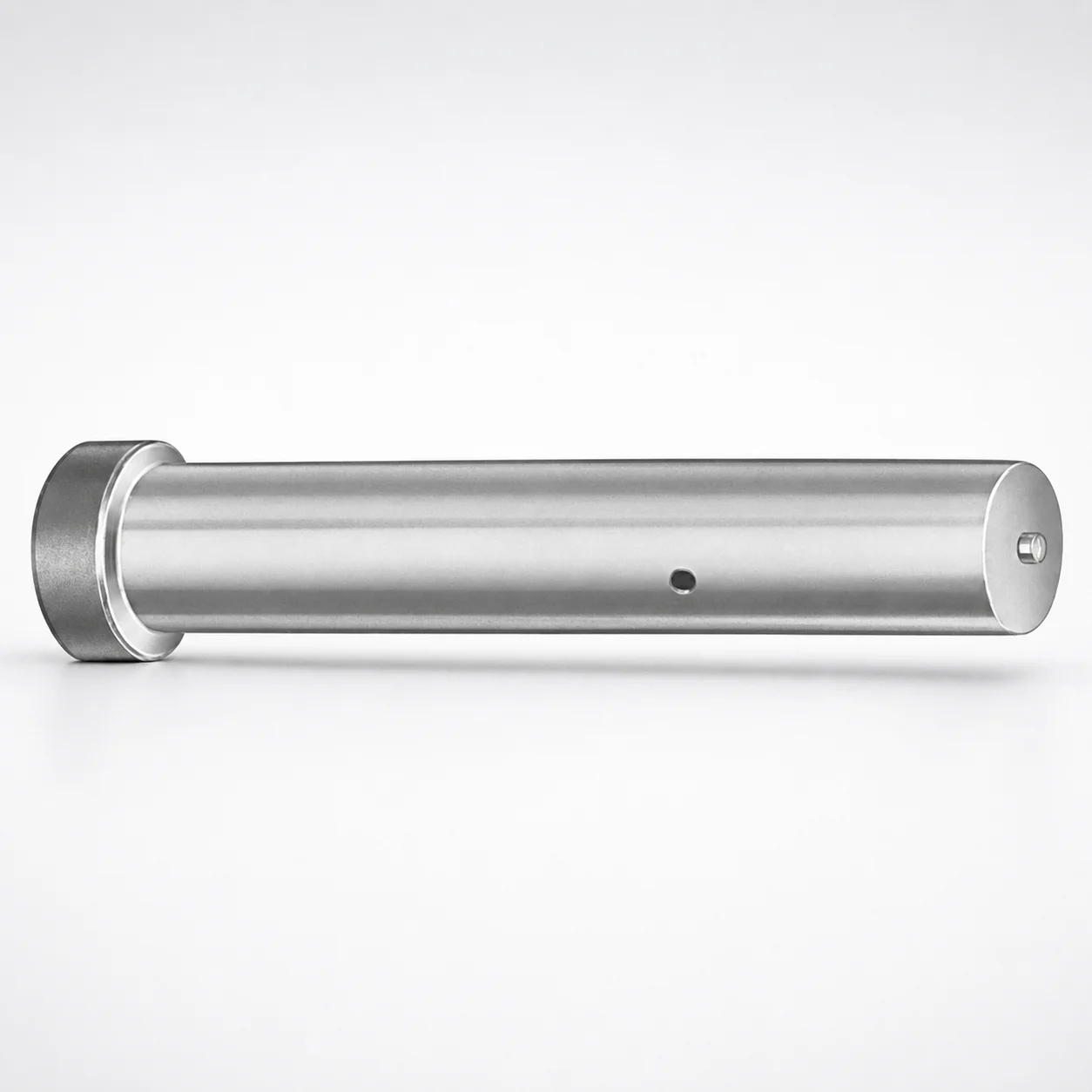
Metric Steel Straight Ejector Punches XCN Coating
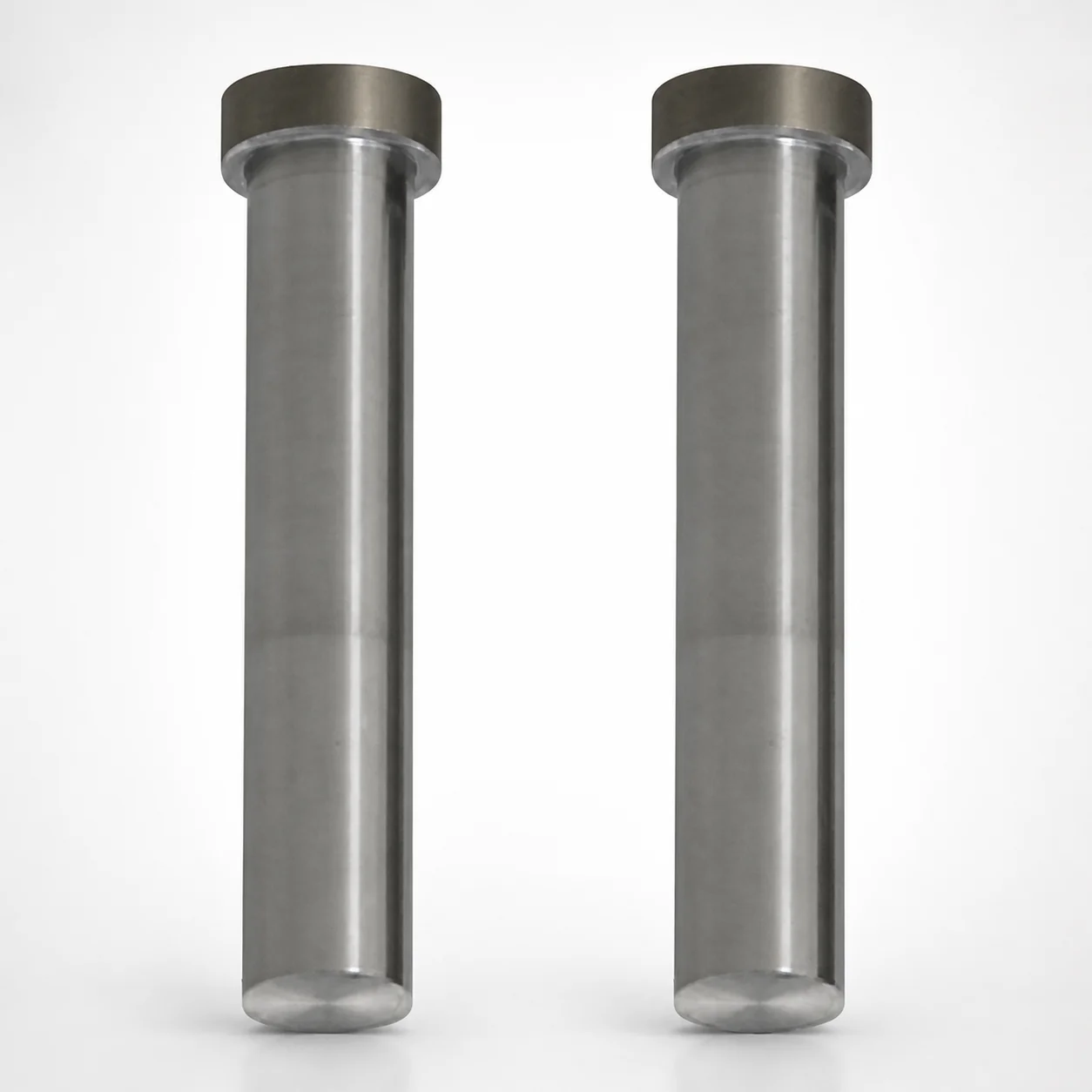
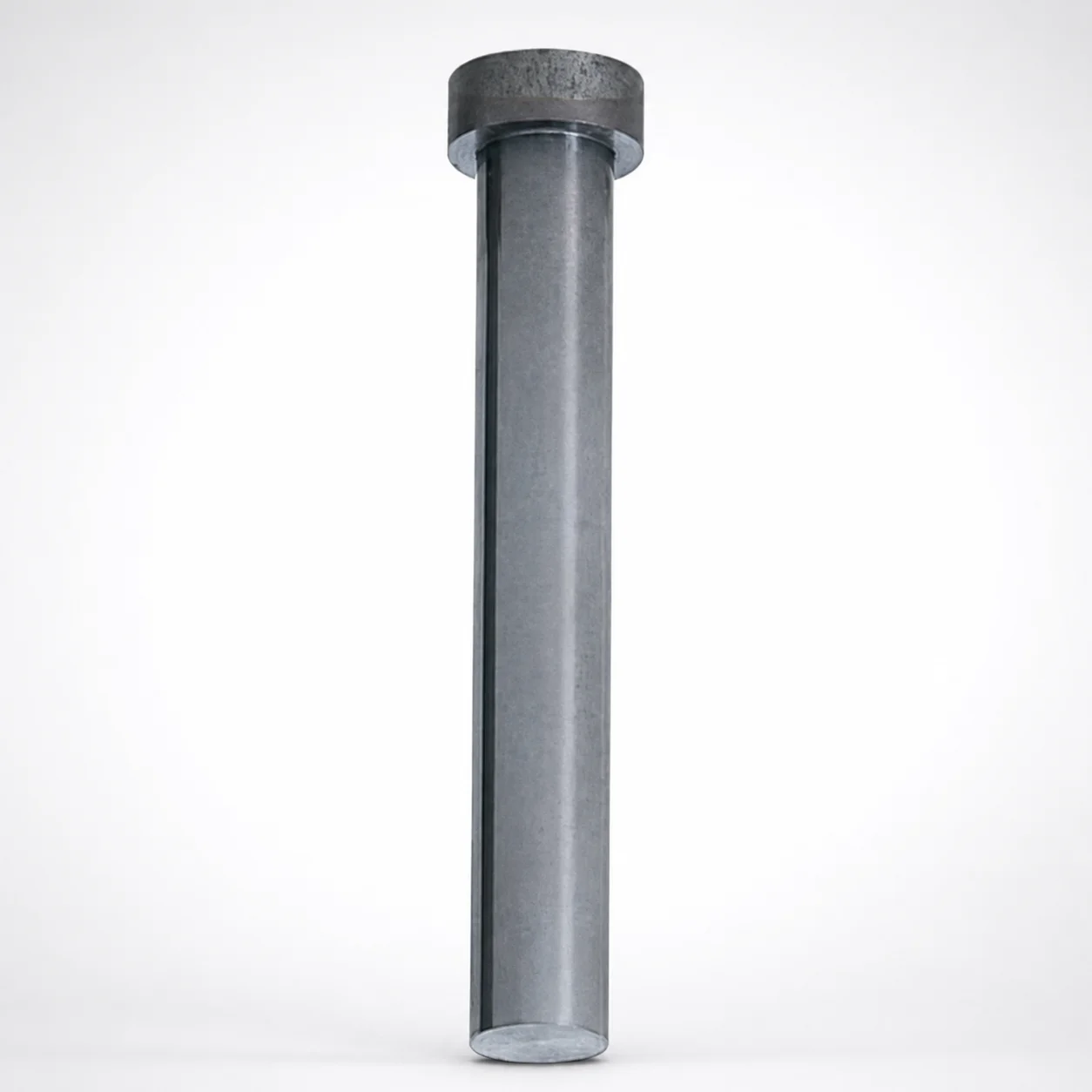
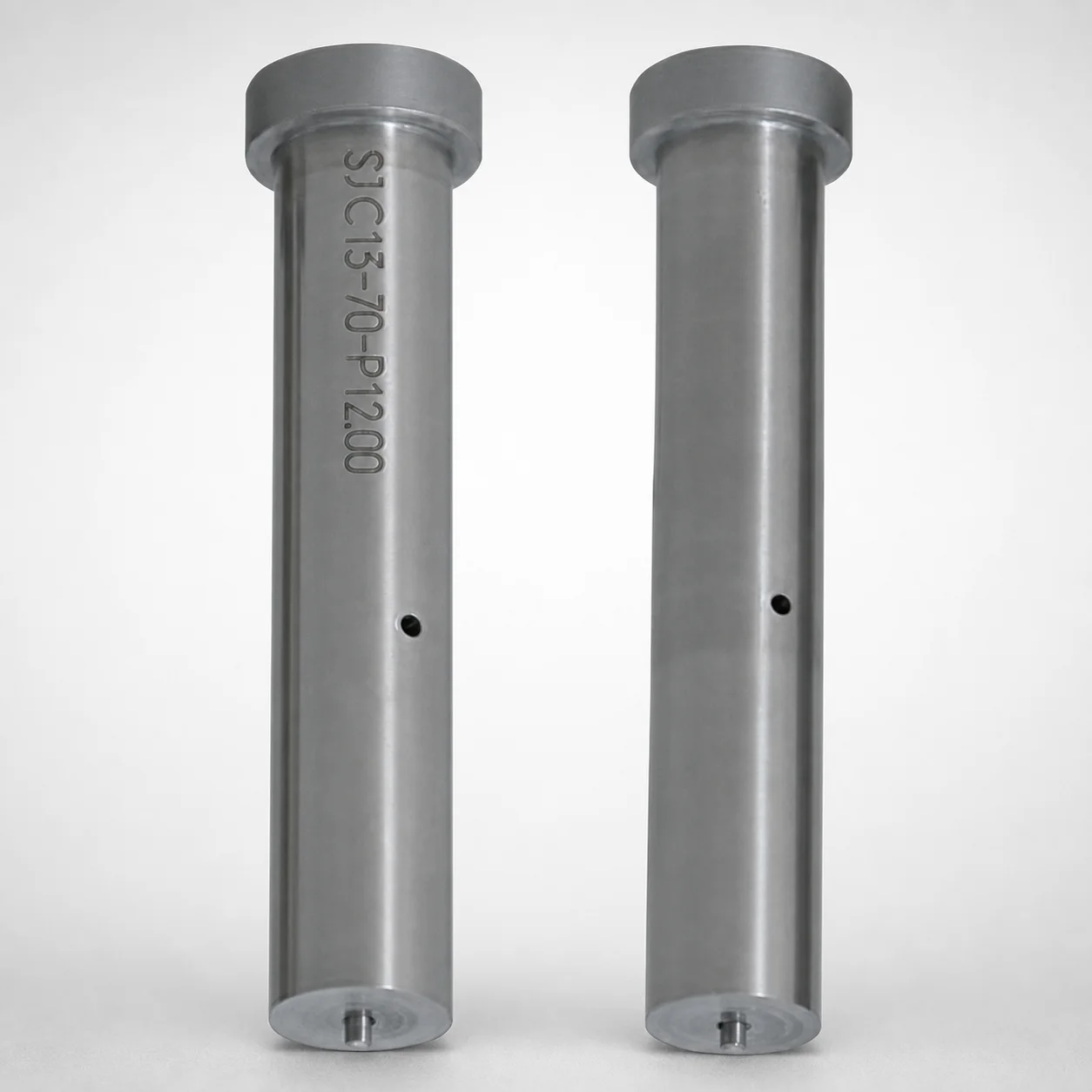
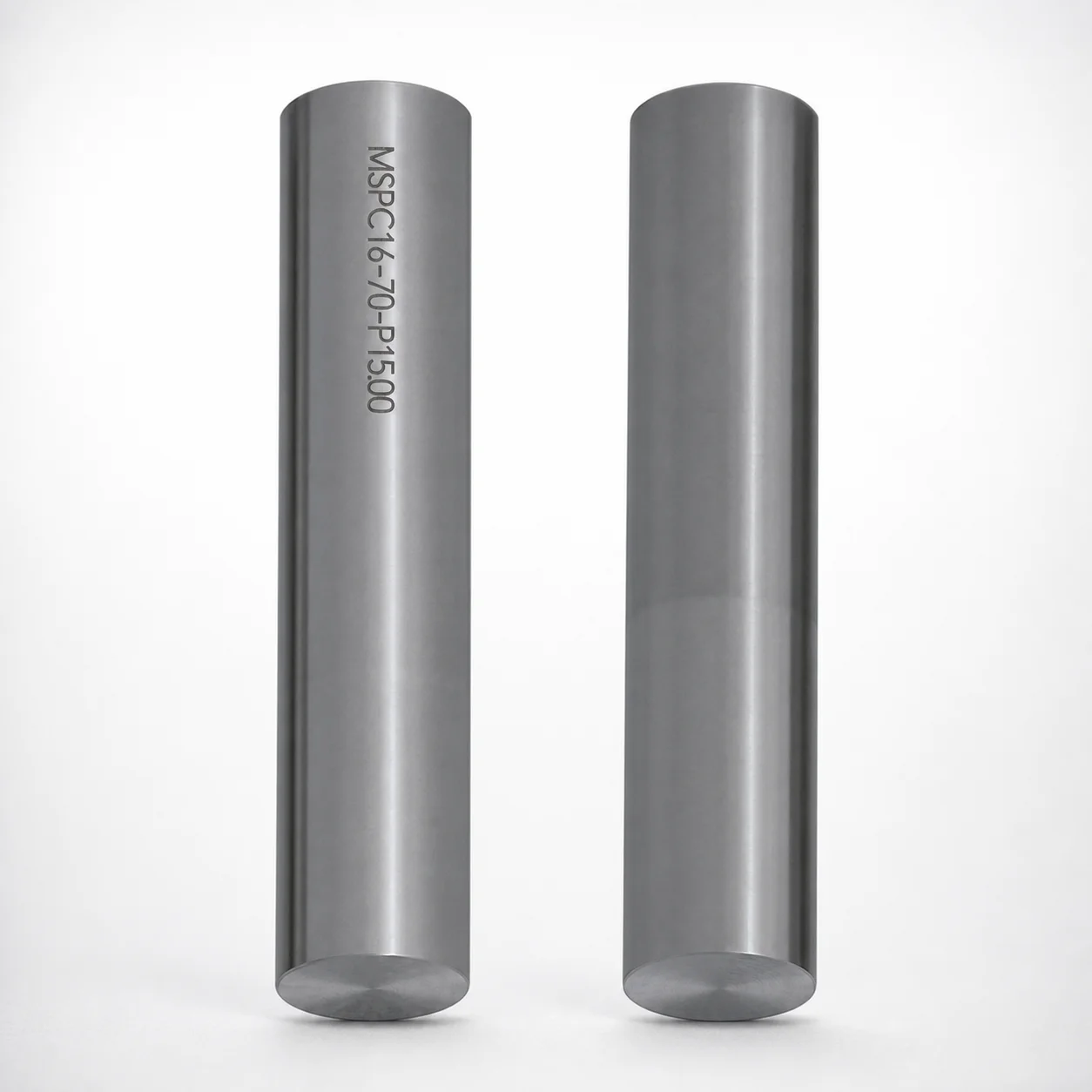
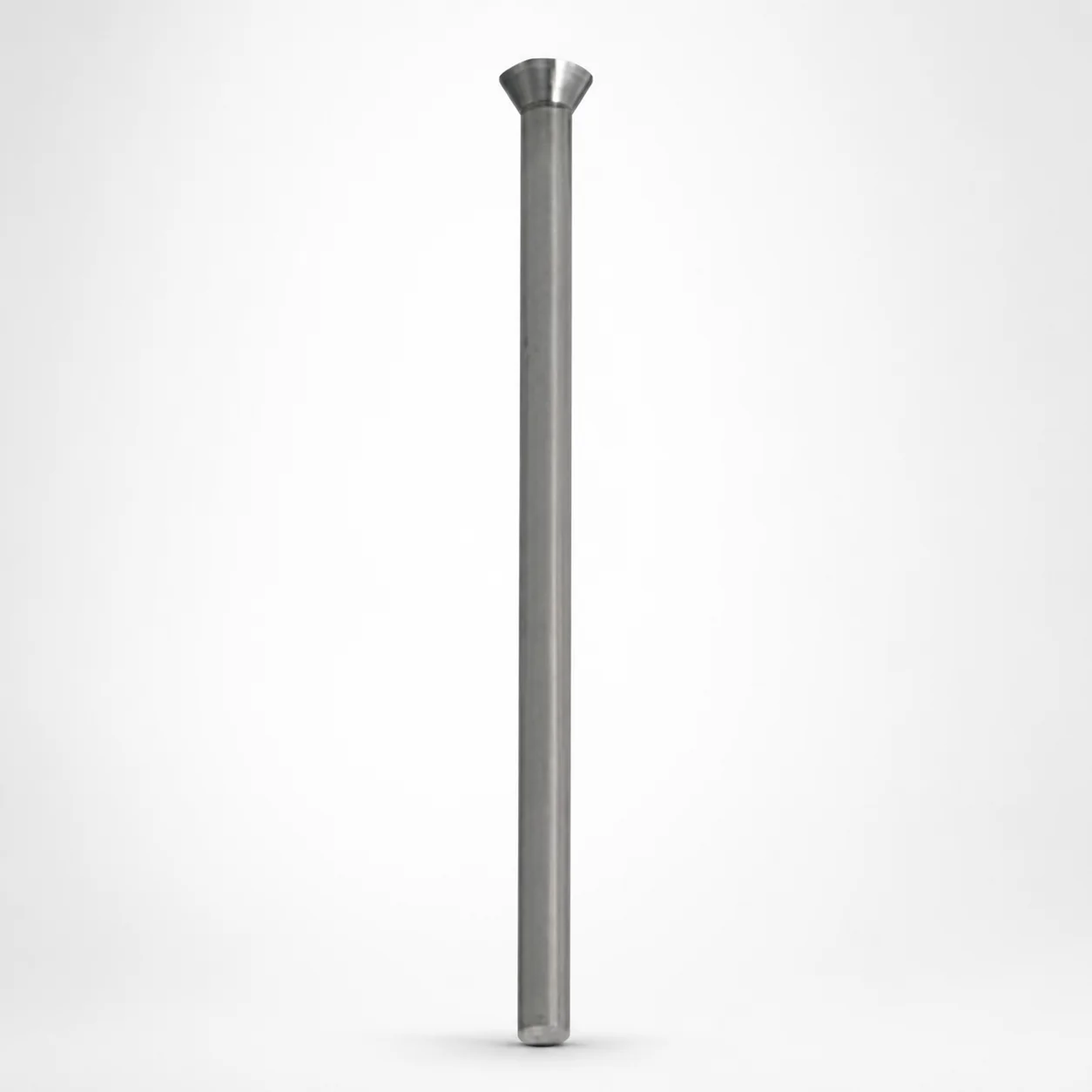
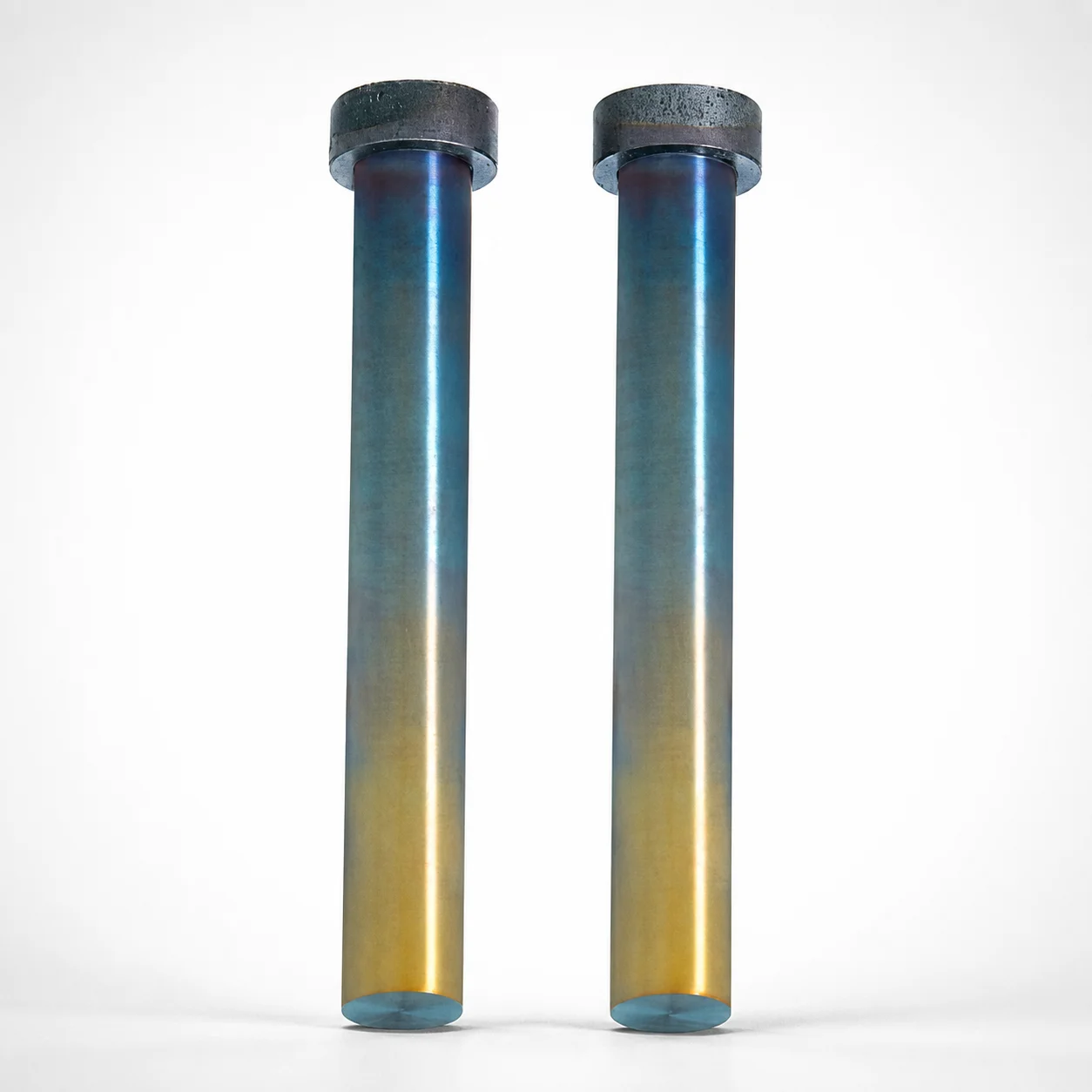
Straight ejector punches for metric tooling (XCN coated) (Dayton Lamina L Series) deliver stable alignment and efficient part ejection in production molds. The XCN surface coating helps resist wear during repeated cycles.
- Metric straight punch form for consistent ejection in die & mold assemblies
- XCN coating supports improved wear resistance for long service life
- Length options (L) for 50–90 mm class tooling designs
- Coordinated manufacturing for reliable performance in stamping and forming
Specifications
1 configurations available
| L (Length) (mm) | P Dimension (mm) |
|---|---|
| 50 ~ 90 | 5 ~ 16 |
Product Guide
Application Scenarios+
These metric straight ejector punches are used inside injection and tooling assemblies where stable alignment and consistent ejection force are required. In automotive connector and small plastic part molds, they help drive the runner gates and thin-wall components out of the cavity with reduced stick-slip, supporting smooth cycling during production.
For appliance and consumer device housings that require deep ejector travel, the availability of 50–90 mm (L) supports longer tool layouts while maintaining straight punch engagement. The XCN-coated surface is suited for repetitive ejection cycles because it improves wear resistance at the sliding interface.
In general stamping/forming or insert-based mold systems, use the punches as part of standardized ejector sets where the P dimension (5–16 mm) must match corresponding guide or mounting geometry. The straight metric form provides predictable installation and helps maintain alignment across multiple part geometries.
Material & Process Details+
This product is identified as metric steel straight ejector punches with an XCN coating. While the exact steel grade and hardness (HRC) are not provided in the available data, the engineering intent of the variant is clear: a steel substrate for rigidity and a coating for improved wear behavior under repeated sliding contact.
XCN coating is selected to resist wear and maintain dimensional stability at the ejector’s functional surface during high-cycle operation. The coating also helps reduce friction-related effects that can contribute to ejector sticking.
- Wear resistance: improved at the contact region due to the XCN surface layer.
- Toughness trade-off: coatings can be more sensitive to edge damage than bare steel; proper alignment and guidance reduce risk.
- Heat treatment: the specific heat treatment state (e.g., quenched & tempered, nitrided) is not specified in the provided parameters.
If you compare variants from different suppliers, the key decision points are the coating type (XCN) and the underlying steel condition (not specified here), since these jointly determine wear life and resistance to deformation.
Sizing & Selection Guide+
Selection should start by matching the punch length and the cross/fit dimension to the mold’s ejector layout. This series offers a fixed L (Length) of 50–90 mm, so choose the L that provides the required stroke reach without bottoming out in the guide system.
Next, match the P dimension (5–16 mm) to the mold’s corresponding ejector bore, guide block pocket, or mounting geometry. Because P directly affects fit and contact area, verify that the chosen punch size aligns with the guide’s clearance design.
- Core/cavity clearance: ensure sufficient clearance so the punch does not rub the cavity surfaces during alignment correction.
- Guidance and alignment: use straight metric geometry to reduce lateral load, which protects both the punch coating and the guide surfaces.
- Tolerance/fit: follow your mold standard for clearance between punch and guide; since no tolerance values are provided here, confirm tolerances with your drawings or receiving inspection criteria.
These dimensions are fixed by specification (L and P ranges), while the actual required clearance is determined by your ejector system design.
Frequently Asked Questions
Which L (length) range should I select for the ejector stroke in a straight-punch layout?+
How do I match the P dimension to my mold guide or mounting pocket for proper fit?+
What advantage does the XCN coating provide for repeated ejection cycles?+
Is this punch suitable for long tool assemblies where alignment stability is critical?+
Do I need a specific heat treatment state when selecting substitutes for this ejector punch series?+
Related Products
Need Custom Specifications?
Our engineering team can help with custom configurations, material selection, and volume pricing.