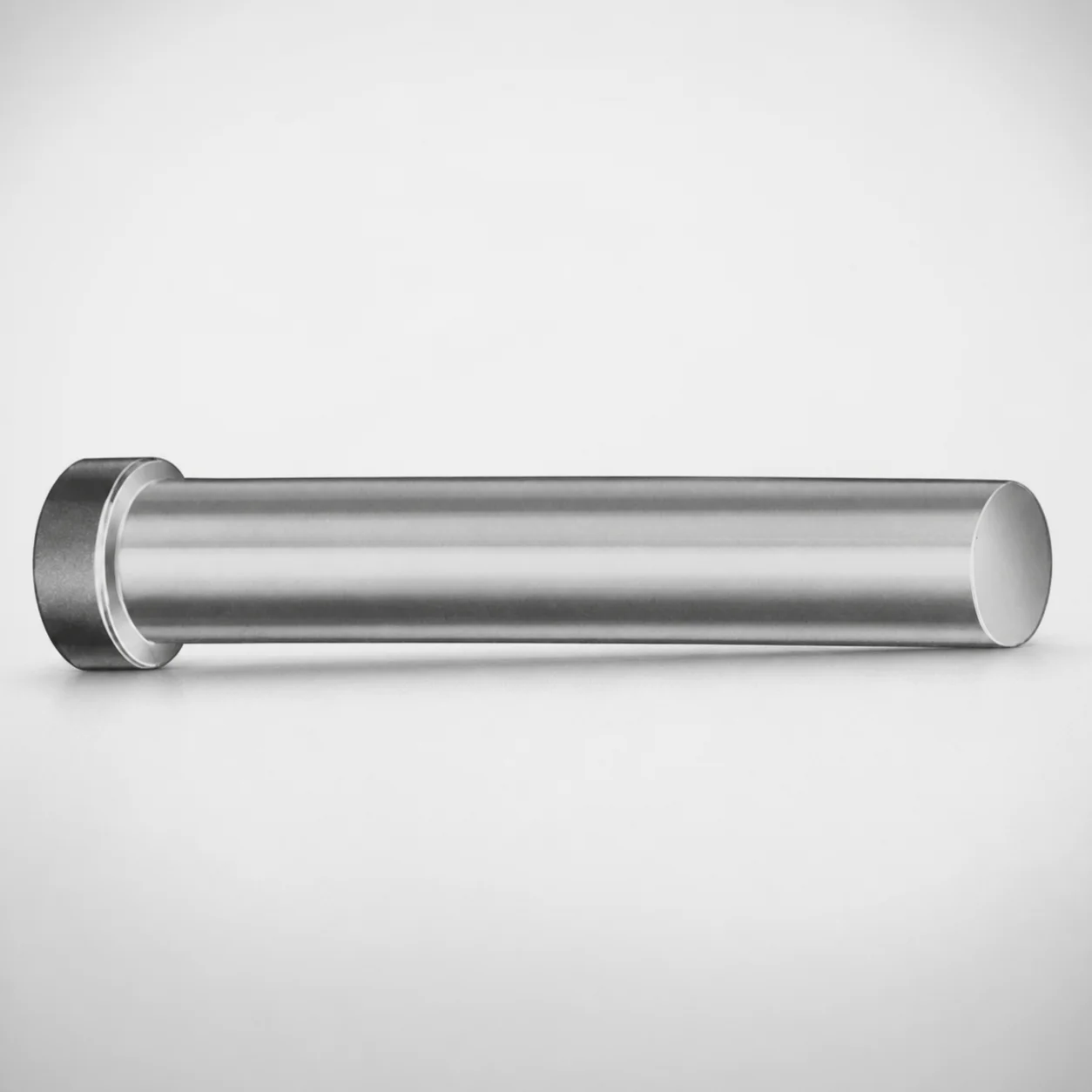
Metric Dayton Straight Regular Punches XVP Coating
Metric Dayton straight regular punches (XVP coating) are designed for consistent material penetration in stamping and forming operations. The coated surface helps manage friction and wear to support stable cycle performance.
- Straight punch geometry for reliable guiding and predictable press feeding
- XVP coating supports improved wear resistance in production runs
- Metric specification for compatibility with standard tool layouts and tooling blocks
- Suitable for high-frequency forming, punching, and progressive die applications
Specifications
1 configurations available
| L (Length) (mm) | P Dimension (mm) |
|---|---|
| 50 ~ 100 | 3 ~ 16 |
Product Guide
Application Scenarios+
This metric straight regular punch is used in metal stamping and forming dies where repeatable penetration, stable press feeding, and long service intervals are critical. Its straight geometry supports predictable guidance during stroke-to-stroke operation, helping reduce misalignment-related variations in hole quality.
- Automotive and appliance sheet-metal punching: The regular punch profile and metric sizing fit common tool layouts, while the XVP coating helps control friction and wear for consistent cycle performance over high-volume runs.
- Progressive die stations: In multi-hit forming lines, stable punch guidance improves part-to-part repeatability; the coating is suited for operations that cycle frequently and demand reliable tooling longevity.
- General forming and trimming applications: The reduced friction and improved wear behavior help maintain dimensional stability during extended production, supporting dependable material penetration.
Choose the coated variant when your process emphasizes high-frequency cycling, tool wear control, and consistent punch-feed behavior.
Material & Process Details+
The provided data specifies an XVP coating applied to a straight regular punch for wear and friction reduction. While the exact base steel grade, hardness level (HRC), and heat-treatment route are not listed in the specifications, the functional intent is clear: enhance surface durability in metal stamping and forming contact conditions.
- Coating performance focus: XVP is selected to improve wear resistance at the punch working surface and to reduce friction, which can lower heat build-up and help maintain stable cutting/punching behavior.
- Trade-offs: Coatings generally prioritize surface hardness and tribology, while toughness and core strength are governed by the underlying tool steel and heat treatment (not provided here).
For material selection comparisons (e.g., HSS vs. hot-work tool steels), request base material and heat-treatment details when hardness and toughness requirements are decisive for your cycle load.
Sizing & Selection Guide+
To select the correct punch dimensions, match the required length (L) and P dimension to your die stack-up and punch holder/tooling system. This series is offered with L = 50 to 100 mm and P = 3 to 16 mm (fixed ranges per specification).
- Match L to die height/work clearance: Use the available length to account for tool block height, stripper/guide spacing, and expected working depth so the punch reaches the required penetration without bottoming.
- Match P to the punch working size requirement: Select the P value that aligns with your cavity/core geometry and the intended hole/feature size in the progressive or single-station die.
- Fit and tolerance considerations: Because the tolerance values are not specified, confirm fit with your punch holder and guide bushing clearances during die design. If your design uses tight wear-fit guidance, verify that the chosen L and P maintain the required assembly alignment.
Use metric tooling layouts to ensure compatibility with standard press and die component dimensions.
Frequently Asked Questions
What dimensions define compatibility for this metric straight regular punch?+
Compatibility is determined by the fixed L length (50–100 mm) and the P dimension (3–16 mm) provided for this series. Select L to suit your die stack-up and working depth, and select P to match the feature size dictated by your cavity/core geometry. Confirm punch-holder and guide/bushing fit since tolerance data is not listed in the specifications.
How does the XVP coating help in progressive die and high-frequency stamping?+
The XVP coating is intended to reduce friction and improve wear resistance at the punch surface. In progressive die stations, this supports more stable punching behavior across many cycles, helping reduce performance drift that can affect part-to-part consistency. The straight geometry also improves guidance during each stroke.
Is this punch suitable for metal forming operations beyond simple punching?+
Yes. The application description targets stamping and forming, including progressive die applications and general forming/trimming tasks. The coating and straight regular punch geometry are used to maintain stable material penetration and reduce wear and friction under repeated contact.
What base material grade, hardness (HRC), or heat treatment does this punch use?+
The provided product data specifies the XVP coating but does not list the underlying steel grade, hardness in HRC, or heat-treatment state. If your application requires specific toughness or surface hardness targets, request the base material specification and heat treatment details from the supplier before final die approval.
How do I choose the correct L length to avoid punch bottoming in my die stack?+
Select an L value within 50–100 mm that accounts for your tooling stack height, guide/stripper clearance, and the required penetration depth. Because only the length range is provided (not tolerances or working engagement limits), verify assembly clearances in the die design to ensure the punch does not bottom out during full stroke.
Related Products
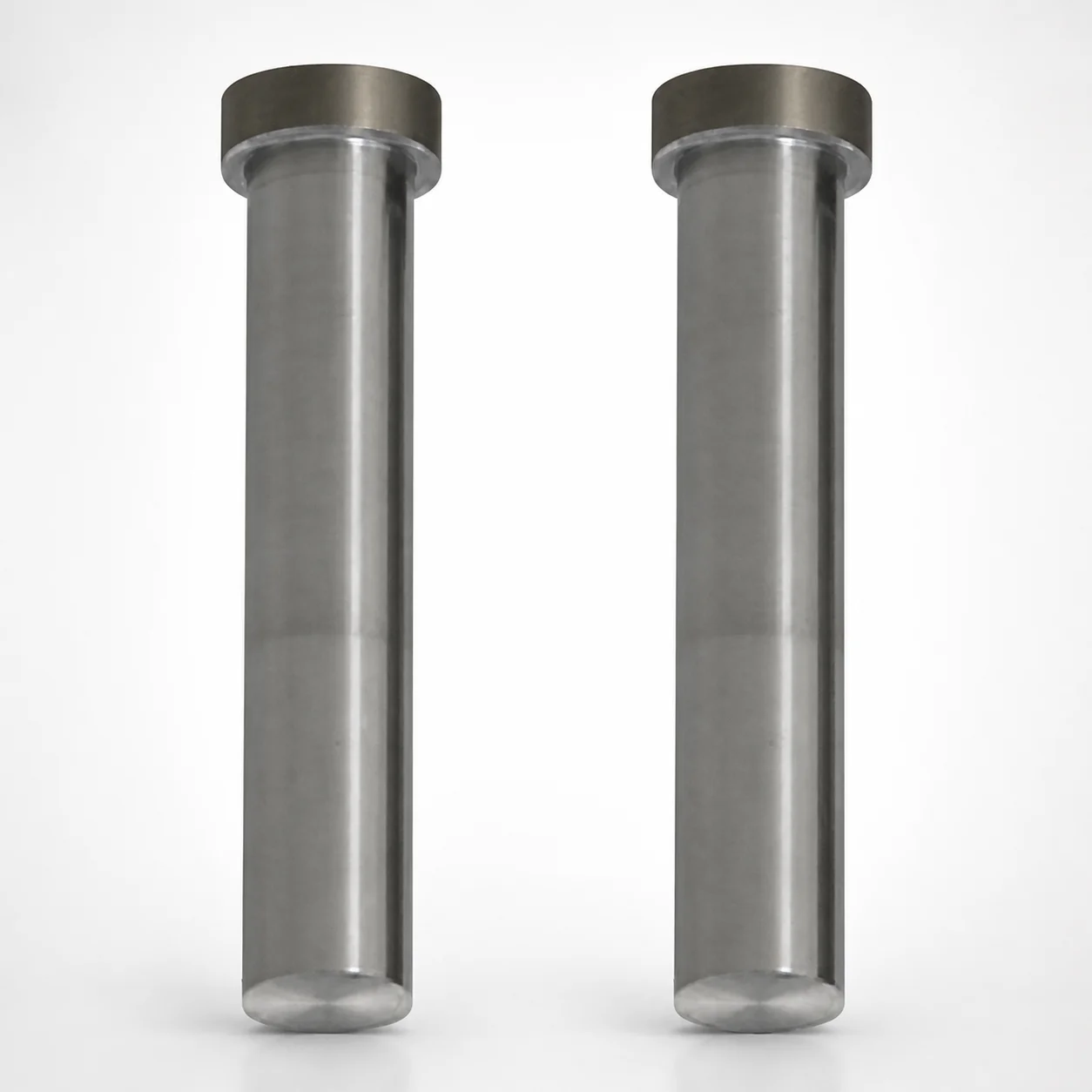
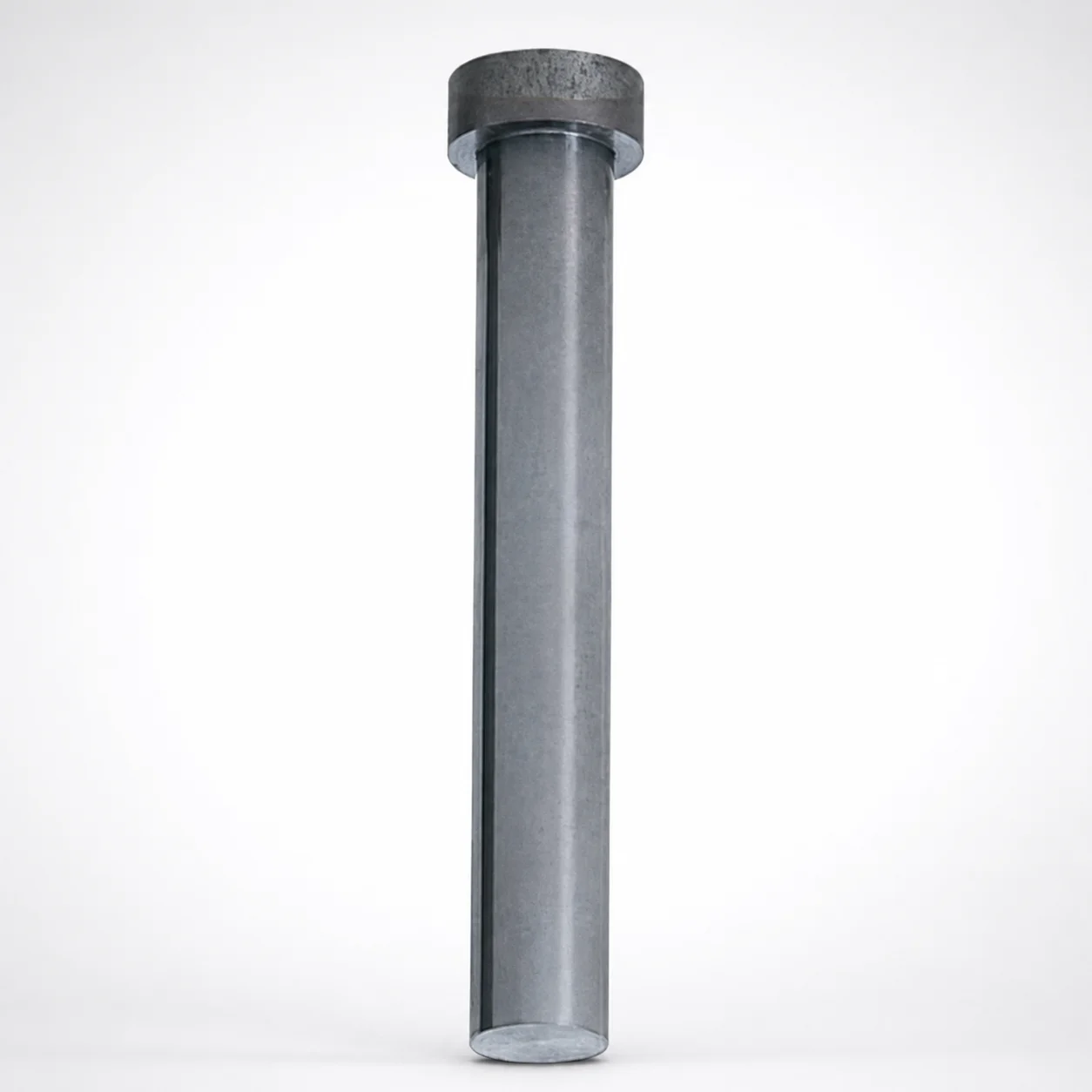
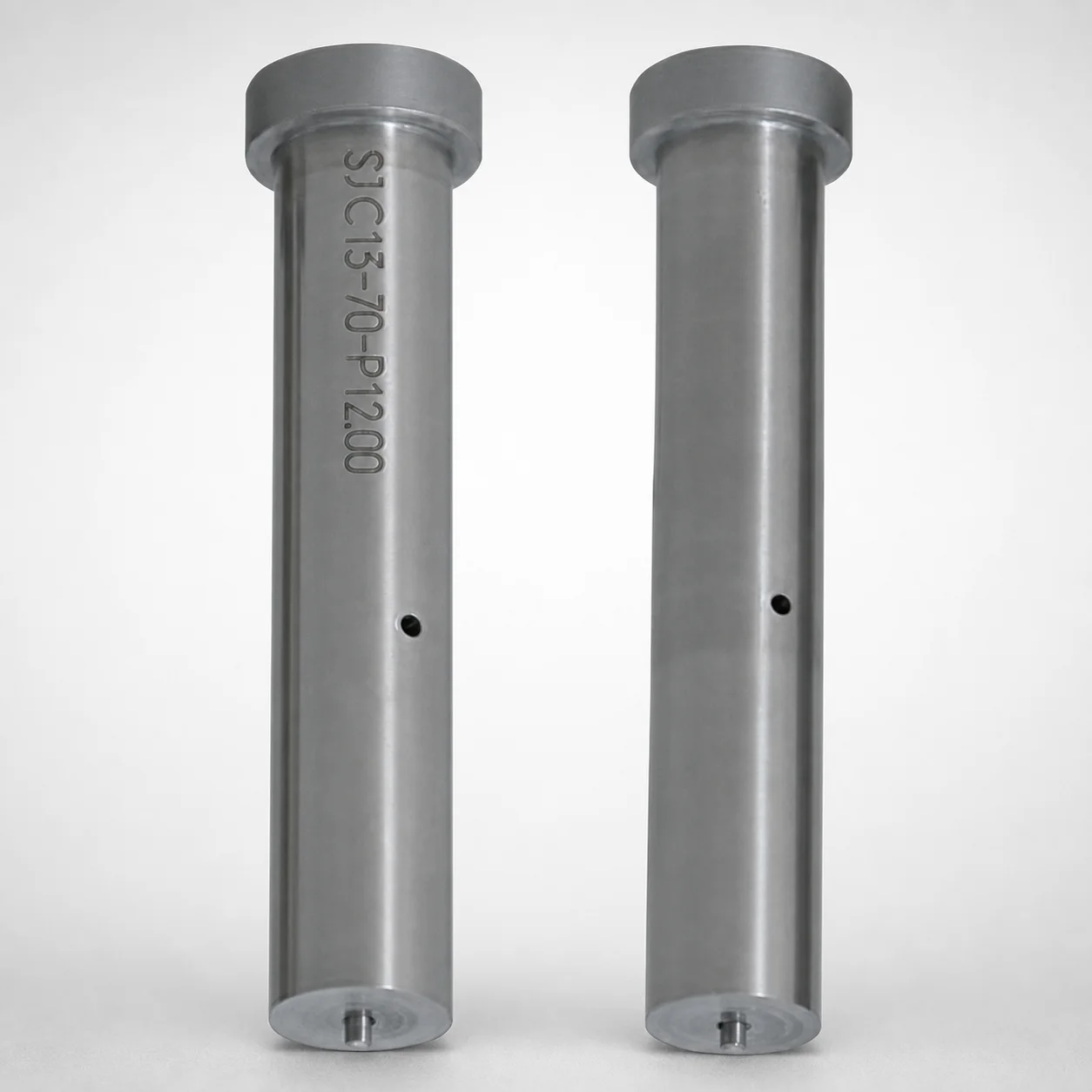
Need Custom Specifications?
Our engineering team can help with custom configurations, material selection, and volume pricing.