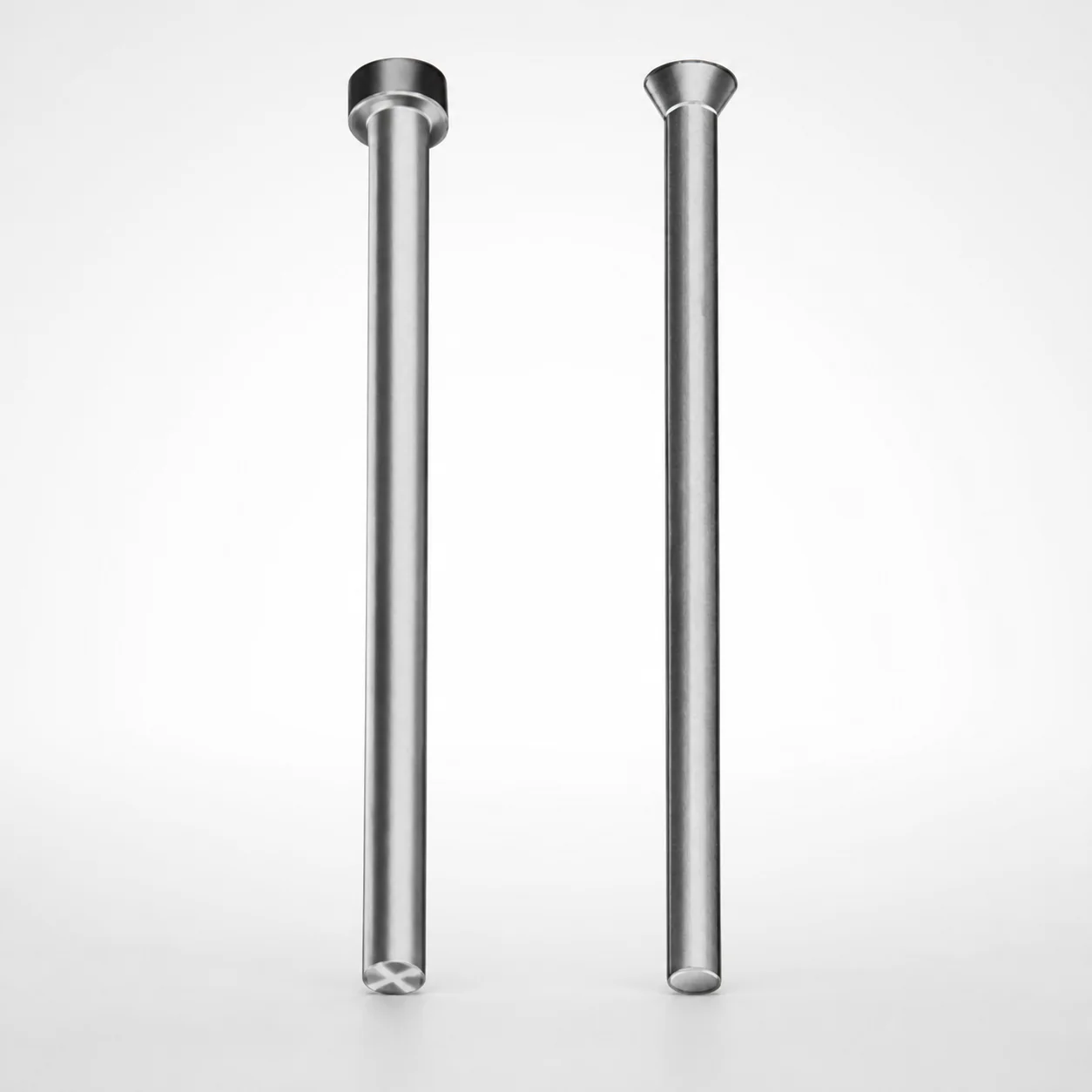
Metric Close Space Straight Punches with XCD Coating
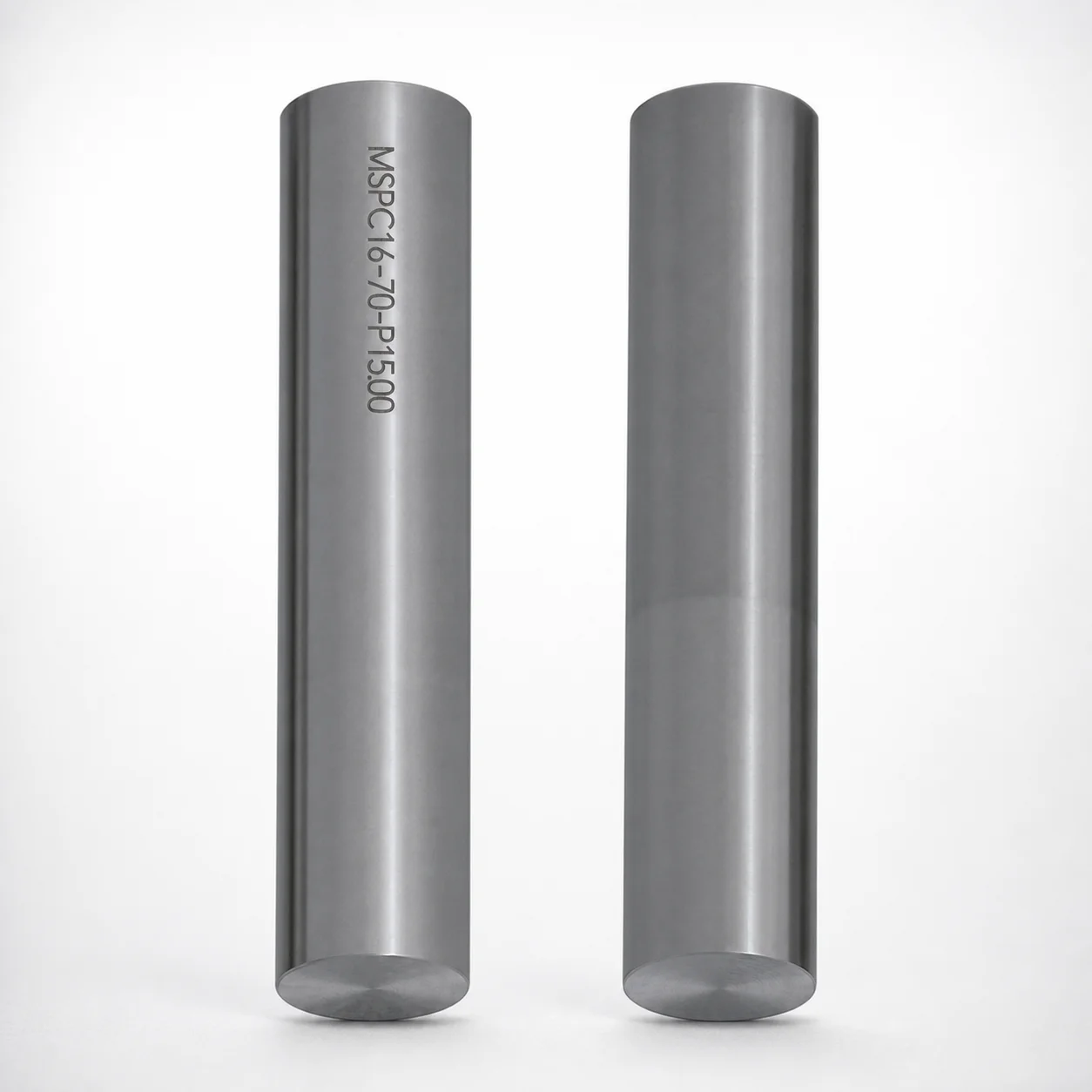
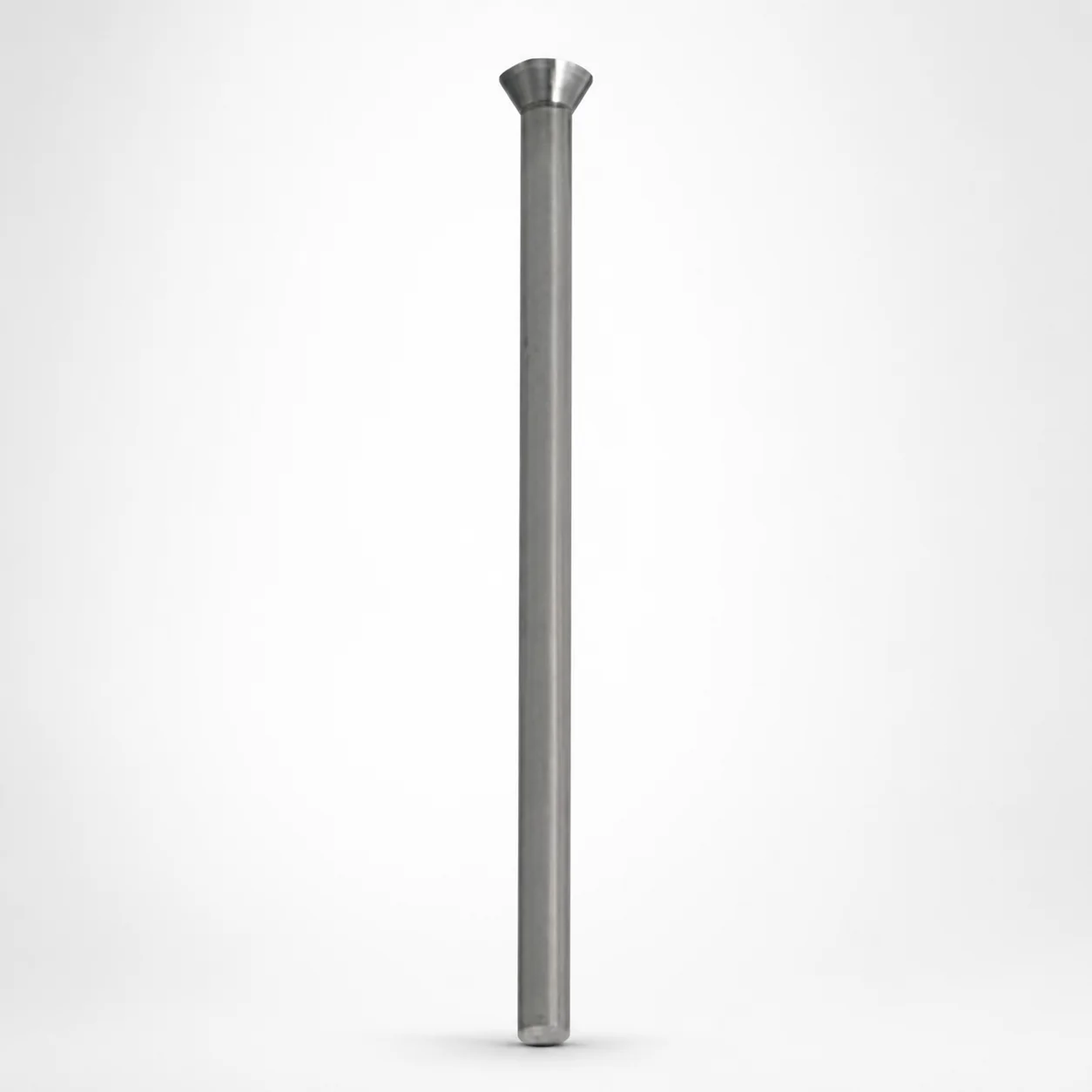
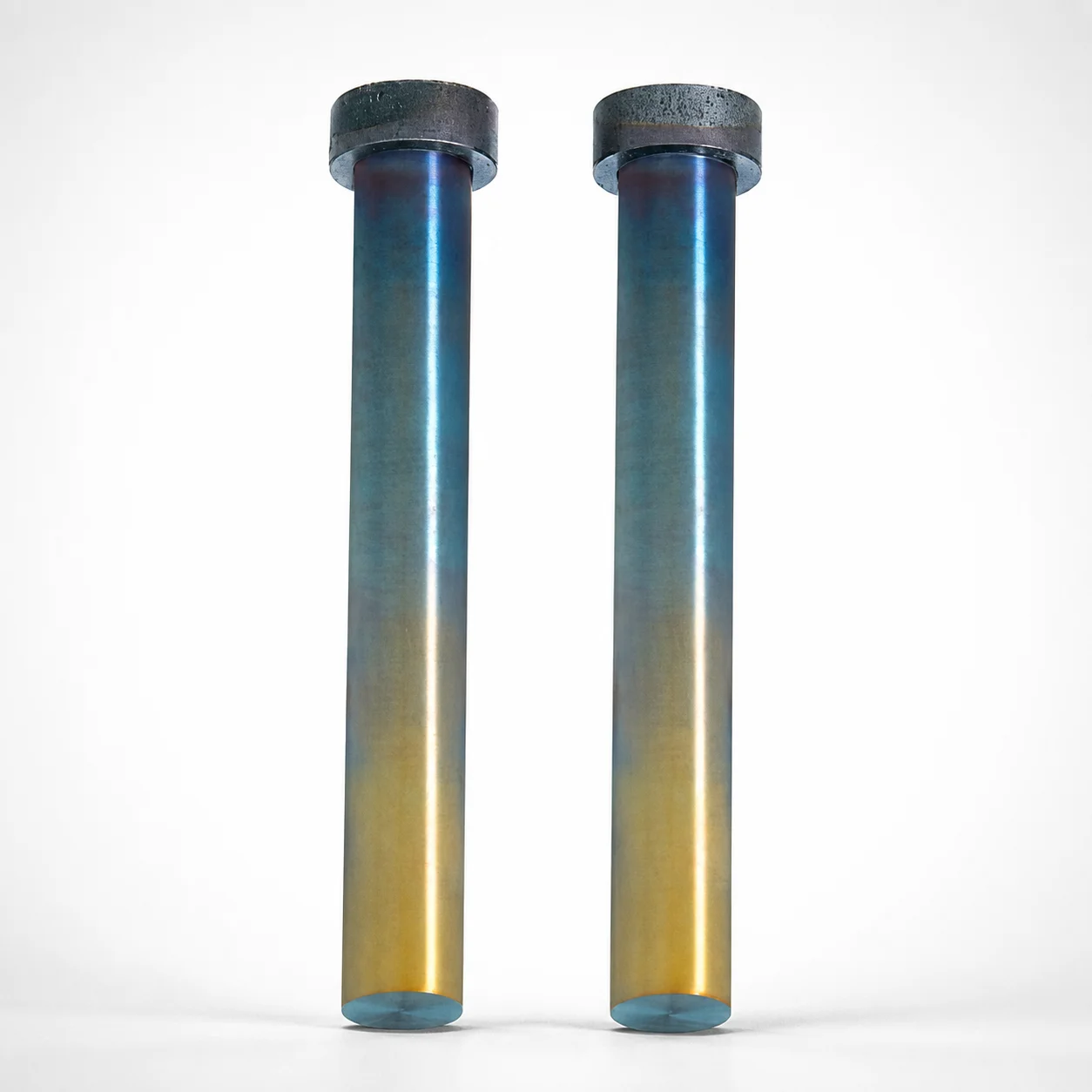
Metric close space straight punches with XCD coating are designed for precise alignment in limited-clearance forming and punching operations. DAYTON punching components help reduce wear while maintaining consistent process stability.
- Close-space straight geometry for reliable tool guidance
- XCD coating supports improved wear resistance
- Versatile metric sizing options for assembly compatibility
- Used in progressive dies, forming stations, and die sets
Specifications
2 configurations available
| Type | L (Length) (mm) | P Dimension (mm) |
|---|---|---|
| Angled head - AWX | 40 ~ 100 | 0.8 ~ 7 |
| Regular head - AXX | 40 ~ 100 | 0.8 ~ 7 |
Product Guide
Application Scenarios+
Close-space straight punches are used in progressive dies and forming stations where the punch must stay accurately guided inside a limited clearance window. The angled-head (AWX) or regular-head (AXX) variants provide stable alignment across each press stroke, helping maintain consistent contact and part geometry.
- Automotive and appliance stampings: Ideal for producing repetitive sheet-metal holes and lances where tool guidance reduces lateral wobble and supports stable cycle performance.
- Precision die sets for small features: The close-space design suits tight die/punch relationships, and the XCD coating helps improve wear resistance during high-throughput punching.
- Die maintenance-focused production: Controlled fit and improved wear characteristics can extend effective tool life between resharpening or replacement cycles.
XCD-coated surfaces are especially suited when you need predictable guidance and lower friction-related wear in the restricted die environment.
Material & Process Details+
The provided specifications define geometry and coating performance (XCD) for these metric close-space straight punches, but no steel grade or hardness level is listed in the input data. Therefore, exact values for HRC, specific alloy identity, or heat-treatment state (e.g., quench & temper, nitriding) cannot be stated from the current dataset.
- XCD coating: Selected to enhance wear resistance and reduce damage from repeated punching contact.
- Wear vs. toughness trade-off: In practice, punch coatings typically improve surface durability while the underlying tool steel toughness governs resistance to chipping under intermittent loading.
- Variant note: Angled head (AWX) and regular head (AXX) affect load transfer and alignment behavior, which can influence surface wear patterns.
If you share the steel grade or drawing data for SKU/series 250301353913, material-specific heat treatment and HRC can be documented precisely.
Sizing & Selection Guide+
Select the punch dimensions to match the die tooling’s close-space requirement and the clearance envelope of the punch guide. This series provides fixed L (length) = 40–100 mm and fixed P dimension = 0.8–7 mm, with different head types depending on your tooling layout (AWX angled head, AXX regular head).
- Match L to tool stack-up: Choose a length that supports full working engagement without excessive protrusion. Use the required build height and stripper/ejector clearance to confirm the punch doesn’t overextend in the station.
- Match P to close-space geometry: Set the P dimension according to the die/punch close-space and alignment features so the guidance functions within the intended clearance window.
- Head type selection: Use AWX where angled-head geometry improves how the punch seats/loads in your fixture; use AXX for standard straight seating behavior.
Because tolerance ranges are not provided in the input data, confirm fit against your die drawing and existing punch pockets/guide dimensions before committing to production.
Frequently Asked Questions
Which head type should I choose for limited clearance tooling: AWX angled head or AXX regular head?+
How do I determine the correct punch length (L) for my progressive die station?+
What does the P dimension (0.8–7 mm) control in close-space guidance?+
Does the XCD coating change wear performance in high-cycle punching?+
Can I use this series across different die sets because it is metric?+
Related Products
Need Custom Specifications?
Our engineering team can help with custom configurations, material selection, and volume pricing.