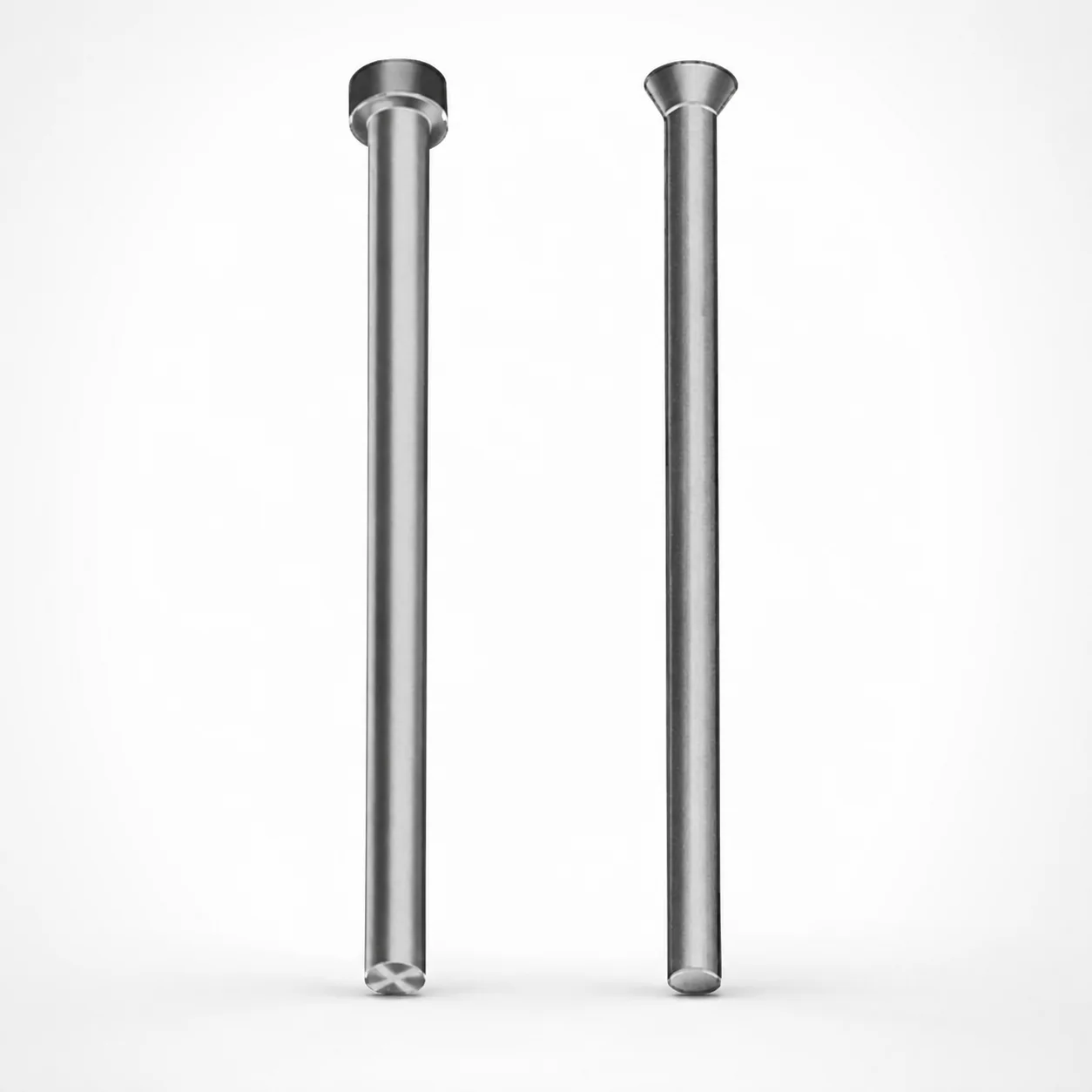
Metric Close Space Straight Punches with XVP Coating
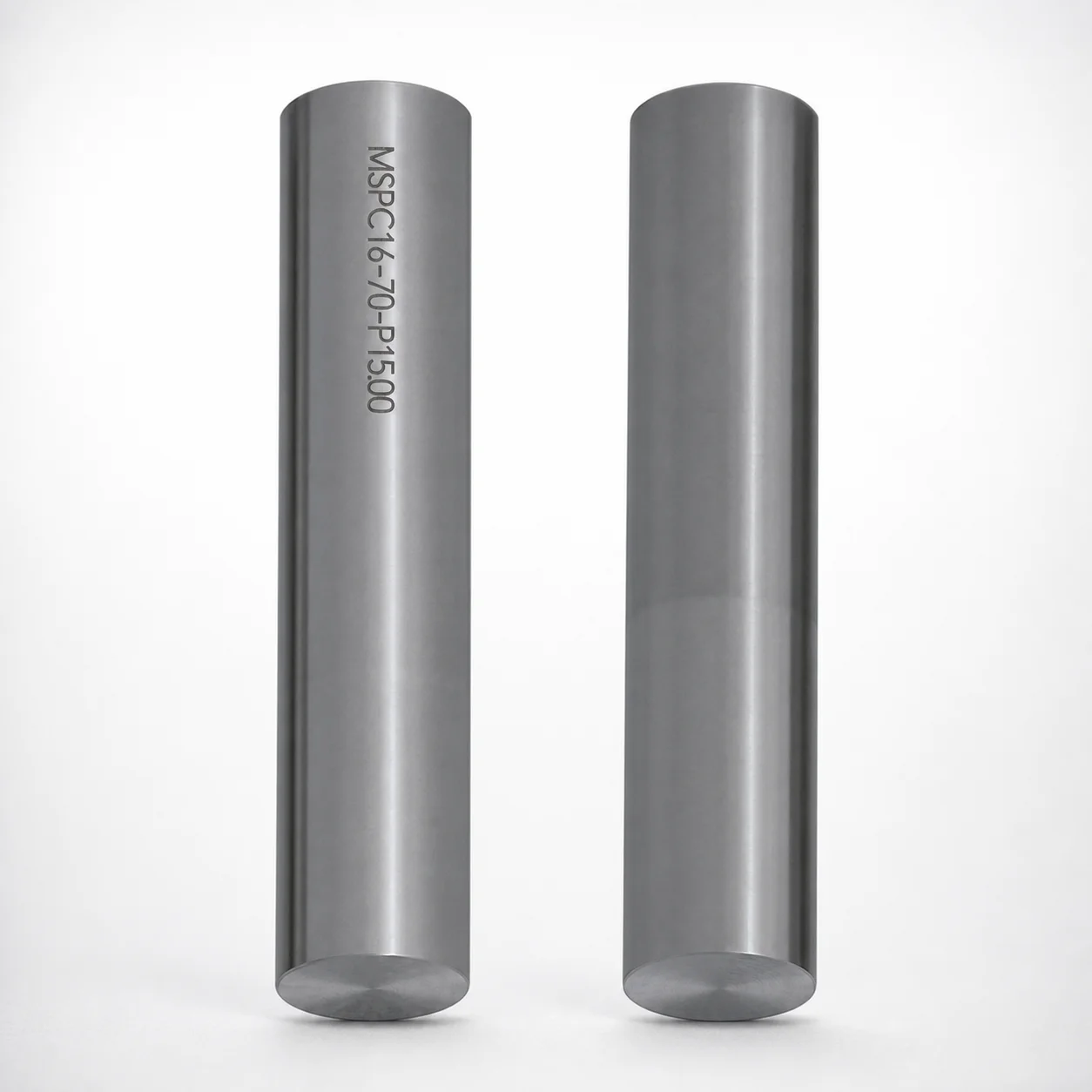
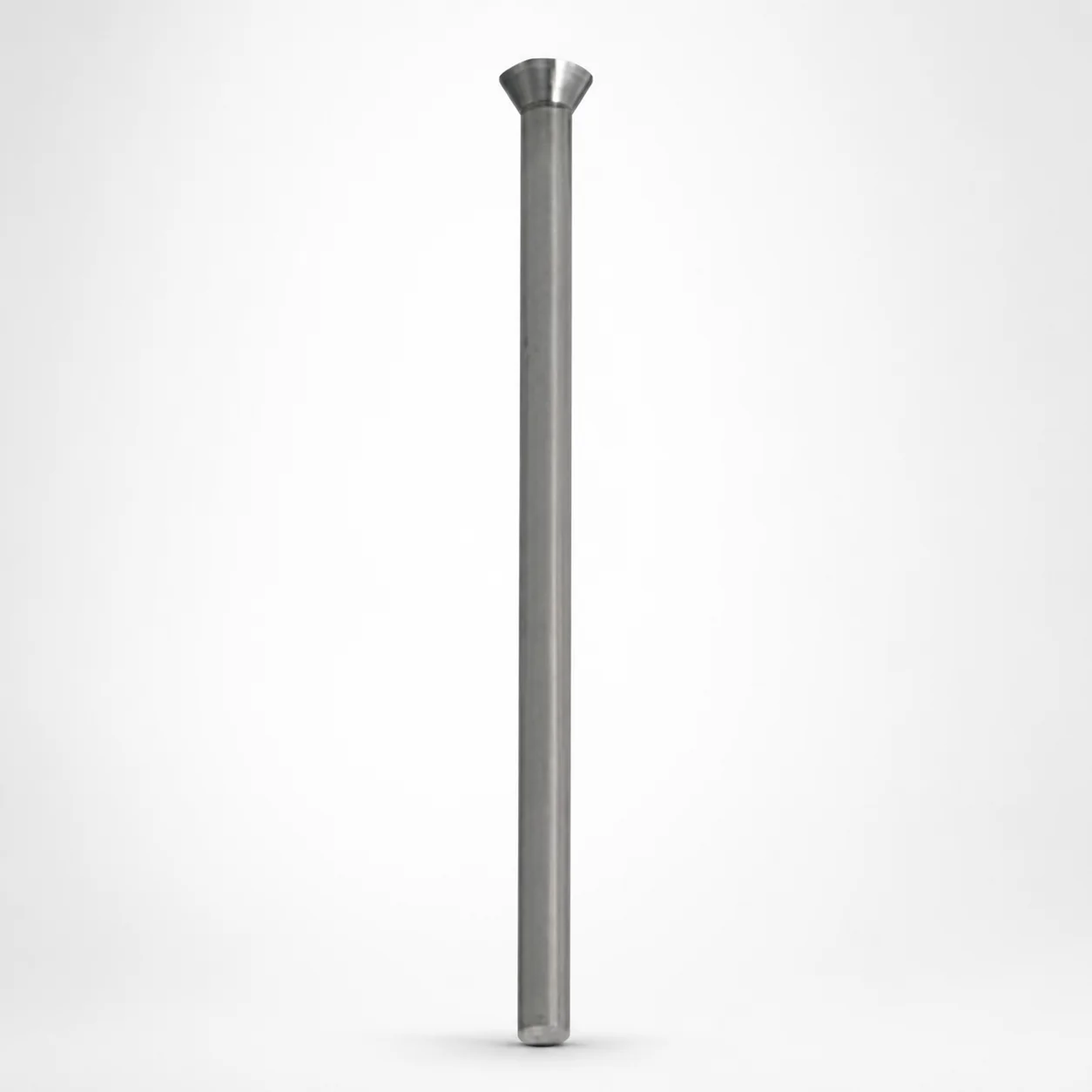
Close space straight punches (Metric) from DAYTON (XVP coating) are designed for clean, stable punching in tight die cavities. The coating supports reliable tooling life for repeated production.
- Close space straight punch geometry for controlled alignment in die spotting
- XVP coating helps improve surface wear resistance during service
- Consistent punch form with regular head or angled head options
- Metric setup for standard die and press applications requiring stable forming
Specifications
2 configurations available
| Type | L (Length) (mm) | P Dimension (mm) |
|---|---|---|
| Angled head - AWX | 40 ~ 100 | 0.8 ~ 7 |
| Regular head - AXX | 40 ~ 100 | 0.8 ~ 7 |
Product Guide
Application Scenarios+
Close space straight punches are used in injection and stamping tooling where the punch must guide material flow within very tight die openings. In automotive bracket and connector trimming operations, the angled or regular head geometry helps maintain stable alignment during die spotting and repeated cut cycles.
In electronics and appliance housings applications, these metric punches support clean shearing in tight cavities, helping reduce edge variability and keeping the punch consistent across long production runs.
The XVP coating variant is suited for these environments because it improves surface wear behavior during service, which is critical when frequent spotting/trim exposes punch faces to abrasive wear and sliding contact against die steel. Choose the angled head version when you need extra control for material positioning at the die interface, or the regular head when straightforward guidance is sufficient.
Material & Process Details+
The provided specification set focuses on the geometry and XVP surface coating, so specific base steel grade and hardness (HRC) are not stated in the input data. For material selection, the key engineered feature here is the XVP coating, which is intended to improve wear behavior at the punch surface during trim and die spotting.
Heat treatment: no quench-and-temper, nitriding, or other heat-treatment state is specified in the input parameters, so it cannot be confirmed for this series. When integrating into a mold tool stack, match coating and base-tool metallurgy to the die steel hardness and expected abrasive conditions.
- Wear resistance focus: XVP coating is selected to extend tooling life by reducing surface wear under repeated contact.
- Toughness trade-offs: higher surface hardness/coatings typically improve wear but can be more sensitive to edge chipping if misaligned—ensure tight guidance using the close-space geometry.
If multiple coatings or steels are available for the same geometry in your procurement configuration, verify the supplied material grade and hardness before final design freeze.
Sizing & Selection Guide+
Selection is driven by the series’ fixed size ranges and the die interface requirements for close-space punching. First choose the head type: Regular head (AXX) or Angled head (AWX), depending on how your die spotting and material positioning need to be guided.
Then match the L (Length) in mm: this series supports 40 ~ 100 mm. Use length to ensure the punch provides the required engagement depth without bottoming out in the guide system or interfering with stripper/holder components.
For the working tip/contact clearance, use the fixed P dimension (mm) = 0.8 ~ 7. P should align with the required close-space condition between punch and die opening for stable forming and consistent cut quality.
- Fit and tolerance: because close-space punching is alignment-critical, confirm the allowable clearance for both punch and die insert under your press deflection expectations.
- Configurable vs fixed: head type is configurable (AWX/AXX) while L (40–100 mm) and P (0.8–7 mm) are constrained to the specified ranges.
Frequently Asked Questions
When should I choose the angled head (AWX) versus the regular head (AXX) configuration for close-space die spotting?+
How do I select the correct punch length L for this series (40–100 mm) to avoid bottoming or insufficient engagement?+
What does the P dimension (0.8–7 mm) control in close-space punching, and how should it be matched to the die opening?+
What benefits does the XVP coating provide for trim and die spotting wear behavior?+
Can I assume specific base steel grade or hardness (HRC) for this series from the provided specifications?+
Related Products
Need Custom Specifications?
Our engineering team can help with custom configurations, material selection, and volume pricing.