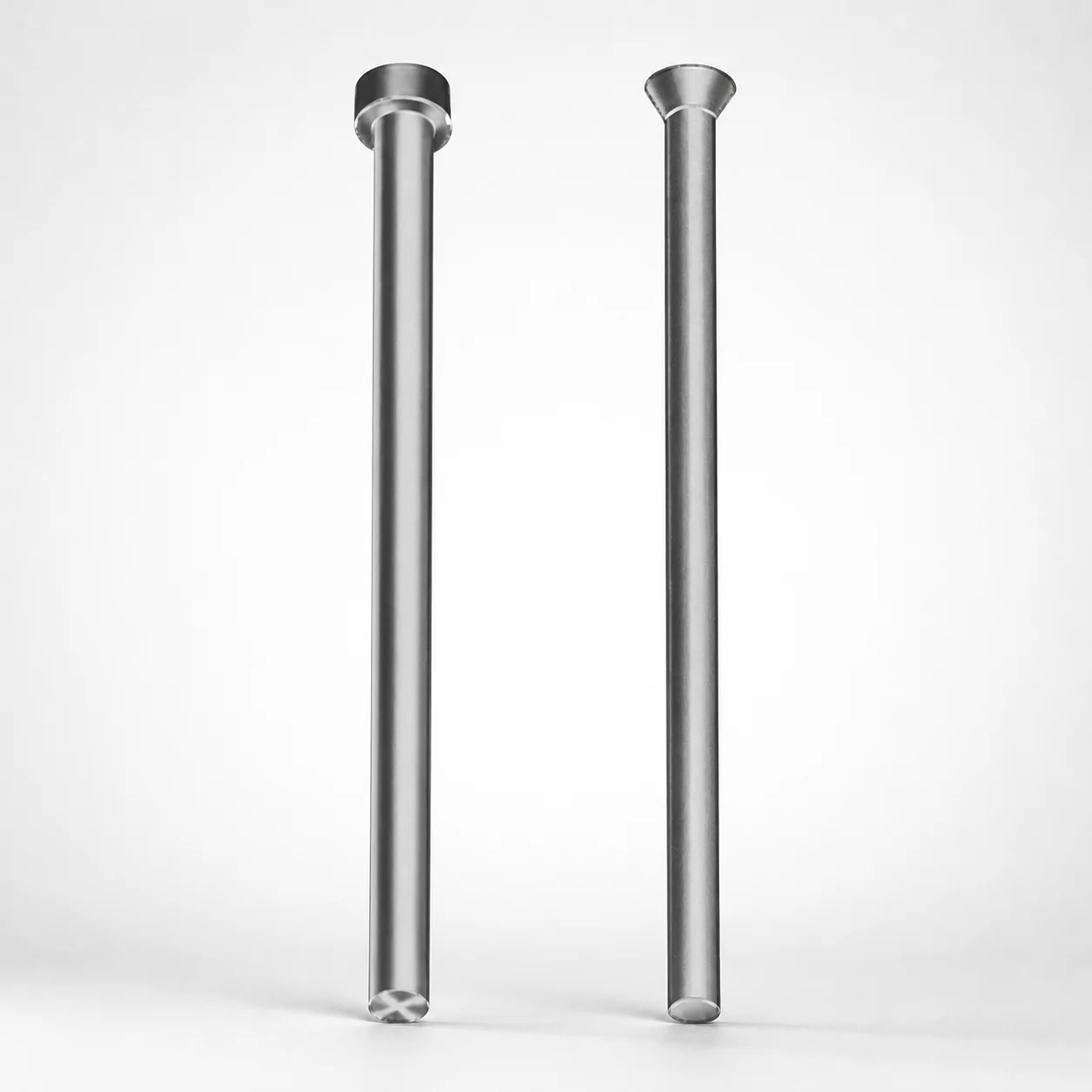
Close Space Straight Punches - Inch, XNM Coating
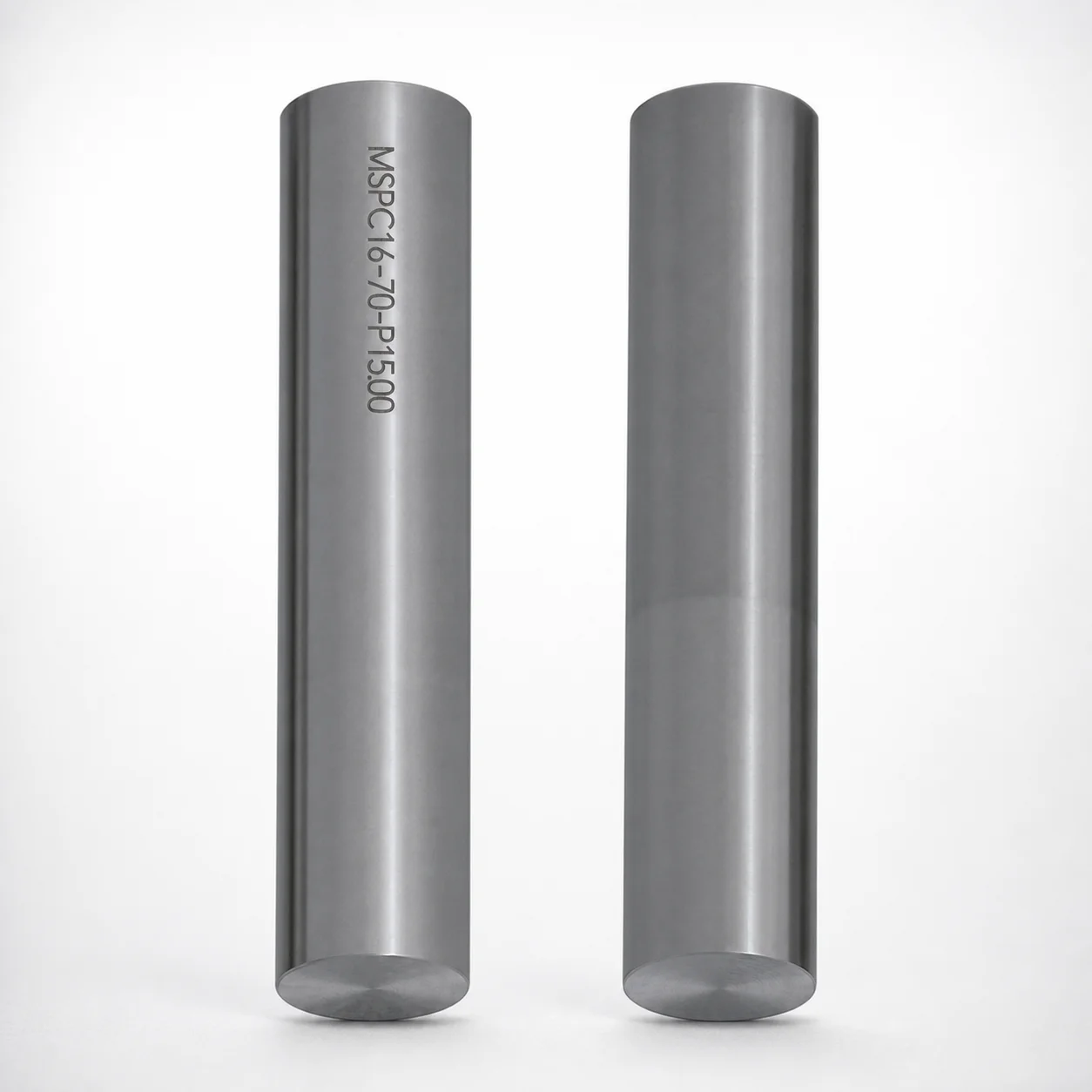
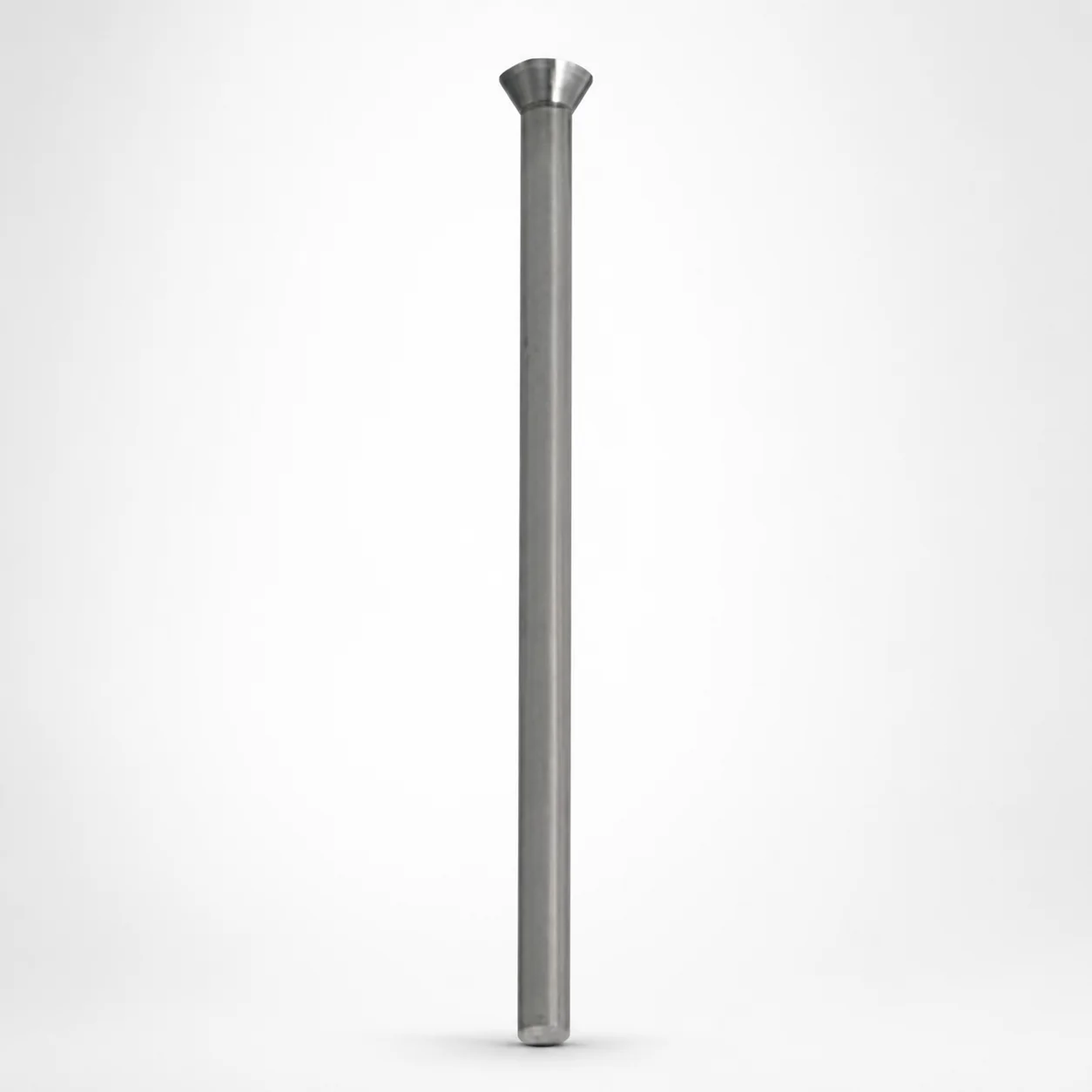
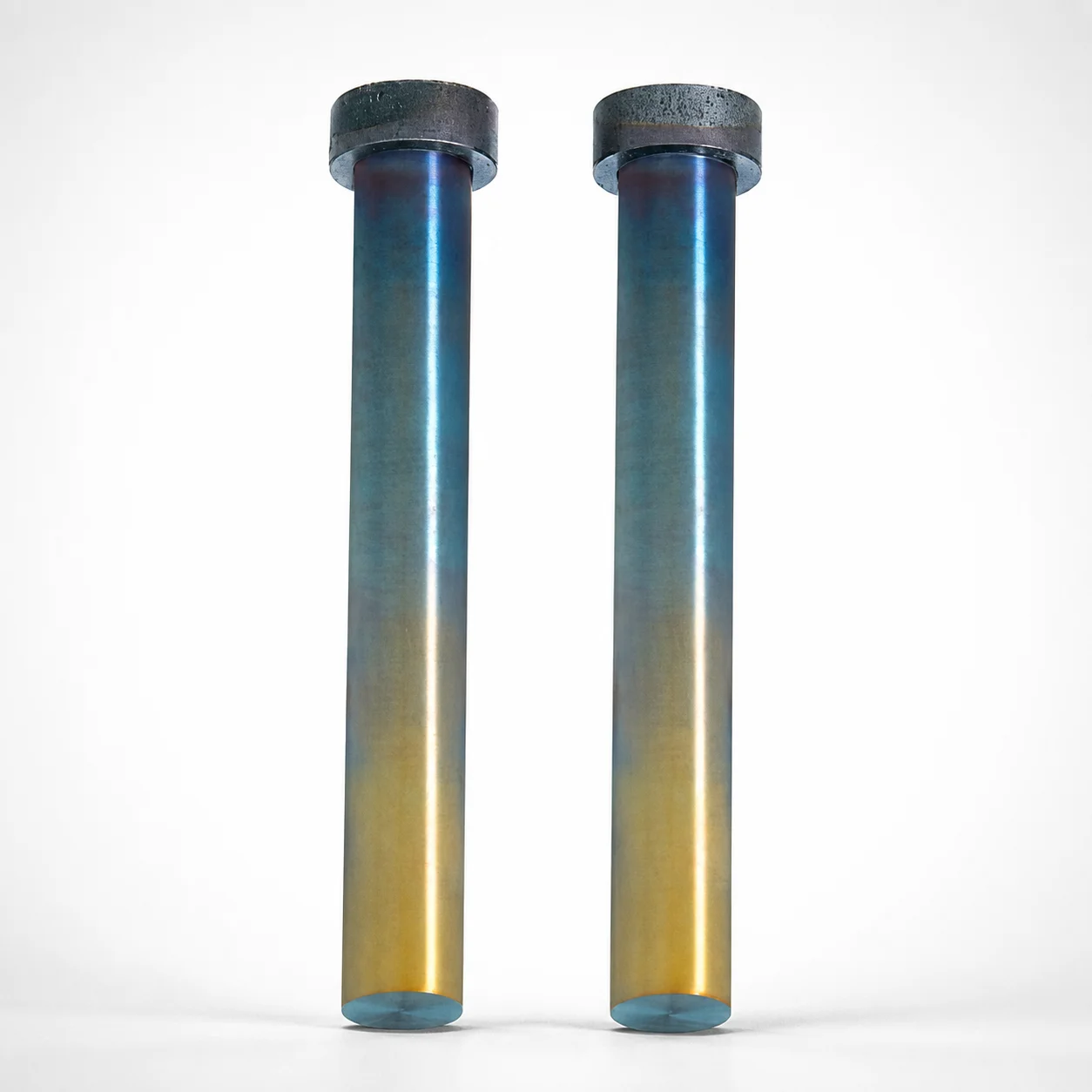
Close Space Straight Punches - Inch, XNM Coating from DAYTON are designed for straight punching in tight-clearance die sets, helping maintain punch alignment and reliable part ejection. The XNM coating supports controlled wear and consistent performance across production runs.
- Standardized DAYTON part numbering for easier internal tracking and ordering
- Inch straight punch suitable for close-space applications
- Coating designed to support durable wear resistance during repeated punching
- Factory-grade punch build for production die maintenance and stable output
Specifications
2 configurations available
| Type | L (Length) (in) | P Dimension (in) |
|---|---|---|
| Regular head - KCX | 150 ~ 400 | 0.04 ~ 0.25 |
| Angled head - KWX | 150 ~ 400 | 0.04 ~ 0.25 |
Product Guide
Application Scenarios+
Where it’s used: These close-space straight punches are intended for precision injection molding/tooling processes that rely on accurate straight punching and consistent ejection in tight die clearances.
Scenario 1 – Automotive connector or terminal tooling: In high-cycle production, the punch must stay aligned while stripping or forming features within narrow workpiece clearances. The close-space geometry helps maintain guidance and supports stable ejection.
Scenario 2 – Consumer electronics housings: For housings with tight feature tolerances, the controlled wear behavior supported by the XNM coating helps reduce variability in punch performance over repeated cycles.
Scenario 3 – Medical device component dies: When stable part-to-part repeatability is required, the regular/angled head variants (KCX/KWX) allow the tooling designer to match the punch engagement style to the cavity/core layout.
- The inch format targets die sets built to inch-based dimensioning.
- Tight clearance compatibility improves alignment during punching operations.
- XNM coating is selected to support durable wear resistance for production runs.
Material & Process Details+
Material & heat treatment: The provided data specifies a KCX (regular head) and KWX (angled head) type and an XNM coating, but it does not list the underlying steel grade or a defined heat-treatment state (e.g., quench & temper, nitriding). Therefore, hardness (HRC) and exact microstructure cannot be stated from the available specifications.
Coating role (XNM): The XNM coating is used to enhance wear resistance and help maintain consistent punching performance over repeated cycles. In practice, coatings improve surface durability, which can reduce dimensional drift and help preserve punching stability in tight-clearance tooling.
- Trade-off: As with most coated punches, coating selection prioritizes wear control; the base material’s toughness characteristics would govern impact/edge brittleness, but specific values are not provided here.
- Variant note: KCX vs. KWX affects the head engagement geometry rather than the stated steel grade/coating chemistry.
Sizing & Selection Guide+
Key dimensions to match: Select the punch length L = 150 to 400 in and the close clearance-related P dimension = 0.04 to 0.25 in according to the required penetration depth and the clearance envelope in your die set.
How to choose L: Use the required working length from your tool design (distance from reference shoulder to the punching/working surface) to pick an L within 150–400 in. Ensure the punch protrusion supports controlled contact without bottoming in the guide area.
How to choose P: The P dimension (specified as 0.04–0.25 in) should be aligned with the tight-clearance requirement of the cavity/core and the stripper/support surfaces. This ensures the punch geometry operates within the designed clearance window.
- Head style compatibility: Choose KCX (regular head) or KWX (angled head) to match your punch engagement and clearance to surrounding tooling.
- Tolerance/fit: Verify your die drawings’ clearance and alignment tolerances against the specified inch dimensions, since the input data does not provide tolerance values for L or P.
Frequently Asked Questions
What are the available punch head types for this series (KCX vs KWX) and when should I choose each?+
How do I select the correct length (L) for tight-clearance die tooling?+
What P dimension range is available and how does it relate to close-clearance performance?+
Does the XNM coating target wear resistance for high-cycle production?+
Is the series specified in inch units, and does that affect compatibility with my existing tooling?+
Related Products
Need Custom Specifications?
Our engineering team can help with custom configurations, material selection, and volume pricing.