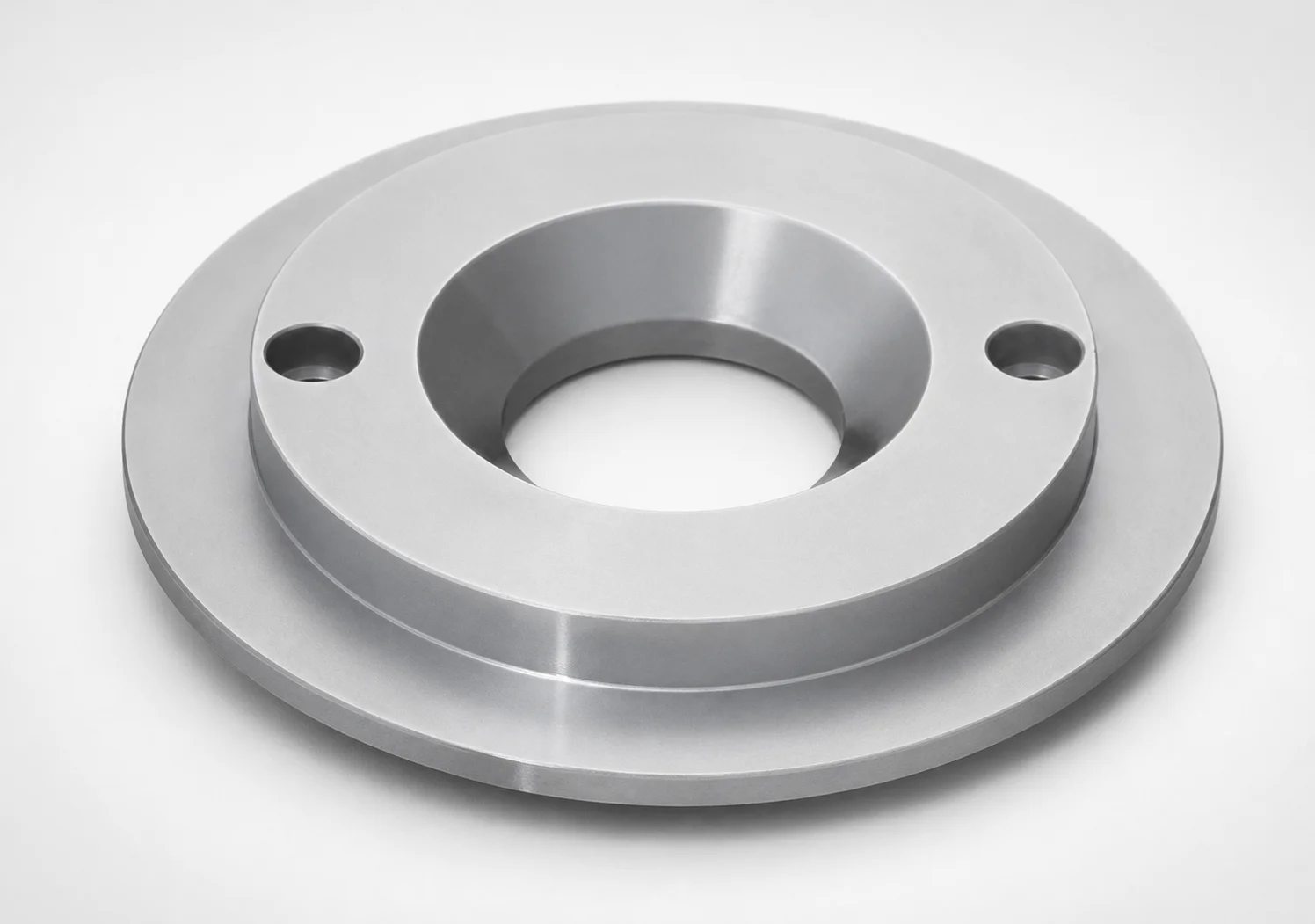
JIS Standard LRJST Runner Lock Pin Presser Locating Rings with Countersink
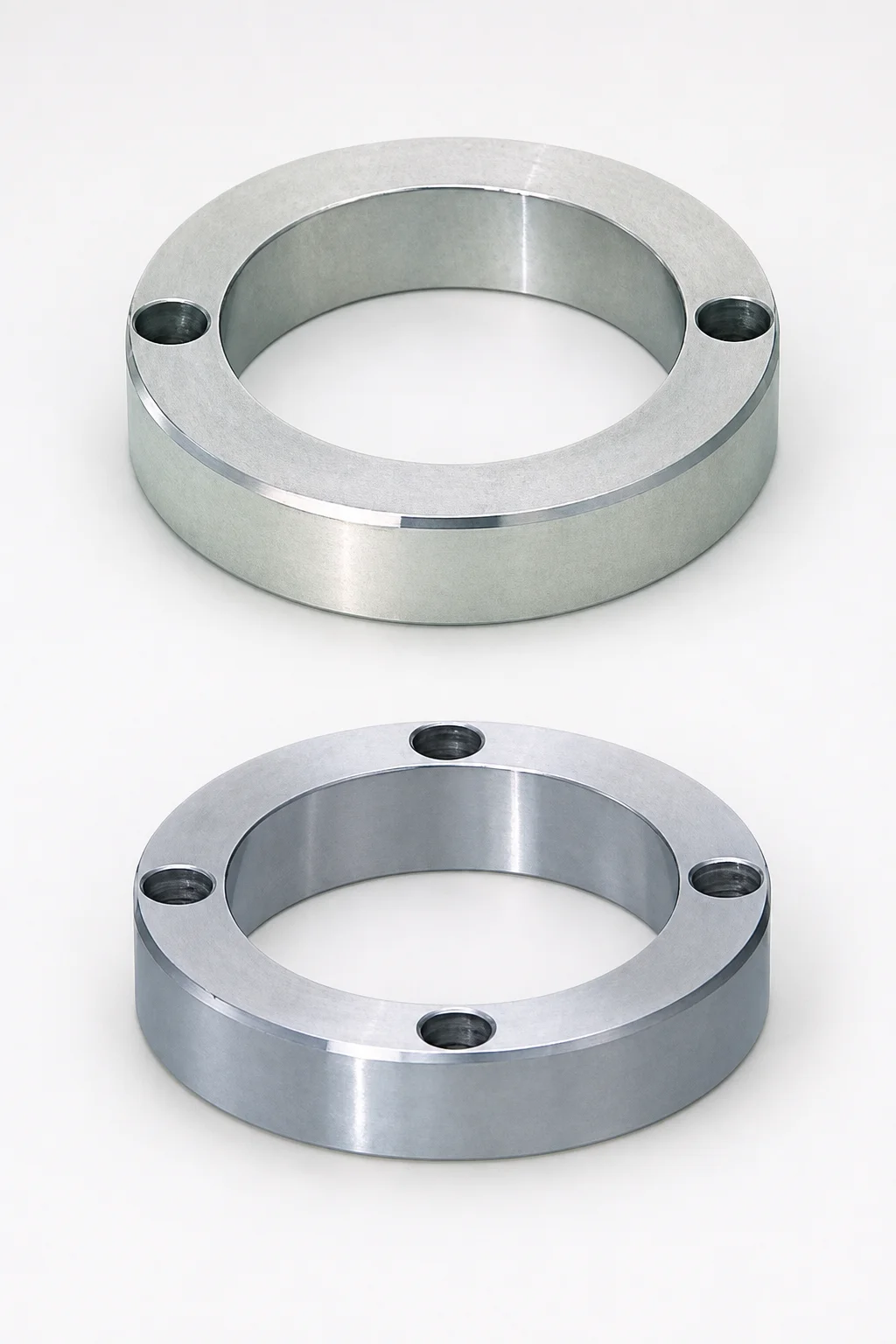
Runner lock pin presser locating rings with countersink (LRJST, JIS) are designed for precise runner lock positioning using two-bolt fastening. Built to support both bolt type and shoulder type sprue systems for reliable alignment in production.
- Runner lock pin presser foot style for consistent locking and repeatable positioning
- LRJST (JIS Standard) construction supports dependable mold interface fit
- Two 2-bolt holes enable stable installation and secure retention under cycling
- Countersink form helps improve seating for runner-related locking components
Specifications
2 configurations available
| T (Height) (mm) | type |
|---|---|
| 15 | - |
| 20 | - |
Product Guide
Application Scenarios+
These JIS LRJST locating rings are used in injection mold tooling to establish repeatable positioning of runner lock pin presser components. In runner-area assemblies, the countersink and presser-style interface help achieve consistent seating so the runner locking system engages uniformly from shot to shot.
- Automotive and industrial connector molds: Used on sprue/runner locking interfaces where high clamp force cycling demands stable retention through the two-bolt hole fastening pattern.
- General-purpose hot/cold runner molds with bolt sprue types: The LRJST (JIS) standard interface supports reliable mold-to-component fit, reducing variability in runner lock location.
- Molds using shoulder sprue variants: The same locating ring style supports consistent alignment for shoulder-type sprue systems, helping maintain runner geometry during production.
With available T (Height) of 15 or 20 mm, this variant can be matched to the required build-up height at the runner lock interface.
Material & Process Details+
The provided specifications focus on the LRJST locating ring geometry (including countersink and bolt-hole layout) and do not list a specific steel grade or heat-treatment state. As a result, material properties such as hardness (HRC), wear resistance level, or whether the part is nitrided / quenched & tempered cannot be confirmed from the input data.
When selecting a material for runner lock locating components, engineers typically balance wear resistance (to resist fretting and locking-surface abrasion) against toughness (to prevent chipping under repeated load). If you need an exact grade-to-spec statement for this series, request the material certificate or datasheet for series_code 110200152170.
- Confirm grade: ask for the steel specification and any surface treatment (e.g., nitriding) used for the LRJST version.
- Verify hardness: obtain the stated HRC range for the locking/contact surfaces.
Sizing & Selection Guide+
Selection is driven by matching the runner lock interface height and the fastening layout. This LRJST locating ring is available with T (Height) values of 15 mm and 20 mm; choose the height that aligns the runner lock pin presser seating position with your runner lock design.
- Match T to cavity/core stack-up: ensure the ring height positions the locking interface correctly relative to the sprue/runner components.
- Counter-sink seating: use the countersink to achieve proper flush seating for the runner locking components, reducing positional drift under cycling.
- Two-bolt fastening: confirm your base plate or sprue pocket provides compatible hole placement for the two bolt holes so tightening loads distribute evenly.
If the mold design references a specific JIS LRJST interface, maintain the standard interface geometry to preserve the intended fit. Tolerances for fit are not provided in the input data; verify local tolerances during CAD check against the mating sprue/runner lock hardware.
Frequently Asked Questions
Does the LRJST runner lock pin presser locating ring support both bolt-type and shoulder-type sprue systems?+
Yes. The provided description states that the LRJST locating rings are intended to support both bolt type and shoulder type sprue systems for reliable alignment during production.
Which mounting layout is used—how many bolt holes and what type (bolt vs. shoulder)?+
This LRJST variant includes two-bolt holes for stable installation and secure retention under cycling.
The meta description further indicates compatibility for both bolt and shoulder sprue types, so the ring geometry is intended to work across those mating interfaces.
What height options are available for series_code 110200152170?+
The specification parameter lists T (Height) as 15 mm and 20 mm.
Select the value that matches your runner lock interface build-up and seating position requirements.
Is a specific steel grade or hardness (HRC) provided for this locating ring?+
No. The input data does not include the steel grade, hardness (HRC), or heat-treatment/surface treatment information for series_code 110200152170.
To confirm wear resistance and toughness characteristics, request the material datasheet or certificate for the exact manufactured lot/version.
How does the countersink feature affect installation and positioning repeatability?+
The description indicates that the countersink helps improve seating for runner-related locking components.
In mold assemblies, proper seating reduces interface variation and supports repeatable runner lock positioning across production cycles.
Related Products
Need Custom Specifications?
Our engineering team can help with custom configurations, material selection, and volume pricing.