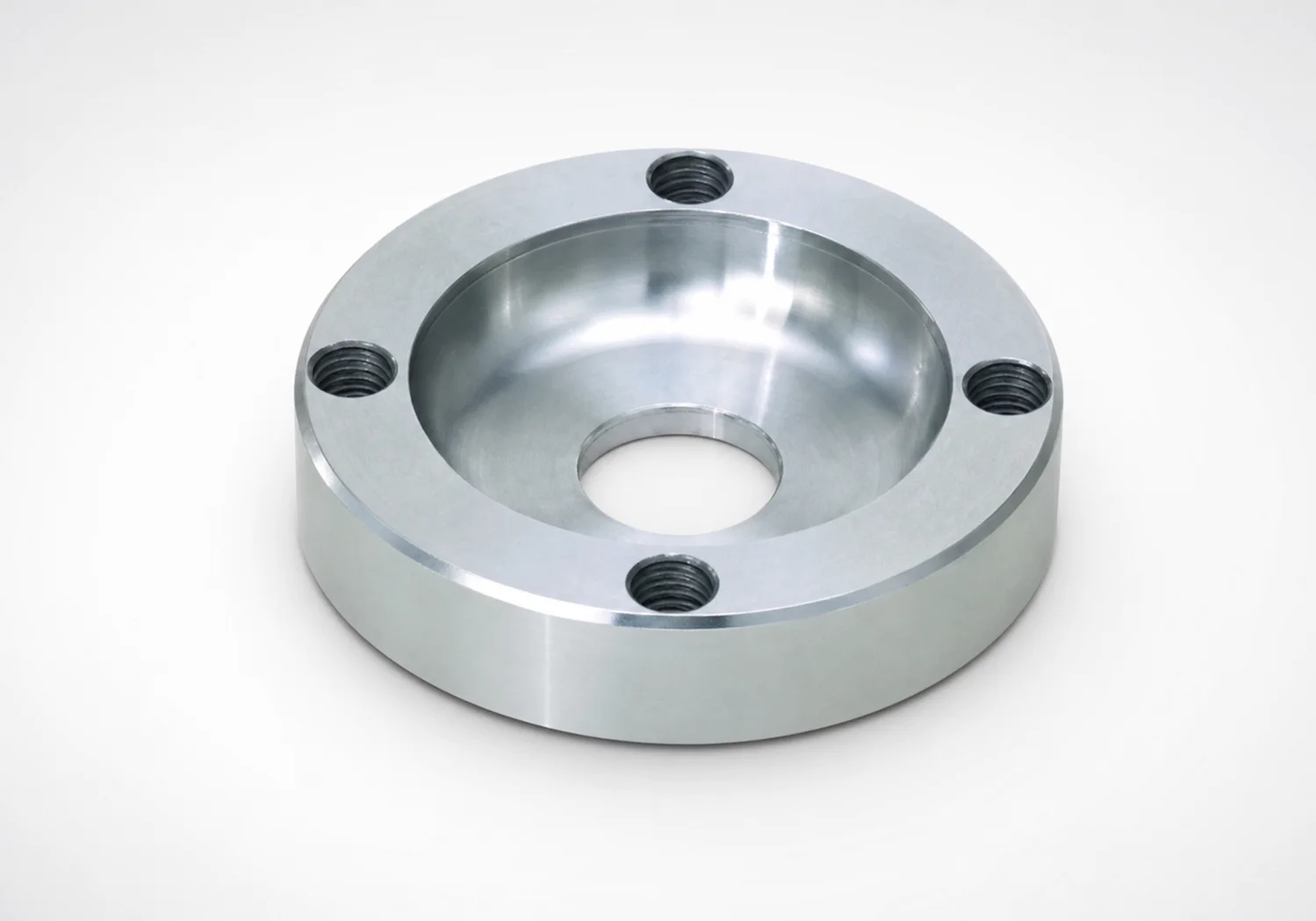
LRSS Locating Rings Counterbore 4-Bolt Holes
LRSS locating rings counterbore 4-bolt holes are designed for shoulder-type sprue systems, providing stable, low-profile location when bolting down the ring. The counterbore geometry improves seating repeatability for consistent assembly.
- Counterbore locating ring type with 4-bolt holes for rigid clamping
- Standard locating ring design supports shoulder-type sprue compatibility
- Optional dowel pin groove arrangement helps maintain positional accuracy
- Built for mold base assembly where low profile space constraints apply
Specifications
21 configurations available
| D (Locating Ring Outer Diameter) (mm) | T (Height) (mm) | Dowel pin groove | type |
|---|---|---|---|
| 100 | 35 | Yes | - |
| 100 | 40 | Yes | - |
| 100 | 45 | Yes | - |
| 120 | 35 | Yes | - |
| 120 | 45 | Yes | - |
| 60 | 10 | No | - |
| 60 | 15 | No | - |
| 60 | 20 | No | - |
| 60 | 25 | No | - |
| 100 | 10 | No | - |
| 100 | 15 | No | - |
| 100 | 20 | No | - |
| 100 | 25 | No | - |
| 100 | 30 | No | - |
| 100 | 35 | No | - |
| 110 | 15 | No | - |
| 110 | 20 | No | - |
| 110 | 25 | No | - |
| 120 | 25 | No | - |
| 150 | 15 | No | - |
| 150 | 20 | No | - |
Product Guide
Application Scenarios+
This locating ring counterbore with 4-bolt holes is used during mold base assembly to lock the shoulder-type sprue system in a repeatable position. The low-profile height range (T = 10 to 45 mm) helps when the stack height is constrained by tie-rod clearances or top-plate thickness, while the counterbore geometry supports consistent seating on the mating shoulder.
- Automotive and industrial connector molds: Bolting the ring through the 4-bolt pattern improves alignment stability during frequent clamp cycles, helping maintain gate location and sprue bush-to-nozzle concentricity.
- General hot-runner / shoulder-type sprue tooling: The locating-ring shoulder compatibility reduces assembly variation, which is critical for minimizing mismatch between sprue components and downstream runner inserts.
- Space-limited mold bases: Choose the counterbore variant and appropriate D (60–150 mm) to keep locating hardware compact without sacrificing clamping rigidity.
Where positional repeatability and assembly repeatability are required, this variant’s 4-bolt clamping and counterbore seating are suited to maintain sprue alignment through repeated teardown/rebuild.
Material & Process Details+
The provided specifications define dimensions and feature options (outer diameter, height, and dowel pin groove presence), but they do not state a specific steel grade or heat treatment condition. As a result, material properties such as HRC hardness, wear resistance targets, or whether the ring is quenched & tempered / nitrided cannot be confirmed from the input data.
When selecting material for LRSS-style locating rings in production tooling, engineers typically choose a structural mold steel with sufficient toughness for clamp loads and adequate wear resistance at the locating interface. The key trade-off is that higher hardness improves wear but can reduce toughness if not tempered appropriately.
- Confirm before procurement: Verify the steel grade and heat treatment state with the supplier for the exact part number 110200080160.
- Compare options (if offered): Hardened & tempered grades generally provide a balanced toughness-to-wear profile, while nitrided surface treatments improve scuff/wear resistance on the mating faces.
Sizing & Selection Guide+
To select the correct LRSS locating ring counterbore, match its outer diameter (D) and height (T) to your mold base layout and the shoulder-type sprue interface.
- Outer diameter (D): Available values are 60, 100, 110, 120, and 150 mm. Choose the D that fits the locating counterbore envelope on the mold base, allowing proper clearance for clamp hardware and surrounding components.
- Height (T): Select from 10 to 45 mm to control stack-up and ensure the ring seats correctly against the mating shoulder without interfering with adjacent plates.
Next, decide on the dowel pin groove option: set it to Yes when you require enhanced positional repeatability during disassembly/reassembly; choose No if your alignment scheme relies only on the 4-bolt holes.
Tolerance/fit: Use the supplier’s drawing for the locating faces and mounting features. For locating rings, even small deviations can affect sprue concentricity, so confirm fit type (clearance vs. near-location) for the mating shoulder and fastener interface.
Frequently Asked Questions
How do I choose the correct outer diameter (D) for LRSS locating rings counterbore versions?+
What height (T) range should I use to maintain low-profile shoulder-type sprue alignment?+
When should I specify the dowel pin groove option (Yes vs. No) for assembly repeatability?+
What is the benefit of the counterbore geometry for shoulder-type sprue systems?+
Is this locating ring designed specifically for shoulder-type sprue compatibility?+
Related Products
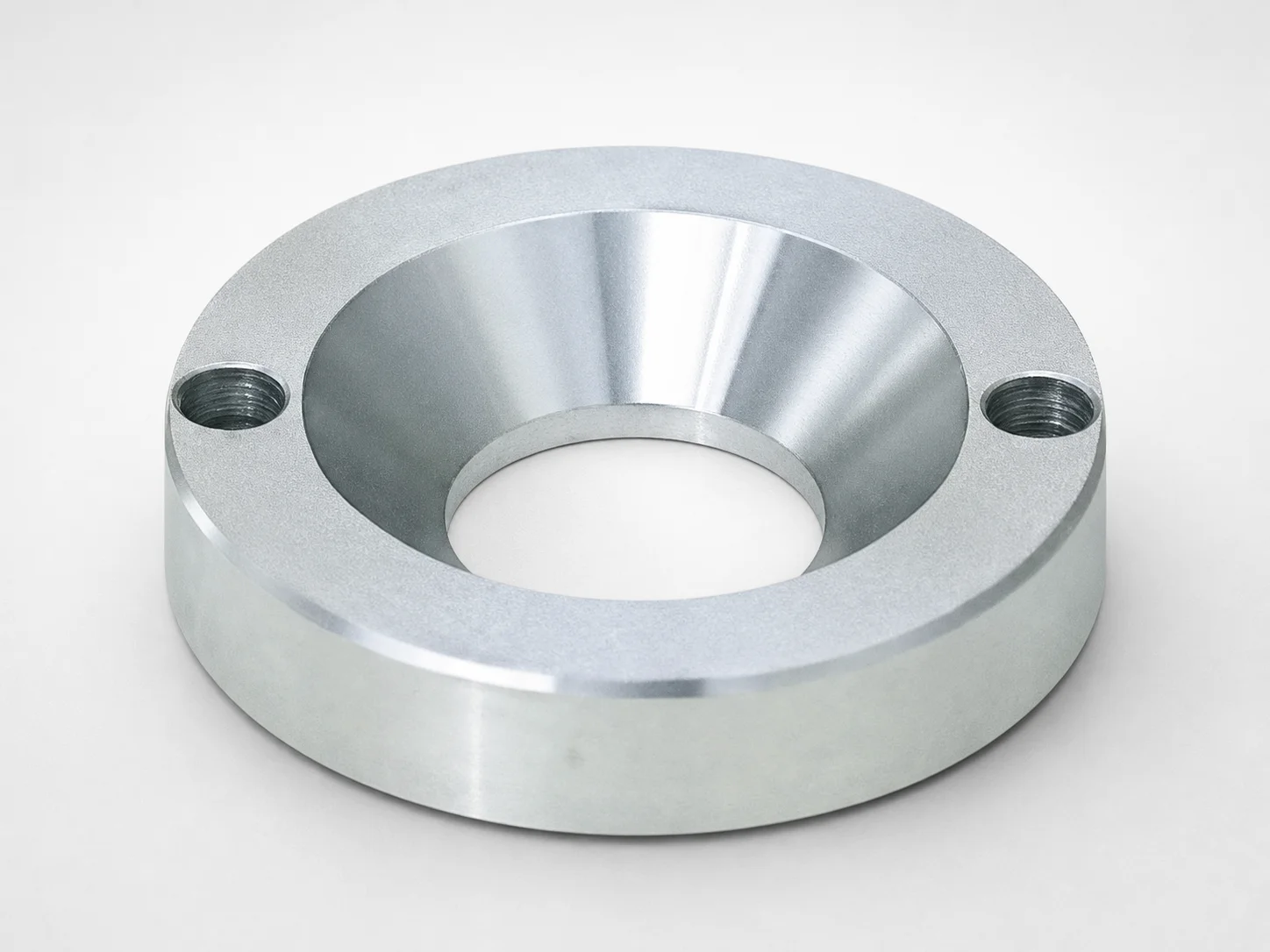
JIS Standard LRJS Locating Rings, Countersink, 2-Bolt Holes
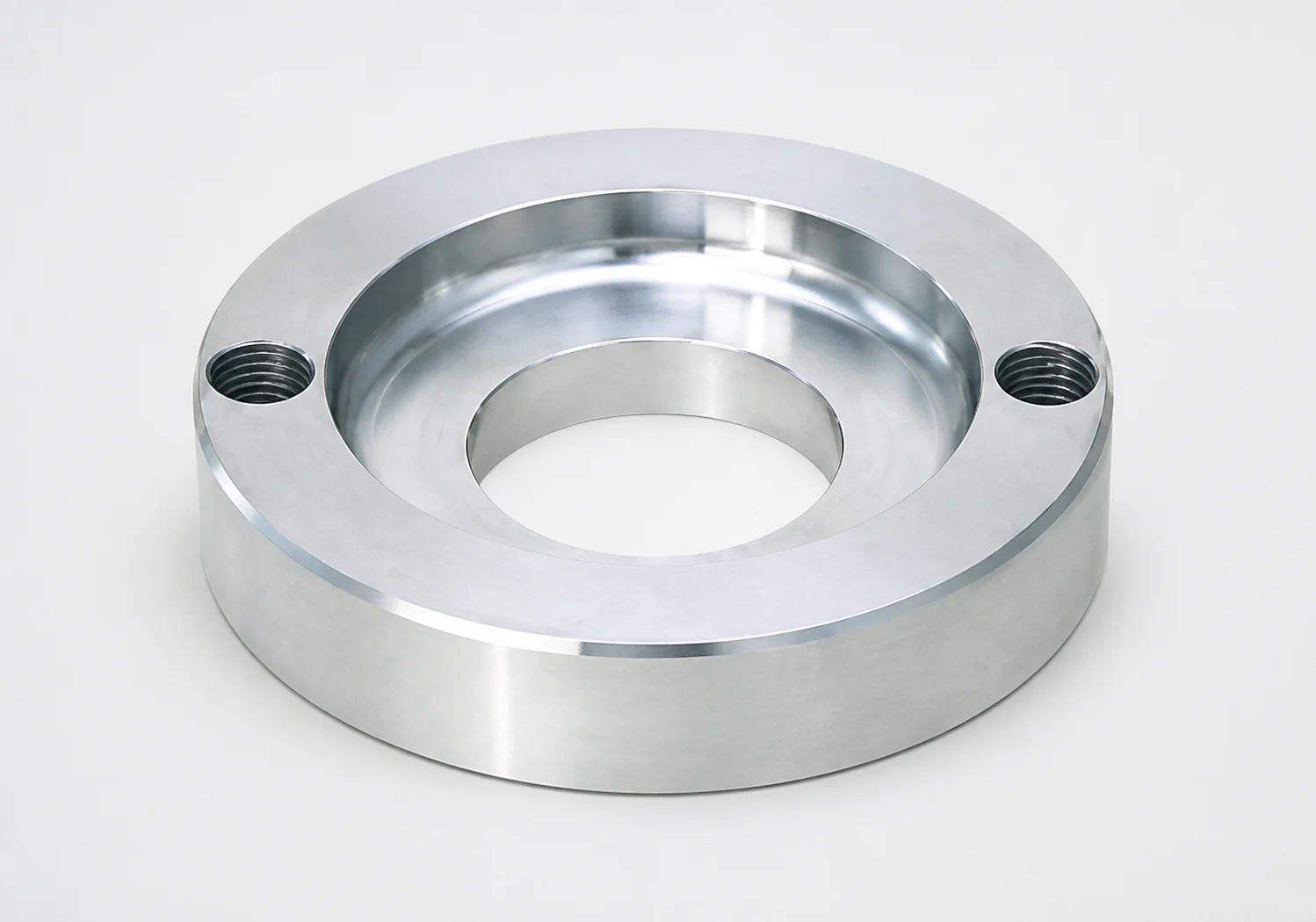
LRBD Locating Rings - Counterbore, 2-Bolt Holes
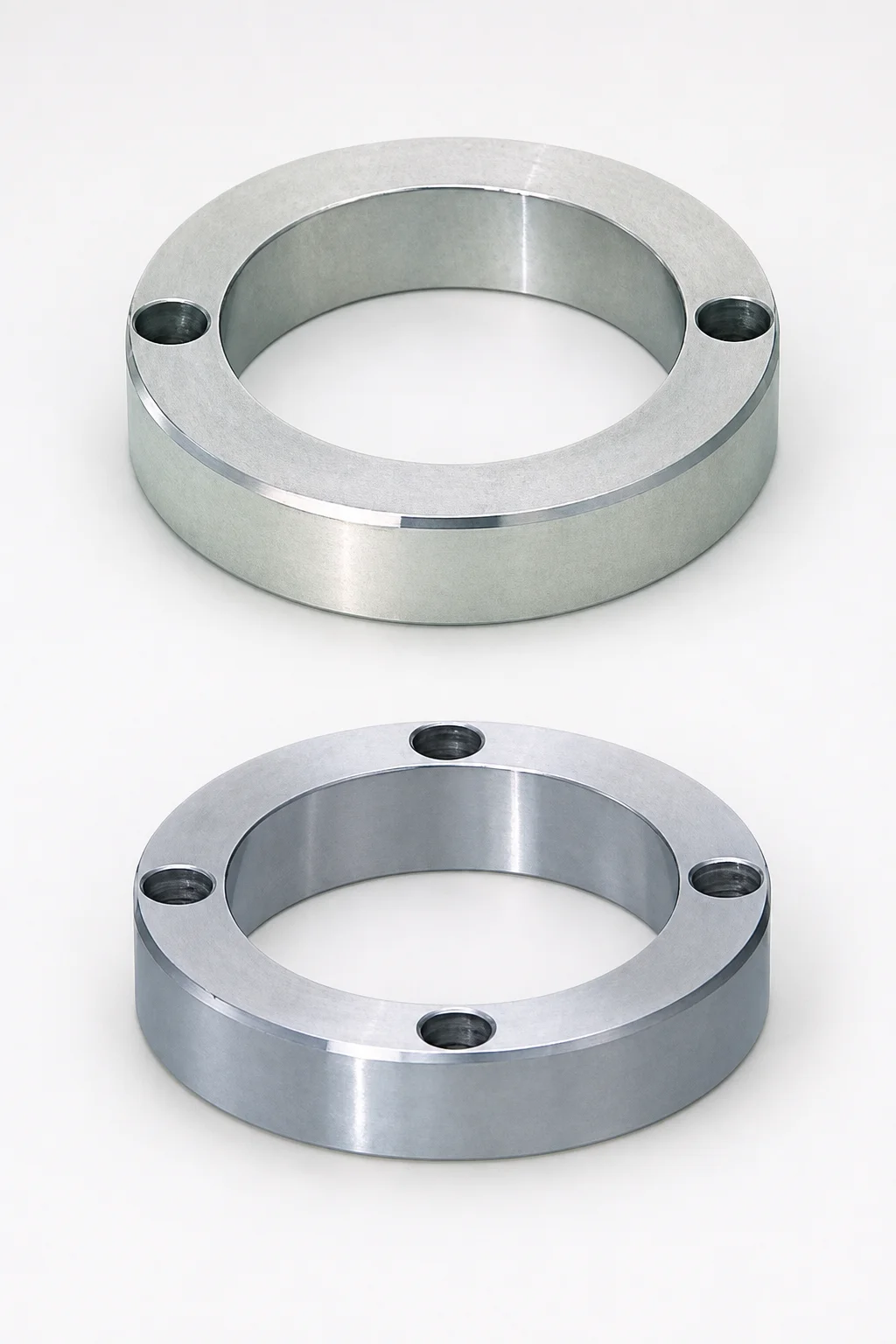
Locating Rings Through Hole Bolt Stopper
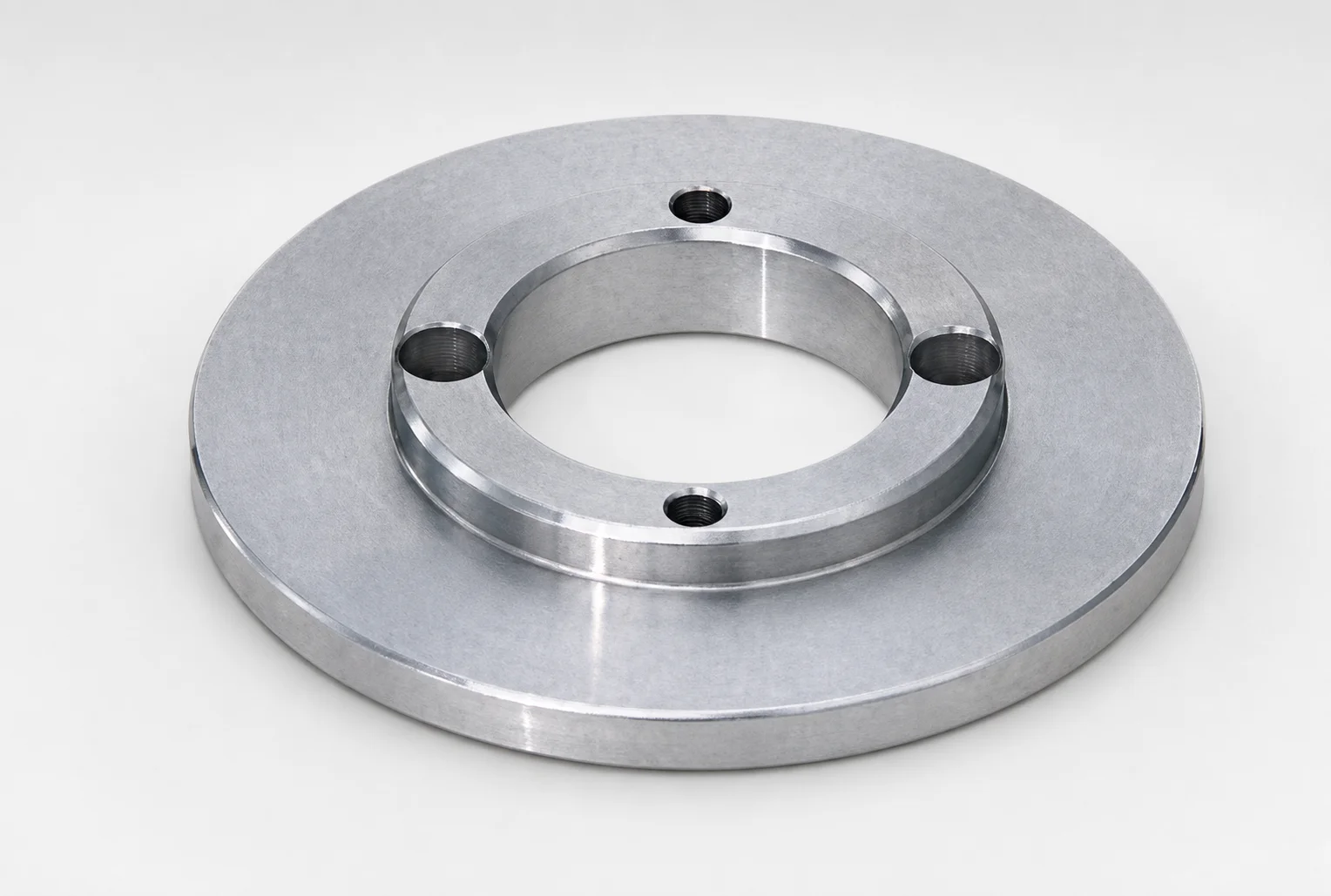
JIS Standard LRBW Reversible Locating Rings for 4-Bolt Holes
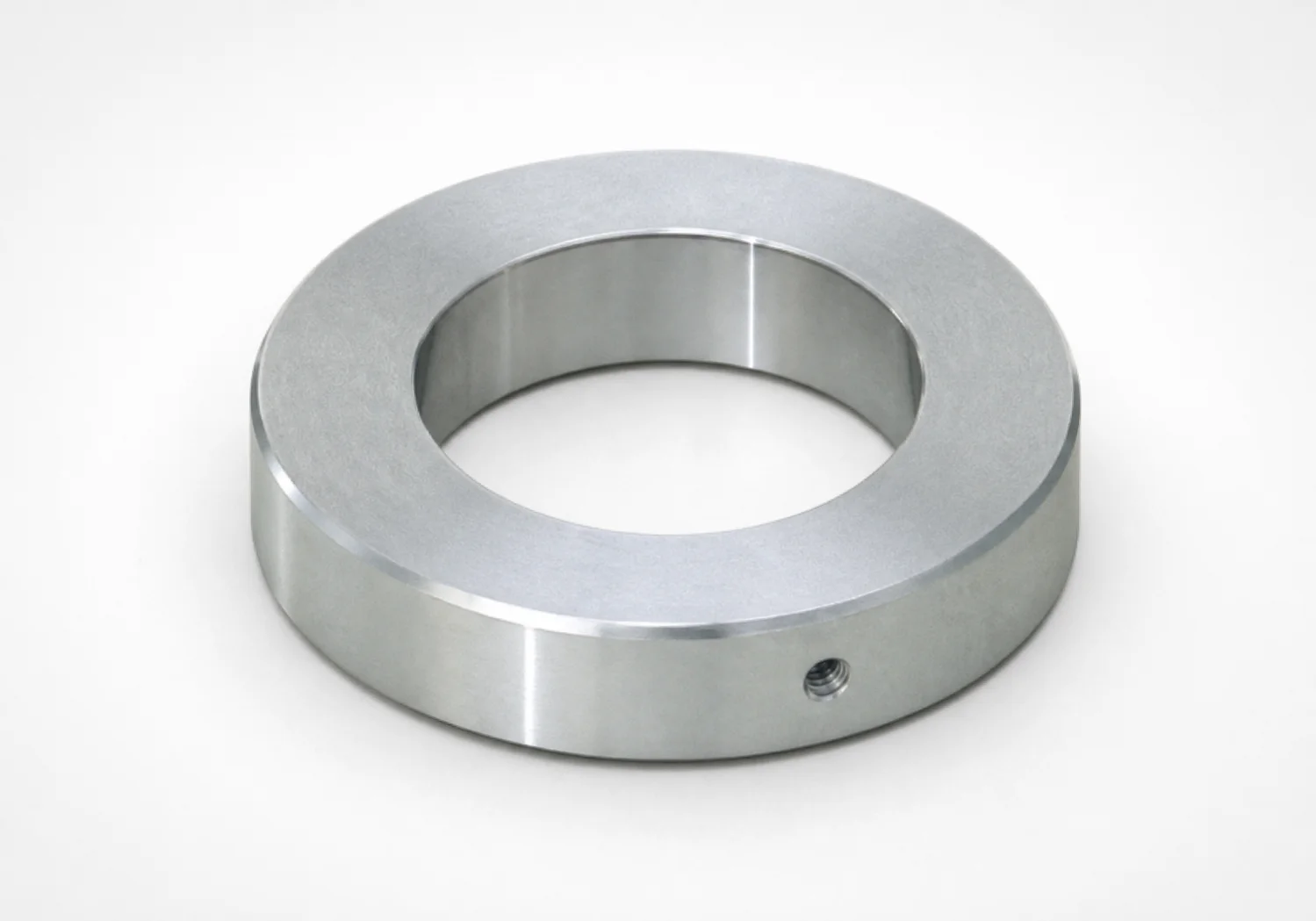
LAR Type Adapter Rings for Locating Rings
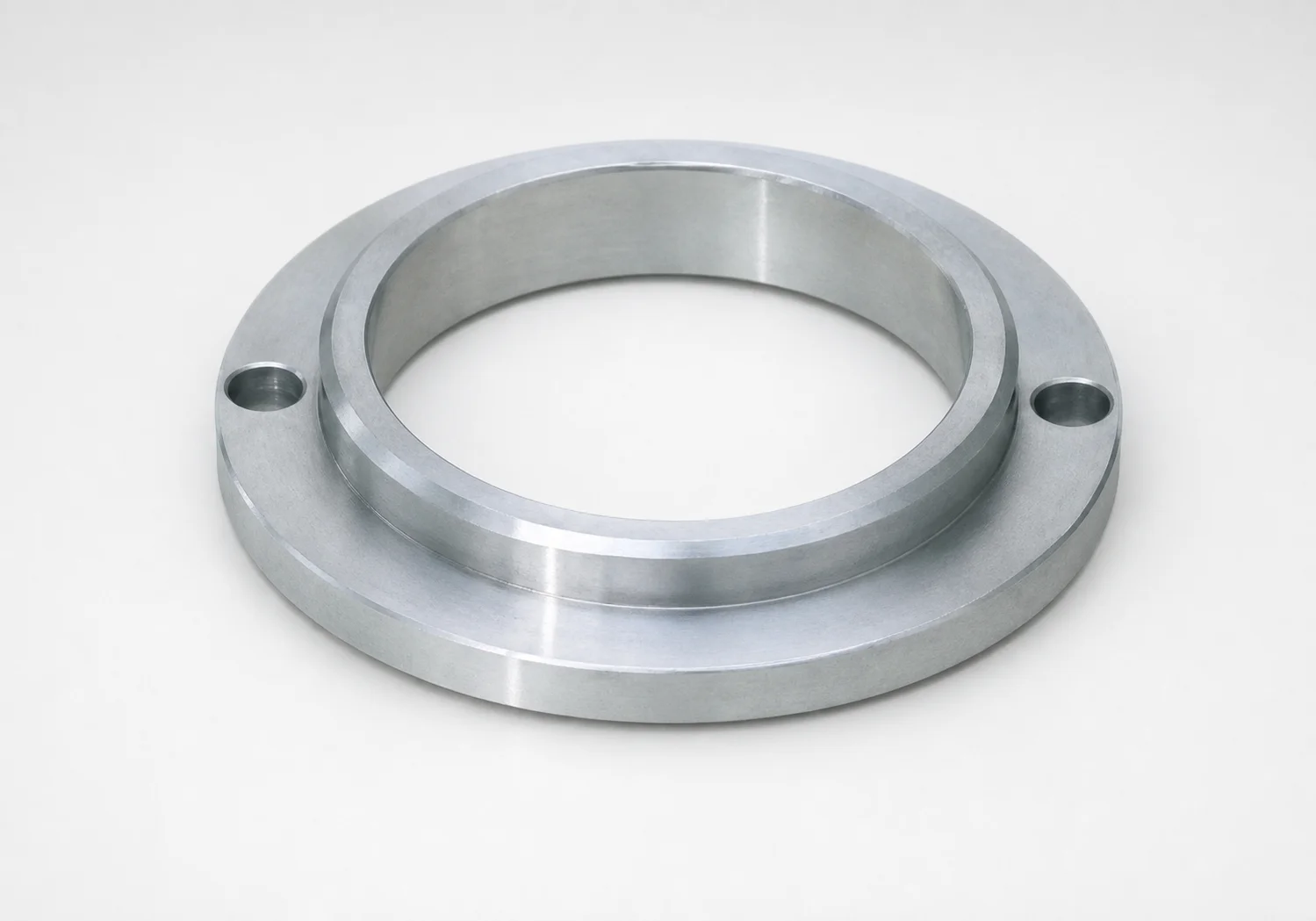
LRK Standard Locating Rings - Large Diameter Type, 2-Bolt Holes
Need Custom Specifications?
Our engineering team can help with custom configurations, material selection, and volume pricing.