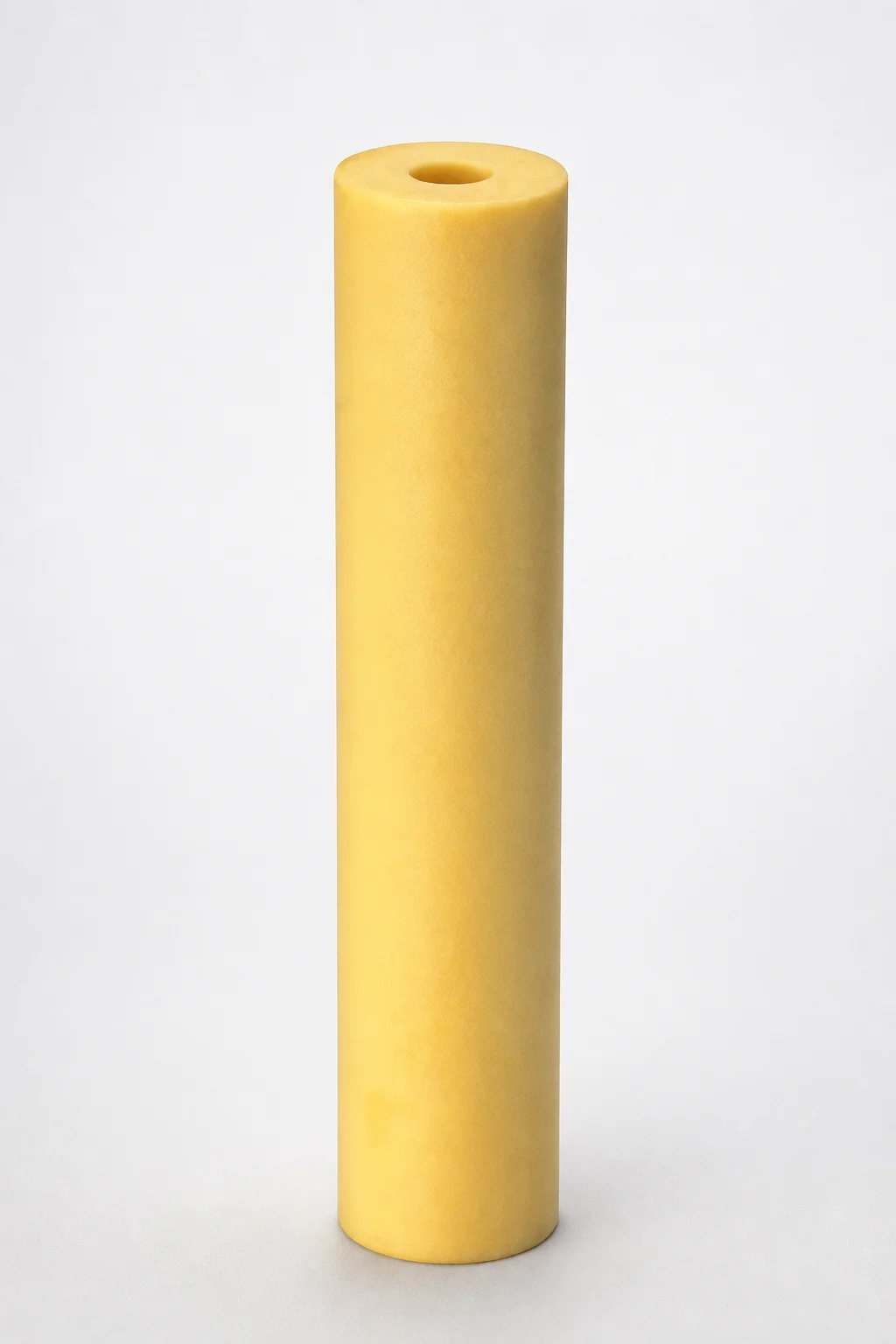
Porous Urethane Foam High-Deflection Pillar Type (PLA Series)
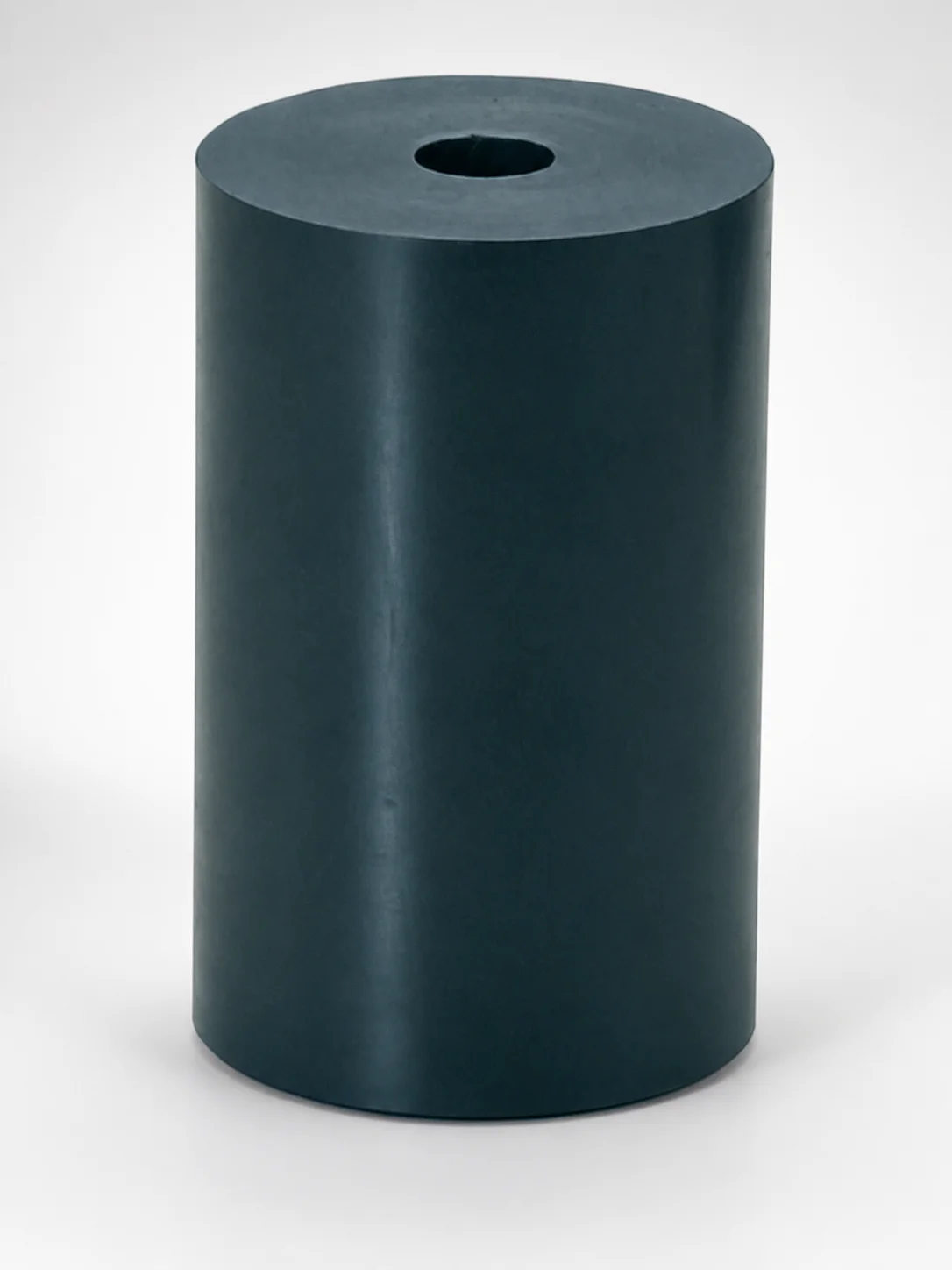
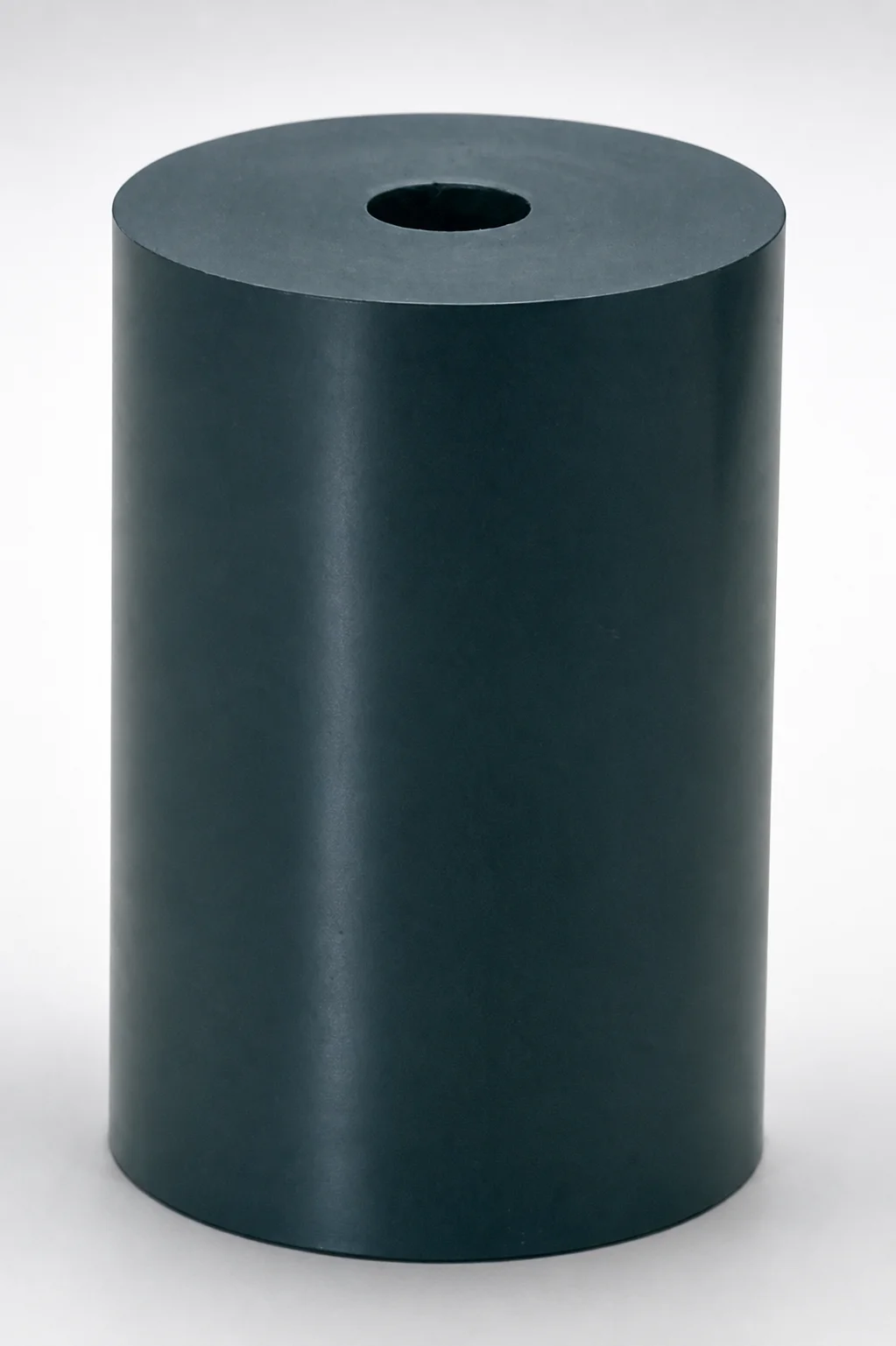
Porous urethane foam high-deflection pillar type (PLA series) is engineered to deliver controlled cushioning for tooling applications where deflection behavior matters. Its porous urethane structure helps manage load and support repeatable performance in the press area.
- Pillar shape design with through-hole for stable positioning during assembly
- PLA series porous urethane provides high-deflection response under load
- Available outer diameter range supports different tooling envelopes
- Suitable for die cushioning and press components requiring predictable deflection
Specifications
7 configurations available
| D (Outer diameter) (mm) | type |
|---|---|
| 30 | - |
| 40 | - |
| 50 | - |
| 60 | - |
| 80 | - |
| 100 | - |
| 120 | - |
Product Guide
Application Scenarios+
Porous urethane foam pillars are commonly used in die cushioning systems where controlled deflection improves assembly behavior and part consistency. In automotive and appliance press tooling, these high-deflection support pillars help stabilize the stack-up and maintain predictable compliance under cyclic press loads.
For electronics and connector molding fixtures, the pillar’s porous structure supports repeatable load/deflection, reducing the risk of uneven contact between tooling surfaces during clamping and forming.
In industrial transfer and insert-molding applications, the design is suited to dies that require mechanical cushioning without relying solely on rigid stops. The variant is especially appropriate when you need tuning of deflection response using a compatible outer diameter range and a through-hole for stable positioning during assembly.
- Use in tooling areas where cushioning and controlled compliance affect repeatability
- Pair with fixtures that support stable placement via the through-hole feature
Material & Process Details+
This product uses a porous urethane foam (PLA series), engineered for a high-deflection response under load. The porous cell structure manages compressive behavior, providing a cushioning effect that can be tuned by selecting the appropriate outer diameter (D) to match the tooling envelope.
- Porous urethane structure improves load distribution and promotes repeatable cushioning performance
- Heat treatment: not typically specified for urethane foam components; performance is primarily driven by the foam’s formulation and manufacturing
- Wear resistance vs. toughness: urethane foams generally offer excellent cushioning but are more susceptible to permanent compression set than rigid steels if overloaded or exposed to excessive shear
When compared to metal spring elements, the foam variant trades higher compressive compliance for a damped, cushioning response that can simplify die contact control and reduce localized impact.
Sizing & Selection Guide+
Select the pillar’s outer diameter (D) to fit the tooling cavity envelope and to achieve the desired cushioning compliance. The available range for this model is D = 30 ~ 120 mm.
- Measure the available die/fixture space around the pillar seating area and choose a D that clears adjacent components while maintaining proper bearing contact.
- Match pillar placement to the press-side stack-up so the cushioning engages consistently during clamping.
- Use the through-hole feature to secure stable positioning during assembly, ensuring the pillar does not shift under repeated load.
Tolerance and fit are critical for repeatability: ensure the chosen D aligns with the tooling’s pocket/clearance design so the pillar can seat without binding. If multiple pillars are used, keep the D selection consistent across the load-bearing region to maintain uniform deflection behavior.
Frequently Asked Questions
Which outer diameter range (D) is available for this porous urethane foam high-deflection pillar?+
The specified outer diameter (D) range is 30 ~ 120 mm. Choose D based on the tooling envelope and the required cushioning engagement area.
What tooling function does the high-deflection PLA-series foam provide compared with rigid stops?+
The porous urethane structure is designed to deliver controlled cushioning and high-deflection response under load. This helps manage load distribution in the press area, improving repeatability when tooling contact conditions vary slightly during cycling.
How does the through-hole feature affect assembly and positioning in die cushioning layouts?+
This pillar design includes a through-hole intended for stable positioning during assembly. In practice, it supports repeatable placement and reduces the chance of pillar drift under repeated compression cycles.
Are there any heat treatment or steel-grade considerations when selecting this urethane foam pillar?+
No steel grade or quench/temper process is indicated for this component because it is a urethane foam product. Selection is driven primarily by foam behavior and the specified D range (30 ~ 120 mm) rather than by hardness (HRC) targets typical of metal spring steels.
How should I choose D when multiple pillars are used in one die to control deflection consistency?+
When using multiple pillars, select the same D (within 30 ~ 120 mm) across the load-bearing region to maintain uniform cushioning behavior. Also ensure each pillar seats properly around the fixture features so that compression engages consistently during clamping.
Related Products
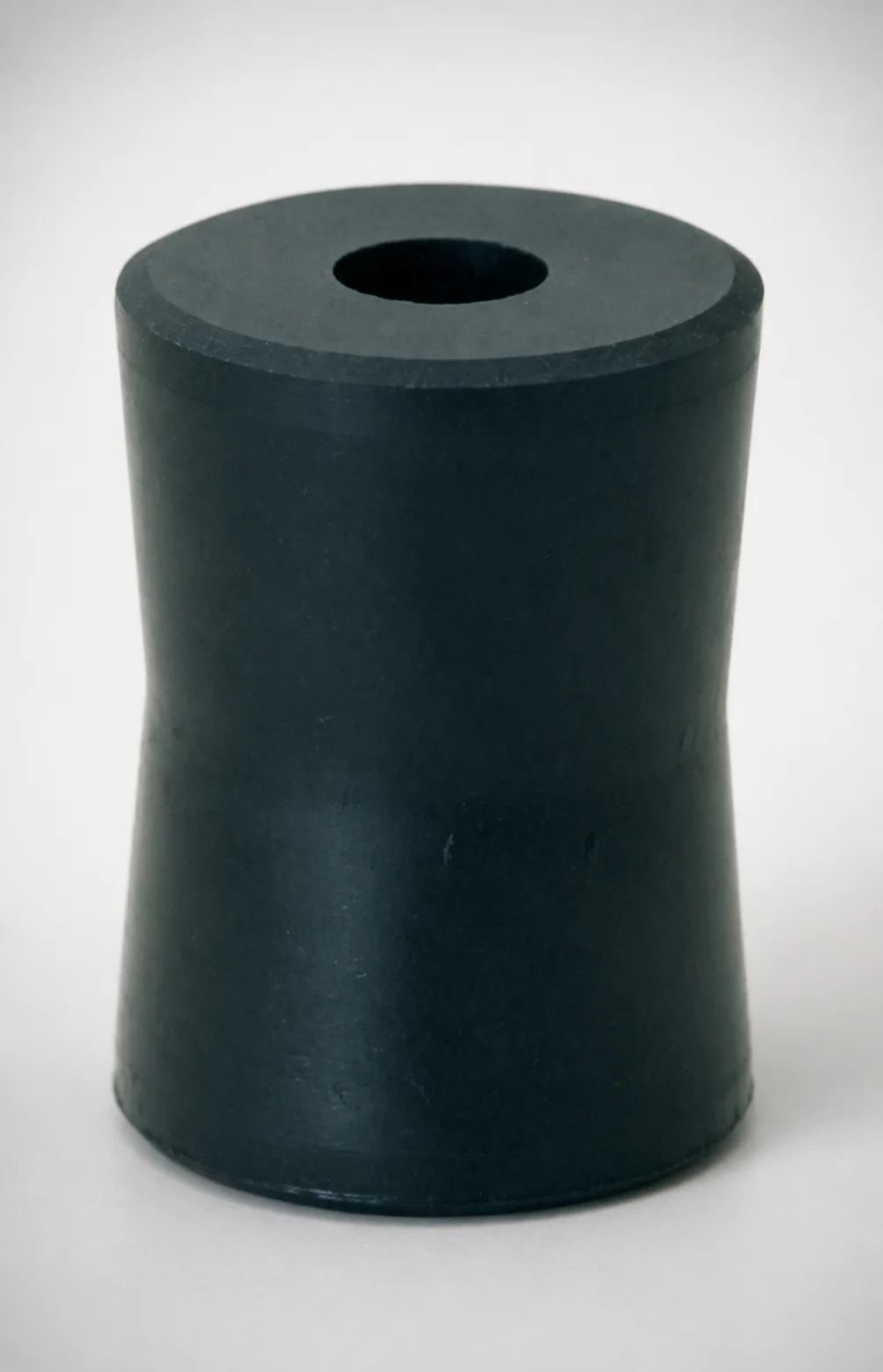
EX Series Heavy-Duty Urethane Pillar Springs (Through Hole)
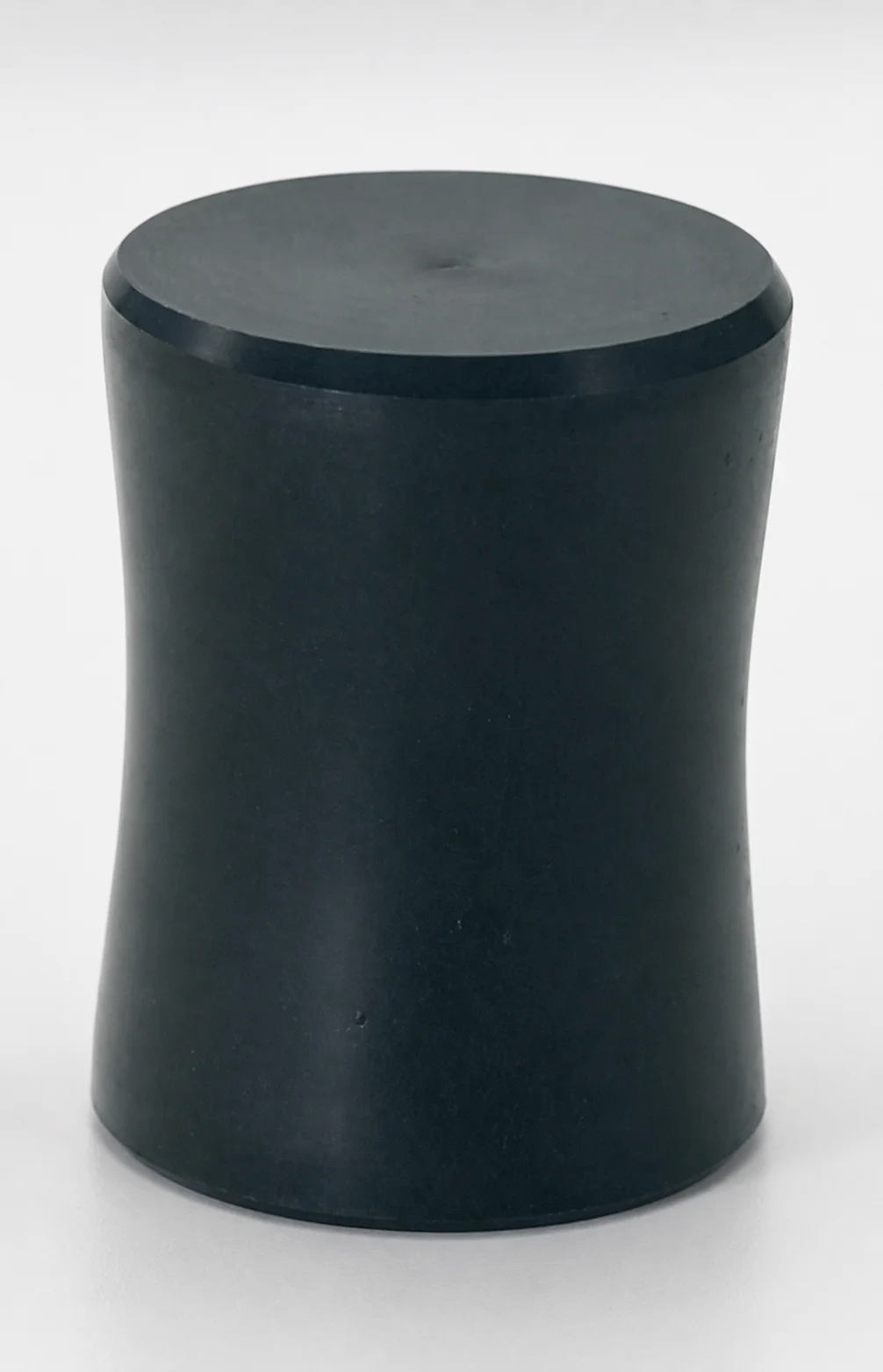
EX Series Heavy Duty Urethane Springs Pillar Hourglass
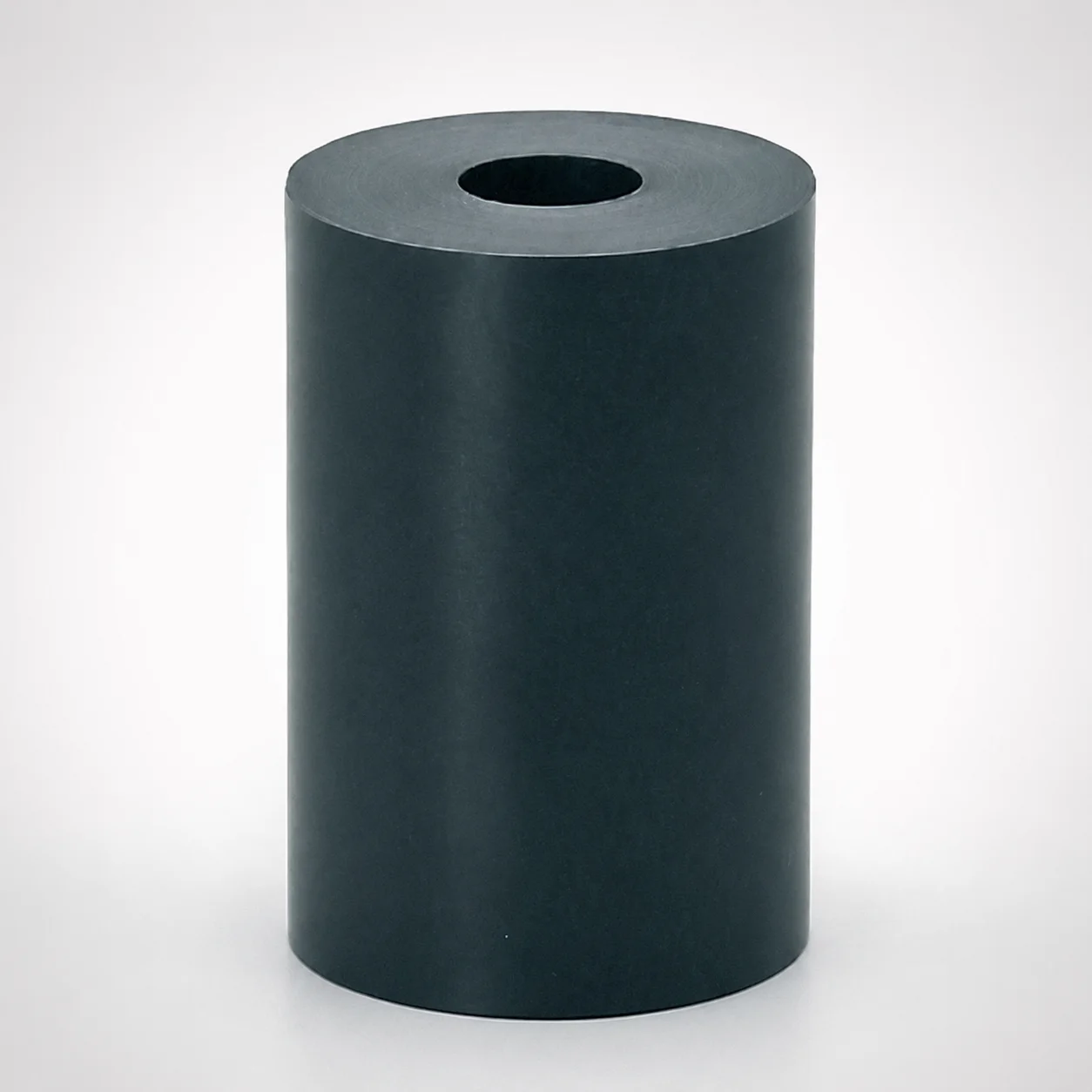
Heavy Duty Urethane Pillar Springs - A Series, Through Hole
E Series Heavy Duty Urethane Springs - Pillar Type Through Hole
EL Series Heavy Load Urethane Pillar Springs Through Hole
Heavy Duty Urethane Springs Pillar Shape
Need Custom Specifications?
Our engineering team can help with custom configurations, material selection, and volume pricing.