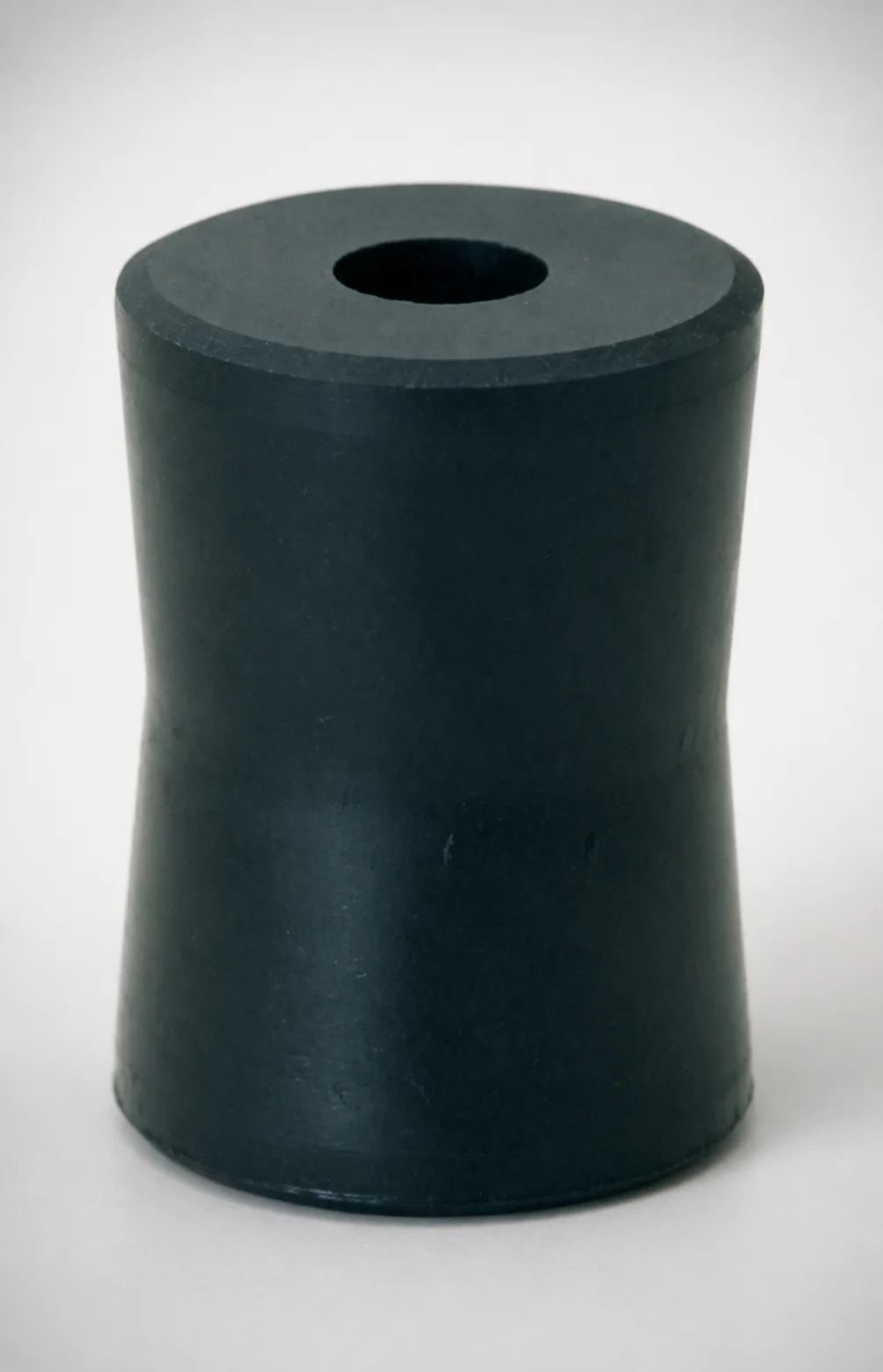
EX Series Heavy-Duty Urethane Pillar Springs (Through Hole)
EX series heavy-duty urethane pillar springs (through hole) deliver resilient cushioning for demanding die setups, using urethanes for heavy loads at Shore A90. The pillar hourglass shape helps maintain consistent compression under working conditions.
- Through-hole configuration for secure mounting and alignment
- Pillar hourglass shape designed for stable load cushioning
- Urethane for heavy loads (Shore A90) resists deformation
- Type EX supports applications requiring controlled spring response
Specifications
18 configurations available
| Maximum Load (N) | Length (L) (mm) | D (Outer diameter) (mm) | Additional inner diameter C1 chamfering | type |
|---|---|---|---|---|
| 54427 | 82 | 100 | No | - |
| 54427 | 82 | 100 | Yes | - |
| 54427 | 103 | 100 | No | - |
| 54427 | 103 | 100 | Yes | - |
| 54427 | 123 | 100 | No | - |
| 54427 | 123 | 100 | Yes | - |
| 12749 | 62 | 50 | No | - |
| 12749 | 62 | 50 | Yes | - |
| 12749 | 82 | 50 | No | - |
| 12749 | 82 | 50 | Yes | - |
| 18633 | 62 | 60 | No | - |
| 18633 | 62 | 60 | Yes | - |
| 18633 | 82 | 60 | No | - |
| 18633 | 82 | 60 | Yes | - |
| 39227 | 82 | 80 | No | - |
| 39227 | 82 | 80 | Yes | - |
| 39227 | 103 | 80 | No | - |
| 39227 | 103 | 80 | Yes | - |
Product Guide
Application Scenarios+
Urethane pillar springs with a through-hole mount are commonly used to provide controlled cushioning in injection mold tooling, especially where die weight and press-tonnage fluctuations must be absorbed without losing alignment.
- Automotive connector and housing molds: Use the pillar’s through-hole design to locate and stabilize the cushioning element during cyclic closing, helping maintain consistent clamp behavior under heavy load.
- Industrial appliance housings: The hourglass pillar geometry supports stable compression over the working stroke, reducing abrupt load changes that can affect part dimensions.
- High-cavity, heavy die setups: Shore A90 urethane is chosen here to resist deformation under demanding loads, matching applications that require a predictable spring response.
Choose variants that match the needed maximum load (e.g., up to 54,427 N) and required pillar envelope (outer diameter and length) to ensure the die cushioning system performs repeatably across production cycles.
Material & Process Details+
This product uses urethane with Shore A90 hardness. The higher Shore rating is selected for heavy-load cushioning, providing stronger resistance to permanent set and deformation compared with softer urethanes.
- Wear resistance vs. toughness: A90 urethane balances durability under frequent cycling with sufficient elastic recovery for stable compression.
- Heat treatment: The specification provided is urethane hardness; no steel grade, quench, temper, or nitriding details are listed for this component.
- Manufacturing relevance: Urethane pillars are typically molded/formed to an hourglass profile to control compression behavior, then supplied in through-hole configurations for repeatable installation.
If you are comparing alternatives, note that lower Shore urethane generally yields softer response and greater deformation risk under high loads, while A90 targets the “controlled, heavy-load” range.
Sizing & Selection Guide+
Select dimensions by matching the spring’s physical envelope and load capacity to the mold die cushioning requirements.
- Match load rating: Verify the required cushioning maximum load and select the variant that fits your target range (available maximum loads include 12,749 N, 18,633 N, 39,227 N, and 54,427 N).
- Match pillar outer diameter (D): Choose the appropriate outer diameter from the available options 50 mm, 60 mm, 80 mm, or 100 mm to fit within the surrounding die structure.
- Match pillar length (L): Use the available lengths 62 mm, 82 mm, 103 mm, or 123 mm to achieve the required working stroke clearance.
- Chamfer option (C1): Configure whether chamfering is No or Yes based on how the component interfaces with adjacent mold features.
Because the through-hole is used for mounting and alignment, confirm that your mold’s locating hardware and hole geometry correspond to the selected through-hole variant to maintain repeatable positioning and compression behavior.
Frequently Asked Questions
Which EX urethane pillar spring variant should I choose for a specific maximum load requirement?+
Select based on the provided Maximum Load (N) options. Available ratings include 12,749 N, 18,633 N, 39,227 N, and 54,427 N. Match the highest expected cushioning load under your press conditions, then verify that the available length (L: 62/82/103/123 mm) still provides the required clearance.
How do I size the pillar outer diameter (D) and length (L) to fit inside my die cushioning pocket?+
Use the provided dimensional set to ensure the component fits without interference: D = 50/60/80/100 mm and L = 62/82/103/123 mm. Confirm the pocket diameter provides radial clearance around the urethane pillar and that the pocket depth supports the selected length while leaving room for compression. The correct combination ensures stable compression consistent with the hourglass geometry.
Does the through-hole configuration affect installation tolerances or alignment in the mold?+
The through-hole design is intended for secure mounting and alignment, improving repeatability during die closing cycles. While the exact hole geometry/tolerance is not provided in the data, you should align your mold’s locating hardware and hole features to the selected through-hole component. This helps maintain consistent spring positioning and prevents uneven compression across the die set.
What is the role of Shore A90 urethane in performance under heavy die loads?+
The component is specified with Shore A90, which is intended for heavy-load cushioning. Compared to softer urethanes, this rating generally improves resistance to deformation and supports a more controlled compression response. This is particularly relevant for high-tonnage or heavy die applications where maintaining consistent clamp behavior matters.
Should I select the C1 chamfered inner diameter option, and when does it matter?+
The specification lists Additional inner diameter C1 chamfering as No or Yes. Choose Yes when your mold’s surrounding features require clearance or smoother interface transitions to avoid interference during assembly and compression. Use No when a chamfer is unnecessary and you want the standard inner profile.
Related Products
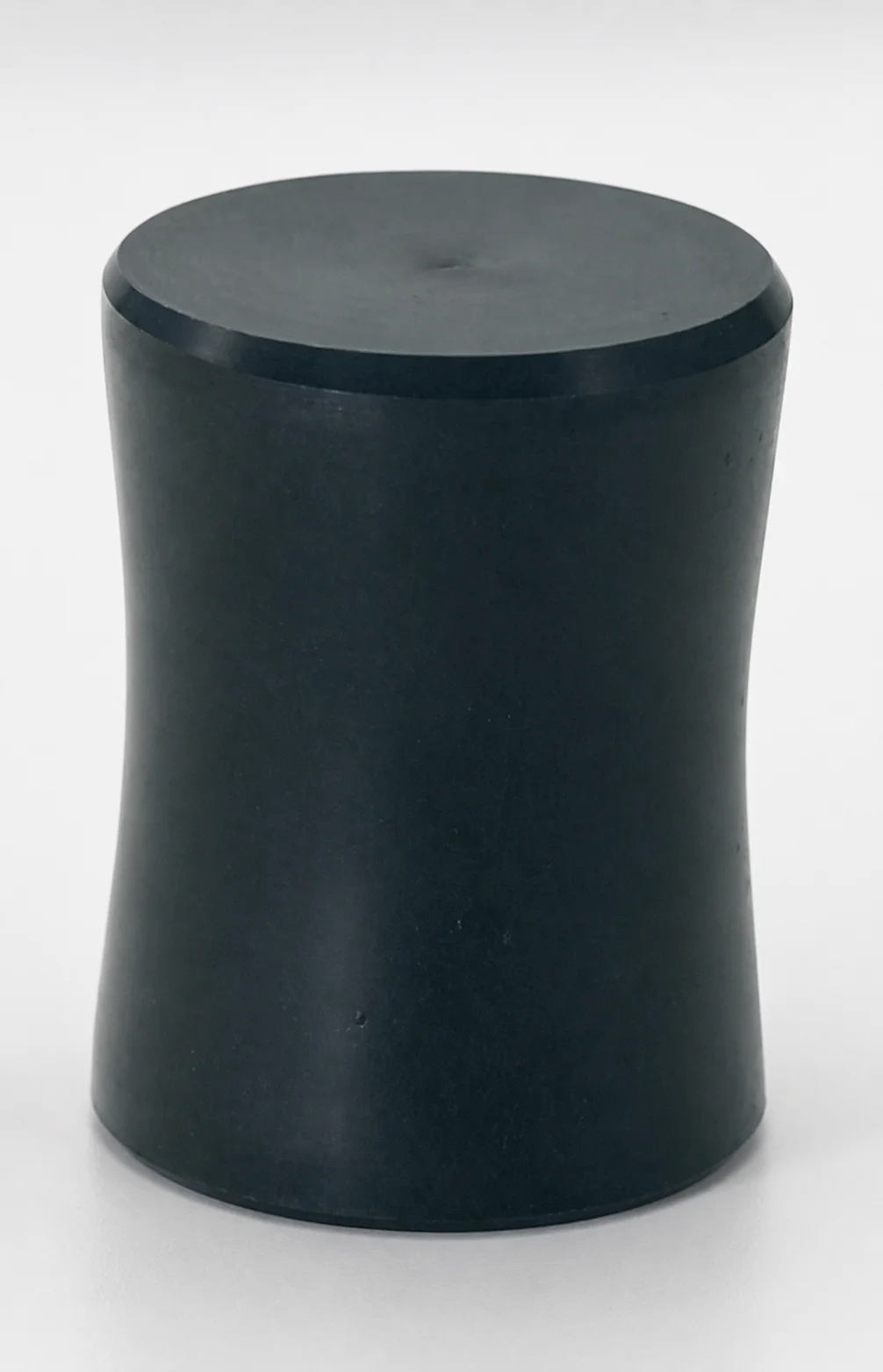
EX Series Heavy Duty Urethane Springs Pillar Hourglass
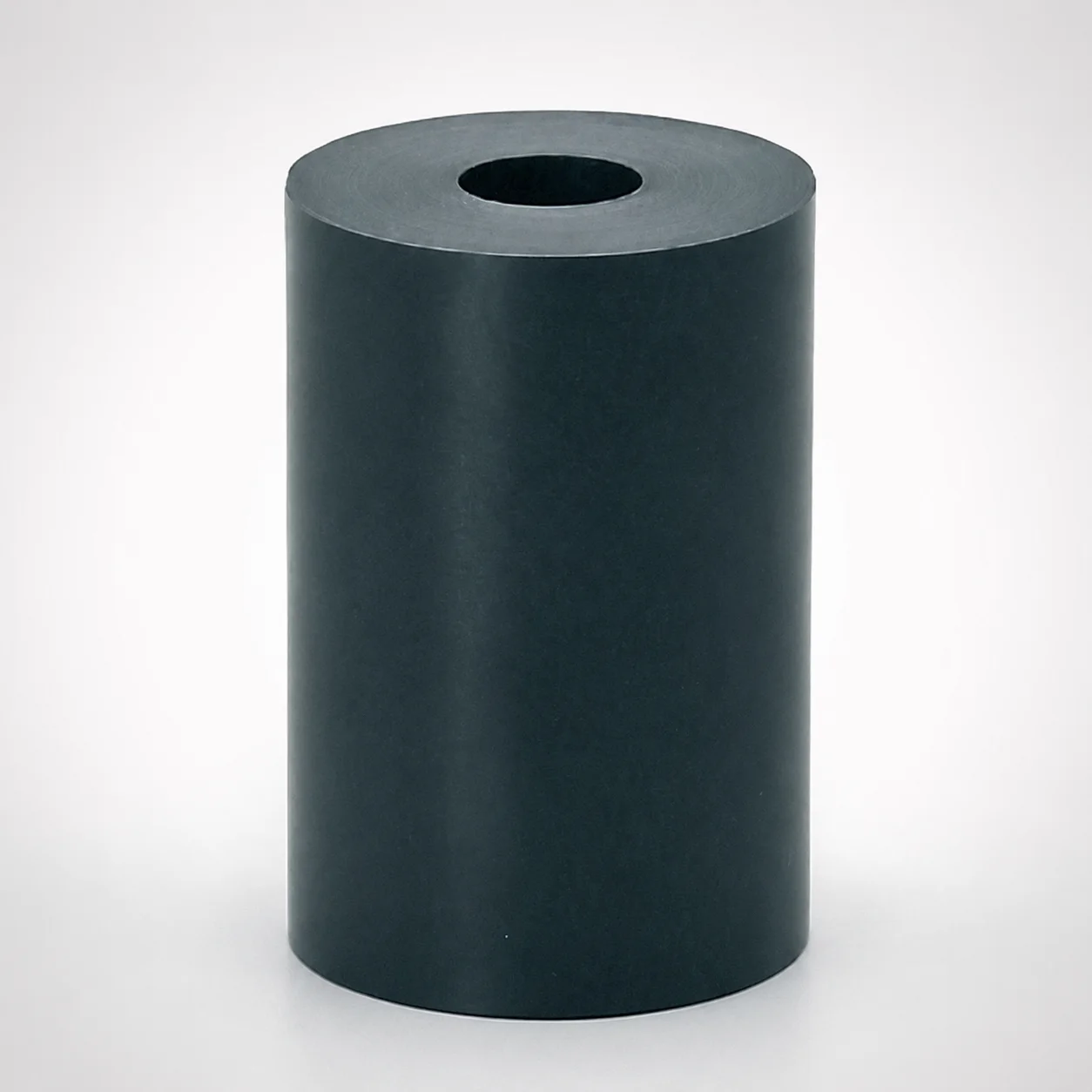
Heavy Duty Urethane Pillar Springs - A Series, Through Hole
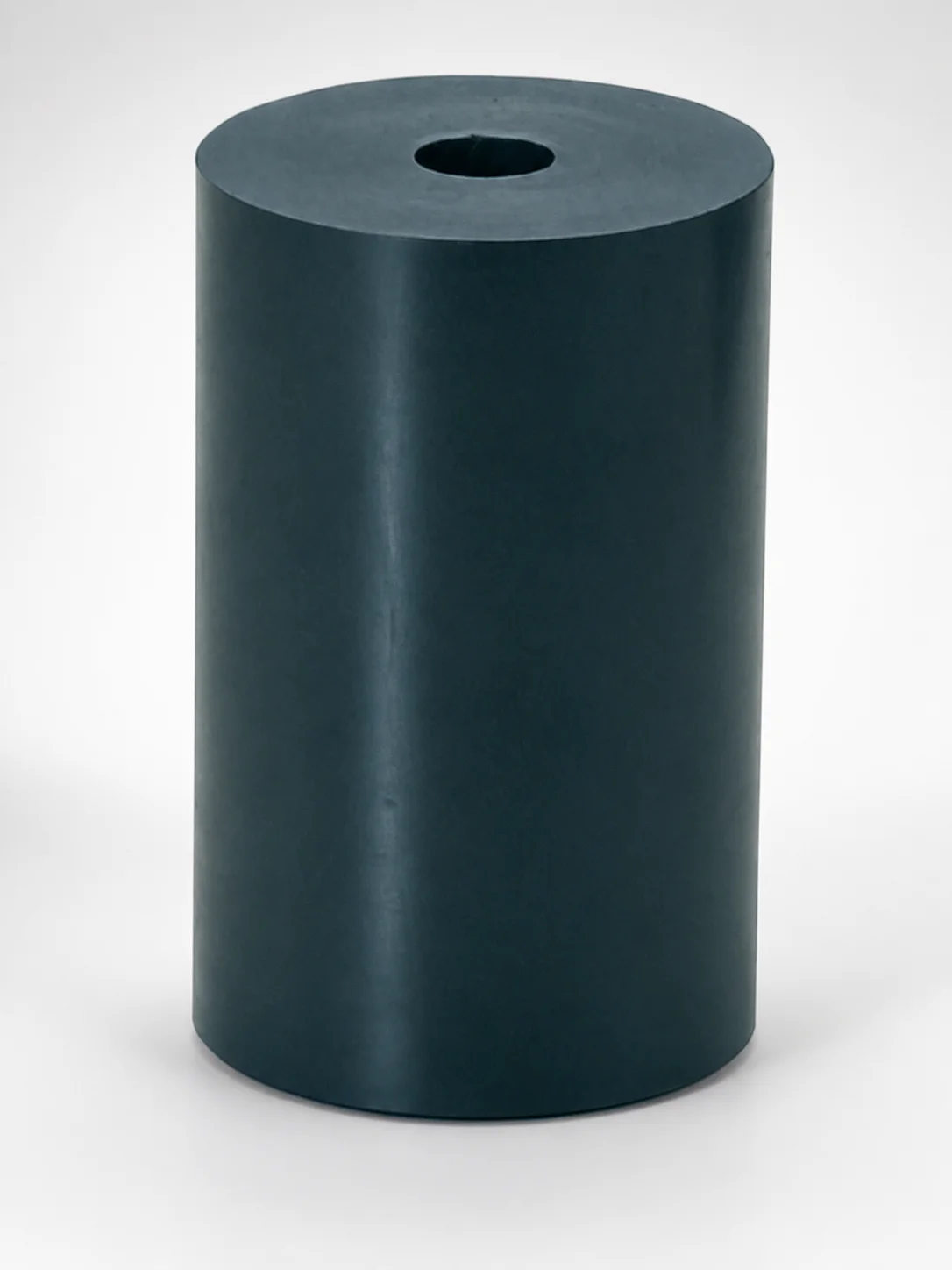
E Series Heavy Duty Urethane Springs - Pillar Type Through Hole
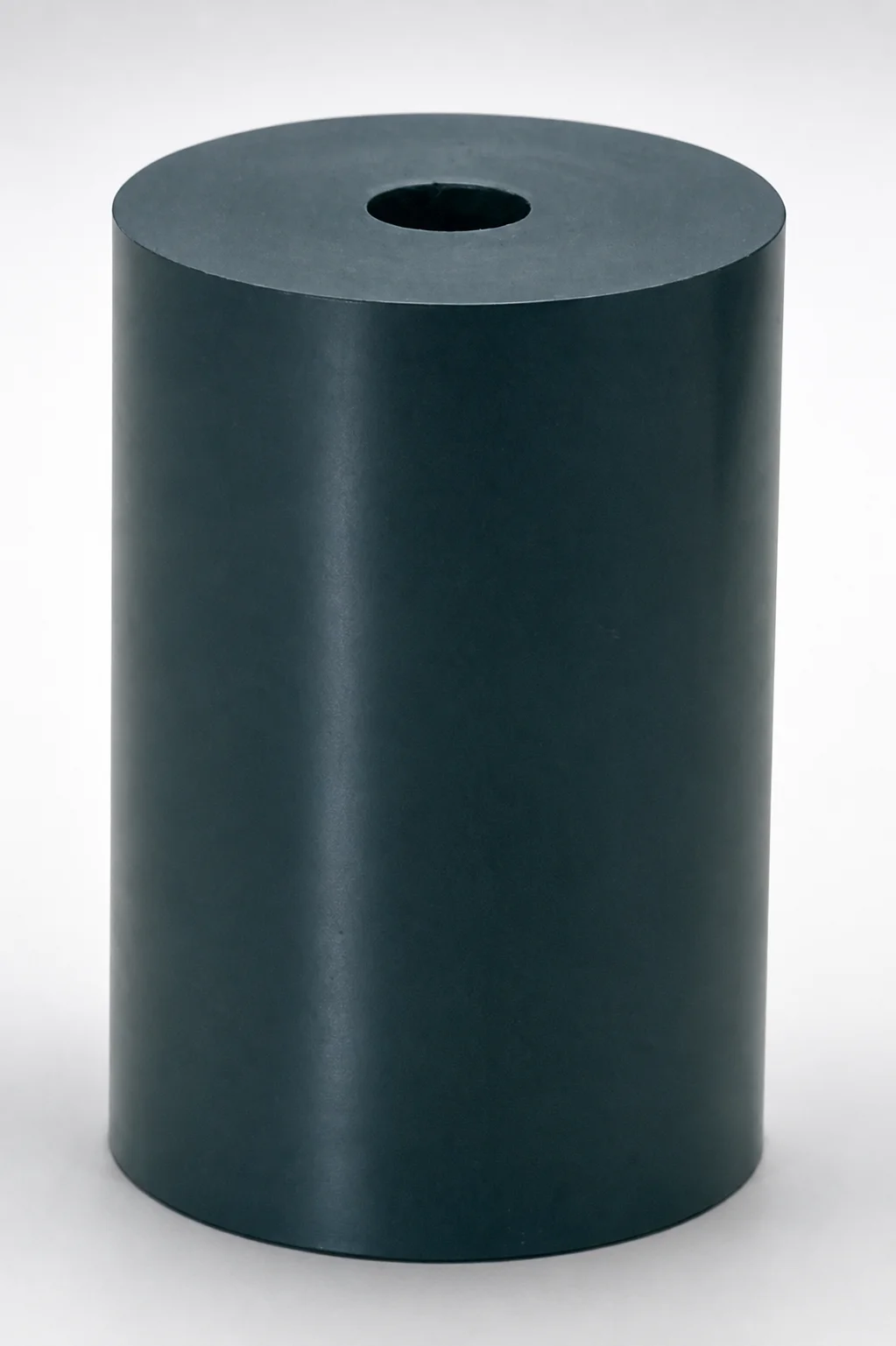
EL Series Heavy Load Urethane Pillar Springs Through Hole
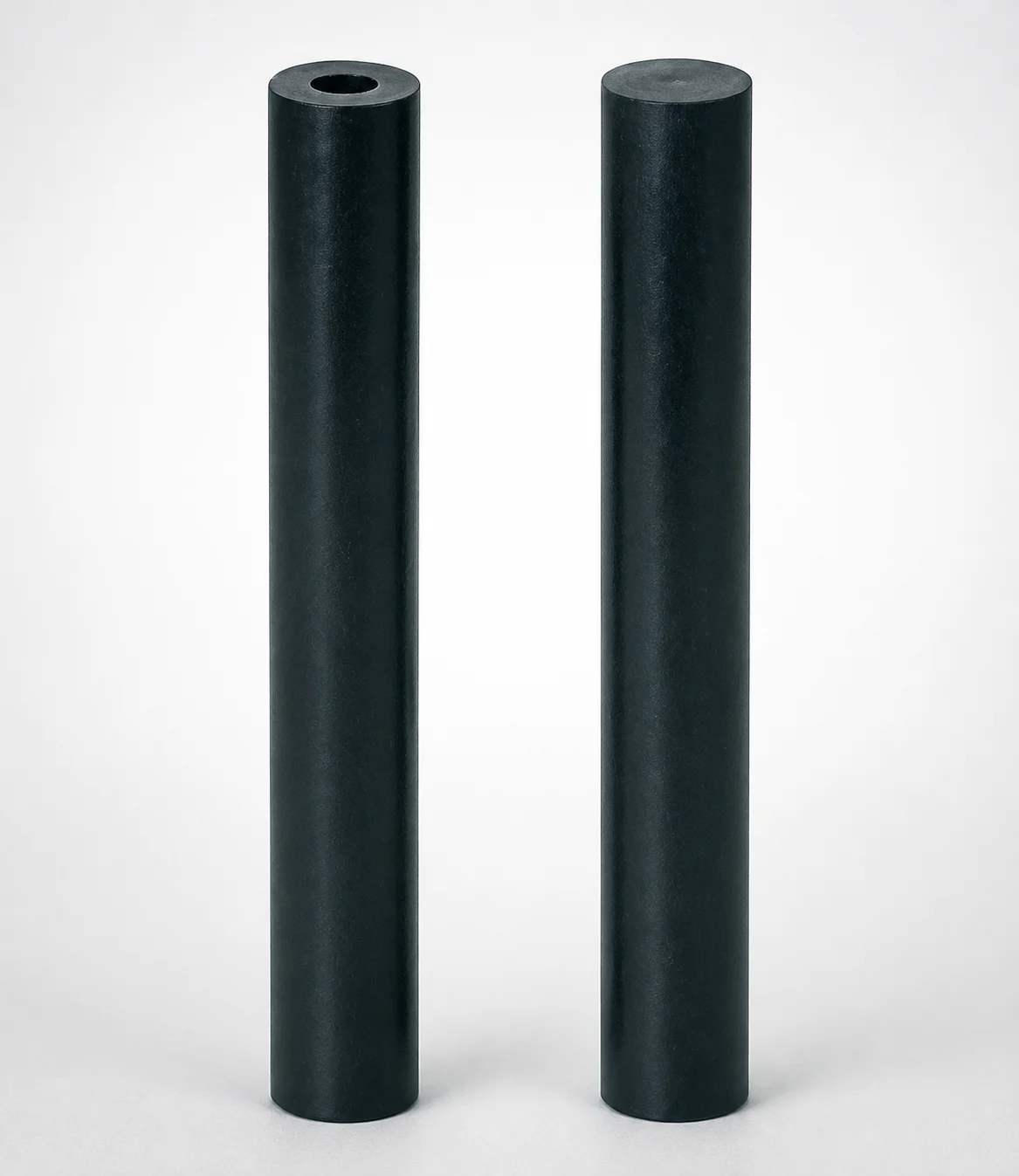
Heavy Duty Urethane Springs Pillar Shape
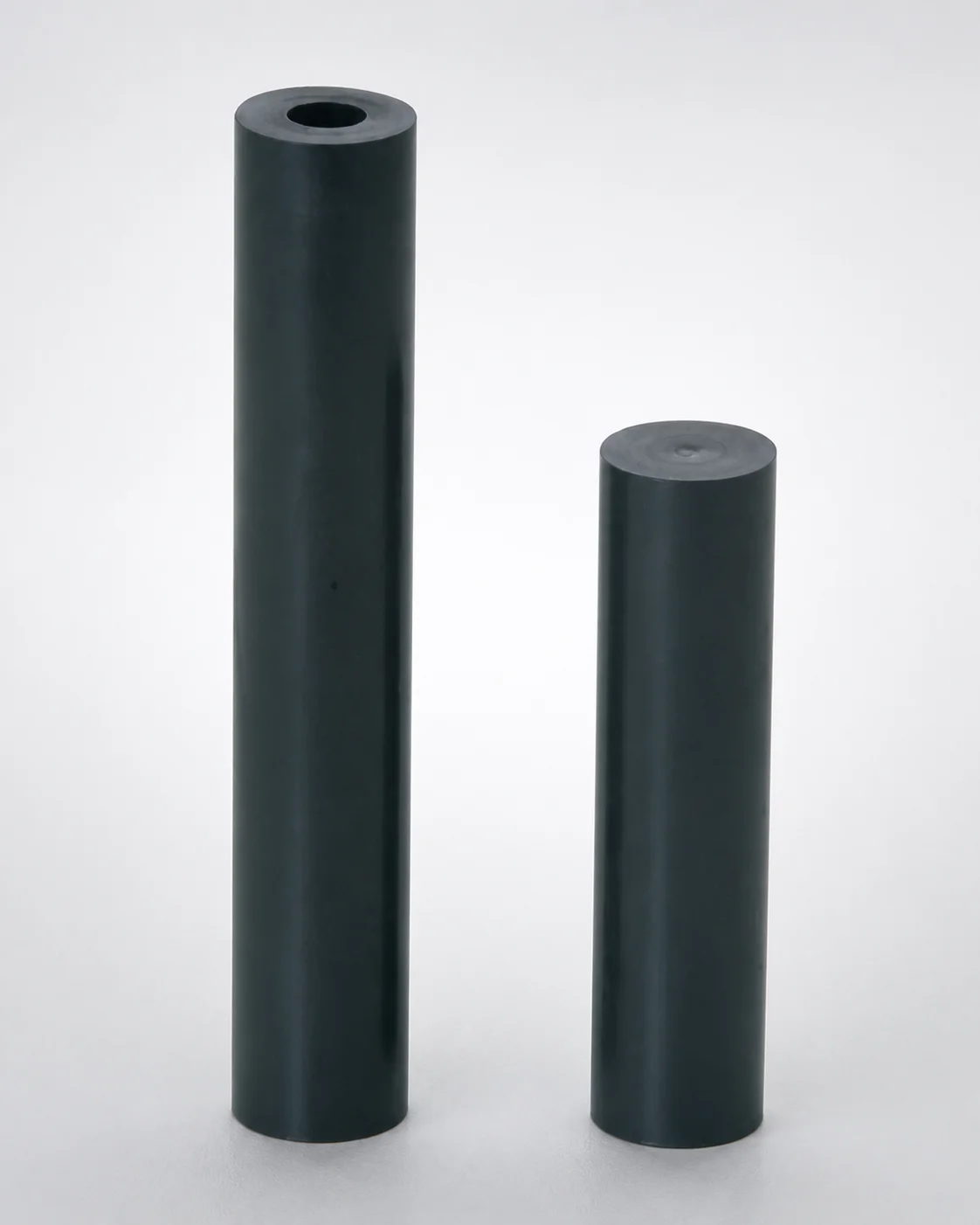
Heavy Load Urethane Pillar Springs Through Hole
Need Custom Specifications?
Our engineering team can help with custom configurations, material selection, and volume pricing.