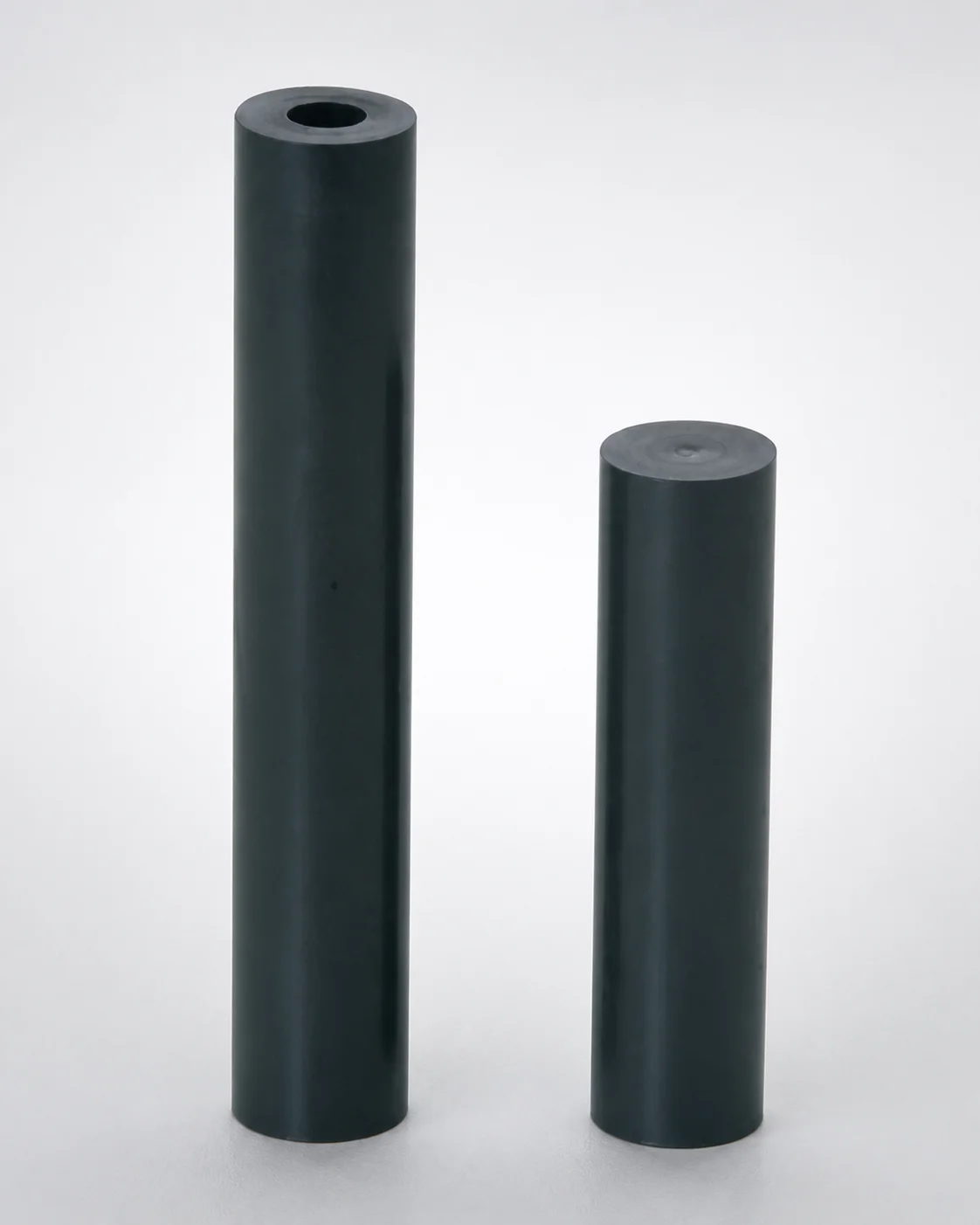
Heavy Load Urethane Pillar Springs Through Hole
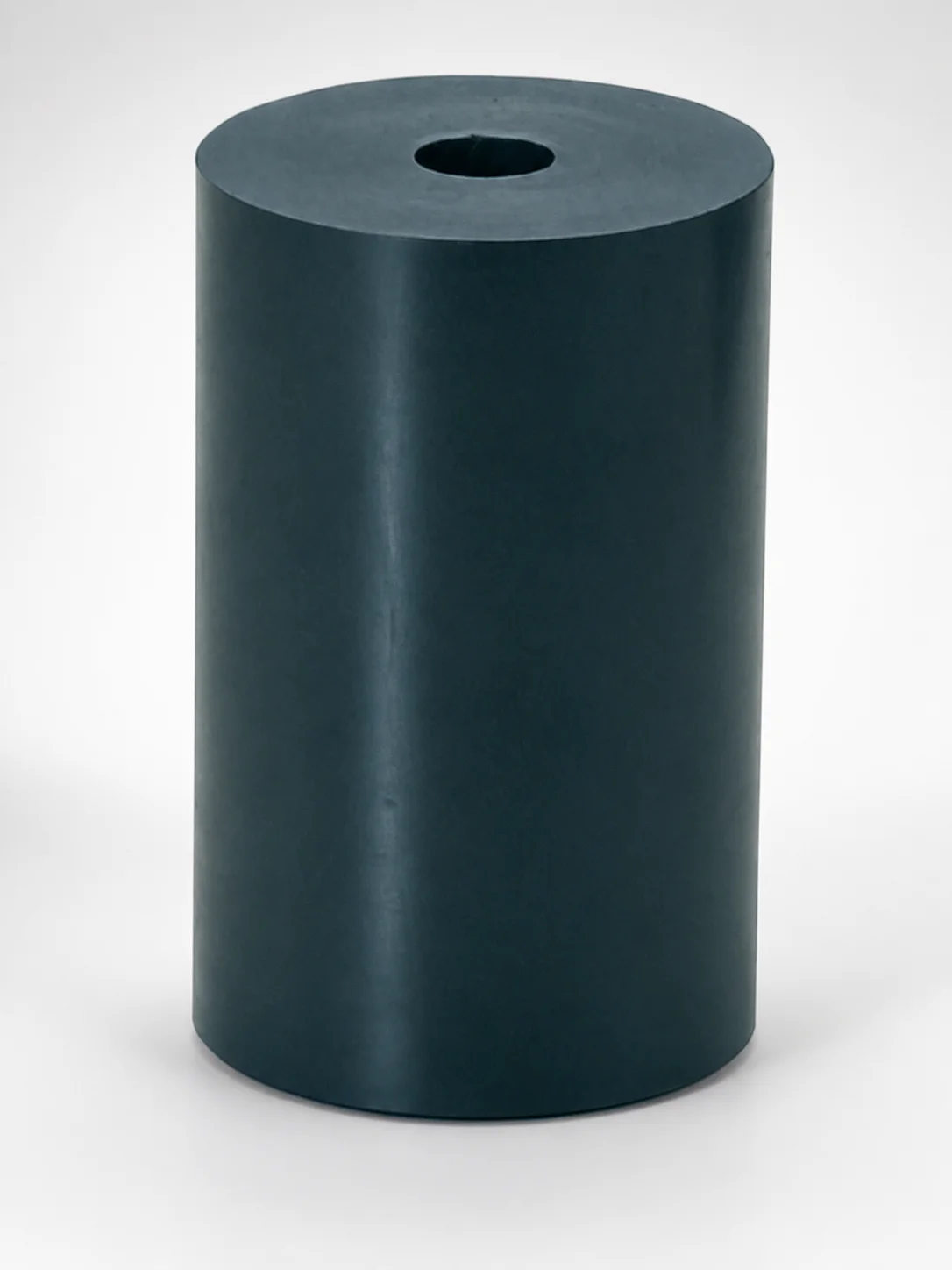
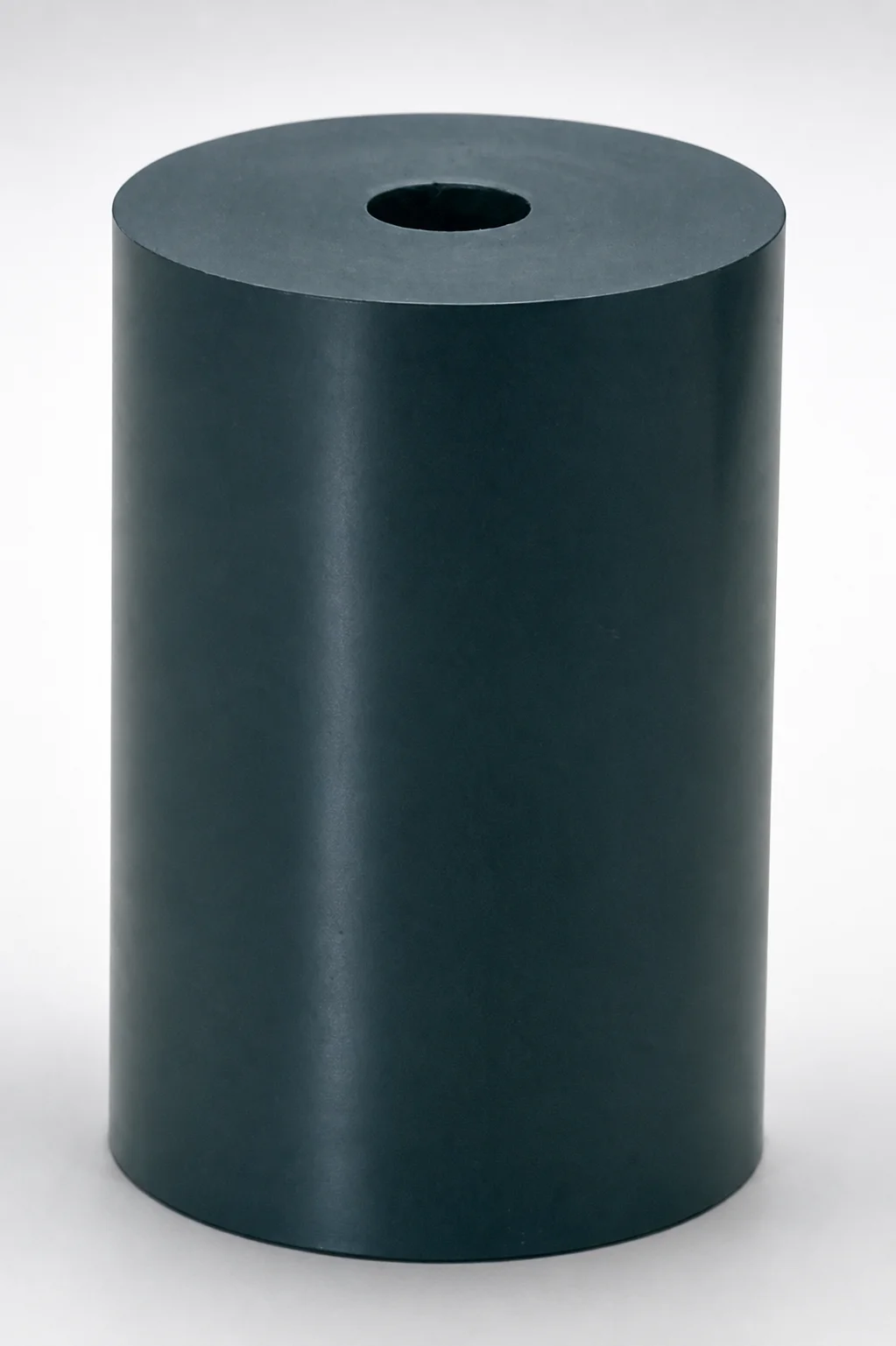
Heavy Load urethane pillar springs through hole are engineered for demanding forming and molding setups, using Shore A90 urethane to maintain predictable spring response under load. The solid pillar geometry improves alignment and supports consistent compression performance.
- Through hole pillar shape for secure installation in die or press plates
- Heavy-load urethane formulation (Shore A90) for stable deflection control
- AX/CX series material options to match your stiffness and cycle requirements
- Suitable for die cushions, molding systems, and repetitive high-load operations
Specifications
20 configurations available
| Hole/Counterbore | Length (L) (mm) | D (Outer diameter) (mm) | type |
|---|---|---|---|
| Hole | 10 ~ 200 | 15 | - |
| Hole | 10 ~ 200 | 20 | - |
| Hole | 10 ~ 200 | 25 | - |
| Hole | 10 ~ 200 | 30 | - |
| Hole | 10 ~ 200 | 40 | - |
| Hole | 10 ~ 200 | 50 | - |
| Hole | 10 ~ 200 | 60 | - |
| Hole | 10 ~ 200 | 80 | - |
| Hole | 10 ~ 200 | 100 | - |
| None | 10 ~ 200 | 8 | - |
| None | 10 ~ 200 | 10 | - |
| None | 10 ~ 200 | 15 | - |
| None | 10 ~ 200 | 20 | - |
| None | 10 ~ 200 | 25 | - |
| None | 10 ~ 200 | 30 | - |
| None | 10 ~ 200 | 40 | - |
| None | 10 ~ 200 | 50 | - |
| None | 10 ~ 200 | 60 | - |
| None | 10 ~ 200 | 80 | - |
| None | 10 ~ 200 | 100 | - |
Product Guide
Application Scenarios+
These heavy-load urethane pillar springs are designed for injection molding and forming tooling where repeatable compression under high cycle loads is critical. The through-hole pillar layout is ideal for secure mounting through die or press plates, helping maintain pillar alignment during long-term operation.
In automotive connector and housing molds, they can be used as part of die cushioning or spacing systems that must resist drift over thousands of cycles. The AX/CX urethane formulation with Shore A90 supports stable deflection control, improving consistency of clamp height and pack behavior.
For packaging and consumer product molding lines running at elevated frequency, the solid pillar geometry supports uniform compression and reduces variability between cycles. Their heavy-load capability makes them suitable for repetitive, high-load operations where metal springs may contribute to noise or require tighter mechanical alignment.
- Die cushions / press plate spacing for controlled motion under load
- Injection molding sub-systems needing predictable deflection response
Material & Process Details+
This product uses an AX/CX urethane pillar spring formulation designed for heavy-load performance with a specified Shore A90 support level. Urethane elastomers provide high resilience and controlled deflection, which is valuable when tooling motion must remain consistent across repeated compression cycles.
Unlike hardened steels, urethane pillar springs do not undergo quenching, tempering, or nitriding. Instead, the manufacturing process relies on polymer formulation and controlled molding/casting of the pillar shape to achieve stable stiffness and dimensional reliability.
- Hardness (Shore A90): balances stiffness for load-bearing with elastomer toughness to sustain compression cycles.
- Wear resistance trade-off: higher hardness generally improves resistance to deformation, while maintaining enough elasticity to avoid brittle cracking.
- AX/CX options: select between material variants to better match your stiffness and cycle requirement profile.
Sizing & Selection Guide+
Correct sizing starts with matching the pillar’s outer diameter (D) and length (L) to the mechanical space and required compression travel in your mold assembly. Use the provided ranges: D = 8 to 100 mm and L = 10 to 200 mm.
For a through-hole mounting, ensure the die/press plate design includes a compatible through opening (Hole/Counterbore is specified as Hole). Choose D so the pillar fits the intended guide or mounting bore without excessive clearance that could increase misalignment.
- Length (L): set to cover the full stacked height between opposing tooling surfaces at your target compression condition.
- Outer diameter (D): match to surrounding pocket/guide constraints while preserving assembly clearance.
- Tolerance & fit: because the urethane pillar is elastomeric, small variations typically affect compression behavior more than rigid fit; confirm that the cavity around D supports stable alignment during load.
If you need specific stiffness, select the appropriate AX/CX urethane variant while keeping D and L within the stated limits.
Frequently Asked Questions
How do I choose the pillar outer diameter (D) when my die plate has a through-hole mount?+
Use the specified D range of 8–100 mm and size the die plate opening and surrounding support features to maintain stable pillar alignment. Because this is a urethane pillar spring, the fit directly affects compression uniformity and deflection stability under repeated loading.
Verify there is adequate assembly clearance for installation while avoiding excessive play that can cause uneven wear or inconsistent motion.
What length (L) should I target for correct compression travel in an injection molding or forming setup?+
Select L within 10–200 mm based on the stacked height between the opposing tooling surfaces in your mold. The goal is to ensure the pillar remains engaged across the full compression region without bottoming out or losing guidance.
After selection, validate deflection behavior for your cycle conditions, since stiffness is tied to the Shore A90 urethane formulation.
Does this urethane pillar spring require heat treatment like steel springs (quench/temper or nitriding)?+
No. This product is made from an AX/CX urethane pillar spring formulation with Shore A90 hardness, so it does not follow steel heat-treatment workflows such as quenching and tempering or nitriding.
Material performance is achieved through polymer formulation and controlled molding/casting of the pillar shape.
How does the Shore A90 formulation help maintain stable deflection control under load?+
The Shore A90 specification indicates a heavy-load urethane hardness level that supports predictable deflection under compression. This helps reduce deflection drift and variability across repetitive high-load cycles.
For tuning, the listing notes AX/CX material options so you can select a variant better aligned to your stiffness and cycle requirement profile.
Which tooling applications are best suited for the through-hole heavy-load urethane pillar design?+
It is intended for demanding forming and molding setups requiring stable compression response. The through-hole pillar shape supports secure installation through die or press plates, making it well-suited to die cushioning and repetitive high-load operations.
Common use cases include automotive connector and housing mold subsystems, as well as high-frequency packaging/consumer product molding lines where consistent clamp-height or pack behavior is required.
Related Products
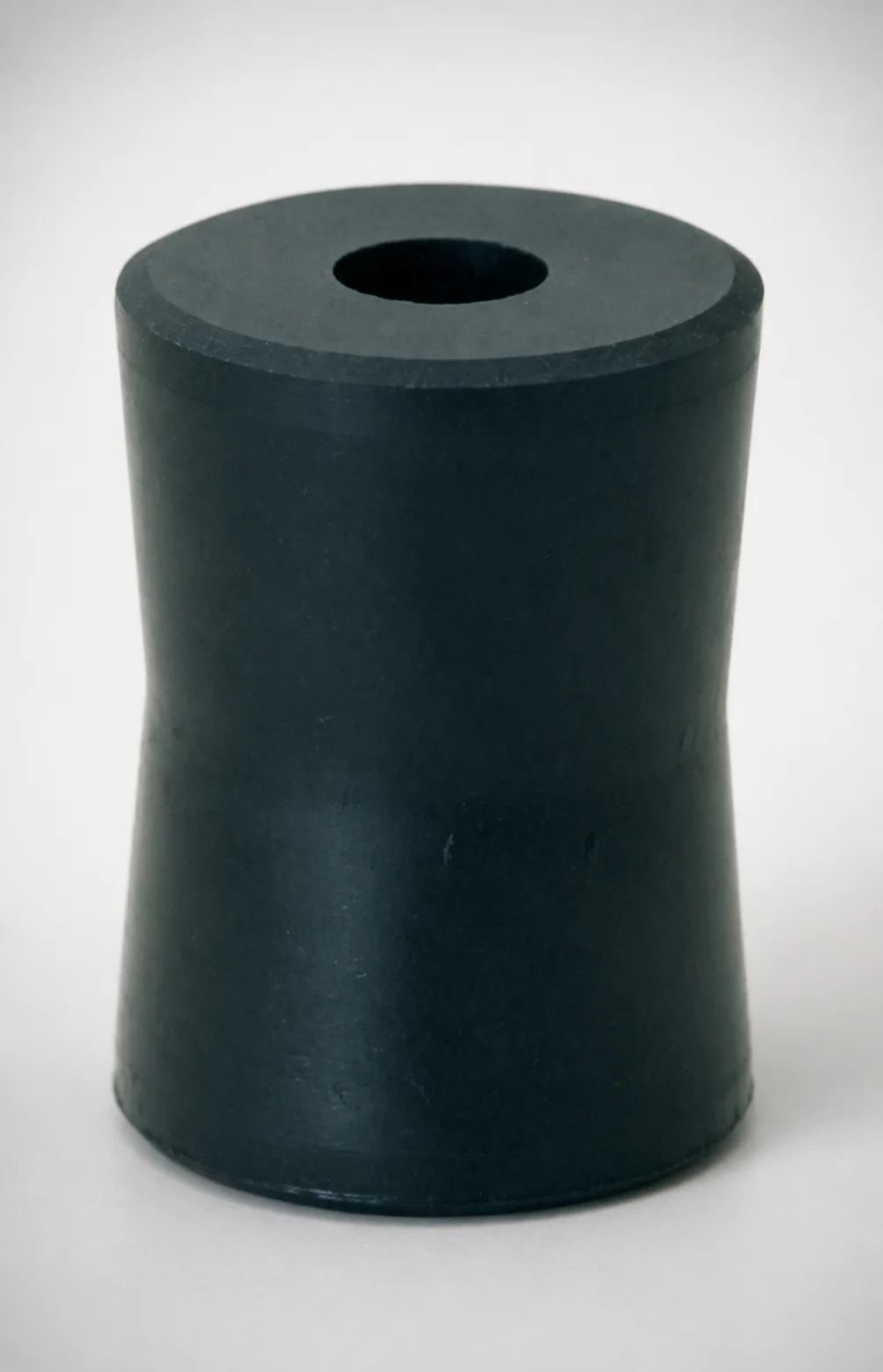
EX Series Heavy-Duty Urethane Pillar Springs (Through Hole)
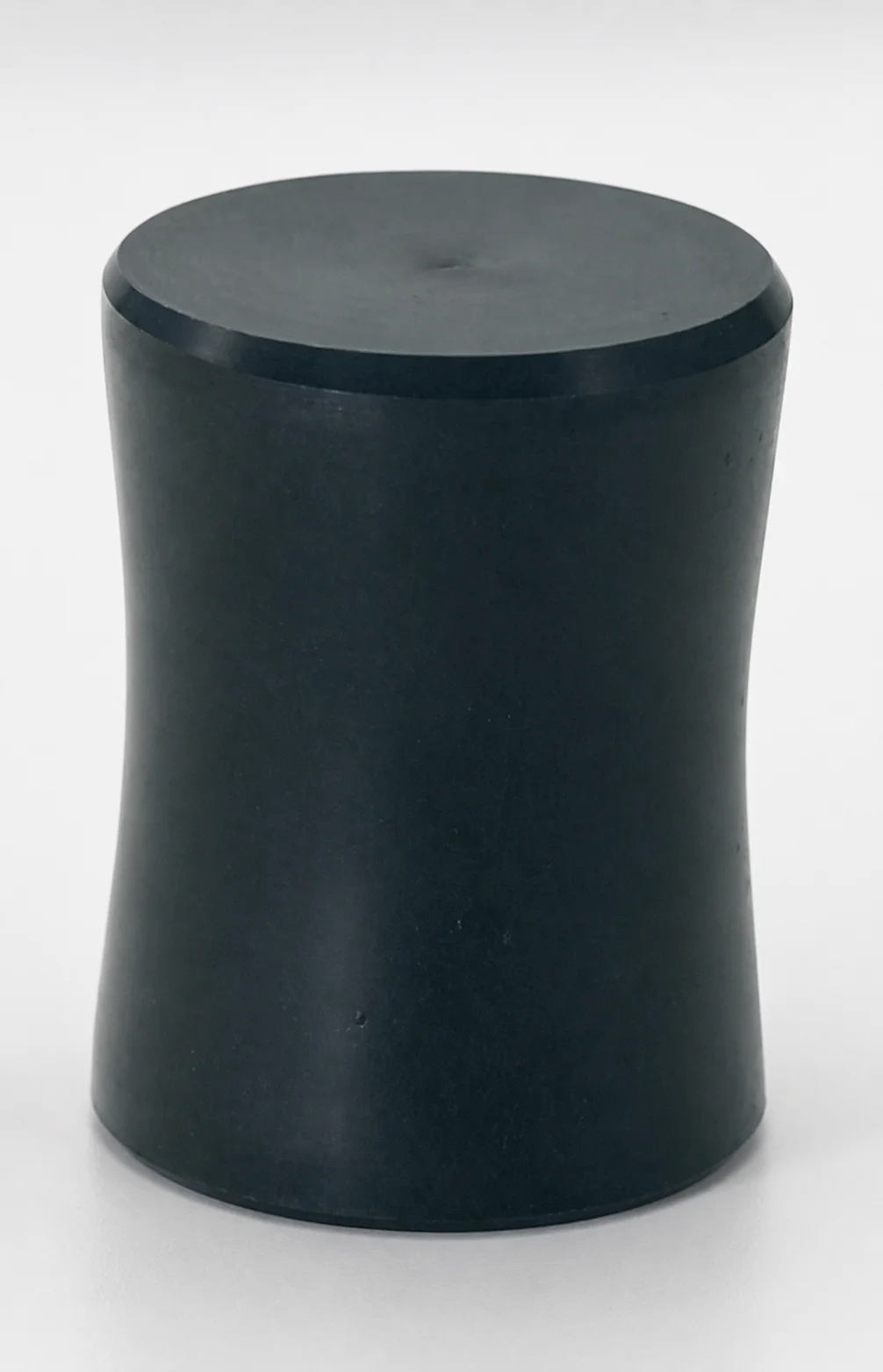
EX Series Heavy Duty Urethane Springs Pillar Hourglass
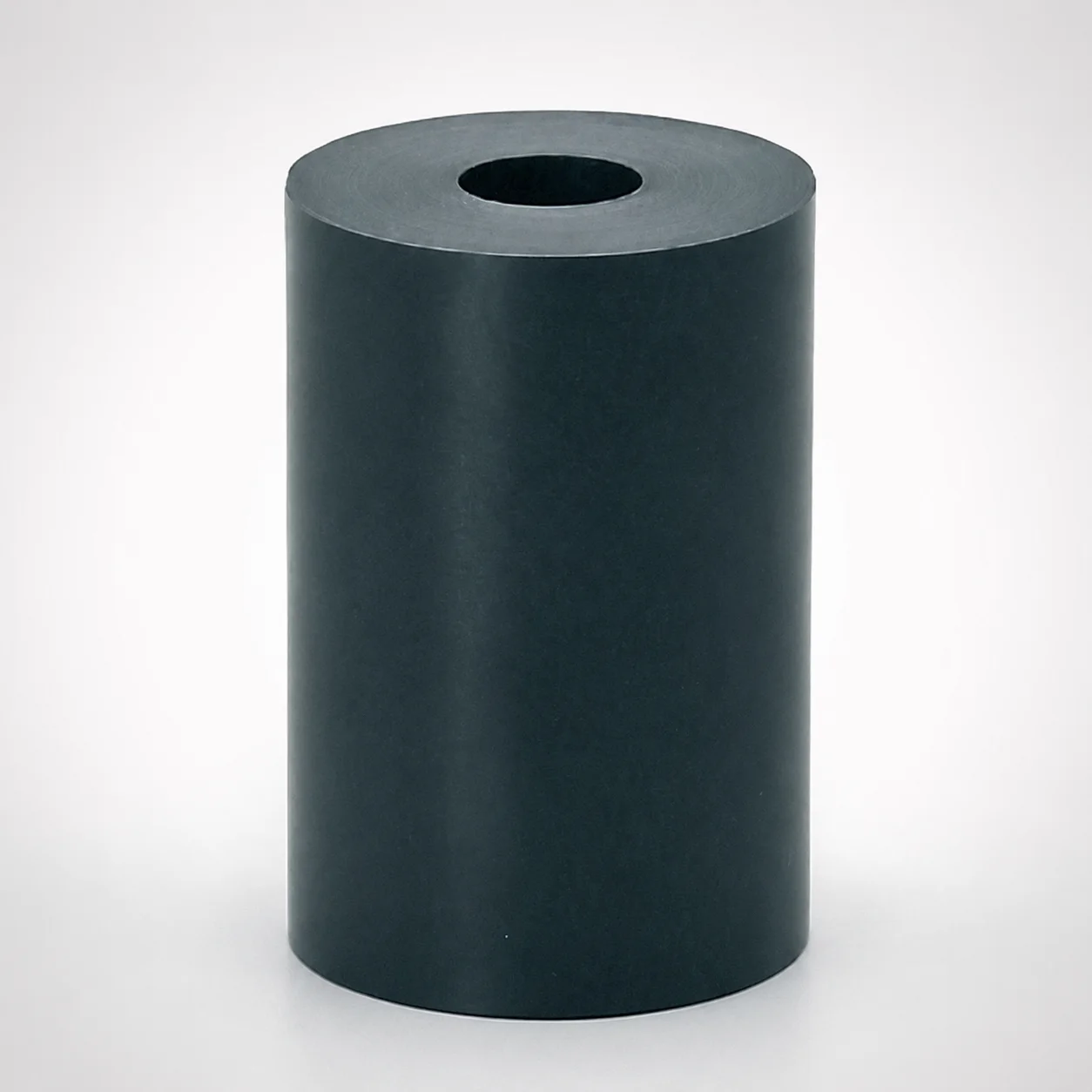
Heavy Duty Urethane Pillar Springs - A Series, Through Hole
E Series Heavy Duty Urethane Springs - Pillar Type Through Hole
EL Series Heavy Load Urethane Pillar Springs Through Hole
Heavy Duty Urethane Springs Pillar Shape
Need Custom Specifications?
Our engineering team can help with custom configurations, material selection, and volume pricing.